Total Items: 0
Sub Total: $0.00


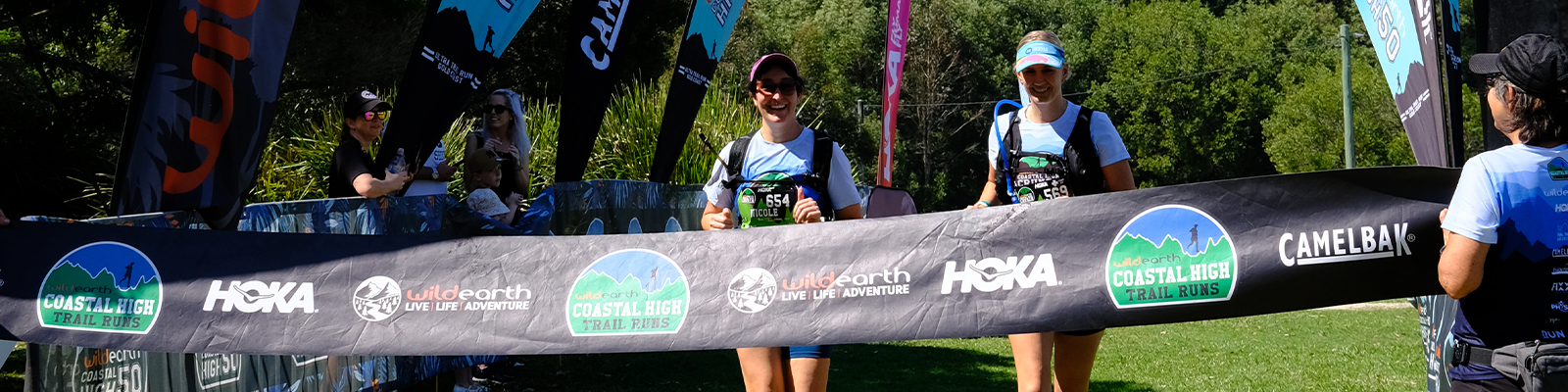
Are you gearing up for an ultra race, like The Ultra-Trail Kosciuszko by UTMB, Ultra-Trail du Mont-Blanc (UTMB), Ultra-Trail Australia (UTA), Blackhall 100 or this year's Wild Earth Coastal High 50?
Updated 2026.
Whether you're an experienced runner or taking on your first 50km, 100km or 100 miler ultra-running challenge, it's essential to have the right equipment to ensure both safety and performance. One of our running experts, Anderson, has put together this guide of essential ultra running gear you’ll need, along with expert product picks to help you train, race and finish strong.
Before diving into the mandatory gear list, let’s start with footwear. Selecting the right pair of shoes is critical. You need something that’s both comfortable and provides excellent grip, especially on varied terrain.
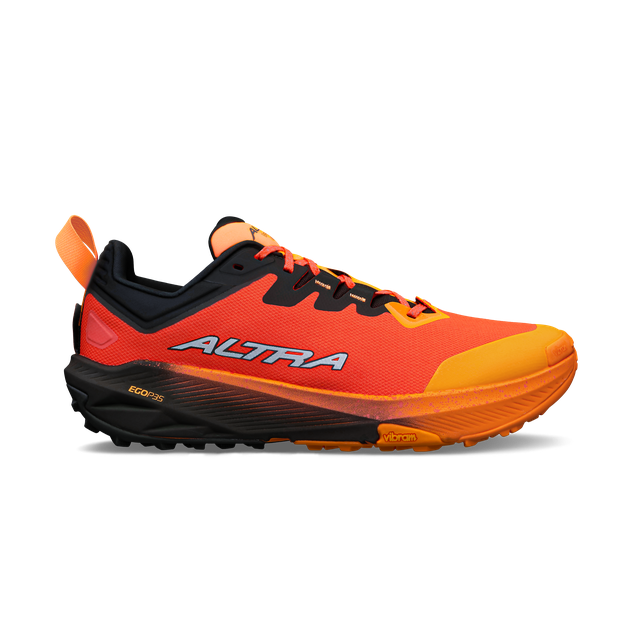
The Altra Experience Wild 3+ is a great option for ultra runners looking for all-day comfort, reliable grip and a smooth ride over mixed terrain. With a cushioned feel, roomy forefoot and trail-ready outsole, it’s a versatile choice for training runs, race day and longer efforts where comfort and confidence really matter.
Customers consistently mention great comfort out of the box but you should still make sure to break them in well before race day to avoid discomfort or blisters. They’re frequently purchased with Smartwool Socks and Blister Wool.
Best for: runners who want a comfortable, grippy, long-distance trail shoe with a roomy toebox and smoother low-drop feel. They’re a great fit for mixed terrain and everyday ultra training, but less ideal if your race is extremely technical or you prefer a very aggressive trail shoe.
The Hoka Speedgoat 7 is another popular option for trail runners who want maximum cushioning, reliable grip, and a lively ride across a huge range of terrain. With a new supercritical EVA midsole that's bouncier and more responsive than previous versions, best-in-class Vibram Megagrip traction, and a redesigned upper that locks your foot down on technical ground, it's a shoe built for long days on trail, from midweek training runs right through to race day.
Runners consistently love the step-in comfort and how well the cushioning holds up over big mileage. That said, it's worth putting some solid miles on them before a race to get a feel for the higher stack height and let the foam fully open up. The Speedgoat 7 runs slightly narrow and slightly short compared to some trail shoes, so if you have wider feet or are between sizes, size up half a size or go for the wide fit.
Best for: trail runners and ultra runners who want a cushioned, grippy, all-terrain shoe with a lively and protected feel underfoot. It's a strong choice for technical trails, long efforts, and race day on mixed terrain but less ideal if you prefer a wide toe box, run in deep mud regularly, or want something that transitions easily between road and trail.
.webp)
Other top sellers in our Trail Running category are Salomon Speedcross 6, Altra Lone Peak 9+, Hoka Speedgoat 7, Salomon S/Lab Genesis.
A running vest is more than just a piece of gear for the race, it's your lifeline on the trail and just as much as your shoes, it needs to fit right and be comfy. Designed to hold your essentials and mandatory gear for the race, from hydration to nutrition and safety items, a good running vest will ensure you can focus on the trail, knowing that you’re stocked up in case of an emergency. The right vest will distribute weight evenly across your body, reducing fatigue and allowing for easier access to your gear without slowing down.
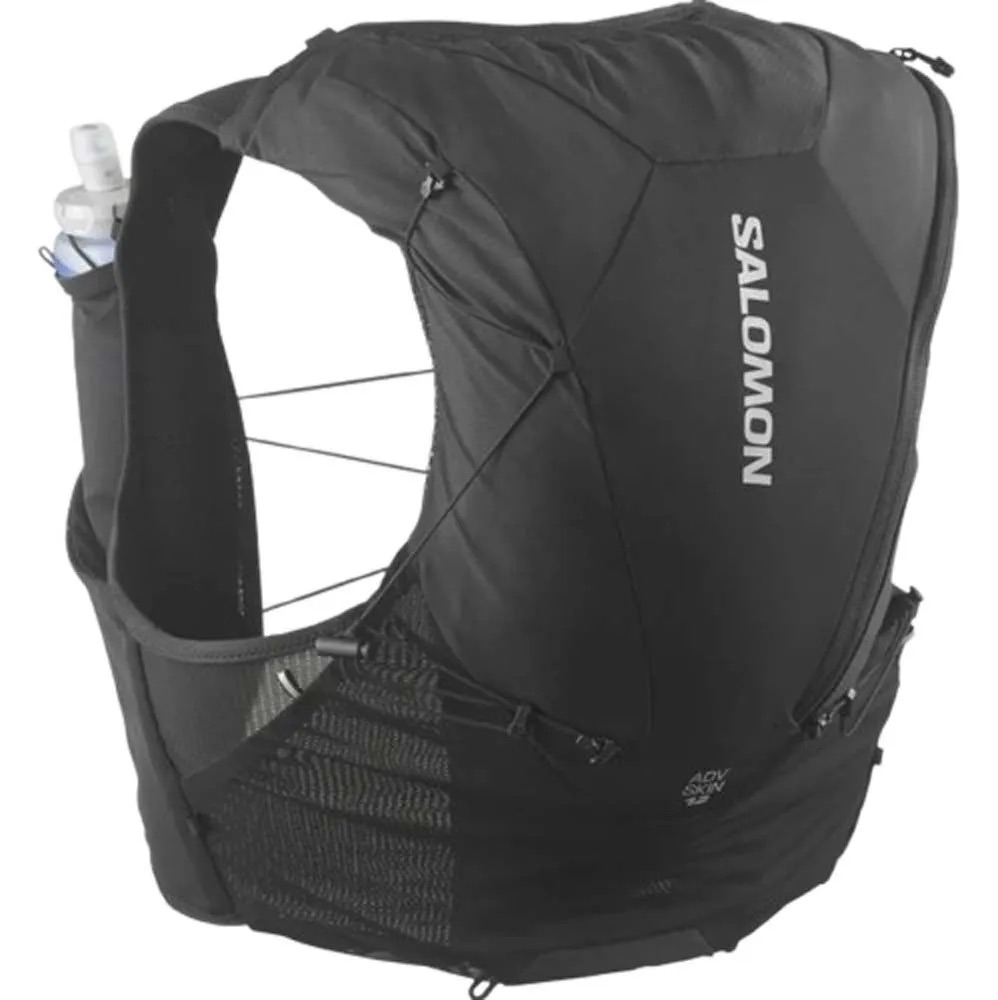
My top recommendation would be the Salomon Adv Skin 12. One of our winners of the Wild Earth Gear Of The Year awards, this running vest is designed for ultra runners. It covers all the essentials like easy hydration, while maximizing comfort and stability - with new ultra-versatile storage. This 12L-version is ideal for those longer races and trails.
Other top Wild Earth picks for running vests include: Salomon S/Lab Ultra 12 Unisex Hydration Vest, UltrAspire Momentum V2 Race Vest, Hoka 10L Unisex Trail Run Vest, The North Face Summit Series 5 Unisex Running Vest.
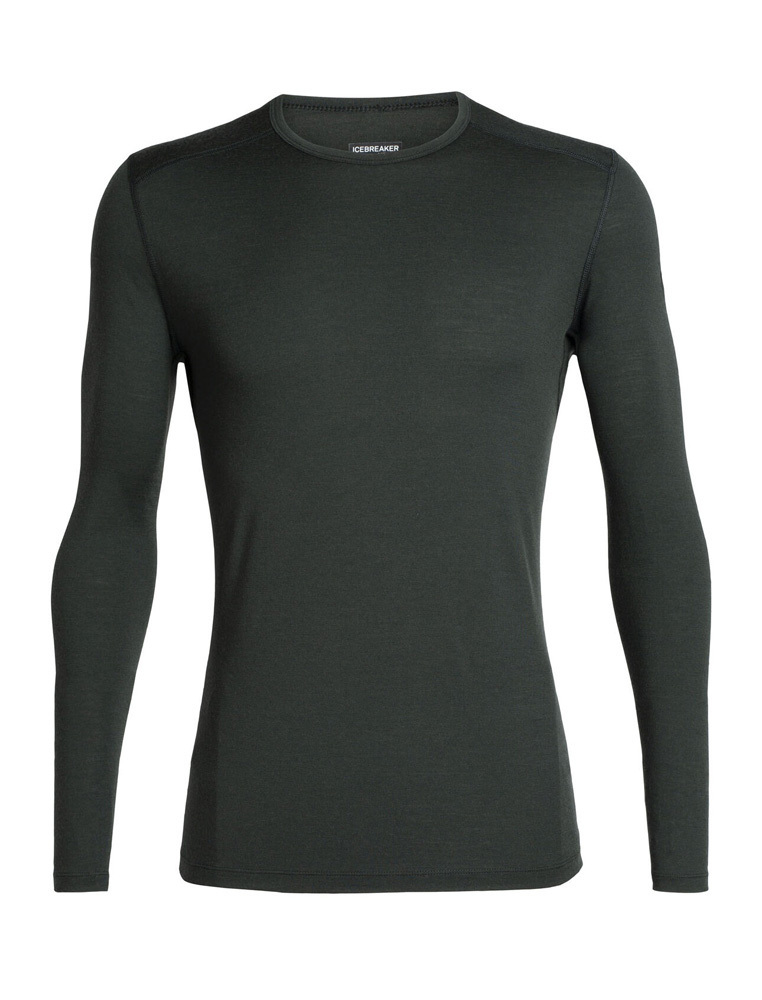
Starting early means facing potentially chilly conditions, especially in the mountains. A breathable yet warm thermal top is mandatory for runners participating in the Wild Earth Coastal High 50. The Icebreaker 200 is an ideal choice, known for its comfort and excellent breathability while providing necessary insulation against the cold. Some races also require thermal pants. Icebreaker 200 Thermal Pants are a great option along with a multi-use neck gaiter like this Wild Earth one can provide versatile protection against the elements. A beanie and gloves, like this pair from 2XU keep your extremities warm on cold mornings or late starts. Lastly, for your cold weather gear, consider taking a The North Face lightweight fleece to enable you to layer up if necessary.
Best for: runners facing cold starts and variable conditions, who need a breathable midweight thermal that layers easily and stays comfortable over long hours on the move.
A headlamp is essential for any pre-dawn start or night running segment. Most races over 50kms ask for a spare headlamp and you’ll need one with at least 400 lumens to ensure you have adequate visibility in low-light conditions. The Black Diamond Spot 400 is a solid option as a spare, offering a single strap design, multiple brightness settings, and both rechargeable and battery-powered options.
Best for: runners who want a reliable backup headlamp that’s easy to carry, easy to use and trusted when mandatory gear checks call for a spare light.
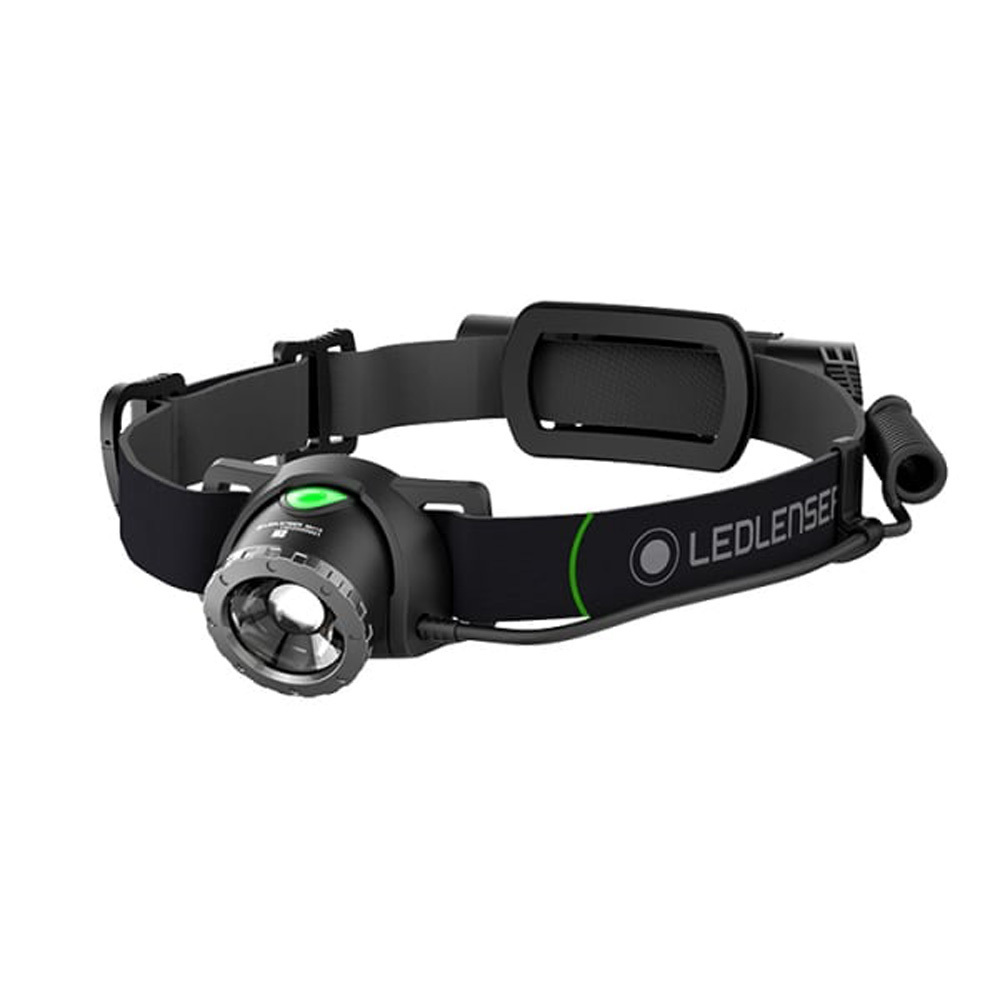
Get something stronger for your main headlamp like the Led Lenser MH10 Rechargeable 600 Lumen Headlamp. The MH10 is a very lightweight Ledlenser headlamp for its brightness output. It is equipped with a red taillight as well as colour filters for various different uses.
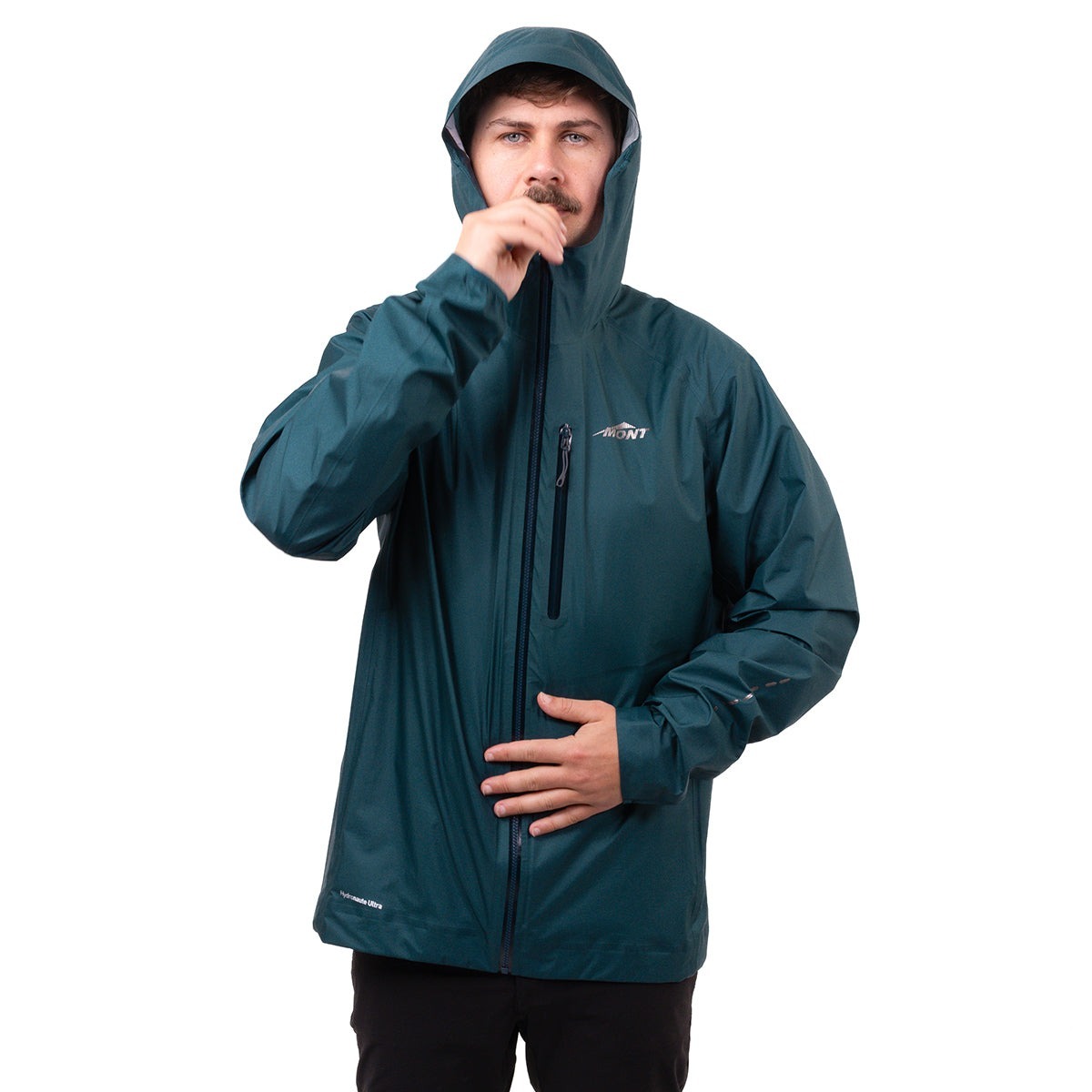
For both the Coastal High 50, Crunch events and most of ultra races in Australia and overseas, a waterproof jacket is a must. Look for a jacket that is not only waterproof but also lightweight, highly breathable and fully seam-sealed. The Mont Lightspeed Waterproof Running Jacket ticks all the boxes with its excellent weather resistance, breathability, and compact packability.
Best for: runners who need a lightweight, packable waterproof jacket that still delivers reliable protection in wet, windy and changeable race conditions
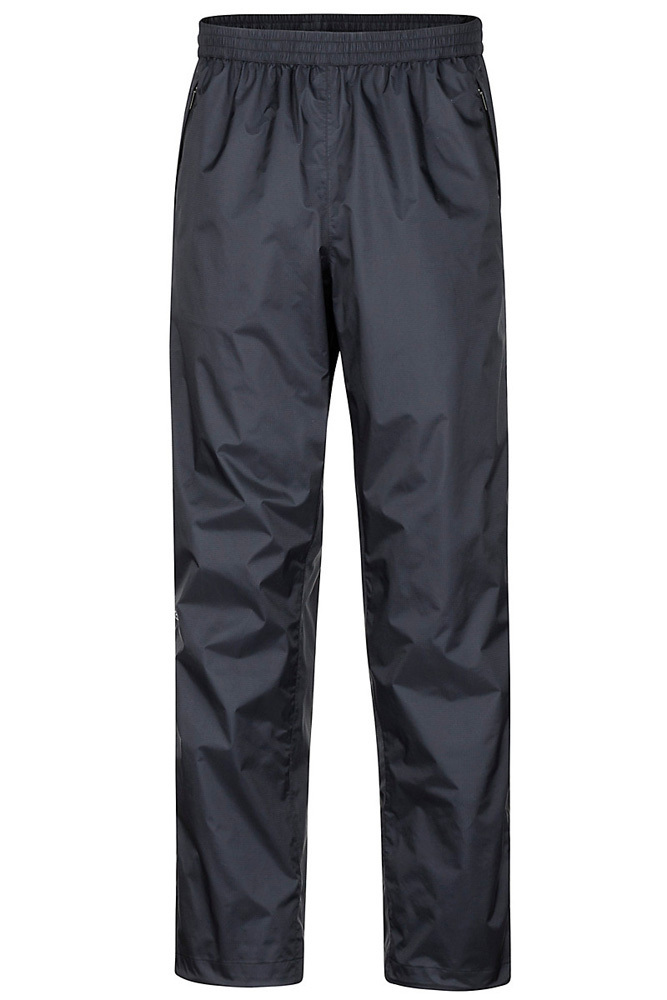
If you require waterproof pants, I recommend the Marmot Precip Eco Pants. A good waterproof set will keep you dry and comfortable no matter what the weather throws at you.
Best for: runners who need dependable wet-weather protection that is easy to carry and quick to throw on when conditions turn.
Safety should always be a priority in any ultra event. Your first aid kit must include a TMPO Emergency Space Blanket, a whistle, TMPO Compression Snake Bandage (minimum size 7.5 cm by 2 m), and strapping tape (minimum 5 m by 2 cm).
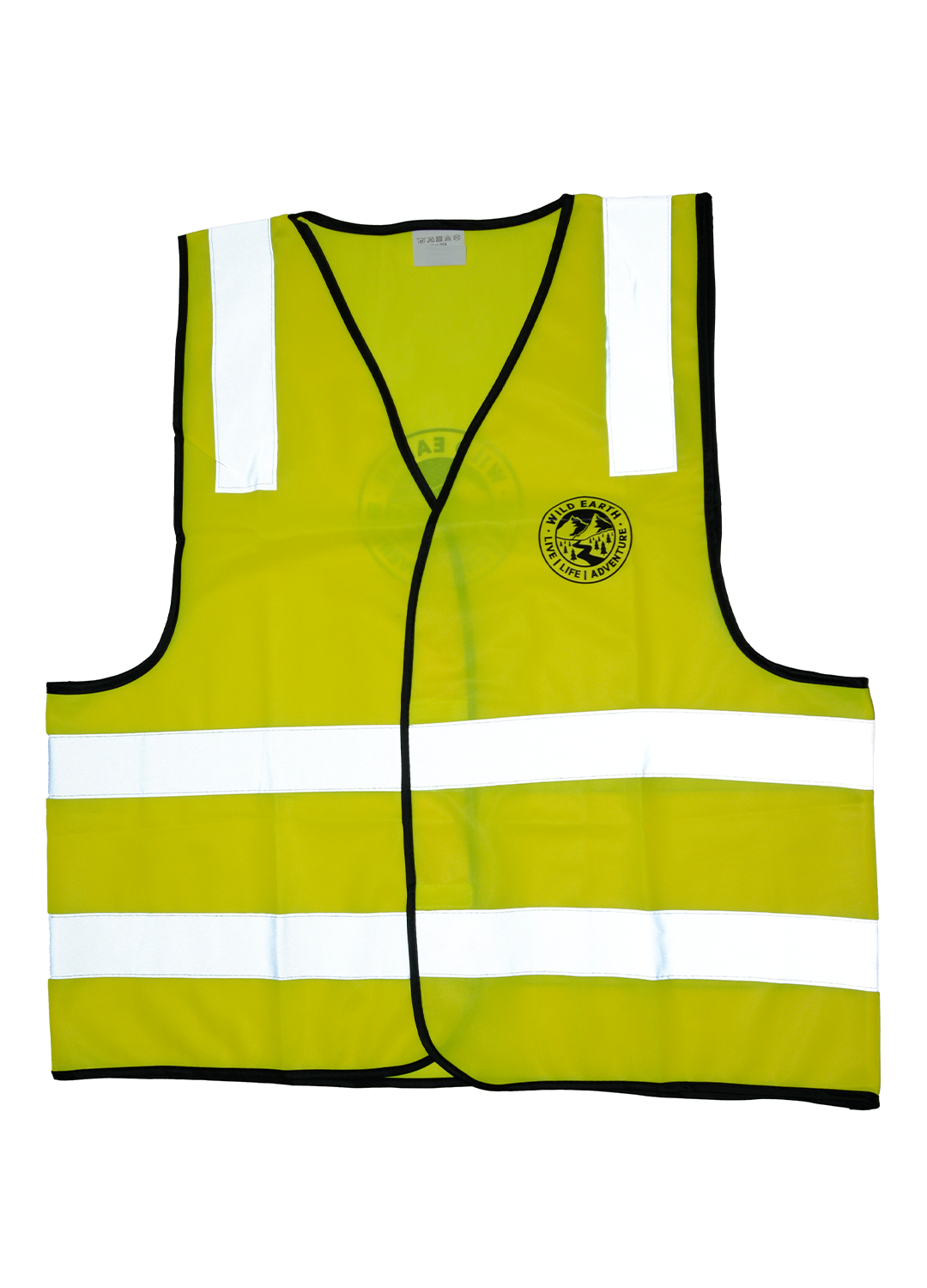
These essentials will help you handle minor injuries and stay safe in case of an emergency. Check out the AMK medical kit for some of these, please note it doesn’t include a space blanket or whistle so you’ll need to read the inclusions. Many races also require a hi-vis running vest like this Wild Earth fluro yellow running vest (some requirements so make sure you check. These are great for AUS and NZ but international standards may vary)
Best for: runners who want a compact, lightweight emergency kit that’s easy to carry and built around common race mandatory gear requirements.
Best for: runners who want a compact, lightweight emergency kit that’s easy to carry and built around common race mandatory gear requirements.
Hydration is crucial during long-distance runs. Carry at least 2 litres of water, which can be achieved through a hydration bladder in your vest and 2 x soft flasks. A good running vest with storage capacity, like the ones mentioned above, offer space for hydration gear and other essentials but always check your event’s minimum water-carry requirement. It’s also a good idea to add a soft cup, like this Instinct Trail cup to your kit so you can refill with warm tea at check points!
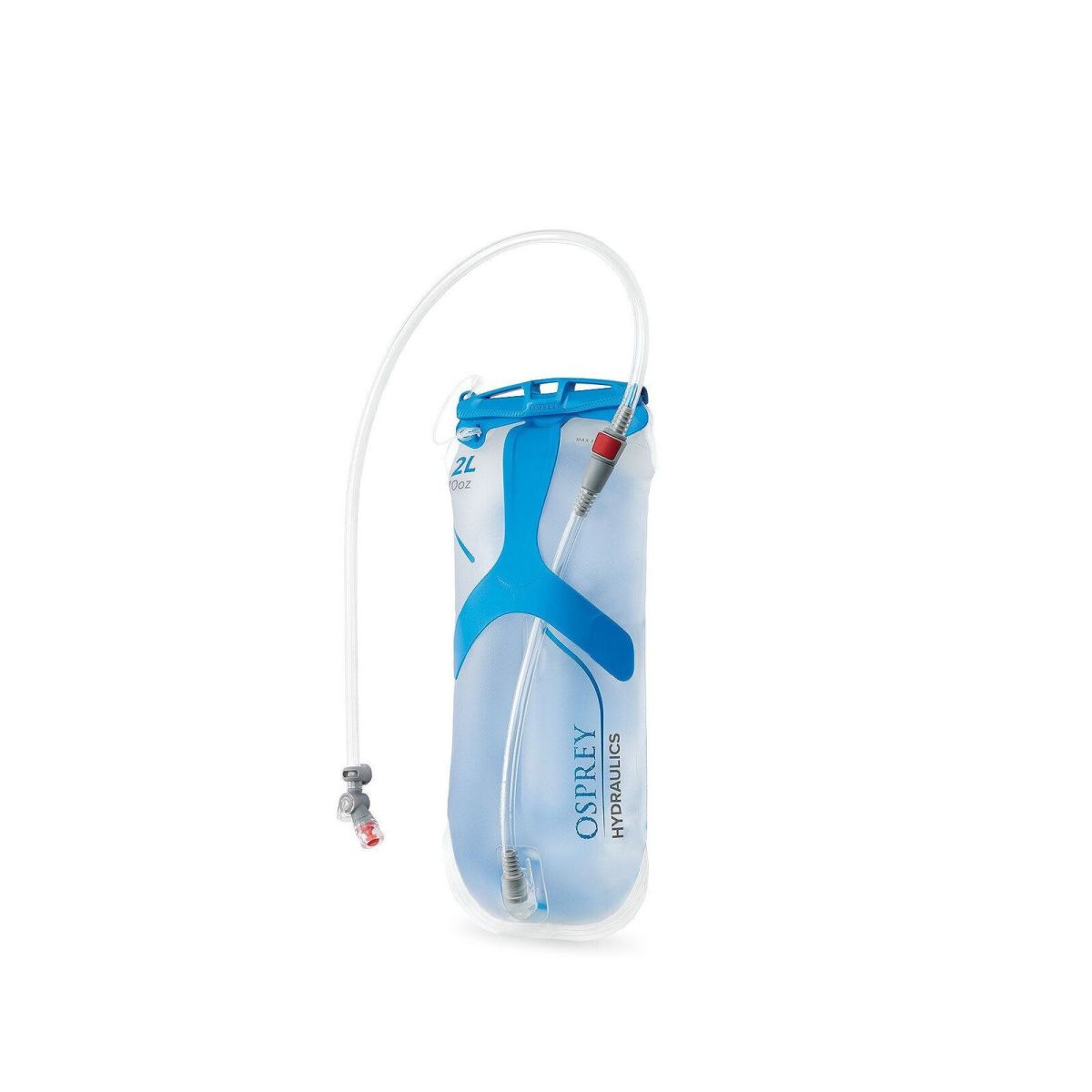
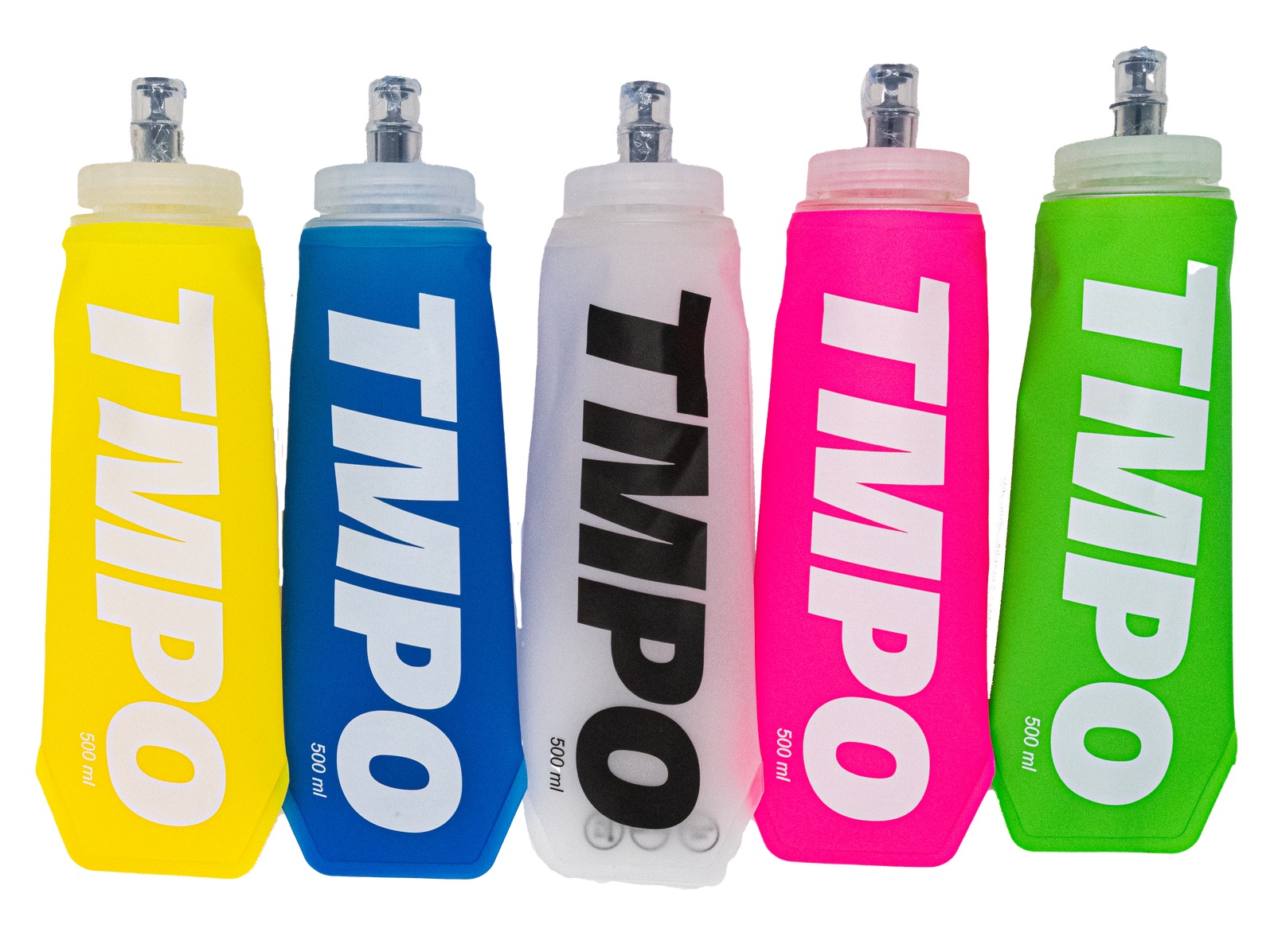
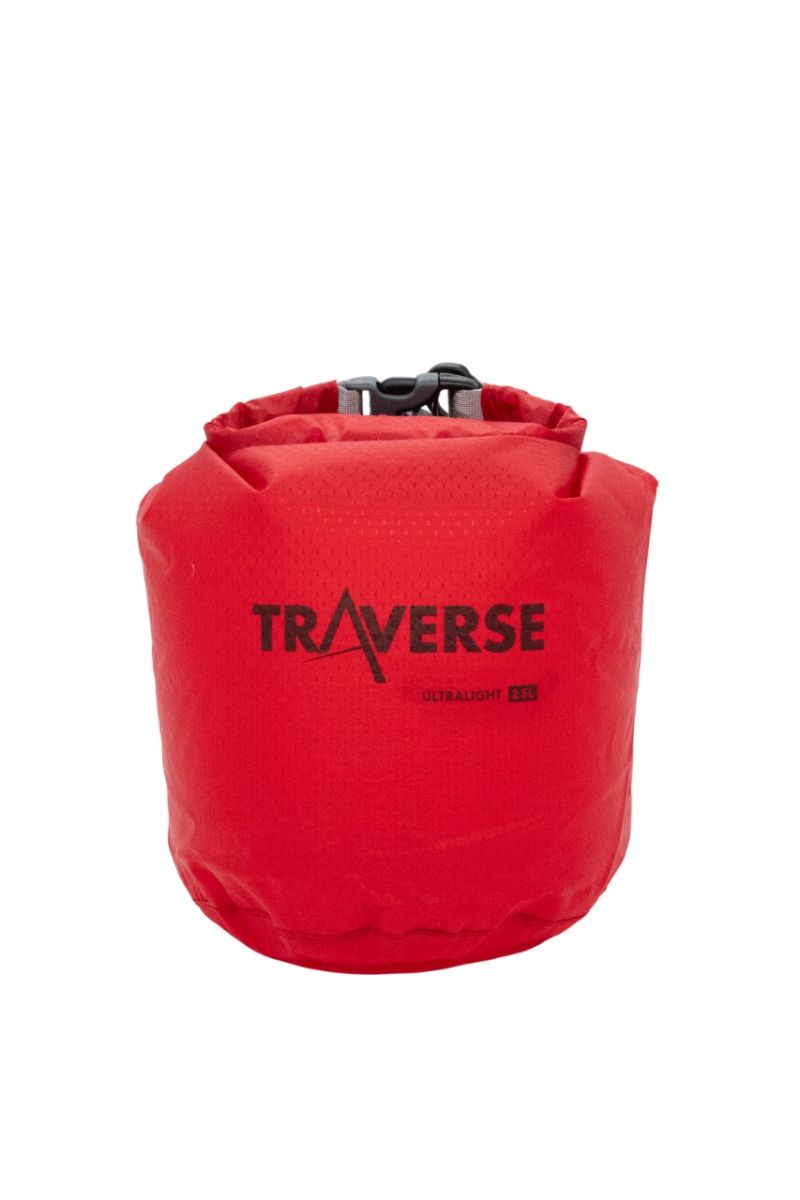
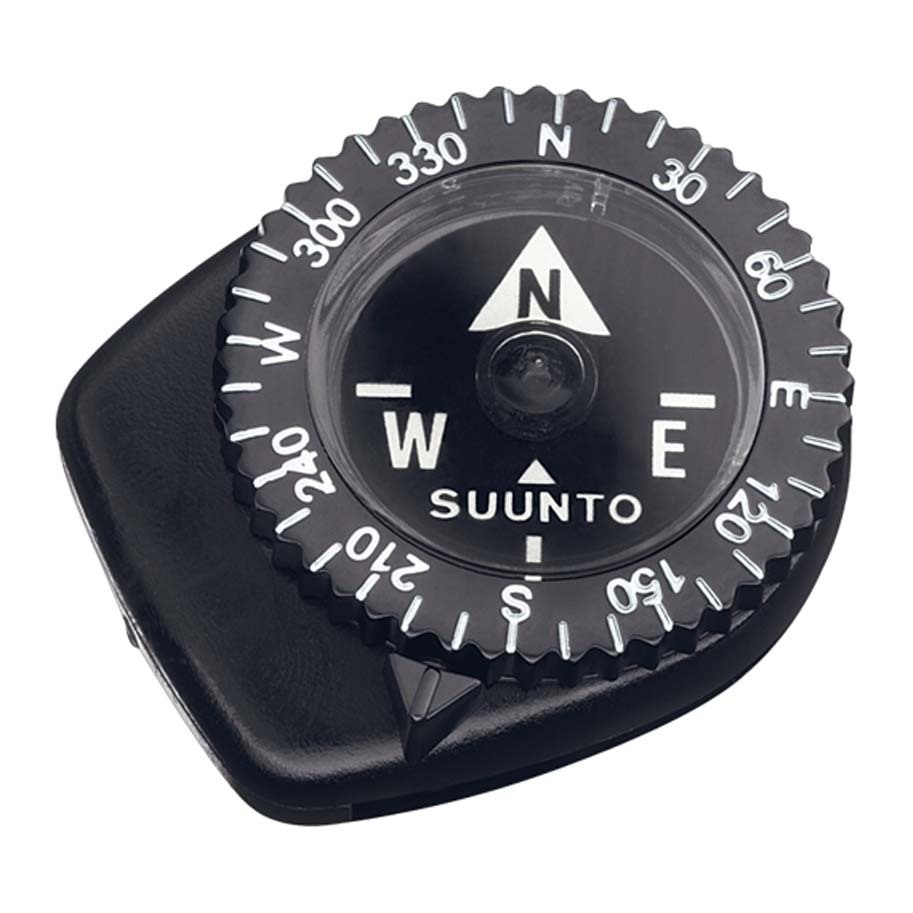
Other items you’ll need include a Ziploc or waterproof bag for your food scraps and rubbish (this Traverse Dry Bag will work perfectly to keep your thermals and fleece dry inside your running pack), a fully charged mobile phone, a compass, and a race map. The Suunto Clipper compass is compact and easy to attach to your gear, while the Maps.me app allows for offline map access if you prefer digital navigation.
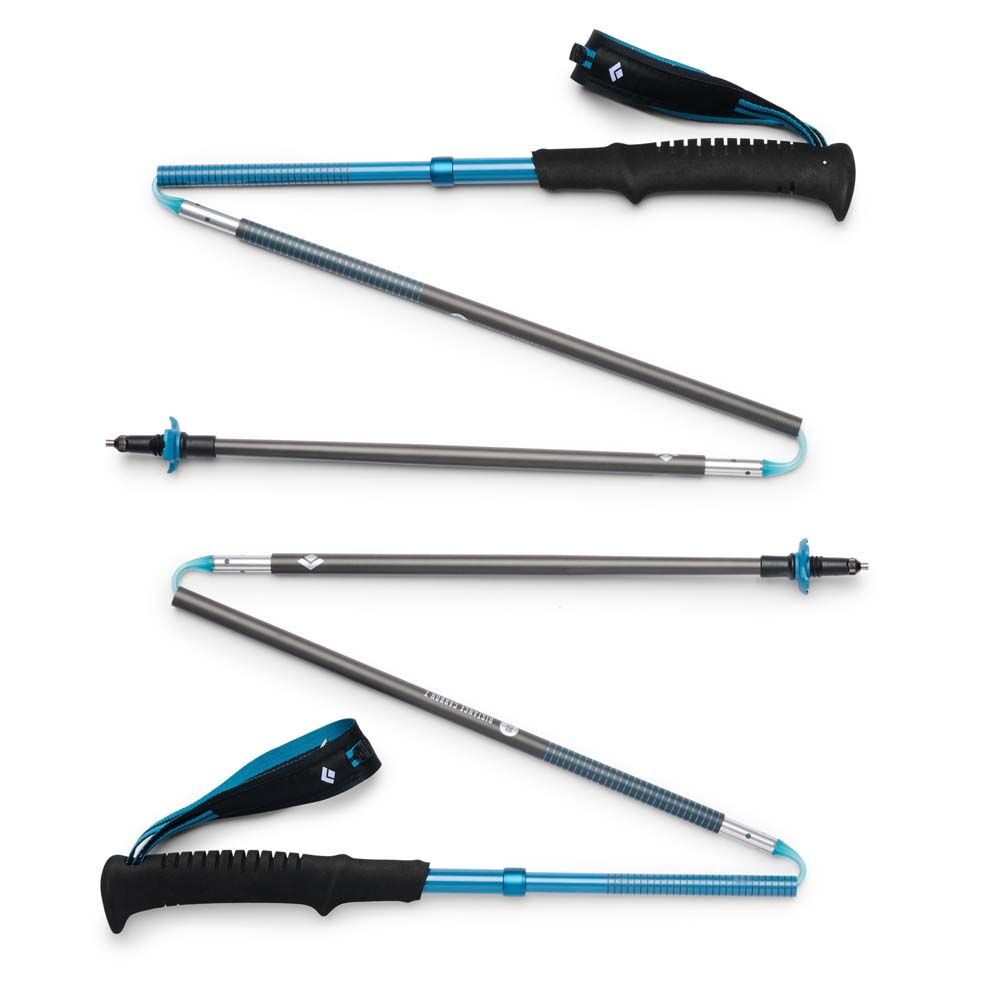
Beyond the mandatory gear, consider adding a few extra items to enhance your race experience. For nutrition, the Fix Nutrition gels, Precision electrolytes and Clif bars are my go-to, but be sure to test them during training to ensure they suit your stomach. Hiking poles are another great addition and can be a game-changer during ultra races, especially on challenging terrains and over long distances. Offering improved stability and helping you distribute your body weight more evenly (particularly helpful on steep climbs or descents). These Black Diamond ones would be a gift to your legs for races like UTMB and the Kokoda Challenge.
For warmer race days, the TMPO Ice Bandana is a smart little addition to your kit. It was popular at last year’s Blackhall 100 and gives runners a practical way to carry ice around the neck for quick cooling at aid stations.

Chafing can turn any race into a painful ordeal. Applying anti-chafing cream, such as Squirrel’s Nut Butter, Gooch Gu or Body Glide, can prevent irritation and ensure you stay comfortable throughout the race. Make sure to carry some in your pack or apply it before you begin.
UTA 100 and most of the races mandatory gear list
Coastal High Mandatory Gear List
With the right preparation and gear, you can focus on what matters most: enjoying the race. Visit Wild Earth’s stores or check out their online shop for any last-minute gear needs. Remember, the key to a great race is not just in the running but also in the preparation.
Not sure how to find your local 50km or 100 Ultra races? No problem, we’ve listed one 50km race from most states around Australia. If you have any other recommendations let us know and we’ll add them here.
Stay calm, stay prepared, and most importantly, have fun! Good luck, and see you at the starting line!
Not sure what gear you need for your next running adventure? Chat with our friendly team of Outdoor Gear Specialists in-store or online today and don’t forget to share your adventures with us on Instagram by tagging @wildearthaustralia and #mywildearth in your next post.
Q: What gear is usually mandatory for an ultra race?
A: Most ultra races require a waterproof jacket, thermals, headlamp, emergency blanket, whistle, hydration capacity, phone and basic first aid items. The exact list changes by race, distance and forecast, so always check the official event rules.
Q: How much water do I need to carry?
A: Many races ask runners to carry around 1.5 to 2 litres of water. A bladder plus soft flasks is one of the easiest ways to meet the requirement and still drink comfortably on the move.
Q: What size vest do I need for mandatory gear?
A: For many runners, a 12L vest is the safer option. Smaller packs can work for short races or mild conditions, but once you add layers, lights, first aid gear and water, space disappears fast.
Q: Will mandatory gear fit in a 5L vest?
A: Sometimes, but it depends on the race. A 5L vest may be enough for a lighter gear list, but many runners find it too tight once the full mandatory kit is packed.
Q: How bright should my headlamp be for an ultra?
A: Many runners look for at least 400 lumens as a practical starting point. Your spare light can be simpler, but your main headlamp should be strong enough to read the trail properly in the dark.
Q: What makes a waterproof jacket race compliant?
A: In many ultras, the jacket needs to be genuinely waterproof, lightweight and fully seam-sealed. Water-resistant shells usually are not enough, so it pays to check the product details carefully.
Q: Do I need a hi-vis vest for Australian ultras?
A: Some races do require one, especially when organisers list a specific safety standard. Always check the wording closely, because some events require it to be carried while others may require it to be worn.
Q: Do I have to carry all my mandatory gear the whole time?
A: Usually, yes. Unless the organiser clearly says an item can go in a drop bag, mandatory gear is generally expected to stay with you for the full race.
Q: Are gear checks strict?
A: They can be. Some are quick and simple. Others are very specific and may involve checking labels, jacket details or whether every required item is actually in your pack.
Q: What should I buy first for my first ultra?
A: Start with the big-ticket items you'll train with most. Usually that's your vest, hydration setup, waterproof jacket and headlamp. Those are the pieces worth sorting early.

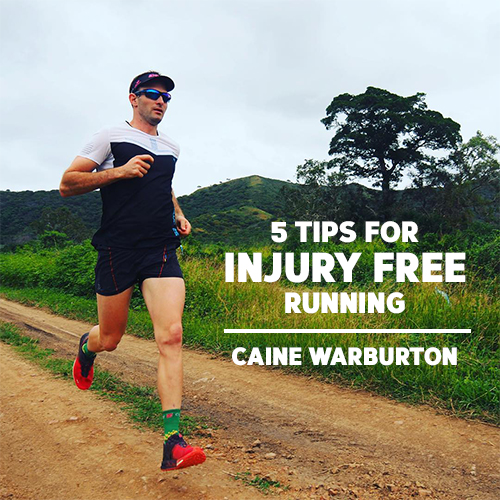
Pro athlete and coach, Caine Warburton shares his top tips for injury free running. With over a decade of serious running under his belt, 45 podium finishes from 54 career races and current high profile sponsorships, Caine's advice is invaluable.
Want to know what it is like to be an endurance athlete?

The Bibbulmun Track is Australia's longest marked walking track, spanning 1,000 kilometres from Kalamunda in the Perth Hills to Albany along WA’s southern coastline.












Using Afterpay you can pay for your order over 8 weeks. There's no interest or added fees* and nothing to pay today. Payment will be automatically taken from your debit or credit card in four equal payments each fortnight over 8 weeks, and you will receive your order immediately.
You simply need:
To use this service simply:
Approved AfterPay buyers will require the funds for the first payment to be available on their card at time of checkout, however the first payment won't be deducted for 14 days. First time AfterPay buyers will need to make the first instalment payment at the time of their purchase.
If you wish to return your goods you can choose to receive an exchange, or the Afterpay payment plan can be cancelled before the first payment at no charge. *If you fail to have sufficient funds available for AfterPay to automatically deduct payment on due instalment dates you will be charged a late fee of $10, and if the instalment payment remains overdue, an additional $7 will be charged one week later.
With AfterPay, there's no waiting and we'll ship out your order immediately as normal.


When you want to go now, sometimes it's handy to pay later. That's why, we offer interest free payment plans from two of Australia's favourite Buy now, Pay later services.