Total Items: 0
Sub Total: $0.00


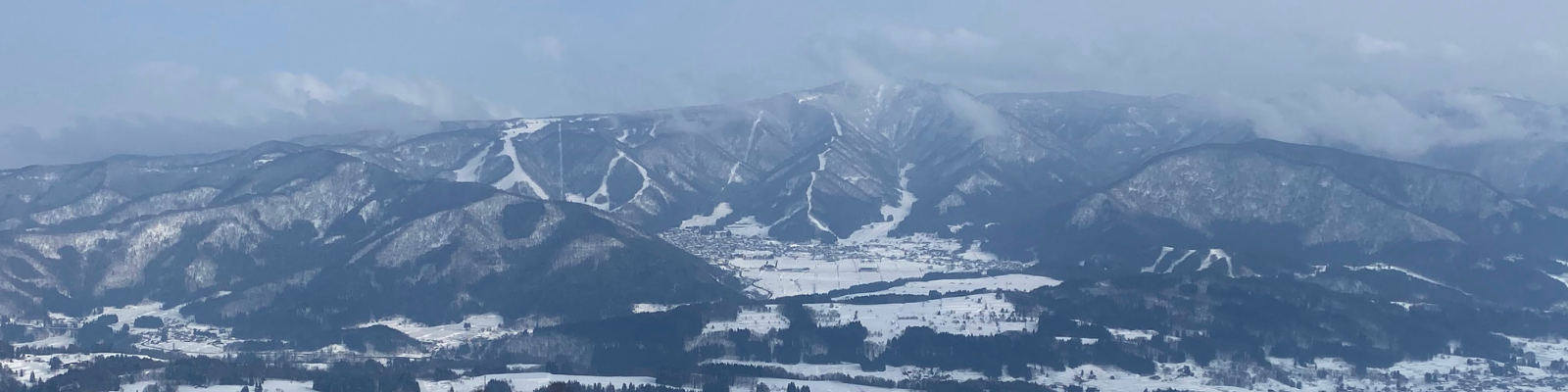
Learn how to layer for winter with a base layer, fleece or mid-layer, insulated jacket and waterproof shell. Based on multiple winter seasons in Nagano, Japan, this guide explains how to stay warm, dry and comfortable without overheating in cold weather.
Updated 2026.
In this guide:
After multiple winter seasons living in Nagano, Japan, I have come to learn a thing or two about layering correctly for the cold. Often when I was out on the slopes, I felt like Goldilocks - sometimes too hot, other times too cold. After months of living in the snow, I’ve got it, the recipe that’s just right.
Layering for winter is not just about throwing on the thickest jacket you own. It is about wearing the right layers in the right order, so you can stay warm without overheating, sweating or getting chilled once you stop moving.
The problem isn’t getting warm, it’s staying warm. Our body heat will do all the work for us, we just have to make sure that we’ve got the right gear and layering system so that heat doesn’t escape and we stay toasty. The best winter layering system usually has four parts: a base layer, a fleece or mid layer, an insulated jacket and a shell layer. Each one has a job to do, and together they help trap warmth, manage moisture and block wind, rain and snow. Here’s how you layer for winter:
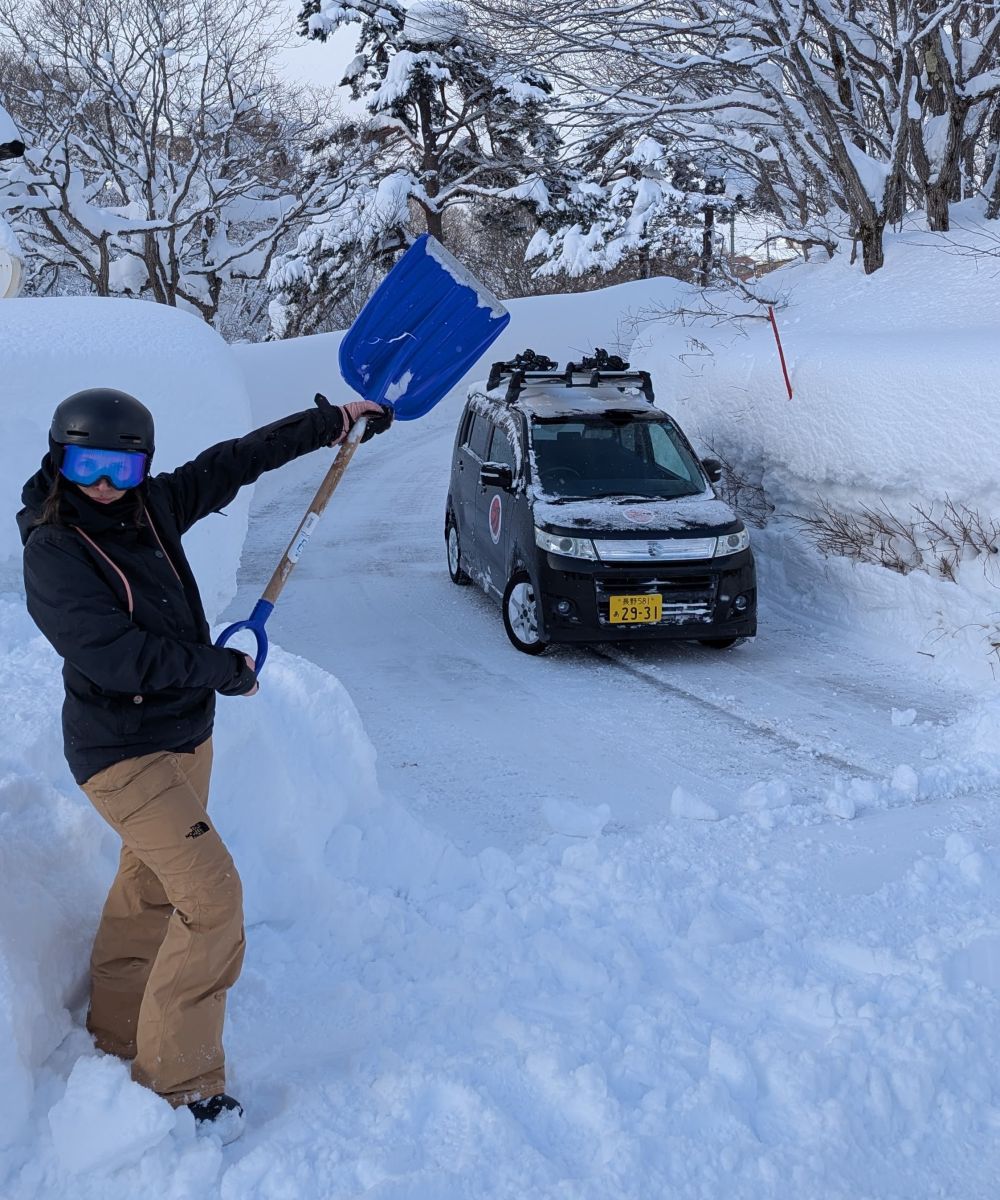
Shovelling snow in Japan
For most winter adventures, the ideal layering system is:
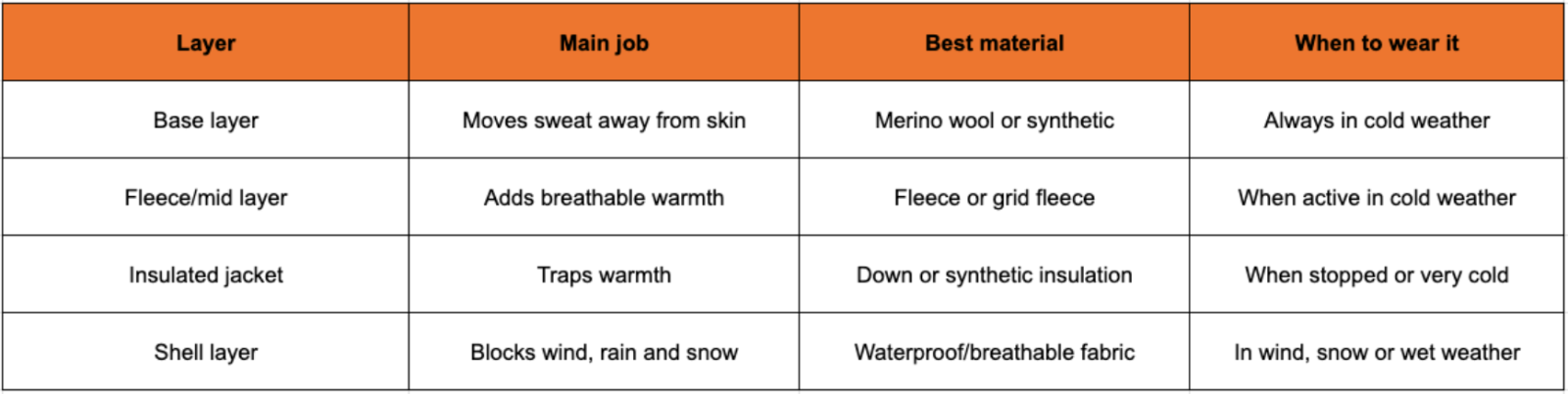
This system works for skiing, snowboarding, winter hiking, camping, travel and cold-weather everyday wear, allowing you to add or remove layers depending on the temperature, wind, snow and how hot or cold your body naturally runs.
Baselayers, thermals - same, same. Essentially, these are the items in your kit that are the closest to your body (other than underwear of course). Baselayers act as a thermal barrier and trap the warmth from your body in the air between the clothing and your skin. Due to the material, it is able to keep the air warm, and therefore, you warm.
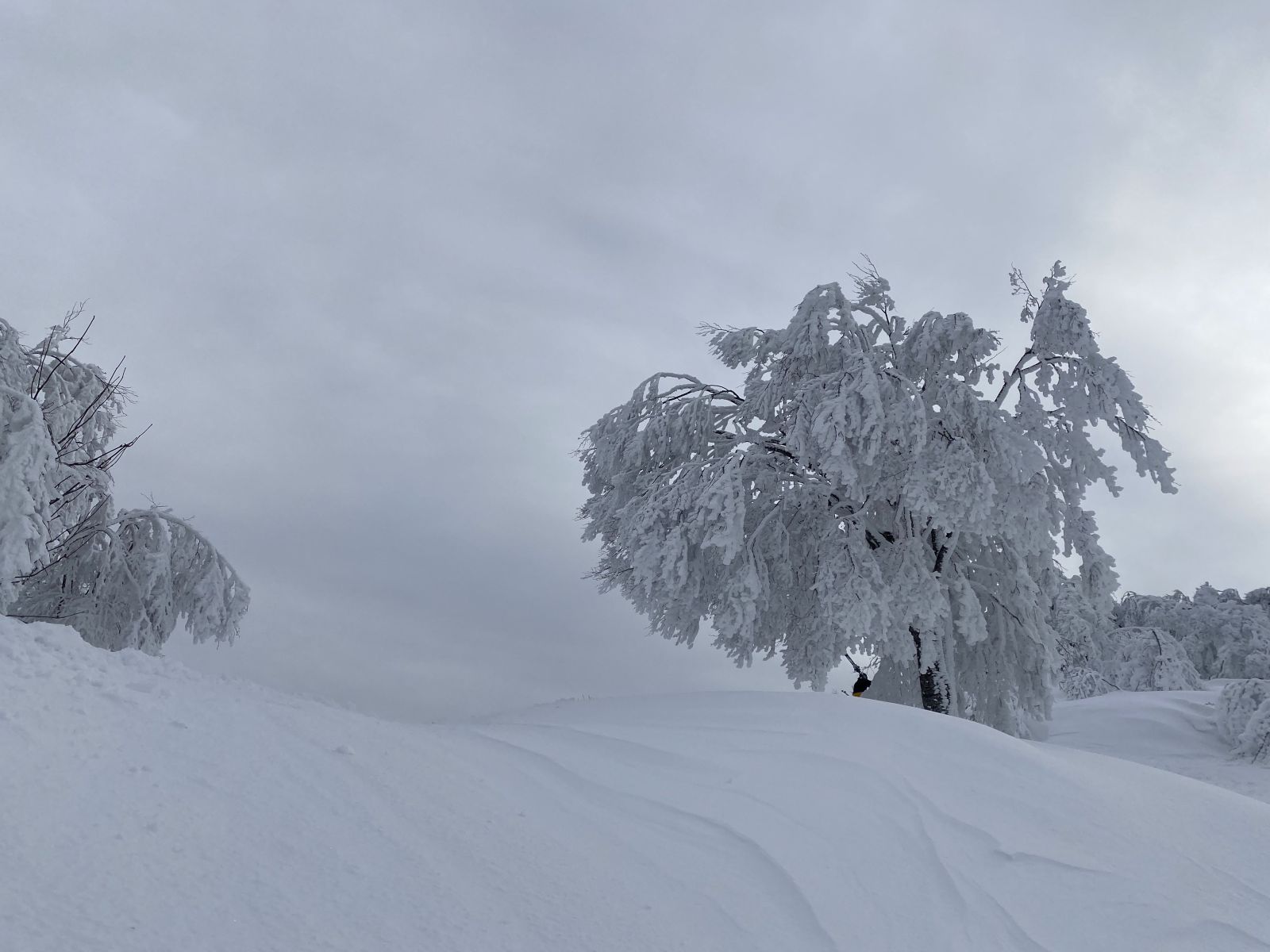
Fresh Pow in Japan
Your base layer is the foundation of your winter layering system. It sits against your skin and helps move sweat away from your body while keeping warm air close. This is important because staying dry is one of the biggest secrets to staying warm and if you sweat through your clothes, you’ll feel cold as soon as you stop moving.
Because of this air trapping, it is important to have thermals that fit snugly but aren’t super tight as this may cause some air to escape. Have you ever worn gloves or shoes that are too small in the cold and you are frozen? That’s because there is a lack of air to circulate the warmth. So, yes, fit matters. Your thermals should feel close to the body, but not restrictive. You want enough room for a little warm air to sit between your skin and your clothing.
There are 2 types of thermals on the market, Merino wool and synthetic, both are good for different reasons. Merino wool is a crowd favourite and is praised for its exceptional warmth, antibacterial properties (which mean you don’t need to wash after every use - score!) and the use of naturally sourced fibres.
Merino is a great option for multi-day trips, ski holidays and winter travel because it stays fresher for longer. It’s also warm and comfortable against the skin (unless you are sensitive to wool!).
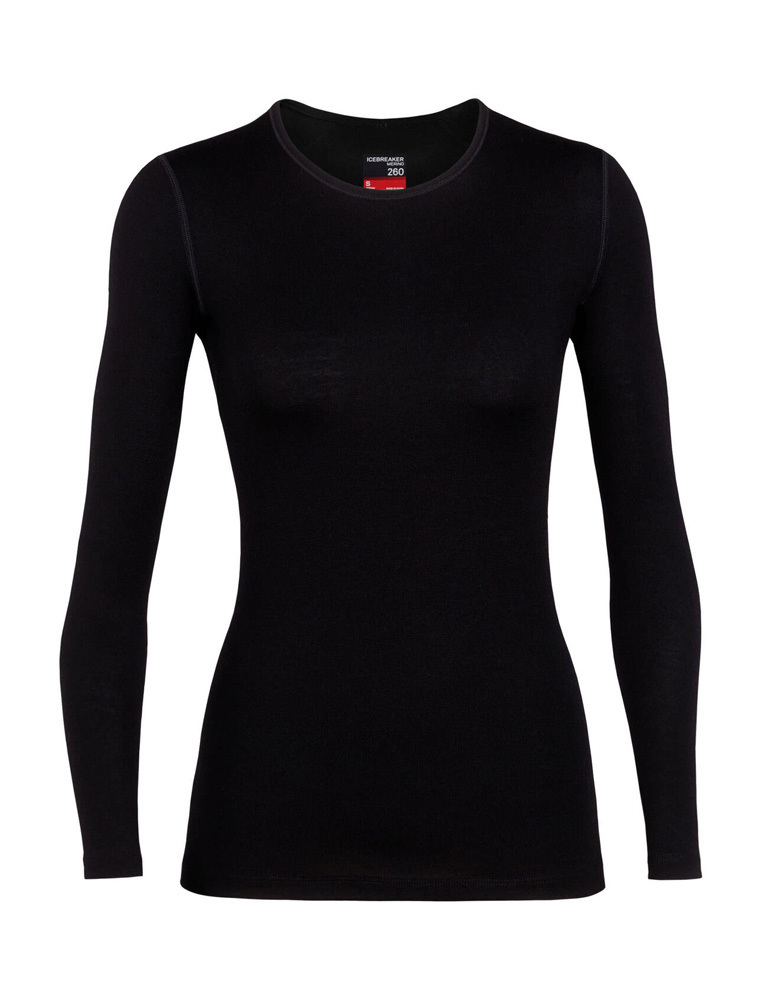
The Icebreaker Merino 260 Tech thermal is a reliable merino wool base layer for winter hiking, travel and everyday cold-weather layering. Made with 100% merino wool, it helps regulate body temperature by keeping you warm when it’s cool, while still breathing well when you’re on the move.
Customers also love how well these thermals work under other gear, while still being comfortable enough to wear on their own as a top layer. Available in men’s and women’s thermal tops, with matching thermal bottoms, it’s an easy base layer system to build your winter kit around.
The other option is synthetic which is great for those who have reactions to wool (sadly, that's me) or are looking for a more budget-friendly item as they tend to be priced lower than their Merino cousins. Synthetic thermals are also quick-drying and durable, which makes them a solid choice if you sweat a lot or want something easy to wash and wear again.
The main thing to avoid? Cotton. Cotton holds moisture and dries slowly, which is not ideal when you are trying to stay warm in cold weather.
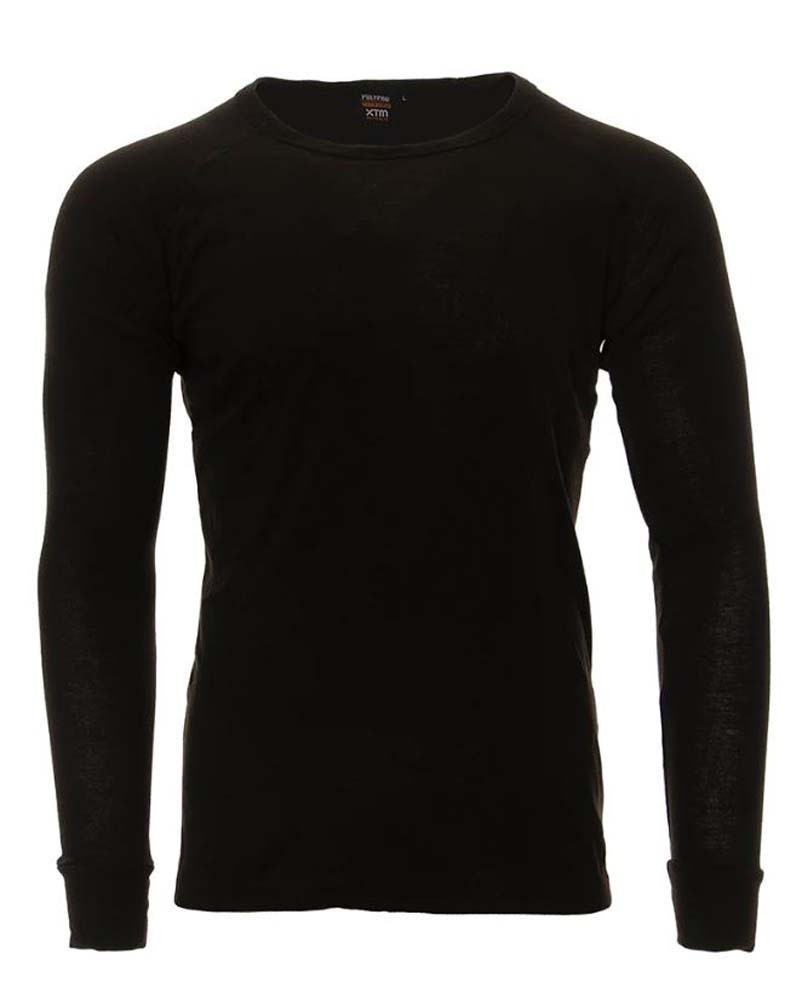
Lightweight, warm and quick-drying, Heatflex is a synthetic base layer that feels like a step up from your standard PolyPro thermal. Made with breathable 180gsm polypro, it helps wick moisture away from the skin so you stay comfortable during cold-weather activity. It also features Polygiene StayFresh technology for odour resistance, making it a handy choice for winter layering, multi-day hikes and travel.
The fleece jacket is our next layer and is a great addition to those extra-cold climates, but not always necessary depending on how cold or warm your body runs. This is your breathable warmth layer. A fleece is especially useful when you are moving, because it adds warmth without trapping as much heat as a big insulated jacket.
Honestly, I don’t always wear a fleece because sometimes, it’s just too warm to wear one with my other layers. This is a really important point. Layering is personal and some people run hot, whereas others run cold. Some days are windy and freezing, while others are sunny and mild. So, a good layering system should be flexible… now, let’s talk about the benefits of a fleece.
Did you know that fleece as we know it today was created in the 80s as a lightweight replacement for wool? It has the same great warmth properties but without the weight or bulk. It acts the same way as our base layers, trapping the warm air in the fibres of the fleece as a layer of insulation and therefore retains your body heat.
A fleece is a great mid-layer for winter hiking, skiing, camping and travel because it’s comfortable, easy to wear and easy to remove if you get too warm.
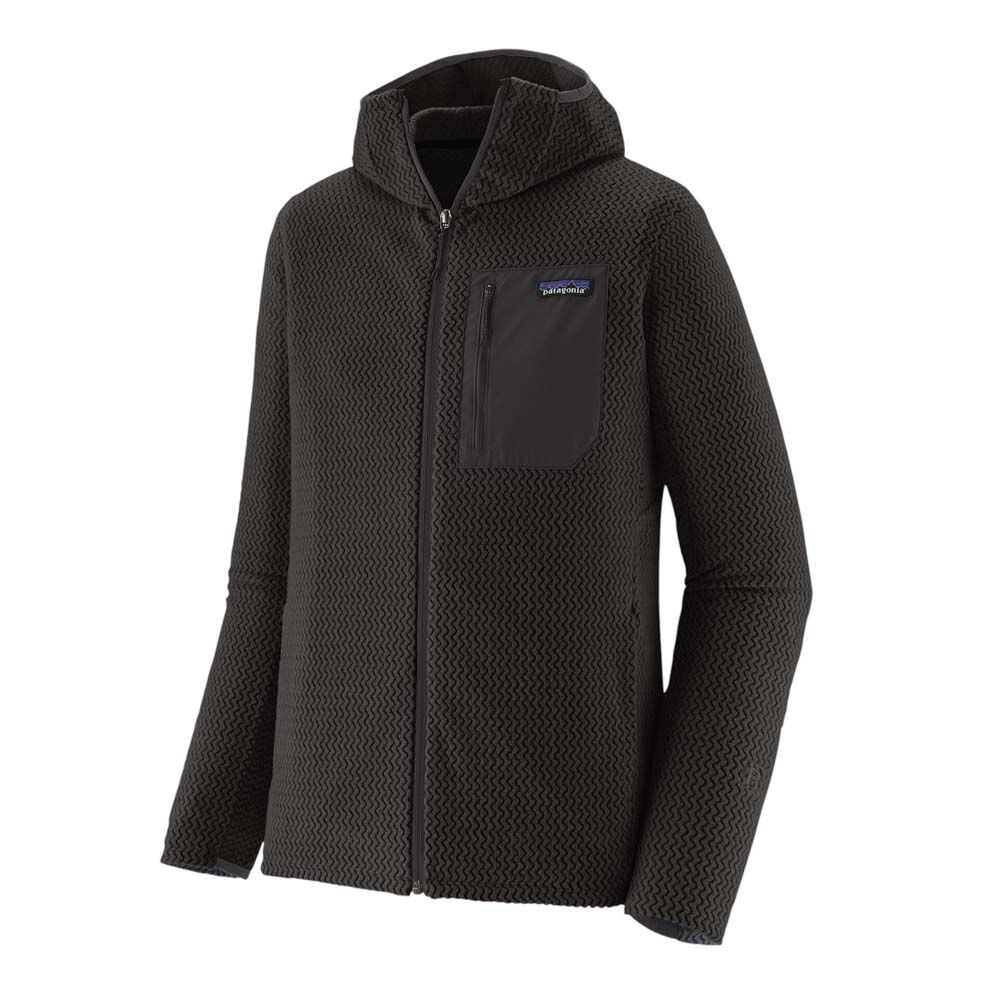
I've had the Patagonia R1 fleece for years which I also used as my mid-layer when snowboarding and I love it. It's lightweight, breathable and built for cool-weather hiking, travel and everyday layering. It's made from quick-drying 100% recycled polyester fabric helps regulate warmth without feeling bulky. The full-zip design makes it easy to throw on, take off or vent when you’re working hard. Available in men’s and women’s styles, with both hooded and non-hooded options, it’s easy to choose the version that best suits your layering system.
Wear a fleece when:
For high-output activities like hiking uphill, snowshoeing or ski touring, fleece is often better while you are moving and then you can add your down jacket once you stop.
The down jacket is where the bulk of the warmth comes from in our layering ensemble. Our body heat will use the fillings in the jacket to trap the heat and keep us warm. This is your main insulation layer and it’s the layer you put on when the temperature drops, the wind picks up, or when you stop moving and your body cools down.
Again, like baselayers, there are two types to choose from, down and synthetic. Both are great, but they work best in slightly different conditions.
Starting with down, they’re fillings that are primarily duck or goose down, depending on the supplier, and down is a great natural form of insulation that provides exceptional warmth to weight. Down jackets are popular because they’re warm, lightweight and pack down small. They are ideal for cold, dry conditions and for adventures where space and weight matter.
These days, most brands meet the Responsible Sourced Down (RSD) requirements to ensure that the down is being sourced humanely. When shopping for a down jacket, look for responsibly sourced down and check the product details if animal welfare matters to you.
The other option is synthetic. This is a great choice for those who don’t want to opt for feather down or for those looking for a more budget-friendly option. Synthetic is also a great choice as unlike duck or goose down, it will remain warm even when wet. So this type of insulation is a smart pick for wet, snowy or damp conditions. Plus, it’s often easier to care for.
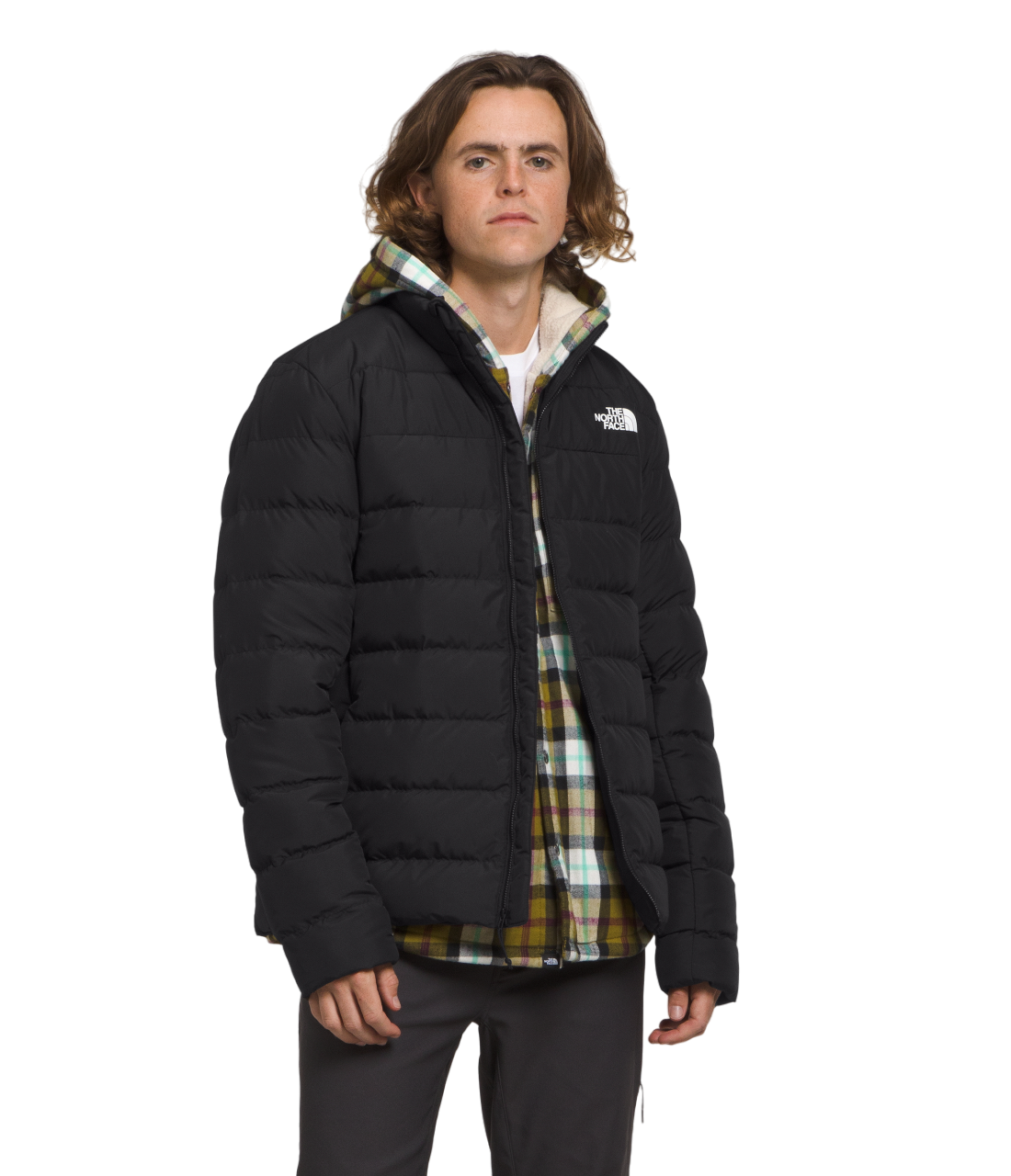
The North Face Aconcagua 3 Insulated Jacket is a staff favourite cold-weather staple for everyday wear, travel and outdoor adventures. Made with wind-resistant WINDWALL fabric, a non-PFC water-repellent finish and a warm blend of recycled down and synthetic insulation, it delivers dependable warmth without feeling too bulky.
Available in a range of styles to suit your needs, including the women’s jacket, vest version and hooded version for extra coverage when the temperature drops.
Sometimes, yes. But not always.
Think of your fleece as your active warmth layer and your down jacket as your stop-and-stay-warm layer. If you are hiking uphill or skiing hard, you may only need a base layer and fleece. When you stop for lunch, wait around in the snow or sit on a chairlift, that is when your insulated jacket becomes your best friend.
What’s the good of all that layering if the wind gets through? A shell layer is an essential final part of your kit to keep you warm. This is the layer that protects all your other layers. Your base layer, fleece and insulated jacket can only do their jobs properly if they are protected from wind, rain and snow.
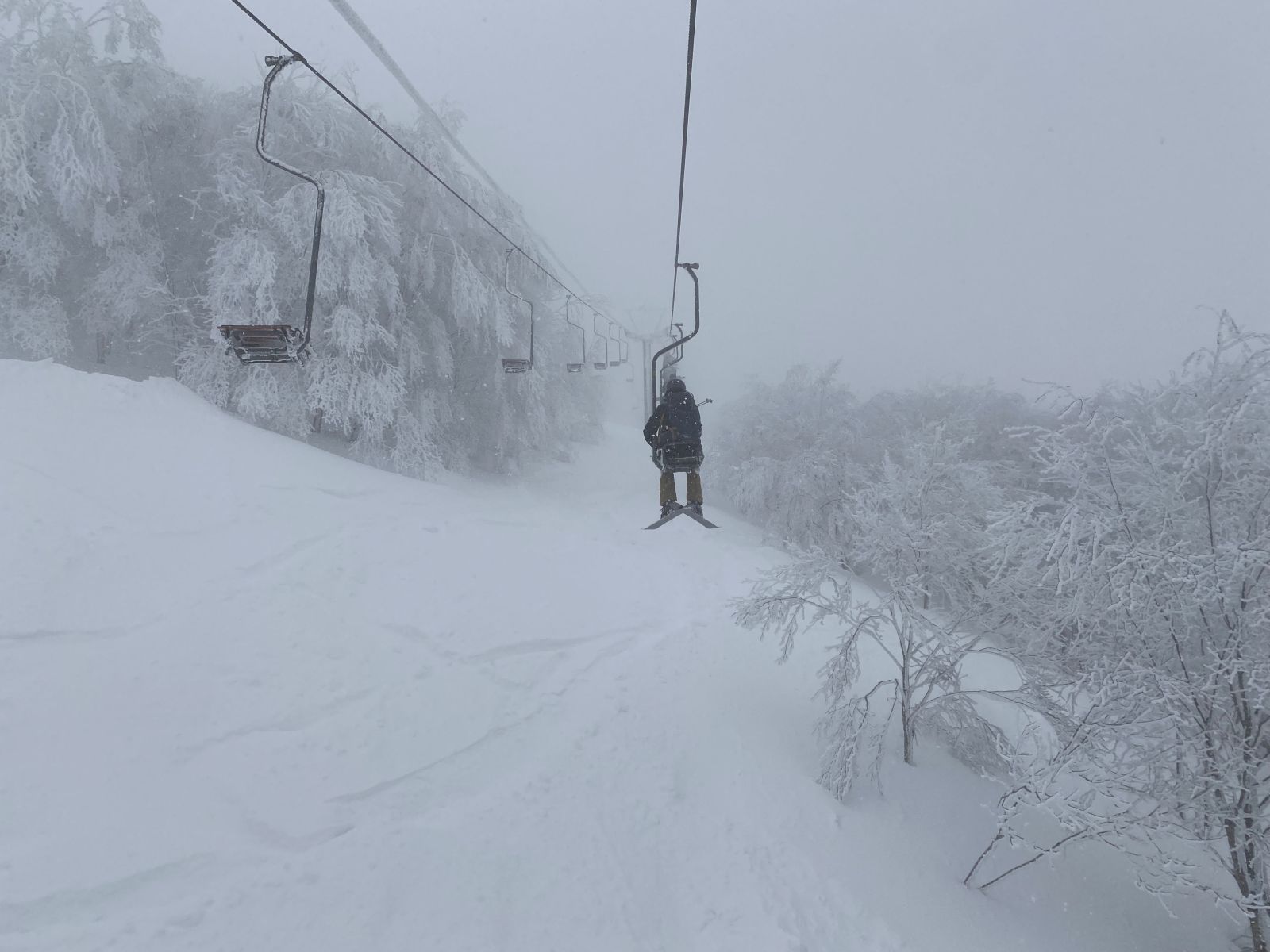
On the chair lift in Japan
Want to know an insider secret? A shell is otherwise known as a waterproof jacket. Same thing. A shell jacket usually doesn’t provide much warmth on its own. Instead, it acts as more of a block. That is why it’s so useful. Wear it over lighter layers on mild days or over your full winter system when it is properly cold. A waterproof jacket isn’t just for rain, it is a great source of wind protection too. Chuck one of these over the top of your jacket and you have the final piece to keep all that hot air in so you stay warm.
Look for a shell with an adjustable hood, good cuffs, a hem you can tighten and enough room to fit over your insulated jacket. If you are skiing or snowboarding, make sure your shell works with your helmet and gives you enough movement through the shoulders.
The Arc’teryx Beta Waterproof Jacket is a lightweight, versatile shell built for hiking, travel and everyday protection in wet weather. Designed with durable GORE-TEX waterproof and windproof protection, it helps keep rain out while remaining breathable enough for active days outdoors. Its easy to layer over a fleece or insulated jacket when conditions turn cold, while the adjustable hood, cuffs and hem help seal out wind and rain when the weather changes. Available in both the women’s waterproof shell jacket and men’s waterproof shell jacket.
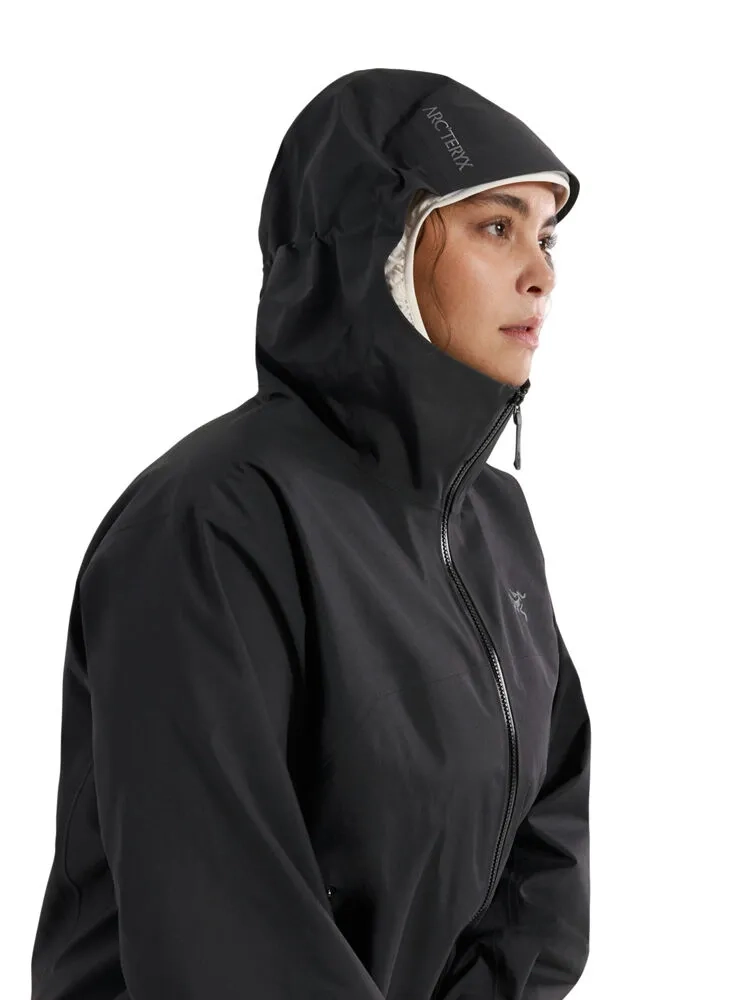
A waterproof shell can work for snow, travel and general winter layering but if you're heading to the slopes, a proper ski jacket and snow bib is more purpose-built for resort skiing and snowboarding because it usually has ski-specific features like a helmet-compatible hood, powder skirt, lift pass pocket, tougher fabric and sometimes light insulation.
If you find this layer set a touch too warm for your mild winter adventure, you can also opt for a synthetic insulated hoody, like the Arcteryx Atom, as a great substitute for the fleece-down combo.
This is a great option for milder winter days, travel, everyday cold-weather wear or short walks where you do not need the full four-layer setup.
A simplified system could look like this:
One of the most common winter layering mistakes is wearing too much at the start. You should feel a little cold before you start moving so if you feel perfectly warm in the car park, that’s not a great sign and you may overheat once you begin walking, skiing or climbing.
A good rule is:
Be bold, start cold.
Open your zips, remove your fleece or take off your puffy before you sweat too much. Staying dry is just as important as staying warm.
For winter hiking, you need layers that work while you are moving and while you are stopped.
A good winter hiking setup is:
Keep your insulated jacket in your pack while you are working hard, then put it on as soon as you stop for a break.
It's mostly the same as above with a few tweaks. For skiing and snowboarding, you need warmth on the chairlift and breathability while riding.
A good ski layering setup is:
If your ski jacket is already insulated, you may not need a separate down jacket underneath as too many layers can make you sweaty and restrict movement.
This same recipe applies to bottoms too! You can grab thermal pants, fleece pants, down pants and shell pants to ensure you are snug from top to bottom.
That’s it! Four steps and you’re on your way to a toasty warm winter ahead. For most winter adventures, thermal leggings and weatherproof pants will do the trick. For colder conditions, add fleece pants or insulated pants. For snow, wind or rain, shell pants help keep everything protected.
Before heading out, check you have:
If you need any further help, don't hesitate to come in store to chat with our experts or shoot us a message online if you have any questions! We’ll see you outdoors. Share your adventures with us on Instagram at @wildearthaustralia and use the hashtag #MyWildEarth to be featured.
About the contributor:
.JPG) Jess Fiske is the Marketing Manager at Wild Earth. When she isn’t rollerblading in the streets of Coolangatta, you will find her either hiking in SEQ or strapping on her snowboard somewhere cold. Always planning her next adventure, Jess loves to get outdoors and travel off the beaten path. Follow her adventures on Instagram.
Jess Fiske is the Marketing Manager at Wild Earth. When she isn’t rollerblading in the streets of Coolangatta, you will find her either hiking in SEQ or strapping on her snowboard somewhere cold. Always planning her next adventure, Jess loves to get outdoors and travel off the beaten path. Follow her adventures on Instagram.
I don’t share this very often, but I am a pretty sentimental person.
Explore Kosciuszko's most iconic winter huts, from Seamans Hut to Tin Hut. Get safety advice, gear tips, and winter hiking inspiration. Tucked away in the high country of the Snowy Mountains are some hidden gems that are well worth a visit.

You don’t always need to take weeks off to have a real adventure. Some of the best micro-adventures in Australia fit into a single day or weekend, from coastal walks and island overnighters to granite peaks and outback expeditions.
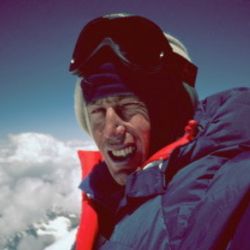
Before Sea to Summit was a gear brand, it was a human-powered Everest expedition. Here’s what Tim Macartney-Snape’s story teaches us about better gear.












Using Afterpay you can pay for your order over 8 weeks. There's no interest or added fees* and nothing to pay today. Payment will be automatically taken from your debit or credit card in four equal payments each fortnight over 8 weeks, and you will receive your order immediately.
You simply need:
To use this service simply:
Approved AfterPay buyers will require the funds for the first payment to be available on their card at time of checkout, however the first payment won't be deducted for 14 days. First time AfterPay buyers will need to make the first instalment payment at the time of their purchase.
If you wish to return your goods you can choose to receive an exchange, or the Afterpay payment plan can be cancelled before the first payment at no charge. *If you fail to have sufficient funds available for AfterPay to automatically deduct payment on due instalment dates you will be charged a late fee of $10, and if the instalment payment remains overdue, an additional $7 will be charged one week later.
With AfterPay, there's no waiting and we'll ship out your order immediately as normal.


When you want to go now, sometimes it's handy to pay later. That's why, we offer interest free payment plans from two of Australia's favourite Buy now, Pay later services.