Total Items: 0
Sub Total: $0.00


If you’ve ever searched ‘what is a PLB?’ and ended up more confused than when you started, this guide explains the difference, compares the best models in Australia for 2026, and shows how to register and carry them properly.
Table of Contents
People often call any satellite device a Personal Locator Beacon, but a true 406 MHz PLB is a totally different piece of kit to a 2-way satellite messenger. One is built for SOS only, the other is built for messaging and tracking. The best choice of emergency communication in Australia depends on your trip style, your budget, and how remote you really go. Here’s a clear breakdown of our top picks, and a practical checklist of what to pack with your beacon so it actually helps when you need it.
Important note: A PLB is not an avalanche beacon. Avalanche beacons are short-range transceivers for companion rescue in snow. They cannot alert search and rescue via satellite.
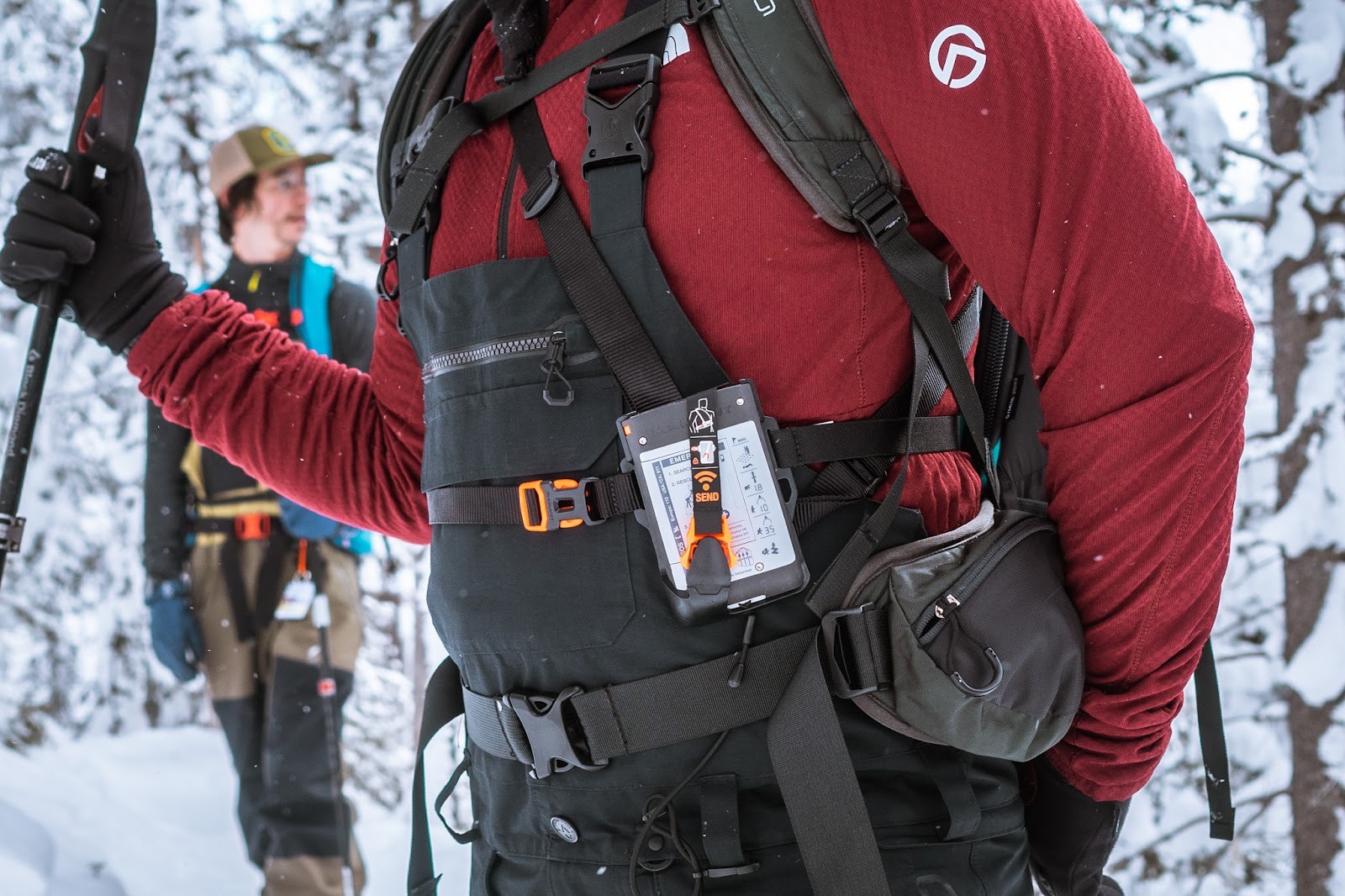
Mammut Avalanche Beacon in use in the snow by Wild Earth ambassador Simon Ennals.
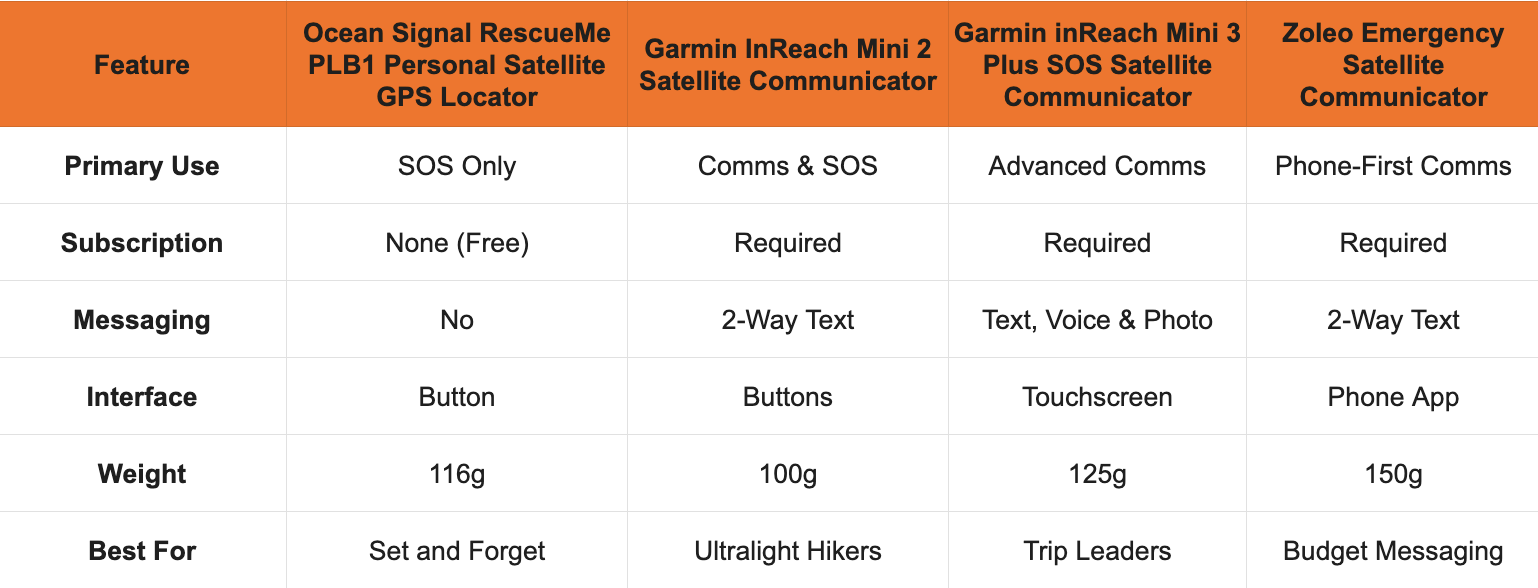
If you remember one thing, make it this:
PLB (406 MHz) sends a distress alert through the official international rescue system. No routine messaging. No subscription. Built for reliability and shelf life.
Satellite messenger (Iridium etc.) is designed for two-way messaging, check-ins, tracking, and SOS and requires an active plan.
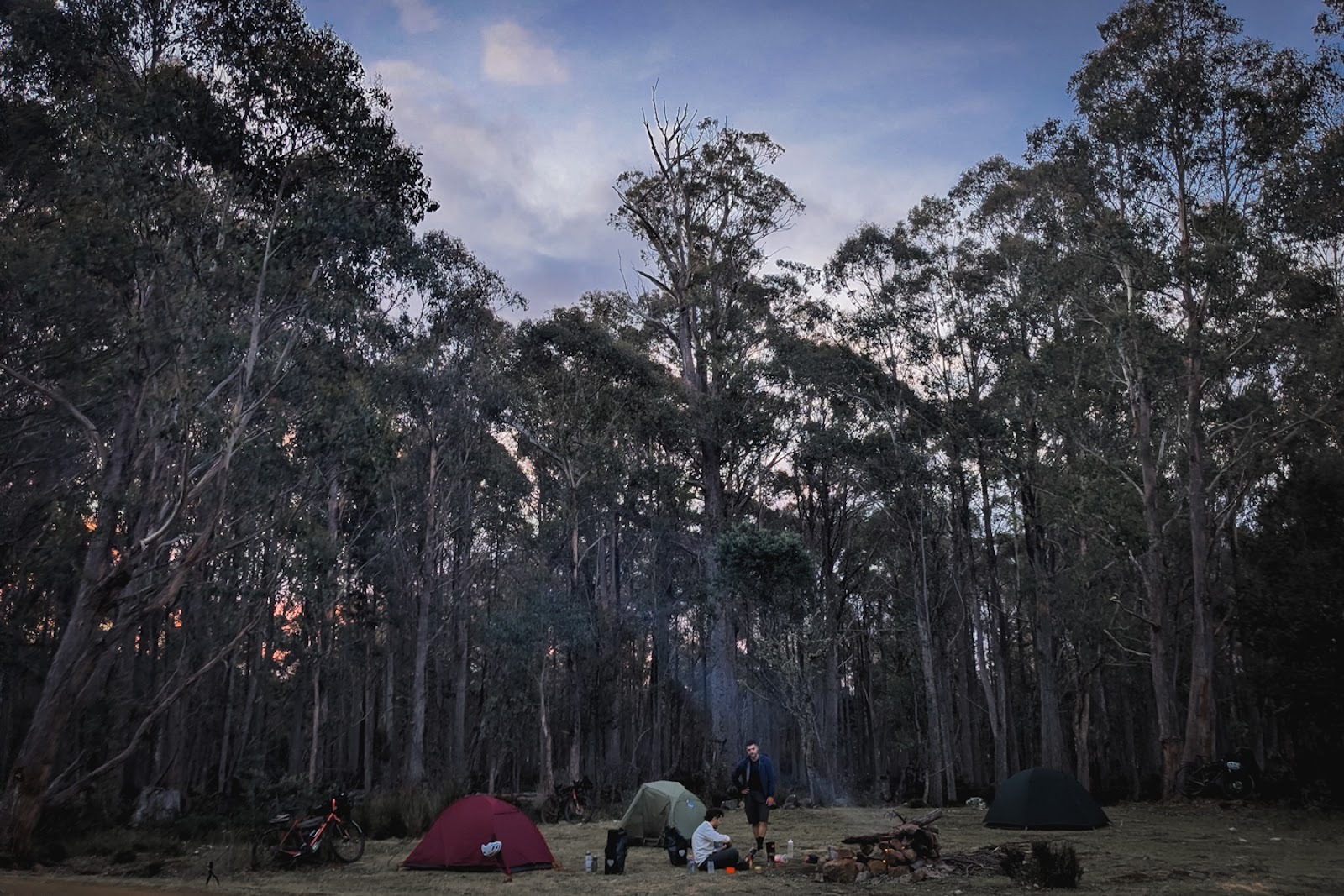
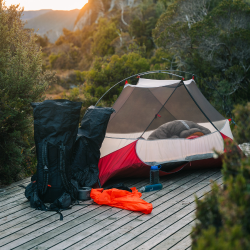
Wild Earth Ambassador Nigel Abello’s remote campsite in Tasmania
A 406 MHz PLB is a dedicated distress beacon for life-threatening emergencies. When activated, it transmits a digital SOS on 406 MHz with a unique beacon ID (and usually GPS location on modern units). That alert is relayed through the Cospas-Sarsat satellite system to rescue coordination centres.
Most PLBs also transmit a 121.5 MHz homing signal after activation, which helps aircraft or ground teams locate you once they’re close.
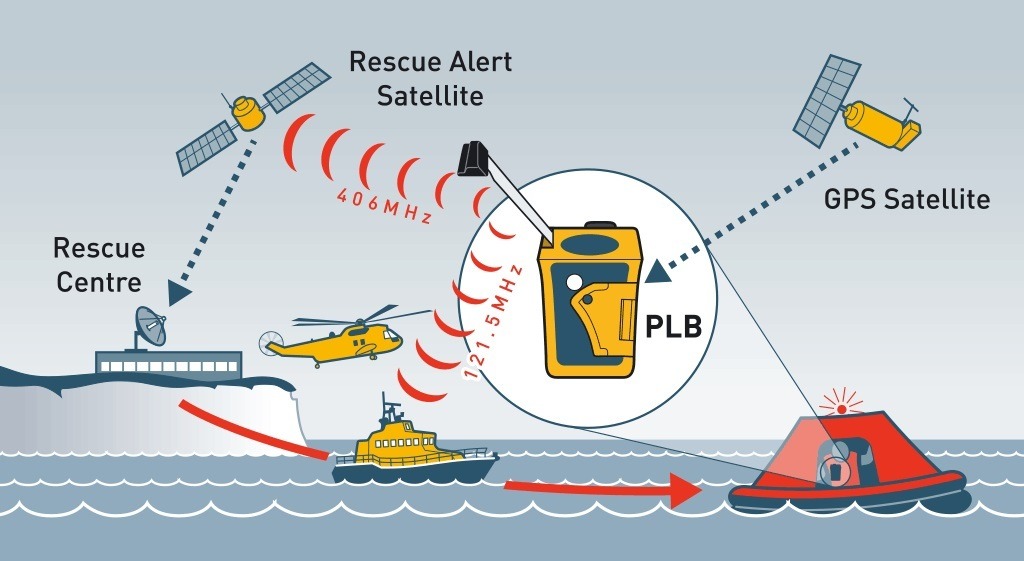
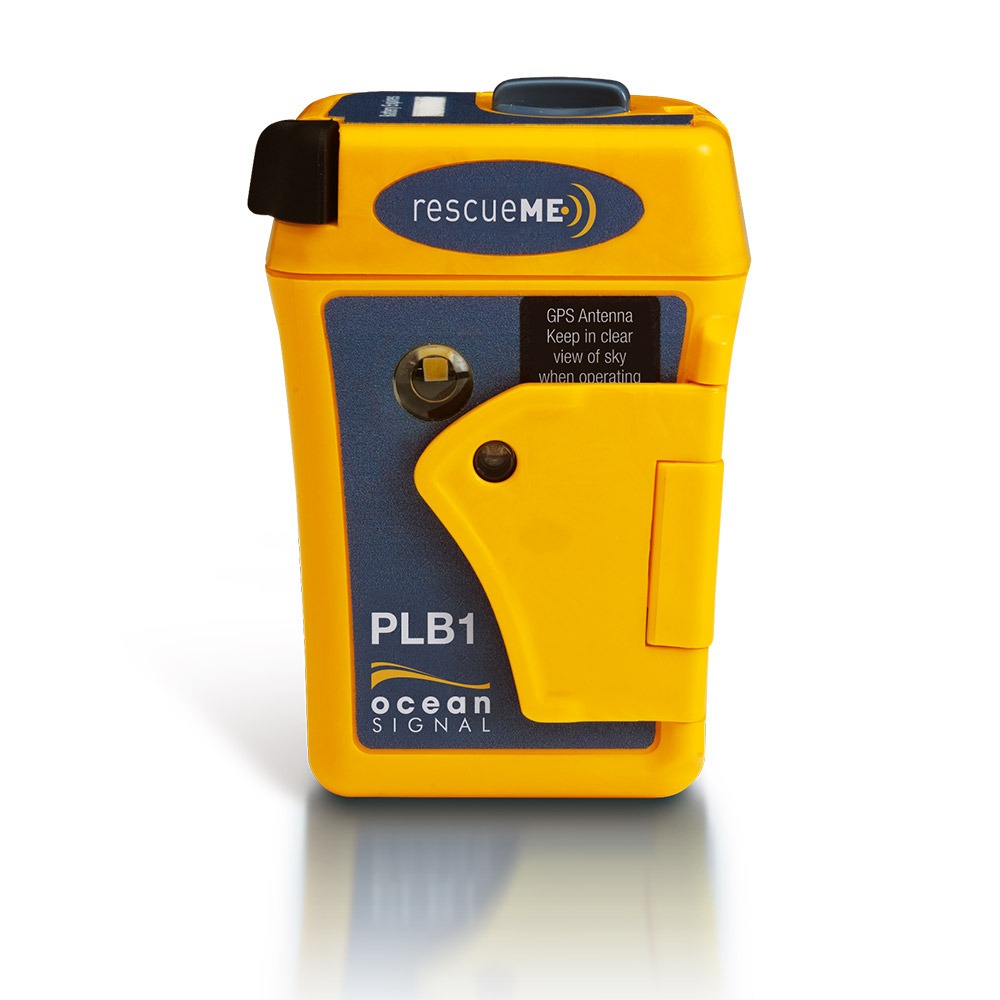
The Ocean Signal RescueMe PLB1 Personal Satellite GPS Locator
system illustrated in action
Best for:
No. A genuine 406 MHz PLB does not require a subscription to send an SOS but you do need to register it with Australian Maritime Safety Authority (AMSA) and keep your details current.
PLB registration is free and not optional as it links your beacon ID to your details, emergency contacts, and helpful trip info.
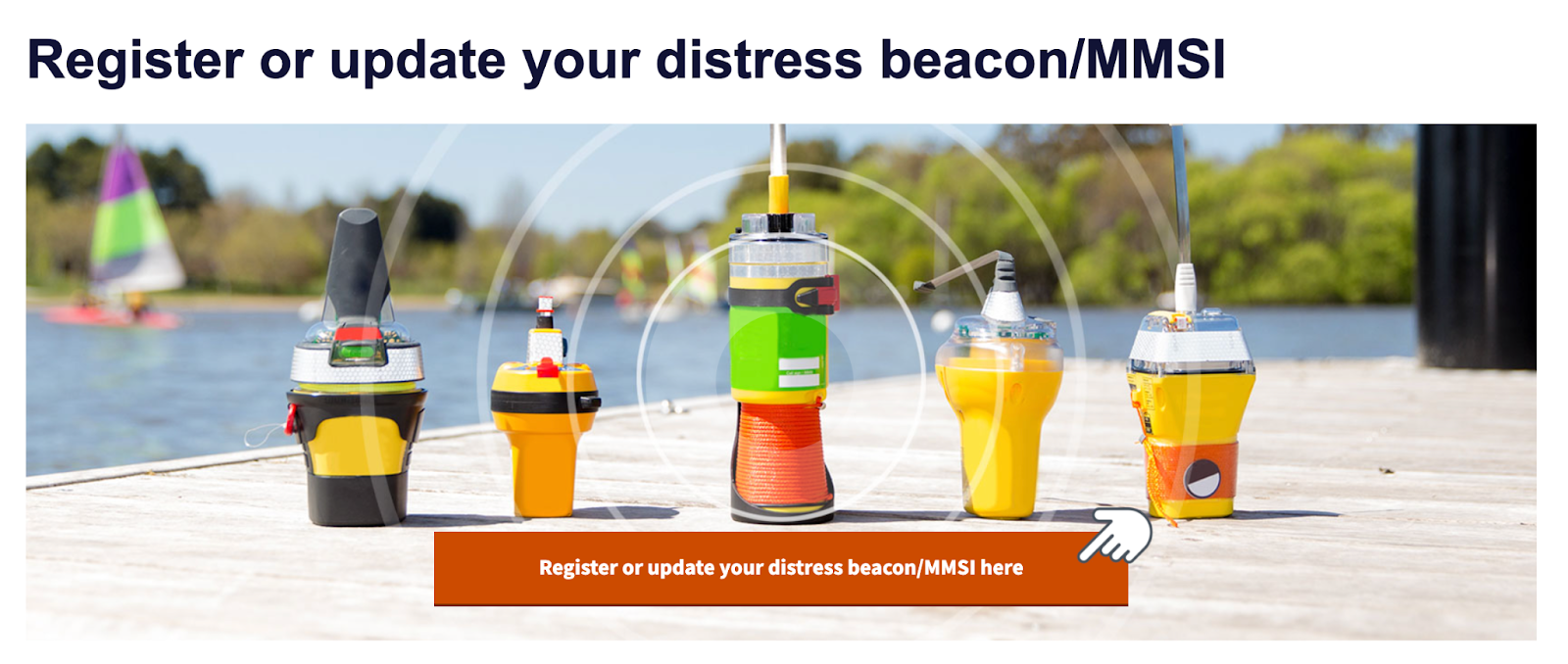
AMSA PLB registration steps Australia
Buying second-hand? You’ll need to update registration immediately as rescue response can be slowed if the registered owner isn’t you.
People get separated from their pack by a fall, a capsize, a pack sliding down a slope, a wrong turn during a break. If your beacon is buried in your bag, it might as well not exist so it’s important to note the best practice for Australian hiking and paddling:
Attach your PLB on your body, secured to a belt pouch, shoulder-strap pocket, or PFD pocket. Your Satellite Messenger can attach to your pack reachable for day-to-day check-ins, tracking, and updates.
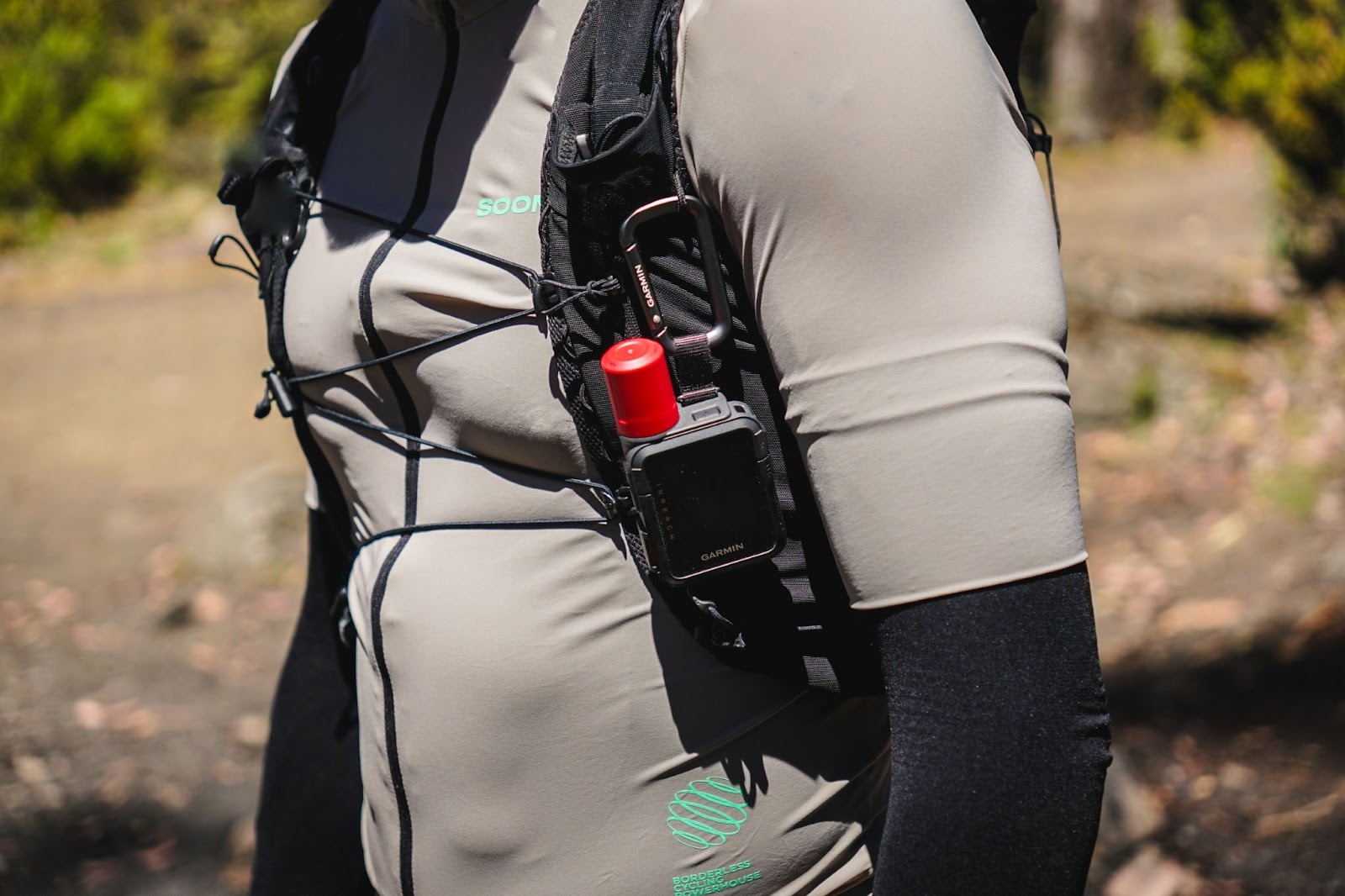
Garmin InReach Mini 3 Plus clipped to Nigel Abello's backpack
Triggering SOS is the start, not the finish as rescue time depends on weather, terrain, aircraft availability, and how hard it is to reach you. In Australia, that can mean hours (sometimes longer) so it's important to have an emergency kit.
What to do while you wait:
It’s important to note that with a messenger, responders can understand the injury, give advice, and plan access, whereas a PLB can’t exchange messages.
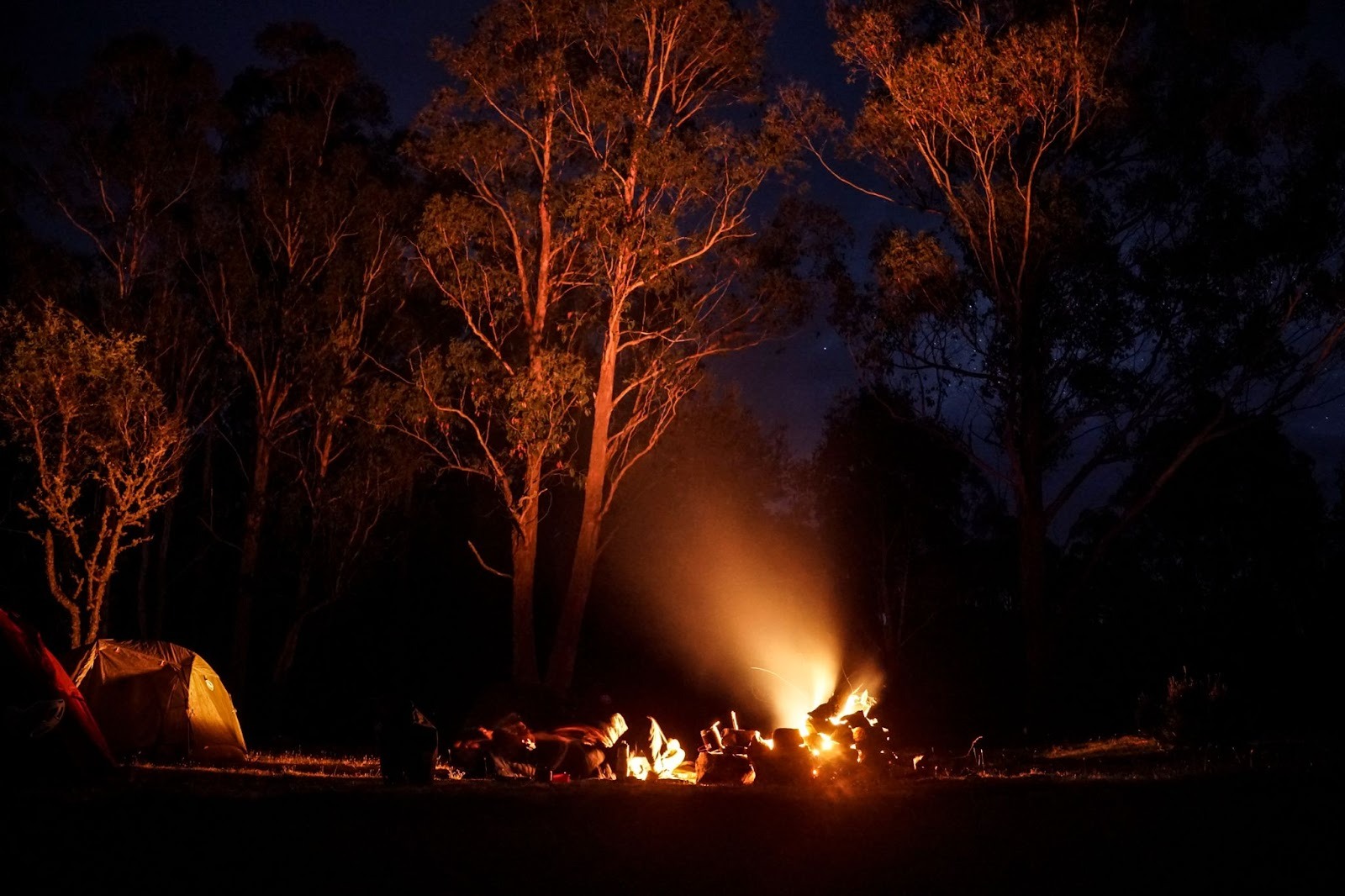
Wild Earth Ambassador Nigel Abello's camp in the Tasmanian wilderness.
If you want emergency-only SOS, no subscription, and a beacon you’ll actually carry, the RescueMe PLB1 is the easy pick for most hikers, paddlers, and boaters.
Why people choose it: It’s compact, simple under stress, and built for real conditions. It runs on the government-supported Cospas-Sarsat rescue system, so there are no subscription charges for SOS use.
What you need to know before buying
Best for:
Standout features:
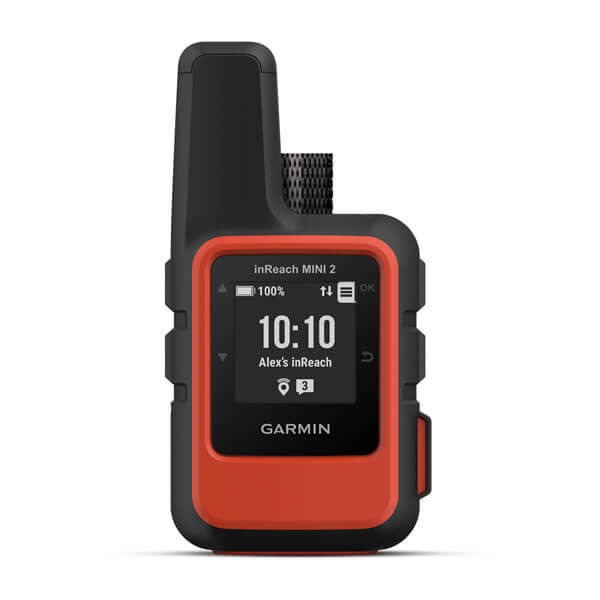
If you want two-way messaging off-grid in the smallest possible package, the Garmin inReach Mini 2 is the classic ultralight hiking choice.
Why people choose it: Peace of mind without carrying a bigger device. You get two-way messaging, location sharing, and interactive SOS via the Iridium satellite network, plus handy backcountry extras like TracBack and a digital compass.

“The peace of mind with the security and safety that comes with carrying a Garmin inReach Mini 2 helps me just fully let go in adventures and have as much fun as possible knowing that if it came to it, help is just a button away” — Aaron Shanks, Diaries of The Wild Ones Podcast
What you need to know before buying:
Best for:
Standout features:
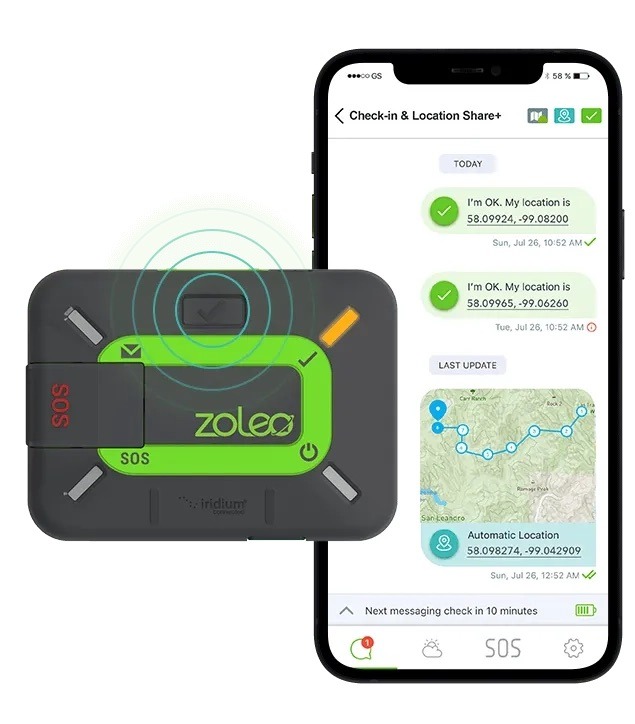
If you’re happy using your phone as the main interface, ZOLEO is a strong option for reliable two-way messaging without paying for a premium device.
Why people choose it: It’s phone-first, simple, and gives you a dedicated Australian mobile number and email, so friends and family can reach you more naturally. It also uses the Iridium network for global coverage.
What you need to know before buying:
Best for:
Standout features
If you lead groups, coordinate meetups, run convoys, or just want richer messages off-grid, the Garmin inReach Mini 3 Plus is the premium pick.
Why people choose it: Trip leaders don’t just want SOS, they want fewer misunderstandings and faster updates. The InReach Mini 3 Plus makes that easier with a bright colour touchscreen, extra-long texts (up to 1,600 characters), group messaging, voice messages, and photo messaging when paired with the Garmin Messenger app.
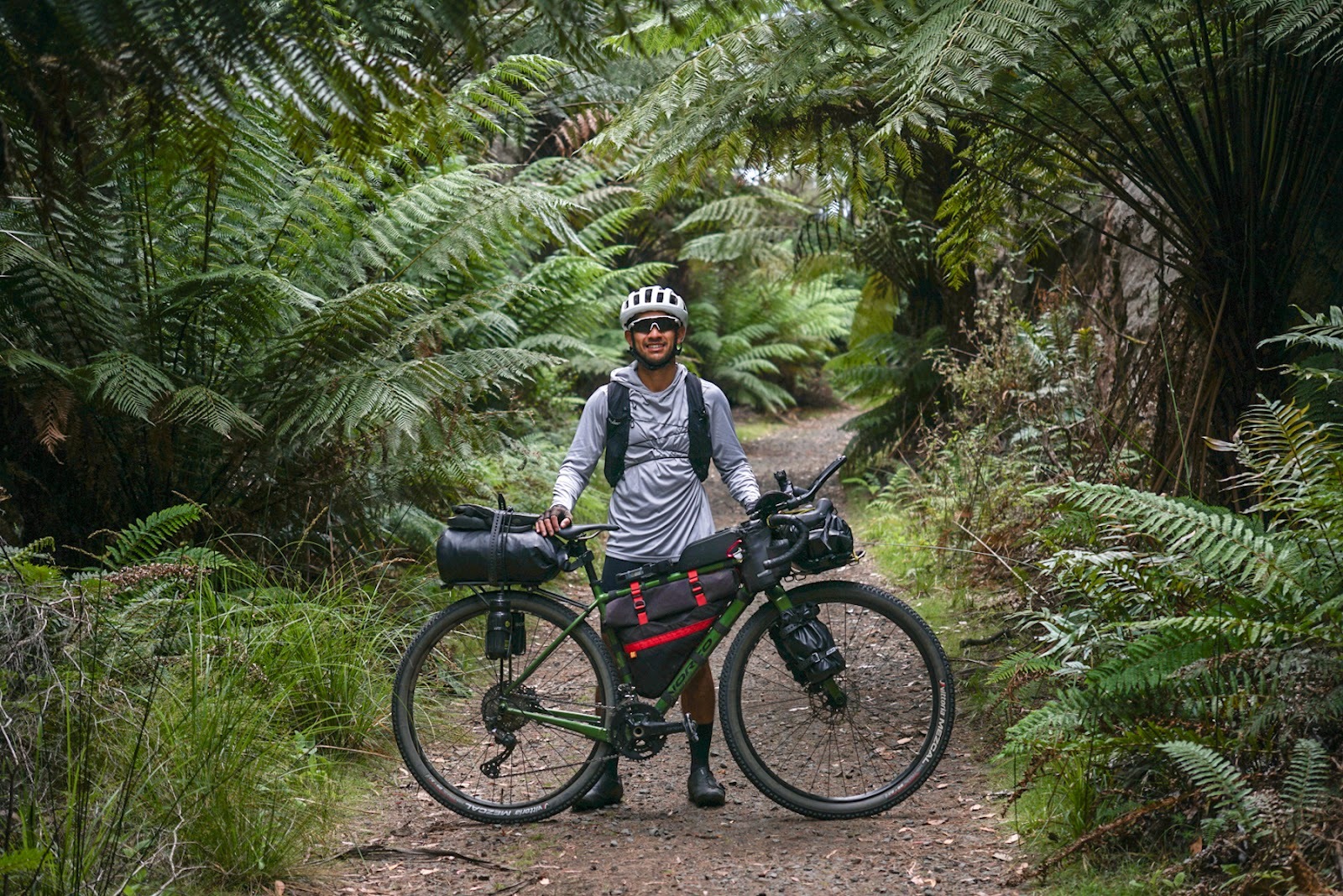
“I recently took the Garmin inReach Mini 3 Plus out on a 12-day bikepacking trip across Tasmania, Aus. I wore this on my hydration vest and it's light enough that I forgot it was there. For me, when I'm in the middle of the bush without signal, having a full-feature satellite communicator provides me with peace of mind. Keep in mind, the ongoing cost of using the Mini 3 may be higher than other devices in order to utilise all new messaging features (voice, photo, and two-way messaging). However it is built to last, withstood heavy rain, exposure to the elements, and is the top tier in off-grid communication devices.” — Nigel Abello, Wild Earth Ambassador
What you need to know before buying
Best for:
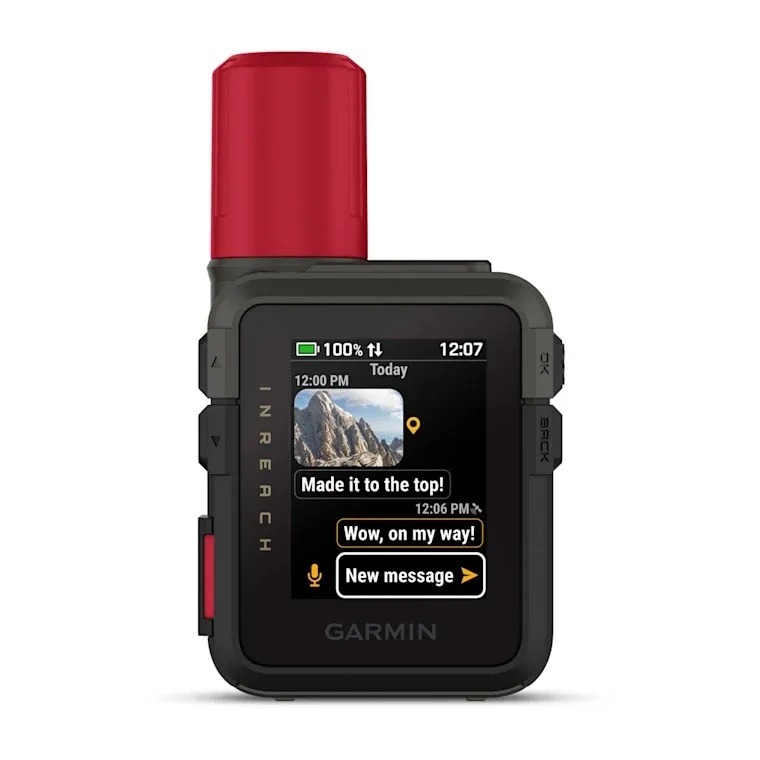
Standout features:
For complex terrain, long remote routes, or navigation is mission-critical trips, the GPSMAP H1i Plus is the all-in-one powerhouse: a rugged handheld GPS with inReach Plus two-way communication.
Why people choose it: Some trips need more than a tiny messenger. When you’re building multi-day itineraries, managing waypoints, or moving through difficult terrain, having premium navigation and comms in one device is real redundancy, not just convenience.
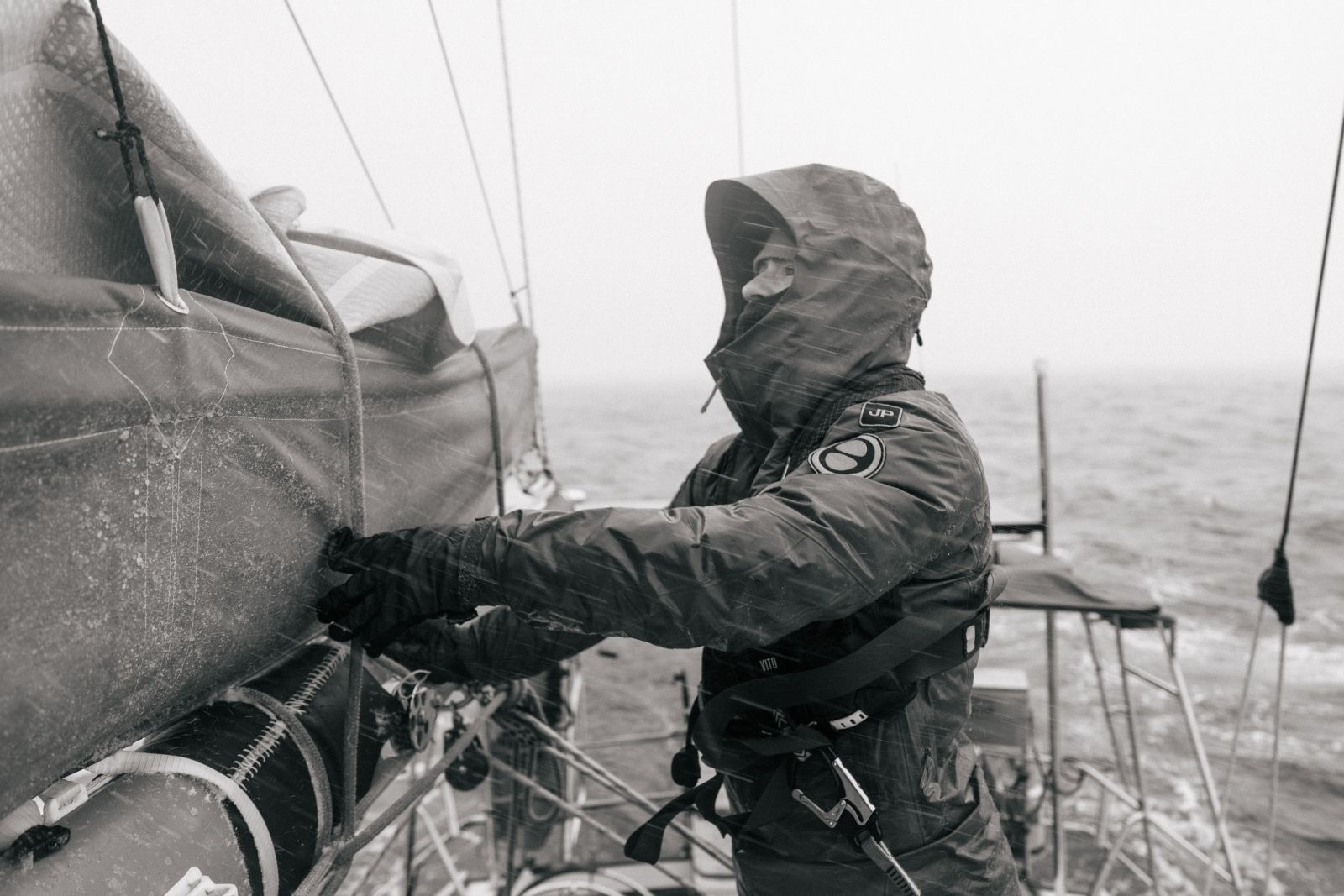
Wild Earth Ambassadors Project Zero during their sail from Australia to Patagonia. Find out more about their Carbon Neutral Expedition here.
What you need to know before buying:
Best for:
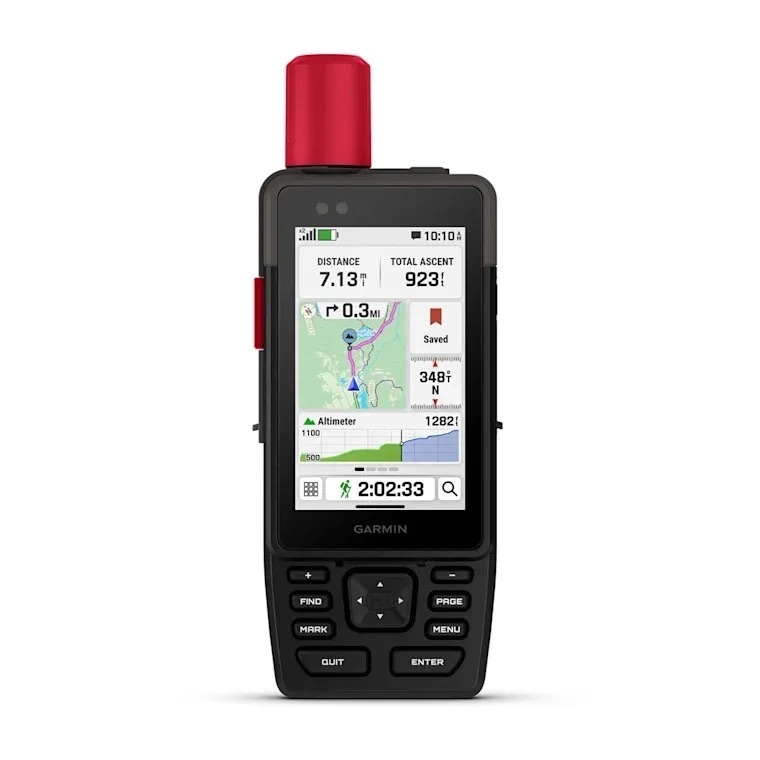
Standout features:
A beacon helps you to get found but these survival essentials help you stay warm, hydrated, and safe while you wait. They can be life saving to add to your kit.
Pro tip: A small on-body pouch or waist bag can hold the essentials you need if separated from your pack.

AMK First Aid Kit on a multi day hike with Wild Earth Ambassador and photographer Nathan McNeil
Safety gear is only effective if it's active and compliant. In 2026, proof of safety is often required by park rangers or maritime authorities during inspections. Use this checklist to ensure you’re ready before you leave the trailhead.
Note: If a ranger asks for proof of your safety device, what you show them depends on which unit you carry.
For PLB Owners (Ocean Signal, etc.)
For Satellite Messenger Owners (Garmin, ZOLEO):
.jpeg)
Wild Earth Ambassador Kate Alice Hiking in Australian Alps
Because PLBs and satellite messengers work differently, it helps to think about maintenance in two separate buckets. That means the battery checks, servicing, and post-use steps are not the same.
Before every trip
Check that your beacon is registered, stored properly, and still within its battery expiry date. AMSA also recommends using the built-in self-test according to the manufacturer’s instructions.
How to check the battery
PLBs do not usually show a live battery percentage like a phone. Instead, the key thing to check is the battery expiry date printed on the label. Most beacons also have a self-test switch, and AMSA says you should follow the manufacturer’s guidelines for how often to test, as some recommend monthly checks or a test before a planned trip but note that over-testing can drain the battery.
When to replace the battery
AMSA says beacon batteries generally last around 5 to 10 years and the expiry date is printed on the unit. Before that date arrives, you have two options. One is to replace the battery through the manufacturer or an authorised service centre, the other is to buy a new beacon from us at Wild Earth. In Australia, if a battery is replaced or the unit is serviced by a non-certified service centre, the beacon may become non-compliant and may not work properly in an emergency.
After accidental activation
If your PLB is triggered by mistake you should switch it off immediately and contact the Australian Maritime Safety Authority (AMSA) on 1800 641 792. AMSA states there is no penalty for accidental activation.
After emergency use
If you activate a PLB in a real emergency, do not assume it is ready to carry again. AMSA advises contacting the manufacturer or a certified servicing agent, because the battery may be depleted and the beacon may have been damaged during use.

Wild Earth Ambassador Nigel Abello in Tasmania
Before every trip
Check that the satellite messenger is charged, updated or synced if needed, and that the subscription is active if the model requires one for SOS and messaging. Garmin says SOS coverage for inReach is included with an active subscription, which provides global 24/7 monitoring and emergency dispatch if SOS is activated.
How to check the battery
Unlike a PLB, a satellite messenger is usually rechargeable. That means the practical check is simple: make sure it is fully charged before heading off-grid, and for longer or colder trips consider carrying a power bank. Battery management is part of trip prep here, rather than waiting for a long-term expiry date on the unit.
When to replace the battery or Satellite messenger device
This depends on the model. In general, the focus is less about a sealed battery expiry date and more about charging, battery health, and reliability over time. If the device is no longer holding charge properly, has become unreliable, or is damaged after use, it is time to look at servicing or replacement.
After accidental activation
If you accidentally trigger SOS of a Garmin inReach, Garmin says you can cancel the SOS rescue after it has been sent. Stay with the device and be ready to explain that it was a false alarm if needed.
After emergency use
If you use a satellite messenger in a real emergency, recharge it fully, inspect it for any damage, and make sure it is fully operational before your next trip. Garmin notes that when SOS is activated there is 24/7 monitoring and emergency dispatch, and the system is built around ongoing communication, so it is worth checking the device, sync status, and subscription before relying on it again.
Australia is vast and rugged, and adventures are often out of reception. The best PLB or satellite messenger is the one you’ll carry every time, on your body, registered with AMSA, and ready to use under stress!
If you are planning on taking yours overseas, please check the local laws regarding PLBs and satellite messengers as permitted use may vary.
Not sure what gear you need for your adventure? Chat with our friendly team of Outdoor Gear Specialists in-store or online today, and don’t forget to share your adventures with us on Instagram by tagging @wildearthaustralia in your next post.
Q: What’s the difference between a PLB and a satellite messenger?
A: PLB is SOS-only and uses the official rescue satellite system (no subscription). A satellite messenger supports two-way messaging & tracking & SOS but requires an active plan.
Q: Do I need to register my PLB in Australia?
A: Yes. PLB registration with AMSA is free and required. It links the beacon ID to your details and emergency contacts.
Q: Do PLBs work without mobile reception?
A: Yes. A PLB communicates via satellite to alert rescue services. It does not rely on mobile coverage.
Q: Should I carry my beacon in my pack?
A: No. Carry it on your body (belt/strap/PFD pocket). Packs can be lost in falls, capsizes, or separations.
Q: Is a PLB the same as an avalanche beacon?
A: No. Avalanche beacons are short-range devices for companion rescue in snow and cannot call for help via satellite.

A qualified paramedic shares her complete backcountry first aid kit checklist for hiking, bikepacking and adventure travel. Learn what dressings, medications, emergency gear and wilderness safety essentials to pack before your next trip.
Ultralight backpacking is basically the art of minimalism on the trails. It's about bringing less so you can hike without feeling like your pack is weighing you down. For some people, this feels more like freedom. For others… the trade-offs just aren’t wo

If you only upgrade a few pieces of kit this year, start here. These are the Gear of the Year 2025 winners.

Duffel bags are a classic workhorse bag here in Australia for very good reason. They’re easy to pack, quick to throw in the boot, and versatile enough to work for everything from a weekend down the coast to Everest Base Camp.












Using Afterpay you can pay for your order over 8 weeks. There's no interest or added fees* and nothing to pay today. Payment will be automatically taken from your debit or credit card in four equal payments each fortnight over 8 weeks, and you will receive your order immediately.
You simply need:
To use this service simply:
Approved AfterPay buyers will require the funds for the first payment to be available on their card at time of checkout, however the first payment won't be deducted for 14 days. First time AfterPay buyers will need to make the first instalment payment at the time of their purchase.
If you wish to return your goods you can choose to receive an exchange, or the Afterpay payment plan can be cancelled before the first payment at no charge. *If you fail to have sufficient funds available for AfterPay to automatically deduct payment on due instalment dates you will be charged a late fee of $10, and if the instalment payment remains overdue, an additional $7 will be charged one week later.
With AfterPay, there's no waiting and we'll ship out your order immediately as normal.


When you want to go now, sometimes it's handy to pay later. That's why, we offer interest free payment plans from two of Australia's favourite Buy now, Pay later services.