Total Items: 0
Sub Total: $0.00
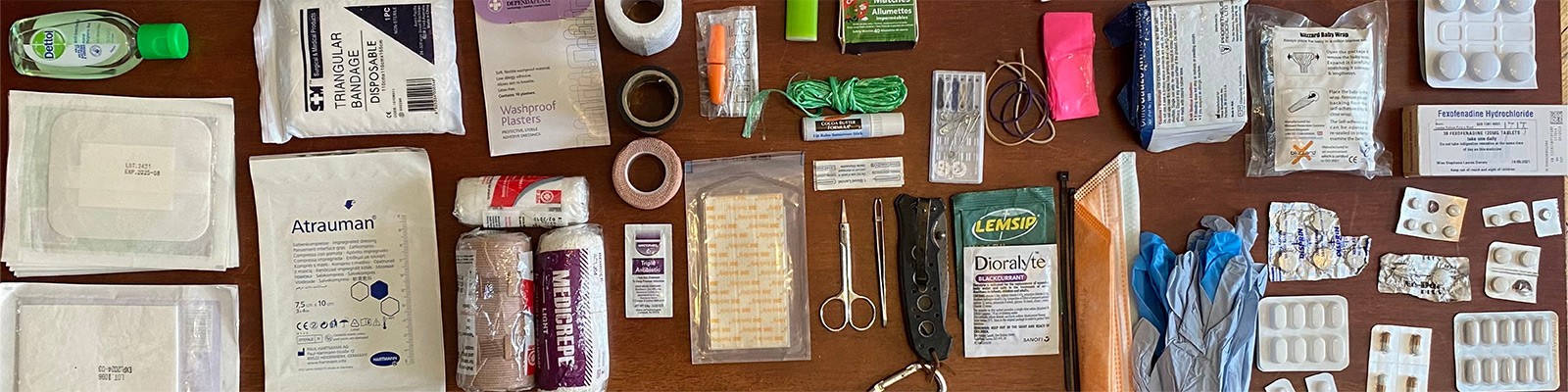
A qualified paramedic shares her complete backcountry first aid kit checklist for hiking, bikepacking and adventure travel. Learn what dressings, medications, emergency gear and wilderness safety essentials to pack before your next trip.
Updated 2026.
A backcountry first aid kit should include wound dressings, bandages, pain relief medication, antihistamines, water purification tablets, emergency shelter items, and tools for treating common wilderness injuries. The exact contents depend on your destination, medical history, weather conditions, and how far you will be from professional medical care.
Often on these adventures, you will find yourself out in the wilderness and far away from help, so it pays to be prepared for things to take a turn for the worse.
I'm Steph Devery, Wild Earth Ambassador, endurance athlete and big-time adventure lover. After working as a hiking guide in Australia for several years, I took my love of human-powered expeditions all around the world.
I'm also a qualified paramedic, my first aid kit is probably a little much because I like to be prepared for both an accident where I find myself alone and far from help, or, I find myself in the position to help others injured. For me, the weight is worth it, it gives me peace of mind when travelling alone and also arms me with some handy tools to help others with the skills I have. It's completely up to personal preference on how much space and weight to dedicate to your first aid kit that meets your needs. You can buy a travel first aid kit, or make your own, but it's important to think about what could go wrong on your adventure and make sure you have the right equipment.
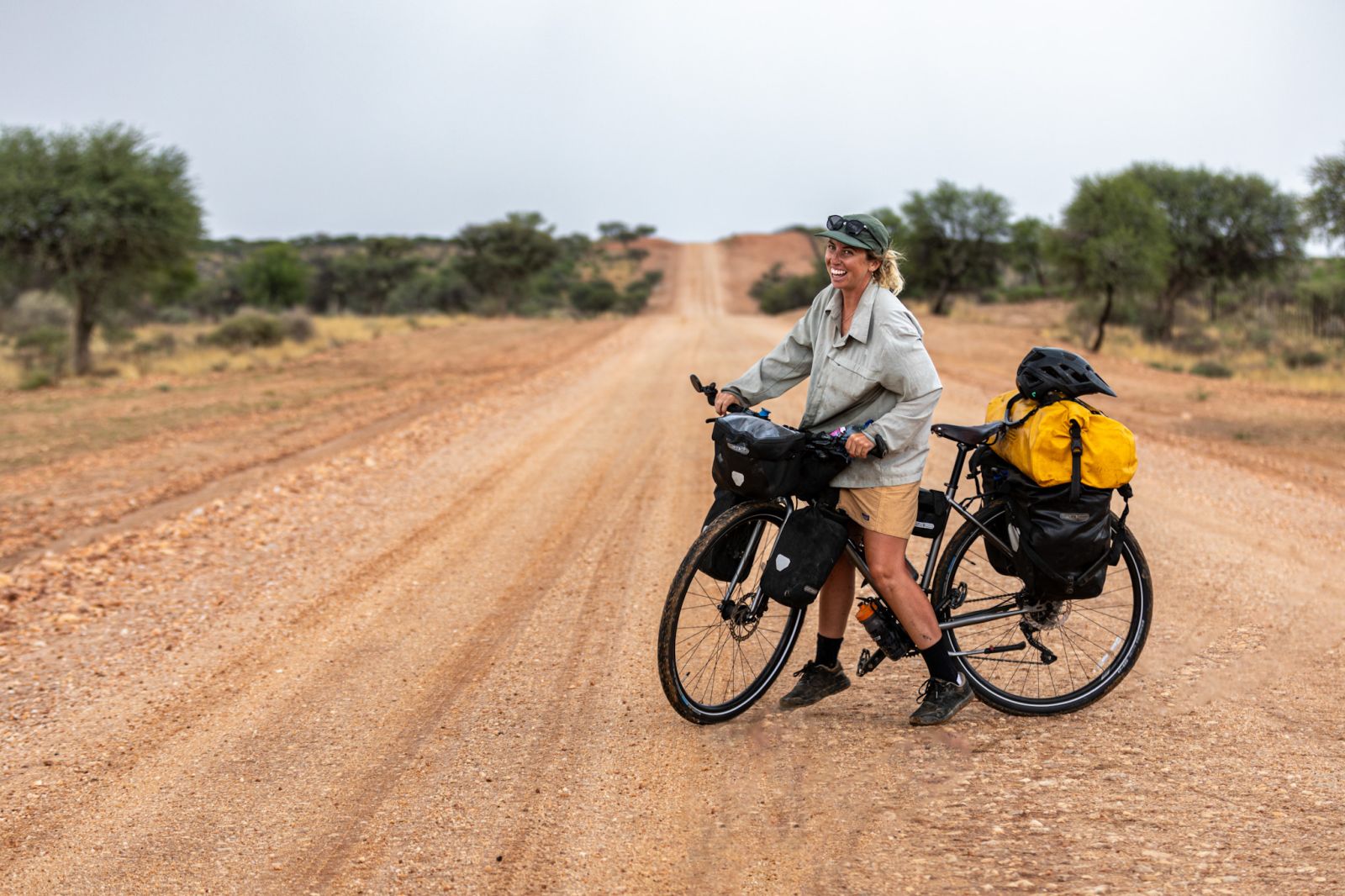
Think about your own medical history, allergies, possible accidents, availability of healthcare and the weather conditions when making your first aid kit.
Trauma: cuts, scrapes, broken bones, burns, animal bites/stings (dog, tick, snake, jellyfish)
Medical: Allergic reaction, diarrhoea, infection (head cold, UTI, skin infection)
Weather Exposure: heat stroke, hypothermia, frostbite, food or water poisoning, sunburn
It's also worth considering how long it might take you to get to proper healthcare when stocking your first aid kit. If it's going to take you several days to stumble out, you will need extra stock to change your dressings, maintain a good level of pain relief and administer enough pharmaceuticals.
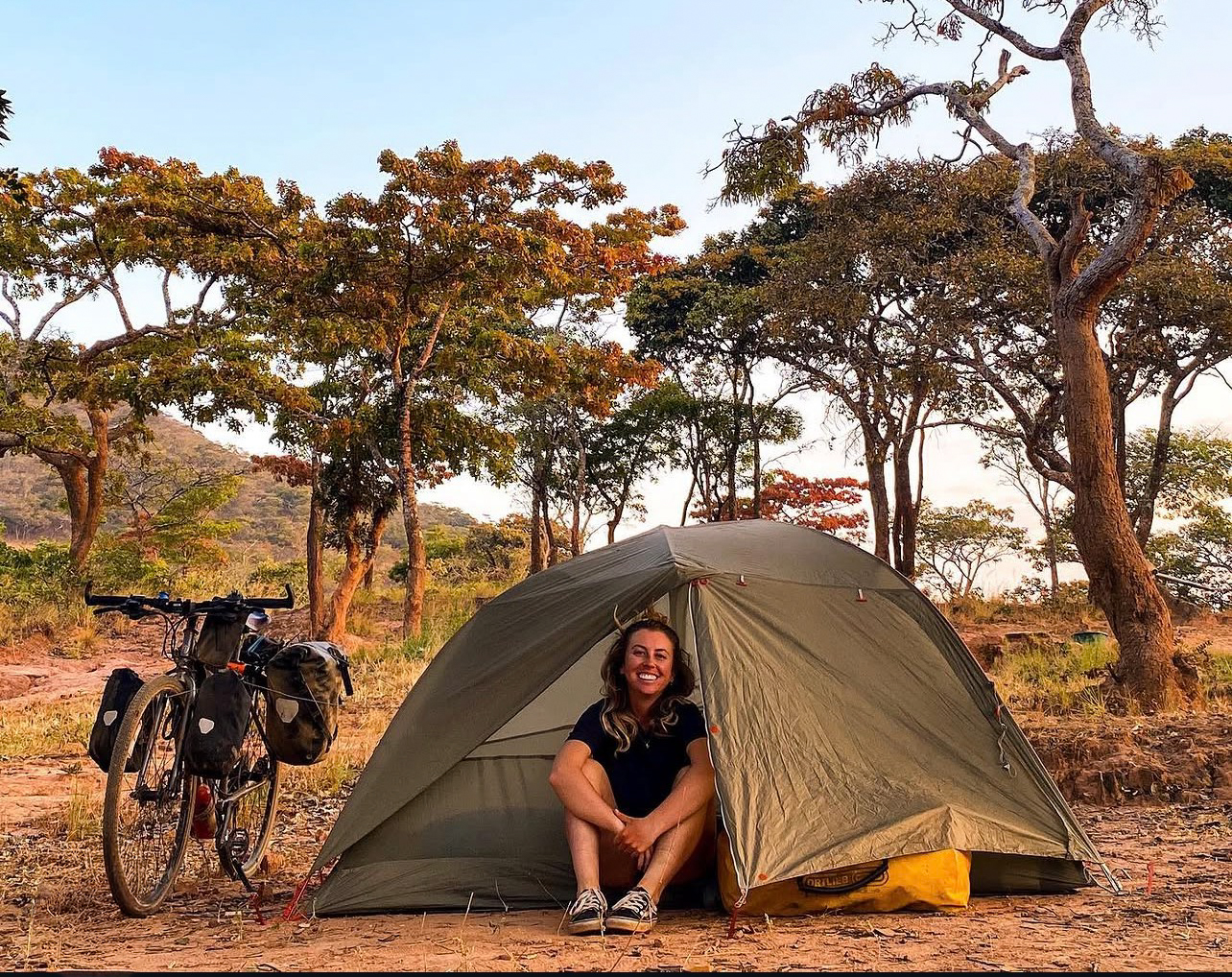
What you will need to carry will differ on how long you’re going for, the activity you’re doing, the conditions you might experience during the adventure and who you are going with. While it may seem bulky, a well stocked first aid kit might save your life!
Another thing I always carry on backcountry and solo adventures is a personal locator beacon (PLB). When triggered, it sends satellite co-ordinations and the information you’ve registered about your trip to the local search and rescue authorities. I have never had to use it, but it brings me peace of mind to know that if everything goes south, someone will be working towards finding me and my family will be updated.
I hope you never have to use your first aid kit on any of your adventures, but if you do, I hope this post helps you to be prepared. Happy Adventuring!
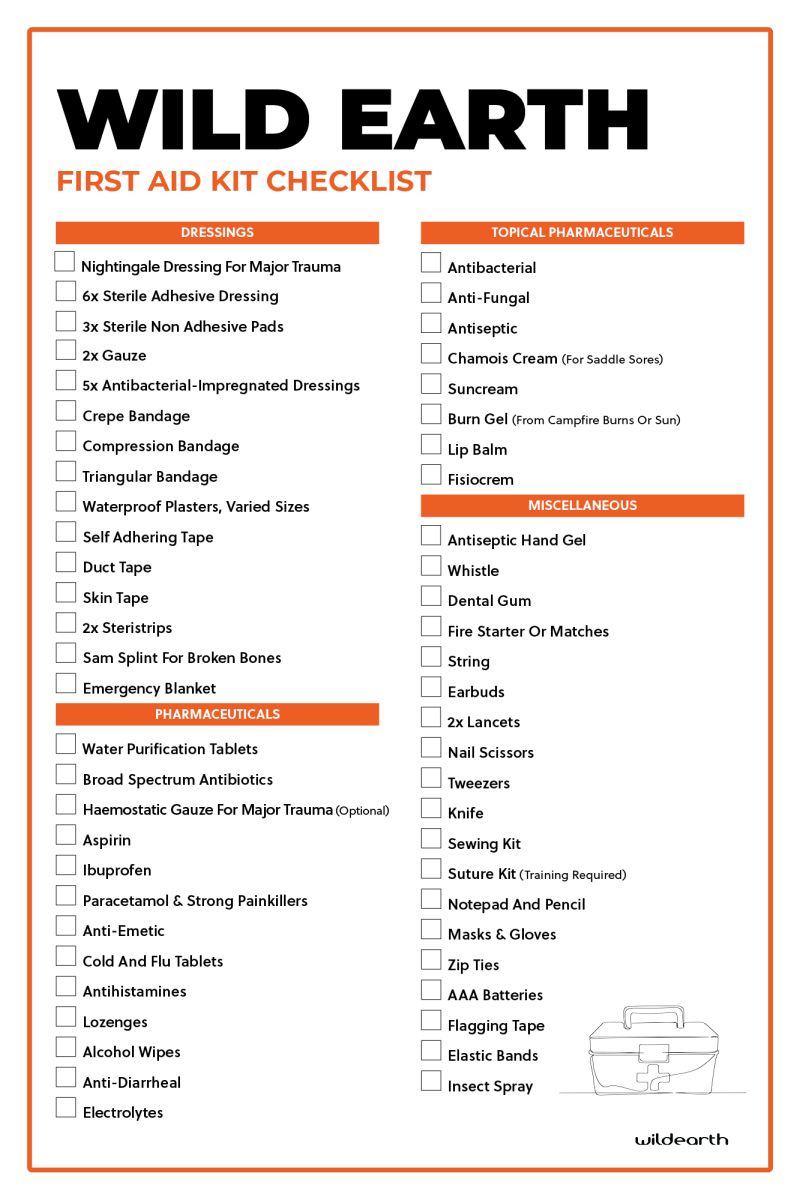
Download your own backcountry first aid kit checklist.
Not sure what to put in your first aid kit for your next adventure? Chat to our friendly team of Outdoor Gear Specialists in-store or online today and don’t forget to share your adventures with us on Instagram by tagging @wildearthaustralia and #mywildearth in your next post.
A well-stocked wound care kit is often the most important component because cuts and abrasions are among the most common backcountry injuries.
It should match the trip length, remoteness, group size, and your medical needs.
This depends on your destination, access to healthcare, and advice from a qualified healthcare professional.
A hiking kit usually includes more trauma and emergency equipment, while travel kits focus more on illness prevention and treatment.
The Camino de Santiago (The Way of St. James) is a world-famous historical pilgrimage to the cathedral Santiago de Compostela in Galicia, North-West Spain. There are a variety of different routes across Europe but the most popular is the Camino France
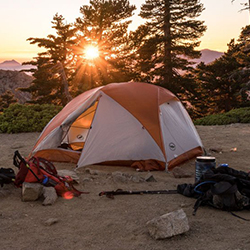
But, you need to make sure you have the right tools and materials to fix your gear on the trial - this is where a well-stocked Repair Kit is essential
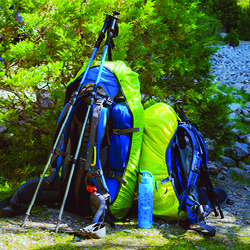
Start walking, and walking, and walking…
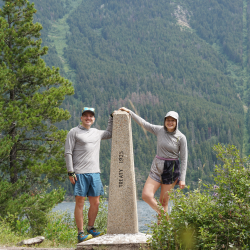
This is the trip report, the hard-earned lessons, and the full packing guide of what worked, what didn’t, and what I’d change next time walking the CDT southbound from Canada to Mexico in 113 days.












Using Afterpay you can pay for your order over 8 weeks. There's no interest or added fees* and nothing to pay today. Payment will be automatically taken from your debit or credit card in four equal payments each fortnight over 8 weeks, and you will receive your order immediately.
You simply need:
To use this service simply:
Approved AfterPay buyers will require the funds for the first payment to be available on their card at time of checkout, however the first payment won't be deducted for 14 days. First time AfterPay buyers will need to make the first instalment payment at the time of their purchase.
If you wish to return your goods you can choose to receive an exchange, or the Afterpay payment plan can be cancelled before the first payment at no charge. *If you fail to have sufficient funds available for AfterPay to automatically deduct payment on due instalment dates you will be charged a late fee of $10, and if the instalment payment remains overdue, an additional $7 will be charged one week later.
With AfterPay, there's no waiting and we'll ship out your order immediately as normal.

When you want to go now, sometimes it's handy to pay later. That's why, we offer interest free payment plans from two of Australia's favourite Buy now, Pay later services.