Total Items: 0
Sub Total: $0.00
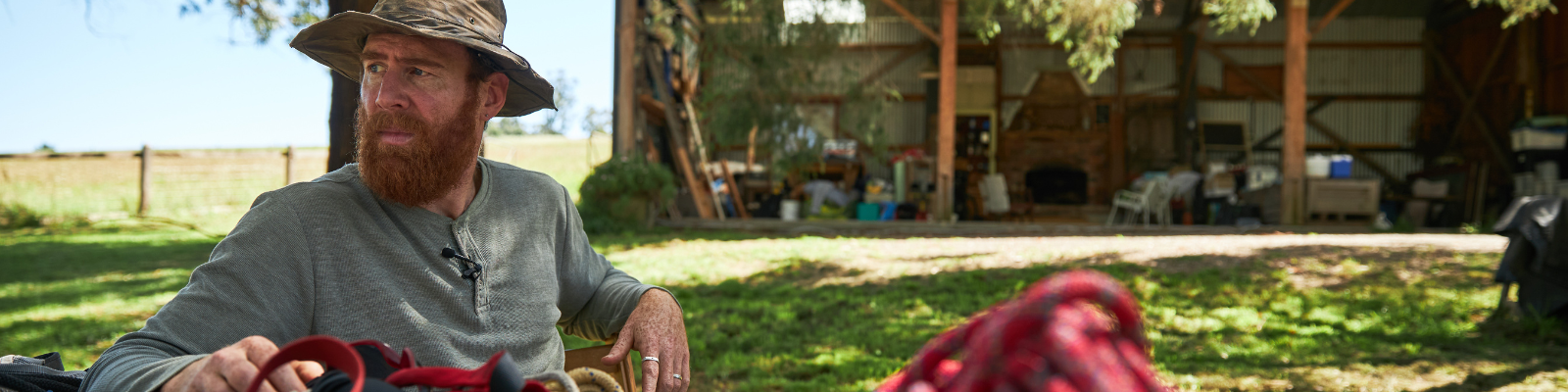
You don’t need a passport (or a perfectly dialled kit) to find real adventure. Beau Miles’ best stories come from ordinary places, simple tools, and the courage to do the ‘weird thing you keep thinking about.’
Excerpts taken from Wild Chats Podcast with Ben Southall and Beau Miles.
In a recent conversation on Wild Chats with Ben Southall from Best Life Adventures and Aussie adventure-filmmaker Beau Miles unpacks what fuels his projects from human-powered missions (kayaks, runs, walks) to radical ideas like a mile an hour. It’s part adventure talk, part life philosophy, and a solid nudge to stop waiting and get out there.
Below are the big lessons (and the practical takeaways) for Wild Earth Australia readers who want more adventure in their everyday.
Beau Miles is an award winning Aussie filmmaker who makes offbeat documentaries about adventure, sustainability and the human condition. He’s also an author and speaker but first and foremost, he’s a storyteller. Yes, he’s done epic stuff (like a multi-month kayak expedition along the African coast) but what makes Beau so bingeable is that he doesn’t chase ‘hard’ for the sake of it. He finds meaningful adventures in the mundane.
“I’d say I’m to be a bit cliche, I’m probably just a storyteller these days, and I try and weave that into whatever the heck I’m doing, whether I’m writing something or making a film or giving a talk.” - Beau Miles
That’s a blueprint anyone can use.
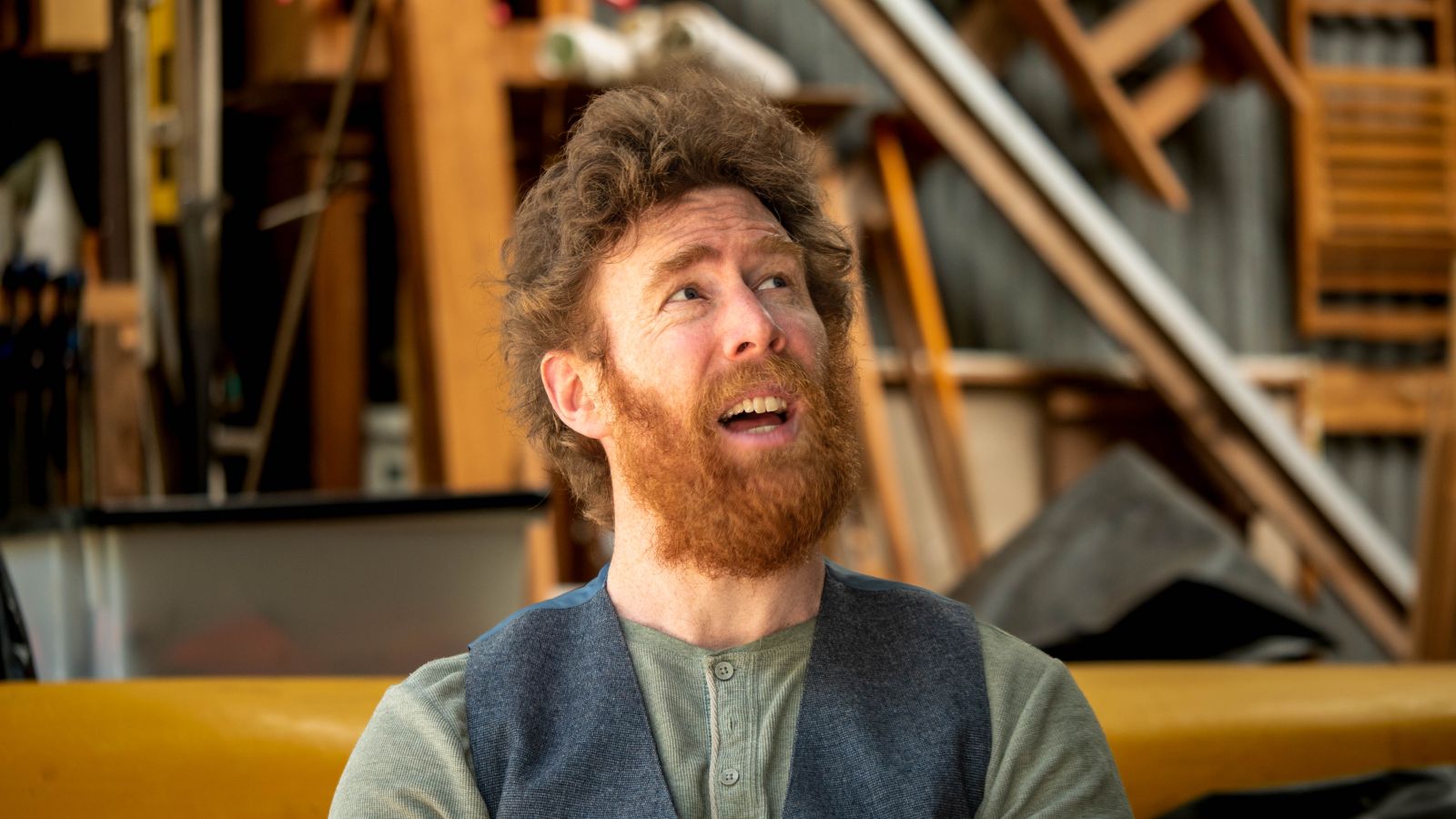
Ben opens with the question most of us are thinking. “Do you really have to go far to find something that changes you?”, and Beau’s answer (over and over) is, “No”.
The travel industry loves the myth that adventure only happens on the other side of a flight. Beau flips that narrative and highlights that his stories often happen close to home…and that’s the point.
“I would say that most of my influences do not come from the adventure space or from the travel space. They come from humans or a bloody big tree when it's blowing a gale, you know? I can get a whole punch of stuff from weird angles… I think you have to embrace the unknown and that's where there's so much beauty in it. But you’ve got to trust yourself with it. So embrace the unknown, take no prisoners, do the weird stuff.” - Beau Miles
Try this today: pick a nearby place you’ve never explored (a river, a fire trail, a headland, a creek line), and give it a mission:
One of the most relatable parts of the chat is where Beau talks about alone time, especially as a parent. He’s rarely truly alone, so running becomes a kind of moving meditation where he can be out the door in a minute with no complicated logistics required. It’s that carved out solo time is where ideas tend to show up.
“Running's very attractive to me at this stage because it's simpler than going for a paddle…I can be out the door in a minute. And so I get this instant hit of just my own head. And that's where the creativity comes from.” - Beau Miles
Takeaway: If you want better ideas (or just a calmer mind), protect a small pocket of solitude with no inputs and just move your body until creativity bubbles up.
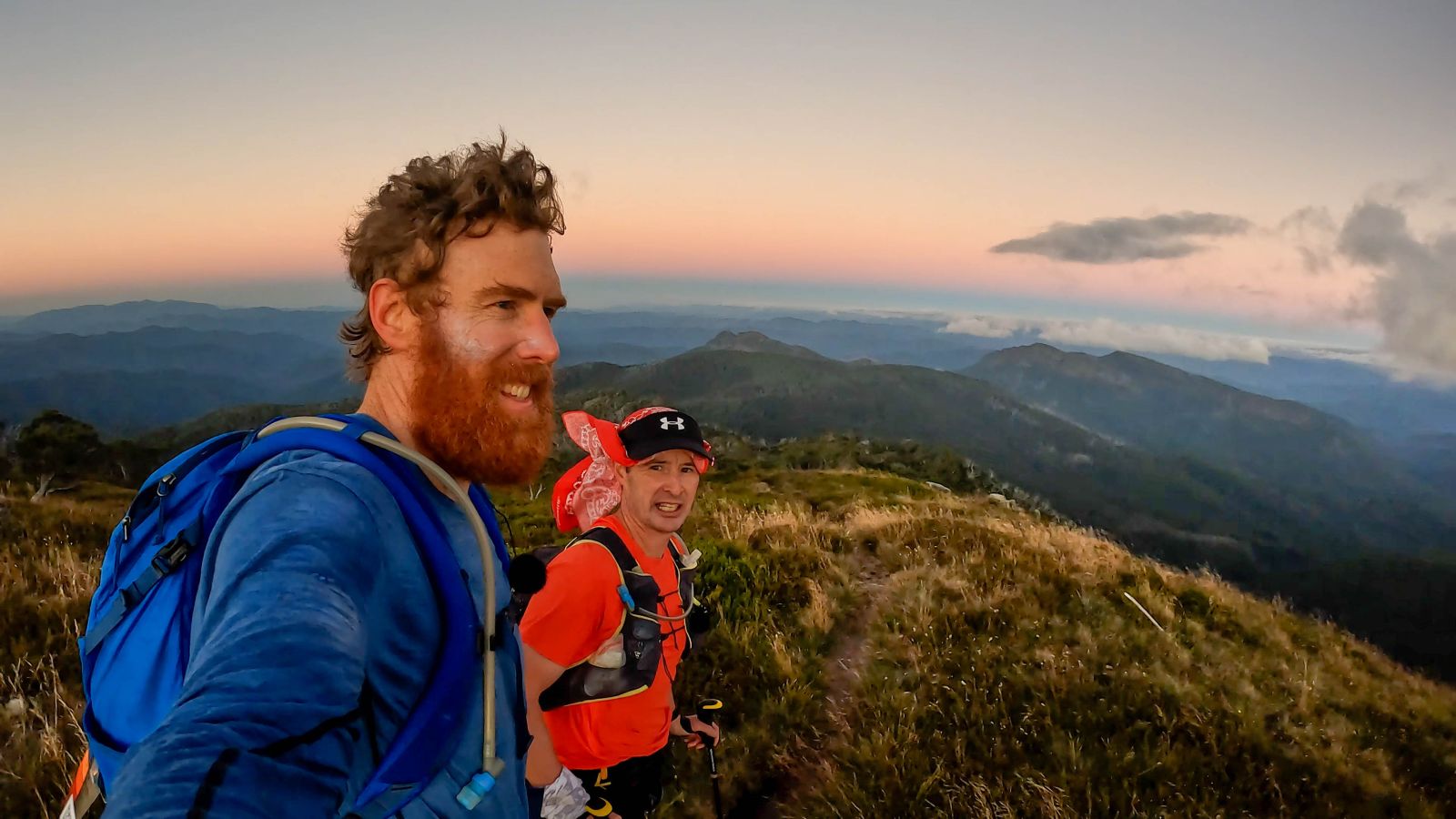
Beau talks about planning a major kayak expedition kayaking 2000km around the southern tip of Africa (originally around 4,000 km, later cut down to about 2,000 km). The key moment was when his mate, who had planned to join, pulled out close to departure.
The real lesson: Planning is useful, but you can’t plan your way out of reality. You need adaptable systems and enough humility to change the route.
Beau’s gear talk is a breath of fresh air because it’s not a shiny-shopping list. His kit focuses more on long lasting items that are multi-use and easily repaired. On the kayak trip he mentions:
But his kayak choice mattered, it needed to be tough, fixable, able to take a hammering.
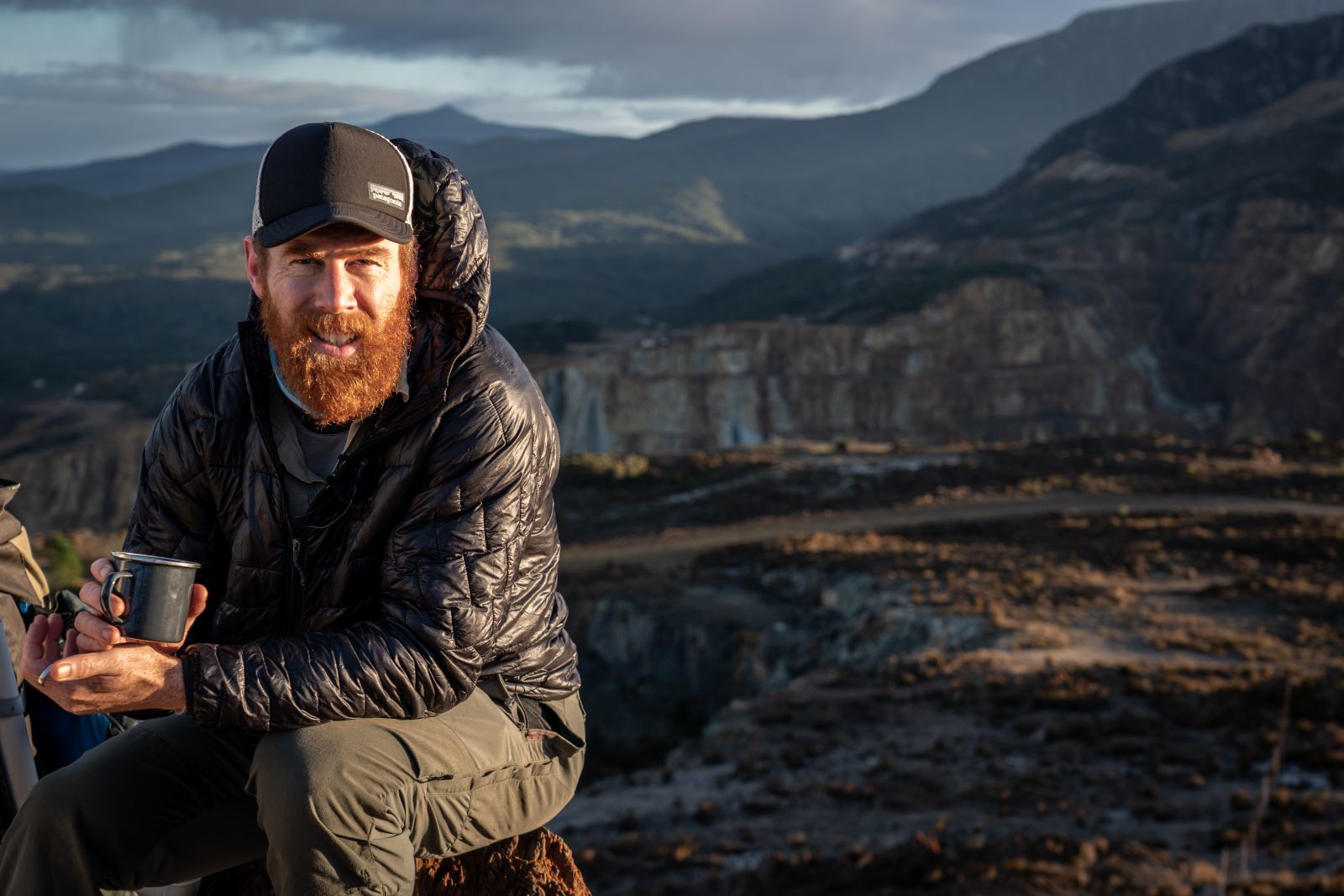
When you’re choosing gear for remote or rough conditions, ask:
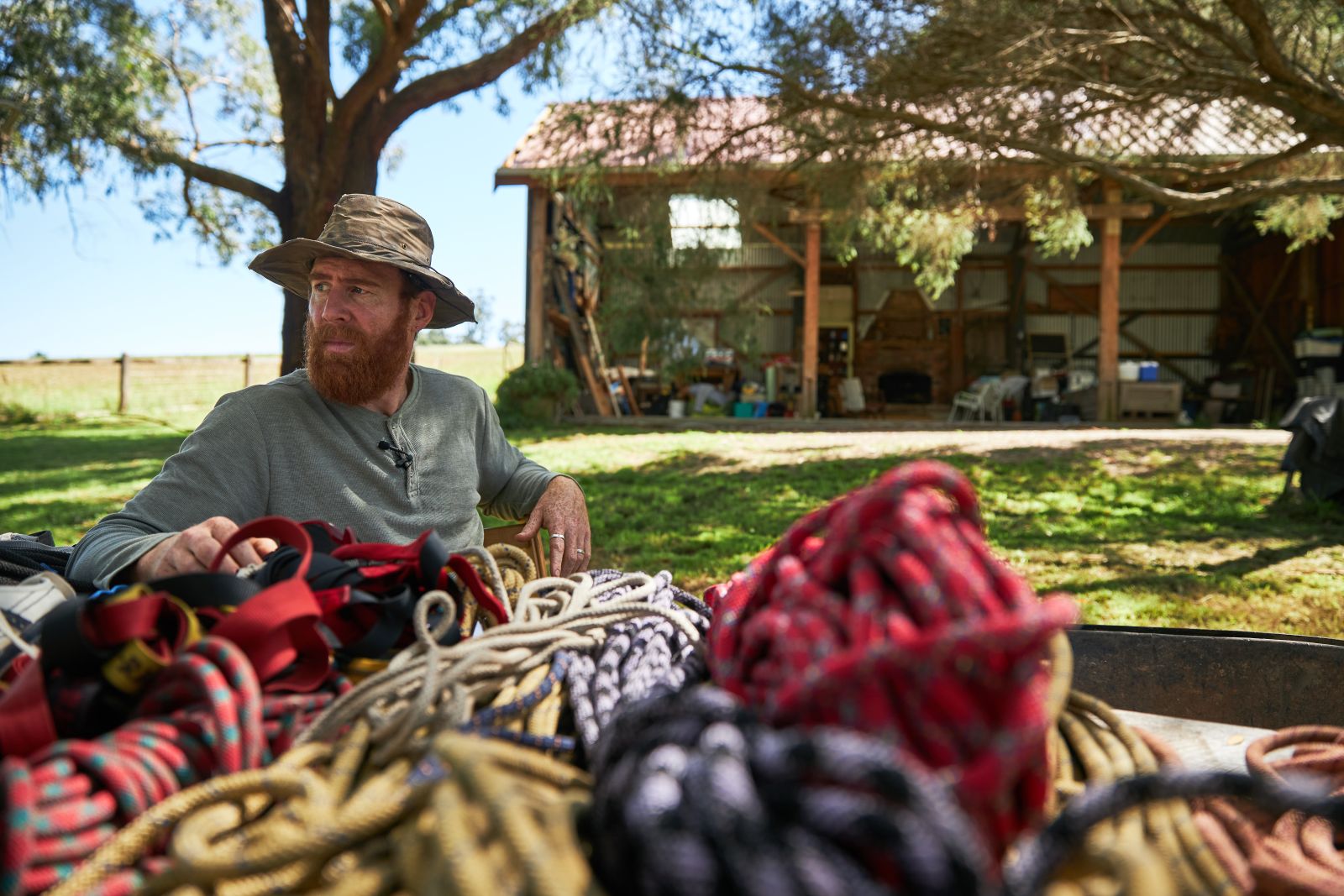
Beau’s sustainability stance isn’t a performance. He grew up in a zero-waste household where food was eaten or reused, materials got saved, and nothing was casually binned. That shows up in his projects now from scavenging timber, repurposing materials, repairing gear and refusing to waste. He also makes an important point that being hardcore 100% of the time is tough and you have to pick moments where you can genuinely do it well.
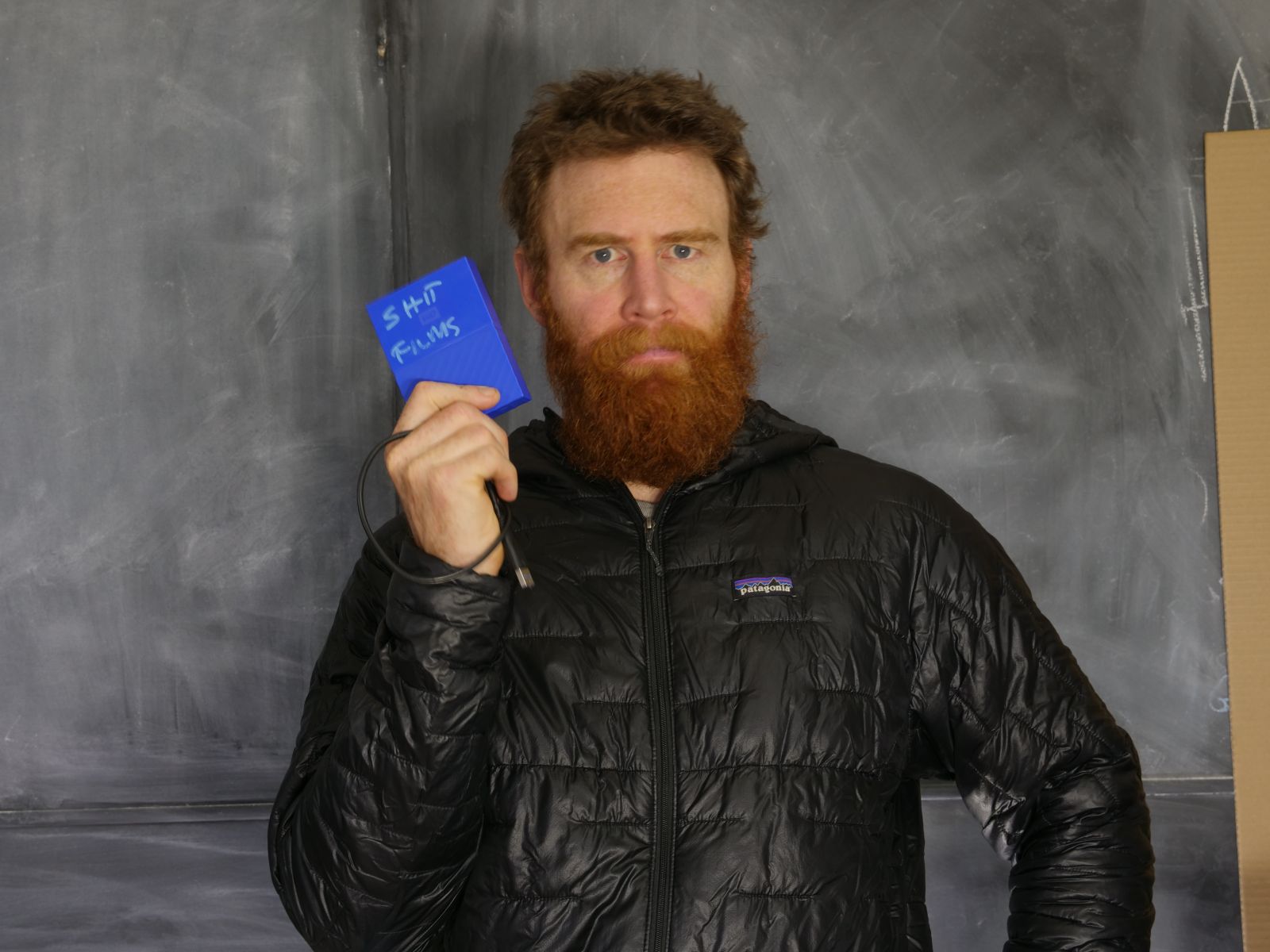
“There was just no waste in our household. I'm just not going to buy any new stuff. I'm going to repair it.…I really like that phase of life where I'm buying a lot less. I'm using a lot less, but I'm repairing more...And for Patagonia to have a slogan like, buy less, demand more, I really respect that…And look, Wild Earth has got that kind of kudos as well. You know, they're a B Corp…" - Beau Miles
Try the Beau approach:
One hard hitting piece is Beau paddling Sydney’s Cooks River and being shocked by how quickly it shifts from ‘not too bad’ to ‘thick with rubbish.’ The point of this wasn’t to shame cities but instead to remind us that we don’t just impact faraway places. Our waste shows up close to home too, often just downstream where we don’t have to look at it.
A simple weekend mission: do a local micro clean-up while you hike/paddle/walk and bring one rubbish bag (check out this KEA reusable rubbish bag). Set a timer for 20 minutes, and pick up whatever’s on your route. No pressure to save the planet in one go, it’s just an easy add-on to something you’re doing anyway, and it makes your favourite spot noticeably nicer.
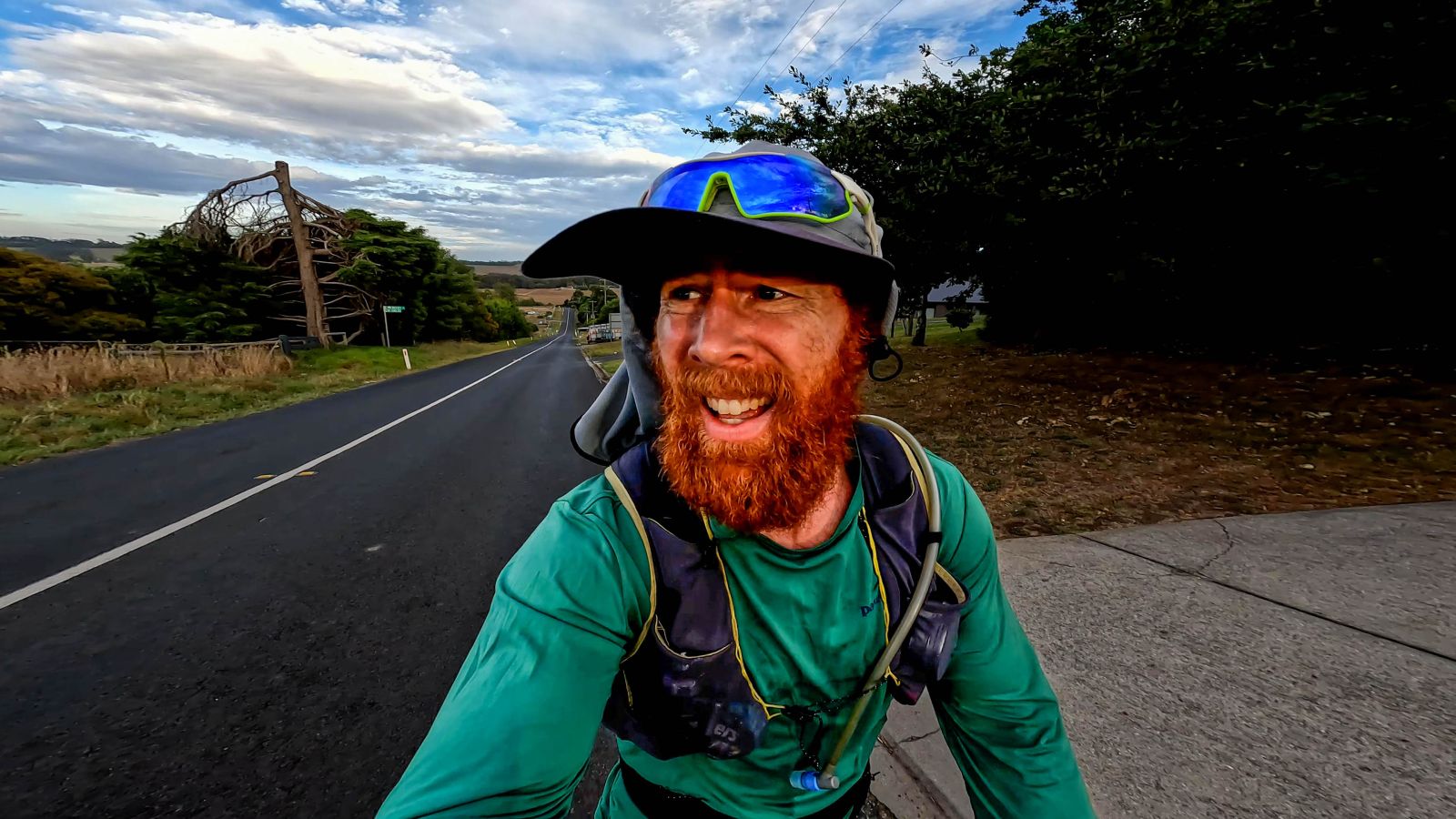
If you only know Beau for the big missions, A Mile an Hour is one of the most powerful. On paper, it is simple enough, run one mile, every hour, for 24 hours. In real life, it becomes something else entirely and it’s the space in between where the story happens. Instead of smashing out a marathon in one go, Beau uses the gaps to share a story of a whole day. He tinkers in the shed, eats, potters around, thinks, resets. Each mile becomes a small start line and each hour we ask if it’s possible to begin again.
“I struggle to think that's an adventure sometimes. I think, ‘It's just some bloke that wants to get a bit of stuff done in his shed and then he goes for a run every hour.” - Beau Miles
But that is exactly why it works. It is accessible, weird, and oddly profound. It’s a reminder that you do not always need a dramatic start line or a faraway destination. You can build an experience that changes you inside your own everyday life, with your own routines still running in the background. This ties into one of Beau’s biggest creative rules, to keep it fun. If it feels playful, it becomes magnetic. If it feels genuine, people lean in. If you're looking to get into running, check out running essentials here.
“It was total fly by the seat of your pants… but it was totally genuine, too…it felt right. It felt like fun and I thought you know what, I'm just going to go…because if it's fun for me, it translates and that's I think gold dust.” - Beau Miles
Beau talks openly about the tension of YouTube in which consistency matters, but great creative work doesn’t always fit a schedule.
His current system is:
When Ben asks what adventure people should do this weekend, Beau refuses to prescribe a one-size challenge. His answer is better:
That could be:
If you want adventure, stop outsourcing it to big plans and start with a small decision today.
If you’re building a kit that matches Beau’s philosophy, think long lasting, durable, simple, sustainable and repairable:
Beau’s stories aren’t really about kayaks or mileage. They’re about choosing a different way to move through your week by noticing more, wasting less, and trusting that small weird ideas are worth following. So, if you do one thing after watching The Art of Adventure with Beau Miles, do the weird thing you keep thinking about and start your big adventurer closer to home.
Beau’s best reminder is that you do not have to wait for the big ‘someday trip’ to feel alive. You can build a more interesting life from smaller, weirder decisions like walking the long way home or fixing the thing instead of replacing it. Saying yes to the idea that keeps tapping you on the shoulder and following the fun because if it’s fun for you, it becomes magnetic for everyone else, and that is usually where the good stories begin.
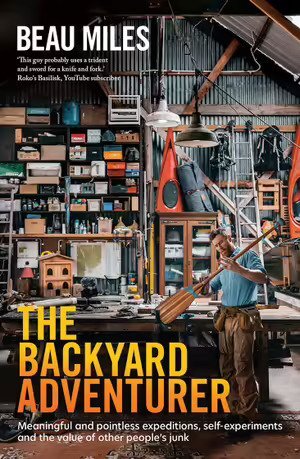
If this conversation ignited a creative spark in you, keep going down the rabbit hole with Beau’s YouTube Channel and book The Backyard Adventurer.
Not sure what gear you need for your adventure? Chat with our friendly team of Outdoor Gear Specialists in-store or online today, and don’t forget to share your adventures with us on Instagram by tagging @wildearthaustralia in your next post.
Q: Who is Beau Miles and why is he so popular?
A: Beau Miles is an Australian filmmaker, author and storyteller who makes adventure films that feel real and relatable. People love him because he finds meaning in ordinary places, keeps things practical, and tells a great story without needing big-budget gear or faraway trips.
Q: What is ‘A Mile an Hour’ and what are the rules?
A: A Mile an Hour is a 24-hour challenge where you run one mile every hour for 24 hours. It sounds simple, but the challenge is the rhythm of starting again each hour, managing fatigue, and using the in-between time well.
Q: Has anyone tried a mile-every-hour challenge, and what tips help?
A: Yes, plenty of runners try similar formats. The usual tips are to keep the pace easy, set alarms, plan simple food and hydration, keep your gear ready to go, and make the rest hour, genuinely restful (feet up, warm clothes, quick reset).
Q: Where should I start if I’m new to Beau Miles?
A: Start with one of his most popular films on YouTube (often A Mile an Hour or another short, story-driven project), then follow your curiosity. If you like the running ones, stay in that lane first, then branch into the build projects and paddling adventures.
Q: Do you really need to go far to have a proper adventure?
A: Not at all. A big Beau theme is that adventure is a decision, not a destination. A simple mission in a nearby place can be just as memorable as a big trip if you show up with intent and attention.
Q: What is Beau Miles’ gear philosophy?
A: Functional and repairable beats shiny and perfect. He tends to choose gear that can take a beating, be fixed in the field, and used for years, rather than fragile gear you have to replace when something small fails.
Q: Is ‘The Backyard Adventurer’ worth reading?
A: If you like Beau’s style, yes. It’s focused on finding adventure close to home and making life more interesting through small missions, not chasing epic travel for the sake of it. You can grab a copy here.
The entire sailing vessel juddered as the latest gust smashed into the rigging high above us. The nature of the southern ocean’s fury had revved up a few notches whilst I snatched some valuable moments sleep...
When I picked up the Osprey Kyte 46 eight years ago, I needed a reliable pack for hiking. What I didn’t expect was how versatile and long-lasting it would be. Over the years, it’s accompanied me on countless hikes, travel and everything in between
Some adventures are planned; others unfold unexpectedly. Lena's spontaneous trip to Nepal became a life-changing trek through the Himalayas, filled with breathtaking landscapes, high-altitude challenges, and unforgettable encounters.
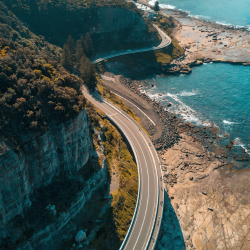
The best year ever doesn’t just happen; plan ahead with intention to make space for your adventures.











Using Afterpay you can pay for your order over 8 weeks. There's no interest or added fees* and nothing to pay today. Payment will be automatically taken from your debit or credit card in four equal payments each fortnight over 8 weeks, and you will receive your order immediately.
You simply need:
To use this service simply:
Approved AfterPay buyers will require the funds for the first payment to be available on their card at time of checkout, however the first payment won't be deducted for 14 days. First time AfterPay buyers will need to make the first instalment payment at the time of their purchase.
If you wish to return your goods you can choose to receive an exchange, or the Afterpay payment plan can be cancelled before the first payment at no charge. *If you fail to have sufficient funds available for AfterPay to automatically deduct payment on due instalment dates you will be charged a late fee of $10, and if the instalment payment remains overdue, an additional $7 will be charged one week later.
With AfterPay, there's no waiting and we'll ship out your order immediately as normal.

When you want to go now, sometimes it's handy to pay later. That's why, we offer interest free payment plans from two of Australia's favourite Buy now, Pay later services.