Total Items: 0
Sub Total: $0.00


Quick answer: To remove a leech, slide a blunt edge (fingernail etc) under the small sucking end to break the suction, flick it off, then clean and cover the bite. Avoid burning, salting or yanking the leech off, this can increase risk of infection.
Updated 2025.
If you’re a hiker or backpacker in Australia, you already know the territory comes with its unique challenges and boasts a number of impressive critters to look out for. Have you ever glanced down mid-hike to notice a glossy, black creature attached to your leg, or gone for a cheeky ankle scratch only to be met with a slimy hitcher? I’m almost certain you have. These little blood-suckers are often found lurking in damp, lush environments across the Australian wilderness.
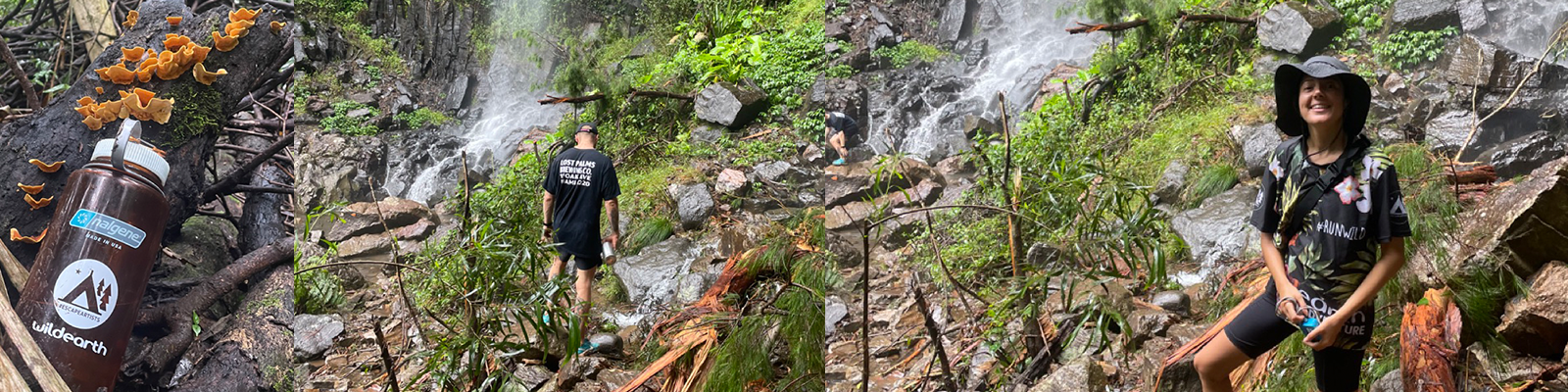
For most of us who love hiking in the leech-prone areas of Australia, they are almost a rite of passage. From the rain-slick trails our local Springbrook National Park to the fern-filled gullies of Tassie, they lurk quietly in the undergrowth, waiting for a warm-blooded host to wander by.
The good news? These slippery freeloaders are mostly harmless… Annoying, yes, but not dangerous when handled properly. The trick is, knowing how to prevent them from latching on in the first place and how to remove them safely when they do (this reduces the fear significantly, at least it did in my case!). In this guide, we’ll cover both, plus the best leech repellents, gear, and first-aid tips trusted by the Wild Earth team when we’re out on the trails in wet and humid conditions.
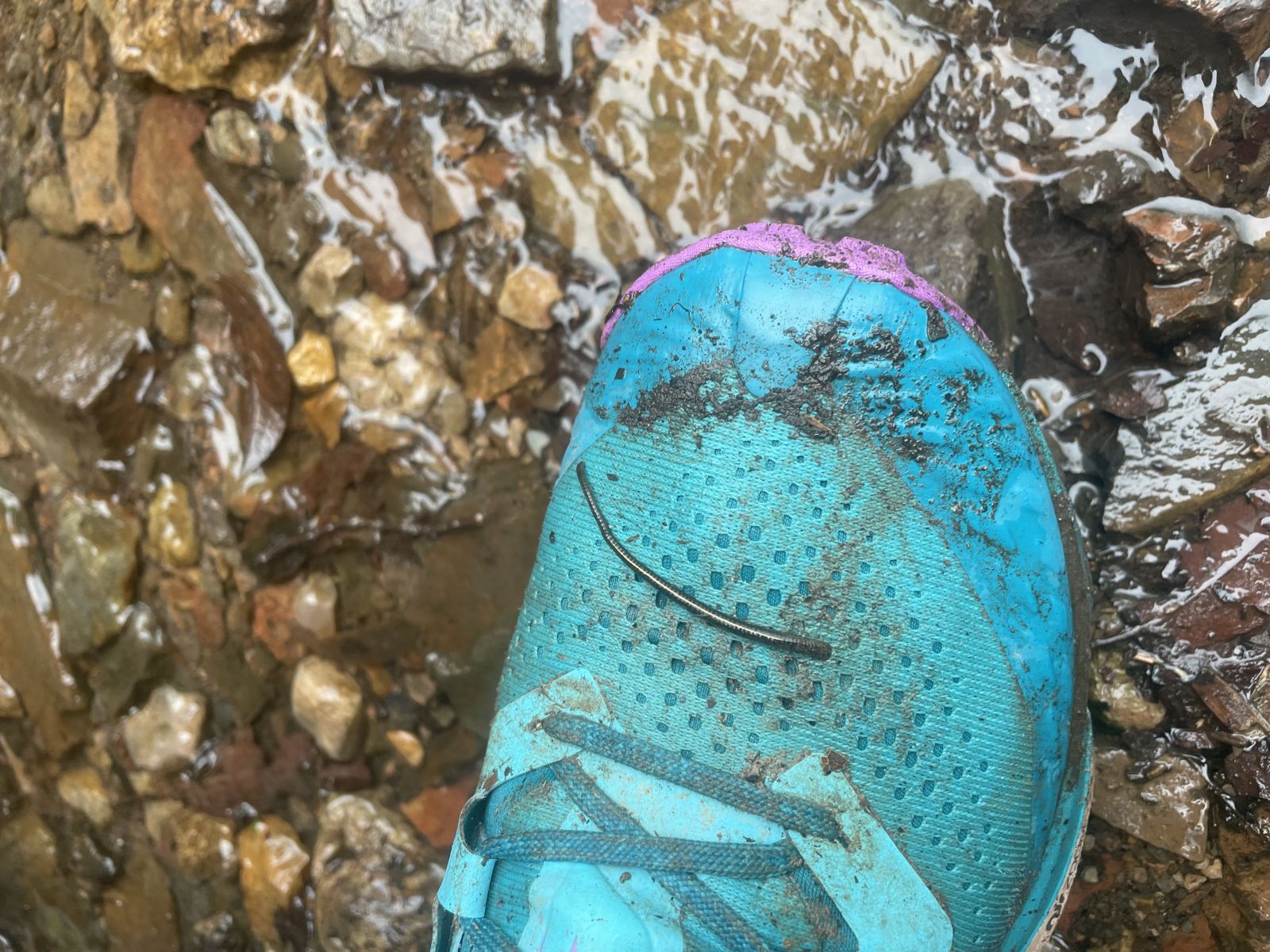
It's important to remember that leeches are not out to get you, they’re simply opportunistic little hunters. Belonging to the same phylum as earthworms, they use two suckers one on each end to move, hold, and feed. Their mouths contain tiny jaws and an anticoagulant called hirudin, which is what keeps your blood flowing freely while they feed and is the reason the bite usually keeps bleeding for a long time after they've been removed.
Leeches thrive in Australia basically anywhere moist and shadey. Think:
They’re most active after downpours or during the humid summer months, especially in coastal and subtropical regions like South East Queensland.
They’re surprisingly clever for something without eyes or ears. Leeches sense vibration, body heat, and carbon dioxide, which means they can detect you way before they're in view. Some will stretch vertically from leaves or sticks, swaying like tiny cobras ready to latch on as you brush past.
They’re patient, but they’re also quite predictable, which makes them easy to avoid and deal with once you know a little more about how they operate.
If you’d rather not donate blood to the forest gods, prevention is everything. It’s primarily about layering physical barriers with insect repellents and clothing.
This is easier said than done, but it’s best to start from the ground up.
Recommended leech-fighting clothing and gear
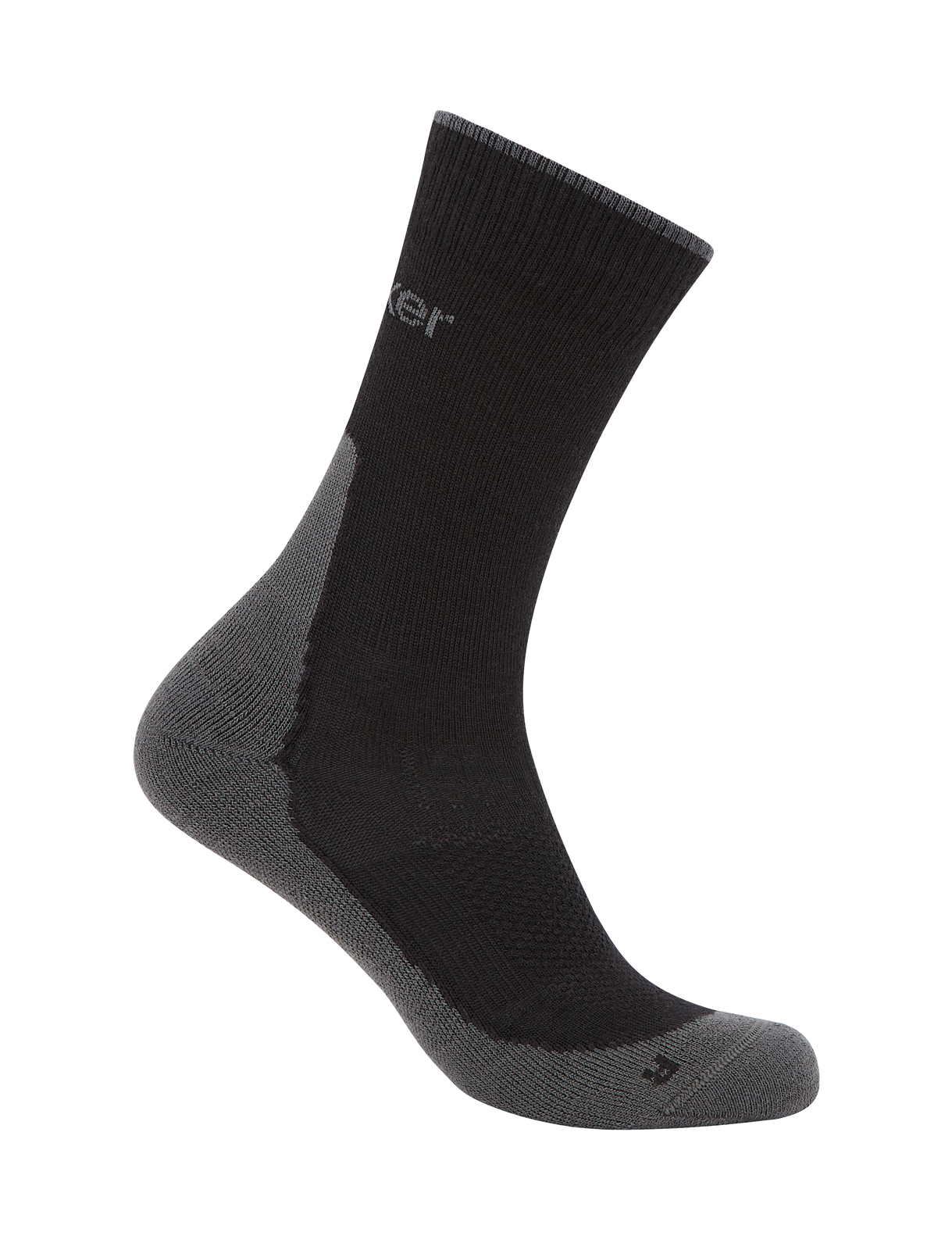
The Hike+ Light Crew socks feature an anatomical sculpted and lightly cushioned, versatile design for comfort and performance during any day out on the trails. The Merino blend offers excellent insulation and moisture-wicking performance, helping your feet stay fresh and dry.

The Mont Adventure Light Pants are rugged bushwalking workhorses and long-time customer favourites. Lightweight yet incredibly durable, they are made for multi-day hikes and travel well off the beaten track. Crafted from tough, easy-care Supplex nylon with a soft, cotton-like feel, they dry quickly and are built to handle it all, from the Overland Track to the mud and humidity of the Kokoda Trail.
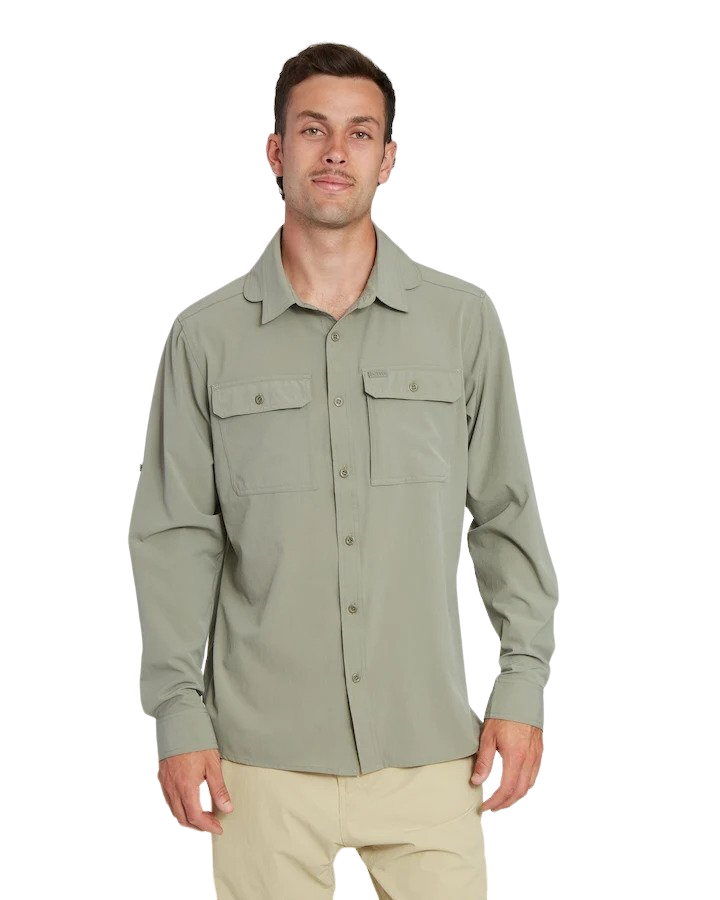
Head outdoors in the XTM DUNKELD Men's Long Sleeve Hiking Shirt, where practical design meets clean style. With UPF 50+ sun protection, a PFC-free DWR finish, and a vented back, it keeps you protected and comfortable in changing conditions. The lightweight, quick-drying fabric is built for durability and easy movement. Smart details like a hidden chest stash pocket, roll-up sleeves with tabs, and a collar extension for extra sun coverage make it a reliable trail companion. Whether you are hitting the trails hard or just spending the day outside, the Dunkeld has you covered.
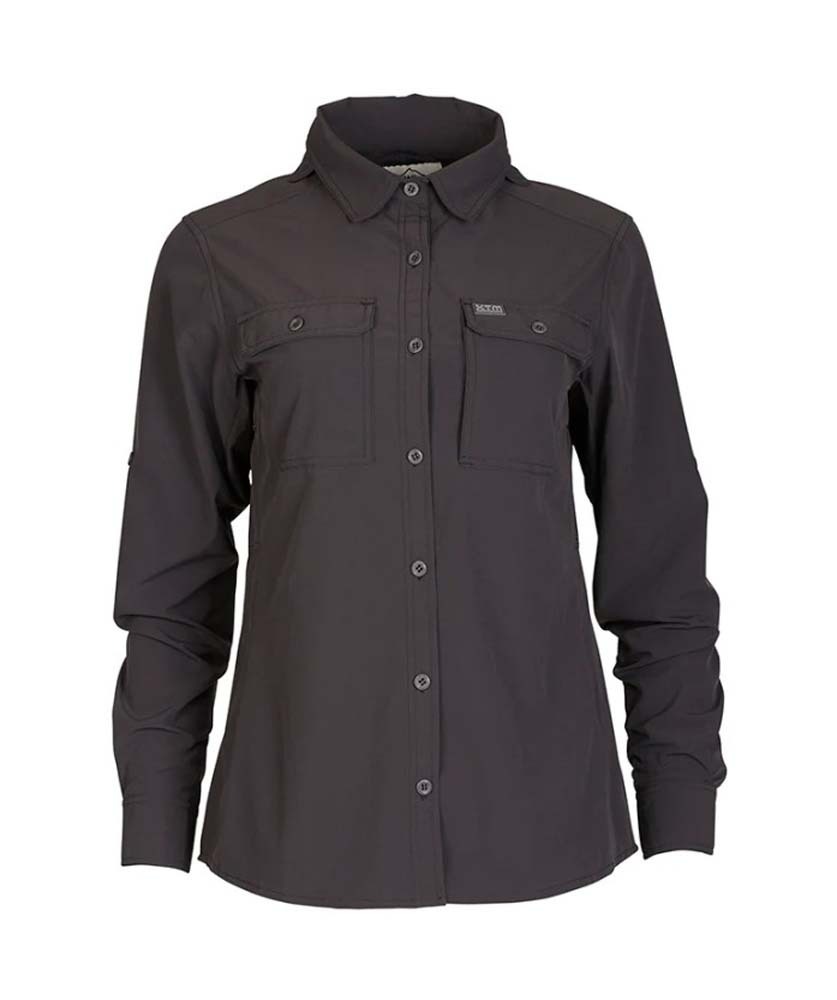
Meet the XTM Cumberland Womens Long Sleeve Hiking Shirt, the kind of shirt you throw on once for a hike then suddenly wear for everything. It is made from recycled nylon with a bit of stretch, so it feels light, dries fast and gives you room to move when you are scrambling up trails or hauling a daypack. The fabric offers solid leech protection as well as cover from the suns rays and there is also a clever collar extension you can flip up when the rays get a bit too much. You have got soft mesh lining through so it feels comfy against your skin, plus a vented back to help dump heat on hotter days. The fit is shaped without being clingy, and all the little details are well thought out.
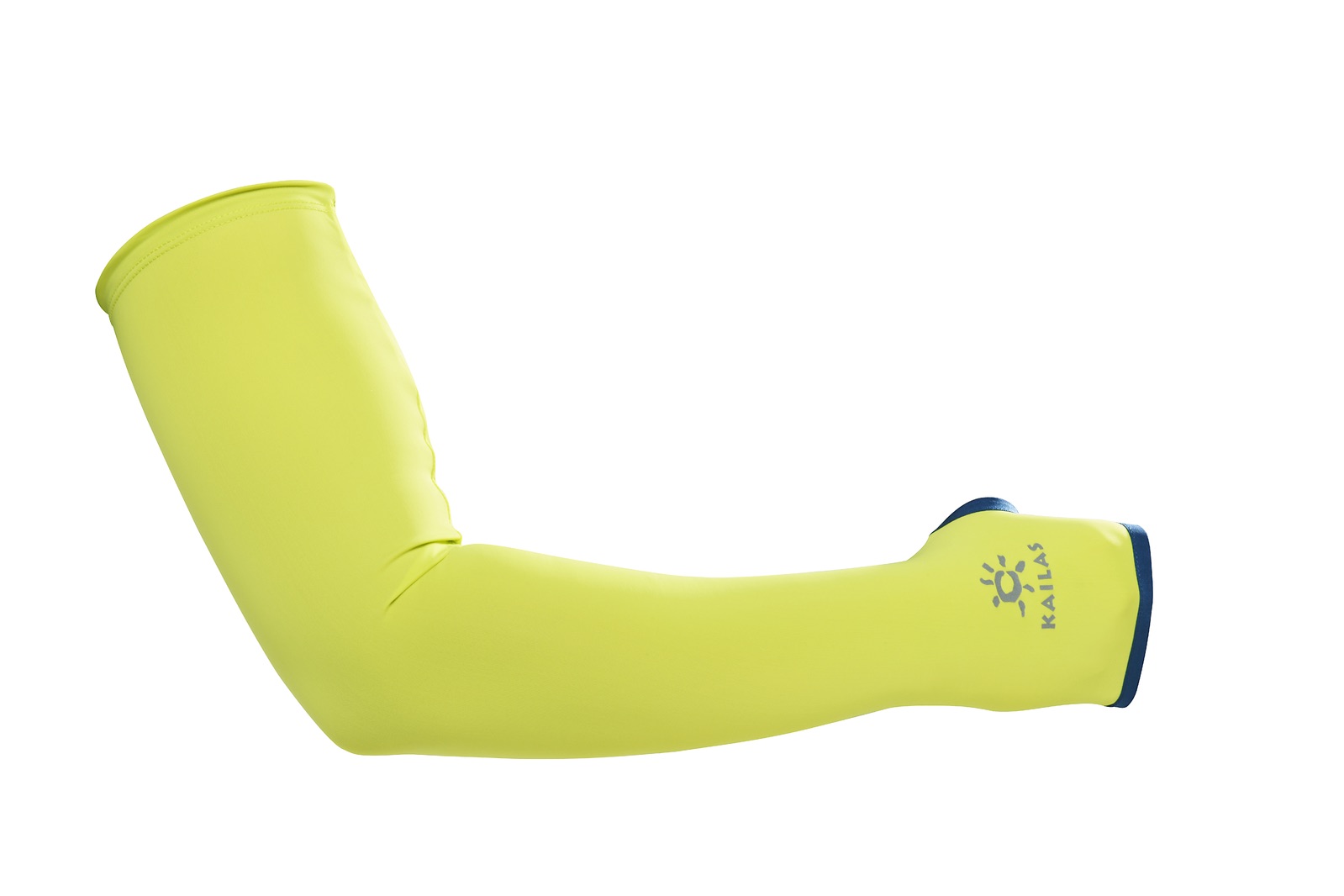
The Kailas Running Sports Arm Sleeves make for great arm protection on the trail. The lime colour is perfect for humid jungle hikes as it makes leeches extremely easy to spot! Slip them on and you get instant sun protection, a bit of extra cooling, and that nice “locked in” feel without overheating. The stretch fabric sits close without cutting off circulation, and the silicone on the palm helps them stay put when you are gripping poles or bottles. Thumbholes add a bit more coverage over the back of your hands too. Whether you are knocking out trail intervals, ticking off long runs through dense bush, or just trying not to fry in summer sun, these sleeves make it that little bit easier to stay comfy and focused on the trail.
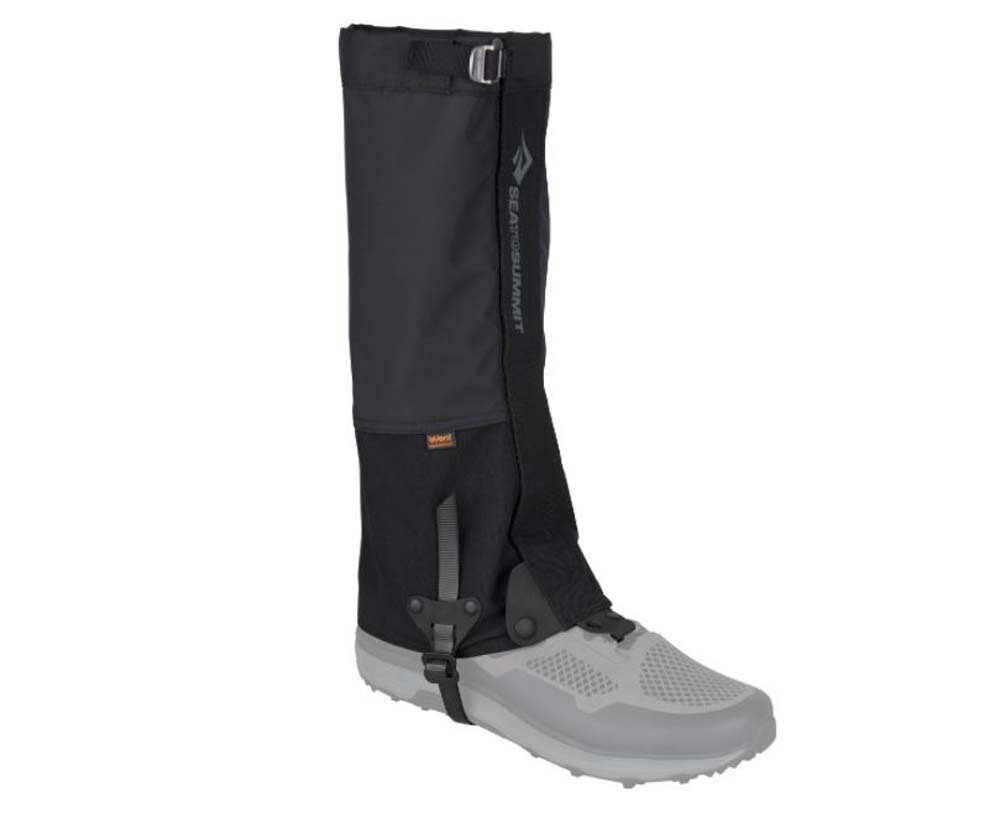
Sea to Summit Quagmire eVent Gaiters are what gear up when the trail gets tough. Made with breathable eVent fabric, they are heavy-duty, knee-length and built for hiking where scrub, mud and debris are a given. They breathe better than old-school gaiters, so they handle humidity reasonably well, but in steamy jungle conditions you’ll still get a bit sweaty, that's just the trade-off for serious lower-leg protection. The upside? They are excellent in leechy, muddy country when you wear them snug over your boots and socks with your pants tucked in, creating a solid barrier against freeloading hitchhikers and protecting from snake bites.
Creating a nasty taste on your skin for these guys is your second line of defence. Leeches hate certain natural oils and DEET remains the gold standard.
Bushman Ultra 40% DEET & 80% DEET Heavy Duty Repellent provides long-lasting protection against mozzies, sandflies, and leeches alike. Spray your ankles, socks, pant cuffs, and any exposed skin. From spray bottles to creams and roll-ons. We have the full range at Wild Earth, so you can take your pick.
.jpeg)
Bushman Ultra Gel is a reliable choice when you need serious insect protection. This compact 75 g tube contains 80% DEET and provides up to 15 hours of defence, so you can camp, fish or hike with fewer bites to worry about. The dry gel formula goes on smoothly, feels cleaner than traditional oily repellents, and has a neutral scent so it does not smell overly chemical on the skin.
For those who prefer a natural approach, tea tree, eucalyptus, or citronella oil can certainly help, though they need more frequent re-application.
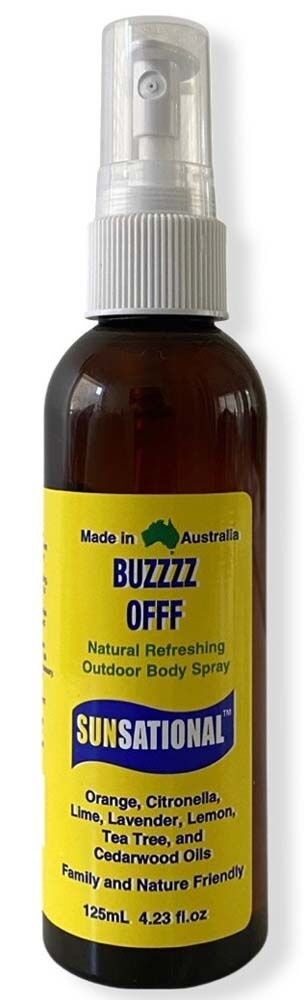
Sunsational has created a natural cooling and refreshing body spray that lets you enjoy the great outdoors while repelling pesky leeches and other insects. This spray naturally deters insects with essential oils while moisturising and soothing the skin with aloe vera and all products are safe for everyday use and work well to stop all types of itching and as a natural antiseptic.
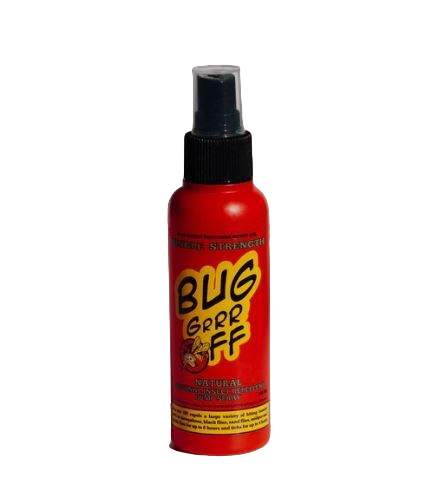
Meet Bug-grrr Off Natural Insect Repellent, a plant-based option that gives you up to 6 hours of protection from mosquitoes, sand flies, black flies, stable flies, midges, leeches and ticks. Instead of harming insects, it works by creating a barrier on your skin that makes you effectively “invisible” to a mosquito’s senses. Made using their hero ingredient, oil of lemon eucalyptus it’s 100% natural.
Keep moving when you can, and avoid sitting directly on wet soil, moss, or leaves. When taking breaks, pick a dry log or rock instead of the forest floor. This is especially true for bathroom breaks and always make sure you check the area beforehand (always follow leave no trace principles when bathrooming in the bush!).
If it’s prime weather and you’ve seen many about, every half hour or so, it’s wise to do a quick leech check, especially around your boots and ankles. Catching one before it attaches is the easiest win.
If, despite your best efforts to follow all of the advice above and one of our leech friends finds its way onto you, don’t panic. They’re slow, silent feeders, and the bite itself is painless thanks to their mild anaesthetic.
What you don’t want to do is yank it off… that’s when problems start. Pulling, burning, or pouring salt or vinegar on a leech might make it let go, but it often regurgitates its gut contents into the wound first, raising the risk of infection.
So what’s the best way to remove a leech?
Find the narrower end - that’s the mouth. The wider, flatter end is just the tail sucker.
Take something thin and flat like your Leatherman tool, Gerber keychain, or even a sturdy fingernail or credit card and gently slide it between the leech’s mouth and your skin. Flick sideways rather than pulling straight up. The leech will release cleanly. Yes, it’s surprisingly easy and doesn’t involve lugging around a carton of salt like some Salem witch hunter!
Once it’s off, flick it away. Leeches are hardy creatures so don't worry, they’ll survive being removed, there’s no need to harm them intentionally.
Use an antiseptic wipe or alcohol swab to clean the bite. If you don’t have one handy, rinse with clean water and apply a small dressing from your AMK Ultralight First Aid Kit.
Pro tip: A tiny dab of antiseptic cream before bandaging can help protect against infection. Once it has started to heal, a soothing ointment like paw paw balm can help with dryness and itching.
Feeling grossed out? The bite may bleed or ooze for several hours, that’s normal. The leech’s anticoagulant prevents clotting for a while, so just apply firm pressure with a clean gauze pad or cloth and wipe the wound again once you’re home or back at camp. If the dressing becomes wet or dirty, just start from scratch with a new one and try to keep the area dry and clean to avoid infection.
As the wound heals, it can itch like a mosquito bite. Resist scratching as it reopens the wound. You can use an anti-itch cream or a cold compress for relief. Always pack a few extra antiseptic wipes and band-aids. They weigh next to nothing and make trail hygiene easy.
Leech bites rarely cause problems, but watch for:
If any of these occur, see a doctor.
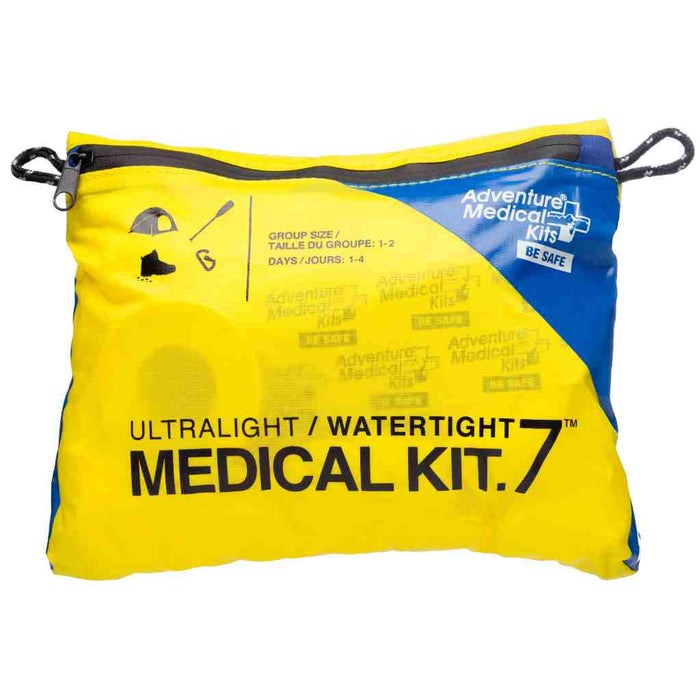
Repeatedly tested and approved by the Wild Earth team, the Ultralight/Watertight .7 medical kit contains the first aid supplies you need for a 1-2 people traveling for 1-4 days. This waterproof first aid kit weighs only 165 grams and contains a variety of bandages, medications, and tape, plus moleskin for blisters, and more. A perfect kit for the multi-sport enthusiast, adventure racer, or ultralight hiker.
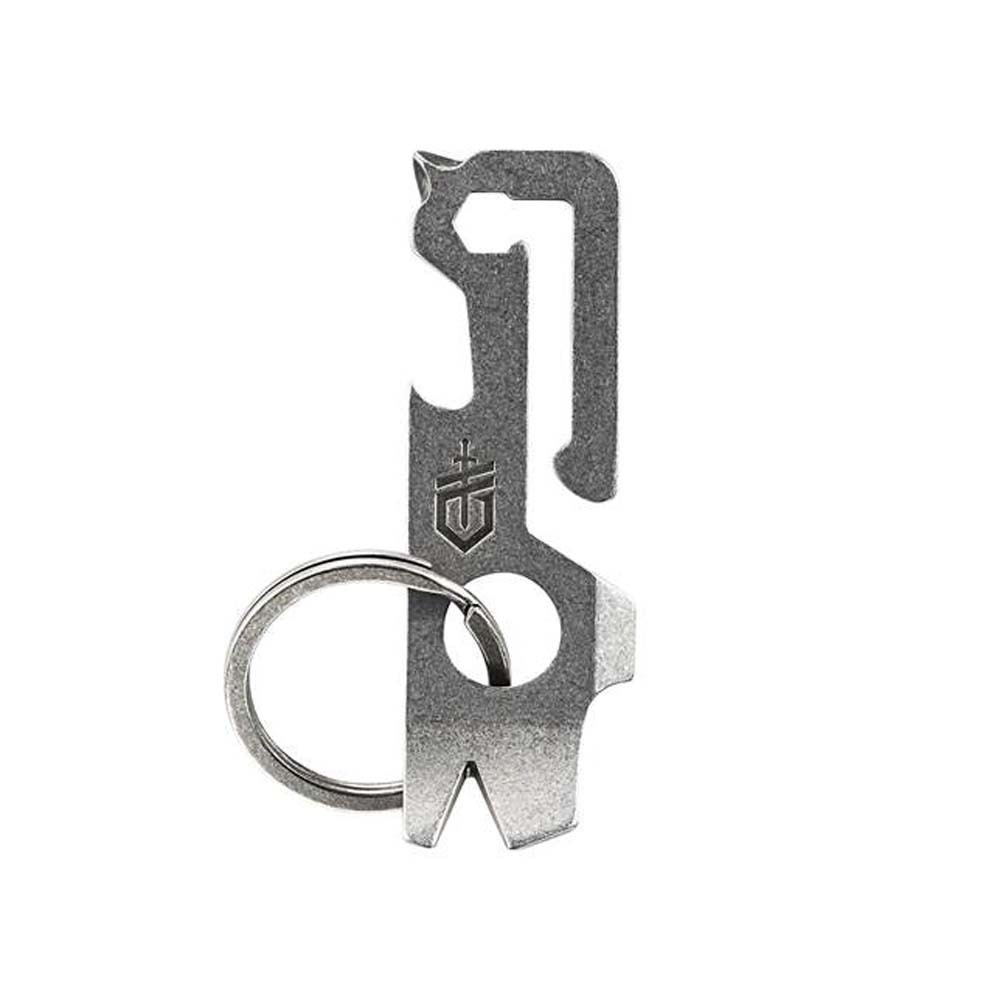
Problems aren't scheduled in advance, but solutions can be planned for. The Mullet is a compact keychain tool that houses 9 tools to handle those unexpected daily tasks, it's also a perfect tool for leech removal with a great blunt edge that can act to distrupt the suction. When accessibility is key, the Mullet answers with the ability to be carried on a keychain, from a belt loop, or even through an airport!
Myth 1: Pouring salt is the best way to get rid of a leech.
Not really. It works, but it also forces the leech to vomit back into your wound which is not ideal and can increase the risk of infection. It is also a needlessly cruel way to kill them. It is much better to break the suction gently and flick the leech off.
Myth 2: Leeches fall from trees.
Nope. They come up from the ground and wait on low vegetation, in leaf litter, or on rocks and logs. They latch on when you brush past.
Myth 3: All leeches carry diseases.
False. Australian land leeches are not known to transmit diseases to humans. The main risk is infection from bacteria entering the bite if it is not cleaned properly or if you scratch it.
Myth 4: You will bleed out from a leech bite.
You will only lose a few millilitres of blood, which is not a concern for most healthy adults. It can look dramatic because the bite may ooze for a few hours, but it is rarely serious. If you have a bleeding disorder or take blood-thinning medication you should talk to your doctor about extra precautions.
Myth 5: Leeches are just an old-fashioned medical trick.
Surprisingly, no. Modern hospitals still use specially bred medicinal leeches in very specific situations, mostly in plastic and reconstructive surgery to relieve built-up venous blood and improve circulation while tiny veins heal. These are sterile, carefully controlled medical treatments, not using wild leeches from the bush so if you get a leech on a hike, you should still remove it safely, clean the bite and leave the medical leech work to the professionals!
Before you celebrate surviving another muddy trail, take a moment to:
Leeches aren’t out to ruin your hike; they're just part of the rich, wet, living ecosystem that makes the Aussie bush so incredible. Think of them as a reminder that you’re deep in Mother Nature’s territory, where everything from the tiniest insect to the tallest gum tree plays a part. Once you’ve handled your first leech calmly and confidently, the next one becomes just another story you’ll laugh about later around a campfire.
So, next time you hit the trail:
Not sure what gear you need for your adventure? Chat with our friendly team of Outdoor Gear Specialists in-store or online today, and don’t forget to share your adventures with us on Instagram by tagging @wildearthaustralia in your next post.
Q: Do leech bites hurt when they happen?
A: Most people do not feel a leech bite at first. Leech saliva contains a natural anaesthetic and anticoagulant, so the area goes numb and may only feel itchy or mildly irritated later.
Q: Are leech bites dangerous in Australia?
A: For most people in Australia, leech bites are more annoying than dangerous. The main risks are local irritation, minor bleeding and possible infection if you scratch the bite, severe allergic reactions are rare. You should see a doctor if you feel unwell, very itchy all over, or notice swelling away from the bite.
Q: How long does a leech bite bleed for?
A: Leech bites can ooze for several hours because the saliva contains an anticoagulant that stops your blood from clotting quickly. Clean the area, apply firm pressure with a clean dressing and, if needed, use a bandage to keep it in place until the bleeding slows.
Q: How do I safely remove a leech while hiking?
A: The safest way to remove a leech is to slide a fingernail, credit card or blunt edge under the small sucking end near its head, then gently flick or push it off. Avoid yanking or squeezing the leech because this can increase irritation to the bite area. Once it is off, clean the bite with antiseptic and cover it with a dressing.
Q: Can repellents really stop leeches when bushwalking?
A: Yes. In leech-prone areas, insect repellents containing DEET or picaridin can significantly reduce the number of leeches that attach to your skin. Spray or rub repellent on your boots, socks and exposed skin, and combine it with physical barriers such as long pants, gaiters and tucked-in socks for the best protection.
Q: What should I carry in my first aid kit for leech bites?
A: For most bushwalkers, a simple first aid kit is enough to deal with leech bites. Pack antiseptic wipes or solution, small adhesive dressings or gauze, a bandage, and any personal allergy medication you need. Many hikers also like to carry insect repellent and lightweight gaiters in leech-heavy areas.
Q: Is it okay to just let a leech finish feeding?
A: You can, and in most cases the leech will naturally drop off after around 20 to 40 minutes once it is full. However, many hikers prefer to remove them sooner for comfort. Whether you let it finish or remove it straight away, always clean and dress the bite afterwards.
Q: Why does a leech bite get so itchy later on?
A: Itchiness after a leech bite is usually a mild local reaction to the proteins in the leech’s saliva. The area can look red and raised, similar to a mosquito bite. Avoid scratching, as this can break the skin and increase the risk of infection. A cold pack and an anti-itch cream or antihistamine can help if the itch is intense.
Q: When should I see a doctor about a leech bite?
A: See a doctor if the bite becomes very red, hot, painful or starts oozing pus, which can be signs of infection. You should also seek medical help if you feel dizzy, short of breath, develop a rash away from the bite, or have any history of strong allergic reactions to bites or stings.

As hiking expands and grows so do the number of people on the trails, forcing us to get creative and do some more research if we want lonely tracks.
Capture the day with an inspiring hike, and make sure you have the right gear in your pack.
Hiking Tasmania’s Three Capes Track? Jess shares what to pack for the 48km, 4-day hut walk, including clothing, sleeping gear, food, footwear and first-hand tips.












Using Afterpay you can pay for your order over 8 weeks. There's no interest or added fees* and nothing to pay today. Payment will be automatically taken from your debit or credit card in four equal payments each fortnight over 8 weeks, and you will receive your order immediately.
You simply need:
To use this service simply:
Approved AfterPay buyers will require the funds for the first payment to be available on their card at time of checkout, however the first payment won't be deducted for 14 days. First time AfterPay buyers will need to make the first instalment payment at the time of their purchase.
If you wish to return your goods you can choose to receive an exchange, or the Afterpay payment plan can be cancelled before the first payment at no charge. *If you fail to have sufficient funds available for AfterPay to automatically deduct payment on due instalment dates you will be charged a late fee of $10, and if the instalment payment remains overdue, an additional $7 will be charged one week later.
With AfterPay, there's no waiting and we'll ship out your order immediately as normal.

When you want to go now, sometimes it's handy to pay later. That's why, we offer interest free payment plans from two of Australia's favourite Buy now, Pay later services.