Total Items: 0
Sub Total: $0.00


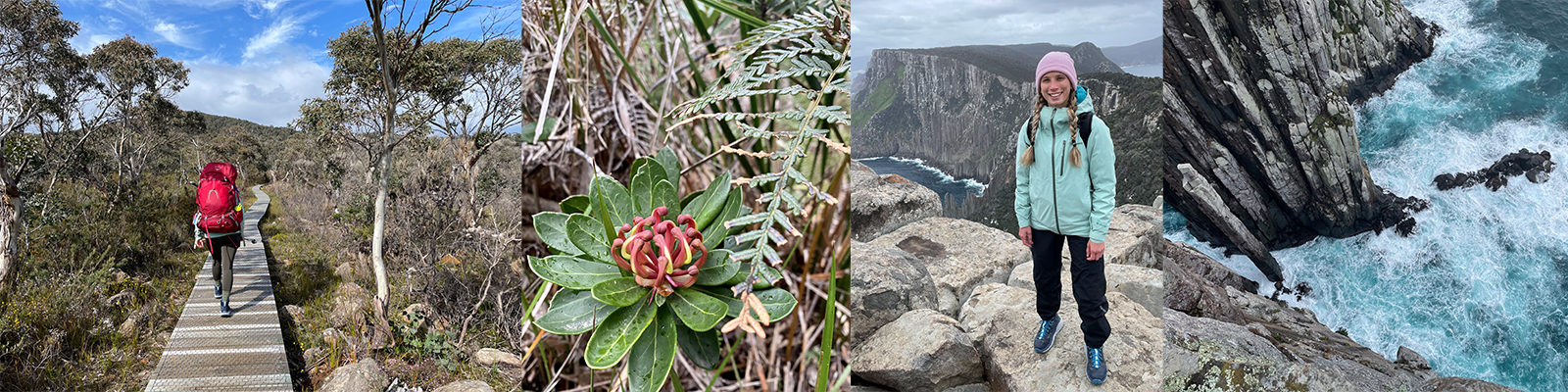
Hiking Tasmania’s Three Capes Track? Jess shares what to pack for the 48km, 4-day hut walk, including clothing, sleeping gear, food, footwear and first-hand tips.
Updated 2026.
The Three Capes Track is a 48km, four-day, three-night hut-based hike through Tasmania’s stunning Tasman National Park. Mattresses, gas cooktops and basic cookware are provided at the huts so you can generally pack much lighter than for a typical multi-day hike.
That said, you need to be prepared for Tassie’s unpredictable coastal weather so be sure to bring waterproofs, warm layers and a suitable sleeping bag. Tasmania Parks and Wildlife recommends fitting your gear into roughly a 50L pack and aiming for about 12kg including two litres of water.
Whether it is your first or fifteenth multi-day hike, you are guaranteed to love it. With a stunning variety of landscapes from dramatic cliff faces to lush rainforests to sandy beaches, there is so much to take in during the 48km journey. Have I convinced you yet? Check out my gear essentials to complete the Three Capes Track and my first-hand tips below!
| Detail | What to expect |
|---|---|
| Distance | 48km |
| Duration | 4 days / 3 nights |
| Difficulty | Grade 3 |
| Accommodation | Hut/cabin accommodation with mattresses |
| Suggested pack | About 50L |
| Suggested packed weight | Around 12kg including 2L water |
| Cooking | Gas cooktops and basic cookware supplied |
| Bring a tent? | No |
| Bring a sleeping mat? | No |
| Bring food? | Yes. 3 breakfasts, 4 lunches, 3 dinners and snacks |
Day 1: 4km, around 1.5-2 hours. You’ll arrive by boat to Denmans Cove, and then depending on the sand and water conditions you might need to wade to the shore (I did). Tasmania Parks specifically recommends keeping a towel accessible and wearing clothing that can be rolled above the knees for this.
Day 2: 11km, roughly 4-4.5 hours. Enjoy adventures through eucalypt forests, heathlands, and across the moorlands. You’ll climb to Arthur's Peak which gives staggering views across Crescent Bay and beyond to Cape Raou before heading down to the forest cabin at Munrol.
Day 3: 19km, roughly six hours. This is where the packable daypack comes in. It’s especially useful here because the route returns to Munro before continuing to Retakunna.
Day 4: 14km, roughly 6-7 hours, which includes reaching Mount Fortescue and Cape Hauy before finishing off at Fortescue Bay.
.jpeg)
Have you heard the saying ‘Happy feet, happy hike’? It doesn’t take an expert hiker to understand the importance of comfortable, sturdy and supportive footwear when out on the trail. With the lightweight feel of trail running shoes, but all of the support, grip and protection of a hiking boot, my Hoka Hiking Boots were incredible. The original ones I took are obsolete, but these Hoka Kaha are a great updated choice. Look for hiking boots or hiking shoes that are comfortable, durable and water-resistant. Now, normally I am one to be clumsy, falling all over the place and often taking a few tough tumbles on multi-day hikes but not when I was locked in securely with the Hoka. While covering varying terrain of sand, slippery mud, wet rocks and tree roots, these conditions were no match for the Hokas. Over the entire 4 days, I did not have to think about my shoes and isn’t that what you really want?
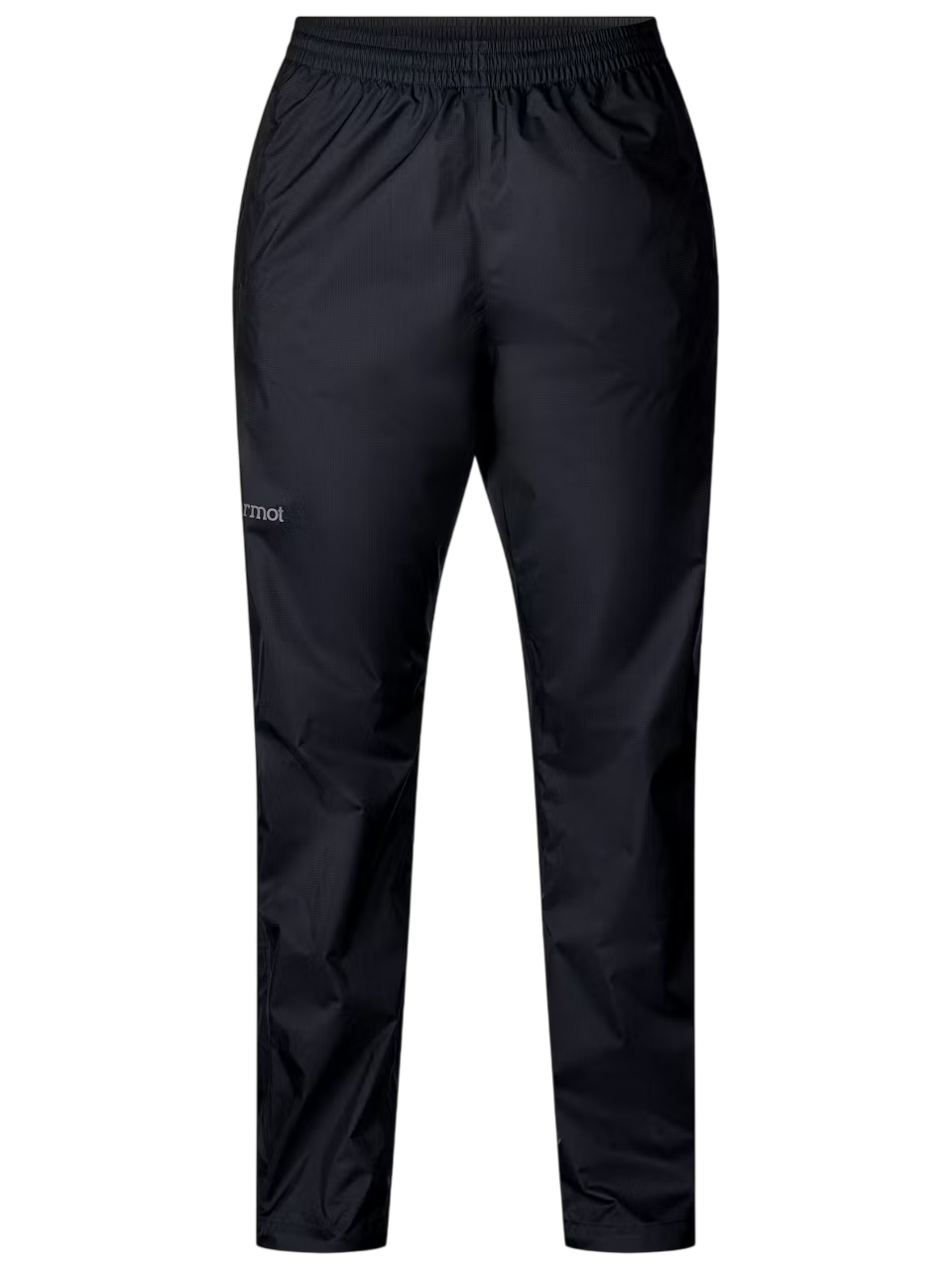
Waterproof pants were the product I never knew I needed but now definitely cannot live without. I opted for Marmot Waterproof Pants which have now been updated to the Marmot Precip Evo Full Zip Rain Pants which come in a men’s version too. They feature lightweight, breathable 2.5-layer NanoPro waterproof fabric with fully taped seams which were the perfect addition to pop over my pants or leggings and offered ultimate protection against the elements. During the hike, we were confronted with relentless rain and blustery winds and these pants were my ultimate hiking companion. Did I also mention they are made from 100% recycled fabric and are PFC-free? Even better!
.jpg)
Another gear item that is a must on my essential list is a waterproof jacket and the Patagonia Granite Crest would be my pick (it’s the new version of the one I took). The weather can be unpredictable, particularly in Tassie, and this jacket was the key to turning what could have been a miserable time into an incredible hike. With a 100% recycled face fabric construction and now made with NetPlus technology (not Goretex), this jacket will keep you dry no matter what weather conditions you face.
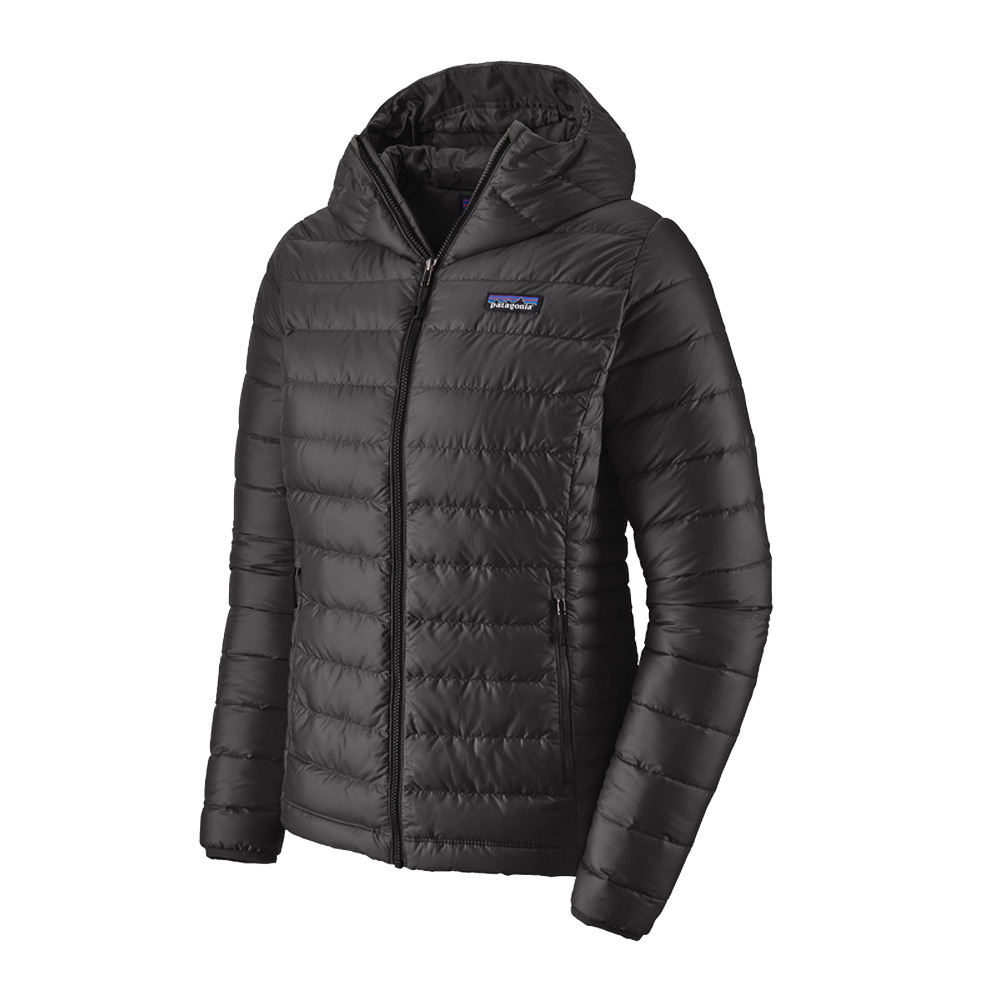
Looking for warmth but don’t want extra bulk in your pack? A down jacket is a must-have for any outdoor expedition. For my trip, I took the Patagonia Down Sweater Insulated Hoody. Featuring an 800-fill ethically-sourced goose down and a windproof 100% recycled polyester ripstop shell, it is the perfect jacket to wear on those colder mornings or when you head into camp and settle in for the night. With that ever-changing Tassie weather, it is important to bring warm layers with you, even in summer. The Patagonia Down Sweater Hoody packs down to its own internal zipped pocket so it will fit easily in your pack without taking up valuable space.
.webp)
When heading out on a multi-day trek, it is important to be prepared for a hiker’s worst nightmare - blisters. Say hello to Blister Wool. Made from 100% pure Australian-grown wool, it wicks away moisture and provides relief against pressure points and the natural lanolin reduces friction. Pop this in your socks on any blister-prone spots on your feet and toes and the Blister Wool will mold to your foot and lock in place for a fuss-free and comfortable hike.
.jpg)
After a long day of hiking, nothing feels better than taking off your hiking boots and slipping into some comfy shoes. My go-to camp sandals are the Teva Original Universal Sandals and these are the perfect camp shoe. The multi-strap system locks your feet in but allows your toes to spread out and have the much-needed freedom after a day’s hiking. If it is a chilly night, no worries! Embrace the iconic Australian winter combo, socks and sandals, if you need a bit of extra warmth while cooking up dinner or walking around camp.
.jpg)
A comfortable hiking pack is a must for any multi-day hike. There is nothing worse than having to fuss around with your pack and having a sore back for days on end. For my trek, I used the Osprey Aura AG Hiking Backpack. It is the solution to any backache with its Anti-Gravity (AG) suspension harness that molds perfectly to your back in 3D suspended mesh - it’s like a hug! With plenty of pockets for storage, Stow-on-the-Go trekking pole attachments for easy access, there is so much to love about this pack. Plus, it also includes an integrated rain cover which is a lifesaver on the wet Tassie trails. The Aura AG is a women’s specific fit and comes in a 50L and 65L, but also check out the men’s counterpart, the Osprey Atmos AG, with all of the same great features. That said, you don’t need this exact pack. For the Three Capes Track just ensure you prioritise a pack around 50L that fits your torso correctly, transfers weight comfortably to your hips and gives you a reliable way to keep the contents nice and dry.
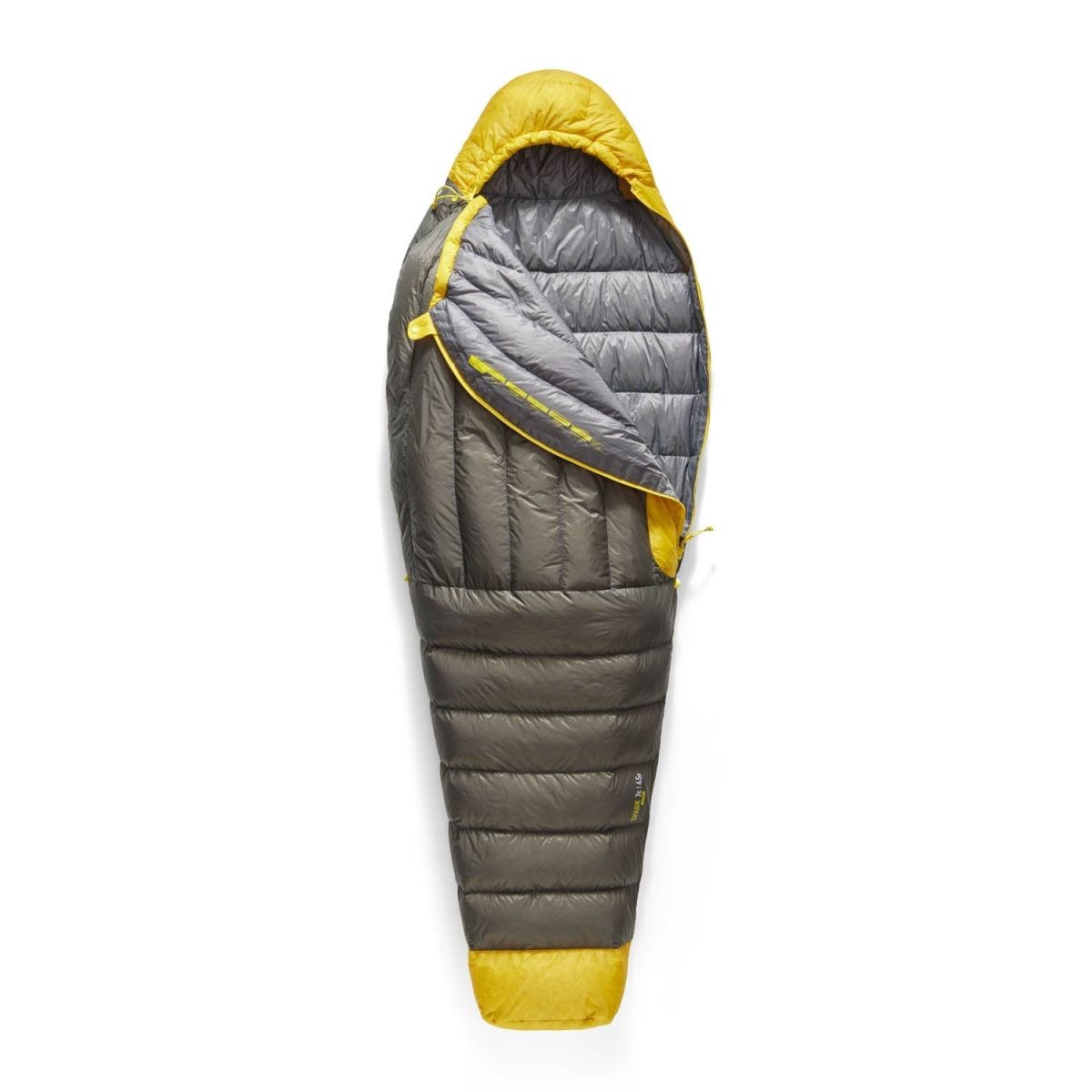
Any experienced hiker will tell you that your sleep system is so important while on your trek. If you don’t sleep well, it will impact your energy levels needed to conquer your hike. That is why you want to ensure you are comfortable and warm during your trip. The Sea to Summit Flame was my pick for my sleeping bag but this range from Sea to Summit has now been upgraded into the Sea To Summit Spark range. This features 4 models that vary in temperature ratings to choose to suit the weather conditions you will encounter from the Spark I which has a 9C comfort rating right down to the Spark IV which has a -10C comfort rating. Each is filled with Premium Goose Down and packs down to the size of a water bottle! While other hikers were saying they were cold on their hike, I was toasty warm. Check out the full Spark range which has all of the same technical features but with a unisex fit.
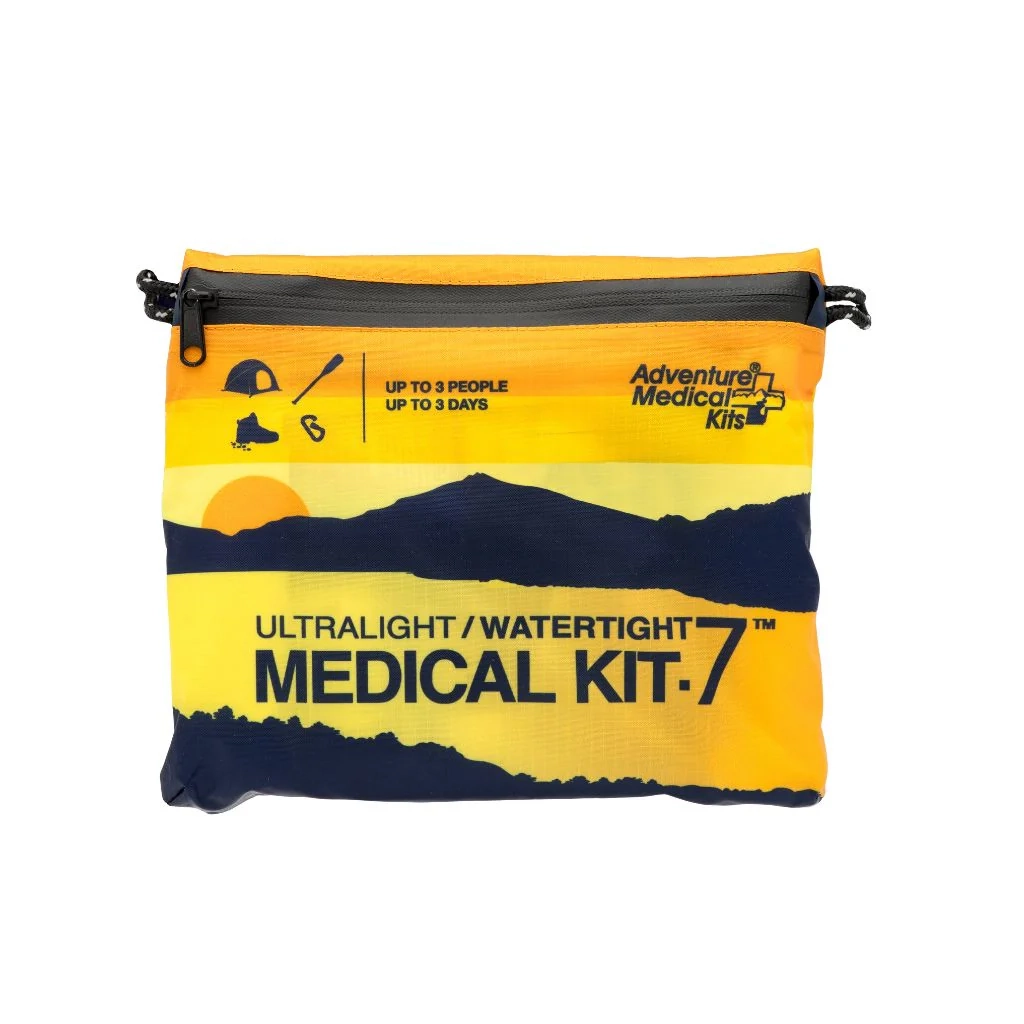
Whether you are heading on a day hike or a multi-day hike, carrying a well-prepared first aid kit is important. I opted for the AMK 0.7 Medical Kit as it weighs in at only 237g and carries all of the essentials like bandages, antiseptic wipes, dressings and more all neatly packaged in a waterproof bag. Designed to accommodate 2 people for up to 4 days, this is a must-have to pop in your hiking pack or day pack for local adventures.
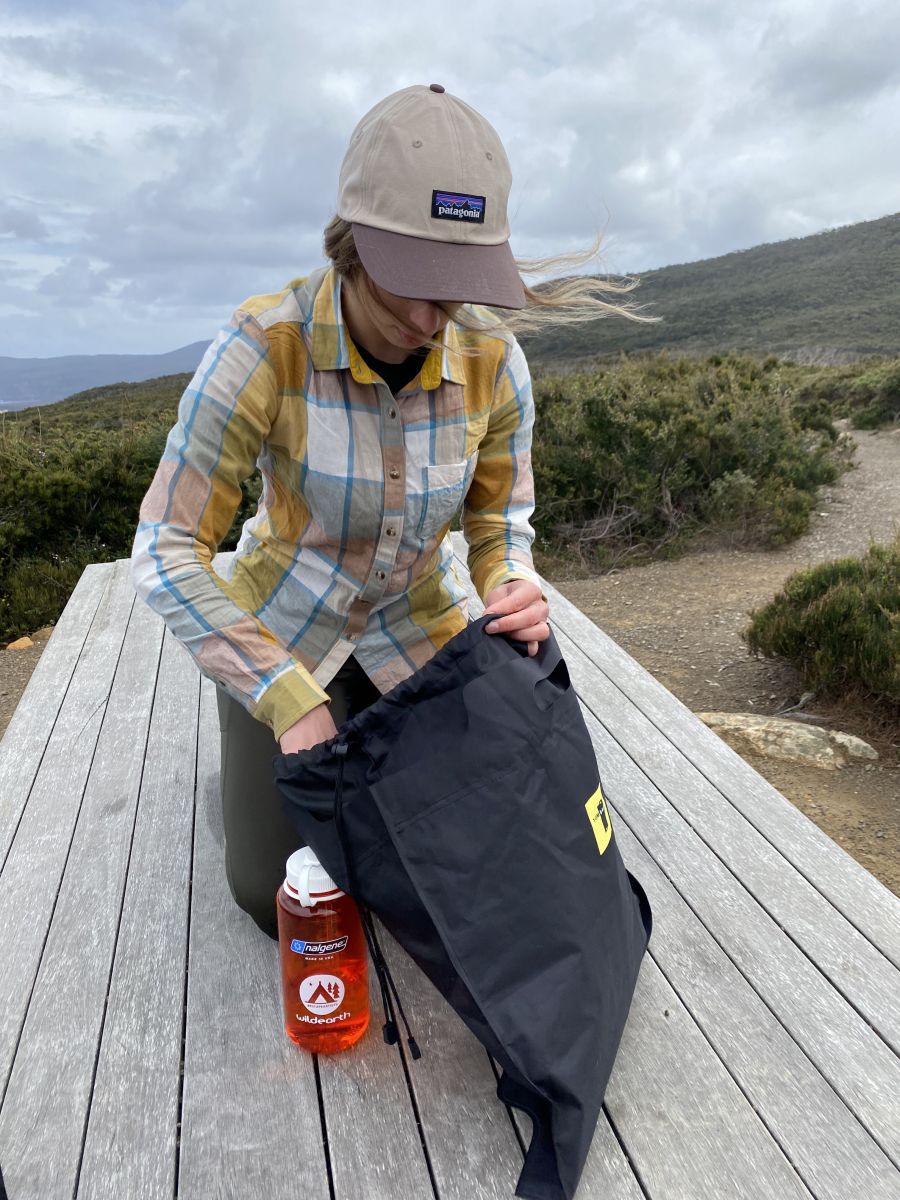
When heading into the outdoors, it is vital that we leave our environment how we found it and that means leave no trace! On multi-day hikes, all rubbish must be carried out with you so, whatever you take in, you must take out too. Rather than reusing that old shopping bag that tears at the drop of the hat, I brought a Reuseable Garbage Bag. They are durable and 100% waterproof, so no risk of rips or spills of last night’s freeze-dried pasta spilling in your pack! Once you are finished with your hike, simply dispose of the rubbish and either wipe down with a soapy damp cloth or they are also machine washable! Between hikes these are perfect to use in household settings and come in various sizes.
.png)
Thinking that the Three Capes will be your next multi-day hike? Grab your own Three Capes Track packing list HERE.
No. The official Three Capes Track booking includes cabin accommodation, and sleeping platforms have mattresses.
Tasmania Parks and Wildlife recommends approximately 50 litres weighing around 12kg and that includes two litres of water.
The official packing guide specifies a sleeping bag rated to -5°C and also recommends to bring a sleeping bag liner.
For the standard four-day walk make sure you bring three breakfasts, four lunches, three dinners and lots of daily snacks to keep your energy high.
The official packing list includes waterproof, windproof and breathable overpants as well as a waterproof jacket with a hood and boy was I glad I had all of these in my kit!
Want a few extra tips and gear advice for your next multi-day hike? Chat to our friendly team of Outdoor Gear Specialists in-store or online today and don’t forget to share your adventures with us on Instagram by tagging @wildearthaustralia and #mywildearth in your next post.
Planning to walk the Camino De Santiago this year? It could be the best decision you ever make.
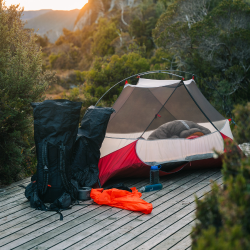
Ultralight backpacking is basically the art of minimalism on the trails. It's about bringing less so you can hike without feeling like your pack is weighing you down. For some people, this feels more like freedom. For others… the trade-offs just aren’t wo
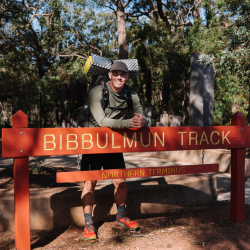
Expert ultralight hiker Cam Bostock reveals the gear lessons he learned from the Bibbulmun Track, Te Araroa and PCT, from base weight to off-grid power along with his favourite ultralight gear.
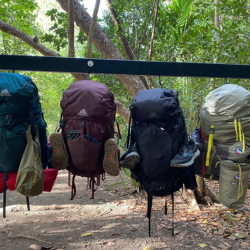
Looking for the best hiking backpack? Outdoor Gear Specialist Lynne Martin shares 15 hiking packs she recommends for day hikes, multi-day trips, thru-hiking and expeditions, plus expert advice on choosing the right size, fit and capacity.












Using Afterpay you can pay for your order over 8 weeks. There's no interest or added fees* and nothing to pay today. Payment will be automatically taken from your debit or credit card in four equal payments each fortnight over 8 weeks, and you will receive your order immediately.
You simply need:
To use this service simply:
Approved AfterPay buyers will require the funds for the first payment to be available on their card at time of checkout, however the first payment won't be deducted for 14 days. First time AfterPay buyers will need to make the first instalment payment at the time of their purchase.
If you wish to return your goods you can choose to receive an exchange, or the Afterpay payment plan can be cancelled before the first payment at no charge. *If you fail to have sufficient funds available for AfterPay to automatically deduct payment on due instalment dates you will be charged a late fee of $10, and if the instalment payment remains overdue, an additional $7 will be charged one week later.
With AfterPay, there's no waiting and we'll ship out your order immediately as normal.

When you want to go now, sometimes it's handy to pay later. That's why, we offer interest free payment plans from two of Australia's favourite Buy now, Pay later services.