Total Items: 0
Sub Total: $0.00


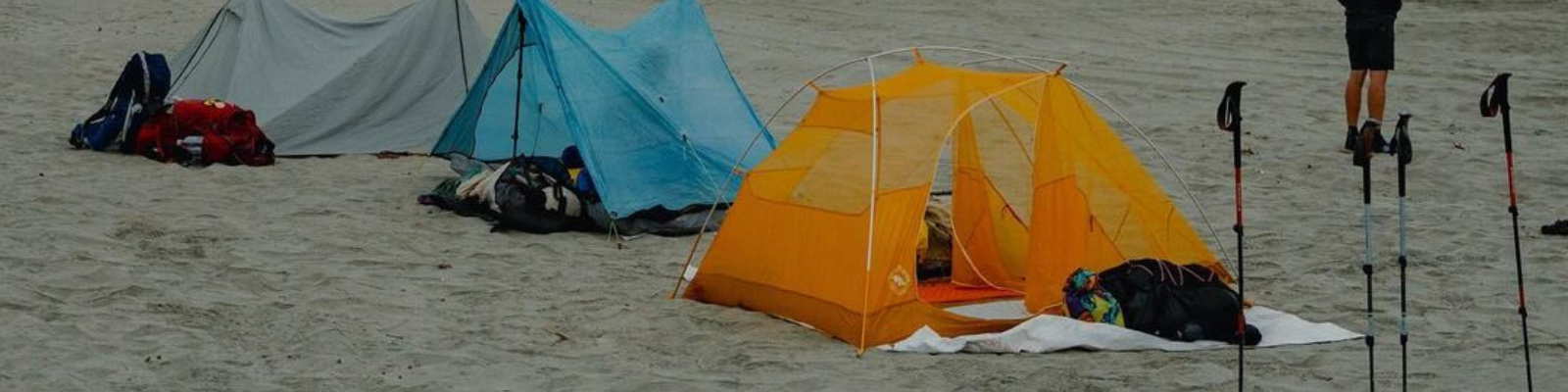
Winter in Australia is a great time to get outdoors and experience adventuring in a different way. After all, there's no such thing as a cold night, only an undialled sleep system!
If you’re planning alpine camping trips, frosty overnighters, or cold-weather 4x4 adventures, choosing the right sleeping bag will be the difference between a good night’s sleep and laying awake at 2 am filled with regrets (we’ve all had nights like that). In this guide, we’ll share some of our favourite winter sleeping bags.
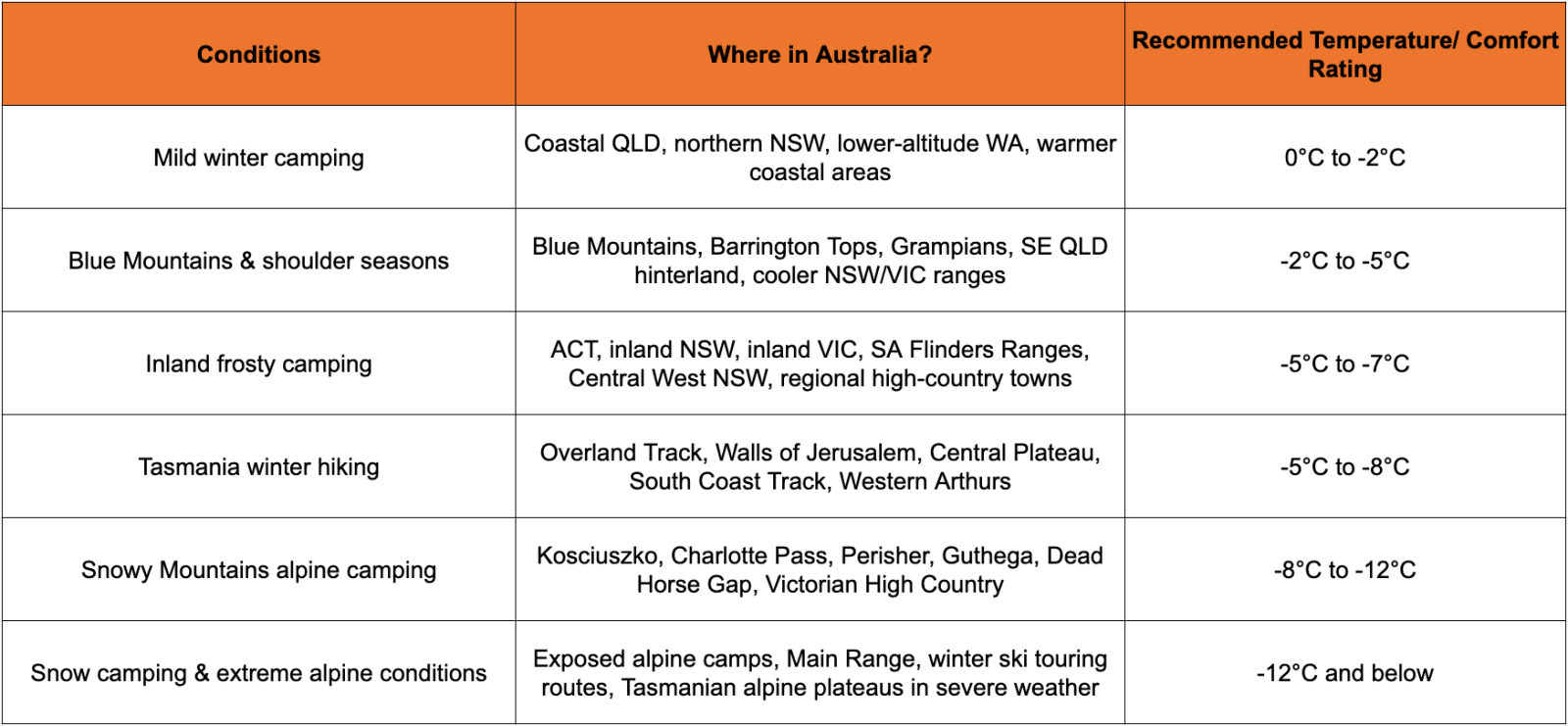
Quick Answer: Choose a sleeping bag with a comfort rating slightly colder than the coldest conditions you expect. If a bag only lists a lower-limit rating, treat it as the minimum temperature it can handle rather than the temperature you'll sleep comfortably in. For a deeper explanation of sleeping bag ratings, see our guide to choosing a sleeping bag.
These technical winter sleeping bags were chosen with the help of Wild Earth Gear Specialist recommendations, ambassador insights and real-world use in Australian winter conditions. We looked for bags that balance warmth, packability, comfort, moisture management and durability, then matched each one to the kind of winter camping it suits most, because the best winter sleeping bag is the one that matches your coldest expected night, your sleeping mat, your shelter and whether you’re naturally a warm or cold sleeper.
Polar explorer Geoff Wilson has spent decades sleeping in temperatures ranging from -10°C to -55°C across Antarctica, Greenland, Iceland and the Australian backcountry. His view is simple, a warm night's sleep isn't just a luxury, it's what allows you to think clearly and make good decisions on your adventure.
"Poor sleep equals poor performance, bad decisions and expedition failure." - Geoff Wilson, Polar Explorer
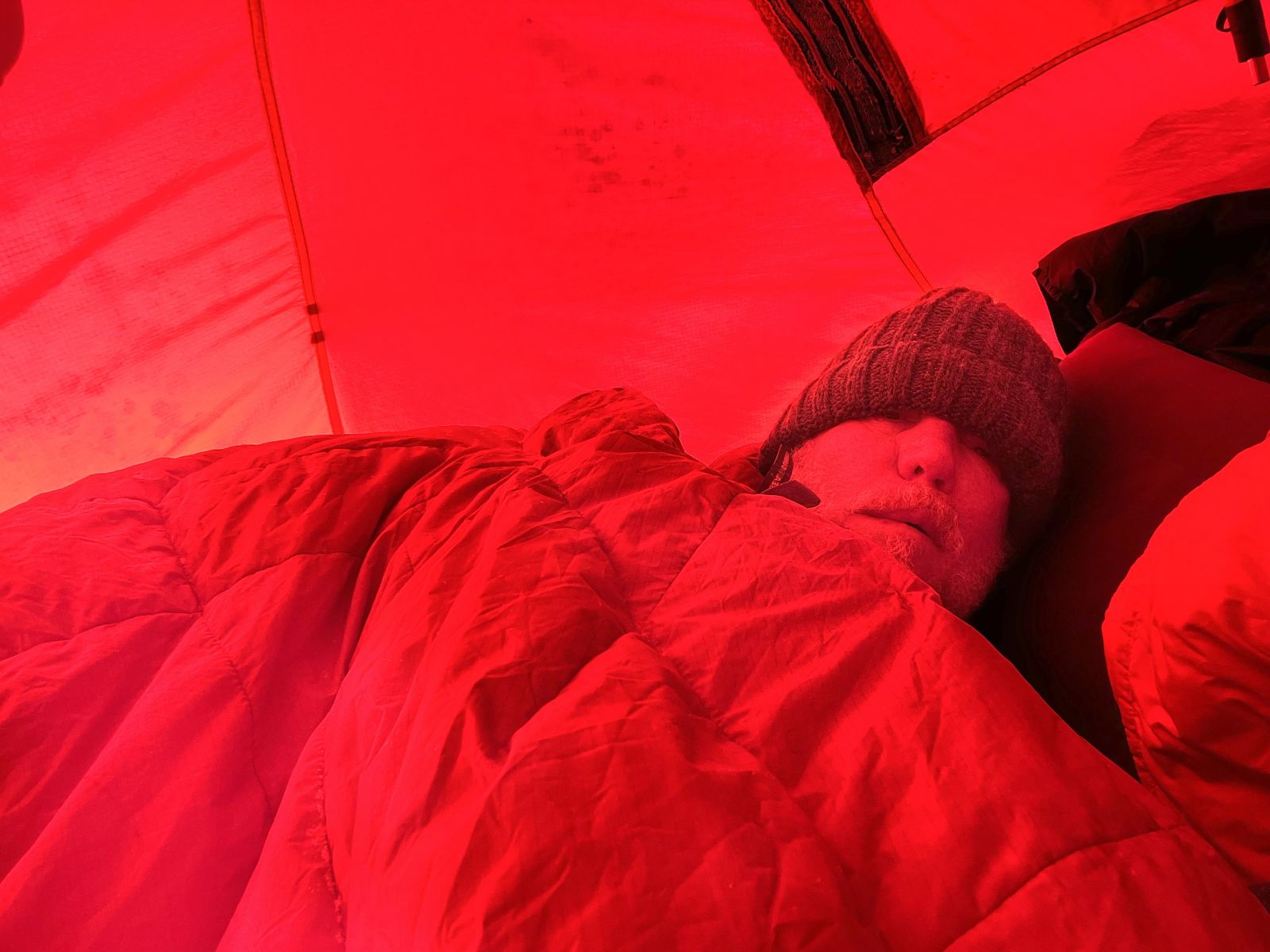
Geoff sleeping in his Sea To Summit down sleeping bag
While most Australian campers won't be facing Antarctic conditions, the principle is the same. A sleeping bag that leaves you cold and sleepless can turn an enjoyable trip into a miserable one (or worse!).
If you’re asking, ‘What if I only want one sleeping bag to cover all adventures in Australia?’, this is the category to start with.
For Australian conditions, Aaron (host of The Diaries of the Wild Ones podcast) says the Sea to Summit Ascent -9C/15F Down Sleeping Bag is “... my favourite because it’s the most versatile. Small, compact, and warm enough for most Australian conditions. However, I did get caught out once on a rogue -13°C night in early November out past Charlotte's Pass on the western faces but I’ve always found that for Australia, you don’t overheat on moderately cool nights, and it still keeps you warm and comfortable on freezing nights. If it’s really cold and gets down into the minuses, I’ve just worn an extra layer to bed."
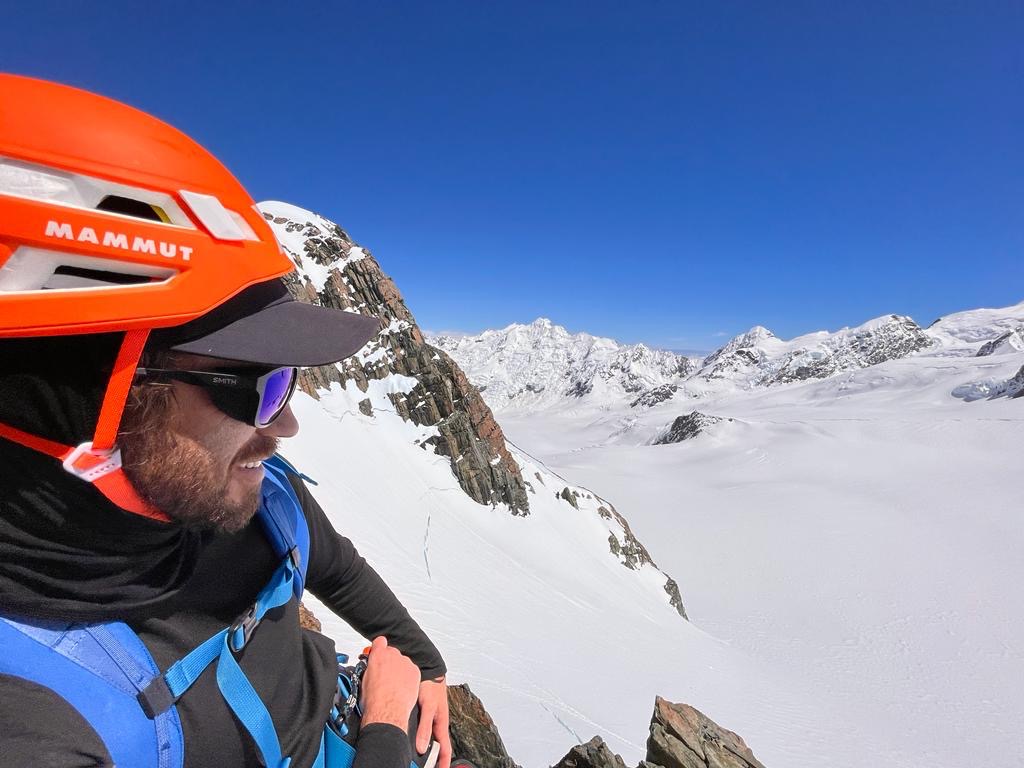
Aaron taking in the views on a winter mission in New Zealand
"I’ve found that in Australia, using warmer sleeping bags rated for colder temps means they’re bigger and bulkier. They fluff out so much, taking up all the space in the tent, getting in the way of the stove, and overheating you when asleep.”
Aaron uses the -9°C model, which has a comfort rating around -2°C, as our best all-round option for Australia.
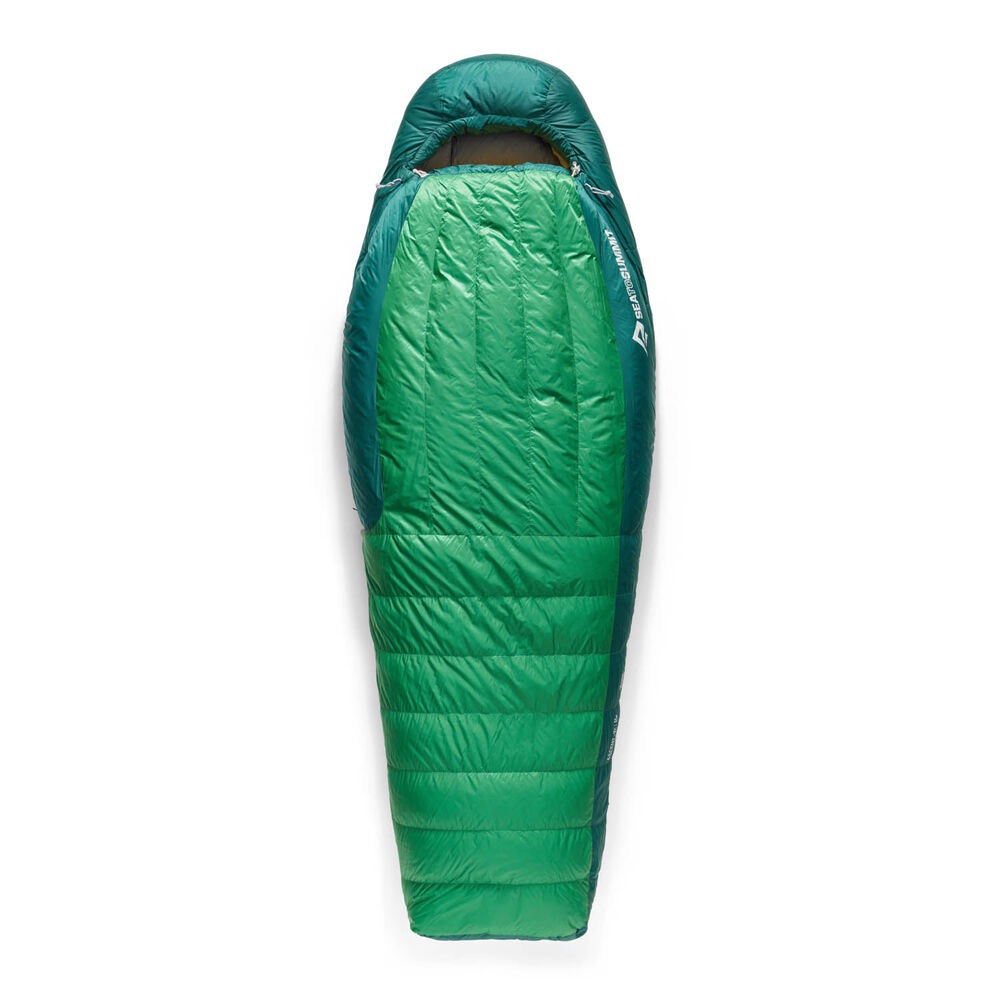
“I like the design and zips of Sea to Summit and find them super user-friendly,” he says. “Mine has lasted and stayed in good condition with a lot of use, so I can recommend them for durability.” - Aaron, Wild Earth Ambassador and Podcast Host of Diaries of the Wild Ones.
Alpine camping in Australia is where your sleeping bag choice really matters. Think the Snowy Mountains, Kosciuszko National Park, and winter trips through the Victorian Alps. These are the places where clear skies can mean freezing nights, wind can rip through camp, and temperatures can drop well below zero.
The Mont Brindabella 850 Hyd-XT Gen 2 is designed by Canberra-based brand Mont Adventure Equipment, an Australian outdoor brand that has been making down sleeping bags for more than 40 years.
Why it wins Best Sleeping Bag For Alpine Camping
.jpeg)
Key specs
Best for: Snowy Mountains trips, Victorian High Country camps, Tasmania, alpine huts, snow camping and cold sleepers who want warmth with room to move.
Not ideal for: Ultralight hikers chasing the smallest possible pack size, mild coastal camping or anyone looking for a summer-friendly all-rounder.
If you’re a gram counter, the Sea to Summit Spark -9°C is hard to ignore.
“These [Sea To Summit Spark] bags are incredibly light for how warm they are and can squish super small. A must-have for any long hike where it can get a wee bit cold. I paired this with my Sea to Summit Reactor Extreme sleeping bag liner for extra warmth and to keep my bag alive as long as possible.” - Reid Marshall, Wild Earth Ambassador
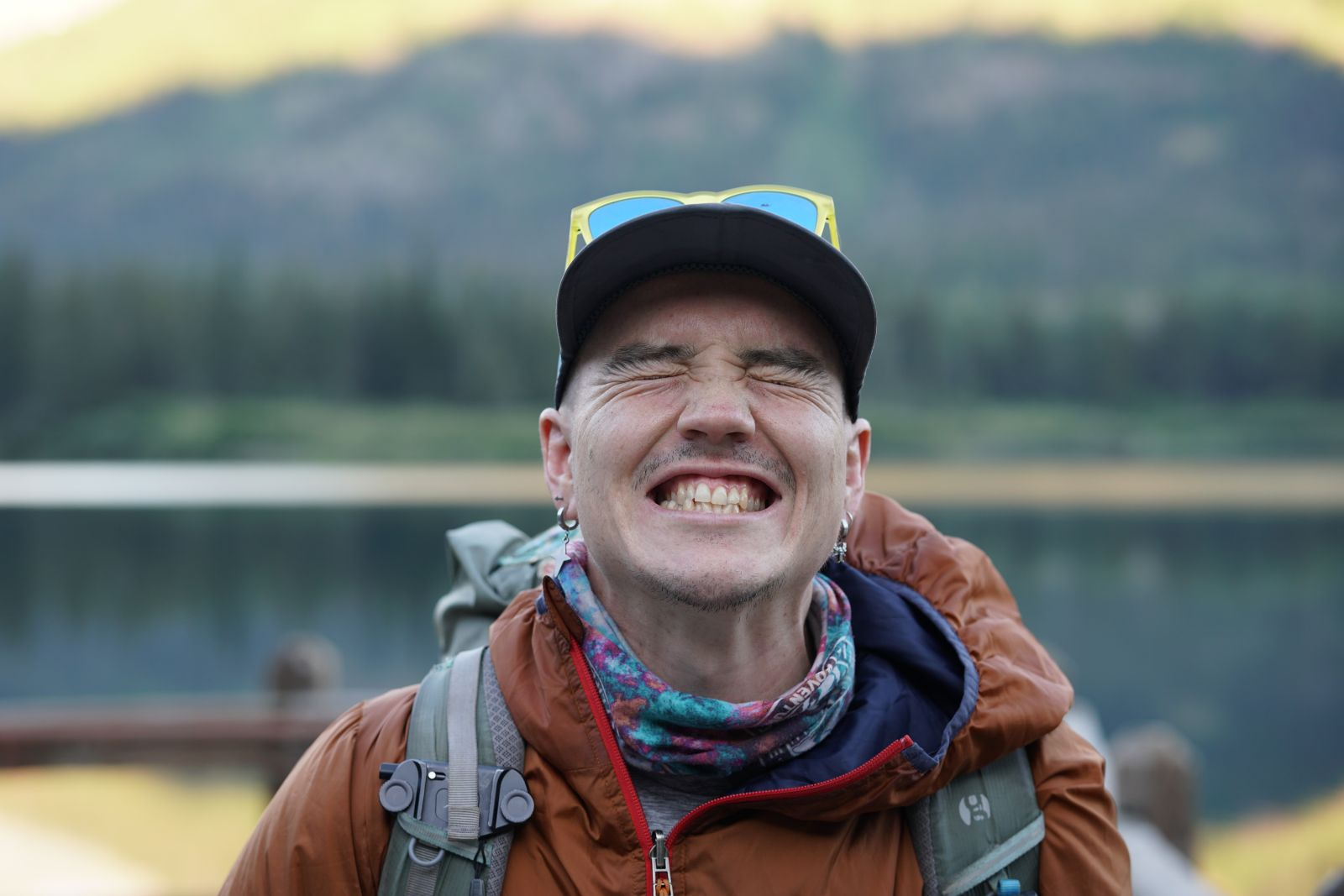
Reid Marshall on the PCT
Why it’s Wins Best Lightweight Winter Sleeping Bag
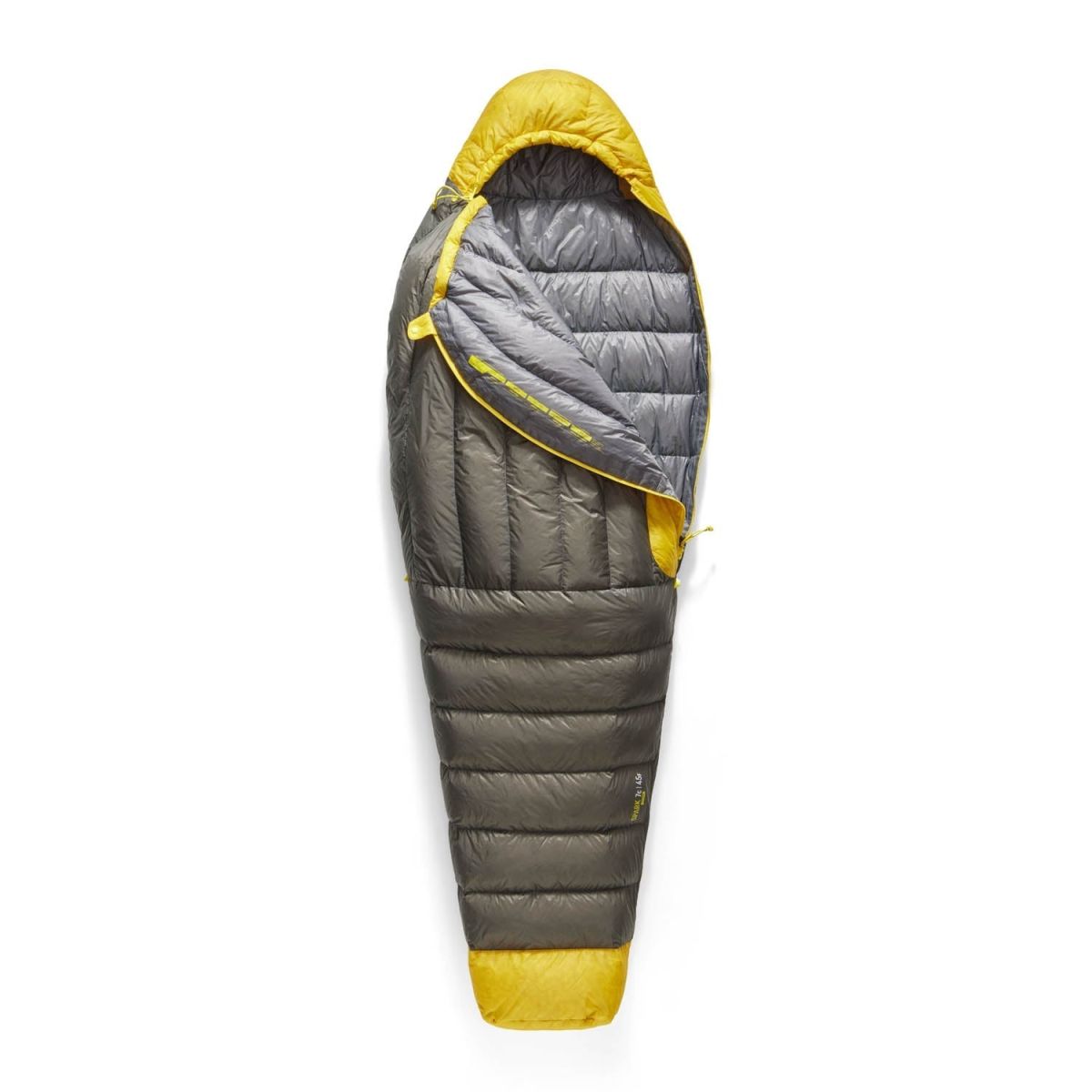
Key Specs
Best for: Multi-day hikes, bikepacking, fastpacking, the Australian Alps Walking Track and weight-conscious adventurers who still need reliable winter warmth.
Not ideal for: Campers who want lots of room to move, or cold sleepers heading into serious sub-zero alpine conditions without extra layers and a warm mat.
Tasmania has a different type of winter cold because we need to take into account the damp air, wet gear, condensation and fast-changing weather that can make a night camping feel colder than expected. This matters on trips like the Overland Track, Walls of Jerusalem and Frenchman's Cap to name a few.
“These [sleeping bags] are both great options!” - Hamish Lockett, Wild Earth Ambassador and Tasmania local
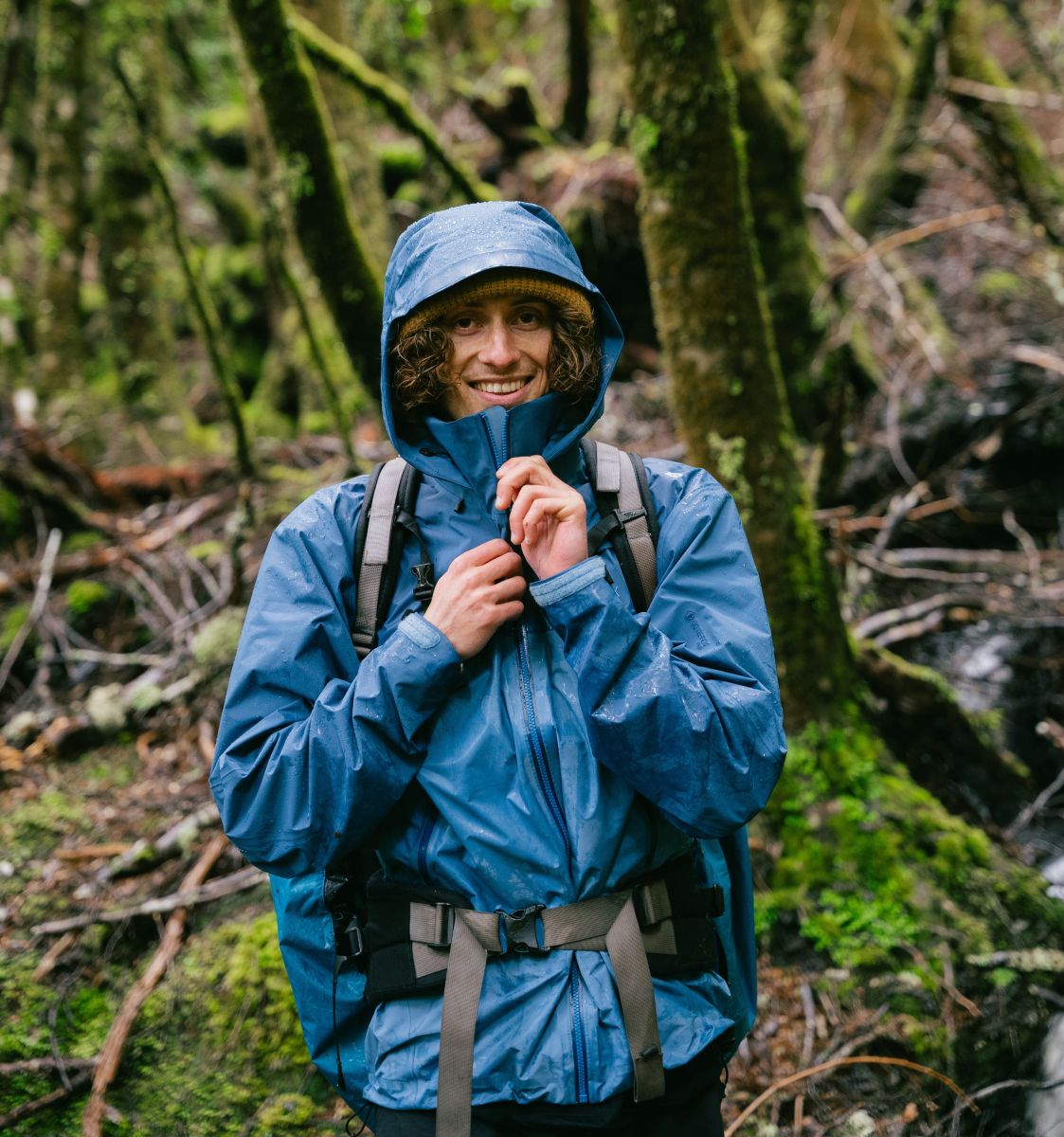
Hamish hiking in Tasmania during the winter
Sometimes cold, wet and windy conditions can all arrive on the same trip.
Why it wins Best Sleeping Bag For Tasmania & Cold Damp Conditions
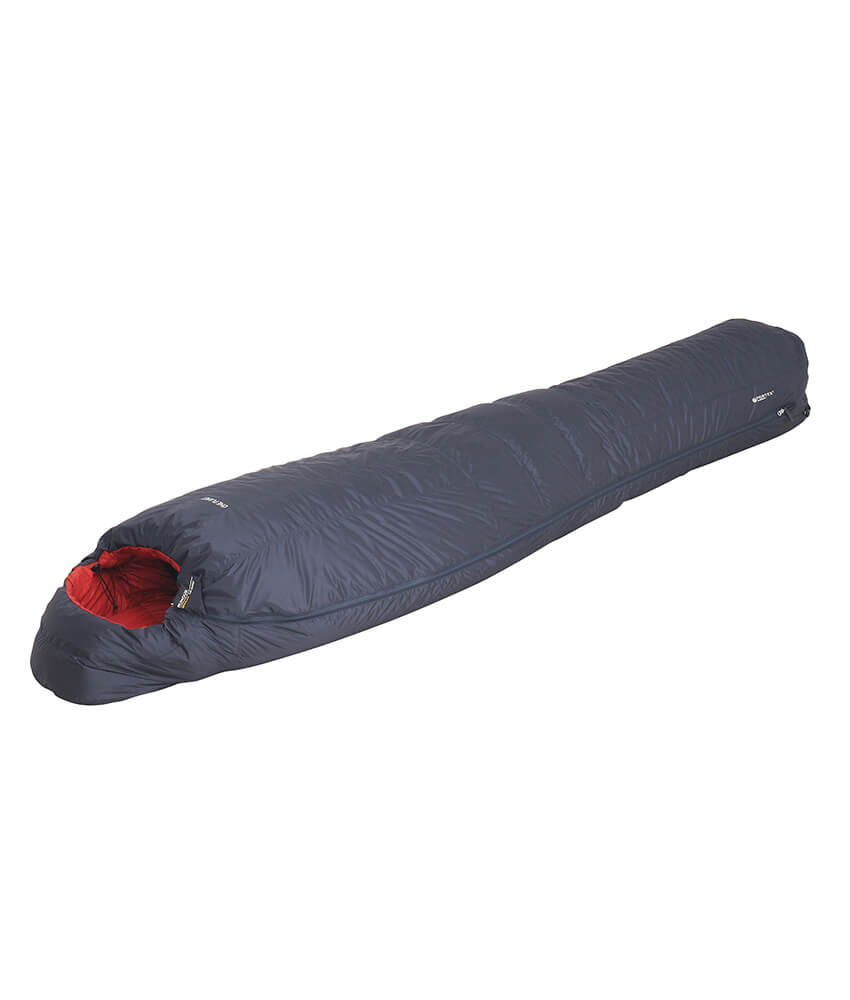
Key Specs
Best For: Lightweight hiking and any cold, damp winter trips.
Not ideal for: Mild coastal camping, warm sleepers on shoulder-season trips or anyone who prefers the roomier feel of a tapered rectangular sleeping bag.
Designed for cold, variable conditions where reliability matters.
“It's an accessible option! I don't think we have anything else comparable. Their whole Universal range uses closures that are either one-handed friendly, zipper-free, or magnetic. The bag wraps around you like flower petals for easier entry! :) I was so excited about this range.” - Zabrina, Wild Earth Buying Assistant
Why it wins Best Sleeping Bag For Tasmania & Cold Damp Conditions
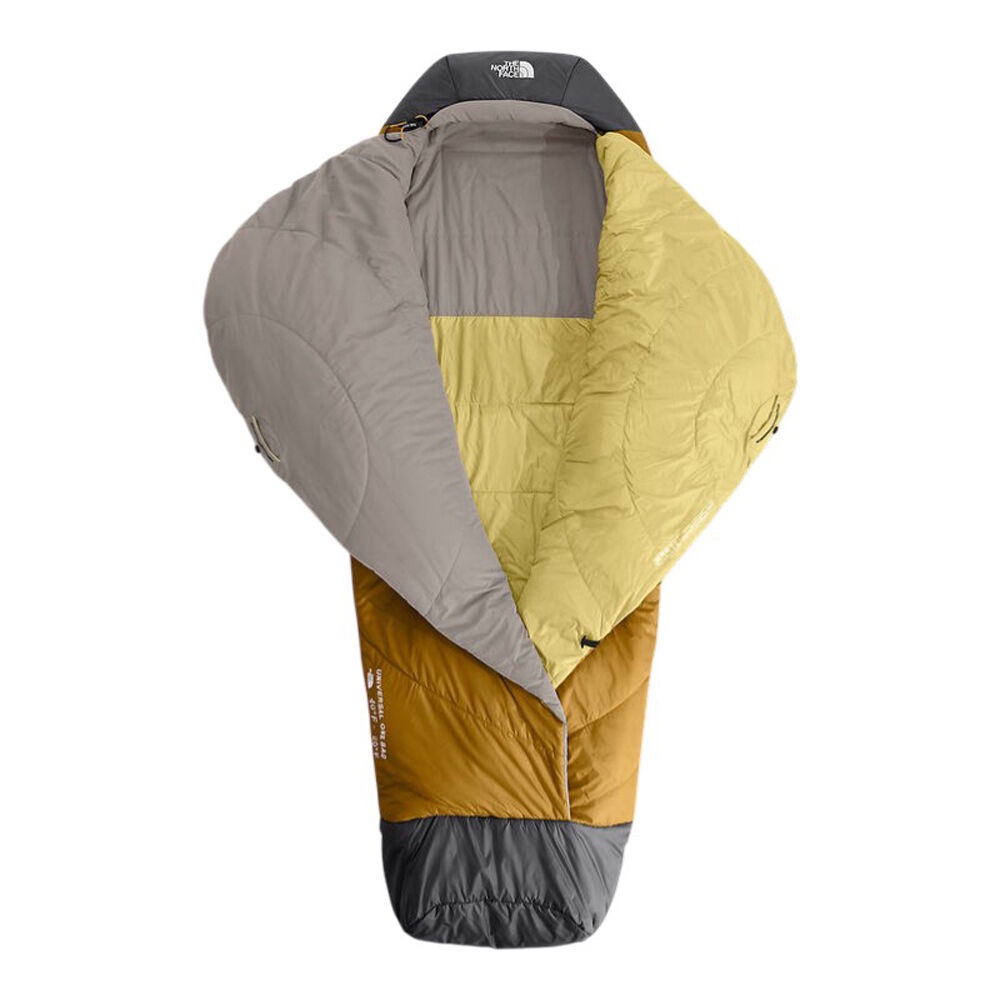
Key Specs
Best for: Wet-weather camping, accessible camping setups and anyone who prefers synthetic insulation over down.
Not ideal for: Ultralight hiking, long-distance backpacking or anyone prioritising the smallest possible packed size.
.jpeg)
Sara Keith, Wild Earth Ambassador out snow camping in Australia
A few winter camping lessons/tips from Sara Keith:
Inland winter camping can catch people out because the sunny days may feel mild, then the temperature drops hard after the sun sets. Places like Canberra, Cooma, the Snowy Valleys, inland NSW, the Victorian High Country and parts of regional Victoria can bring dry, clear, frosty nights where your tent, boots and water bottle are iced over by morning.
The Sea to Summit Circuit -9°C is a great match for these conditions. It offers enough warmth for regular sub-zero nights while maintaining the comfort and versatility needed for a wide range of Australian winter adventures.
Why it wins Best Sleeping Bag For Inland & High Country Frost
.jpeg)
Key Specs
Best for: Frosty camps in Canberra, Cooma, the Snowy Valleys, Victorian High Country, Kosciuszko region and multi-day winter hikes.
Not ideal for: Deep winter alpine snow camping or campers wanting the roominess of a double-wide or rectangular sleeping bag.
A lightweight winter sleeping bag for fast-paced adventurers who care about the gram count. If you’re walking the Australian Alps Walking Track, bikepacking through the High Country, hiking sections of the Heysen Trail, or carrying everything on your back for multiple days, a bulky bag quickly becomes a problem. The key is finding a bag that gives you enough warmth for cold nights without filling half your pack.
The Spark Pro sits firmly in the sweet spot between warmth, packability and performance. This bag also comes in long version and a Sea to Summit Spark Pro 900+ -1C|30F Down Sleeping Bag version too.
Why it wins Best Ultralight Winter Sleeping Bag
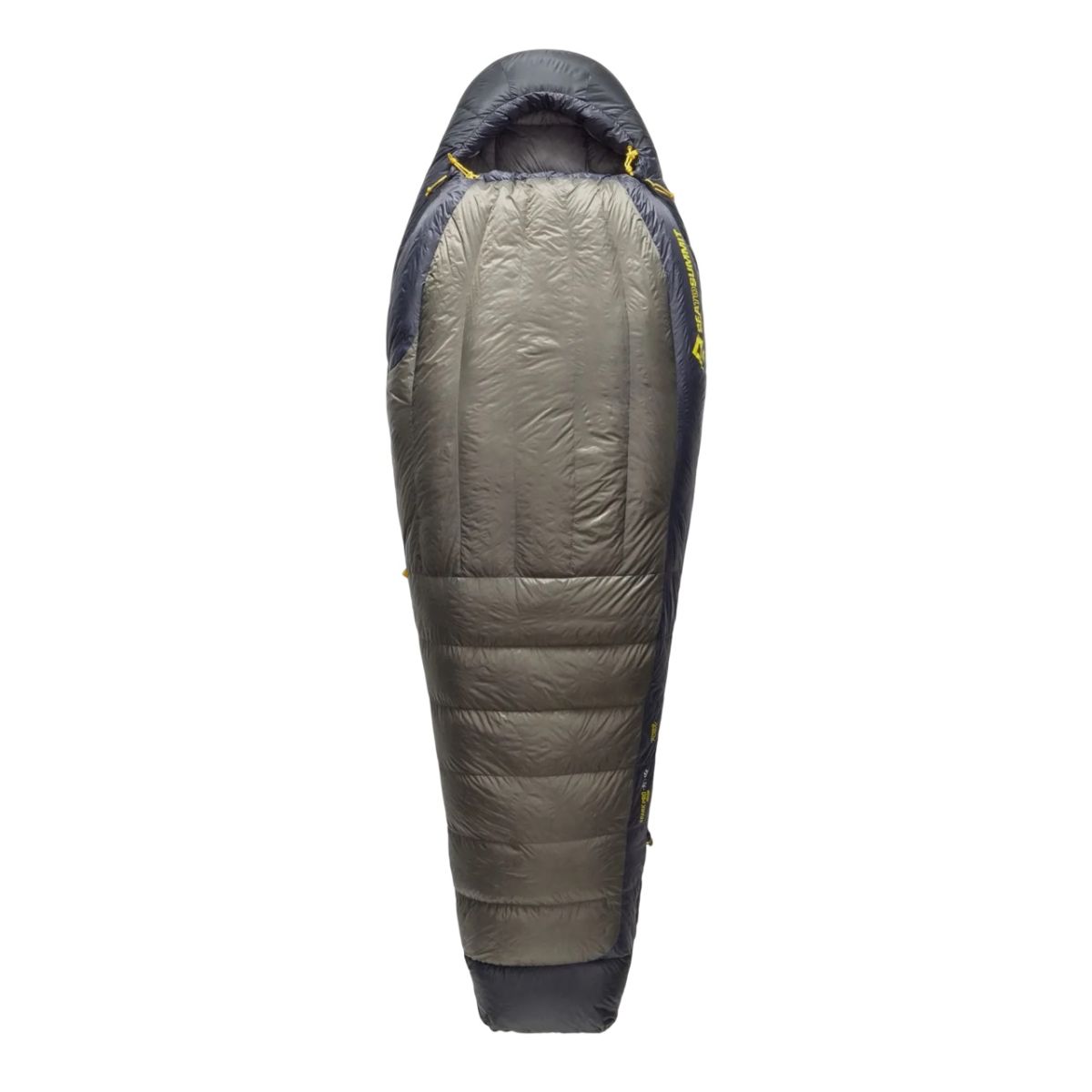
Key Specs
Best for: Ultralight hiking, bikepacking, fastpacking, alpine adventures and experienced hikers looking to minimise pack weight without sacrificing warmth.
Not ideal for: Campers who prioritise space and comfort over weight savings or those who prefer a roomier sleeping bag fit.
Desert winters can be deceptive. One minute you're hiking the Larapinta Trail in a t-shirt, the next you're pulling on every layer you packed as temperatures plummet after the sunset.
The Sea to Summit Ascent strikes an ideal balance for desert and outback adventures, offering enough insulation for frosty mornings while remaining comfortable during milder nights. It comes in both a women’s specific version and a warmer -1C version.
Why it wins Best Sleeping Bag For Desert & Outback Winter Nights
.jpeg)
Key Specs
Best for: Larapinta Trail, Flinders Ranges, Central Australia, desert trekking and outback camping.
Not ideal for: Expeditions where temperatures are expected to remain well below freezing for extended periods.
Not everyone enjoys sleeping bags. If you hate the restrictive feeling of a mummy bag or like being able to stick a leg out to regulate temperature, a Quilt is a more flexible winter sleep system.
Sea to Summit Ember -1°C Down Quilt
Wild Earth ambassador Jacinta Pink has used her Ember quilt for more than 150 nights in a tent across Australia and the USA, including the Larapinta Trail and the Pacific Crest Trail.
“I’ve used my quilt in a range of different climates, from the desert, to the snow and at elevation. It’s served me well and I look forward to getting into my camp bed set up each night. I personally love my quilt as I’m not restricted and I can have a leg out to the side to regulate temperature if needed….I’ve had a few situations where I knew it was going to be real cold, so what I do to help is lay down a switchback foam mat first and then my inflatable mat for more insulation as the cold comes from beneath.” - Jacinta Pink, Wild Earth Ambassador
.jpg)
Why it wins Best Winter Sleeping Quilt
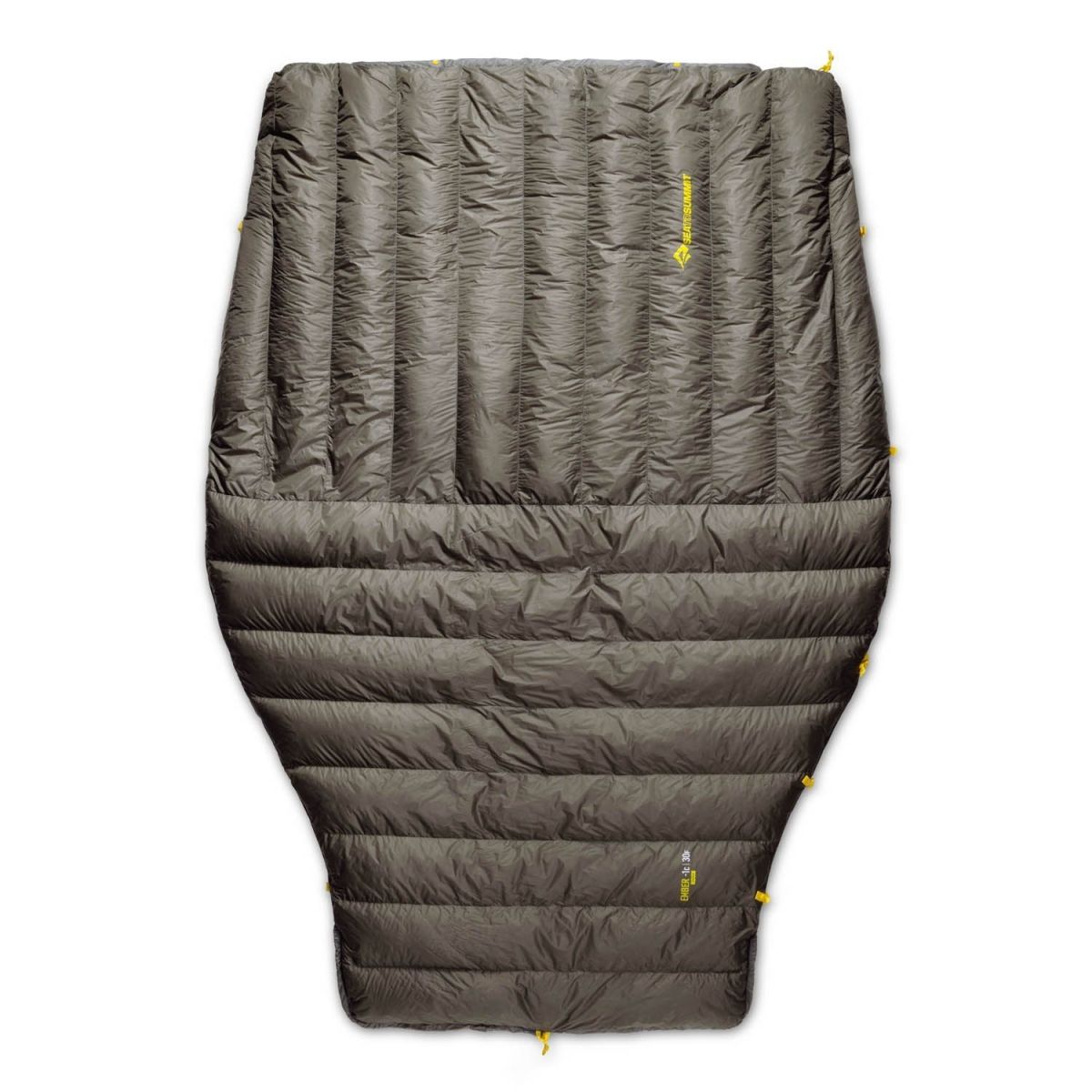
Key Specs
Best for: Hikers, quilt lovers, restless sleepers, multi-season adventures, experienced ultralight hikers, lightweight winter setups and anyone who hates feeling zipped in.
Not ideal for: Extreme cold, very windy camps or people who don’t want to spend time adjusting straps to avoid drafts.
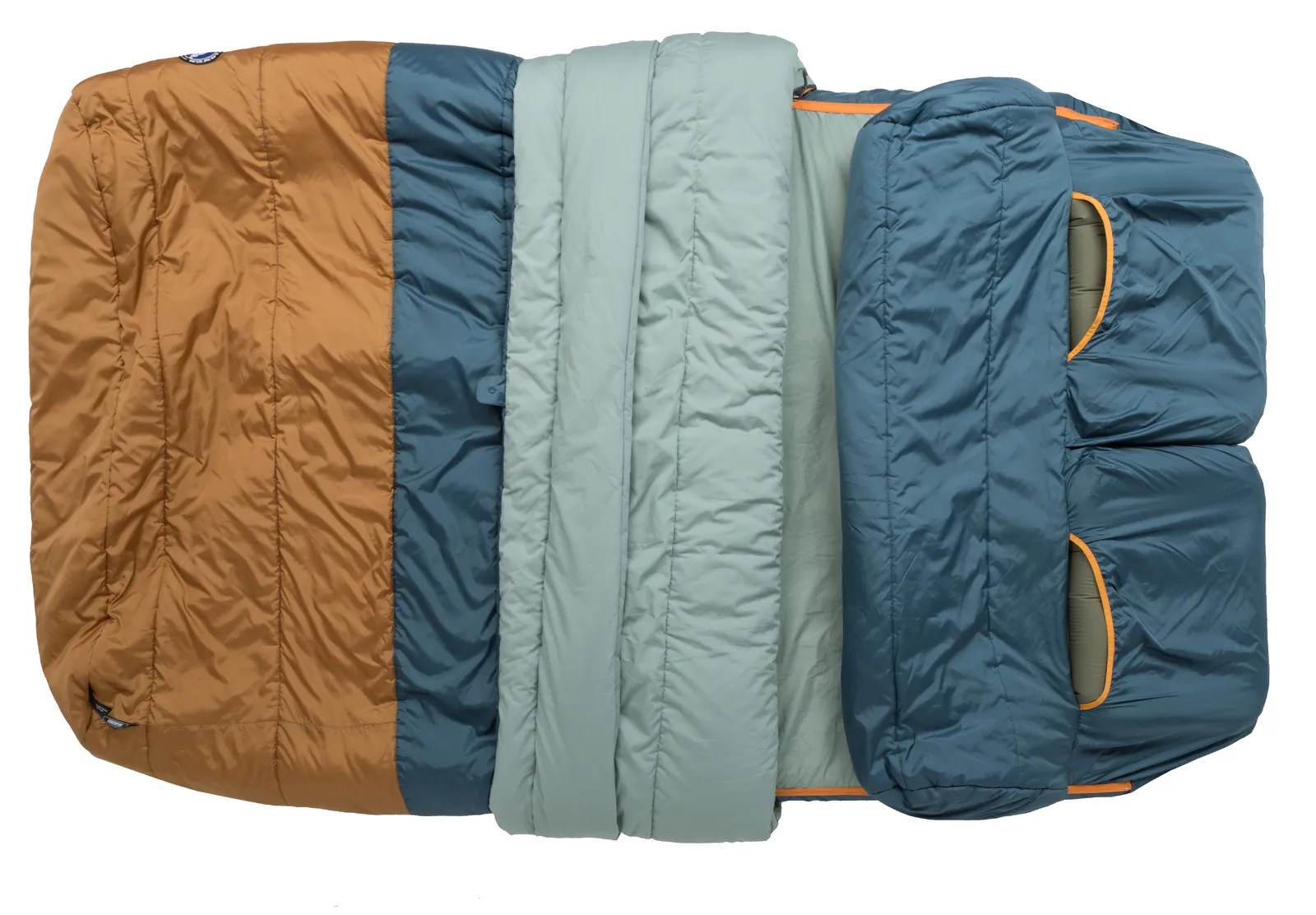
Not everyone needs an ultralight mummy bag. If your idea of a winter adventure involves a 4WD, campsite or camper trailer, the Big Agnes Dream Island is about bringing the comfort of your bed at home into the outdoors.
Designed for two people, it eliminates the need to zip separate sleeping bags together and gives couples plenty of room to spread out on cold nights.
“This is the best, most comfortable, adjustable and practical dual sleeping bag on the market. Highly recommended!” - Brad, Wild Earth customer.
Why it wins Best Sleeping Bag For Winter Car Camping & 4WD Touring
Key Specs
Best for: Couples, camper trailers, caravan trips, 4WD touring, family camping and anyone who prioritises comfort over pack weight.
Not ideal for: Hiking, backpacking or any trip where you'll be carrying your gear long distances.
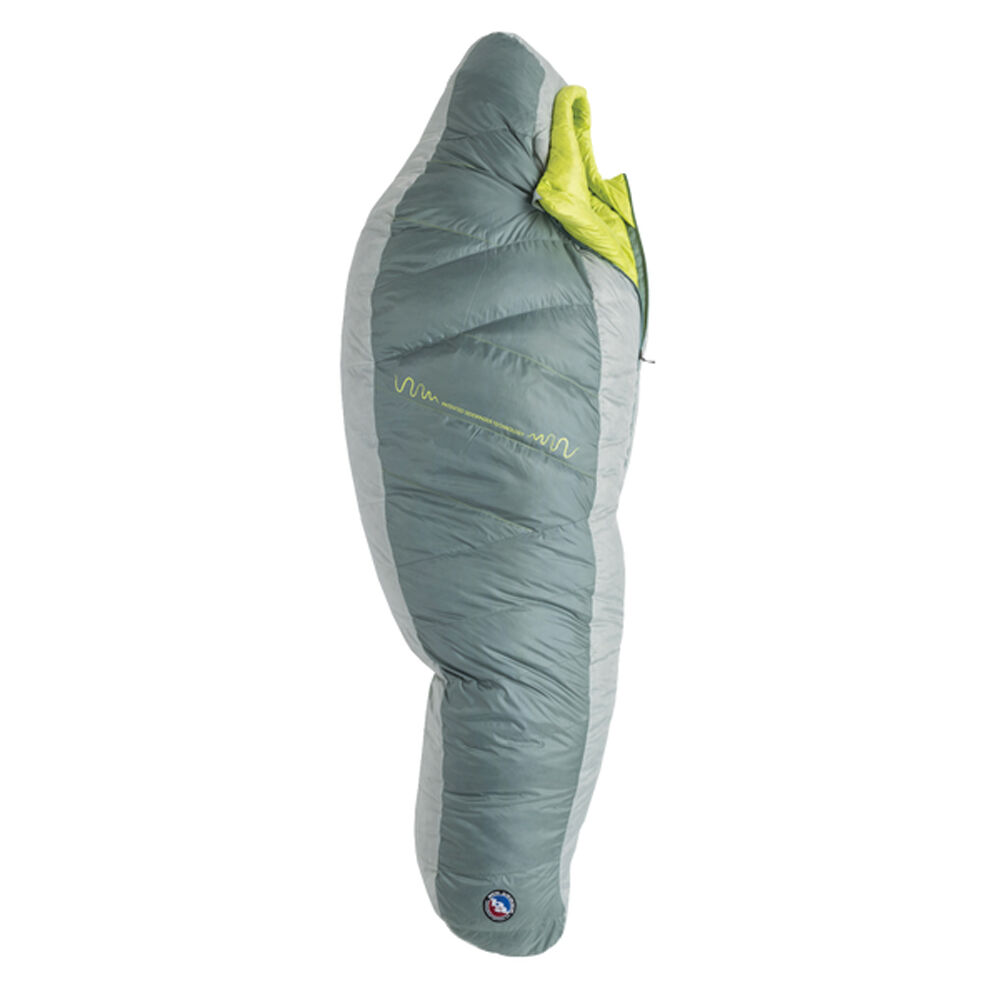
Big Agnes Sidewinder -18C/0F Down Sleeping Bag
If you're a side sleeper, you've probably discovered that most sleeping bags aren't designed for the way you actually sleep. The Big Agnes Sidewinder innovates with a bag that’s specifically designed specifically for side sleepers using an ergonomic shape that moves naturally with your body as you roll from side to side.
Why it wins Best Winter Sleeping Bag For Side Sleepers
Key Specs
Best for: Side sleepers, restless sleepers, winter hiking, backpacking and campers who struggle to get comfortable in traditional mummy bags.
Not ideal for: Ultralight hikers chasing the lightest possible pack weight or campers who primarily sleep on their back.
The hottest tip that came up again and again from Wild Earth staff and ambassadors? Your sleeping bag is only one part of your sleep system. A warm bag on a cold floor will still mean a cold night. If you want to get the most out of your sleeping bag, start with a properly insulated sleeping mat, good thermals and a few simple camping tricks.
If the temperature drops lower than expected, you can boost warmth by adding:
If your bag is too warm for the night, don’t panic. You can regulate temperature by:
This is why bags with good ventilation, full-length zips or quilt-style openings are so useful in Australia, where temperatures can swing dramatically between day and night.
Not sure what gear you need for your adventure? Chat with our friendly team of Outdoor Gear Specialists in-store or online today, and don’t forget to share your adventures with us on Instagram by tagging @wildearthaustralia in your next post.
What temperature rating do I need for winter camping in Australia?
For most Australian winter camping, choose a sleeping bag rated slightly colder than the lowest temperature you expect. Many campers ask whether a 0°C, -5°C or -9°C bag is “overkill”, but the safer choice depends on whether you sleep hot or cold, your sleeping mat, and where you’re camping.
Is a -9°C sleeping bag too warm for most of Australia?
Not always. A -9°C bag can be a good all-rounder for cold inland, alpine or Tasmanian conditions, especially if it has good zips for ventilation. Some hikers prefer a warmer bag and simply throw it open if it’s too warm.
What’s the difference between comfort rating and lower limit?
The comfort rating is the better guide for a good night’s sleep. The lower limit is closer to the edge of what the bag can handle, and many campers describe it as survival rather than comfort.
Should I buy down or synthetic for winter camping?
Choose down if you want the best warmth-to-weight ratio and packability. Choose synthetic if you often camp in damp, humid or wet conditions. This is why down is popular for hiking, while synthetic can make sense for wet-weather camping or car camping.
How do I make my sleeping bag warmer if I’m still cold?
Start with your sleeping mat. Campers often focus on the bag, but the R-value of your sleeping pad is hugely important. You can also add thermal layers, dry socks, a beanie, a liner, a puffer jacket, or a foam mat under your inflatable mat.
Explore Kosciuszko's most iconic winter huts, from Seamans Hut to Tin Hut. Get safety advice, gear tips, and winter hiking inspiration. Tucked away in the high country of the Snowy Mountains are some hidden gems that are well worth a visit.
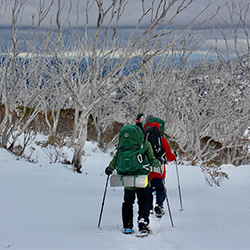
Looking to escape the crowds and dive into a winter wonderland this season?
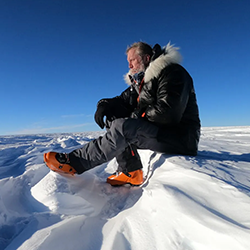
Camping in the Arctic, Antarctic, or high Alpine regions is a test of preparation and resilience. It’s uncomfortable by nature, but with good systems in place, it becomes manageable, even enjoyable.

You don’t always need to take weeks off to have a real adventure. Some of the best micro-adventures in Australia fit into a single day or weekend, from coastal walks and island overnighters to granite peaks and outback expeditions.












Using Afterpay you can pay for your order over 8 weeks. There's no interest or added fees* and nothing to pay today. Payment will be automatically taken from your debit or credit card in four equal payments each fortnight over 8 weeks, and you will receive your order immediately.
You simply need:
To use this service simply:
Approved AfterPay buyers will require the funds for the first payment to be available on their card at time of checkout, however the first payment won't be deducted for 14 days. First time AfterPay buyers will need to make the first instalment payment at the time of their purchase.
If you wish to return your goods you can choose to receive an exchange, or the Afterpay payment plan can be cancelled before the first payment at no charge. *If you fail to have sufficient funds available for AfterPay to automatically deduct payment on due instalment dates you will be charged a late fee of $10, and if the instalment payment remains overdue, an additional $7 will be charged one week later.
With AfterPay, there's no waiting and we'll ship out your order immediately as normal.

When you want to go now, sometimes it's handy to pay later. That's why, we offer interest free payment plans from two of Australia's favourite Buy now, Pay later services.