Total Items: 0
Sub Total: $0.00

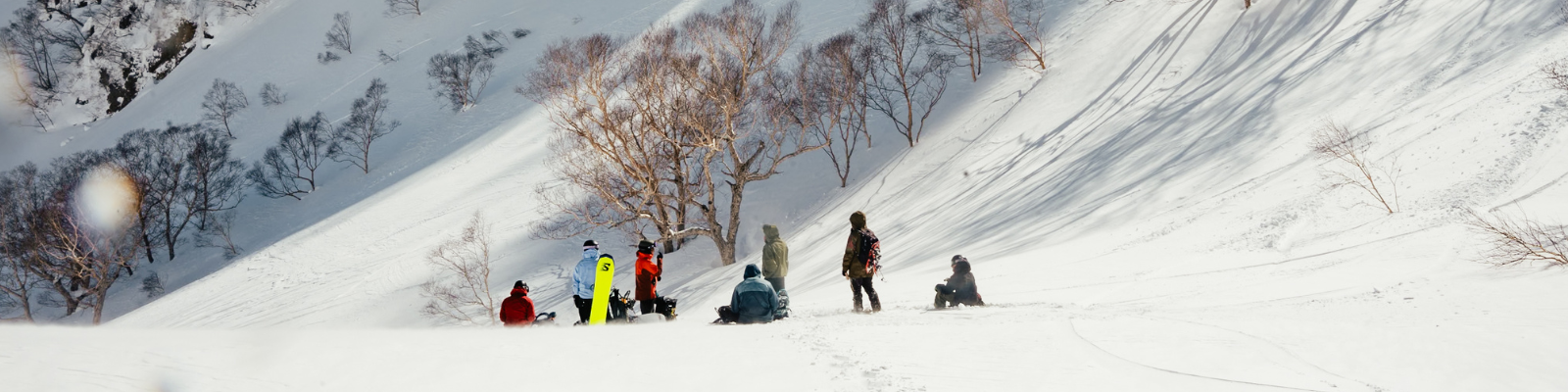
If you’re planning a ski season in Japan this year and wondering what to pack, Hamish Lockett is here to help by sharing his exact Japan Packing List.
Table of contents
Not sure what to pack for skiing in Japan? Seasoned ski bum (and pro guide!) Hamish shares his complete Japan ski trip packing list with layers, outerwear, helmets, goggles, packs and backcountry gear. Here’s Hamish's full guide in his own words:
Hey all, my name's Hamish and I have been doing ski seasons in Japan for the past few years now and absolutely love it! It is such an amazing place to experience some of the best snow conditions in the world and I love going back every year. When heading to Japan for a ski trip, whether it be for a week or two or the full season, it can be quite daunting. One of the main things screaming out is ‘what gear do I need to bring?’
When assembling a ski kit, there are a lot of options across the many realms of ski gear. There's clothing, layers, safety gear (helmets and goggles etc.), touring gear, and backpacks. I hope to show you what I find essential to stay warm and have fun, and get a bit of an insight into what gear I pack for the snow.
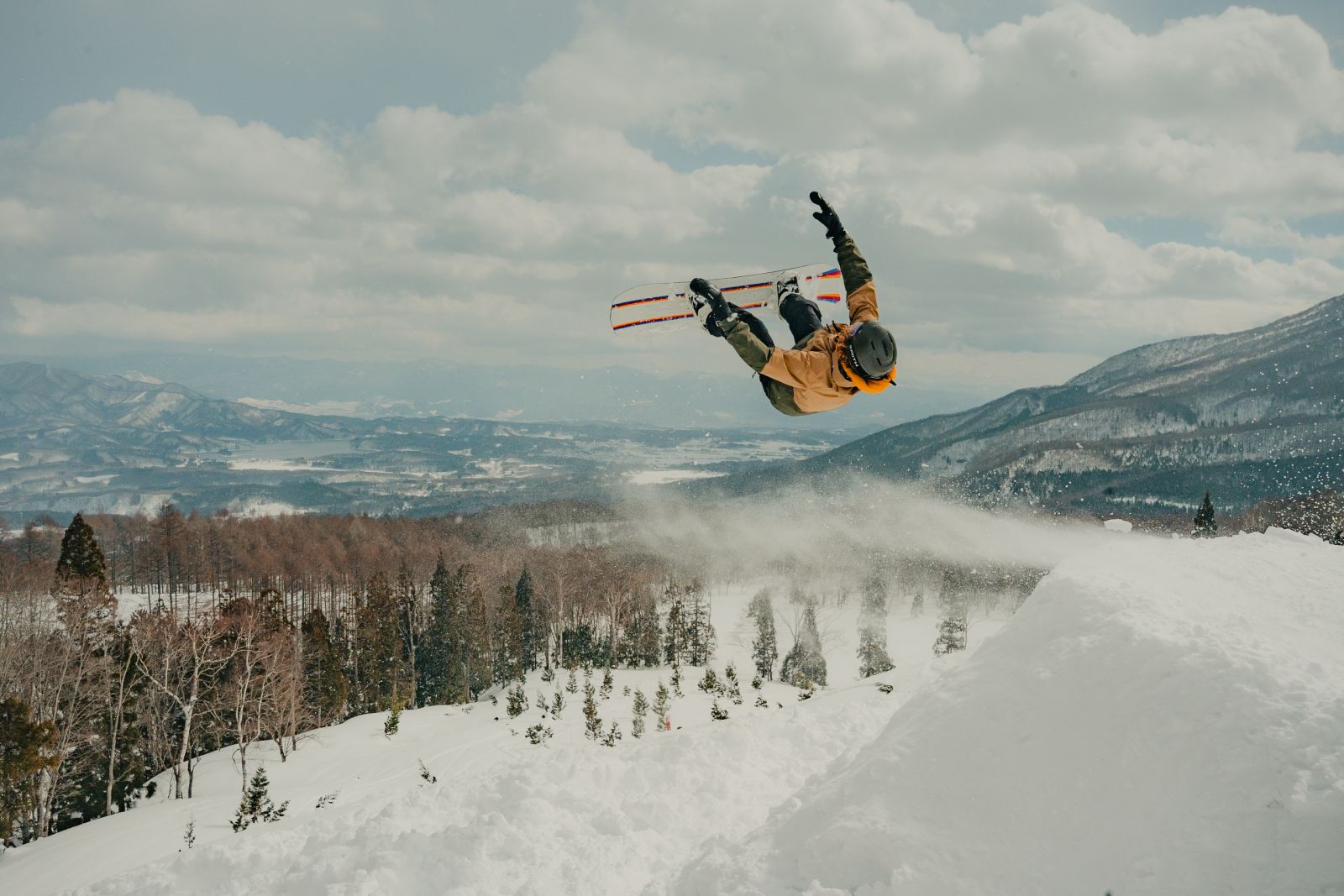
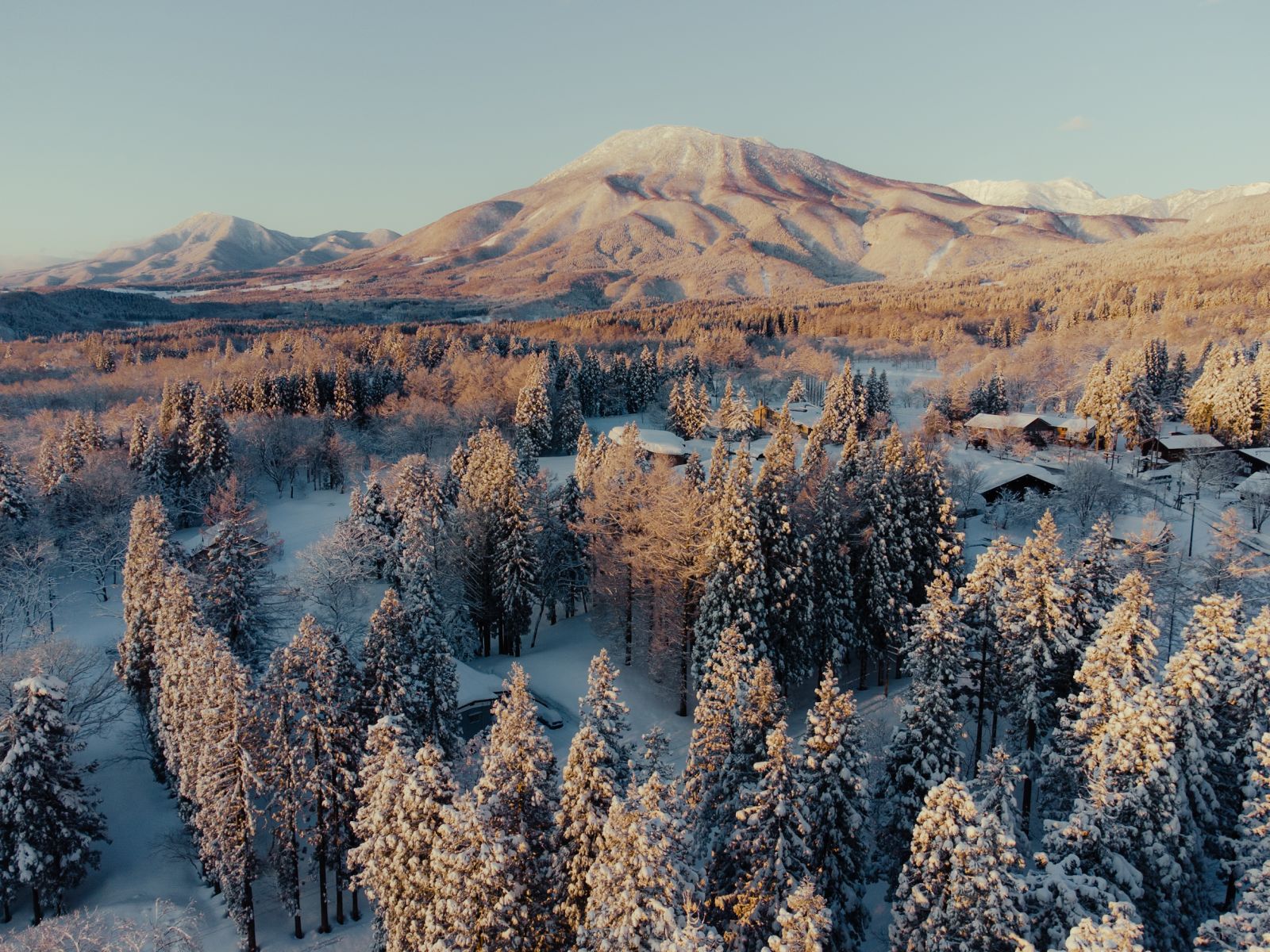
Staying warm, dry and comfortable is essential to having an enjoyable ski experience. It gets very cold out there, this section aims to provide detail into the three different layers that come together to build the perfect solution to conditions. I have separated it into two sections being ‘in-resort layering’ and ‘back country layering’.
.jpg)
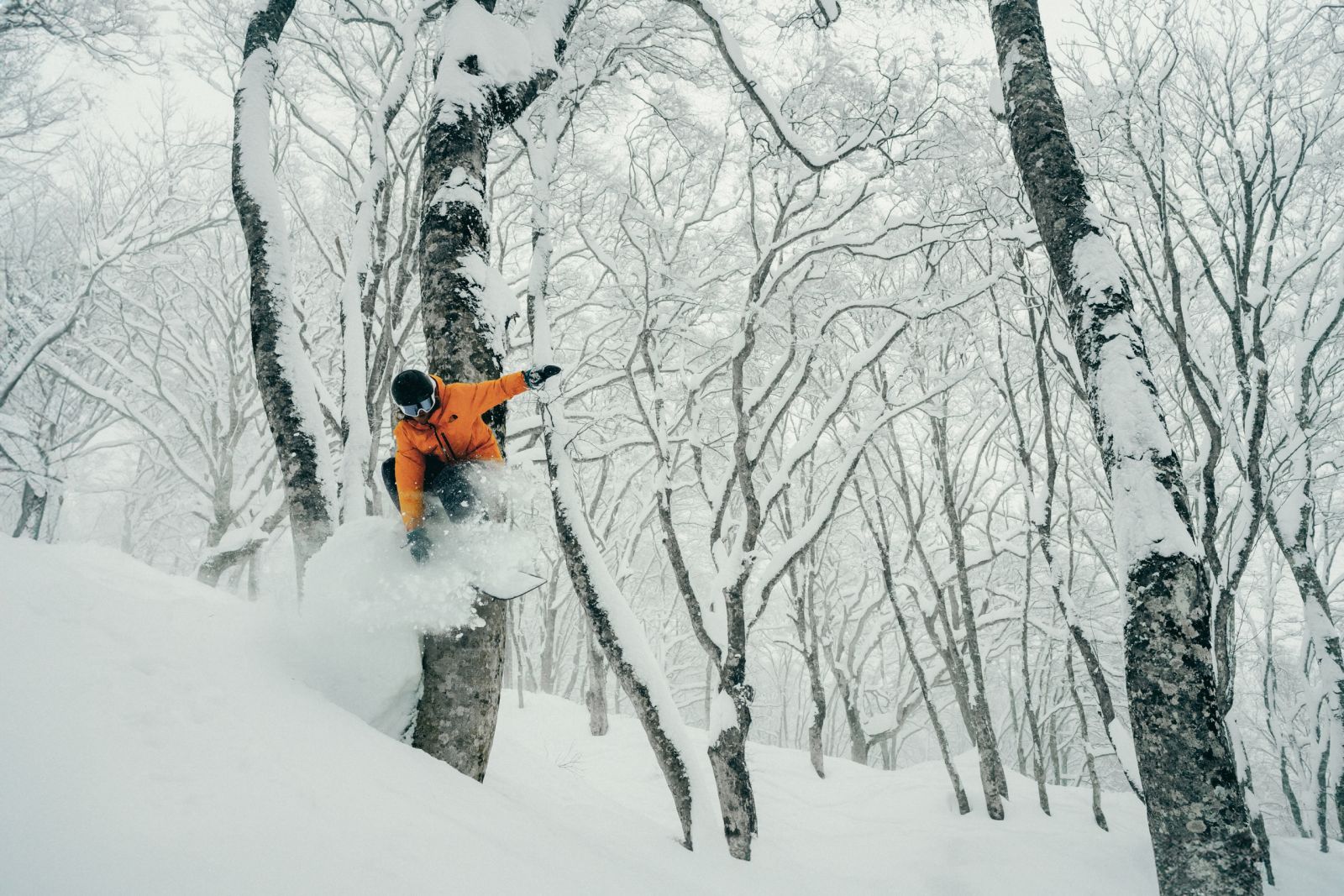
Dressing for in-resort riding tends to cater for a colder experience that doesn't rely on being as versatile. You are often standing in lift lines, riding chairlifts etc. and therefore tend to need to be warm consistently as opposed to the backcountry where you warm and cool more rapidly.
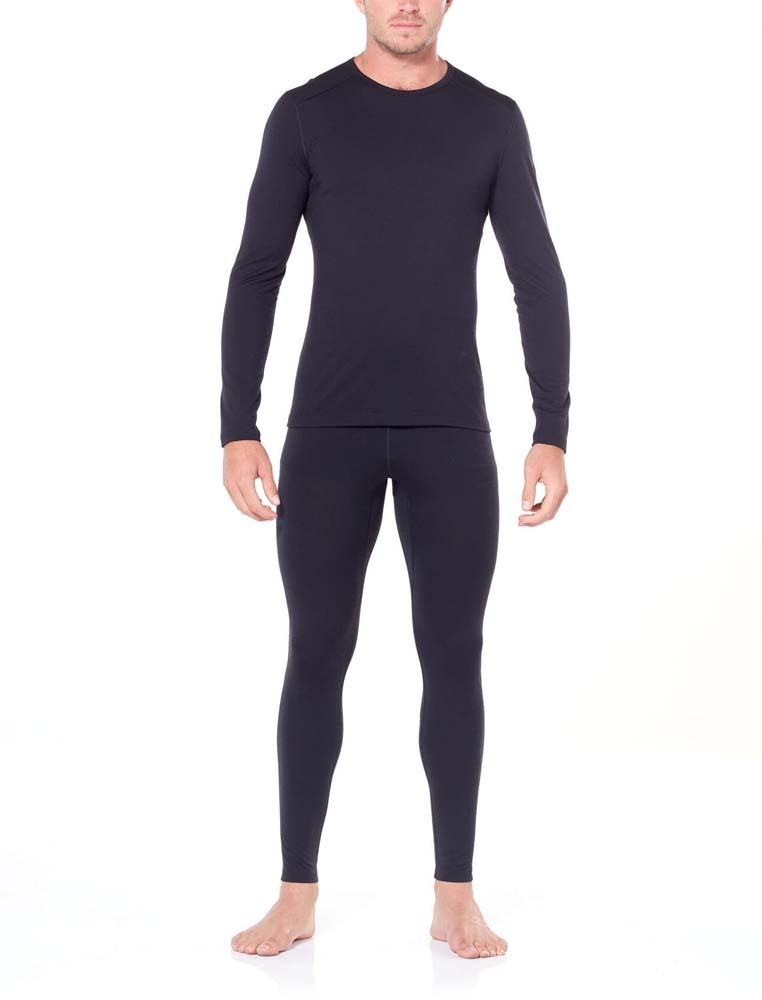
Base layers for skiing in Japan: Base layers are the foundation to staying warm, with the first layer on your skin it provides a thermal barrier and a base for adding layers on top to provide further warmth, wind and rain protection. My choice for thermals is a combination of a top and bottom thermal by Icebreaker that I have listed below. These ones are super warm and comfy and I find they last longer than other thermals I have used and seem super good quality.
Icebreaker’s best-selling 200 Oasis Crewe top and Leggings are made from 100% merino wool for soft, breathable comfort next to skin. Naturally temperature-regulating in all conditions and odour-resistant, they’re the ideal base layer bottom for cold-weather layering in Japan.
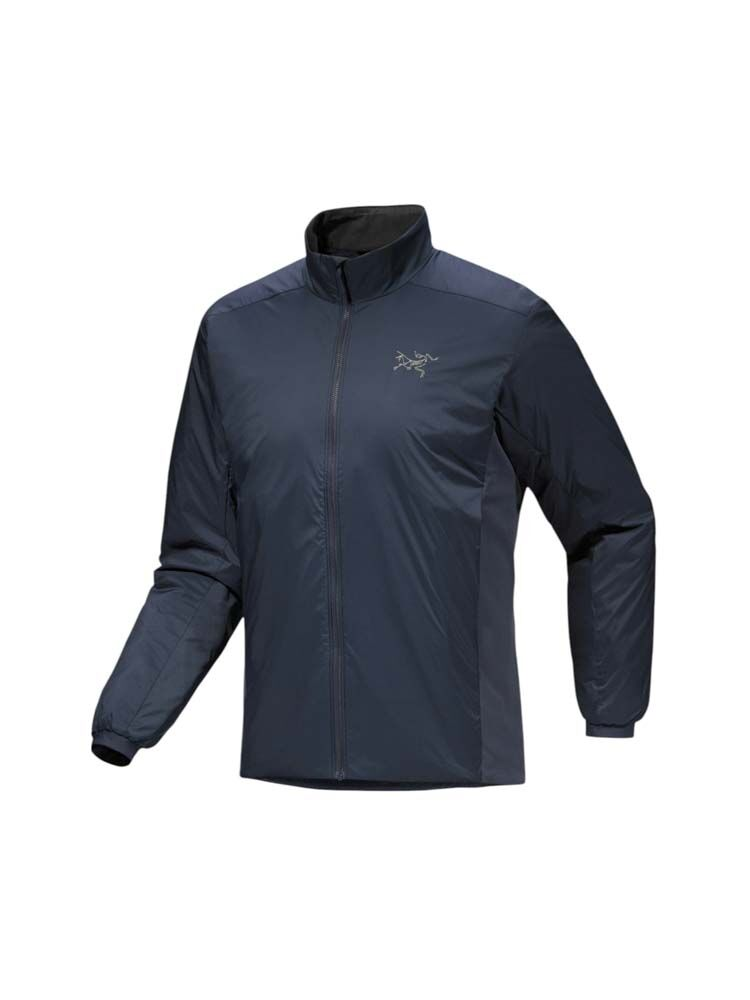
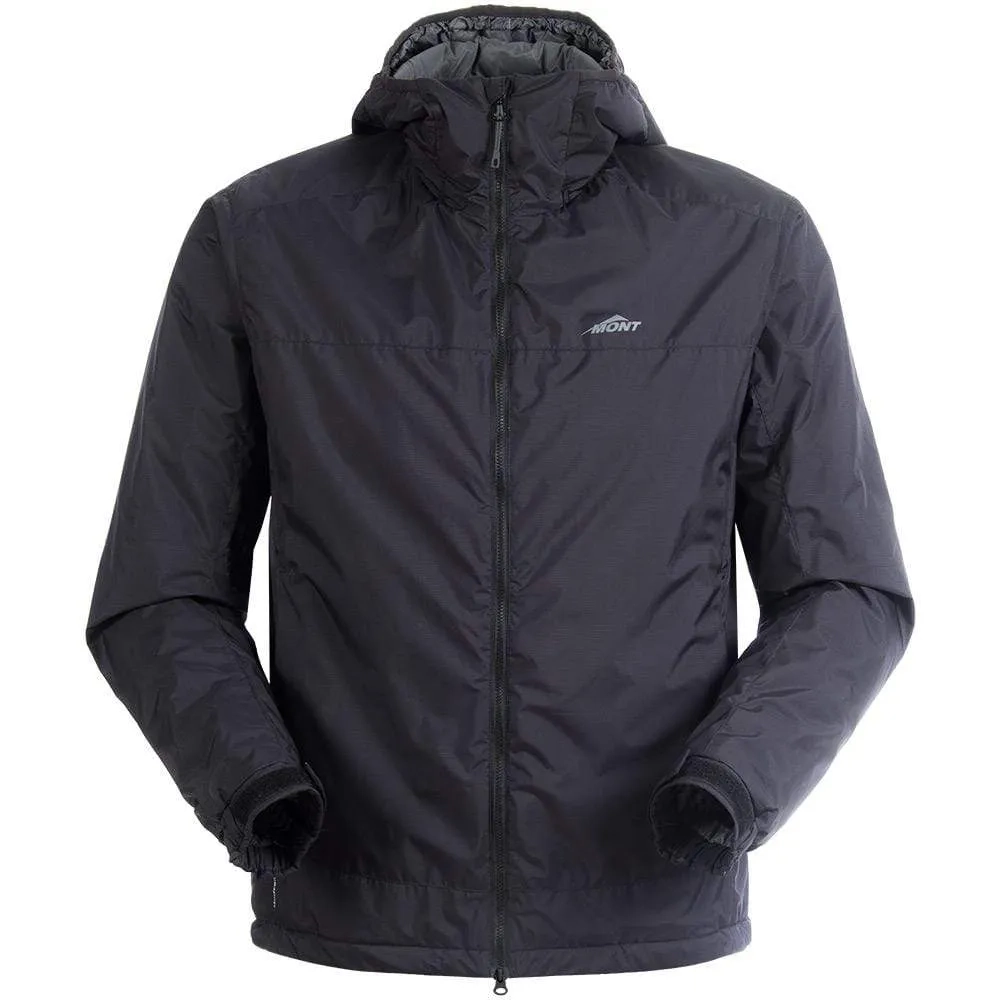
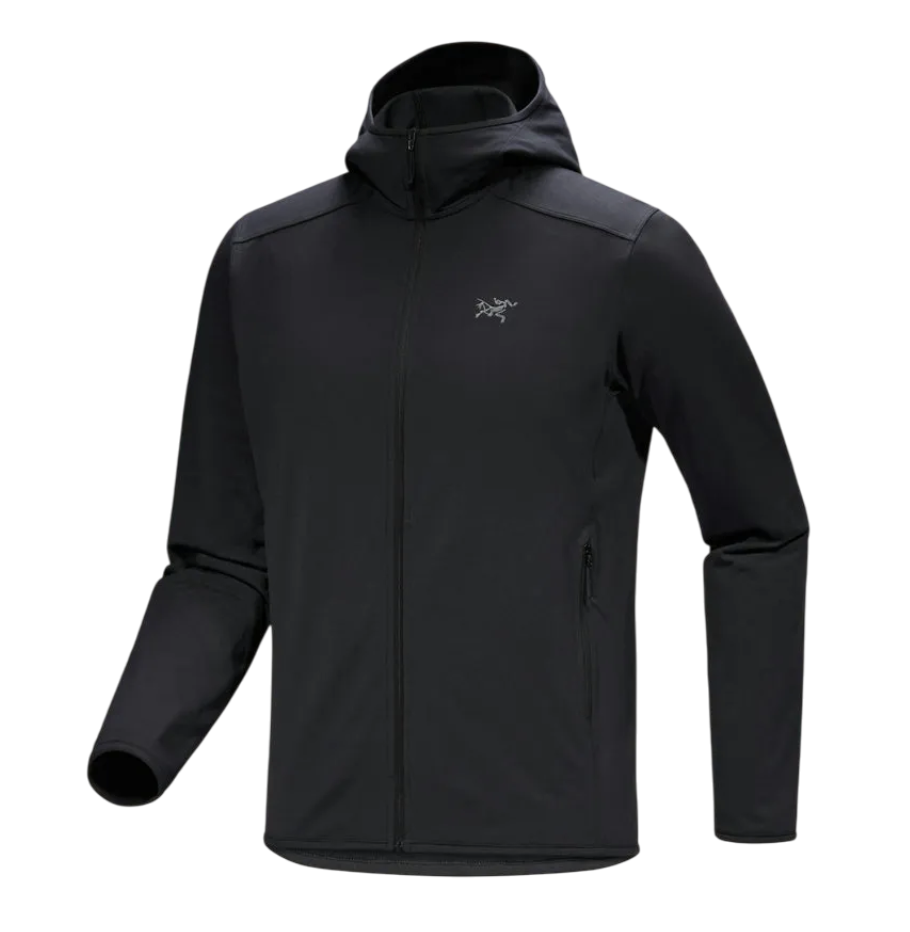
Mid layers work in between base layers and outer shell layers. They are important as they can easily be removed or added to to provide more or less warmth when needed. They’re often not needed in-resort if using a warm insulated style ski jacket, but can still be useful on very cold days. My go to mid layer choice in the Arc'teryx Atom Jacket. It's great as it also uses a windproof fabric and can be easily removed if I get too hot since it has a full top to bottom zip system. Not having a hood creates less clutter beneath outer layers and a more streamline fit. The Atom jacket is also synthetic insulation which means if it gets a bit damp it still maintains its insulation property. The Mont Guide Hoody is a similar style to the Atom jacket and another good option in the warmer side range of mid layers. The other two I have listed below being the Arc'teryx Kyanite and The North Face Glacier Fleece are other good options I would use in an instance where the conditions aren't as cold on a particular day.
The Arc'teryx Atom Insulated Jacket is a warm-even-when-wet jacket you can hike, climb, tour, and live in. Everything you love about the Atom Hoody (minus the hood), the Atom Jacket is the layer you can count on to see you through multiple high-output activities.
The Mont Guide Hoodie is a lightweight, no-bulk puffer made for cold, wet days. It uses updated G-LOFT® ECO EVOX insulation, which packs in loads of warmth for the weight (think down-like loft, but lighter).
The Arcteryx Kyanite Mens Lightweight Fleece Hooded Jacket is a versatile stretch fleece hoody with great next-to-skin comfort. It's light, breathable and most importantly comfortable. Perfect to wear on hikes, ski tours, and hanging out at camp.
The North Face Glacier Mens Fleece Jacket is lightweight, warm and made of 100% recycled fabric. It's a layerable classic that easily takes you from town to trail.
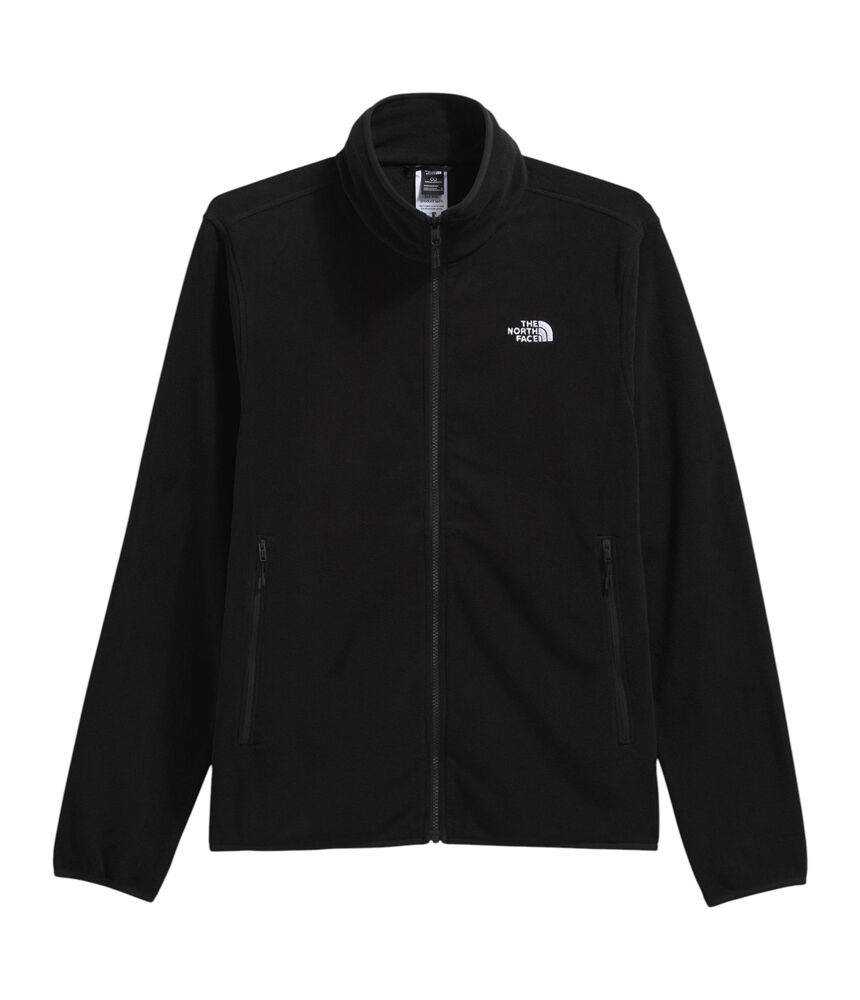
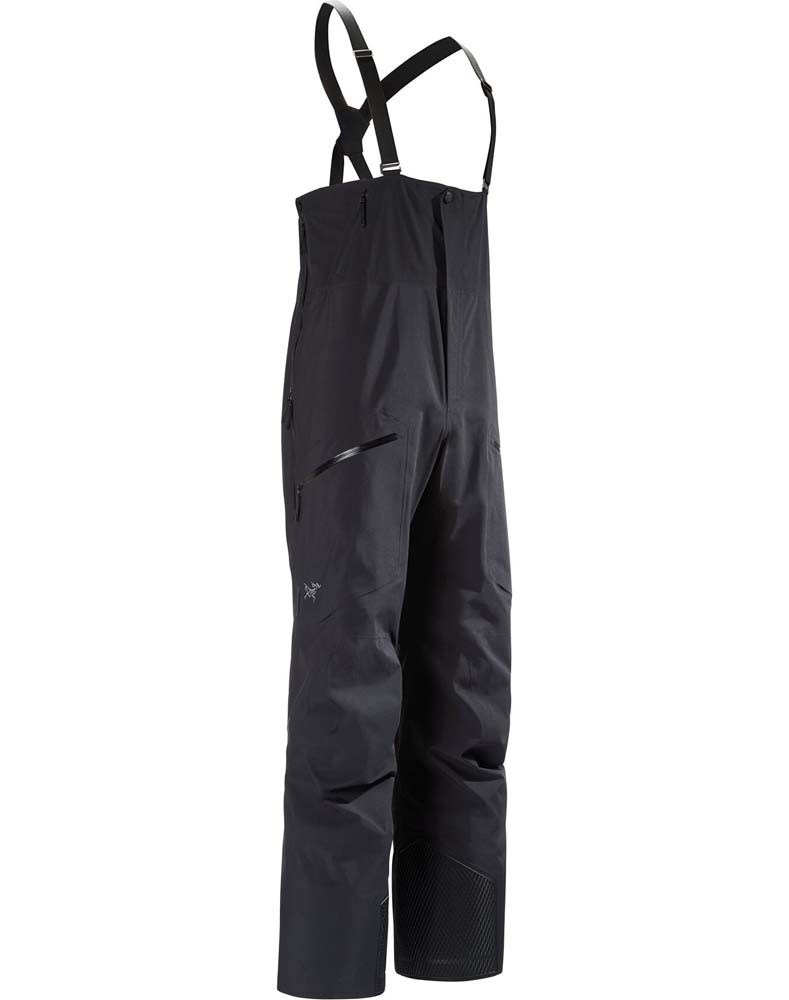
Outer layers provide most protection from the elements: snow, wind, rain etc. A good shell will ultimately keep you a lot warmer and comfortable as it blocks these things. I’ve used The North Face Descendit Jacket as an in resort ski jacket in Japan as it is a super warm option. It has a nice array of pockets and also a ski pass pocket. The hood also is designed to fit over your helmet. For the bottom my personal favourite is the Arcteryx Rush Bib. I love a bib design in Japan as you get so much snow over there, deep powder snow etc and this bib keeps a lot of snow from getting under your outer layers. I also personally find insulated pants get too hot and I prefer straight Gore-tex pants as it is light, durable and waterproof but still allows you to layer beneath with thermals if needed. These pants are so great, stay up well and still feel good to move in. If you are a colder person you might want to look more into insulated pant options.
The Arc'teryx Rush Bib Pants are built for big days out on the slopes. They're a durable, breathable 3L GORE-TEX PRO bib that keeps the bite out while still letting heat escape, with a stretchy softshell bib, thigh vents, and secure pockets for the essentials.
Base Layers: (same as listed above)
Mid Layers: (same as listed above)
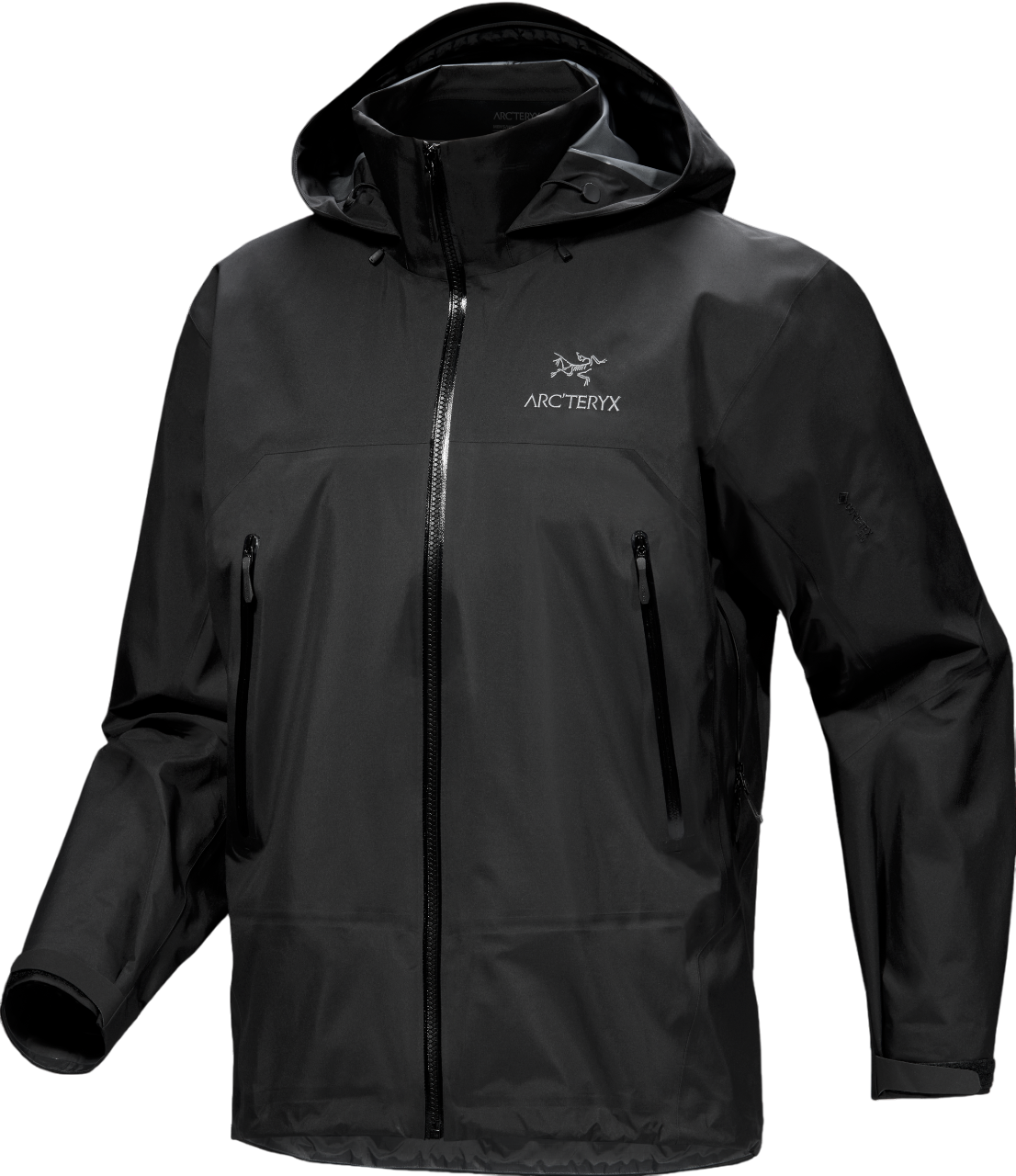
Outer layers: For backcountry riding you are in more of a stop start environment as you are switching between hiking and riding quite frequently. This means you are changing temperature frequently and need to adjust layers more often. For outer layers, an insulated jacket is not good to hike in, so I use the Arc'teryx Beta AR Jacket. The Rush is a slightly ski adapted version of the Beta AR, still a Gore-tex shell but different ski oriented pocket arrangement and lengthier design to suit snow conditions. These Gore-tex shells work better for backcountry than insulated jackets as they breathe better and you can essentially take away and add the insulating warm properties as they are in the mid layer. I often also use this style jacket in-resort on slightly warmer days but still wanting more than a weather-proof aspect. A very versatile style setup using jackets like these ones.
Having good gear that is comfortable and robust is key to a good time in the elements. You don't want goggles you can’t trust or a helmet that hurts every time you put it on.
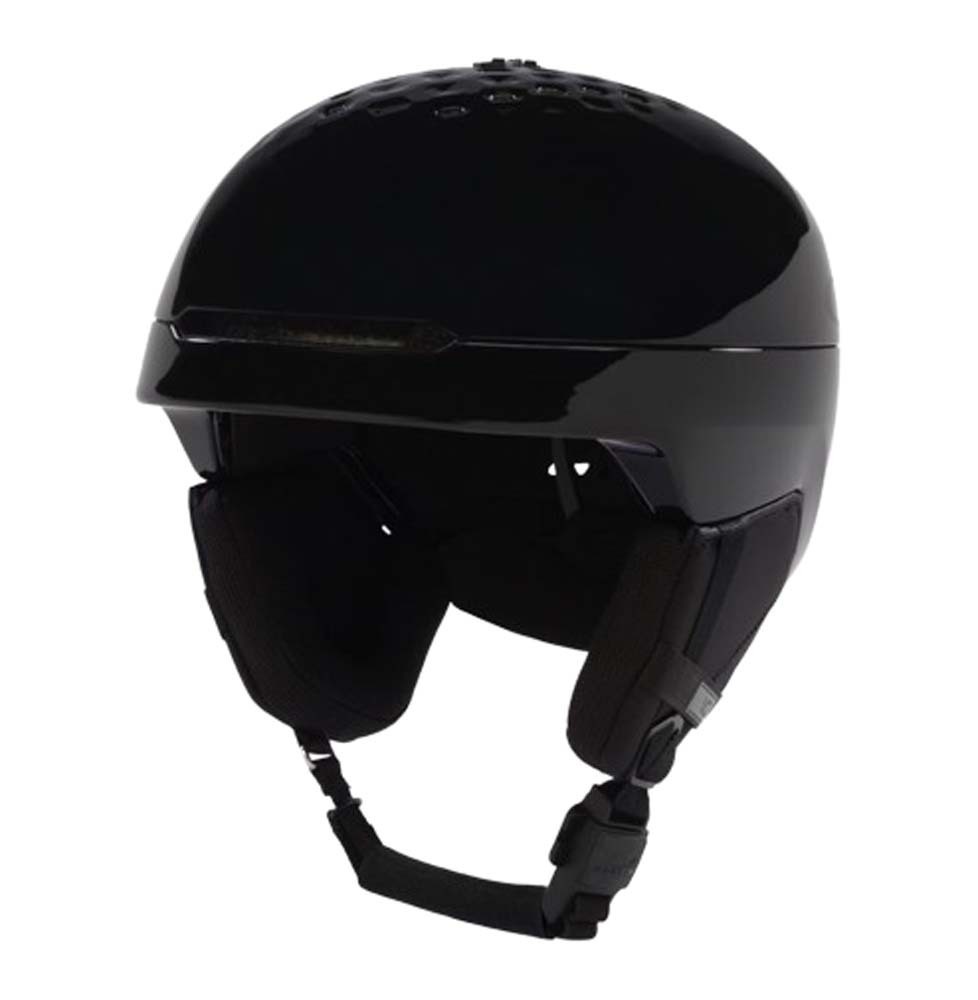
My helmet: Oakley Mod3 Mips is the helmet I use. It has the BOA tightening system which is super fast and easy, it's comfy and light and has good ventilation.
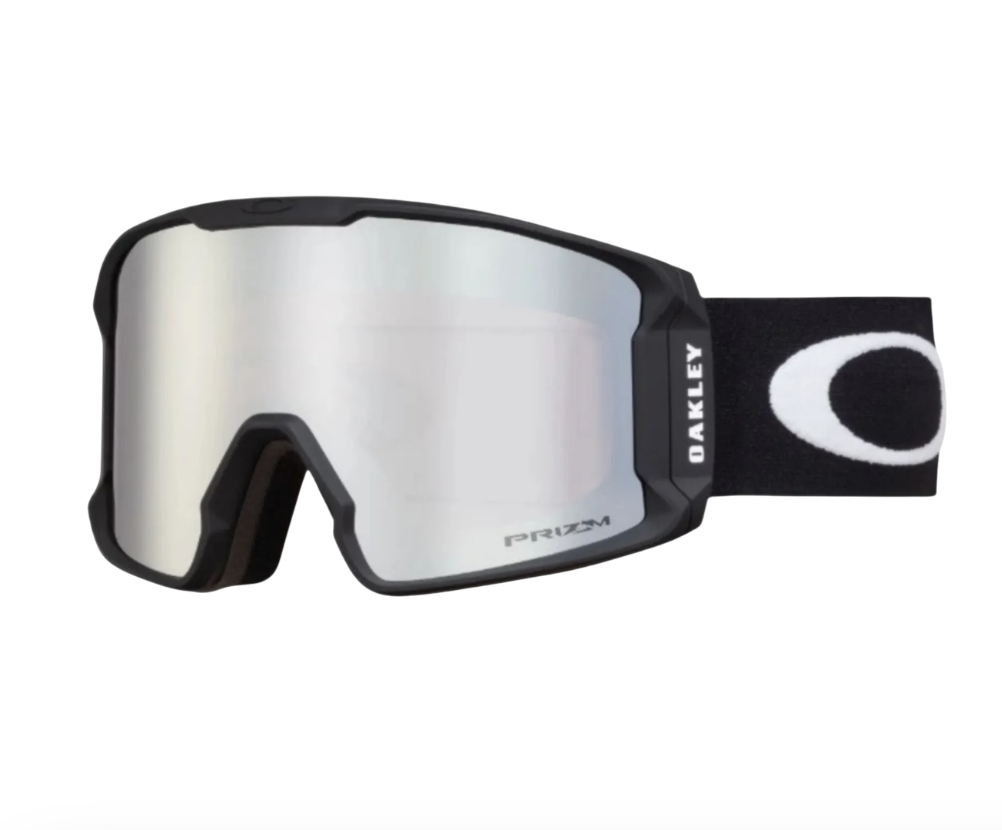
Goggles that work in Japanese snow conditions: Oakley Line Miner Goggles are my go to’s on the slope. Great for glare, super comfy on the face and have the geometric style I personally like. You can get different shapes and sizes, fly style curve out lenses etc. I much prefer this simple design of goggles that fits nice and flush under a range of helmets.
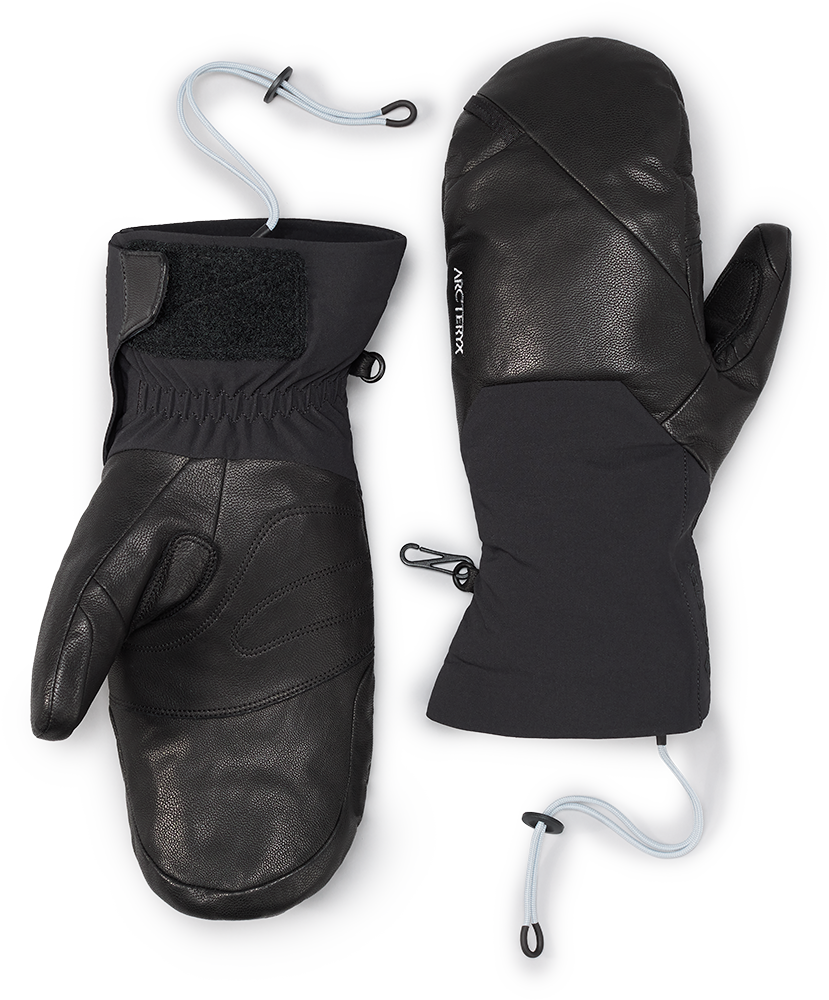
Gloves: I use the Arcteryx Sabre GTX Insulated Snow Mittens. I love the mitten style as it easily allows glove liners underneath, are easy to get on and off, and I like being able to move my fingers around a bit inside. I also love that the Arc'teryx ones are leather and this really tends to wear out slower than synthetic style gloves in my opinion of having both. It's important to look after them and re-waterproof the leather part of the gloves.
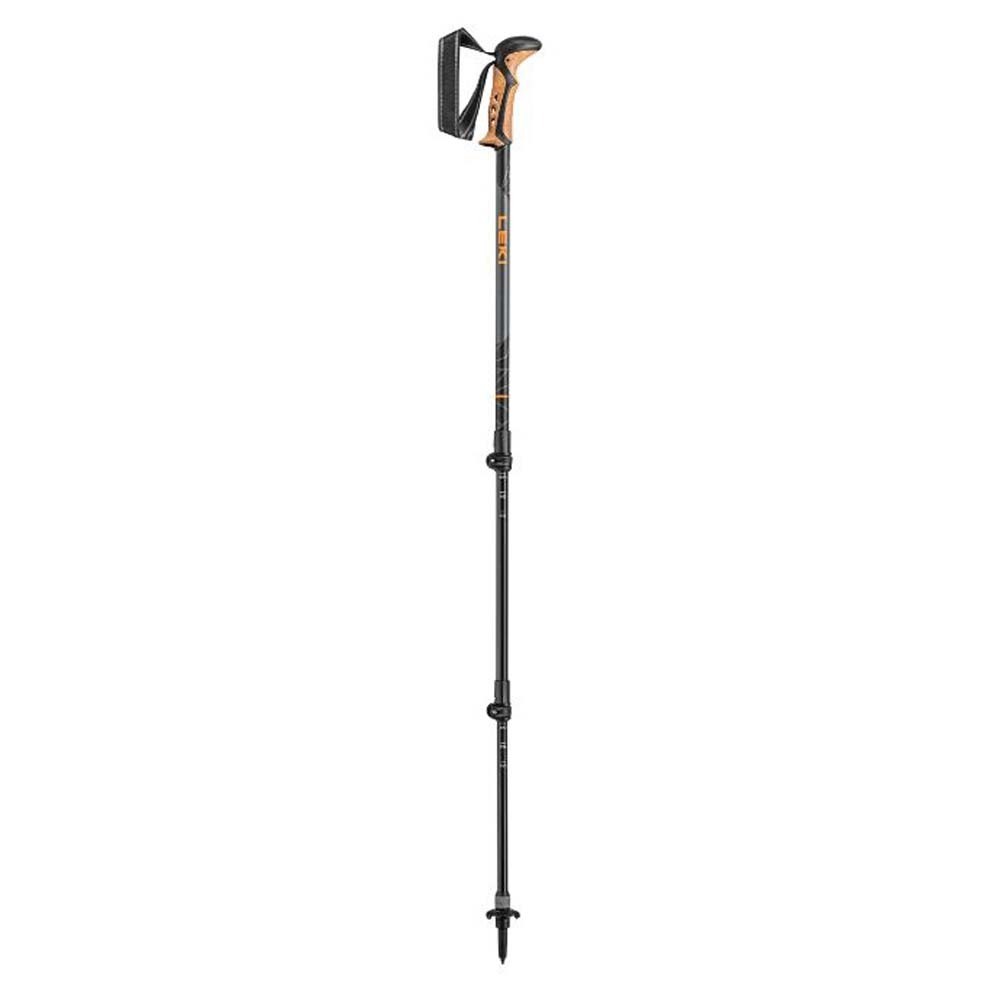
Hiking Poles: Hiking Poles are great for backcountry riding. When hiking, pair them with some cups to fit the end, and your poles will resist and give you that little push up and down the hills. They can also get you out of sticky situations and make your life easier at times.
Snowshoes: I use the MSR Evo Ascent 22 snowshoes. Having a sturdy pair of snowshoes is important for backcountry snowboarding. Without these it's impossible to move fast and safely through snowy terrain. Your options in the backcountry are ski touring, snowshoeing and splitboarding. I have loved these ones and have always trusted them.
Hiking Pack: For day riding in resort/side country (when not hiking) I use the The North Face Trail Lite 24L Unisex Hiking Daypack. It's a fantastic little bag that stays tight to your body. Has a slip down the back, which is perfect for my avalanche shovel, leaving enough space for water and snacks. It has a nice trail running style with clips on the chest, which are great for snowboarding, as it doesn't shake around. It also has a great lightweight waist strap.

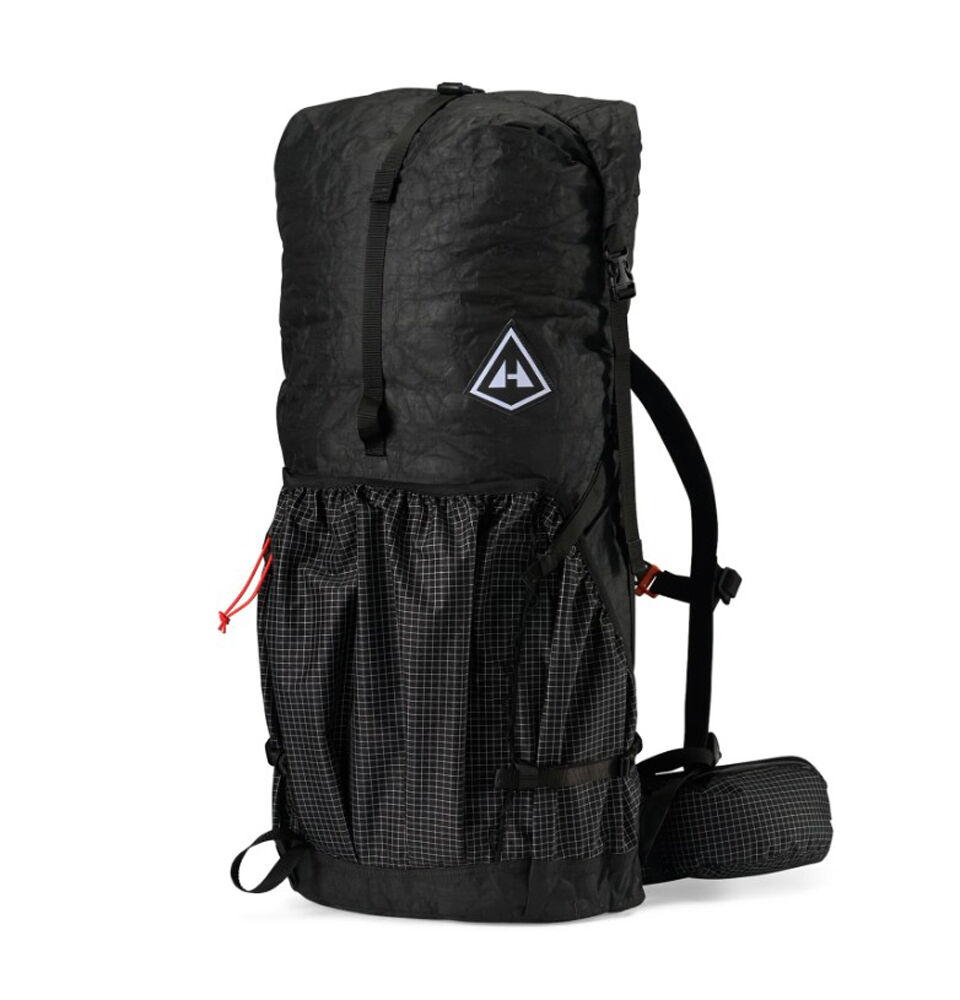
For multi-day hiking and times when I need to fasten my board for hiking or carry more weight, I use my Hyperlite Southwest 55L Hiking Backpack. I love this pack for so many different activities. I love that it's tough, lightweight, comfortable and has a nice minimalistic design. I have also found it easy to hike with my snowboard attached to it using the straps it has on the side as well as the use of Volle style straps. This is also a sufficient size for overnight trips where I need to carry sleeping gear.
Nalgene 1 litre drink bottle. A drink bottle is super important to have for a big day riding, even in-resort, going through the country etc, carrying water and staying hydrated is a must.

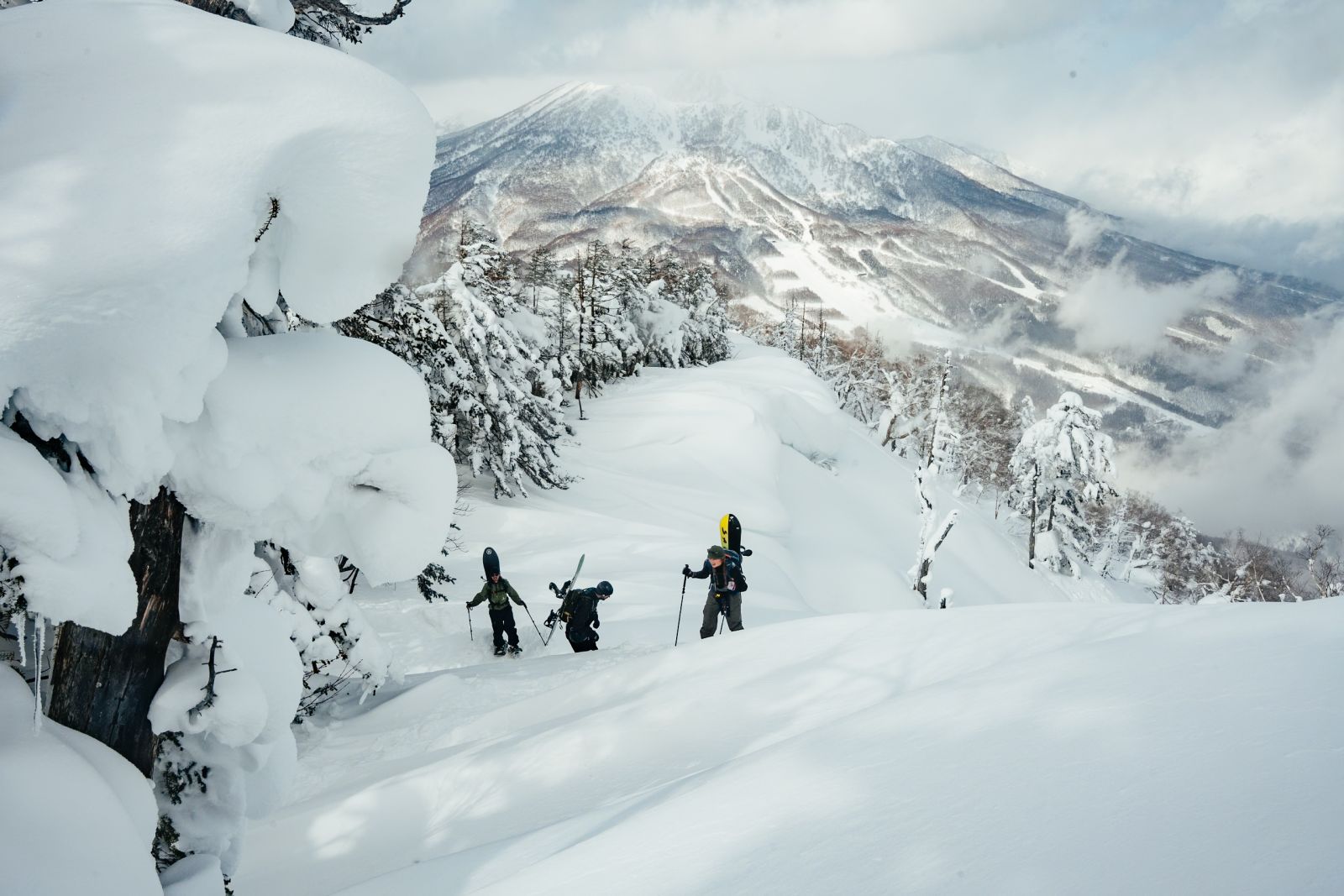
Packing for a Japan ski trip can feel like a lot, especially if it’s your first time chasing Japow. Breaking it down into simple layers and a few key safety essentials makes it much more manageable.
Hamish’s kit comes from doing multiple seasons in Japan, long days chasing deep powder and mixing resort laps with backcountry missions. Use his packing checklist as a solid base, then tweak it to suit your style, your budget, depending on whether you’ll spend more time on the lifts or out touring. Once your kit is sorted, the fun part starts. Keep an eye on the weather forecast, give your skis or board a fresh wax, and get ready to experience some of the best snow on the planet!
Not sure what gear you need for your adventure? Chat with our friendly team of Outdoor Gear Specialists in-store or online today, and don’t forget to share your adventures with us on Instagram by tagging @wildearthaustralia in your next post.
Q. What should I pack for a ski trip to Japan?
A. For a Japan ski trip, you’ll want a solid layering system: thermal base layers, a warm mid layer, and a waterproof outer shell, plus comfortable helmet, goggles and gloves. Hamish’s list focuses on quality merino base layers from Icebreaker, synthetic or fleece mid layers, and Gore-Tex outerwear that works in deep Japanese powder. Add a good backpack, water bottle and any backcountry gear you need for touring or sidecountry days.
Q. How should I layer for skiing in Japan resorts vs backcountry?
A. In-resort, Hamish dresses for consistently colder conditions with warmer, less versatile layers, like an insulated jacket paired with thermals and sometimes a mid layer on very cold days. In the backcountry, he swaps to Gore-Tex shells like the Arcteryx Rush or Arcteryx Beta AR and uses mid layers to control warmth because you heat up while hiking and cool down while riding. The key is being able to easily add or remove a mid layer as conditions change.
Q. Do I need different outerwear for backcountry skiing in Japan?
A. You don’t necessarily need completely different outerwear, but insulated jackets are not ideal for hiking. Hamish uses breathable Gore-Tex shells for backcountry days so he can manage temperature with mid layers underneath. He still uses similar shell jackets on slightly warmer in-resort days, which makes his setup more versatile for a whole season in Japan.
Q. What size backpack is best for a Japan ski trip?
A. For day riding in resort or light sidecountry, Hamish uses a 24L pack that fits an avalanche shovel, water and snacks and stays tight to his body on the chairlift and descents. For multi-day trips or when carrying a snowboard and overnight gear, he prefers a 55L pack, which has enough room for sleeping gear and extra layers while still being comfortable and minimal.
Q. What backcountry gear should I consider bringing to Japan?
A. If you plan to ride backcountry in Japan, consider hiking poles with snow baskets, sturdy snowshoes or a touring/splitboard setup, and an appropriate pack. Hamish uses MSR Evo Ascent 22 snowshoes, Leki poles with touring baskets, and a Hyperlite 55L pack. Don’t forget avalanche safety tools like a shovel and probe, plus training on how to use them.
Just half an hour from Queenstown, the Remarkables Mountain Range is the perfect place to stage a quick mountaineering getaway.
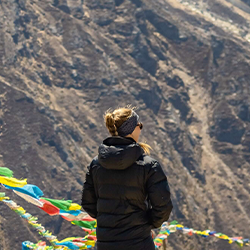
Some adventures are planned; others unfold unexpectedly. Lena's spontaneous trip to Nepal became a life-changing trek through the Himalayas, filled with breathtaking landscapes, high-altitude challenges, and unforgettable encounters.
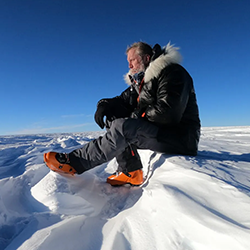
Camping in the Arctic, Antarctic, or high Alpine regions is a test of preparation and resilience. It’s uncomfortable by nature, but with good systems in place, it becomes manageable, even enjoyable.
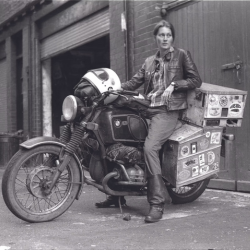
Ben Southall speaks with Elspeth Beard; a pioneer of solo motorcycle travel and the first British woman to motorbike around the world on a 1974 BMW R60/6. Riding across continents and cultures long before GPS, smartphones, or social media existed.












Using Afterpay you can pay for your order over 8 weeks. There's no interest or added fees* and nothing to pay today. Payment will be automatically taken from your debit or credit card in four equal payments each fortnight over 8 weeks, and you will receive your order immediately.
You simply need:
To use this service simply:
Approved AfterPay buyers will require the funds for the first payment to be available on their card at time of checkout, however the first payment won't be deducted for 14 days. First time AfterPay buyers will need to make the first instalment payment at the time of their purchase.
If you wish to return your goods you can choose to receive an exchange, or the Afterpay payment plan can be cancelled before the first payment at no charge. *If you fail to have sufficient funds available for AfterPay to automatically deduct payment on due instalment dates you will be charged a late fee of $10, and if the instalment payment remains overdue, an additional $7 will be charged one week later.
With AfterPay, there's no waiting and we'll ship out your order immediately as normal.

When you want to go now, sometimes it's handy to pay later. That's why, we offer interest free payment plans from two of Australia's favourite Buy now, Pay later services.