Total Items: 0
Sub Total: $0.00


Washing down gear can feel risky, but it doesn’t have to be. Here’s how to clean down jackets, sleeping bags and quilts without wrecking them.
In this guide:
Despite the obvious signs our gear needs a wash, for many of us, the fear of putting our most expensive piece of kit through the washing machine stops us from keeping it clean and actually extending its life altogether.
After all, nobody wants to turn their favourite down jacket into a shrivelled, clumpy mess. Really, I get it. I went years without washing my favourite The North Face down jacket because I was genuinely scared I would ruin it… When I finally washed it, I wished I hadn’t waited so long.
The good news is that down is tougher than most people think and contrary to popular belief, water doesn’t ruin it. In fact, most problems come from using the wrong detergent, rushing the drying process or applying too much heat. This guide explains how to wash down gear properly using a down-specific wash, a gentle cycle and plenty of low-heat drying time, so you can bring back loft, remove odours and help your technical gear last for years to come.
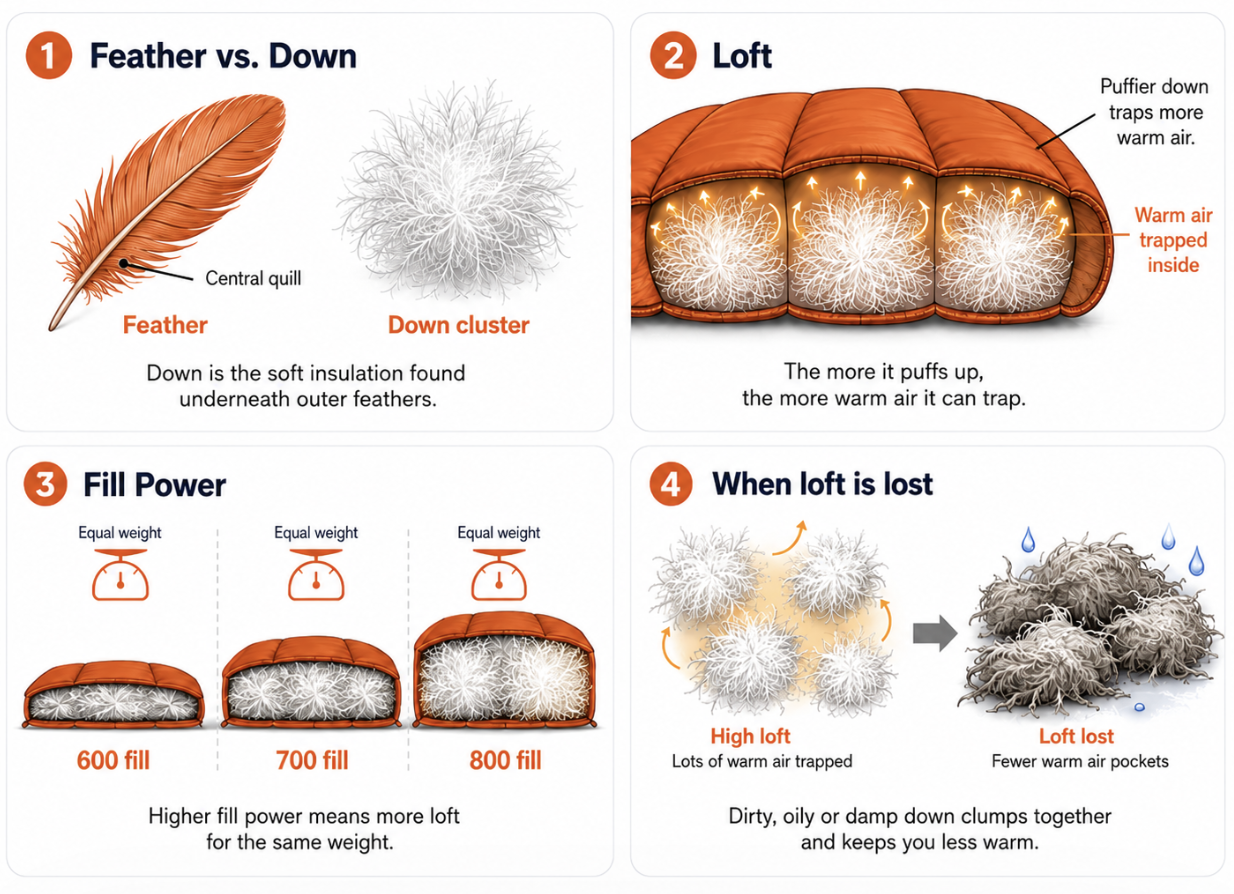
Down is the soft, fluffy insulation found underneath the outer feathers of ducks and geese but it’s not the same as a feather. The feather that’s in your mind's eye has a quill, while down is made up of tiny, light clusters that look more like little clusters of clouds. It’s also the stuff that sometimes pokes out through the stitching in your jacket or sleeping bag.
When buying down gear, it’s also worth looking for responsibly sourced down. Certifications like the Textile Exchange Responsible Down Standard help trace the down supply chain and give customers more confidence that the feathers and down used in a product have met animal welfare requirements.
Those clusters are what make down so good in cold conditions because they trap warm air close to your body, creating warmth without adding much weight or bulk. The key to down working properly is loft. Loft is the puffiness you see when a jacket, quilt or sleeping bag expands after being unpacked and the idea is, the puffier it gets, the more warm air it can trap.
According to the International Down and Feather Laboratory’s explanation of fill power… Numbers like 600 fill, 700 fill or 800 fill refer to how much space the down can take up for its weight. Higher fill power down, lofts more efficiently, so it can have a better warmth-to-weight ratio. But fill power only helps if the down can actually puff up. If the clusters are dirty, oily, damp or stuck together, the insulation flattens out and it won’t keep you as warm.
That’s why washing down is not only about removing stains or odours. It is part of keeping your gear performing properly. Nikwax describes down as compressible, resilient, and long-lasting when properly maintained, while noting that regular cleaning with a down-specific cleaner helps optimise performance.
A clean down jacket or sleeping bag can feel noticeably puffier after a proper wash and dry cycle.
.JPG)
Wild Earth Staff and Ambassador Oliver Foran in Nepal wearing insulated jackets
Yes, most down jackets and sleeping bags can be washed in a machine, but always check the care label first. A front-loading washer is usually preferred because it is gentler on bulky insulated items. Patagonia suggests that washing down garments in a front-loading machine and drying on no-to-low heat with two to three clean tennis balls help restore fluff.
Avoid top-loading machines with a centre agitator where possible as this can twist, pull, or stress the fabric and baffles. As for large down sleeping bags, a commercial front-loader at your local laundromat is often easier because the bag has more room to move and rinse properly.
Before washing down gear, get together:
Beware that standard laundry detergent can leave residue and reduce loft so only use gear wash specifically formulated for down. Down wash products are designed to clean while helping preserve the natural oils and structure of the down clusters and to revitalise water repellency and insulation.
Washing down properly is not just about cleaning the outer fabric. Grime stops the down clusters from separating and lofting so when you clean your down jacket right, it helps bring back that light, fluffy feel and most importantly keeps your technical gear warmer for longer.
For down sleeping bags, spot cleaning is often enough between full washes. Unless it’s unusually dirty, many years may pass before it needs a complete wash. To help keep your bad in tip-top shape. Use a sleeping bag liner (this also can add to the temperature rating of your bag so it’s a win-win).
For jackets, wash when sweat, sunscreen, campfire smoke, body oils, or trail grime build up around the collar, cuffs, pockets, and chin guard. These areas collect oils first and can reduce performance over time.
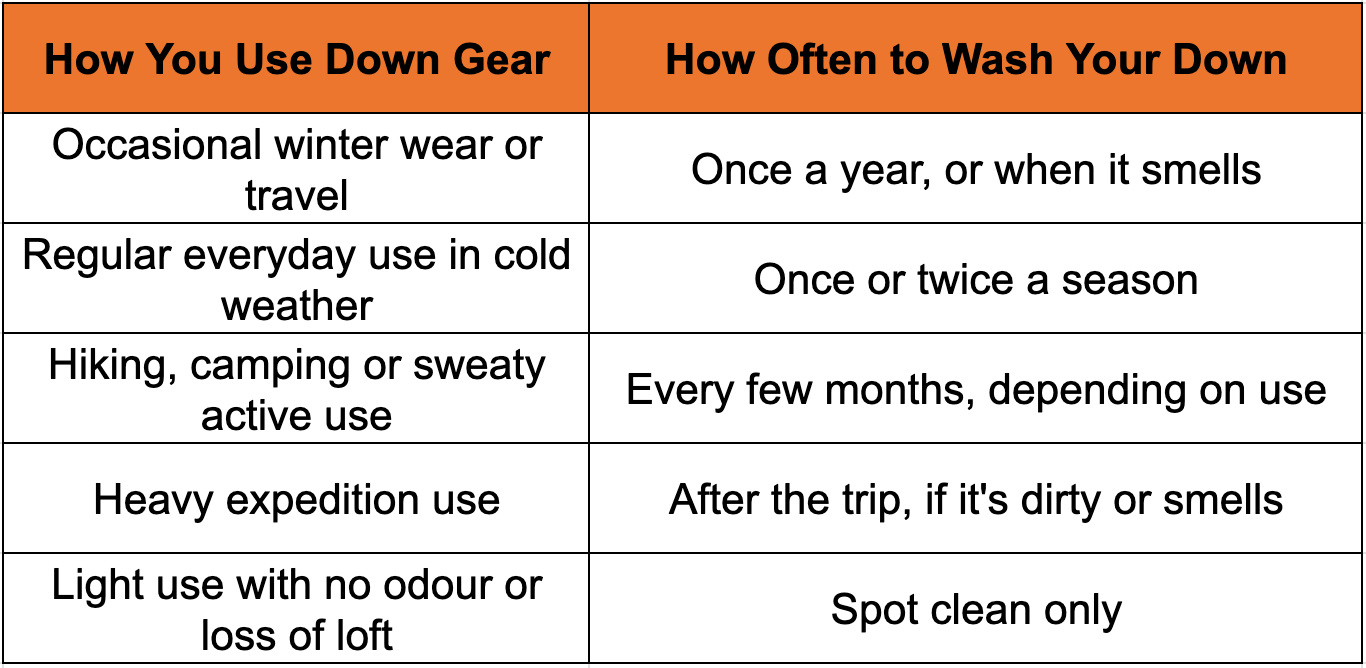
The better rule is just to wash it when it actually needs it, not just because a certain amount of time has passed, because washing it too often can add unnecessary wear too.
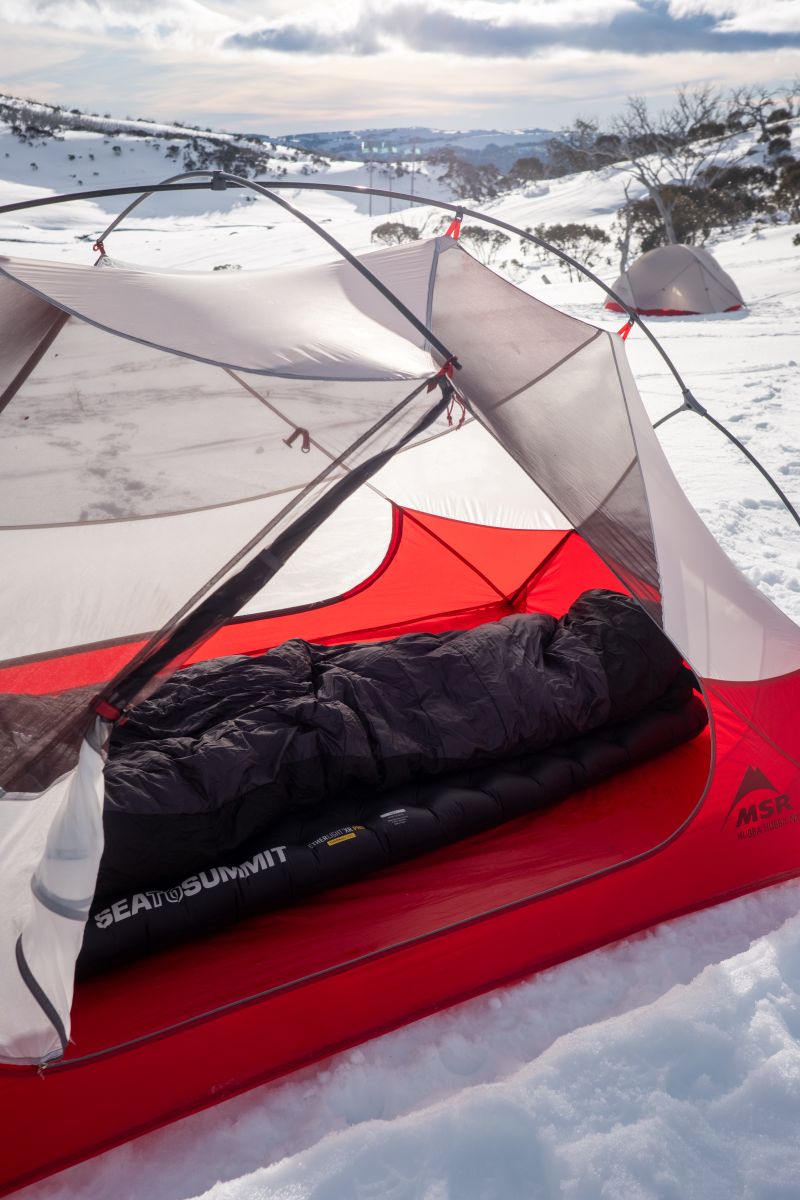
Wild Earth staff and ambassador Kurt Winter camping with his Mont Sleeping Bag
Start with the manufacturer’s care label. This matters because fabrics, trims, waterproof coatings, zips, and construction can vary between products. Follow the recommended water temperature, wash cycle, and drying instructions. If the care label conflicts with general advice, prioritise the information on the care label.
Make sure you empty every pocket and close zips, fasten hook-and-loop tabs, loosen drawcords, and turn the item inside out if the care label allows it.
For sleeping bags, unzip the bag fully before washing to help prevent the slider from snagging or breaking in the machine.
If the collar, cuffs, hood, or footbox are especially dirty, spot clean before the full wash.
Use a small amount of down wash mixed with water and gently work it into the dirty area with your fingers or a soft cloth focusing on areas like the hood and collar where hair and skin oils build up and around the wrists (where the pizza stains are).
Add the correct amount of down wash according to the bottle instructions. Do not use regular detergent, bleach, fabric softener, stain removers, or dry-cleaning chemicals.
Nikwax warns that normal detergents can leave water-attracting residue on outdoor clothing, while appropriate technical cleaners lift dirt and contaminants without harming the original durable water repellent finish.
Use a gentle or delicate cycle with cold or warm water, depending on the label recommendations. Patagonia’s down care advice recommends cold water for down garments with a gentle detergent or down-specific detergent. Make sure you don’t overload the machine because down items need room to move so the cleaner can circulate and ensure it rinses out properly. It’s better to wash one down item at a time.
After the wash cycle finishes, run an extra rinse and spin cycle as down holds a lot of water. This step helps remove cleaner residue and excess moisture before drying. Nikwax recommends a ‘rinse, spin, then spin again’ approach to remove as much water as possible before drying.
Wet down gear is heavy so lift it from underneath rather than pulling it by one edge as this helps avoid stressing baffles, stitching, and fabric. Support the full item with both hands or a towel when transferring it to the dryer.
Drying is the scariest part of the process! It’s important not to panic when you see your down item after washing, just trust the process and continue through the steps. My jacket looked all clumpy and I thought I had ruined it for sure, but once it was dry I could really see the difference!
Place the item in a large dryer on low heat and ensure you add two to three clean tennis balls or dryer balls to help break up clumps and restore loft. As recommended by Patagonia, you should machine dry down garments on no-to-low heat with two to three clean tennis balls to restore fluff.
Expect the drying process to take time and don’t rush it. A jacket may take a few cycles and a sleeping bag can take much longer, just monitor it after each cycle. Every 20 to 30 minutes, pause the dryer and gently shake the item. Break up clumps with your hands. Feel for cold or damp patches, especially around seams, baffles, cuffs, hoods, and the footbox of sleeping bags.
Your down gear is dry when:
If you are unsure, dry it longer on low heat. Storing damp down can lead to odour, mildew, and long-term loft loss so as mentioned earlier. Patience is needed on this one.
The answer is ‘it depends’... Many down jackets and sleeping bags have a durable water-repellent finish on the outer fabric and over time, dirt and oils can stop water from beading properly.
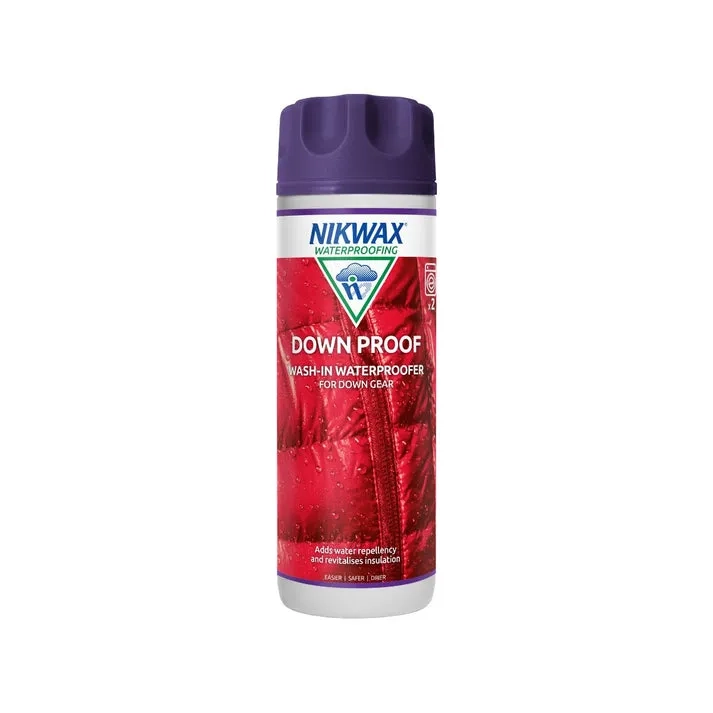
A technical wash can often improve water repellency by removing contamination but if water still soaks into the top layer of fabric after washing and drying, you may need a suitable reproofing product. After cleaning down garments with down wash, for extra water proofing, use a down-proof product like Nikiwash Down Proof or Storm Down Proofer to optimise down-filled garment performance. Always check that any waterproofing treatment is suitable for your particular down item’s outer fabric, as indicated on the label.
The down washing principles are the same, but as they are bigger, sleeping bags need more space and more drying time.
For sleeping bags, use a large front-loader if possible because a small, cramped machine won’t rinse well and may leave cleaners trapped in the insulation.
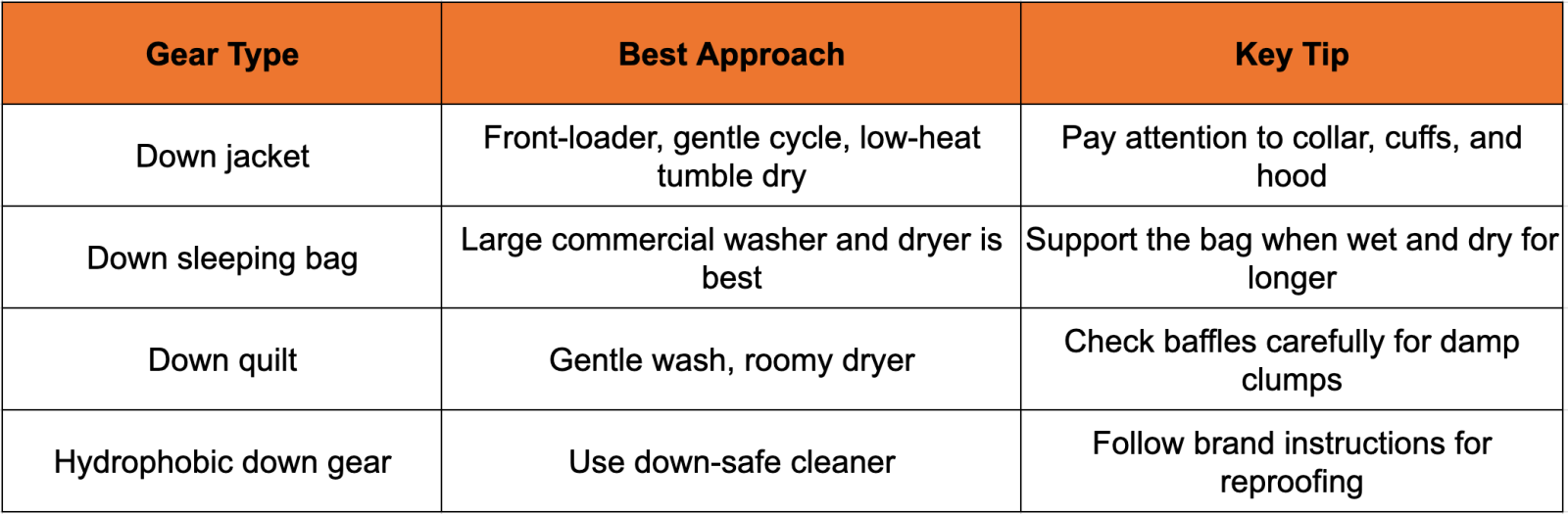
Note: Hydrophobic down is down that has been treated to resist moisture so it can help the insulation dry faster and hold onto loft better in damp conditions, but that doesn’t make it completely waterproof and you still need to wash it with a down-safe cleaner and dry it properly.
You don’t need a huge gear-care setup to look after down properly, but a few simple items make the job much easier.
Start with a down-specific wash rather than standard laundry detergent. Wild Earth stocks options like Nikwax Down Wash Direct and Grangers Down Wash, which are made for cleaning down-filled jackets, quilts and sleeping bags without leaving the kind of residue that can affect loft.
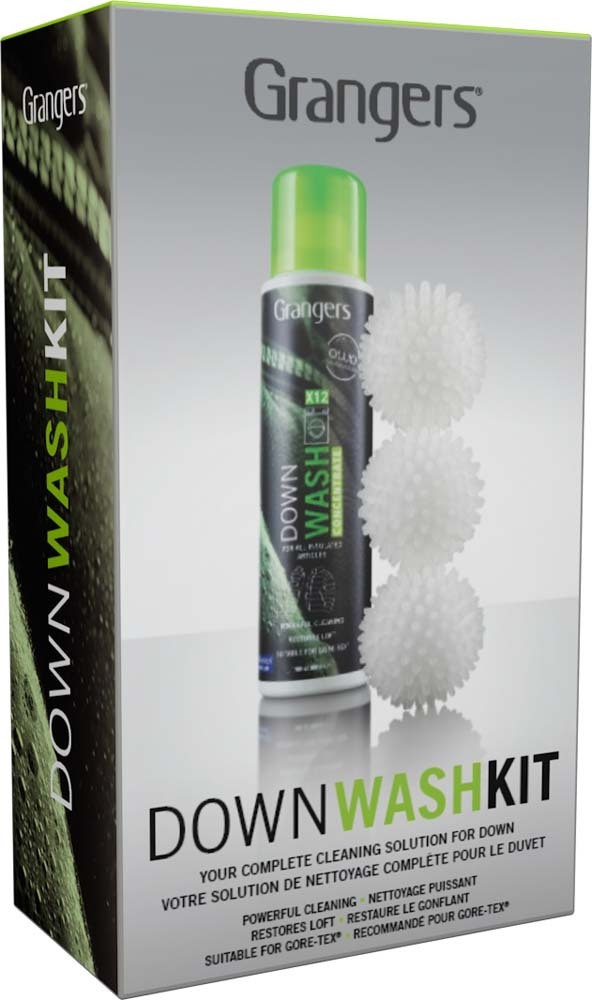
If you want an easy kit, the Grangers Down Wash Kit is what I use and it’s a practical option because it includes the wash and dryer balls, which help break up clumps and restore loft during the drying process.
It’s also worth keeping repair tape in your gear-care kit because small tears or feathers poking through the shell should be patched before washing, especially on lightweight down jackets and sleeping bags. Gear repair products by brands like Gear Aid or Fab Patch are useful for quick repairs before your gear goes into the machine.
If your jacket is clean but the outer fabric no longer beads water, a down-safe reproofing treatment can help restore water repellency. Wild Earth’s gear care range includes reproofing treatments and repair products for maintaining jackets, quilts and sleeping bags between trips.
For longer-term care, a sleeping bag liner and a loose storage sack can also help reduce how often you need to wash your down sleeping bag and if you wear a base layer under your down jacket this reduces direct contact with sweat and skin oils.
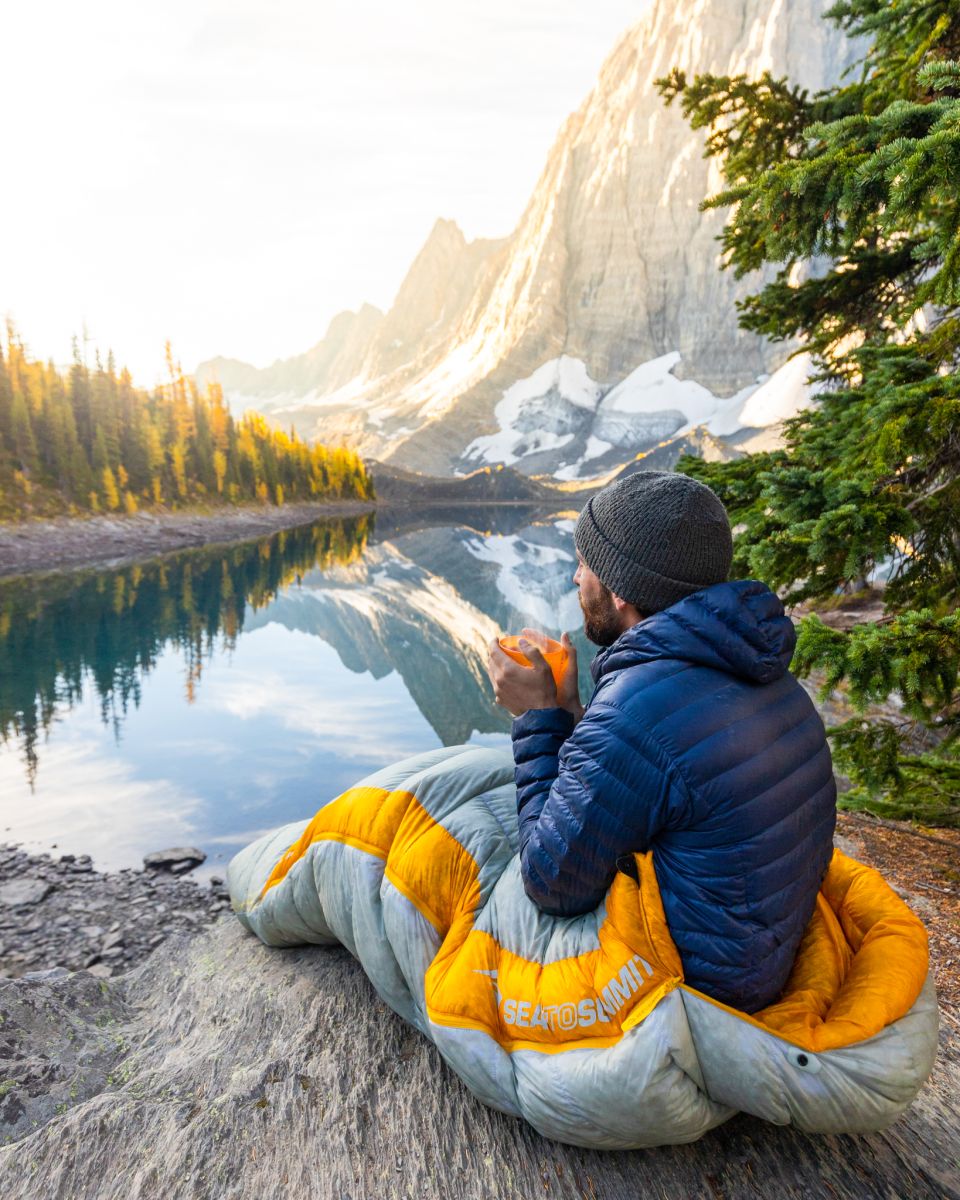
Wild Earth Ambassador Simon Ennals with the Sea To Summit Spark Sleeping Bag
Air your gear out properly after every trip rather than leaving it stuffed in a bag, and spot clean small marks early before they work their way into the fill.
For example, sleeping bags should be kept in a large breathable storage sack or hung loosely in a dry cupboard not compressed in a stuff sack for months at a time because prolonged compression reduces loft, and it's one of the easiest things to avoid.
Good quality down gear is built to last a lifetime and with the right care you can supercharge its longevity and performance over time. Make sure you only wash it when it needs it and you use a down-specific cleaner, rinse it thoroughly, dry it slowly on low heat, and store it uncompressed. Do that, and your favourite jacket or sleeping bag should stay warmer, loftier, and more reliable for many trips to come.
Not sure what gear you need for your adventure? Chat with our friendly team of Outdoor Gear Specialists in-store or online today, and don’t forget to share your adventures with us on Instagram by tagging @wildearthaustralia in your next post.
Can you wash a down jacket at home?
Yes, many down jackets can be washed at home in a front-loading washing machine. Use down wash, choose a gentle cycle, rinse well, and tumble dry on low heat with dryer balls. Always check the care label first.
Can regular detergent ruin down?
Regular detergent may leave residue, reduce loft, or affect water repellency so a down-specific cleaner is safer for down jackets, sleeping bags, and quilts.
How do you make a down jacket fluffy again?
Wash it with down wash, rinse thoroughly, then tumble dry on low heat with two to three dryer balls or clean tennis balls. Be sure to stop the dryer occasionally to shake the jacket and break up clumps.
Why is my down jacket clumpy after washing?
It’s probably still wet inside. Keep drying it on low heat and gently break up the clumps by hand between cycles.
Should you dry clean down gear?
Usually this is a hard no. Most down gear is designed to be washed with a down-specific cleaner. Make sure you check the care label on your gear before using any cleaning method.


New to trekking poles or ready to upgrade? This guide covers everything you need to know—how to use them, what to look for, and which type suits your adventure. Plus, we spotlight some of the best poles and brands available at Wild Earth Australia.
When I picked up the Osprey Kyte 46 eight years ago, I needed a reliable pack for hiking. What I didn’t expect was how versatile and long-lasting it would be. Over the years, it’s accompanied me on countless hikes, travel and everything in between

You don’t always need to take weeks off to have a real adventure. Some of the best micro-adventures in Australia fit into a single day or weekend, from coastal walks and island overnighters to granite peaks and outback expeditions.

Before Sea to Summit was a gear brand, it was a human-powered Everest expedition. Here’s what Tim Macartney-Snape’s story teaches us about better gear.












Using Afterpay you can pay for your order over 8 weeks. There's no interest or added fees* and nothing to pay today. Payment will be automatically taken from your debit or credit card in four equal payments each fortnight over 8 weeks, and you will receive your order immediately.
You simply need:
To use this service simply:
Approved AfterPay buyers will require the funds for the first payment to be available on their card at time of checkout, however the first payment won't be deducted for 14 days. First time AfterPay buyers will need to make the first instalment payment at the time of their purchase.
If you wish to return your goods you can choose to receive an exchange, or the Afterpay payment plan can be cancelled before the first payment at no charge. *If you fail to have sufficient funds available for AfterPay to automatically deduct payment on due instalment dates you will be charged a late fee of $10, and if the instalment payment remains overdue, an additional $7 will be charged one week later.
With AfterPay, there's no waiting and we'll ship out your order immediately as normal.


When you want to go now, sometimes it's handy to pay later. That's why, we offer interest free payment plans from two of Australia's favourite Buy now, Pay later services.