Total Items: 0
Sub Total: $0.00
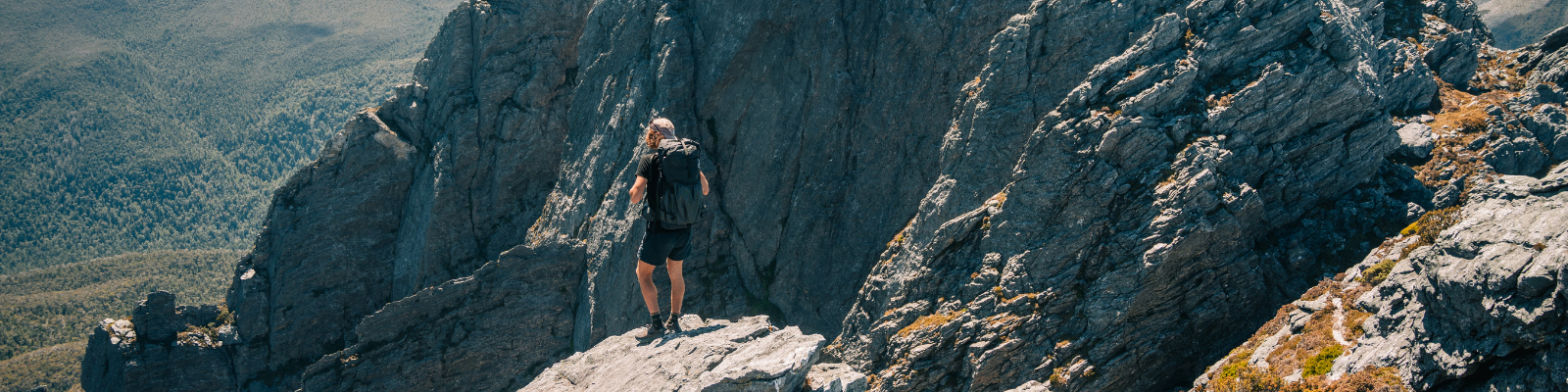
Ultralight backpacking is basically the art of minimalism on the trails. It's about bringing less so you can hike without feeling like your pack is weighing you down.
Table of contents
For some people, this feels more like freedom. For others… the trade-offs just aren’t worth it. In this guide, we’ll break down the Big 4 (pack, shelter, sleeping bag/quilt and mat) plus clothing, water, cooking, and safety and then give you three sample base-weight kits you can copy and tweak for your own epic, ultralight adventures.
To be clear, this article is not advocating for ‘stupid-light’, just to win a number on a spreadsheet. The goal shouldn’t be skipping a safe night's sleep to shave off 400 grams but instead to lighten the load within reason, especially here in Australia, where heat, rough tracks, and long water carries can turn 'a bit heavy' into 'lord, help me.'
.jpg)
When people talk about going ultralight, they’re usually talking about base weight. As mentioned above, generally, base weight everything in your pack that isn’t a consumable item. So, it doesn’t include your food, water, fuel… and it also doesn’t include what you’re wearing while hiking like shoes, hiking clothes, hiking poles in hand, etc.
It’s not a perfect system (because, water is the real elephant in the room in Australia), but base weight is useful because it’s the part you can control. Food and water change every trip so it's your gear choices that really set the foundation.
You’ll see ‘base weight’ mentioned a lot in ultralight circles, but pack weight is the number your body actually feels on the trail. Base weight (your gear foundation), is everything in your pack, excluding consumables:
It’s useful because it’s the part that stays pretty consistent from trip to trip. If you swap a tent or sleeping bag, your base weight changes permanently.
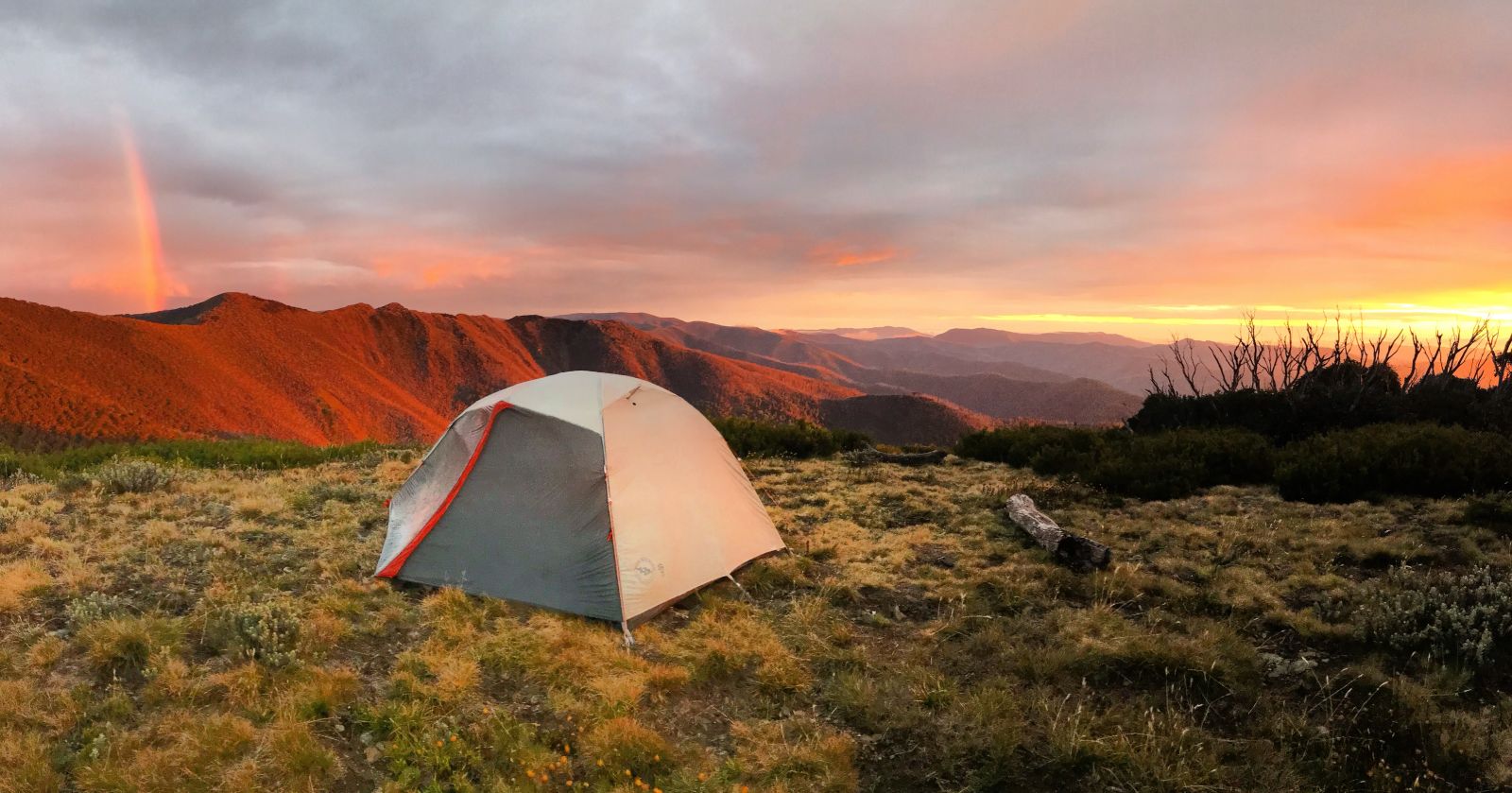
You can have your base weight dialled but the additional water carry can be the real kicker.
Base weight is where you make long-term improvements (Big 4 upgrades, fewer duplicates, smarter layering). Pack weight is what determines comfort and carry performance, especially when water carries push you into heavier loads.
Practical takeaway: if you regularly do long water carries, it can be worth choosing a backpack that carries well at higher total weights even if it’s a little heavier on paper because it’ll feel better when your pack weight spikes.
.jpeg)
Australian conditions can be demanding, and pack weight has a bigger impact here than many hikers expect. A lighter setup improves comfort and efficiency and it can also reduce the risk of fatigue-related mistakes on track.
In hot weather, heavier packs increase effort and heat load. More effort usually means more sweating, and that means higher water requirements. Hydration guidance commonly recommends adjusting fluid intake based on heat and exertion, which is especially relevant on exposed Australian trails. This means cutting non-essential weight helps you manage heat stress and maintain steadier pacing across long, exposed days.
Water capacity is often non-negotiable in Australia. On routes such as the Larapinta Trail, water availability can vary between sections and hikers often need to plan carries very carefully. The trail is 230km+ and split into sections (often 1–2 days each). If you’re carrying 4–8L at times, that’s 4–8kg added instantly before food. In those scenarios, saving weight elsewhere (pack, shelter, sleep system) becomes one of the best ways to keep total carry weight manageable by prioritising a lighter base kit so you can carry the water you need without tipping into an uncomfortable or unstable load.
Loose rock, uneven surfaces, sand, and scrubby tracks are common across many Australian hiking areas. Heavier loads increase fatigue and can affect balance and foot placement. A lighter pack makes it easier to move confidently, especially late in the day when tired legs are more likely to misstep. Ultralight doesn’t mean risking safety, it just means choosing efficient gear that keeps you stable and reduces strain over time.
Conditions can change quickly in Tasmania and alpine regions, and closures can occur due to fire or severe weather. Even well-known routes like the Overland Track (65 km, commonly 6 days) can be affected by fire impacts or conditions. This is why a lighter setup should still include the essentials for warmth, rain protection, navigation, and emergency readiness, especially in areas where weather can shift quickly.
Going ultralight in Australia is less about counting grams and more about building a kit that’s efficient, reliable, and suited to heat, water carries, and variable conditions.
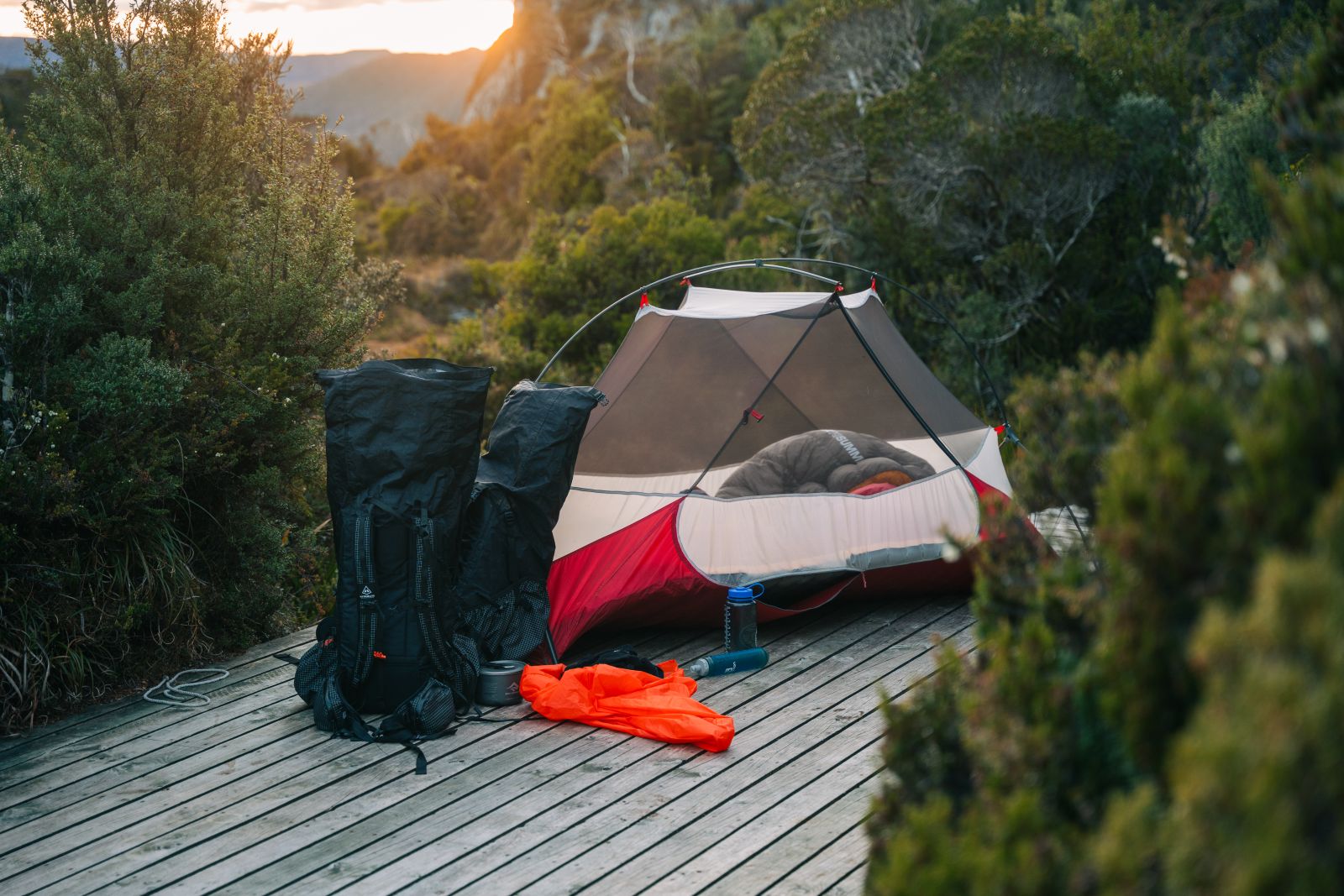
If you want the quickest, most noticeable drop in pack weight, start with the Big 4:
These four categories usually make up the biggest chunk of your base weight, so even small upgrades add up fast. As a rough example: saving ~300g in each area gets you close to ~1kg total without needing to cut the stuff that makes you comfortable on track (like warm layers, a proper meal setup, or safety essentials).
These ranges aren’t rules, they’re just handy targets when you’re comparing options.
Australia has a way of exposing pack weaknesses quickly, especially in heat and during long carries.
Volume discipline (don’t buy bigger 'just in case'). Most ultralight hikers end up around 40–55L as a bigger packs often just invite extra “maybe I’ll need it” gear. But a great tip is to make sure you don’t buy the pack first. It’s tempting to start with the backpack, but it usually backfires. Choose your shelter and sleep system first, then buy the smallest pack that fits your kit comfortably (with room for food and the water capacity you need).
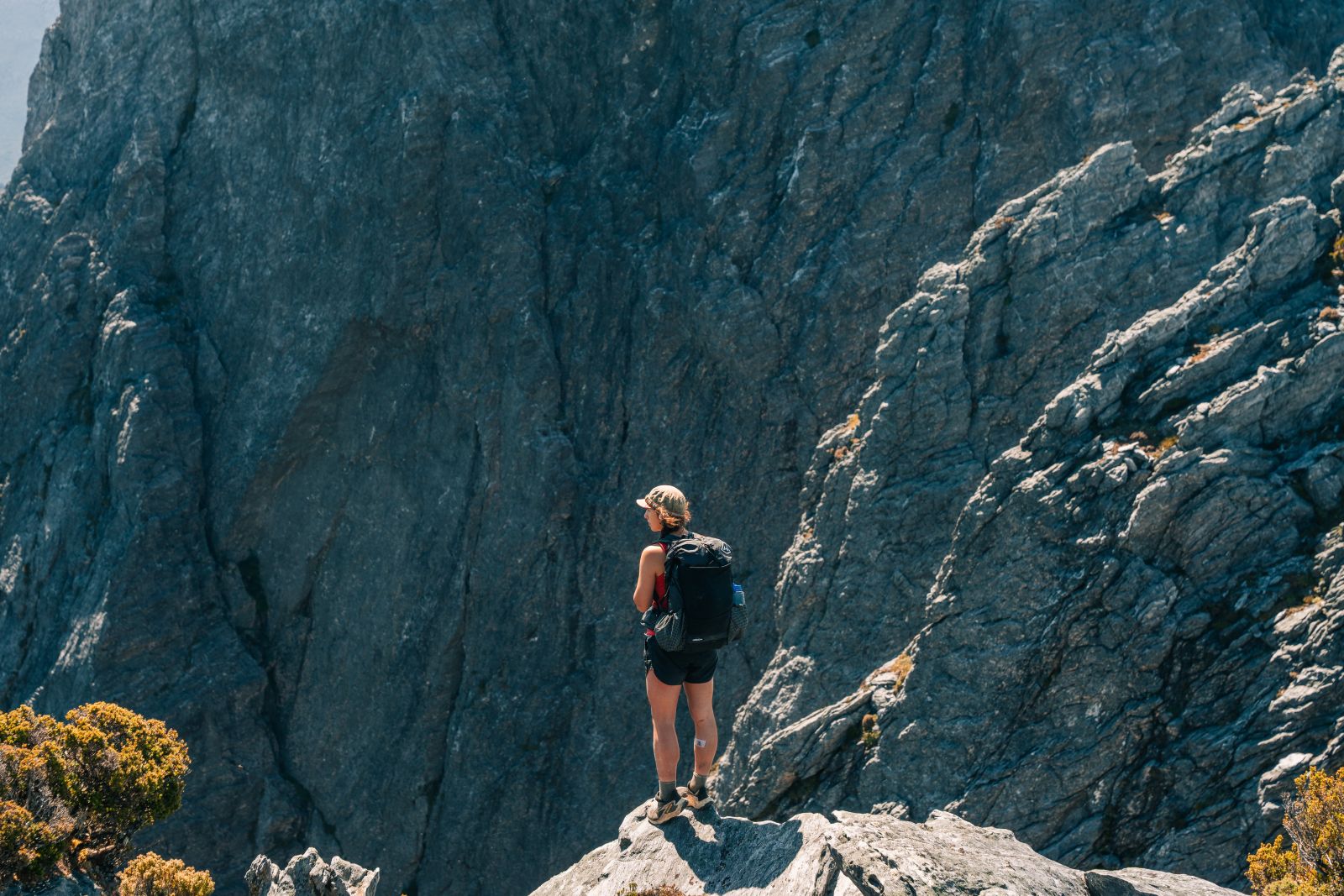
Your shelter is one of the biggest levers for dropping weight but it’s also the piece that can make (or break) a trip if the weather turns or the bugs are relentless. The goal is to match the shelter to your conditions, not just chase the lowest number. Here are some shelter options from light to lightest.
The simplest option for most hikers. Fast to pitch, more forgiving on awkward campsites, and generally easier in wind if you’re tired and just want it up. The trade-off is weight: more poles and structure usually means more grams.
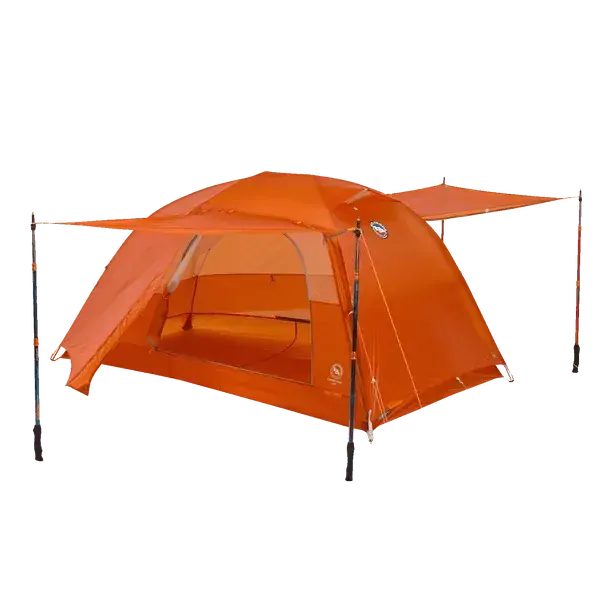
A popular ultralight step because they use trekking poles as part of the structure. If you already hike with poles, this can be one of the best weight savings without sacrificing protection. They do take a little practice to pitch well, especially in wind or on uneven ground.
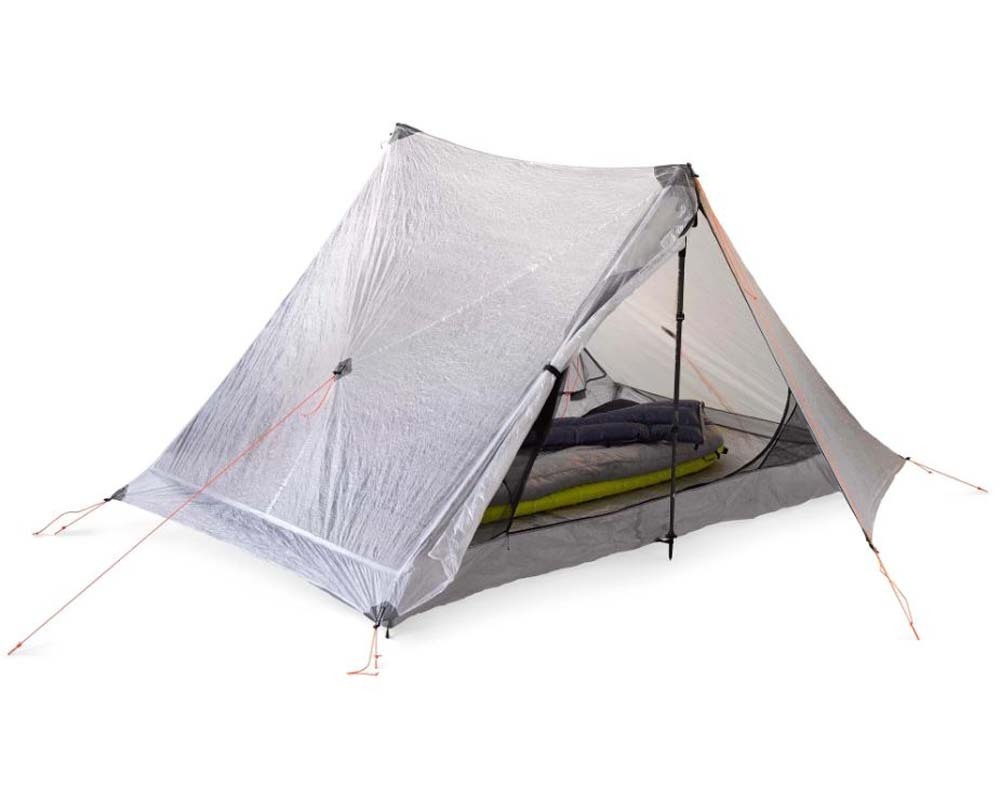
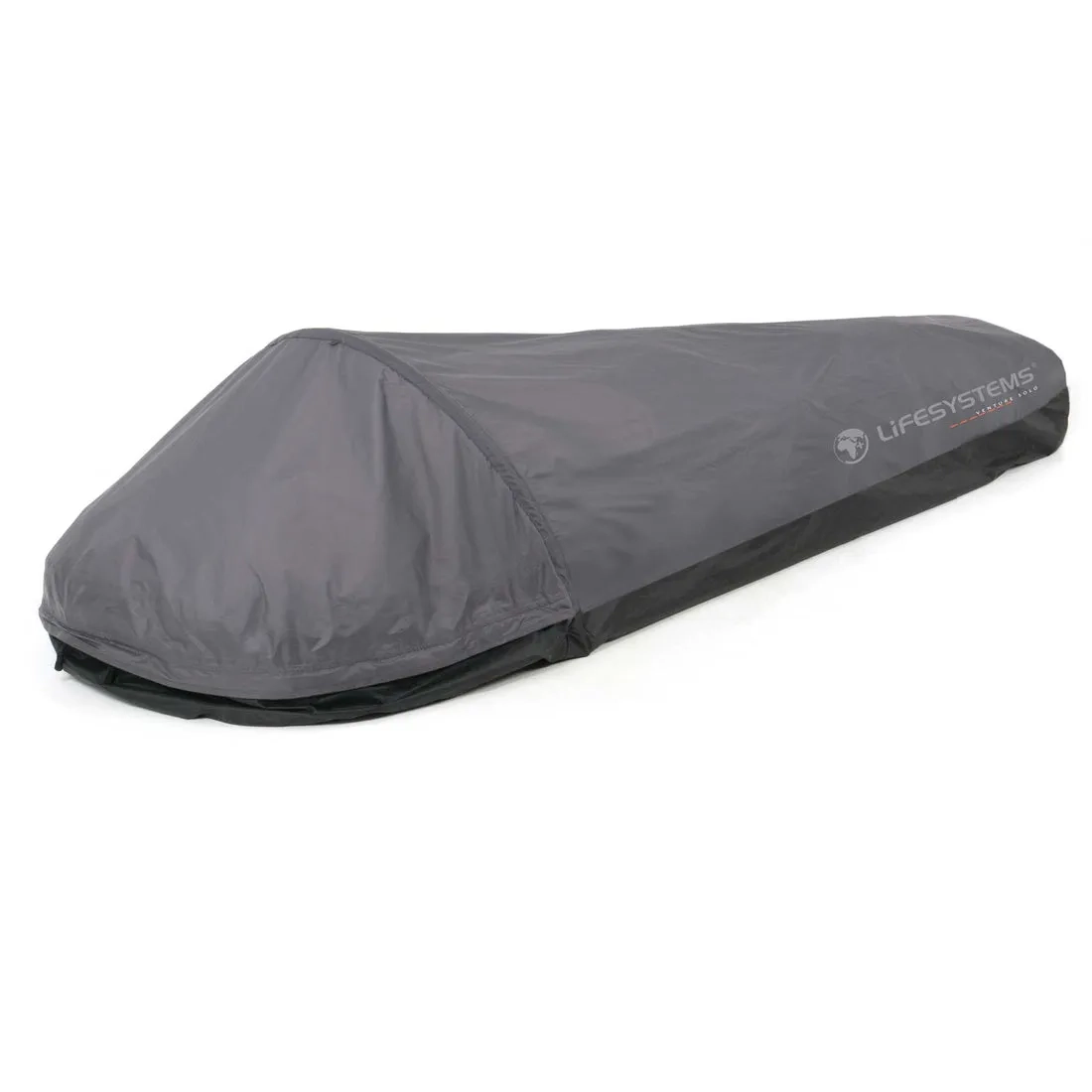
This is the minimalist end of the spectrum. You can save serious weight, but you’re trading convenience for skill: site selection matters more, wind direction matters more, and you need to be comfortable with a more open setup.
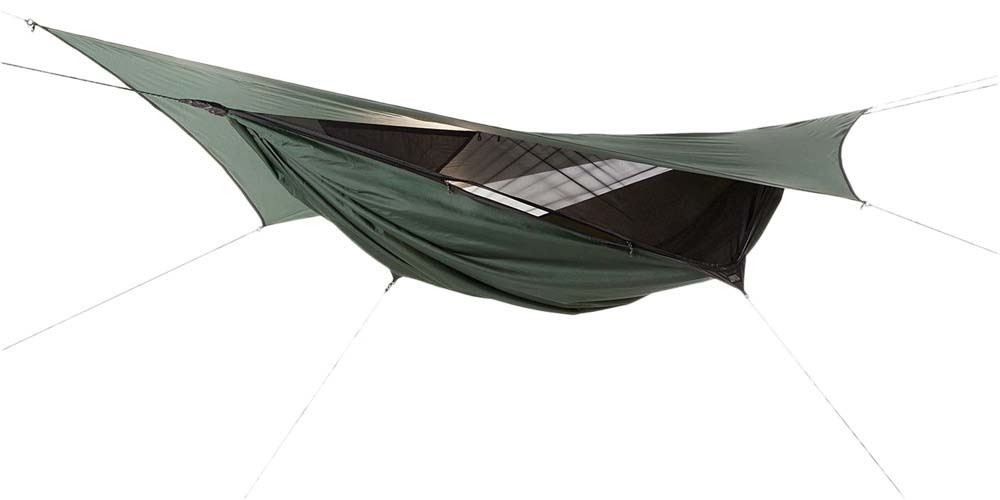
Hammocks can be an excellent option when the route has reliable trees and you want max sleep comfort off the ground. Just keep in mind, once you add a tarp, suspension, and under-insulation, the total weight isn’t always lighter than a good ultralight tent.
If you want a practical shelter setup that works in most places, start here:
A lighter pack is only helpful if you’re still sleeping well. On multi-day walks, recovery is everything and your sleep system is one of the biggest factors in how you feel the next day. A complete sleep system has two jobs:
Quilts are becoming the go-to for lightweight setups because they typically offer a strong warmth-to-weight ratio and pack down small making them a great option for many Australian three-season trips, particularly if you tend to sleep warm and you’re comfortable managing drafts (using good pad attachment straps and a suitable sleep layers).
Sleeping bags are generally more sealed and draft-resistant, which can be a better match for colder nights, exposed camps, or conditions where wind and moisture increase heat loss. If you sleep cold, move around a lot, or prefer a simpler zip up and sleep setup, a sleeping bag can be the more reliable choice even if it weighs slightly more.
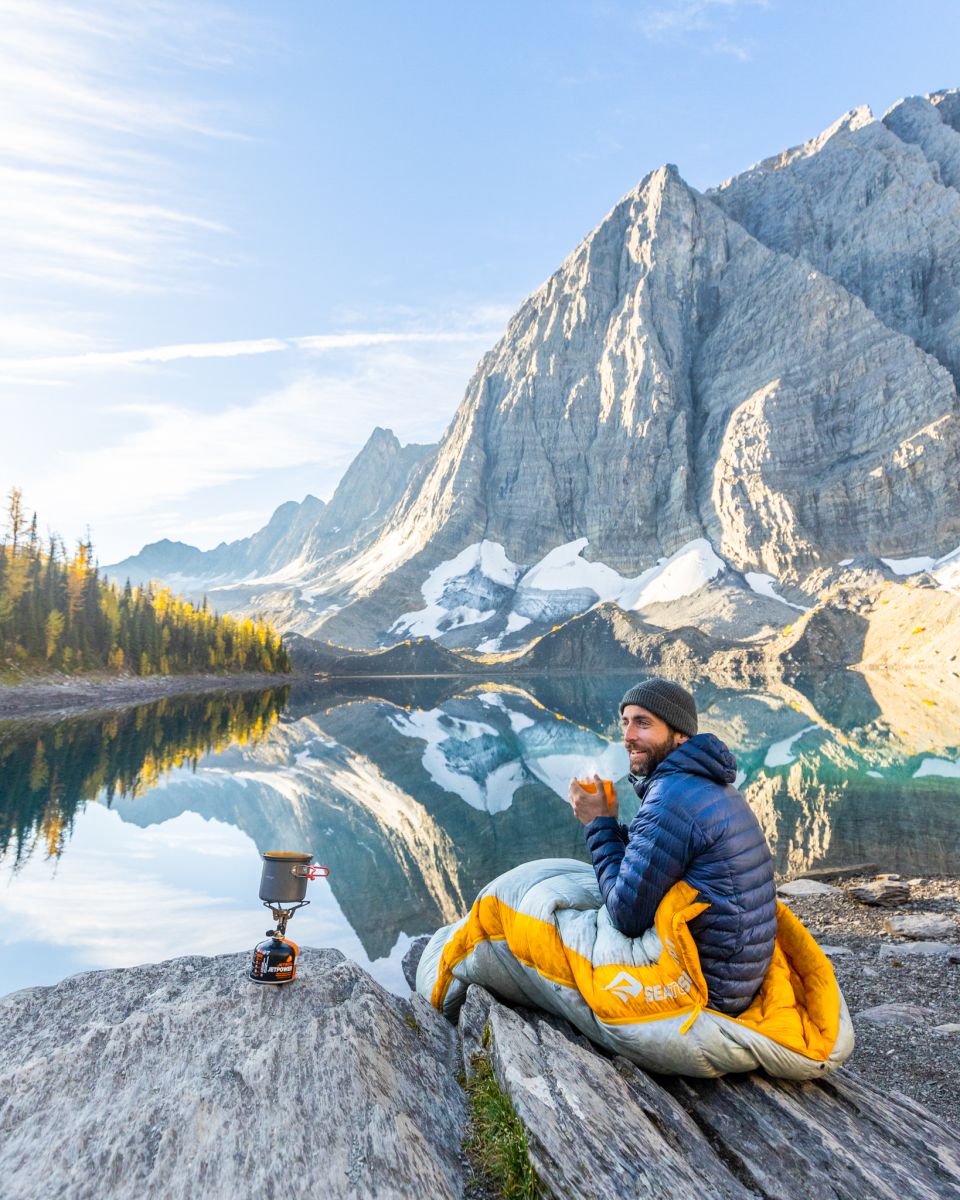
It’s common to focus on trimming grams from the quilt/bag and overlook the mat but ground insulation is critical. Even in Australia, nights can be cold. Such as in Tasmania, the alpine regions like Kosciosco, or during shoulder seasons, and a mat that’s too thin or not warm enough will undermine your whole setup. A good rule is that if you’re going to prioritise one part of the sleep system, prioritise the mat you sleep best on, then choose the lightest quilt or bag that matches your typical conditions.
If there’s one place ultralight hikers get “stupid-light” by accident, it’s the sleeping mat. A mat isn’t just about comfort. It’s your bottom insulation, and if it’s too cold or too thin, you’ll sleep badly, recover poorly, and spend the next day dragging your feet. A warm, supportive mat lets you choose a lighter quilt or sleeping bag without feeling like you’re bleeding heat into the ground all night.
If you’re heading remote or expect sharp ground, a thin foam mat under an inflatable gives you redundancy, extra warmth, and protection, without adding a huge amount of weight.
This is where a lot of people land without even trying too hard. You’ve got a bit more buffer for the little luxuries and don’t look for pushing the limits in terms of distances in a day.
This is also the zone where hiking is still enjoyable, but you definitely feel it on long climbs or sandy/rocky days.
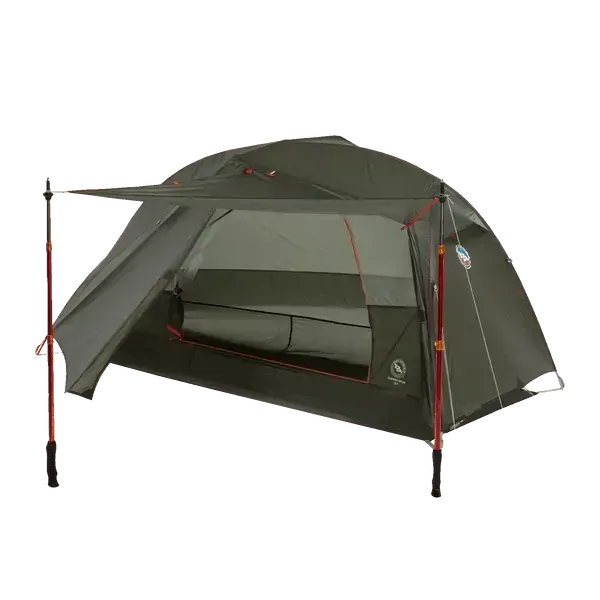
This three-season, freestanding, ultralight tent has won numerous awards over the years including last year’s Wild Earth Gear of the Year. Thanks to their new levelled up HyperBead™ fabric, the latest Copper Spur UL is lighter, stronger, and more waterproof than ever! The high ceiling freestanding design makes it nice and roomy with epic features including llike multiple gear storage pockets, an awning-style door, and generous vestibule space. When ultralight comfort is the priority, the Copper Spur UL is your ultimate home away from home (note:trekking poles and footprint sold separately).
Warm enough for a lot of Aussie shoulder-season trips, and quilts can feel roomy without adding grams. The One Planet Nitrous -3°C Sleeping Bag (Regular, RHZ) is built for cooler alpine environments where weight, packability, and thermal performance matter. Sized for users up to 187 cm and packed with 800–850 loft down, it’s ideal for three-season hikers.
.webp)
Nemo’s Tensor All-Season offers greater warmth for four-season use without adding any weight. Designed to be a go-to pad all year long, it straddles all seasons and keeps its reputation for low-decibel dozing. The pad's interior features NEMO's proprietary Spaceframe baffle design, which utilises low-stretch fabric trusses to create stable support and offer just the right amount of give - all while avoiding any wobbly waterbed feeling.
.jpg)
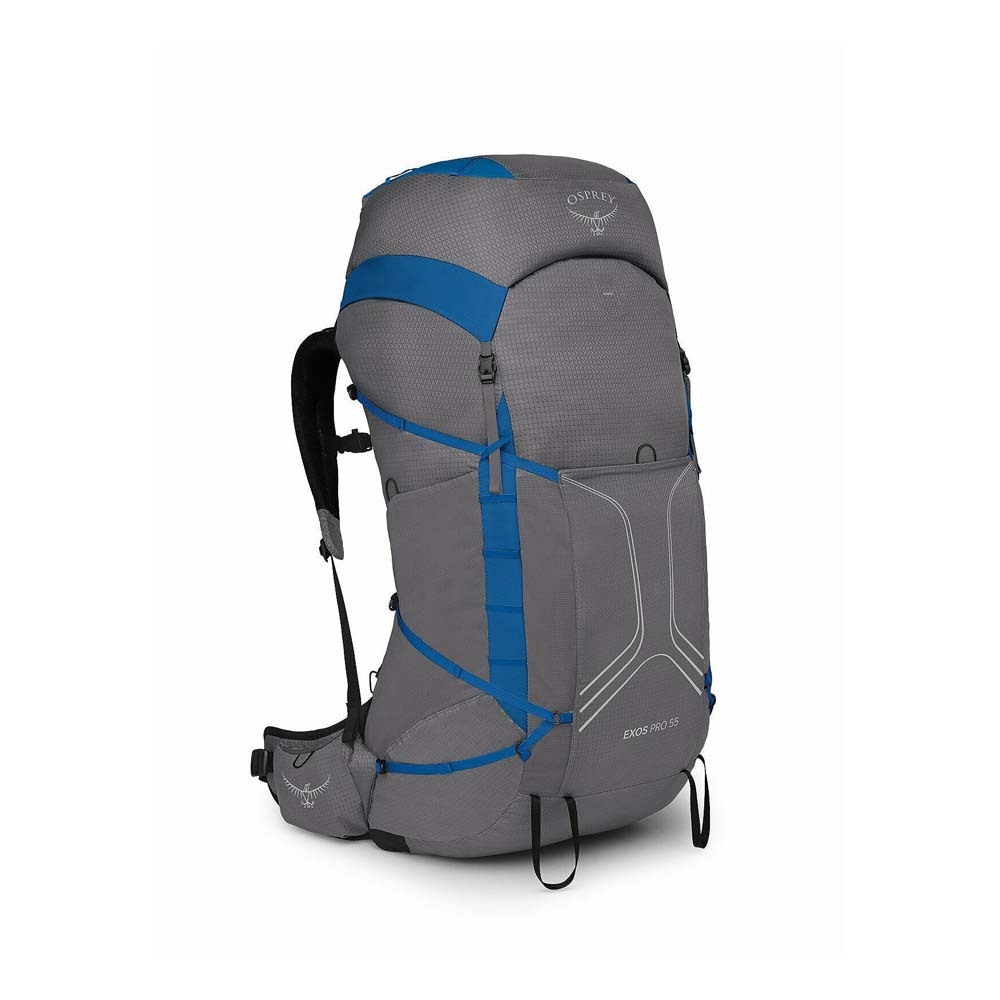
Now about 0.45 kg lighter and featuring a more fine-tuned adjustment system, the Osprey 55-litre Exos Pro is the most comfortable ultralight thru-hike backpack in its weight class. A highly-ventilated AirSpeed backpanel supports light loads with ease while maintaining maximum airflow across your back, making it an ideal pack for your most long-distance endeavors on the Larapinta Trail, Cape-To-Cape Trail and beyond.
This set up works because you get the biggest comfort returns (tent livability and sleep quality) without hauling a full-weight traditional setup.
This is the sweet spot for a lot of hikers as it’s light enough to feel agile, but not so stripped back that it becomes type-2 fun. Your Big 4 is where you win with an ultralight backpack, ultralight shelter and ultralight quilt/ sleeping bag.
This is also where you start noticing the benefits of going lighter. Like less time faffing around looking for essentials, less packing stress, more energy at the end of the day.
Already the ultimate tent for extreme minimalists, Hornet Elite OSMO takes it to the next level with thoughtful updates and the new proprietary OSMO™ fabric. Delivering 4x better water repellency and 3x less stretch when wet, our new OSMO tent fabric is also made from 100% recycled yarns free from any PFC or PFAS. The first of its kind, it was carefully designed for both exceptional performance and reduced impact on the planet.
.jpg)
If you're counting grams, but still count on a great night's sleep, the Spark may be the right bag for you. Filled with RDS-certified 850+ fillpower goose down treated with a non-PFC Ultra-Dry Down treatment, the Spark is constructed with a technical hood and zipper draft tube to retain warmth. Comfort comes from a super-breathable 10 denier liner fabric, while a 10D shell with a non-PFC DWR plus a highly water repellent hood and footbox fabric shed wind and condensation. The full-length zipper model can be zipped to an equivalent Women's Spark for comfort that couples can share.
.jpg)
The latest evolution in ultralight comfort, the NeoAir XLite NXT - Solar Flare edition redefines all-season performance with its PFAS-free construction. Designed for serious adventurers who demand comfort without compromise, this pad features the same high-performance technologies in a cleaner, more sustainable build. Quieter, thicker, and just as packable, the XLite NXT offers unmatched support for backcountry expeditions, alpine climbs, and long treks in any season.
.webp)
This is the skip the bells and whistles philosophy in backpack form. The Southwest is a versatile, adaptable, and capable tool for nearly any adventure. Since its introduction over fifteen years ago, countless backpackers have seen and done it all with theirs. The Southwest's main pack body is built with a new, fully woven Dyneema 200-denier fabric that offers more durability than ever before with the same signature lightweight and 100% waterproof qualities. With solid-fabric exterior pockets that offer added protection for whatever's inside in abrasive, rocky terrain, the Southwest is a comfortable pack that delivers premium performance wherever you're headed.
This kit works because you’re cutting weight where it matters (pack and sleep system), without doing weird stuff like skipping dinner to save 200g.
This is the zone where skills start replacing gear (skills being the keyword here).
We’re not saying 'don’t do it.' Just… if you’re new to this, 7–8 kg is a better target than 5–6 kg. You get most of the benefits without risking your sleep and safety and this is where skills replace gear. You can absolutely do it… but you need to be honest about your conditions, your routes, and your tolerance for discomfort.
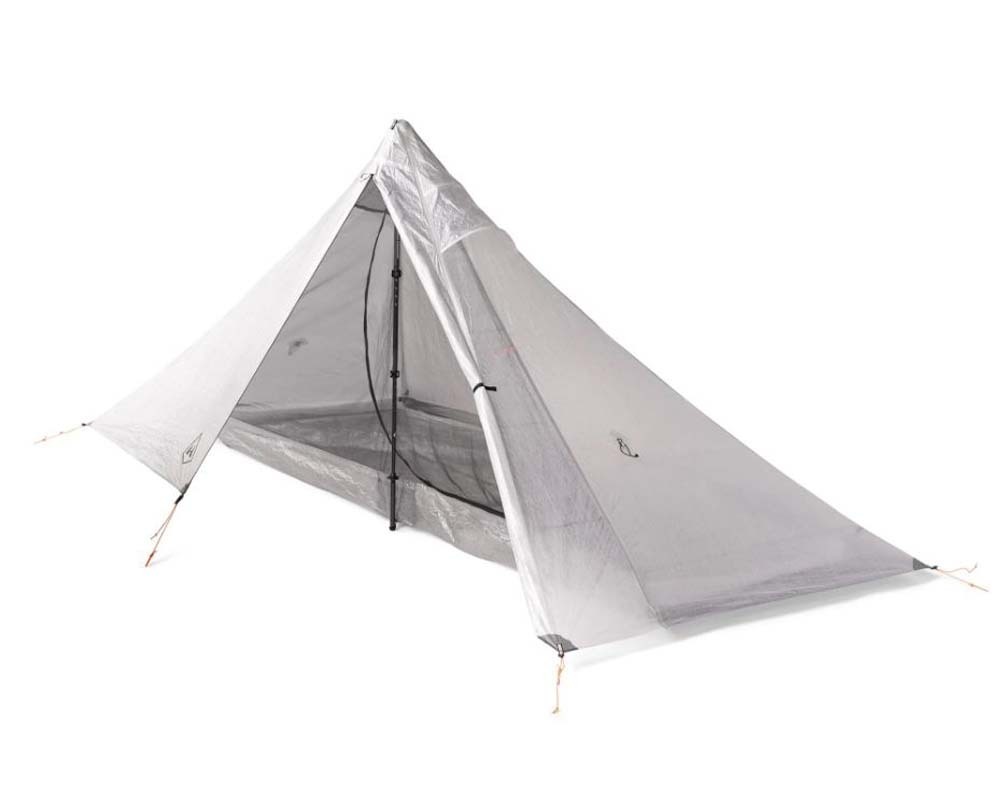
If we had to pitch our version of the perfect ultralight, three-season backcountry shelter for solo backpackers, the Mid 1 is it. For the backpacker that enjoys the simplicity and solitude that comes with solo travel, the Mid 1 three-season pyramid tent fits the vibe. Constructed with our trusted and favorite blends of ultralight, durable, and 100% waterproof made-in-the-USA Dyneema Composite Fabrics. This is “bring trekking poles and know how to pitch” territory. Amazing weight. Not beginner-friendly.
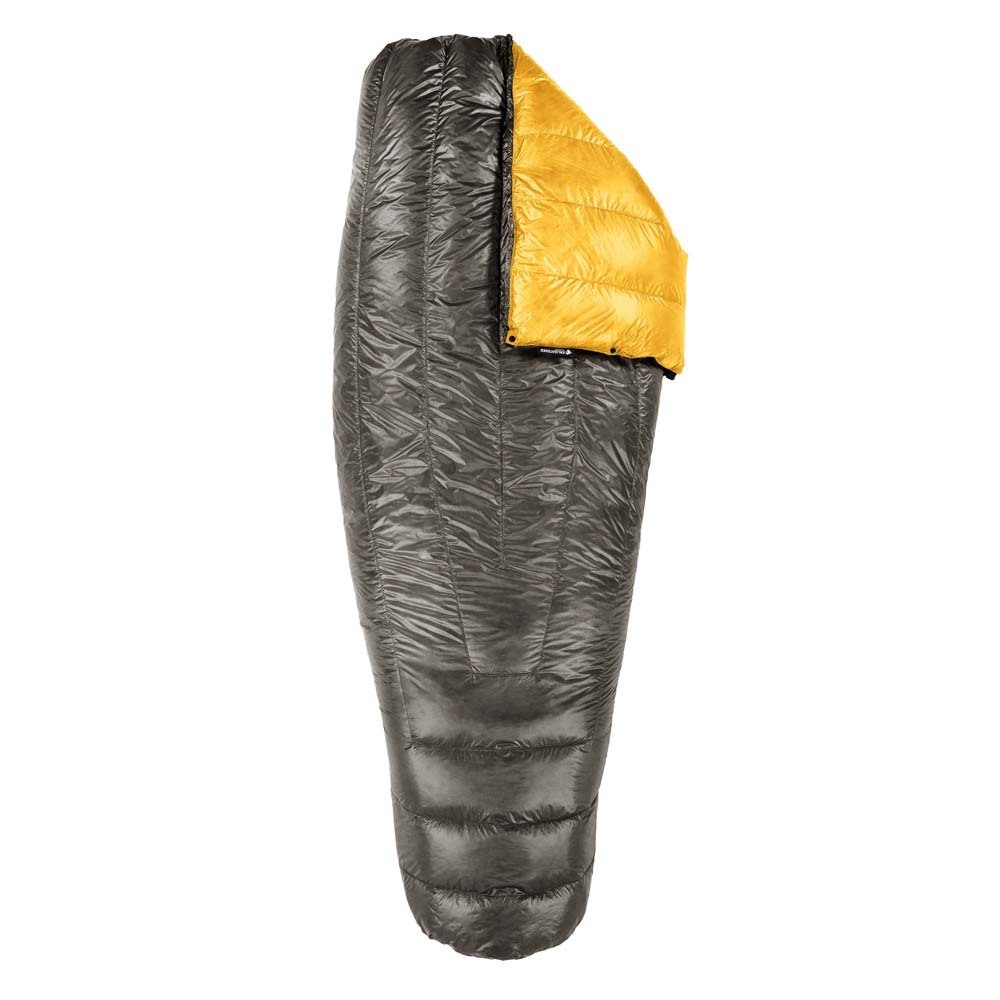
Ridiculously light for what it is. This minimalist sleeping quilt features a completely sewn-closed footbox, the Enigma is the perfect ultralight quilt for those who always get cold feet. Exceptionally warm and extraordinarily light, the Enigma offers upper body freedom of movement while providing structure for your feet. Note: the Enigma is a sleeping quilt, not a sleeping bag, which means it's designed to be used with a sleeping pad to provide insulation underneath you, between you and the ground.
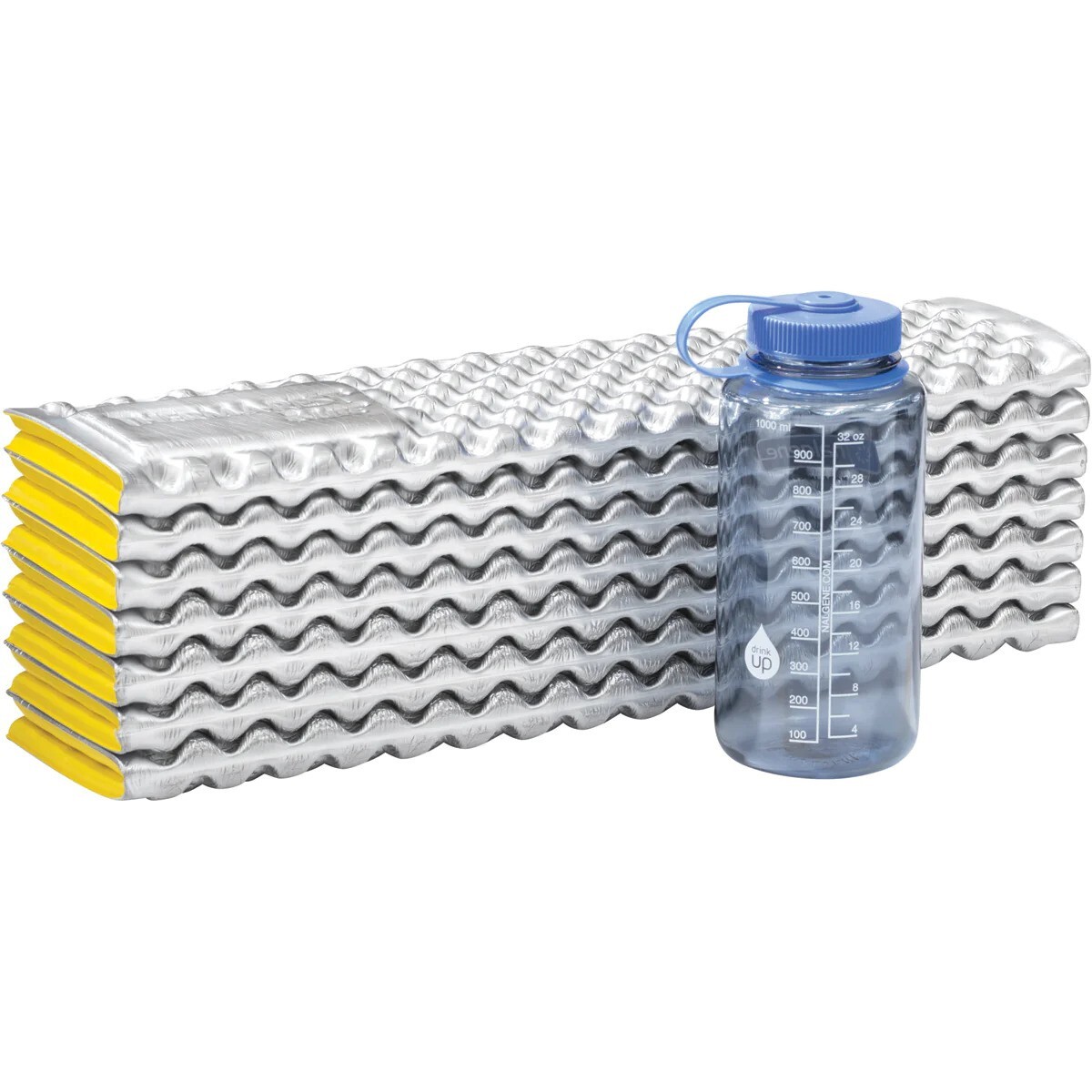
The Therm-a-Rest Z Lite SOL is a classic for a reason. This 3-season closed-cell foam mat is lightweight, tough as nails, and ready for everything from fast-and-light overnighters to multi-day hikes where reliability matters more than luxury.
The accordion-style design folds down quickly and straps easily to the outside of your pack. There’s no valve to break, no punctures to worry about, and it works even when it’s wet, sandy, or freezing.
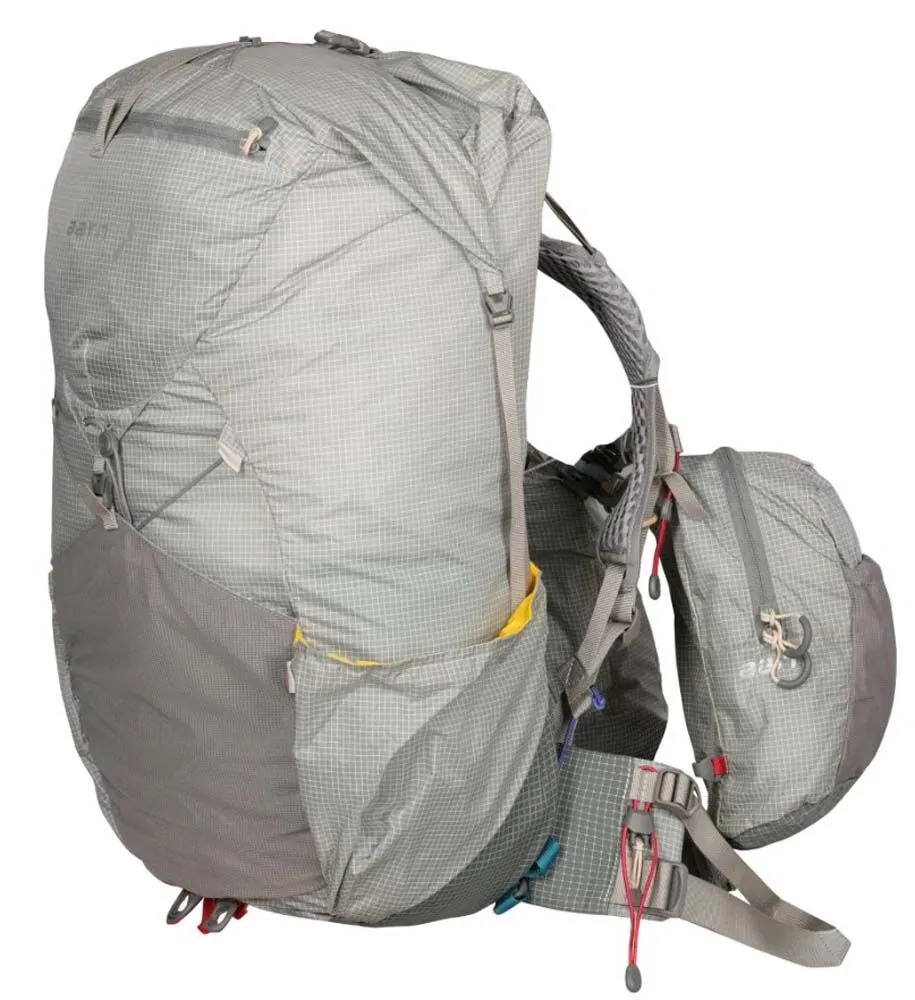
The Aarn Mountain Magic Pro 50L is built for hikers who want to carry efficiently, stay stable on rough ground, and keep moving comfortably all day. Designed for multi-day adventures, it combines a lightweight build with Aarn’s signature load balance approach, helping the pack sit closer to your centre of gravity for better posture and less fatigue.
This is a pack that shines when the trail gets technical, the days get long, or you’re carrying food and water for remote sections. The harness and hipbelt are designed to support a comfortable, dialled fit, while the 50L capacity gives you enough room for a full overnight kit without feeling like you’re hauling a suitcase.
The goal for lightening the load should be to ultimately carry less stuff you don’t use and make the stuff you do carry work harder. The best method for picking out an ultralight kit should be trail and error. Take an overnight hike and see what you miss and dial in from there.
When it comes to clothing, 'ultralight' isn’t about packing fewer items for the sake of it but instead about building a simple layering system that works across heat, wind, and unexpected weather changes. In Australia, the two big priorities are usually sun and heat management during the day and warmth, wind and rain protection when conditions shift (especially in coastal, alpine, and Tasmanian environments).
The goal is to avoid duplicates so, a good layering system lets each item cover multiple scenarios like sun, wind, light rain, and warmth at camp without overpacking.
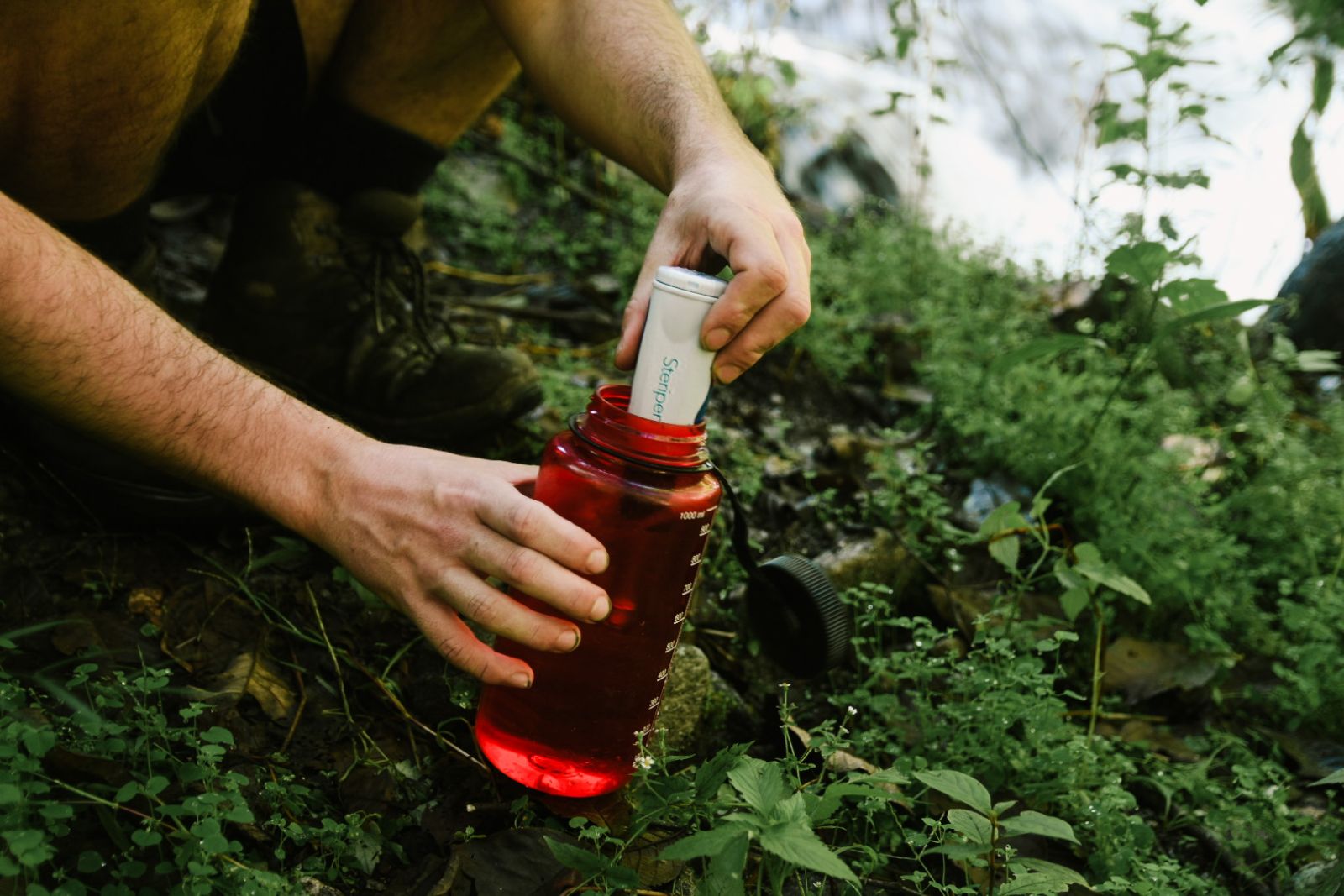
Water planning is one of the biggest variables in Australian hiking. The goal is to carry enough capacity to handle dry sections, then scale your actual carry up or down depending on conditions. So you should build a setup that can hold more when you need it, without forcing you to haul full bottles every day. A common approach is a mix of hard bottles and a bladder (for example: 2 × 1L bottles + a 2L bladder). This makes it easy to carry 1–2L on reliable sections, then bump up to 4L+ when the next refill is uncertain.
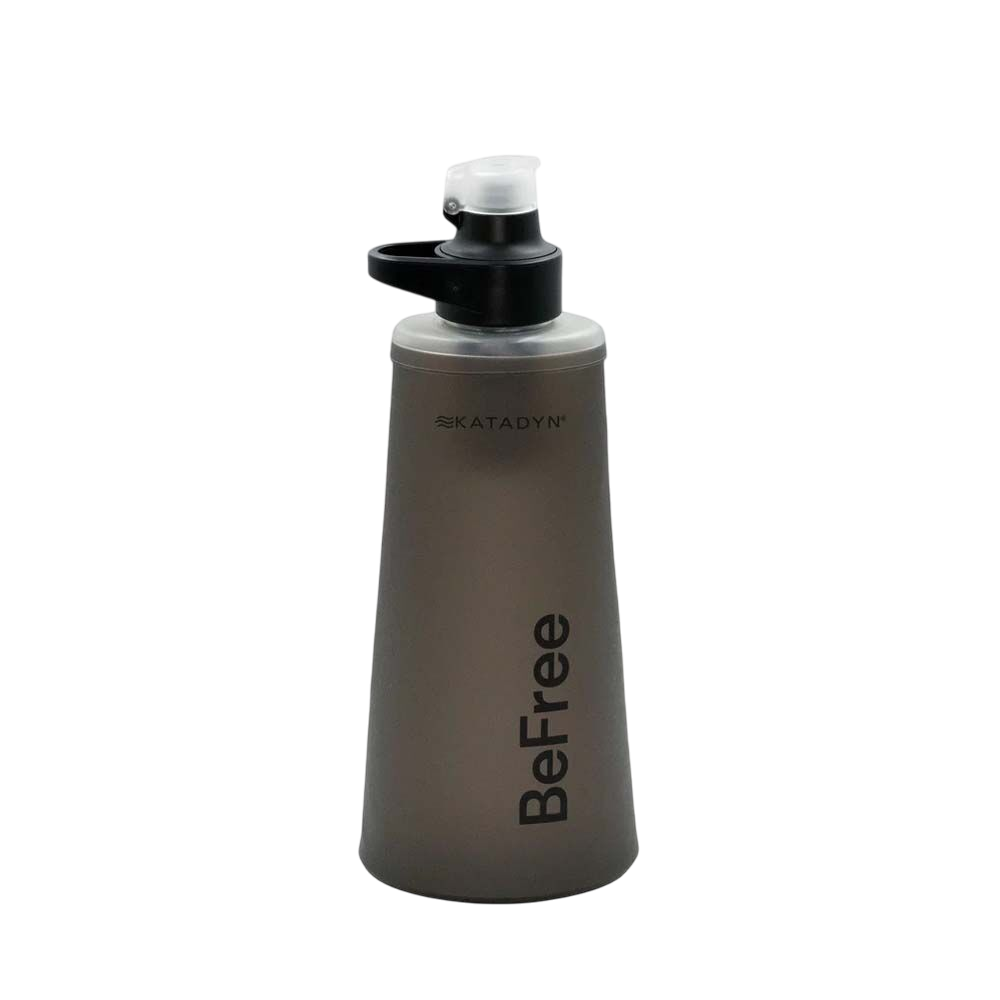
The Katadyn BeFree AC 1.0L Black is a solid pick for an ultralight-leaning kit because it keeps the “water treatment” piece simple, fast, and genuinely packable. At 76 g, it’s easy to justify in your base weight, and the double-layer soft flask is tougher than the standard BeFree without turning into a bulky hard bottle. When it’s empty, it folds down and tucks away in a side pocket.
For an ultralight-leaning kit, Lifesystems Chlorine Water Purification Tablets are one of the highest value grams you can carry. At 11 g for a full pack, they give you a tiny, no-fuss way to treat water when a filter isn’t practical, your water source looks questionable, or you just want a reliable backup for remote sections.
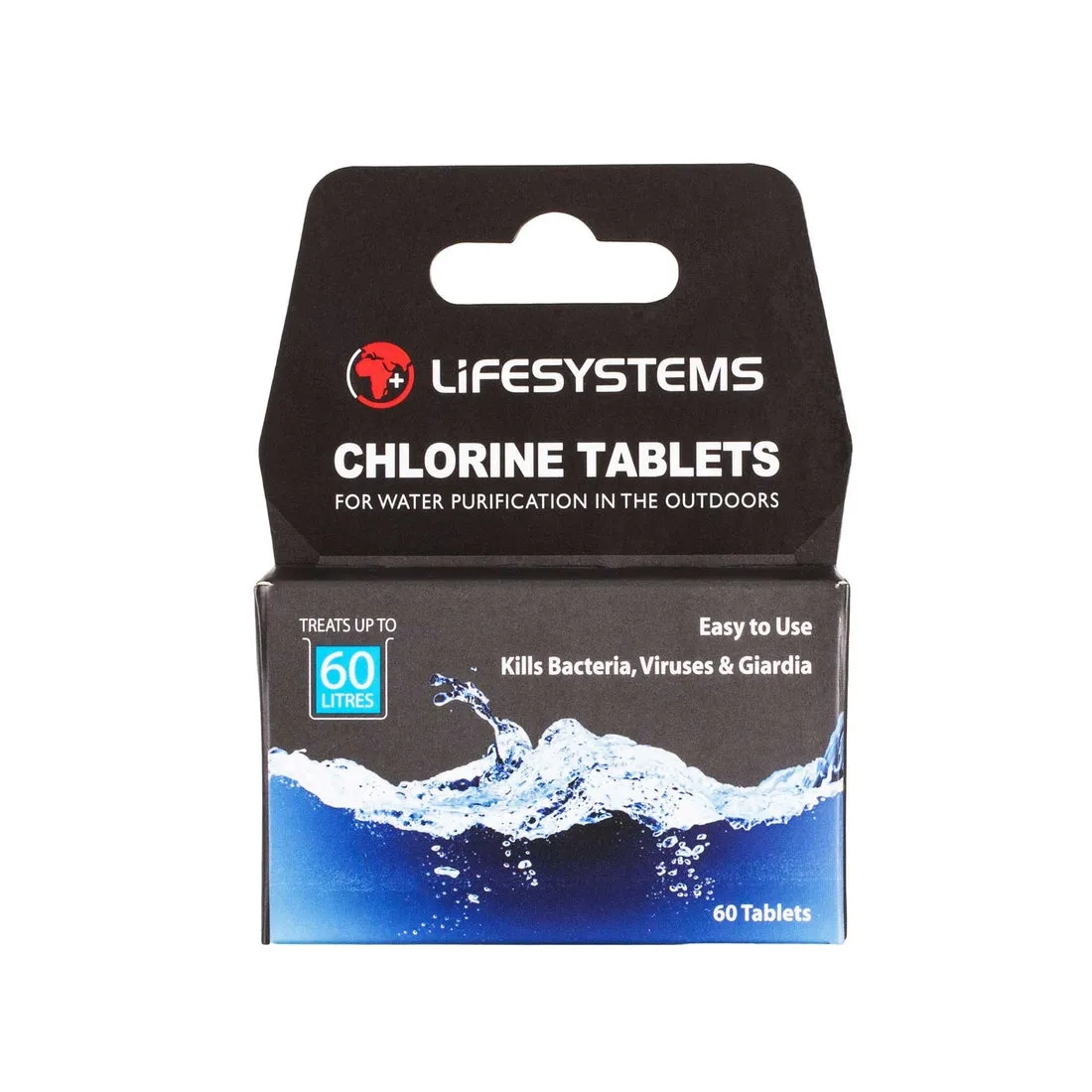
Many hikers carry a primary treatment method and a lightweight backup (for example, a filter plus tablets). It’s a simple way to add redundancy without adding much weight.
An ultralight cooking setup doesn’t need to be complicated. The aim is to choose a style of food prep that matches your trip length, conditions, and how much you value a hot meal at the end of the day. Common ultralight cooking styles include:
If you’re building a boil-only kit, the biggest easy win is choosing a pot size that matches your meal style (solo vs shared). For many solo hikers, a 550–750ml titanium pot hits the balance between capacity and packability. Check out our camping cooking stoves.
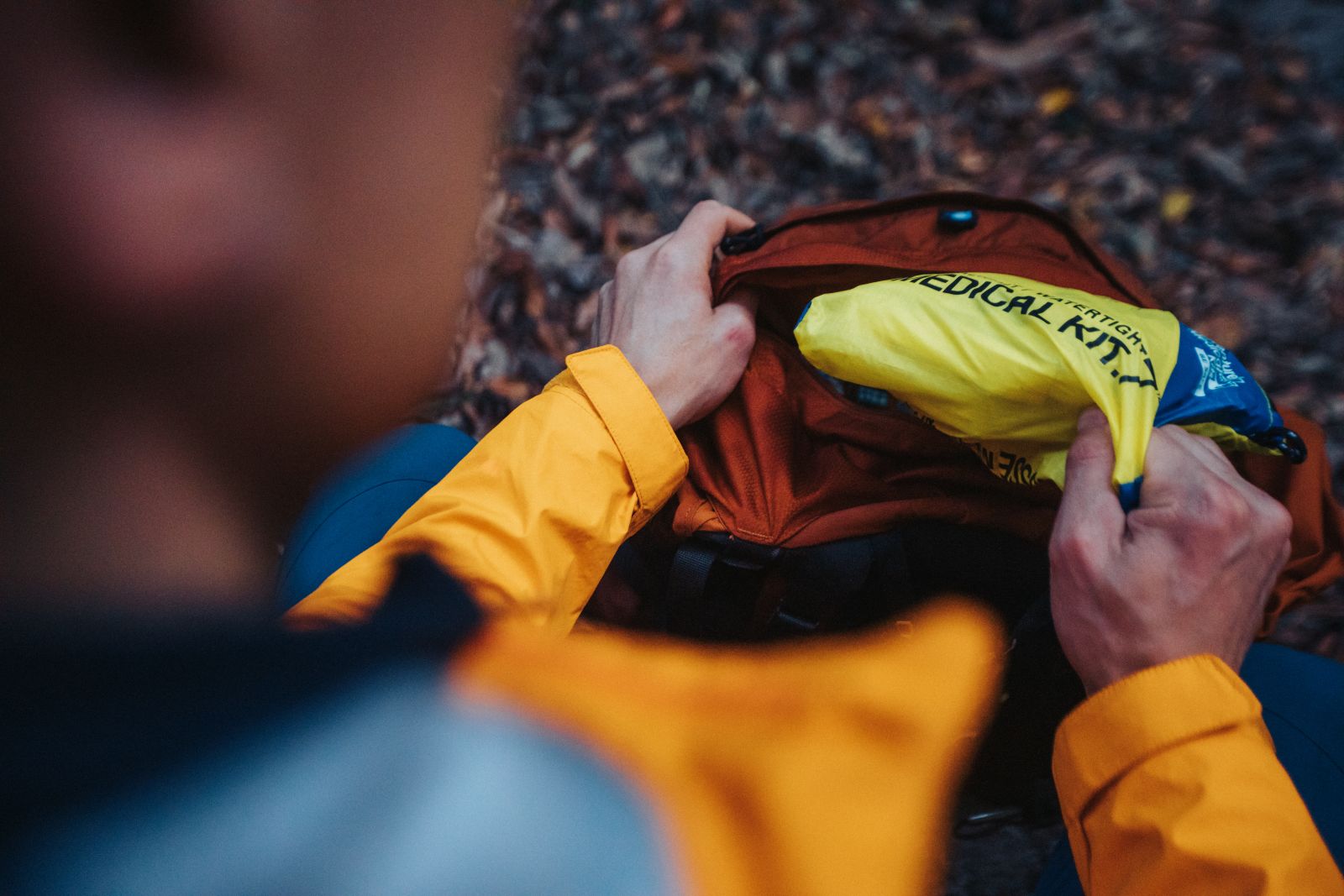
A lighter kit should never come at the cost of basic safety. In Australia, distance, heat, and changing conditions can turn a small issue into a serious one so it’s worth carrying a few core items that consistently earn their place in your pack.
Keep your safety kit boringly reliable, lightweight, simple, and proven so you’re not carrying extras, but you’re also not gambling on conditions either.
If you want measurable progress without overhauling everything at once, this is the simplest process:
These walks are useful reference points when you’re building an ultralight setup because they highlight the conditions that drive gear choices in our part of the world.
Overland Track (TAS): 65 km, commonly walked over 6 days. With cooler temps, wind exposure, and fast-changing alpine weather make warmth and weather protection more important than chasing the lowest possible number.
Larapinta Trail (NT): 230 km+, divided into 12 sections that typically take one or two days each. Heat and water planning dominate here. Your base weight matters because you may need to add multiple kilos of water on top.
Bibbulmun Track (WA): roughly 1,000 km from Kalamunda (Perth Hills) to Albany. A long, steady track where comfort, blister prevention, and sleep consistency matter because small issues get amplified over weeks.
Te Araroa (NZ): a ~3,000 km trail spanning the length of Aotearoa New Zealand. Not Australia, but it’s a common “next step” for Aussie hikers. It’s a good benchmark for multi-month gear durability, layering versatility, and dialing in what you actually use.
These examples help show why an 'Australia kit' needs flexibility, from alpine chills and wet weather in Tasmania to desert heat and water carries in the NT, and long-duration comfort and durability on WA (and NZ-style) long trails.
If there’s one idea to take from all of this, it’s that ultralight isn’t a personality trait but instead, it's a way of building a kit that lets you move better, recover faster, and enjoy the walk more. The real win shouldn't be about shaving 80g off your spoon but creating enough breathing room in your pack so that you can carry the non-negotiables like extra water, warmer layers for alpine swings, and the safety gear that keeps small problems from becoming big ones.
So instead of asking 'how light can I go?', ask:
That’s the shift. Keep the essentials, cut the clutter, and let skills do some of the work. The best ultralight kit is the one you trust when you’re tired, sunbaked, and a few hours from camp.
Not sure what gear you need for your adventure? Chat with our friendly team of Outdoor Gear Specialists in-store or online today, and don’t forget to share your adventures with us on Instagram by tagging @wildearthaustralia in your next post.
Dreaming of a snowy winter wonderland?
What do Winter Clothing and Shrek have in common?
The Bibbulmun Track is Australia's longest marked walking track, spanning 1,000 kilometres from Kalamunda in the Perth Hills to Albany along WA’s southern coastline.
The best year ever doesn’t just happen; plan ahead with intention to make space for your adventures.












Using Afterpay you can pay for your order over 8 weeks. There's no interest or added fees* and nothing to pay today. Payment will be automatically taken from your debit or credit card in four equal payments each fortnight over 8 weeks, and you will receive your order immediately.
You simply need:
To use this service simply:
Approved AfterPay buyers will require the funds for the first payment to be available on their card at time of checkout, however the first payment won't be deducted for 14 days. First time AfterPay buyers will need to make the first instalment payment at the time of their purchase.
If you wish to return your goods you can choose to receive an exchange, or the Afterpay payment plan can be cancelled before the first payment at no charge. *If you fail to have sufficient funds available for AfterPay to automatically deduct payment on due instalment dates you will be charged a late fee of $10, and if the instalment payment remains overdue, an additional $7 will be charged one week later.
With AfterPay, there's no waiting and we'll ship out your order immediately as normal.

When you want to go now, sometimes it's handy to pay later. That's why, we offer interest free payment plans from two of Australia's favourite Buy now, Pay later services.