Total Items: 0
Sub Total: $0.00


Explore Kosciuszko's most iconic winter huts, from Seamans Hut to Tin Hut. Get safety advice, gear tips, and winter hiking inspiration. Tucked away in the high country of the Snowy Mountains are some hidden gems that are well worth a visit.
Updated 2026.
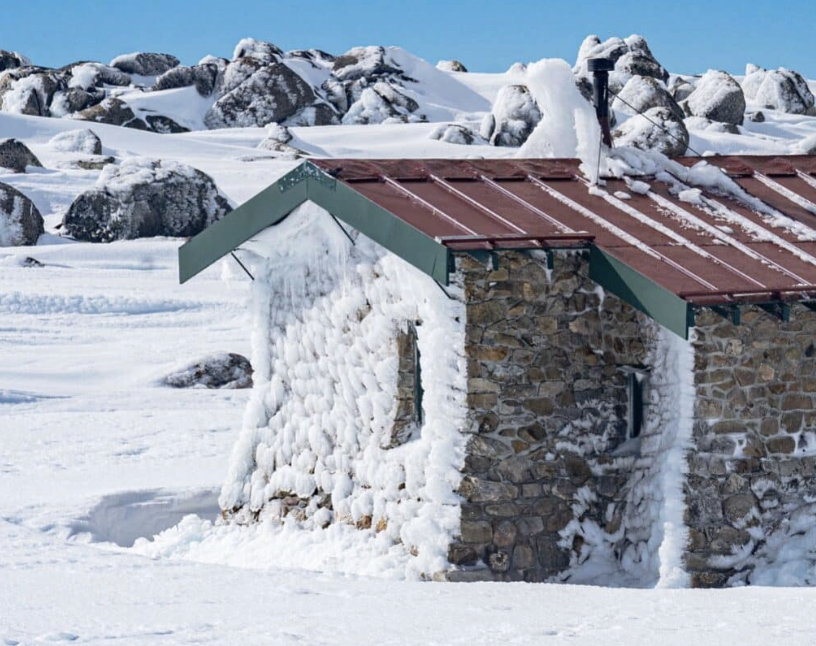
The iconic, hidden huts of Kosciusko National Park were once a vital safety haven in a desolate landscape. Today they offer more than a resting place, they’re seriously photographic, you just have to get to them.
Amidst the serene white blanket that covers the Snowy Mountains in winter, lie numerous huts that offer adventurers a peek into the past and an off-the-grid escape. These historic shelters, standing tough against the harsh winter elements, beckon the brave to experience solitude and beauty in its purest form.
But while they might look cosy, these huts are emergency shelters and heritage sites, not bookable accommodation, so always carry the gear to be fully self-sufficient (scroll down for the checklist).
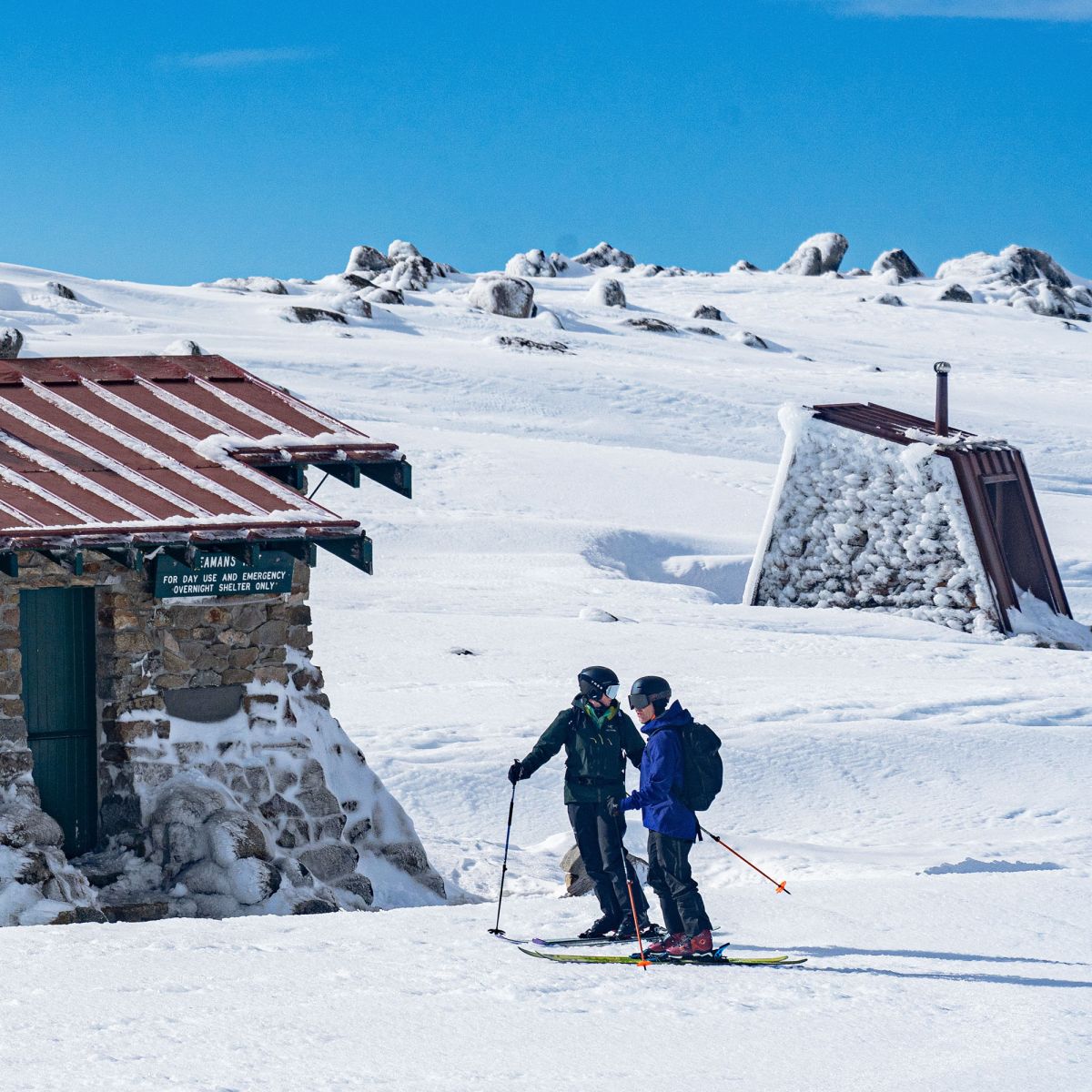
Ben Southall, expedition leader from Best Life Adventures shares five of the best huts he's striving to visit over winter.
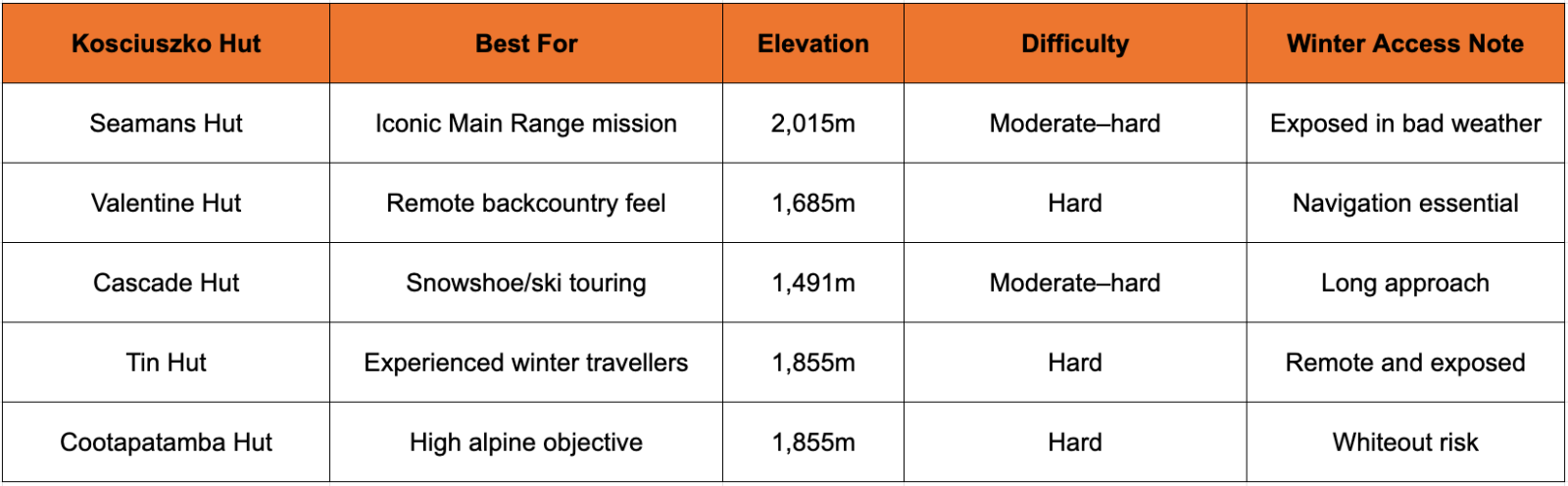
Seamans Hut offers a haven for hikers caught in unexpectedly rough weather in Kosciuszko National Park. Built in memory of a skier who perished nearby, this shelter sits at the roof of Australia, providing a playground of adventure in its surrounds.
In winter, backcountry and cross-country skiers call Seamans Hut their home while ploughing down Australia’s high-country.
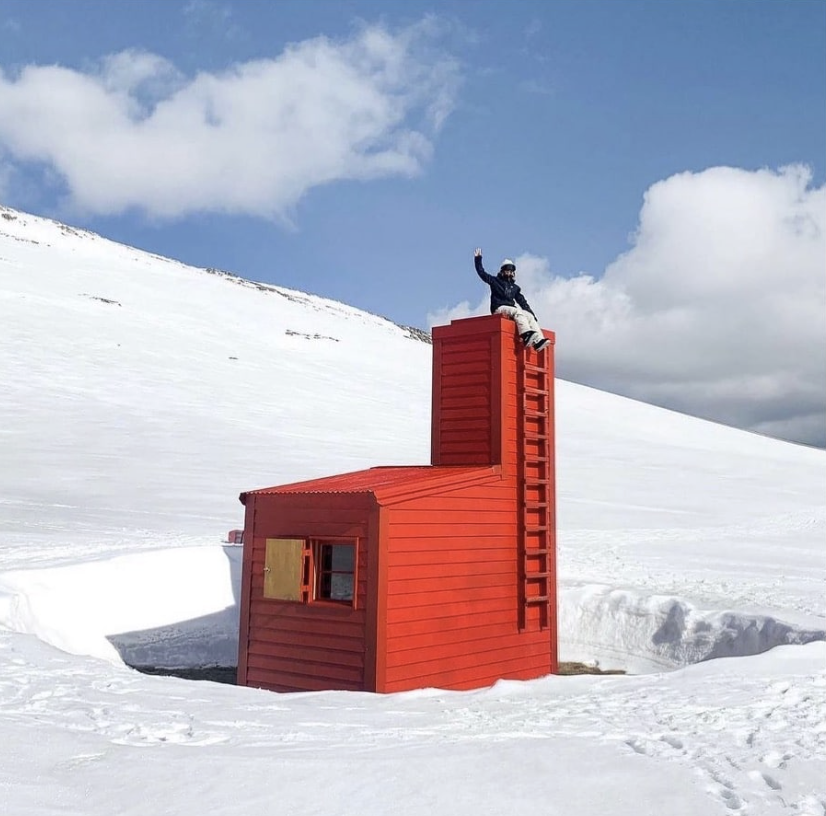
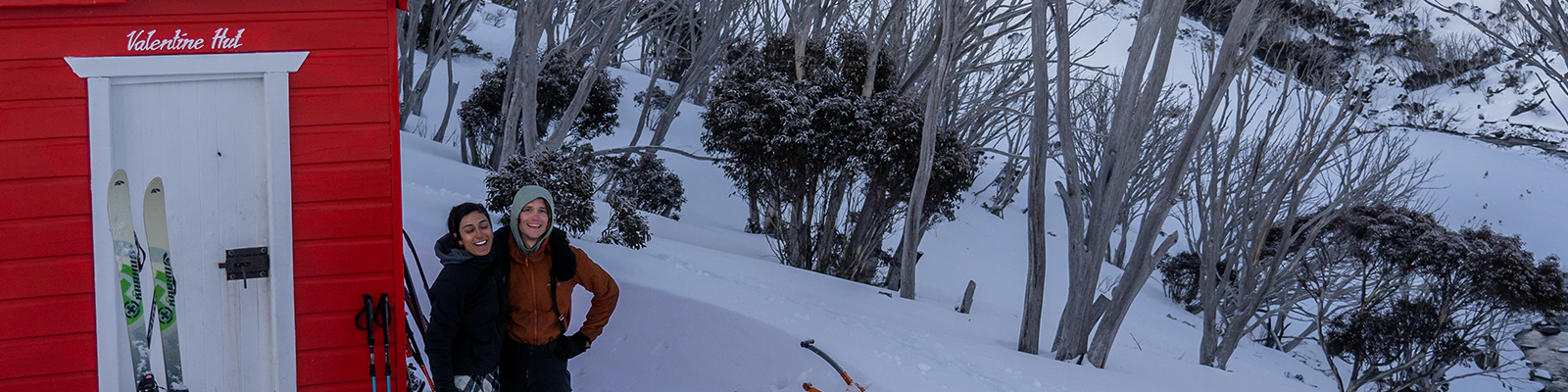
Originally built in the 1950s for a surveying crew, Valentine Hut is notable for its distinctive red paint and white hearts. Positioned at the top of the Munyang corridor, it housed essential communication gear for the Snowy Mountains Authority over its life span. In winter, Valentine Hut feels really remote, so you’ll want solid navigation skills, the right snow gear and a healthy respect for the weather before heading in.
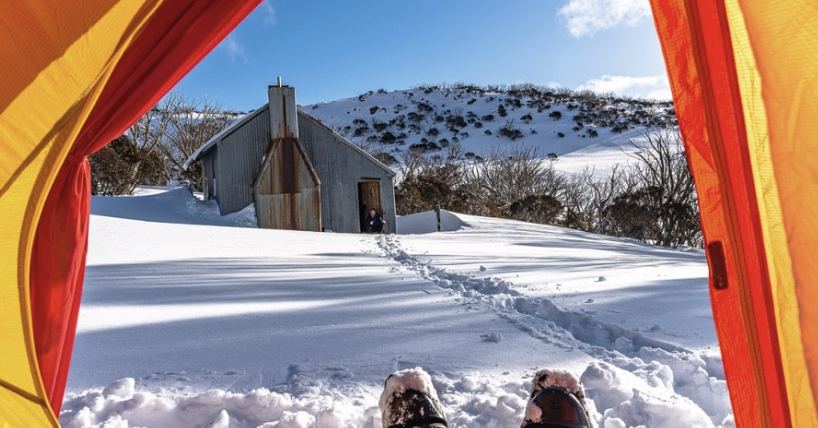
Cascade Hut lies deep in Kosciuszko National Park, accessible via the Cascade Trail. This historic hut, surrounded by natural beauty, serves as a perfect stop for snowshoers and hikers ready for a slog exploring the area’s remote trails. This is one of those places where the journey to get there is half the magic, weaving through snow gums and rolling backcountry for a memorable winter adventure.
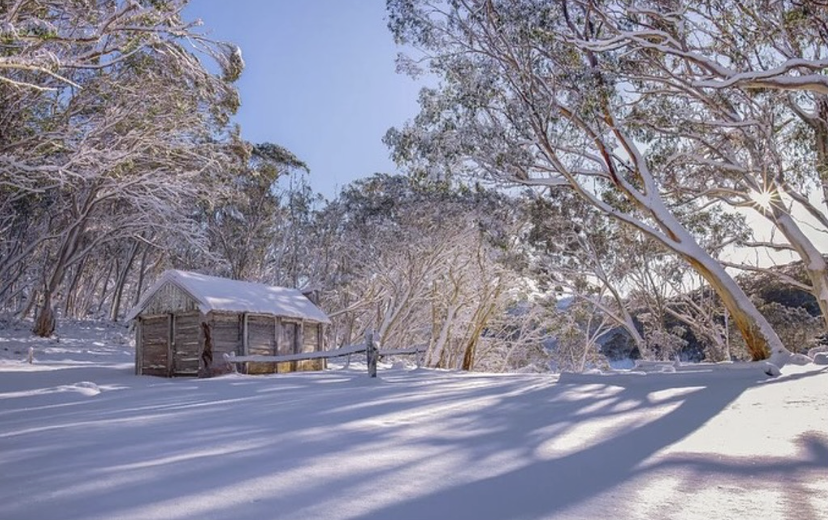
Like Valentine Hut, Tin Hut embodies the rich history and enduring spirit of the Snowy Mountains’ pioneers. It’s one of the oldest surviving huts in the region and was originally built by grazing families who spent summers running cattle. Blanketed by snow in the winter, this hut has a lot of ‘character’ that is sure to provide as an oasis amongst the nearby challenging terrain. This one is best left to experienced winter travellers, as the terrain around Tin Hut can be exposed, remote and difficult to navigate in poor visibility.
Cootapatamba Hut stands as an emergency shelter near Australia’s highest lake, Lake Cootapatamba. Its location, deep within Kosciuszko National Park makes it a vital point for hikers tackling the ever-changing landscape of the Snowy Mountains in the depths of winter.
Sitting close to the Main Range, this is a spectacular but serious winter objective where whiteouts, wind and freezing temperatures are all part of the deal.
Whilst these huts may be iconic and easy to visit during the summer months, getting to them when they’re in the depths of winter becomes a true winter adventure as they’re in the middle of ‘whoop whoop’ (or nowhere if you don’t speak Aussie). How many have you been to?
If you’re up for an adventure of a different kind, strap on your skis, fill your sledge and join Best Life Adventures.
Before you head out, make sure you check the latest alpine weather, let someone know your route, carry a PLB or Satellite Communicator, and pack enough shelter, food and warm layers to spend the night out even if you never make it to a hut.
Here are three pieces of kit I’d prioritise for cold, exposed Snowies missions where warmth, weather protection and reliable cooking gear matter most.
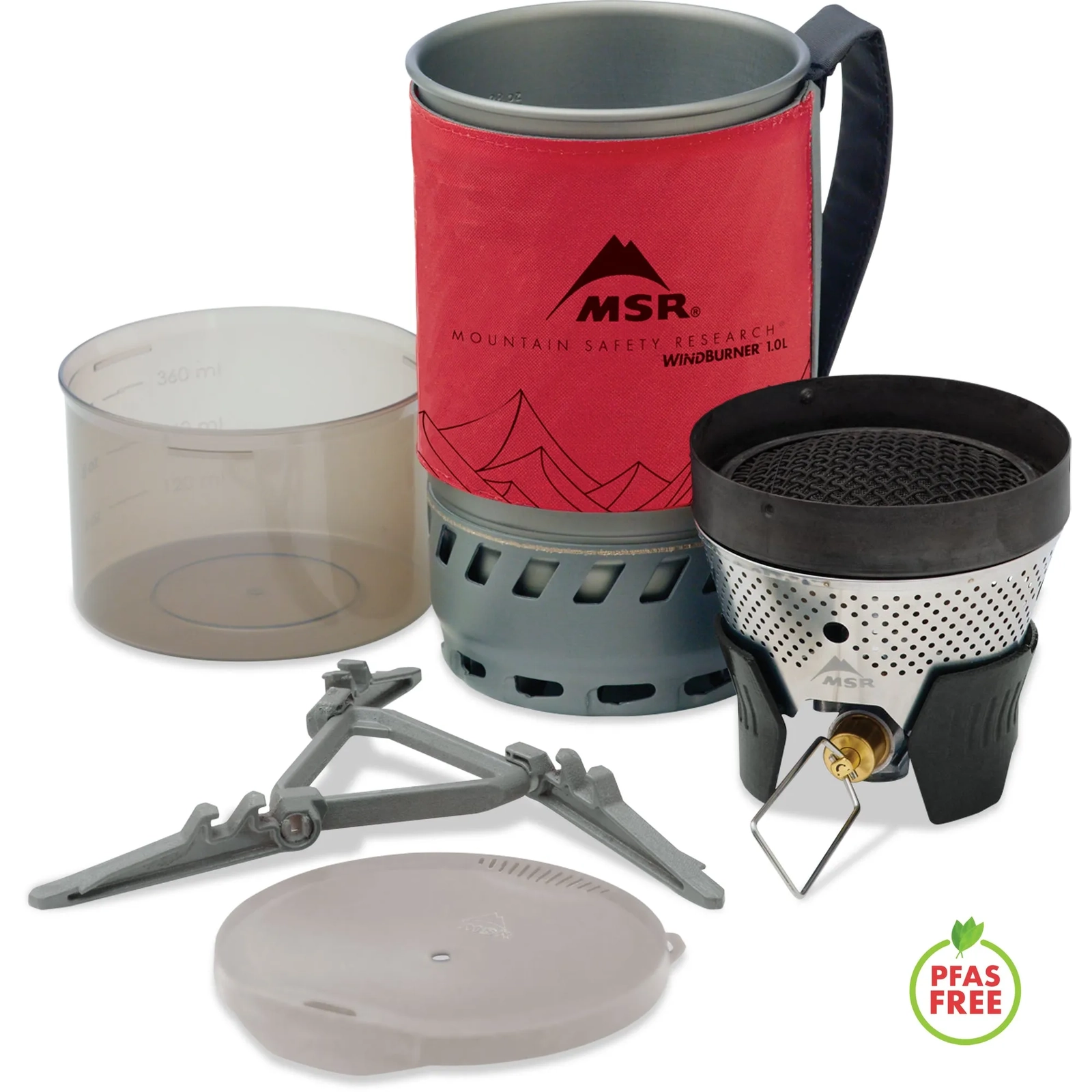
Temperatures in the snowy mountains can get well below freezing, which in turn can cause your gas systems to run inefficiently or just freeze up. The MSR stove can use both gas and liquid fuel systems, so for those cold excursions in the Backcountry, liquid fuel is your best asset. The added bonus of also being a gas system means you can take the Whisperlite on your weekend adventures.
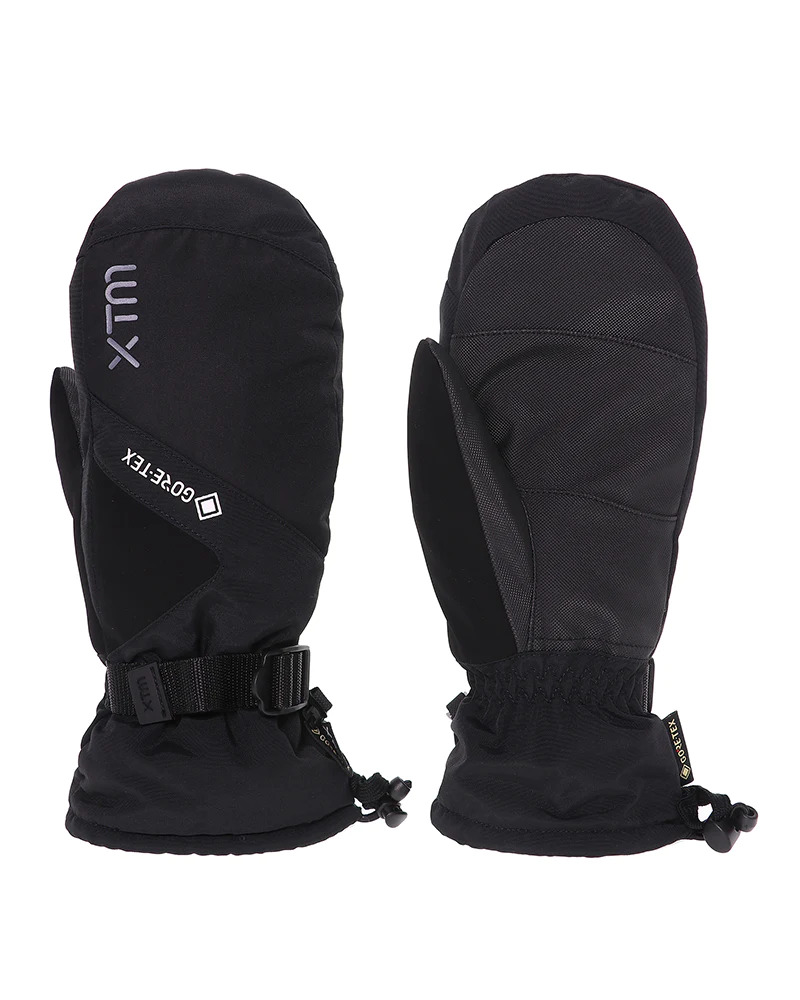
By now you probably know that there are very few cases where a set of gloves is going to outperform mittens, and if you are someone who has poor circulation or you ‘run cold’, mittens are a no brainer. These XTM mittens are perfect for those going into the Australian backcountry as they are Gore-Tex lined and breathable through the Barrel lock Cuff system.
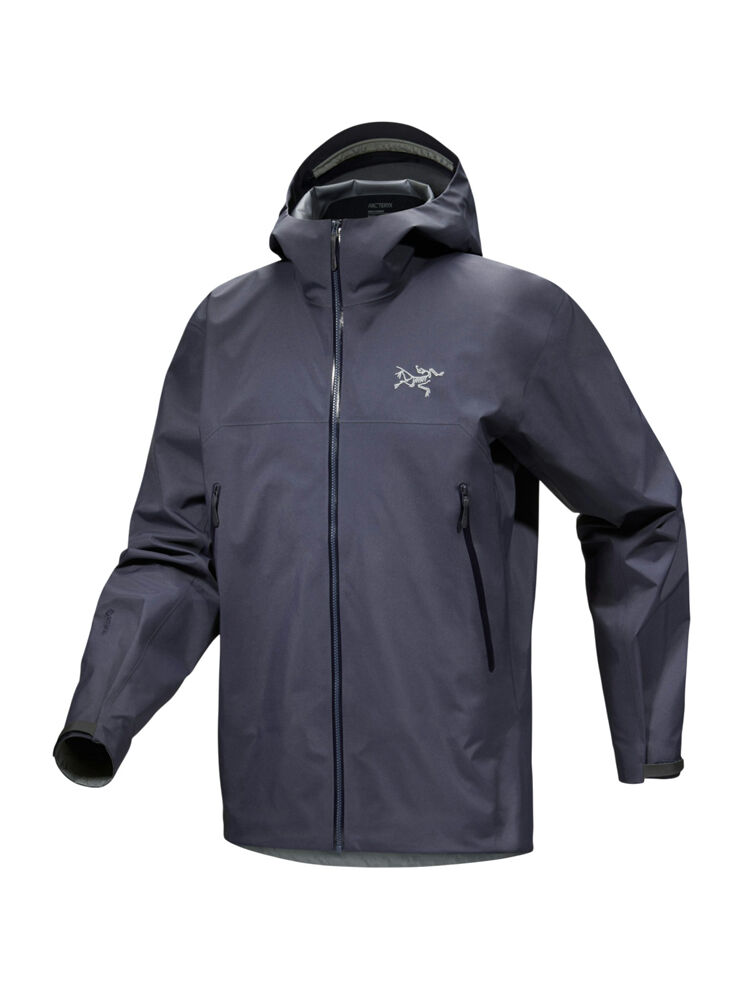
It’s no coincidence that the Arcteryx Beta is a bucket list item of many adventurers. The attention to detail that is apparent from the stitching to the cut to the quality of fabric is why these jackets last a lifetime. The Aussie backcountry can be relentless and change in an instant. Knowing you are wearing the best can give you the peace of mind to think clearly in those stressful situations.
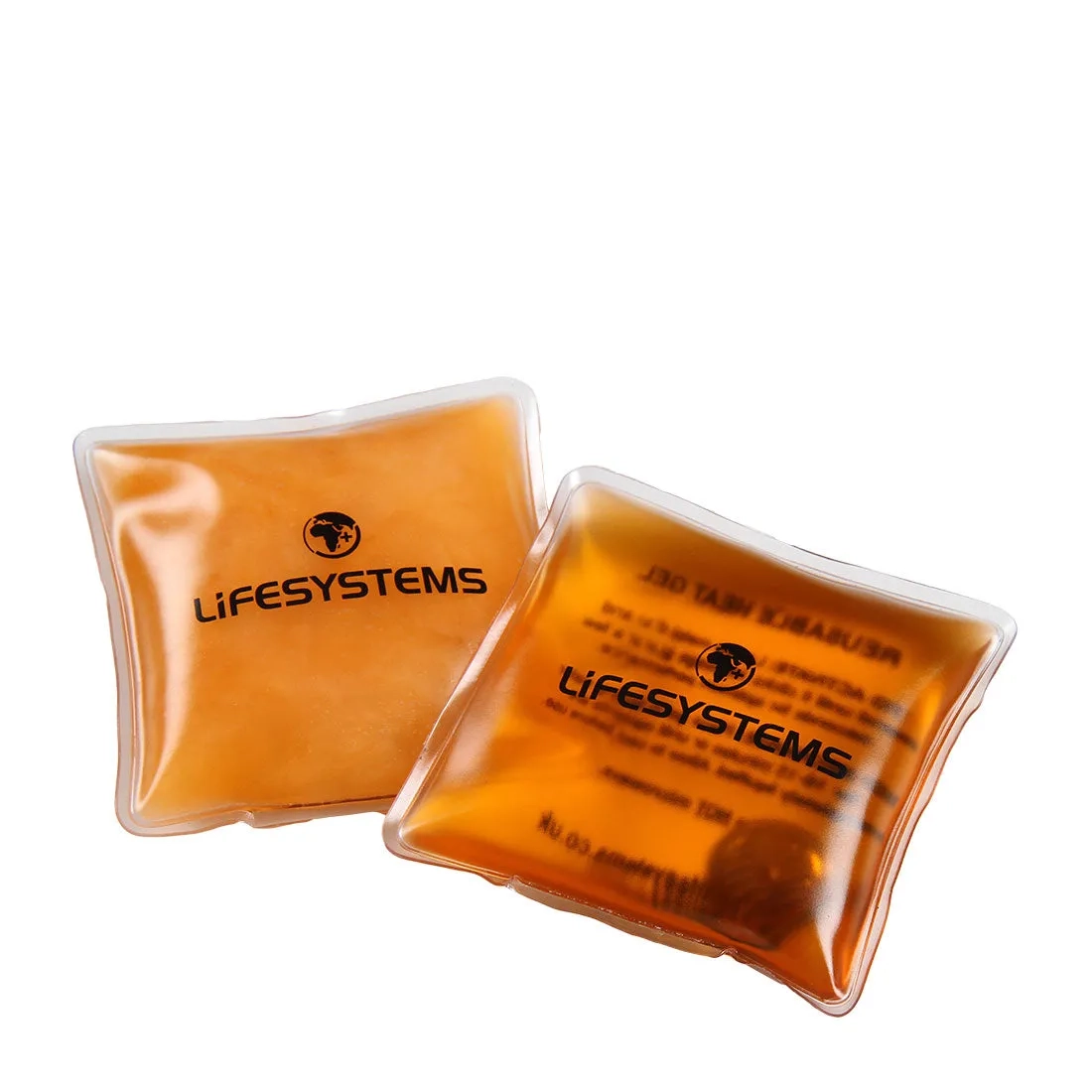
Cold hands are the worst and can ruin a good winter day fast. Lifesystems Air Activated Hand Warmers are the kind of little pocket saviour you’ll be glad you packed. Whether you’re hiking, walking the dog, standing on the sidelines, or just trying not to lose feeling in your fingers. Crack them open, pop them in your gloves or pockets, and enjoy up to 12 hours of steady warmth.
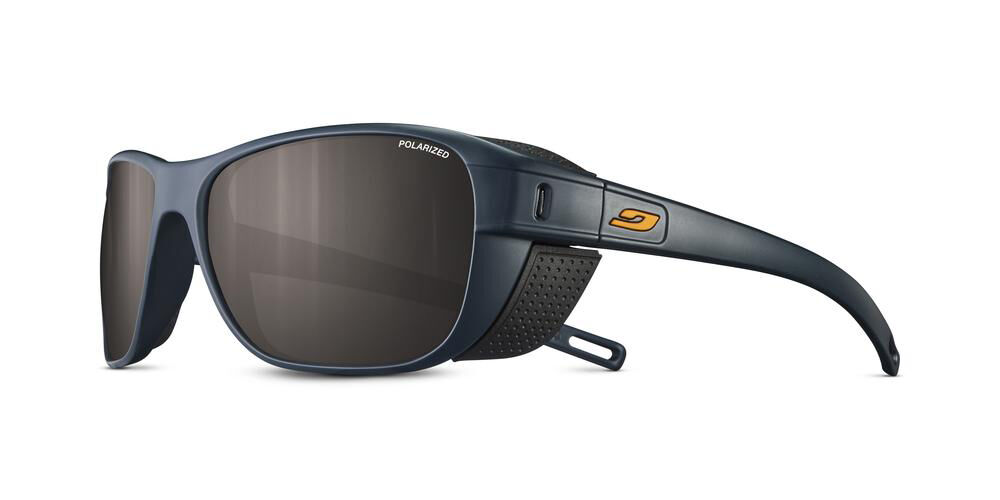
A decent pair of polarised sunglasses are one of those bits that we don't fully appreciate until we're squinting into snow reflecting sun, water or a bright alpine skies.
The Snowy Mountains might not look intimidating on a clear day, but alpine weather can change incredibly fast once you’re up above the tree line. If you’re planning a winter mission to any of these huts in Kosciuszko National Park, preparation is everything.
Check The Weather Before You Go
Snow, wind and whiteout conditions can roll in quickly across the Main Range, so always check the latest alpine forecast and park alerts before heading out.
Don’t Rely On The Huts
These huts are emergency shelters, not guaranteed accommodation. Always carry enough food, warm layers and emergency shelter to spend the night out if conditions change.
Carry A PLB Or Satellite Communicator
Mobile reception is unreliable throughout much of Kosciuszko National Park. A Personal Locator Beacon (PLB) or satellite communicator can be a lifesaver in an emergency.
Navigation Skills Matter
Snow can completely cover hiking trails, markers and landmarks in winter so make sure you carry a map, compass and offline GPS, and ensure you know how to use them before heading into remote terrain.
Start Smaller If You’re New To Alpine Travel
If this is your first Snowies winter trip, stick to shorter objectives near established areas before attempting remote hut missions or overnight adventures.
Not sure what gear you need for your adventure? Chat with our friendly team of Outdoor Gear Specialists in-store or online today, and don’t forget to share your adventures with us on Instagram by tagging @wildearthaustralia in your next post.
Can you sleep in the huts in Kosciuszko National Park?
You shouldn’t plan to sleep there because these huts are emergency shelters and heritage sites, not guaranteed accommodation, so always carry a tent or emergency shelter.
Is it safe to hike to Mount Kosciuszko in winter?
It can be, but only with the right experience, gear and weather window. Hikers regularly warn that the Main Range can become dangerous in snow, ice, whiteouts and bad weather.
Do I need snowshoes or skis to reach these huts in winter?
Often you’ll need these because in winter with snow, many hut routes are more suited to cross-country skis, touring skis or snowshoes than regular hiking boots.
Which Kosciuszko hut is easiest to visit in winter?
Seamans Hut is one of the most popular because it sits near the Mount Kosciuszko Summit Trail from Charlotte Pass, but winter conditions still make it a serious alpine trip so make sure you’re prepared.
Are the Kosciuszko huts stocked with food or supplies?
No, it’s important not to rely on huts having food, firewood, water, lighting or sleeping space. Bring everything you need and make sure you leave the huts cleaner than you found them.
When is the best time to visit Kosciuszko National Park?
For hiking, summer and early autumn are generally more approachable. For snow adventures, winter brings the magic but also the bigger hazards. NSW National Parks describes Kosciuszko as a year-round destination for snow sports, alpine hiking, biking, camping and caves.

Some adventures are planned; others unfold unexpectedly. Lena's spontaneous trip to Nepal became a life-changing trek through the Himalayas, filled with breathtaking landscapes, high-altitude challenges, and unforgettable encounters.

You don’t always need to take weeks off to have a real adventure. Some of the best micro-adventures in Australia fit into a single day or weekend, from coastal walks and island overnighters to granite peaks and outback expeditions.
Before Sea to Summit was a gear brand, it was a human-powered Everest expedition. Here’s what Tim Macartney-Snape’s story teaches us about better gear.
Planning the GR20 in Corsica? Wild Earth Ambassador Steph Devery shares her complete GR20 packing list, including gear, clothing, camping equipment, trail runners and tips from hiking one of Europe's toughest trails.












Using Afterpay you can pay for your order over 8 weeks. There's no interest or added fees* and nothing to pay today. Payment will be automatically taken from your debit or credit card in four equal payments each fortnight over 8 weeks, and you will receive your order immediately.
You simply need:
To use this service simply:
Approved AfterPay buyers will require the funds for the first payment to be available on their card at time of checkout, however the first payment won't be deducted for 14 days. First time AfterPay buyers will need to make the first instalment payment at the time of their purchase.
If you wish to return your goods you can choose to receive an exchange, or the Afterpay payment plan can be cancelled before the first payment at no charge. *If you fail to have sufficient funds available for AfterPay to automatically deduct payment on due instalment dates you will be charged a late fee of $10, and if the instalment payment remains overdue, an additional $7 will be charged one week later.
With AfterPay, there's no waiting and we'll ship out your order immediately as normal.

When you want to go now, sometimes it's handy to pay later. That's why, we offer interest free payment plans from two of Australia's favourite Buy now, Pay later services.


.jpg)