Total Items: 0
Sub Total: $0.00


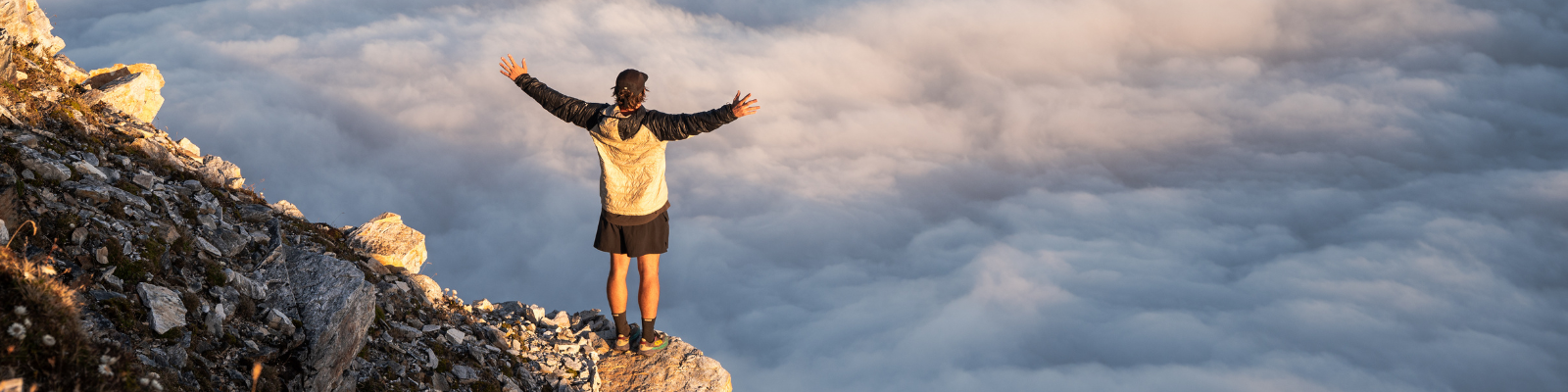
Expert ultralight hiker Cam Bostock reveals the gear lessons he learned from the Bibbulmun Track, Te Araroa and PCT, from base weight to off-grid power along with his favourite ultralight gear.
Table of Contents
Cam Bostock didn't walk into an outdoor store and pick the perfect ultralight kit right off the bat. Like most of us, he started by buying what he thought looked right but over the kilometres, there were serious lessons learned and through it all he’s emerged as one of the world’s most respected voices in long-distance hiking.
I had the pleasure of sitting down with Cam for a Wild Chats podcast episode a few months ago, and what struck me most wasn't his extraordinary Hiking Resume (trails he's completed include the Bibbulmun Track, the Te Araroa, the PCT, the Australian Alps Walking Track just to name a few), instead it was the way in which he talked about gear and preparation. In this interview, I dig into Cam’s biggest gear lessons behind his evolution from weighed-down rookie to ultralight hiker.
Listen to the full podcast interview now on the Wild Earth Australia YouTube channel, Spotify, Apple and all other major podcasting platforms.
This guide is for everyone from beginner multi-day hikers, weight-conscious day hikers, and anyone who’s refining their backpacking kit for maximum fun and minimum weight. If you're trying to carry less, choose your gear more deliberately, and build a setup that matches the terrain rather than the hype, Cam’s experience offers a real practical blueprint.
According to Cam himself...“I guess I am an outdoor adventurer. I do a lot of hiking. That's sort of the thing I love most, especially long-distance hiking. So, I’ve done a lot of through-hiking trails across the world, and I just love all things outdoors, to be honest. I love breathing in big lungfuls of oxygen, like you mentioned, and I feel most at peace outside. That's where I spend a lot of time. Also, yeah, create videos around my adventures, so that's all online for the world to see as well.”
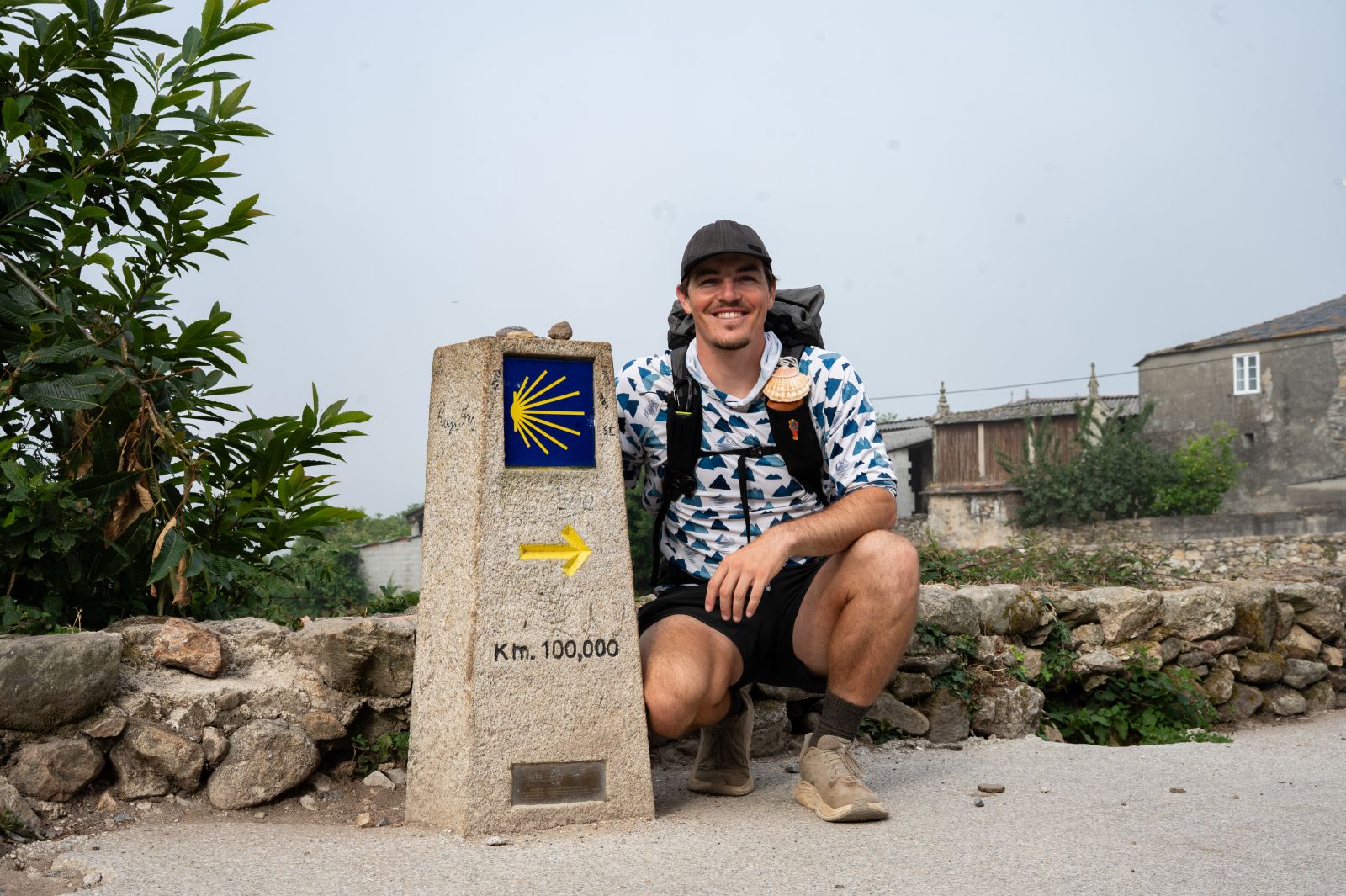
When Cam completed his first end-to-end Bibbulmun Track multi-day-hike in September 2021, he wasn't starting from scratch. He'd done overnighters before and had been hiking for a few years, so he was confident about the gear he'd put together. The problem? He'd done what most of us do early on in our hiking journey. He’d walked into his local outdoor shop and bought a bunch of things that ‘looked good’ but weren't necessarily fit for purpose.
"My first backpack was only like a third of the way full with all the gear that I took on that trail," he told me. "It just didn't really make sense at the time. I thought it was great, I was like look at my gear, it's all brand new and ultralight. But in hindsight, it wasn't so much."
This is one of the most important things I can pass on. Brand new gear is not the same as a truly dialled-in kit and just because gear is expensive doesn’t mean it’s fit for purpose.
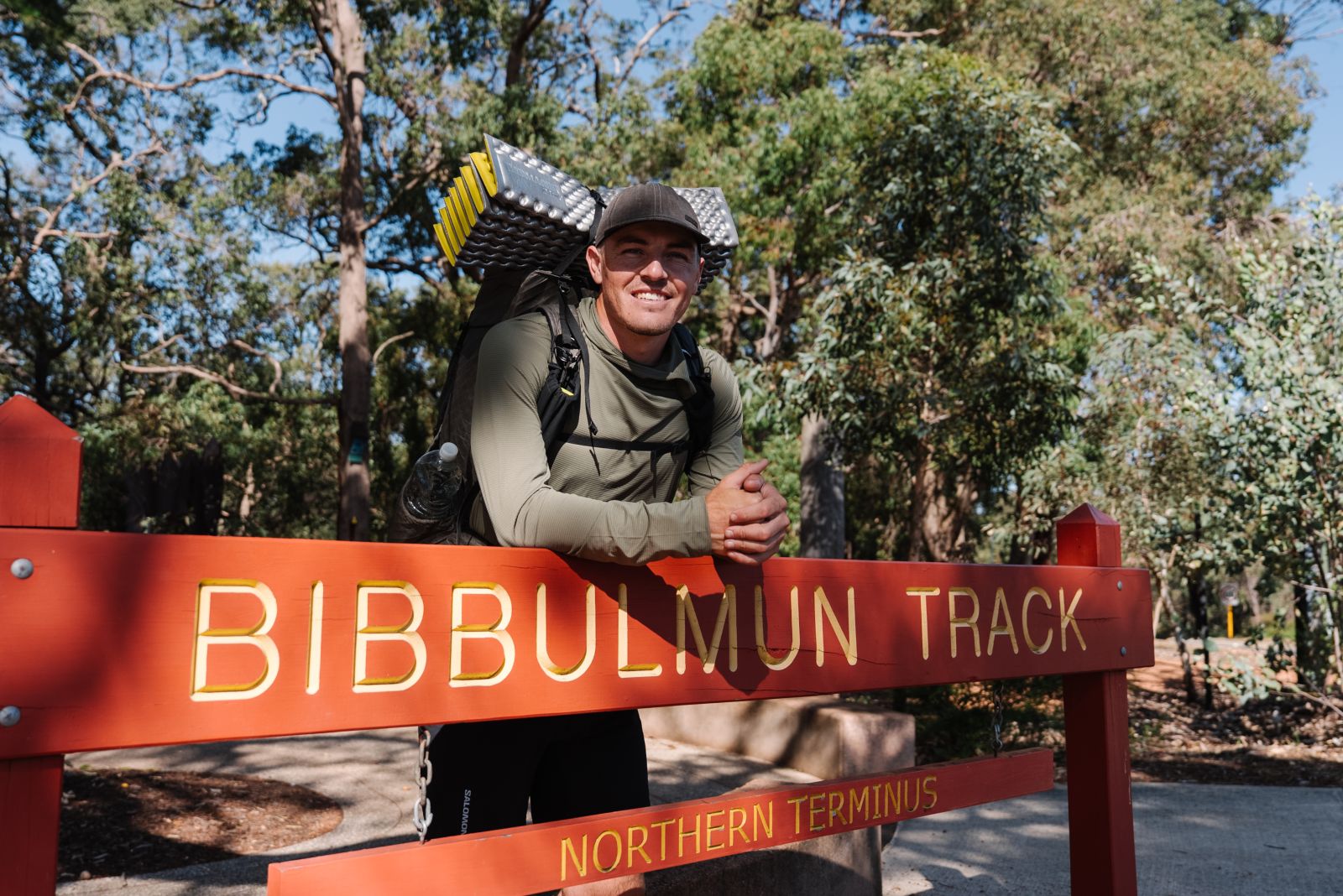
That’s to say that the gear that looks great hanging in a store, or getting five stars in a YouTube review, might be completely wrong for the specific trail, terrain and conditions you're about to face. This is really where heading in store or calling and talking to one of the Wild Earth gear specialists helps skip this learning curve.
Cam's early Bibbulmun setup wasn't dangerous, it just wasn’t efficient and on longer, harder trails an inefficient trip can become a real problem.
The Bibbulmun Track is an extraordinary trail to put your gear to the test without catastrophic consequences if you get it wrong.
“I don't think Western Australia is particularly known for hiking. It's definitely not known for any sort of elevation or mountainous terrain…We do have one long-distance trail. It's called the Bibbulmun Track and it's about 1,000 km long…It's one of the premier hikes in Australia. I would say it's potentially the best hike in Australia just by its sheer length and the diversity of landscapes and the beauty of it. And there's incredible campsites along the whole track with open-air huts and toilets and water tanks every 20 to 25 K, it's an incredible trail.”
The track is well-maintained by the Bibbulmun Track Foundation and hundreds of volunteers who keep it in shape year-round. The trail is clear, the switchbacks are managed, and huts, toilets and water tanks appear every 20 to 25 kilometres. It is, as Cam puts it, ‘really non-technical’ but it is long enough and demanding enough to expose every weakness in your setup.
And that's the whole point. An overloaded pack or the wrong sleep system doesn't put you in serious danger, it just educates you the hard way. After three weeks on the trail covering close to 50 kilometres a day, you will absolutely know what you should have left at home and what you desperately wish you'd brought with you.
If you're planning your first long-distance hike, a trail like the Bibbulmun is where you really learn to cut your teeth on the trails.
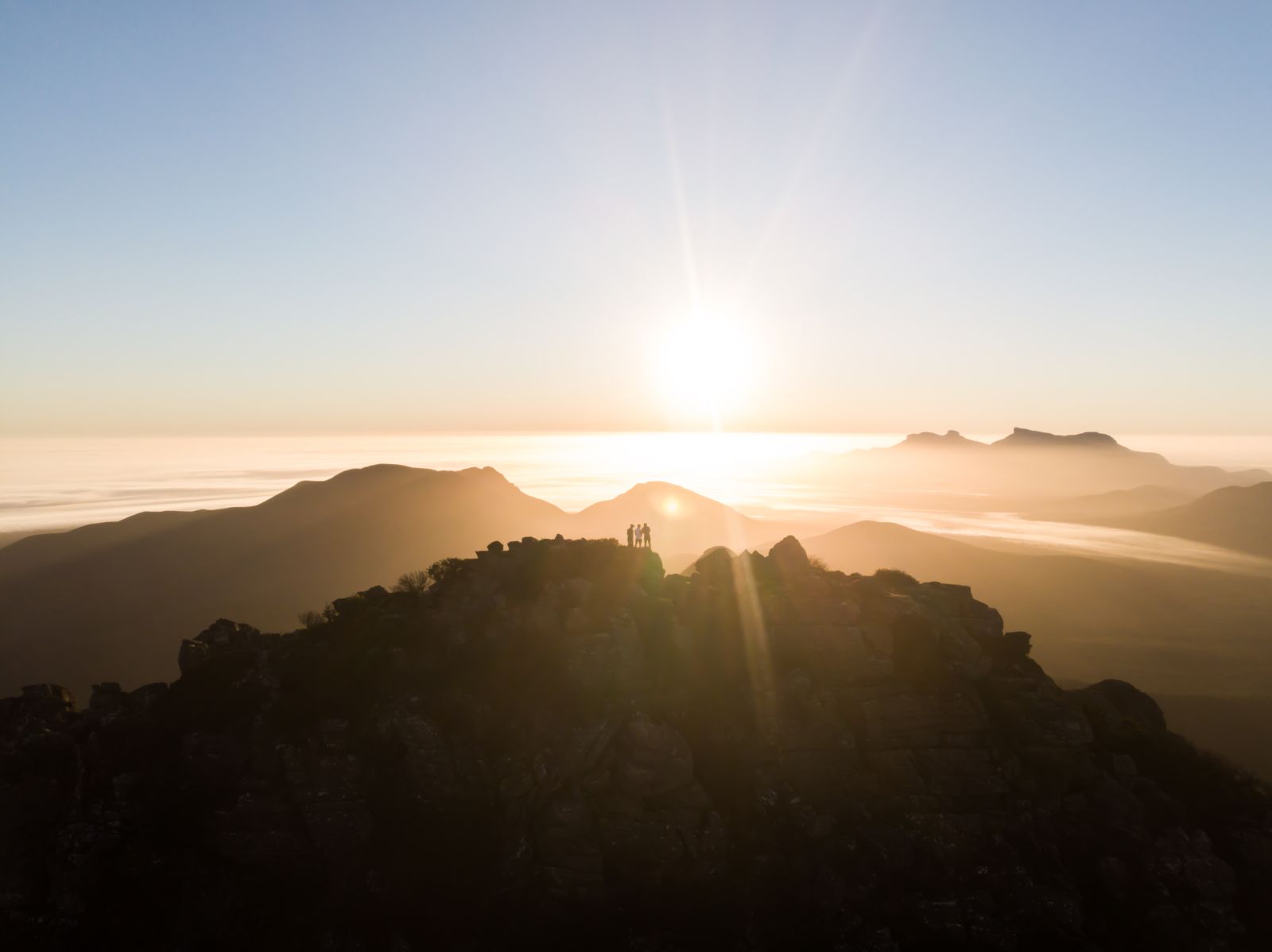
The real turning point, Cam told me, was when he set his sights on the Te Araroa in New Zealand. This trail is roughly 3,000 kilometres traversing New Zealand from Bluff in the south to Cape Reinga in the north. He went in having ‘put a bit more effort into honing’ his setup, but New Zealand still came as a shock.
"It almost felt like my first real hike, even though I'd hiked before," he said. "It wasn't comfortable anymore."
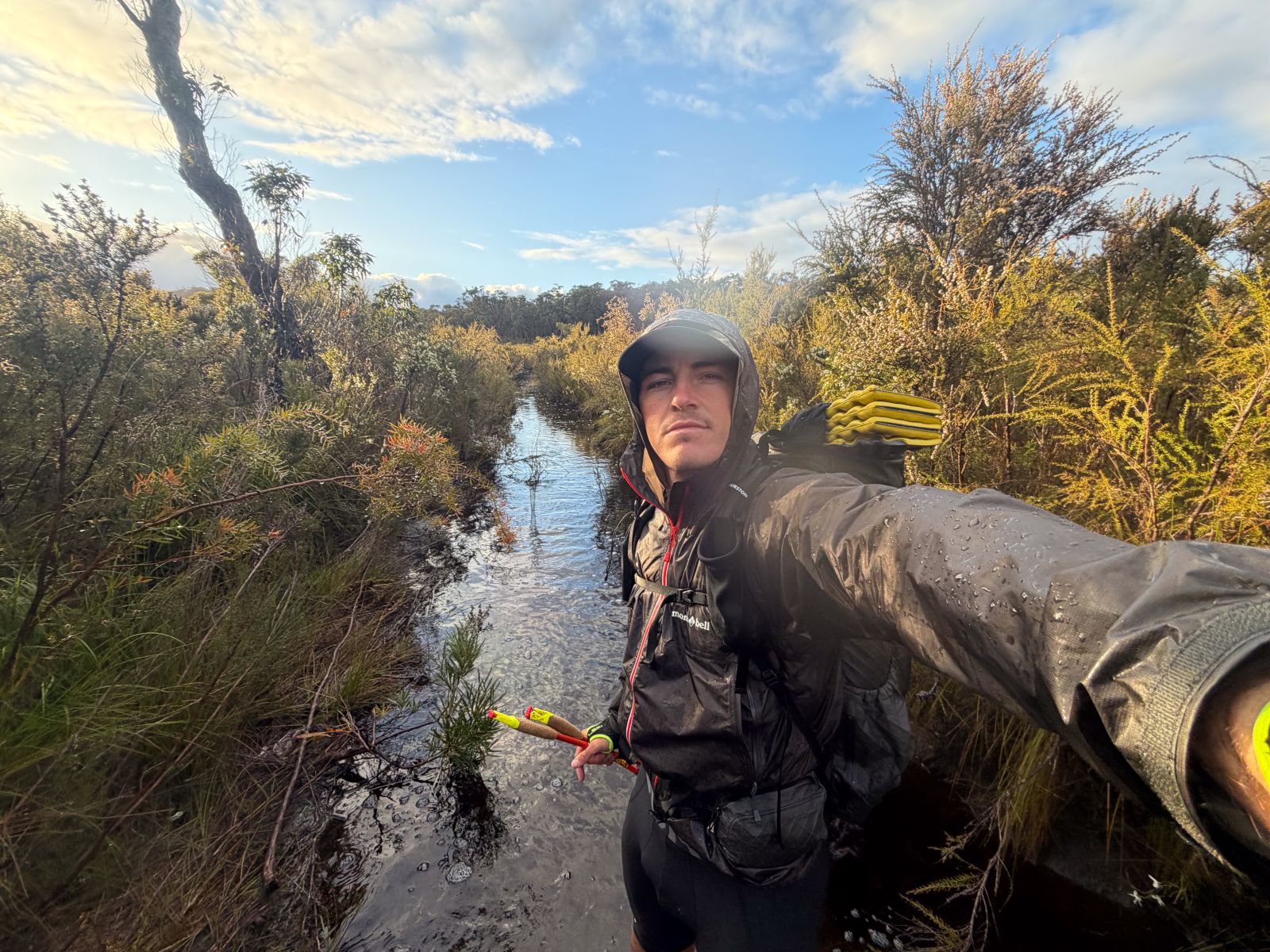
The Te Araroa is a younger trail than the Bibbulmun, and it shows. There are sections where the trail simply disappears into the scrub so this isn’t a trail that holds your hand and shows you the way. Then, when you add the unpredictable weather of the South Island, alpine river crossings, brutal terrain and genuinely remote backcountry, and you're in an environment where a poorly considered kit can move from inconvenient to actually really dangerous.
New Zealand forced Cam to think differently. Not just about weight, but also about purpose. From then on, every item in the pack had to justify its place. "I've just really gone super ultra light and super specific with each piece of gear that has as much multi-use as possible," he said. "It's natural for any adventurer or any hiker to evolve as they do more trips and see other people using different things."
Here's what I want readers to understand clearly…ultralight is not a category. It's not a particular brand, a magic base weight number, or a gear spreadsheet you downloaded from Reddit. For Cam, going ultralight is more like a philosophy built on confidence in the wild and that confidence can only be built with experience.
"Before I answer that question about like building up the knowledge and the confidence in your gear and yourself over many years and many adventures," he said, when I asked him about emergency communication on trail, "to be able to choose your gear, go ultra light and maybe omit some things that you would bring, I think that's something that I've been on the journey of, just building such a confidence in what I'm capable of and the gear that I have."
When you see Cam's stripped-back kit and think you can just replicate it without the experience behind it, you're missing the point. That base weight is a byproduct of the knowledge and skills gained over time, not a shortcut to it.
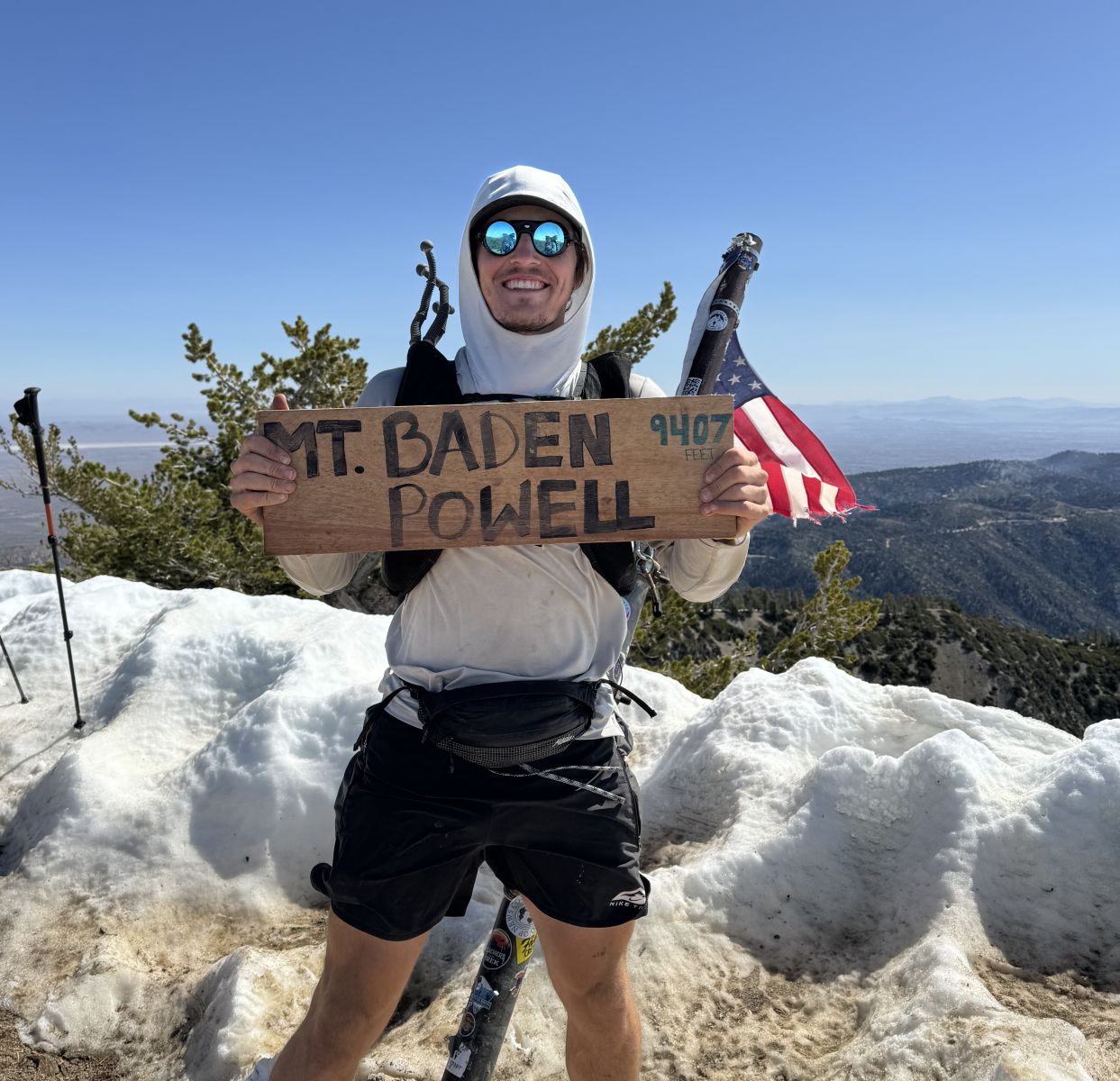
One of the most counterintuitive things Cam does is strip his content creation kit back to almost nothing on major hikes. He ditches the drone, big camera, tripods, microphones and instead, everything… from filming, editing to uploading, happens through a single iPhone.
"To be able to consistently upload on trail and just produce content at that scale, it needs to be the simplest process, the simplest gear setup as possible," he said. "So I've just kept it to one device and it does it all."
This is pure ultralight thinking applied to electronics and it's a principle that goes well beyond cameras.
Ask yourself:
For most hikers, the phone is already doing communication, photography, weather monitoring, note-taking and entertainment. The question is whether you're duplicating any of those functions and adding weight.
This is where things get super practical and it's one of the questions Cam gets asked most.
Running an iPhone as your camera, GPS, satellite communicator interface and content creation studio is battery-intensive… like seriously battery-intensive. So how does Cam keep everything charged across days or weeks between resupply points?
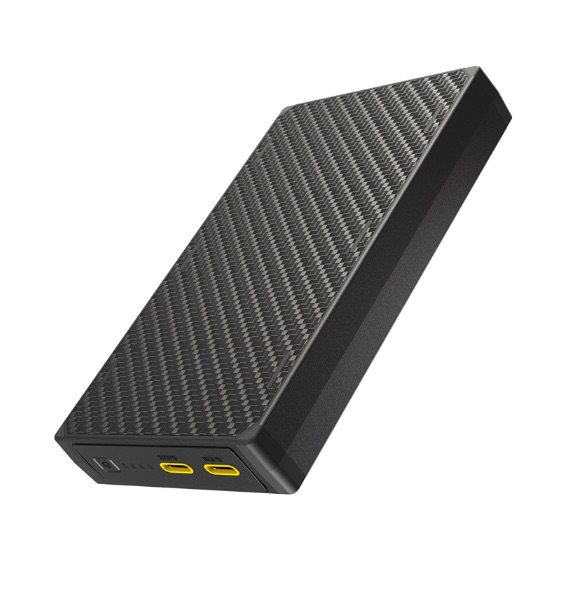
His answer: a Nitecore ultralight 20,000mAh battery pack.
“I use a 20,000 milliamp Nitecore ultra-light battery pack. Nitecore do these just really sick ultra-light battery packs. I found that 20,000 milliamps is enough for up to like 8 days, you know, I'll be between towns or between the outlets where you can charge. And so, I haven't taken a solar panel on most of my hikes. I think if it was like a longer stint than a week or, closer to 2 weeks, a solar panel makes a lot more sense for that extra weight because you're going to end up having a lot more efficient use of your weight rather than carrying extra battery packs if you have a solar panel.” His reasoning on solar panels is worth understanding. The promise of a solar panel is infinite, free charging from the sun which sounds compelling on paper but in practice, it's a little more complicated.
"You have to have it on the backpack for eight hours a day in pure sunlight just to be able to maintain a charge rather than sort of build things," Cam explained. "And like a lot of the hiking trails that I do, like half the time you're walking through forests or in the shadow of a mountain anyway. And so the time that your solar panel can be effective is really minimal."
The exception, he noted, is alpine environments. In Nepal, trekking above the treeline with near-constant direct sun exposure, solar panels made genuine sense. In the forests of the Bibbulmun, or on shaded mountain trails, the maths doesn't work the same way.
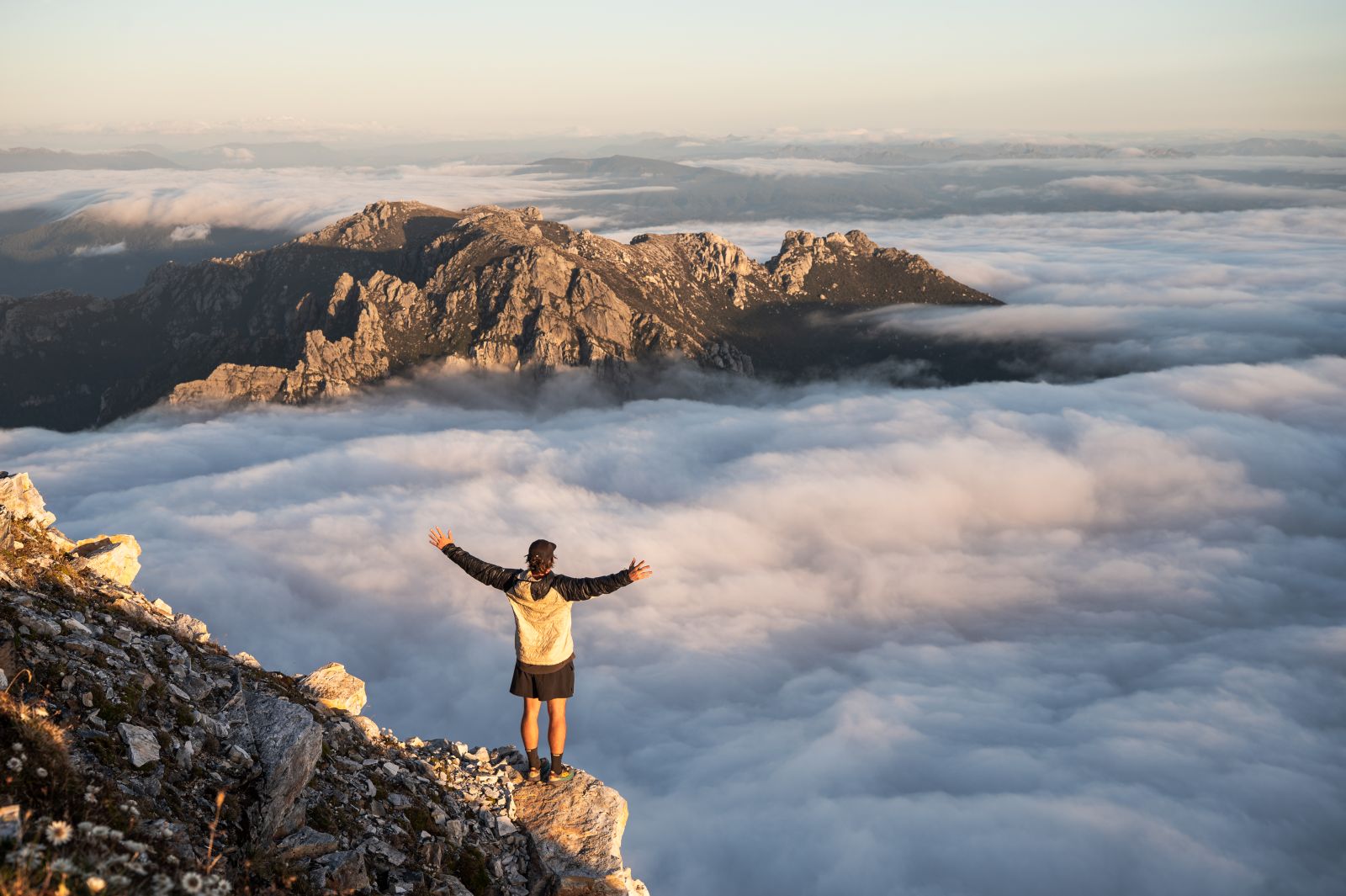
Products worth looking at in our range include ultralight power banks from Nitecore and BioLite, and solar charging kits if you’re heading into open alpine terrain.
This might be the most valuable section of this article for hikers at any level. Cam doesn't rely on marketing to make kit decisions. Instead, he relies on talking to real people doing real adventures and specifically, people who are a bit further along the hiking journey than he is.
"A lot of my information… I'd say most of my information comes from talking to people who are just a bit further along the journey for me," he said. "I'm super interested in ultralight and getting really low base weights, so I follow people on Instagram and I try and call people that I've met online or that I've met on trail and really just chat about what people are doing." said Cam.
He gave me a specific example of his mate Tom, a highly experienced multi-day-hiker and gear expert. "He is like one of the most knowledgeable gear heads I've ever met," Cam said. "I call him before every hike and he always shaves my base weight down by like half a kilogram."
You’ll feel that half a kilogram when you’re 400km into a 4 month trek.
That's the value of the hiking community and what talking to people who've done more kilometers than you is worth in real, measurable terms.
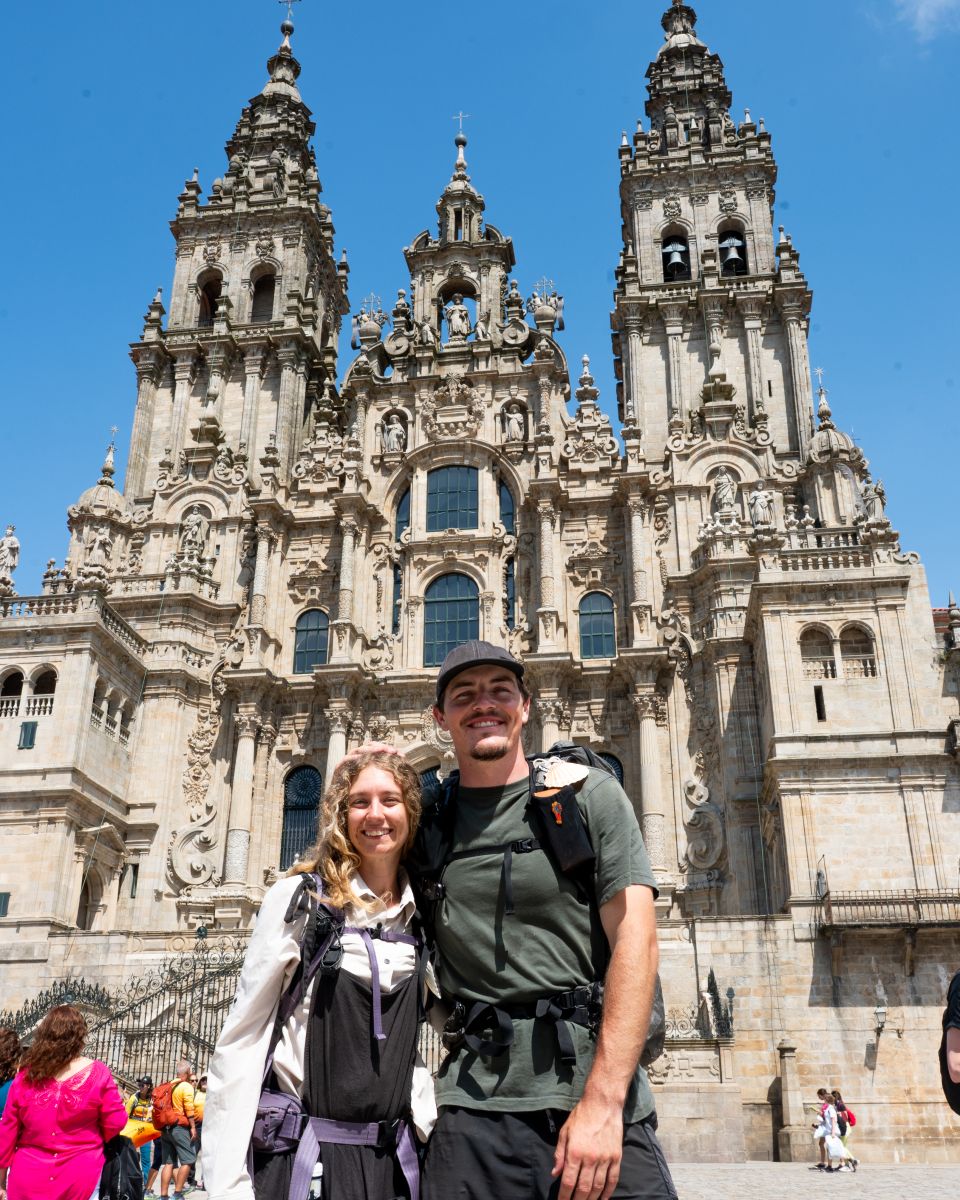
For Wild Earth readers, their outdoor gear specialists are here to be that resource. Come in and talk to staff about your setup or give them a call. Tell them where you're going, how long you'll be out, what terrain you'll be covering and the conversation is always. There’s a good chance that one of the Wild Earth team has done the adventure you’re planning to embark on whether it's the hiking the Camino De Santiago or Fastpacking the Bibblemun Track.
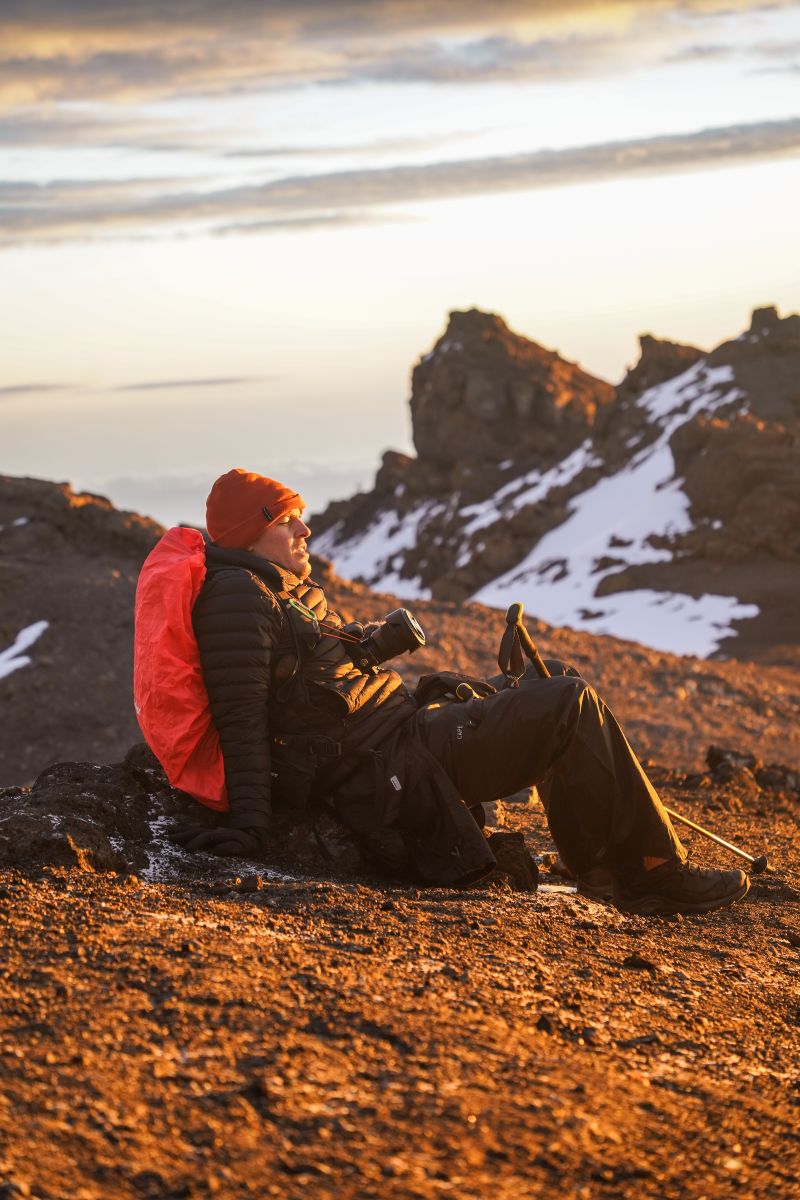
This is really important, and I want to be clear about it. Going ultralight is not an excuse to forget about safety. The confidence Cam has in his stripped-back kit has been built over years of trail time, and even with all of that experience behind him, he still carries a satellite communicator on every backcountry trip.
"I carry a satellite communicator. I use a Bivy Stick, it's like an American brand," he said. "Always on me, which is handy for calling home when I don't have reception for a week, and also handy for popping the SOS button if I break a leg or get bitten by a snake."
He was also serious about the more basic elements of preparation like letting someone know your route, your checkpoints, your expected timeline.
“I just hiked the length of the Australian Alps walking track in December. So, I was out there for about 25 days and yeah, it's crazy. As soon as you leave the popular tourist trails, you're just in the wild and it's just like overgrown and remote and in part like really hard to navigate if you don't have the right tools, which is why it's obviously so important to to make sure you are prepared and experienced before hitting those sort of environments. Like letting someone know where you are, where you're going, where you're meant to be at what time is super key as well. I mean, it's if you don't show up, you want someone to be sort of rooting for you back home to get found or, notify someone, that kind of thing.”
The lightest kit in the world won't help you if something goes wrong and no one knows where to look…And if you're cutting weight from your pack, make sure the satellite communicator isn't one of the things that goes. Devices like the Garmin inReach, SPOT X and Zoleo Emergency Satellite Communicator are small, relatively light, and potentially the most important item you're carrying.
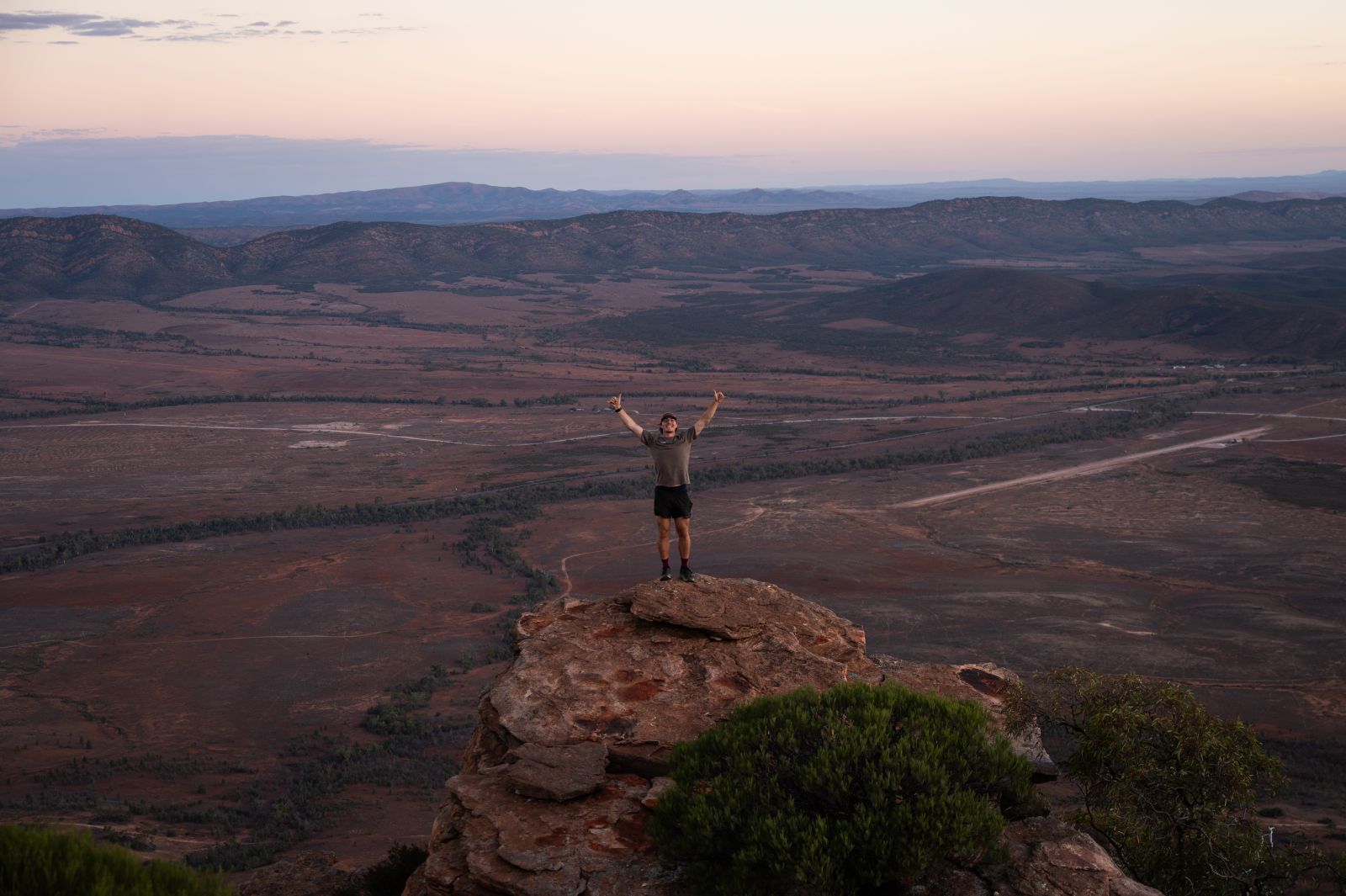
Cam's gear journey isn't a story about chasing the lightest possible number on a spreadsheet. It's about building a setup that fits the style in which he wants to live on trail like moving more freely, staying out longer, spending less energy carrying kit and more energy being present and enjoying the outdoors
That's what ultralight hiking actually delivers when it's done properly. It shouldn’t be about deprivation or recklessness, it should just be a more considered, more confident way of being in the wild.
This article was developed from a full Wild Chats interview with Cam Bostock. Listen now on the Wild Earth Australia YouTube channel, Spotify, Apple and all other major podcasting platforms.
Not sure what gear you need for your adventure? Chat with our friendly team of Outdoor Gear Specialists in-store or online today, and don’t forget to share your adventures with us on Instagram by tagging @wildearthaustralia in your next post.
Ultralight hiking is about carrying less weight by choosing gear more carefully, not just buying the lightest version of everything. A good ultralight setup should still keep you safe, comfortable and prepared for the conditions you are heading into. As Cam Bostock explains, going ultralight comes with experience. The goal is to remove unnecessary weight, not essential gear.
Ultralight hiking can be safe when it is done thoughtfully, but it should never mean being underprepared. Your gear list should still match the trail, weather, terrain, water access and remoteness of your trip. Cam still carries a satellite communicator on backcountry trips, which is a good reminder that safety gear should not be the first thing you cut from your pack.
There is no perfect base weight that works for every hiker or every trail. Your ideal base weight depends on your experience, the season, the terrain, your sleep system, your food and water carries, and how remote the hike is. Instead of chasing a number from someone else’s gear list, focus on building a kit where every item has a clear purpose.
Start by looking at what you already own and asking what you actually use on trail. After each hike, note what you used, what stayed in your pack, and what made the biggest difference to your comfort or safety. You can then slowly refine your setup by choosing lighter, more versatile gear where it makes sense, rather than replacing everything at once.
Not always. For many multi-day hikes, a quality power bank is more practical than a solar panel, especially if you are walking through forest, shade or mountain terrain where sunlight is inconsistent. Solar panels can make more sense on longer trips, or in exposed alpine environments where you have regular direct sun. For most Australian hiking conditions, it is worth thinking carefully before adding the extra weight.
The right power bank depends on how many devices you use and how long you will be away from charging points. Cam uses a 20,000mAh ultralight power bank for long-distance hiking and says that can be enough for up to around eight days between towns or outlets. If you are using your phone for navigation, photos, video, communication and entertainment, battery planning becomes a key part of your gear setup.
Do not cut gear that keeps you safe in the conditions you are entering. This may include a suitable shelter, sleep system, waterproof layers, navigation tools, first aid, water treatment, insulation and emergency communication. The lightest kit in the world will not help if you are cold, lost, injured or unable to contact anyone.
The best hiking gear depends on the specific trail, not just the product rating or brand. Think about the distance, terrain, weather, water access, resupply points, temperature, elevation and how remote the route is. A setup that works on the Bibbulmun Track may not be right for Te Araroa, the PCT or the Australian Alps Walking Track. If you are unsure, speak to someone who has done similar hikes or chat to a Wild Earth gear specialist before you go.
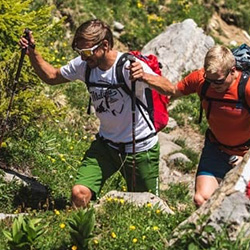
New to trekking poles or ready to upgrade? This guide covers everything you need to know—how to use them, what to look for, and which type suits your adventure. Plus, we spotlight some of the best poles and brands available at Wild Earth Australia.
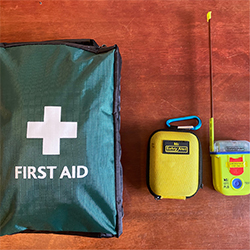
A qualified paramedic shares her complete backcountry first aid kit checklist for hiking, bikepacking and adventure travel. Learn what dressings, medications, emergency gear and wilderness safety essentials to pack before your next trip.
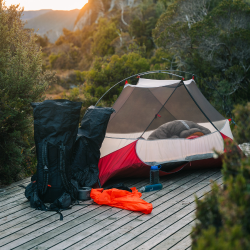
Ultralight backpacking is basically the art of minimalism on the trails. It's about bringing less so you can hike without feeling like your pack is weighing you down. For some people, this feels more like freedom. For others… the trade-offs just aren’t wo
A guide to the best water filters in Australia for hiking, camping, travel and emergency backup. Learn the difference between filters and purifiers, compare top picks from Katadyn, Sawyer, Grayl and LifeStraw, and choose the right setup for your next adve












Using Afterpay you can pay for your order over 8 weeks. There's no interest or added fees* and nothing to pay today. Payment will be automatically taken from your debit or credit card in four equal payments each fortnight over 8 weeks, and you will receive your order immediately.
You simply need:
To use this service simply:
Approved AfterPay buyers will require the funds for the first payment to be available on their card at time of checkout, however the first payment won't be deducted for 14 days. First time AfterPay buyers will need to make the first instalment payment at the time of their purchase.
If you wish to return your goods you can choose to receive an exchange, or the Afterpay payment plan can be cancelled before the first payment at no charge. *If you fail to have sufficient funds available for AfterPay to automatically deduct payment on due instalment dates you will be charged a late fee of $10, and if the instalment payment remains overdue, an additional $7 will be charged one week later.
With AfterPay, there's no waiting and we'll ship out your order immediately as normal.

When you want to go now, sometimes it's handy to pay later. That's why, we offer interest free payment plans from two of Australia's favourite Buy now, Pay later services.