Total Items: 0
Sub Total: $0.00



Your first 50K trail race isn’t about running every single step, it’s about learning how to move well for hours, hike before you’re exhausted, eat before you’re hungry, drink before you’re dehydrated, and let go of expectations.
Table of Contents
In a recent interview on Wild Chats, I spoke with Steve ‘Jacko’ Jackson, the race director behind Trail Trips and Events like the Wild Earth Coastal High 50, In The Raw and many others. We dived deep into how to get into trail running, running your first 50k and what first-time ultra runners often misunderstand when they step off the road onto the trail.
Steve has lived experience of this sport from runner, coach, event builder, tour host and custodian of some properly beautiful, properly brutal trail running courses around Australia and beyond. I found his advice refreshingly simple and wanted to share it with you. This guide breaks down the advice he shared, what I’ve learned from running the Coastal High myself, and how to prepare for your first 50K trail race without turning it into a total suffer-fest.
You can watch the full podcast episode below or find it on Spotify and Apple.
Before Steve Jackson was directing trail races, building events and sending runners into places like the Gold Coast hinterland, he was a 13-year-old kid sitting in the back of a Volvo after his first marathon.
He’d gone into it with the confidence only a young runner can have but halfway through, he felt good so he turned it up a notch. Then “...We get to 35km and like this piano falls from the sky. Classic wall scenario, lands on the back and I’m like shuffling and sniffling. And then I had another guy come past from the [run] club and he’s like, ‘How you going Jacko?’ And I was like, ‘Oh, I’ll get through.’”
He got through alright, Steve ran 3:38 at 13 years old, but the time wasn’t the thing that stayed with him, it was the shared moment afterwards.
“Paul sits me down in the car. We get back to the car. I can still see the car. It’s like a Volvo brown and yellow. Sits me in the back seat and he looks me dead in the eye and he says, ‘Steve, if you can do a marathon, you can do whatever you want with your life.’ And it changed everything for me.”
That moment matters because it explains the way Steve talks about running now and I know there’s a bunch of people out there who know what he’s talking about. Running opens up something for so many of us and it’s what makes people keep coming back for more. I know that feeling and that’s the real power in pushing the limits and shattering your identity of what you thought you could do.
It might not change your whole life but at the very least, it can change the way you see yourself. And when you’re standing on the start line of your first 50K, that’s what you need to remember.
You don’t need to be an athlete or a superhuman to sign up for your first 50K trail race but you do need to be honest with yourself.
You need to be honest about your fitness, your training time, your injury history, and whether you’re ready to learn the boring bits like nutrition, hydration, blister prevention, pacing, and running gear. This is because an ultra-trail 50K race is not just a marathon with a little extra…. The terrain changes everything!
“I think the journey into ultra trail is a lot easier than ultra road running because it is accepted practice to kind of hike the hills. It’s okay to walk. And the other thing is that you’re not time-driven. When road runners come, they’re like, ‘Oh yeah, how far is it? Cool. I’ll be done in an hour.’ And then, because it just doesn’t correlate. You can do two trail events a week apart that are both 10-ish K and be 30 minutes different because of the terrain and the footing.” - Steve Jackson
That’s the big mindset shift that needs to happen. Sign up if you can already run consistently, spend a few hours on your feet, and recover well enough to train again.
You probably shouldn’t sign up yet if you’re injured, burnt out, or hoping the race will force you into fitness. An ultra will expose the cracks, maybe even break them, so it’s best to prioritise your body first.
If I had to boil Steve’s advice down into an 80/20 rule, it would be to spend 80% of your effort learning how to keep moving well, and 20% worrying about how fast you are.
This looks like setting a time goal based on road pace, running too hard too early, refusing to walk, under-fuelling, and being shocked when the terrain gets tough.
“There will always be people that are just going to jump in boots and all and just go, ‘This is my first and I’m doing parkrun and I’m going to do this 50 up in the Gold Coast hinterland.’ And you’re like, ‘Yeah, well just adjust your mindset. Throw the watch out the window and just manage your energy and make sure you eat enough and drink enough.’
It’s absolutely not, hiking is a strategy and done well, it will get you to the finish line in better shape than stubbornly jogging every climb with your heart rate through the roof.
“It’s embracing the hiking and as you get fitter and you get into your trail running journey, the hiking becomes less, but it also becomes more powerful. At the start it’s probably a trudge, let’s face it. But then as you get fitter and stronger, whether you use poles or not, it is actually a tactic. It’s an energy management tool to get you to the finish line in the best possible shape.”
You can get away with that on a short run. Maybe could even get away with it in a half-marathon but you probably won’t get away with it in your first trail ultra.
That’s the biggest part of the learning is not about being able to grit your teeth for long enough just to get through. It’s about all of those new skills that you learn through your hydration and your nutrition and your feeding and your blister prevention, all those sorts of things.
Overdressing because of a cool start is a classic one. You will warm up!
Steve loves accessories like gloves, beanies, buffs and arm warmers. They really help with comfort levels pre-start and early on, but they can easily be removed on the run.
Start in a fleece and/or jacket, though, and you may have to stop to change.
Not having options with food and drink can catch you out too because you may get flavour fatigue, or you may find something sits better in your gut that day. If you overcommit to just one thing, you have nowhere to go.
It’s an oldie, but it stands the test of time, Unused Gear is a Risk. Try to make sure everything has been used and/or practised in training.
The same goes for being mentally underprepared. Do some prep work and go for reconnaissance runs if you can. Ask questions of runners who have done it before and know where the vert is, know when the runnable sections are, and don’t use your road times as an indication.
Trail is a different sport!
Data can help but if the training watch is making every climb feel like a failure, or making you hold back on a day when your body feels good, it can become your worst enemy.
Steve has a brilliant little event called the Goat Loop Guessing Game where runners hide their watches, still record the run, but have to guess their finish time and it freaks people out. Steve says, “It’s funny how people, like, it freaks them out because they can’t attend to something and the confidence. I still think there’s a place for that. On race day there’s definitely people that hold themselves back because they’re holding themselves to a pace that they believe that’s all they’re capable of”.
You’re probably never going to feel completely ready, and that’s part of it.
“Whilst I wouldn’t recommend it, I don’t want to discourage it altogether either because ultimately we’re about encouraging people to get out of their comfort zone and live, like really live. Get out in the bush and all those sorts of things. I would never say, ‘Don’t.’ If somebody’s got a twinkle in their eye and they’re like, ‘I’ve been thinking about doing Coastal,’ I’m like, ‘Do it. Sign up because you’ll never regret it.’”
That’s not permission to be reckless. It’s permission to get started!
Steve’s own race-day satisfaction comes from execution, not just suffering through and I really like that take. “I think that’s what I still chase, that amazing feeling of, man, that felt easy, felt strong the whole way. Or if I got in a hole, I found my way out of it. It doesn’t have to be perfect in terms of, yes, I ran really well the whole time. It might be, I was in a hole there and I dug myself out of it.”
Steve’s thoughts on kit, “You will be wearing this for a while, you will be wearing a vest and/or belt, you will be in and out of creeks. Blisters and chafe can make life painful! So invest in gear fit for purpose and practice in kit. This can be everything from socks and run-specific underwear to the obvious shorts/tights and shirts/singlets (I prefer a shirt because of the increased coverage that helps when wearing a vest).
Here’s where Steve recommends you should be focusing your attention:
Steve says “You're going to be on your feet for a while and it won't be the same movement as running on road so find a pair that you can be comfortable in and that you can 'trust' to handle the trails… Comfort and grip are my priorities. Even our faster runners are out there for over four hours, some people will be over 10 hours. The diversity of Coastal High means you're tackling single track, rocks, roots, dirt, creek crossings and even a little bitumen so you're shoe needs to be an allrounder too and have good grip!”.
Problem they solve: Grip, protection, stability, confidence on loose or uneven ground.
Look for: Good outsole grip, enough cushioning for long descents, a fit that holds your heel, and room for toes when your feet swell (buy at least ½ size up).
Avoid: Brand-new shoes on race day (obviously). Also avoid choosing shoes because they look cool. Your shoes will need to handle technical trail so confidence underfoot matters more than style. Some great trail running brands are Salomon, Hoka, Brooks, Saucony, Altra, Kailas and more.
Buying tip: Match the shoe to the type of foot you have and what terrain your likely to face. Soft muddy trail, rocky rainforest, and fire trail all feel different. Wild Earth has a solid range of trail running shoes, and the useful bit is comparing outsole, fit, and cushioning side by side.
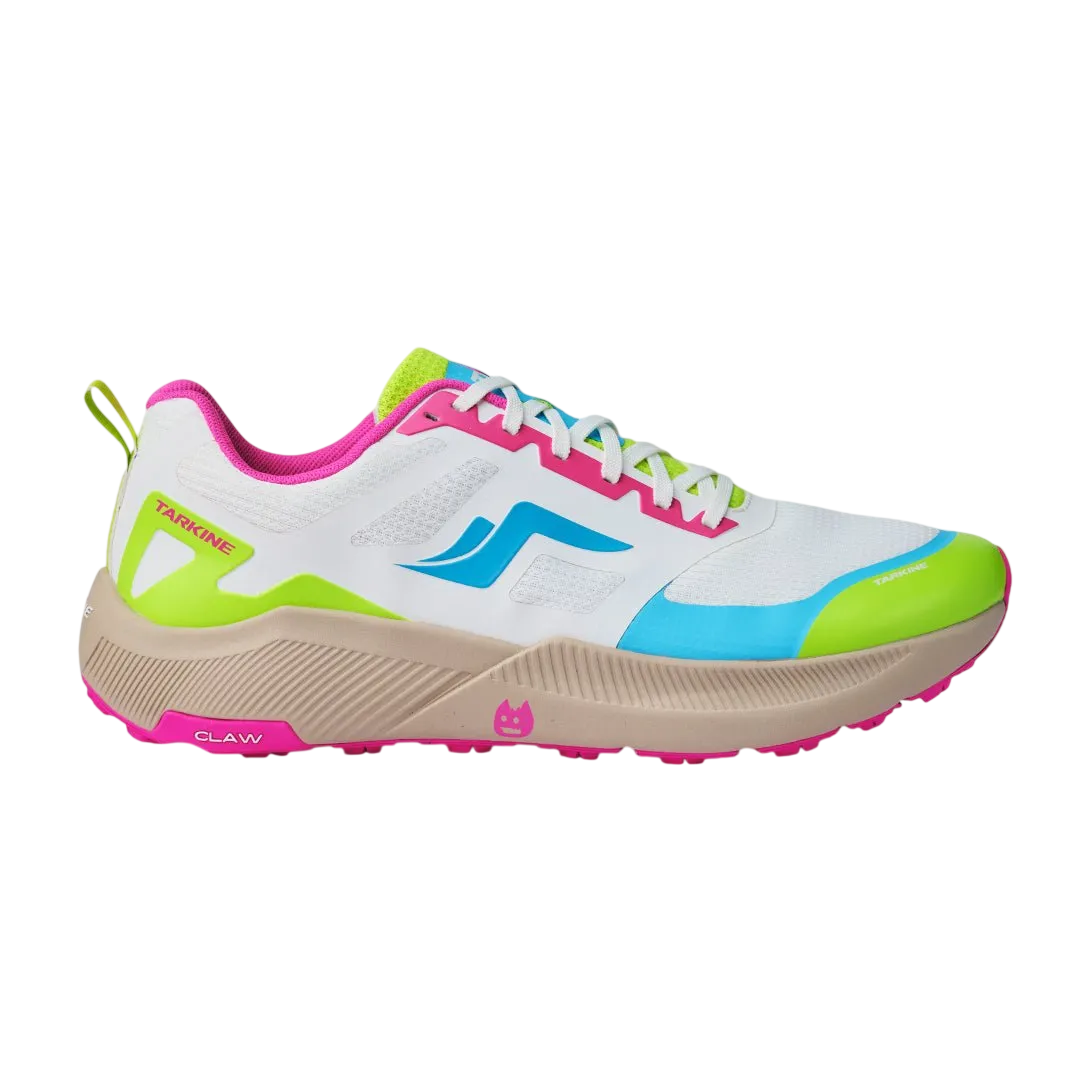
This limited-edition release from Tarkine is a Wild Earth staff pick! It keeps the legendary feel runners have come to love, but levels things up with a fully redesigned upper that’s softer, tougher, and made from 100% recycled materials. Underfoot, an all-new high-traction rubber compound delivers even more grip across rough, wet, and unpredictable terrain.
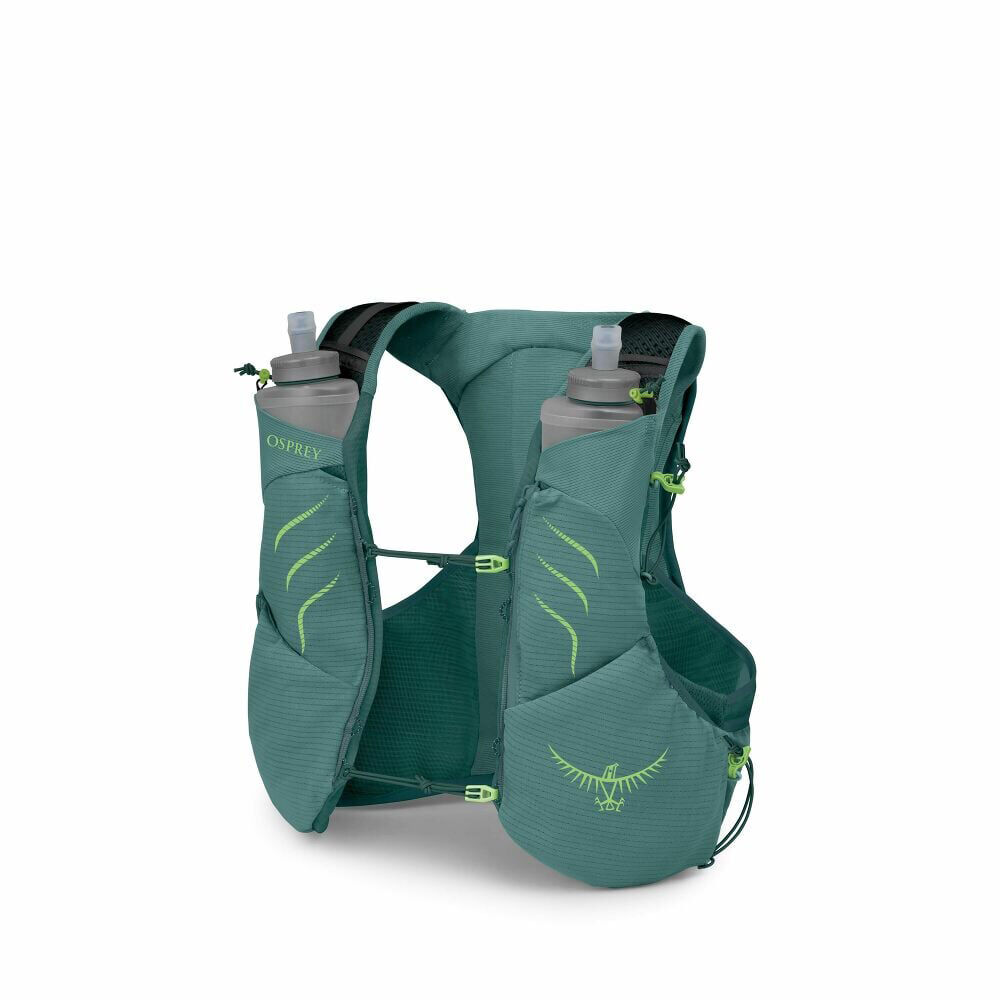
Steve says, “Most trail ultras involve mandatory gear and longer periods of time between aid stations than road running and triathlon events. Find a vest that's comfortable and practical (easy access to hydration and nutrition, enough storage for mandatory items)”.
Problem it solves: Carrying water, food, mandatory gear, phone, first aid, and layers without bouncing all over the place uncomfortably.
Look for: A snug fit around the ribs, front bottle access, enough storage for your race distance, and pockets you can reach while moving.
Avoid: Buying the biggest vest and overpacking it, you’d be surprised how much weight adds up.
Buying tip: Pack it at home with the gear you’ll actually carry, then jog around the block. You’ll know very quickly if it rubs or isn’t a good fit.
Osprey’s Duro and Dyna Pro trail running vests are built for moving fast and light on the trails like the Wild Earth Coastal High, with a stable, body-hugging fit, smart storage, and easy-access hydration.
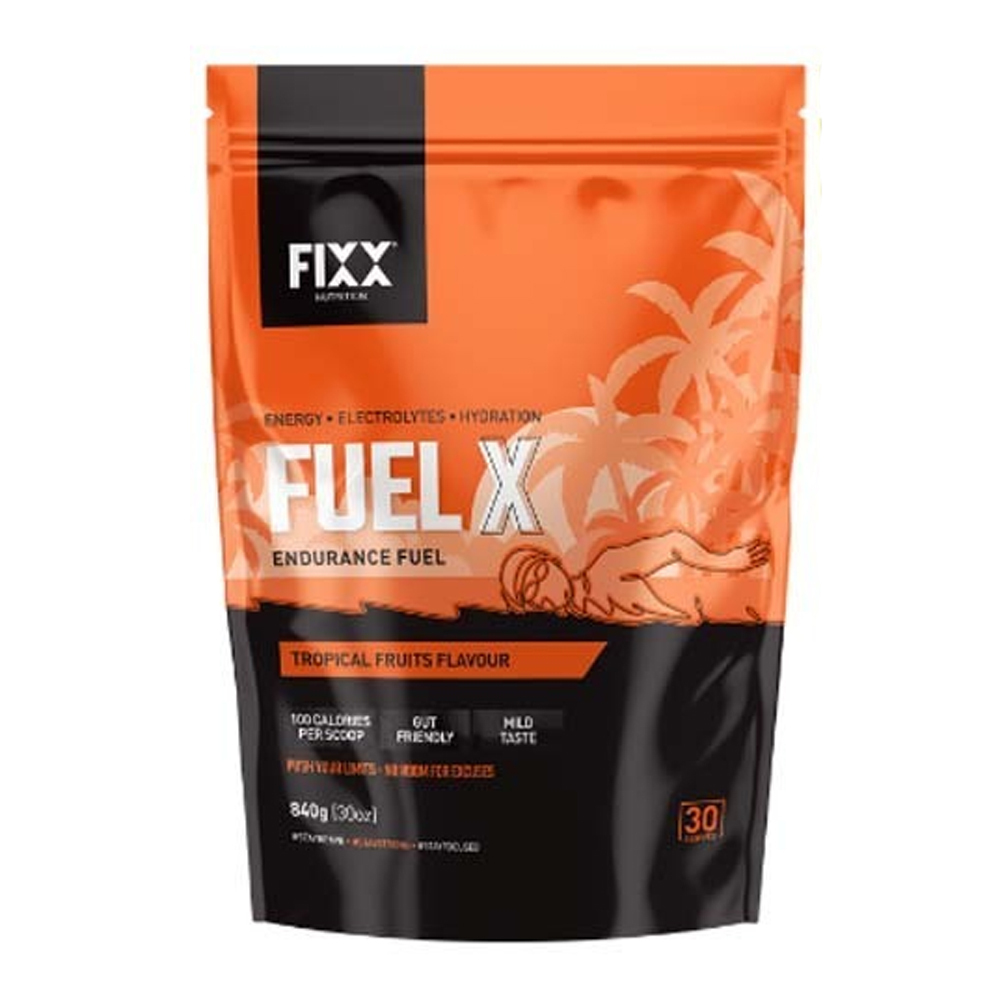
I asked Steve what his ideal race-day hydration and nutrition setup looks like for a 28-50km trail event? He said “It’s such a personal choice but definitely something you need to practice and experiment with in training plus its worth knowing what's on course so you don't carry extra items. I probably prefer my fuel and hydration in one, but I vary things with chews, gels and, to a lesser extent, bars. I rock water in one flask, a sports drink like FIXX Fuel X in the other, and water in the flask with some powder in empty flasks so I can replace what I use if that's working for me/conditions dictate. Typically, my 'wants/needs' at aid stations will vary depending upon the conditions and point in race so I run on feel and take what I desire!
It's not for everyone but I love the 'black doctor'; a bit of Coca Cola later in races typically gives me a lift!
Problem they solve: Keeping fluids accessible so you actually stay hydrated on the move and nutrition prevents energy crashes, mood dips, nausea from under-fuelling, cramps and the classic late-race shuffle.
Look for: Soft flasks for front pockets, or a bladder if you prefer carrying more in one go. If you're expecting high temperatures, front flasks make it easier to track how much you’re drinking. For nutrition, a mix of fast fuel and something more substantial if you’ll be out for hours. Gels are convenient, but not everyone wants sweet stuff all day.
Avoid: A setup you can’t refill quickly at aid stations and don't test new gels, drink mixes or bars on race day.
Buying tip: Build a long run menu and test it over several weekends. Keep notes on what worked and what made your stomach upset and be sure to practise opening, filling, closing, and stashing bottles when tired… It sounds ridiculous until you’re 35K in and fumbling with cold fingers or sweaty hands.
Fixx Nutrition Fuel X Endurance Fuel is designed to help keep you fuelled, hydrated, and moving strong during long runs, rides, and endurance efforts. Easy to mix and gentle on the stomach, it delivers energy and electrolytes when you need them most.
“Using poles is a skill and can help you ascend and descend more comfortably and confidently. Checks out the course maps and for any long and/or steep terrain, it's well worth considering.
I don't think they're a necessity for Coastal High but if you're a back-of-the-pack person, it's worth some time experimenting to see if it can assist you beat that goal time or cut-off!” - Steve Jackson
Problem they solve: Long climbs, tired legs, steep hiking, and keeping rhythm late in a race.
Look for: Lightweight collapsible poles that pack away easily and feel comfortable and easy in your hands.
Avoid: Using poles for the first time in a race because they definitely take some getting used to.
Buying tip: Check whether your event allows poles, then practise with them on climbs and descents.
Not sure where to start? Read our guide on how to choose the right trekking poles for your hike for a simple breakdown of pole types, materials, grips and key features.
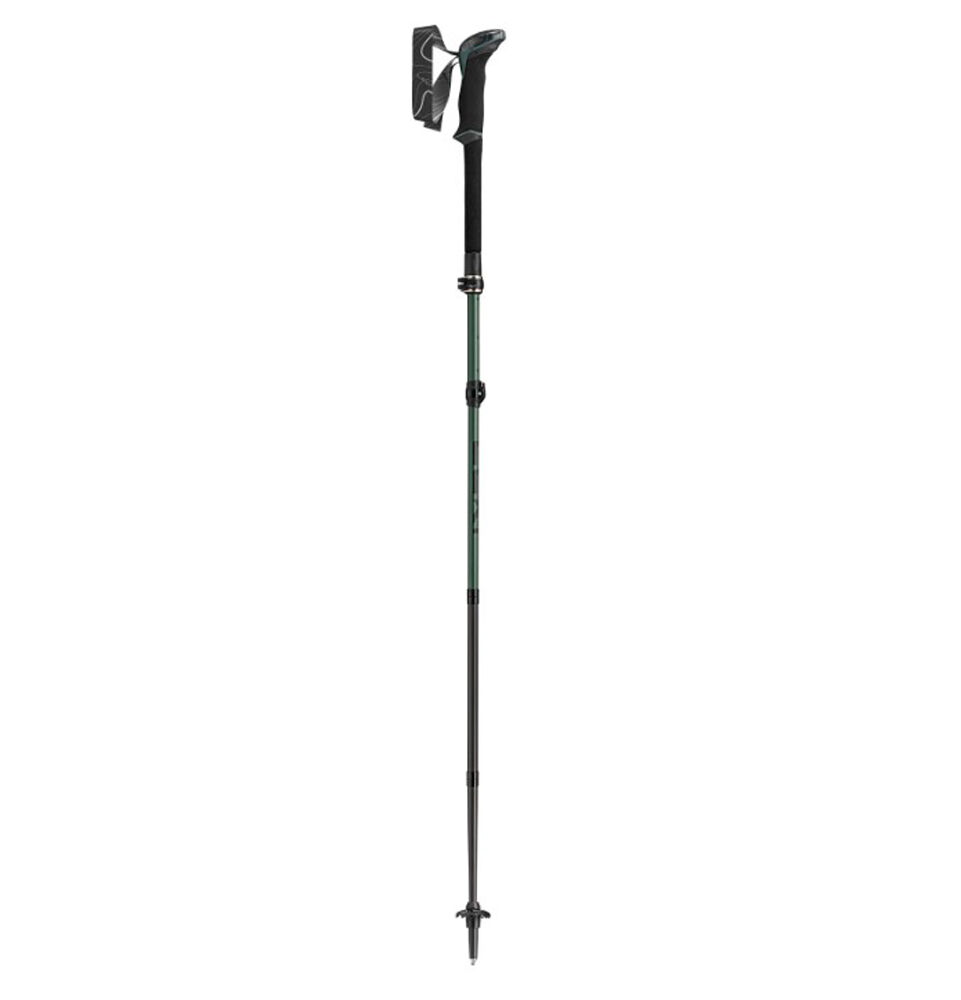
The Leki Makalu FX Carbon is built for big days on tough terrain, from alpine tracks to long treks and rugged mountain trails. Its lightweight carbon construction keeps things easy to carry, while still giving you the strength, support and control you need when the trail gets steep, loose or unpredictable.
Socks and blister care might not be the most exciting part of your race kit, but they can make or break your day on the trail. The right socks help manage moisture, reduce friction and keep your feet comfortable, while a few simple blister-care essentials can save you from a small hot spot turning into a painful race-ending problem.
Problem they solve: Hot spots, rubbing, wet feet, and the small problems that become big problems after hours.
Look for: Technical running socks that fit snugly, manage moisture, and don’t bunch. Injinji and Smartwool are popular choices.
Avoid: Cotton socks for long trail runs.
Buying tip: Test sock and shoe combinations together because a good shoe with the wrong sock can still rub.
.png)
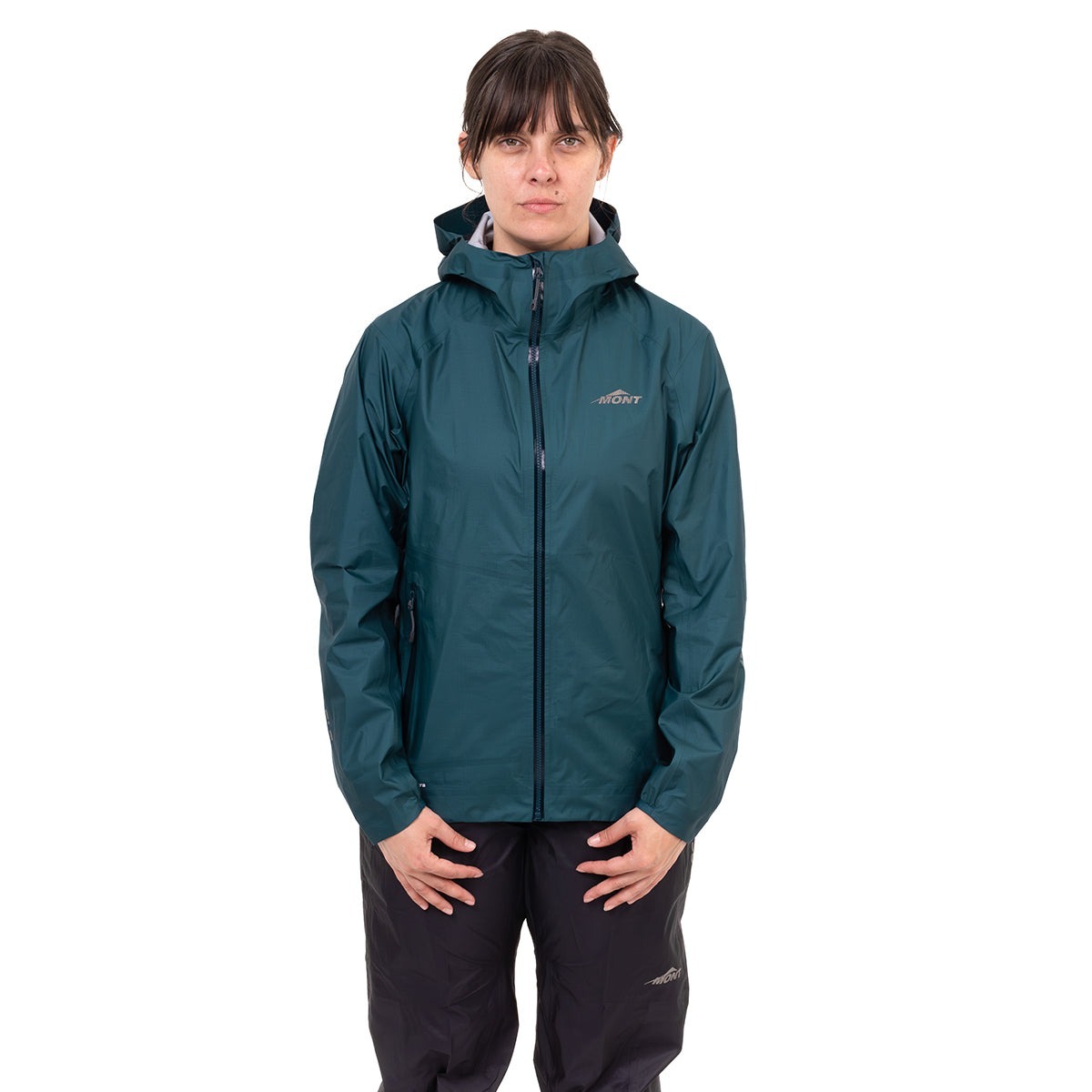
A lightweight running jacket is a must that you’ll be glad you packed if the weather turns. For trail runs and longer races, look for something breathable, packable and easy to move in, so you can stay protected no matter what the conditions without feeling weighed down.
Problem it solves: Exposure when the weather turns, especially in hills, rainforest, wind or cooler starts.
Look for: A breathable, packable jacket that meets your event’s mandatory gear rules if you’re racing.
Avoid: Assuming warm weather means no weather risk, Australia can throw plenty at you.
Buying tip: Don’t just own the jacket, make sure you run in it a few times. Learn how it feels when you’re warm, sweaty, and climbing.
The Mont Lightspeed Waterproof Running Jacket is a lightweight and packable jacket built for runners who need reliable weather protection without carrying extra bulk.
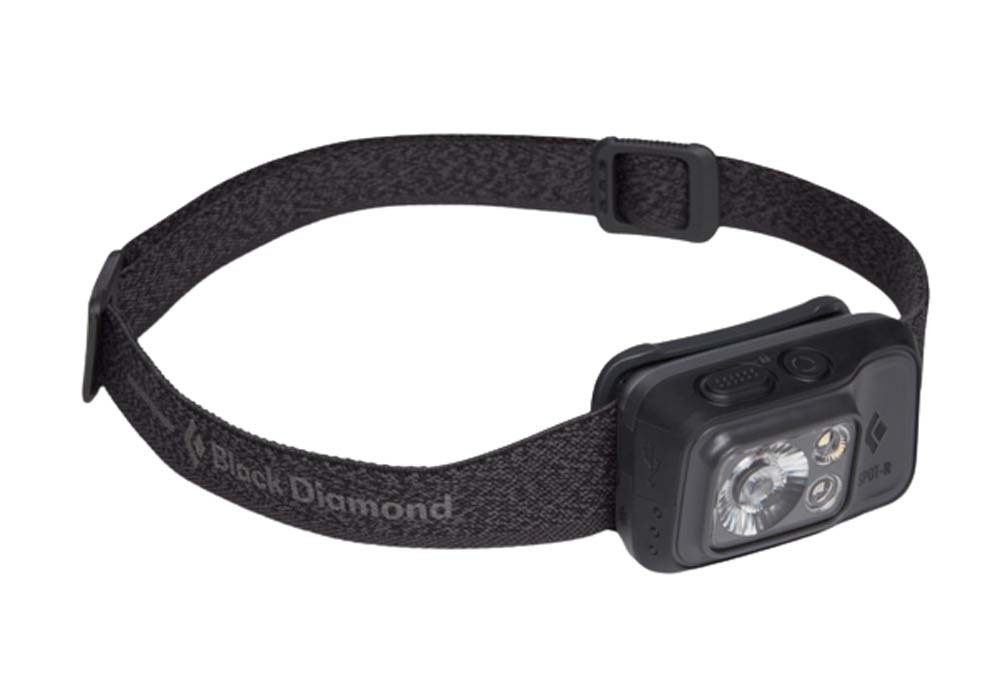
A good head torch is one of the small pieces of kit that makes a big difference if you get it wrong. Especially if you’re starting early, finishing late or moving through low-light sections on the trail. Look for something lightweight, comfortable and bright enough to help you see clearly without bouncing around as you run.
Problem it solves: Early starts, late finishes, delays, poor visibility, and safety.
Look for: Enough brightness for technical trail, comfortable headband, and battery life that matches your outing.
Avoid: Leaving it buried in a pack with flat batteries.
Buying tip: Carry a spare battery or backup light when required by the event.
The Black Diamond Spot 400-R is a reliable rechargeable headlamp that’s easy to pack as a backup or use as your main light. It has a simple single-strap design, multiple brightness settings and enough power to help you move confidently when the light drops.
Wild Earth Coastal High, is not a soft introduction to a 50km run. Steve describes it as a 50km point-to-point run with big rainforest sections, waterfalls, logistical complexity, and the famous Apple Tree stairs near to marathon distance.
“For those that haven’t heard of Coastal High, it’s like a 50km point-to-point run and there’s a set of stairs just on coming to marathon distance, which is 900-ish stairs. It’s beautiful and brutal, this section of forest, but you are literally climbing, you know, like a vertical K essentially. And yeah, it’s just at the wrong time in the race. There’s also that rolling section that leads to the stairs, which I think gets forgotten about, and that’s tough too. That’s what knocks people around the most on top of the stairs. But that’s just part of the folklore of the event.” says Steve.
‘Beautiful and brutal… That sums up trail running in two words alright!
I’ve run Coastal High a few times, and it’s one of those races that gives you the whole trail-running lesson whether you asked for it or not. The logistics are part of it, from the rainforest to the stairs and the finish, which to me means more because the course gives you so much.
Steve doesn’t pretend it’s easy.
“It is logistically an incredibly challenging race and expensive to deliver, between the buses and just the volunteers and ranger hire, permit fees, all that kind of stuff. It’s a nightmare. But I touched on that word before about being a custodian. It’s just such an iconic course.”
And that custodian idea really stuck with me. Trail races don’t just appear because someone drew a line on a map. They need permits, access, volunteers, parking, buses, safety planning, community support, and a reason to exist beyond ‘this would be a cool race’.
That, to me, is the best version of trail running… it’s not about racing through somewhere but getting to experience it, with presence.
Ask yourself these five questions before your next long trail run or race.
If you can answer yes to most of those, you’re on the right track. I’ll see you out there from more wild stories from the trail, the peaks, the road, and the edge of the map!
Not sure what gear you need for your next adventure? Chat with our friendly team of Outdoor Gear Specialists in-store or online today, and don’t forget to share your adventures with us on Instagram by tagging @wildearthaustralia in your next post.
Training for your first 50K trail race should focus on time on feet, consistent weekly running, hill hiking, long runs, strength work and practising on terrain similar to race day. Unlike road running, trail running is less about holding a perfect pace and more about managing your effort across climbs, descents, technical sections and changing conditions. Build gradually, test your gear early and use your long runs to practise nutrition, hydration and blister prevention.
No, you do not need to run the whole way in a 50K trail race. In fact, hiking steep climbs is a normal and smart part of ultra-trail running. Many runners use hiking as an energy management tool, especially on long climbs or late in the race when fatigue sets in. The goal is not to run every step, but to keep moving efficiently and finish in the best shape possible.
For a 50K trail race, you’ll usually need trail running shoes, a comfortable running vest or hydration pack, soft flasks or a bladder, nutrition, technical socks, blister care, weather protection and sometimes mandatory safety gear such as a headlamp, first aid items or a waterproof jacket. Always check your event’s mandatory gear list before race day, then practise carrying and using that gear during training.
How much food and water you carry depends on the race, the weather, your pace and the distance between aid stations. A common setup is water in one flask and an electrolyte or sports drink in another, plus gels, chews, bars or real food that you’ve already tested in training. The most important rule is to practise your race-day nutrition before the event so you know what sits well in your stomach when you’re tired.
The Wild Earth Coastal High 50 can be a rewarding first 50K trail race, but it is not an easy one. The course includes rainforest, waterfalls, technical terrain, creek crossings, logistical challenges and the famous Apple Tree stairs near marathon distance. If you’re prepared to train on hills, practise your gear and approach the race with patience rather than a strict road-running pace goal, it can be an incredible introduction to ultra-trail running.

A qualified paramedic shares her complete backcountry first aid kit checklist for hiking, bikepacking and adventure travel. Learn what dressings, medications, emergency gear and wilderness safety essentials to pack before your next trip.
Planning the Thorsborne Trail? This guide covers exactly what to pack for Hinchinbrook Island, including footwear, rat-proof food storage, water, tides, and wet-season conditions.
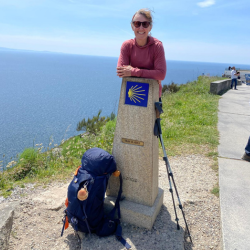
Planning the Camino de Santiago? I walked 900km on the Camino Francés to Santiago, then on to Finisterre. Here’s what I’d do again (and what I’d change) from training, my packing list, shoes, blisters, accommodation, safety, and gear.
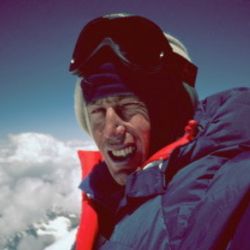
Before Sea to Summit was a gear brand, it was a human-powered Everest expedition. Here’s what Tim Macartney-Snape’s story teaches us about better gear.












Using Afterpay you can pay for your order over 8 weeks. There's no interest or added fees* and nothing to pay today. Payment will be automatically taken from your debit or credit card in four equal payments each fortnight over 8 weeks, and you will receive your order immediately.
You simply need:
To use this service simply:
Approved AfterPay buyers will require the funds for the first payment to be available on their card at time of checkout, however the first payment won't be deducted for 14 days. First time AfterPay buyers will need to make the first instalment payment at the time of their purchase.
If you wish to return your goods you can choose to receive an exchange, or the Afterpay payment plan can be cancelled before the first payment at no charge. *If you fail to have sufficient funds available for AfterPay to automatically deduct payment on due instalment dates you will be charged a late fee of $10, and if the instalment payment remains overdue, an additional $7 will be charged one week later.
With AfterPay, there's no waiting and we'll ship out your order immediately as normal.


When you want to go now, sometimes it's handy to pay later. That's why, we offer interest free payment plans from two of Australia's favourite Buy now, Pay later services.