Total Items: 0
Sub Total: $0.00
After waiting 11 years to attempt the Mount Everest Marathon, altitude sickness ended Adam’s race before the start line. This is his story of turning back, recovering and accepting what the mountains decided.
On Wednesday afternoon of May 27th, two days before the Mount Everest Marathon, I walked through the finish line in Namche Bazaar.
I was coming from the right direction - down from base camp, the way the race would run. I just wasn't in my race shirt. I was in my hiking gear, on my way out.
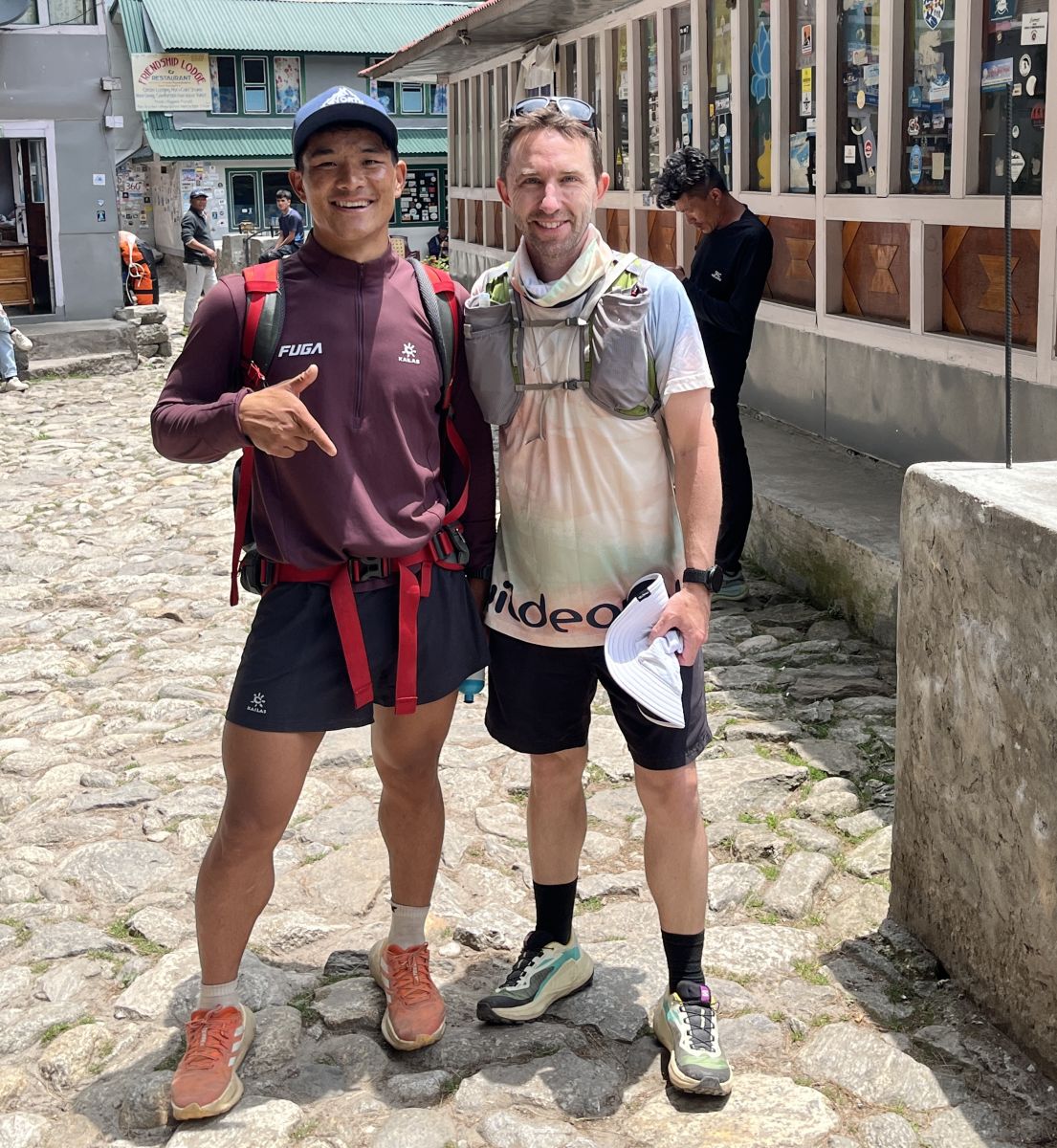
On the trail with 2025 and 2026 70km winner Man Kumar
Back in 2015, I was living in Phnom Penh. I'd signed up for the same race, trained for close to a year, and had my duffle bag packed and sitting at my front door waiting for an early-morning airport pickup. Then the earthquake happened. The race, obviously, didn't happen.
I was pretty lost for a while after that. A year of preparation with nowhere to go. I ended up flying to Phuket for the international marathon there, but it wasn't what I'd been training for. I came home, and the Everest race sat unfinished, in the back of my head, for the next eleven years.
I didn't think about it constantly. Life kept happening. But it never went away either. So when the opportunity came around again I signed up.
This second attempt looked nothing like the first. In 2015, I had a year of singular focus. In 2026, I had a family holiday booked at roughly the same time, I was running a business, my son had just started school, and Nepal was one item on a long list. I barely thought about the race until I landed in Kathmandu. I just wanted to get to the start line healthy.
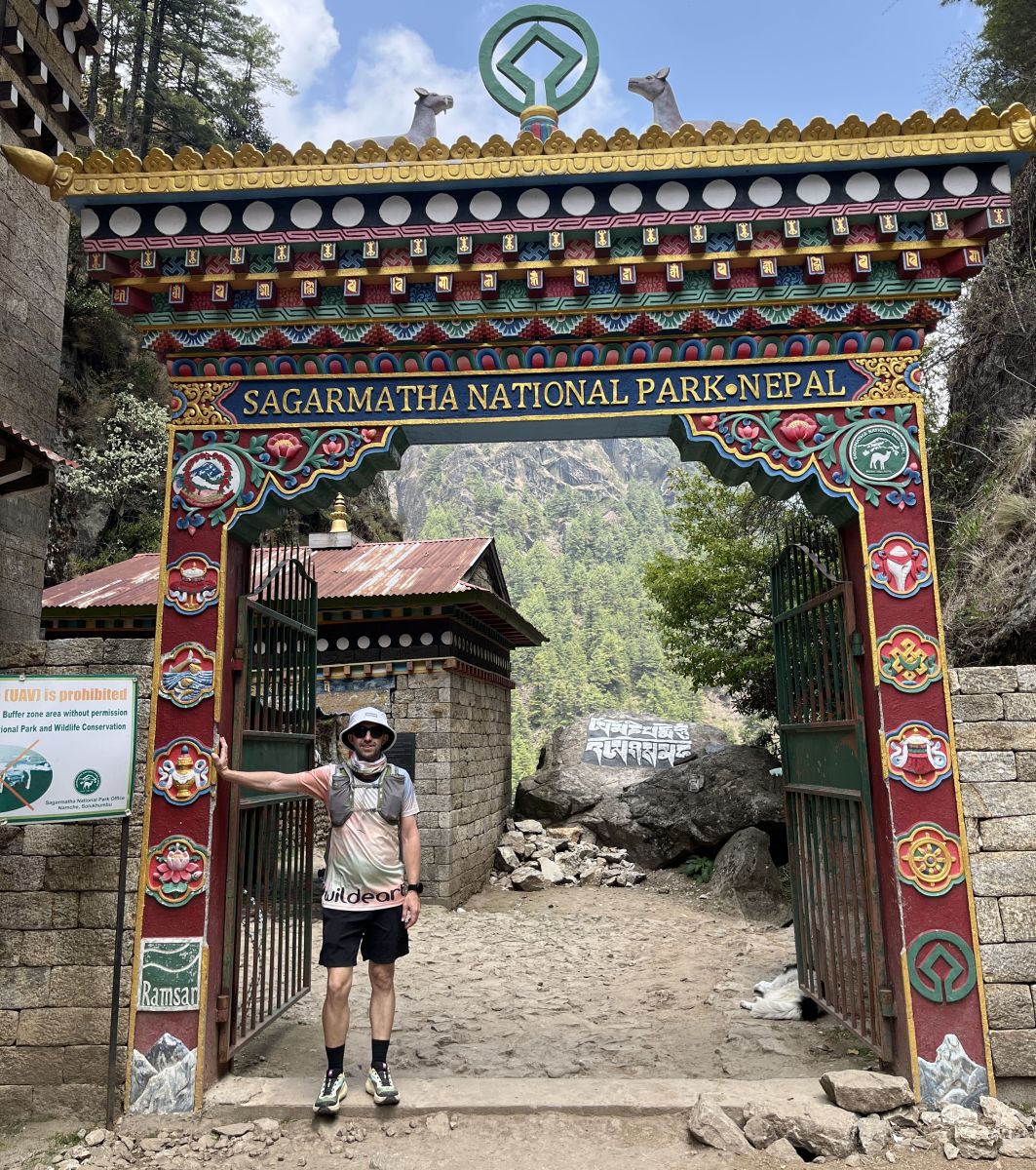
Entrance to Sagamartha National Park
Getting into Nepal felt good. I'd done base camp before, about fifteen years ago, and the first morning walking out of Lukla brought back small flashes of that trip - spinning the prayer wheels coming out of the airport, recognising bends in the trail. Nothing dramatic. Just the quiet of having been somewhere before.
On the way up, I deliberately hiked easy at the back of the group. I wanted to keep my heart rate low and conserve everything for race day.
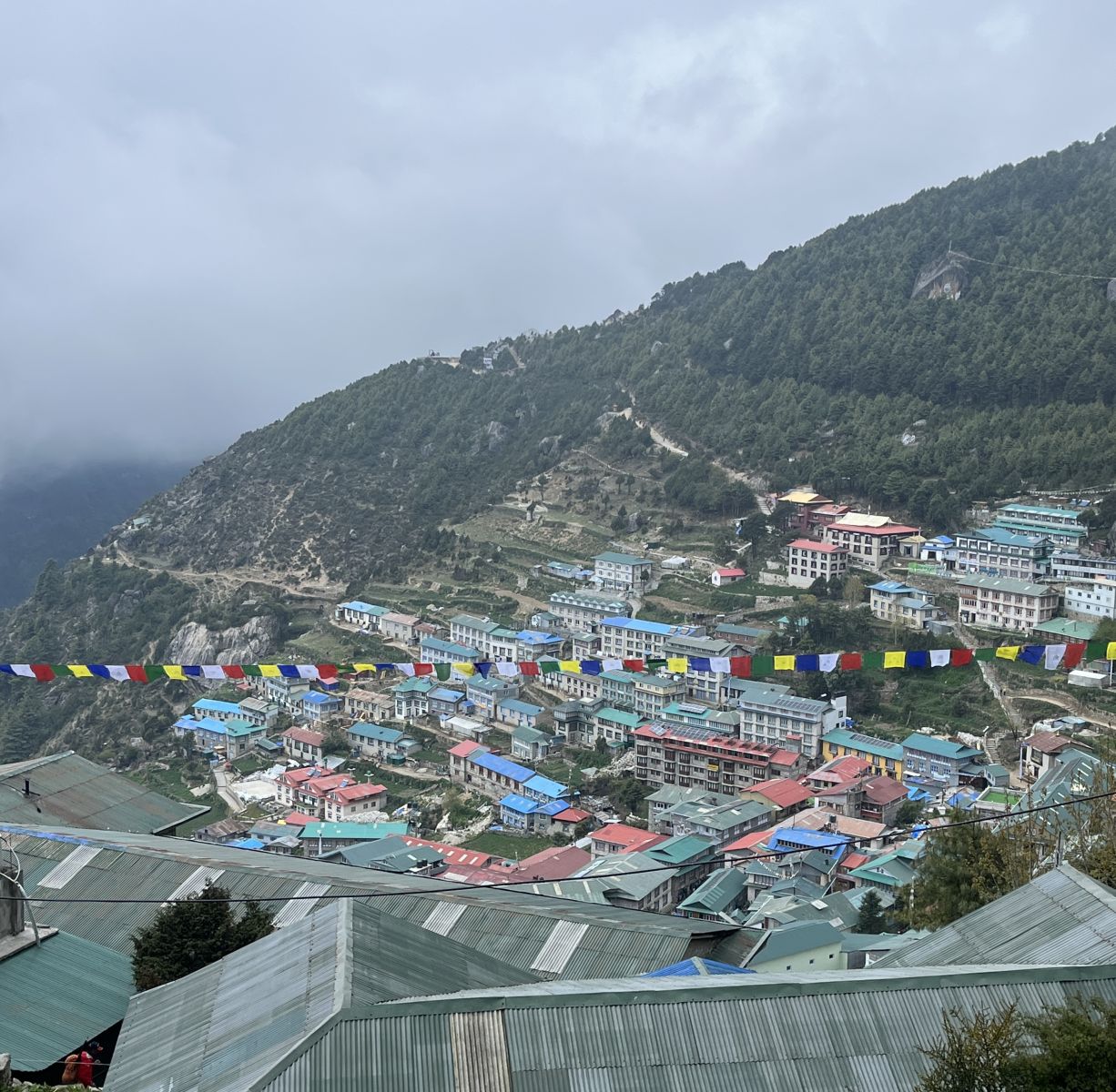
Namche Bazaar from above
One night in Namche Bazaar on the way up, a group of us went to the Yeti Bar. Everyone was having a couple of quiet drinks. Sonia - another Wild Earth employee on the trip, who was also doing the race - and I secretly ordered mocktails. We didn't tell anyone. We just didn't want any room for a what if later. If something went wrong, we wanted to know we hadn't given ourselves anything to second-guess.
It’s a long way to go to not finish a race.
I was eating every meal in full. Sleeping every night. No bad days. No headaches. By the standards of a high-altitude trek, I was doing it textbook.
I'd been to altitude plenty of times. Everest Base Camp, no issues. Kilimanjaro summit, no issues. A fair bit of mountaineering in between, never anything worse than the usual headache and slight loss of appetite. Sonia was the same - base camp before, no altitude problems either. We weren't being cavalier.
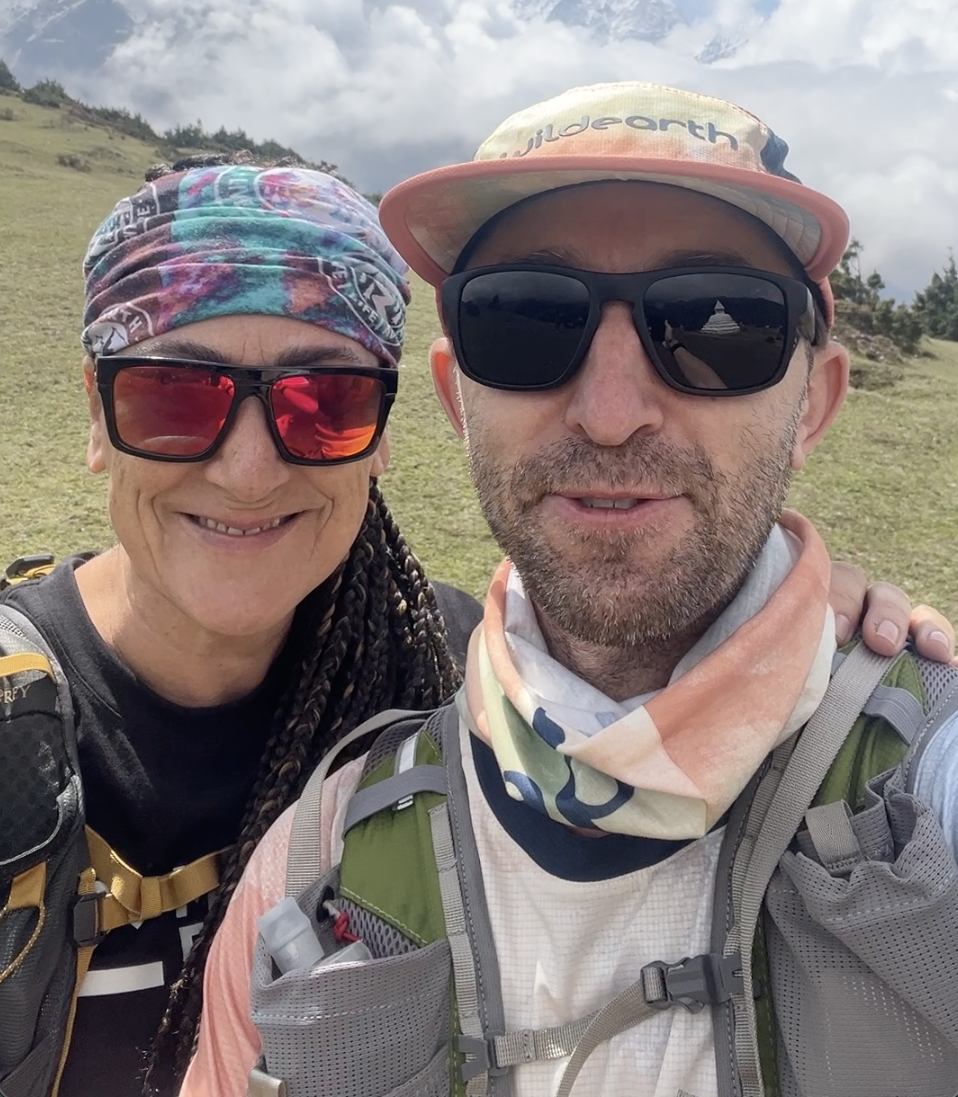
Adam and Sonia above Namche
Day eight, on the climb up to Lobuche, I started feeling rough at lunch. We were at about 4,700 metres. I got two spoonfuls of soup down and even that was forced. I took some paracetamol and an anti-nausea tablet and figured it was finally my turn for the usual - headache and no appetite are normal up there. Most people get those.
We continued up to Lobuche at around 4,900m, dropped the bags, and did an acclimatisation hike to a hill at 5,000m where you could see base camp in the distance. I started hurting a bit more here on the way up. It felt like a full-body headache. Like a migraine through every part of me.
I had a nap in the afternoon. Then I went to the group dinner, and almost broke down at the table.
It came over me in a wave. I had my head in my hands.
Looking back, I think part of me already knew. I've spent enough time at altitude to know what these symptoms can turn into, and the knowing was probably what tipped me over emotionally. People around the table started noticing I looked terrible. Everyone was eating. I was leaving.
Our trip leader, Lhakpa Sherpa, who is trained in high-altitude medicine, told me to go lie down and he’d come and chat with me in a minute. Once I was in bed, he came in and put me on oxygen.
That first round of oxygen, 45 minutes, worked. We took the mask off and I slept for a few hours solid. Around midnight I woke up feeling pretty ordinary again. Lhakpa had told me to knock if anything happened, but I didn't want to annoy anyone or wake anyone up.
I lay there for a few hours hoping it would settle. It didn't. Eventually I asked Sonia, my roommate, to go down the hall and get Lhakpa Sherpa.
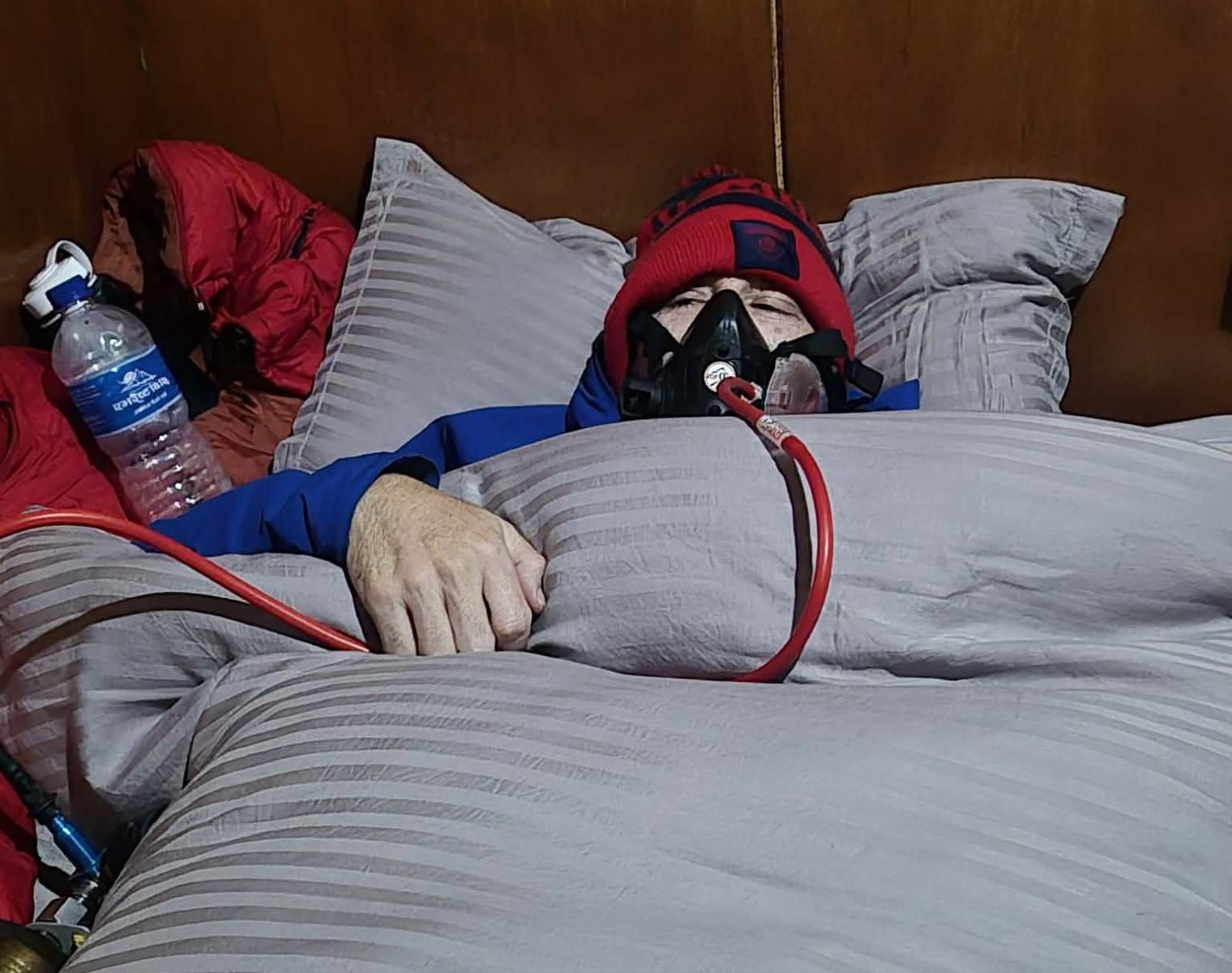
On the oxygen
Lhakpa came in, took one look, and put me on oxygen again. An hour this time. But when we took the mask off, it hit me again immediately. No relief unless I was actually breathing the oxygen.
At some point in the night, I remember there was some talk of walking me down in the dark. That would have been pretty horrible. Thankfully they held off until morning but the call was made. I didn't have a say in it, but I wasn't arguing. I knew it was right.
Before the trip, Sonia and I had made a deal: if one of us got sick, the other kept going. No point ruining two trips. People get altitude sickness up there. So when I was packed to descend with a guide, that was the plan working as agreed.
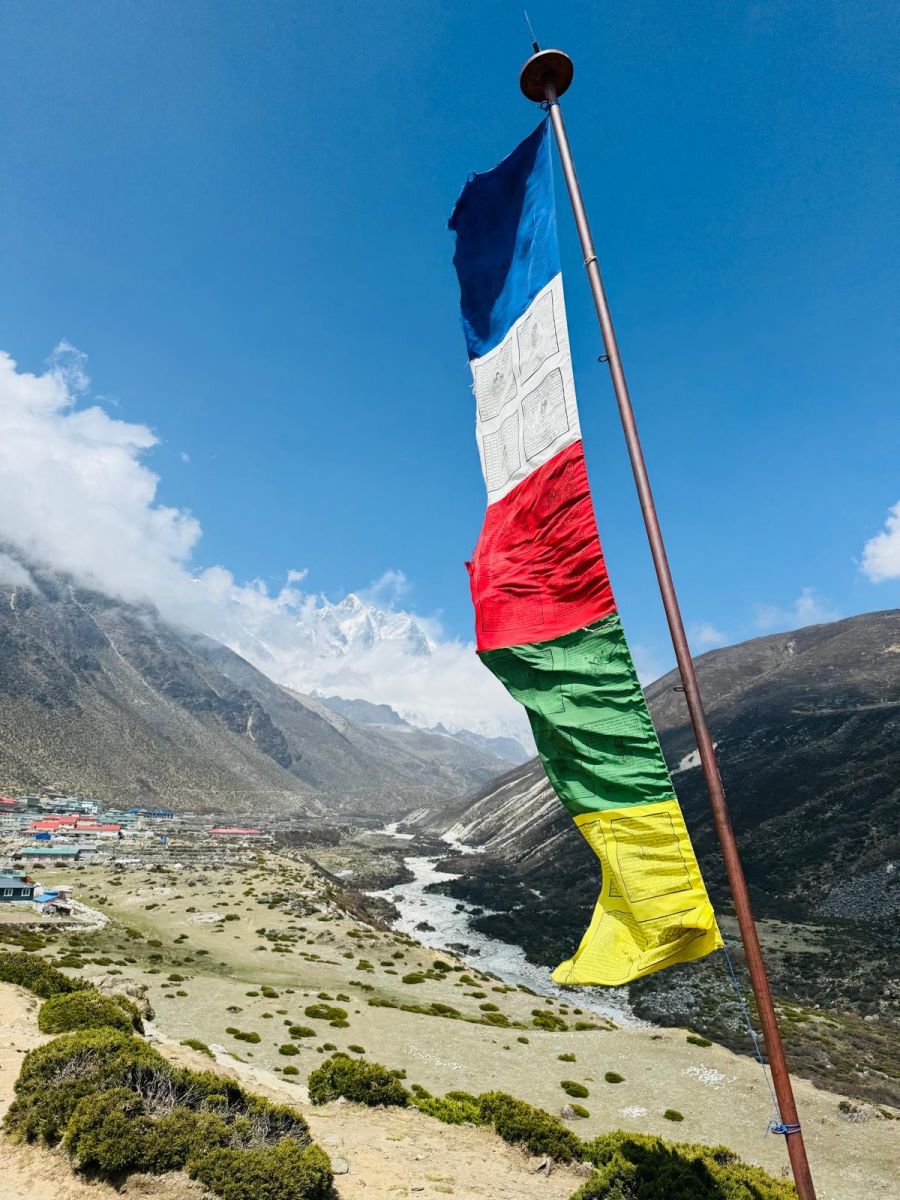
Then the Sherpas took Sonia's blood oxygen. Sixty-one percent.
That's about the lowest they want to see even at a higher altitude, so she wasn't going up either. The decision was made at the last minute, ten minutes before I was due to leave. Both of us were going down.
The descent was the worst day I've ever had. It was like doing the hardest hike of your life feeling the sickest you've ever been. We crossed glaciers, then dropped into farmland, all of it rocky and rough underfoot. I'd assumed every metre of altitude lost would bring some relief. We dropped a thousand metres that day and I didn't feel much better.
Sonia and I walked separately. Fifty or a hundred metres apart. We barely said a word to each other the entire eight hours. I couldn't think about where we were heading. I just had to do one more step. One more step.
Our guide on the way down was Chhota. He didn't try to talk to us. He didn't try to pump us up. He didn't check in every ten minutes. He just moved back and forth between us on the trail, making sure we were both still walking. He knew we didn't want to talk and he knew we didn't want to be talked at. That read of the situation is its own kind of skill and I later thought “he has done this a few times before”.
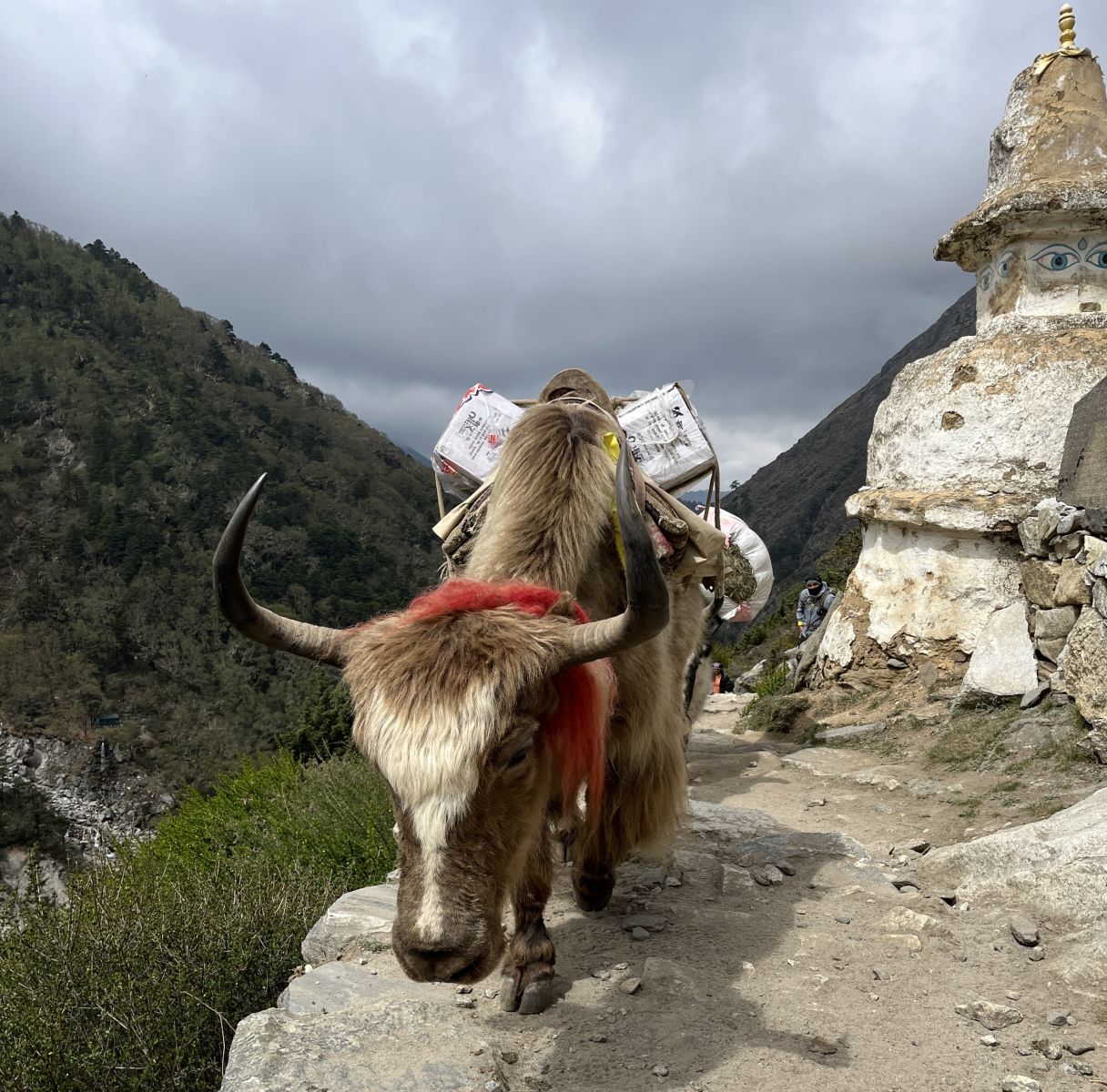
Sharing the trail with the Yaks
We got to the teahouse at Pangboche that night. They tried to make us eat. I couldn't. We got into our sleeping bags, and lying down was the first time it felt slightly better. We started talking quietly in the dark. We're really going down. This is over. It was the first time either of us had said it out loud. As we fell asleep we also laughed about someone mentioning that morning that maybe we’d be ok to do the half marathon which started at Dingboche on Friday. There was no way that was happening.
The next day we walked another 14km into Namche. We talked a little more. We were both feeling slightly less terrible. And then, coming into town on Wednesday afternoon, we walked through where the finish line was being set up - the place I'd waited eleven years to cross - two days before the race, in our hiking gear, on the way out.
We stayed in Namche while the rest of the group continued up to base camp for the race. It was three days since I got sick and we went to the Sherpa Museum for a quiet stroll, the only people in there, spending about 90 minutes looking at photos and reading stories about the mountains. I texted Lhakpa to ask whether I should descend further. His answer was simple: stay where you are, and do less.
Today's joke was about getting bed sores from how much time we were spending in our sleeping bags.
By Friday lunch I managed three slices of pizza and a coke at a place in Namche. It was the first food I'd had since Monday morning.
We walked up to the finish line on Friday afternoon to watch the first few finishers of our group come in, and I was genuinely happy for them - properly happy, no asterisk. It's a strange thing, how a couple of weeks of walking together, every meal at the same table, every night in the same teahouses, turns strangers into people you actually want to see do well. I had to leave and lie back down before most of the field arrived, but I got to see a few of them cross. The next day, someone in the group chat asked if we should wear our medals to the team dinner. I replied: what medal? and had a bit of a laugh.
We flew out by helicopter from Namche to Lukla on Saturday morning. Seven minutes in the air to save a seven-hour walk. There was no way I was walking another 20km. Even five days after Lobuche I couldn’t do much, although I was eating and sleeping now. Once we got to Lukla and then on to Kathmandu, I was really starting to eat a lot again - two mains a sitting, ice cream and cakes between meals, my body frantically catching up. I weighed myself at Namche on the way up and on the way down: I'd lost 8.5 kilos that week.
I'm home now. Sleeping well, eating well, but my body still feels sluggish. The recovery continues invisibly, I think.
The honest thing I keep coming back to is this. I did everything right and just had no choice.
I hiked at the back with my heart rate staying below 125 most of the day. I ate every meal. I slept every night. I had years of altitude history with no prior issues. I ordered the mocktail when no one was looking. I gave myself nothing to second-guess.It happened anyway.
And weirdly, that knowledge is what's letting me sit with this calmly. The people who suffer after a trip like this are the ones who think they could have controlled the outcome - the second-guessers. I should have eaten more. I should have rested longer. I should have done a different acclimatisation day. I don't have any of that. There's nothing to revise. The system around me worked exactly as it should - my body just said “not this time”.
.jpg)
View from Tangboche at dusk
I think that's the actual thing about the outdoors that most stories don't tell. The trips don't owe you anything. You can do every single thing right and still come home without the medal. And the strange truth is that knowing you did it right is what makes peace with it possible.
Eleven years from now I might still want to come back and finish it. Or I might not. Either's fine.
The bags-at-the-door 2015 version of me would probably be devastated by all of this. The 2026 version is just sitting at home, eating, getting the sluggishness out of his legs, and writing it down.
Which is, I think, its own kind of finish line.
I'll be honest - I can't tell you from the start line, because I never made it there. But I did walk the course, most of the way up and then back down the way the race actually runs. What stuck with me is that the bits that looked runnable on the way up didn't look runnable at all coming back down. The few sections that weren't brutally steep or loose, sliding rock usually had a 200-metre drop straight off the edge of the trail. Unless you're up with the very top pros, almost none of it looks easy.
And don't be fooled by anyone calling it a downhill marathon. Yes, you lose around 2,000m between the start at 5,364m and the finish at Namche - but there's a serious amount of climbing packed in along the way. Between that, the off-road footing and the altitude, the running is honestly only half the challenge. The 10 days of trekking up just to arrive healthy is the part that took me out, two days before the race even started.
Yes! I did everything by the book on the way up and altitude sickness still took me down before race day. Being fit gives you no protection at all; if anything, fit people can get caught out because they feel strong and climb faster than they should. Your training tells your legs what to do - it has no say in how your body handles thin air.
Not necessarily. I'd been to altitude plenty of times before this - including a previous Base Camp trek and a Kilimanjaro summit - without ever having a real problem, and none of that counted for anything this time. Your body can react completely differently from one trip to the next, often for reasons you'll never pin down. A clean history is reassuring, but it buys you no guarantees.
The early signs are fairly universal: headache, nausea, no appetite, fatigue and broken sleep - a lot like a hangover that won't shift. Mine announced itself as not being able to eat, then a headache that took over my whole body. But the symptoms themselves aren't really the point - most people get a touch of them up high. What matters is the direction they're heading. If they're easing off, you're usually fine; if they're getting worse, that's the warning sign, and it means stop climbing and tell someone.
In my case, our trip leader - who was trained in high-altitude medicine - got me onto oxygen overnight, and when that didn't hold, the call was made to walk me down in the morning. That's roughly how it goes: milder cases rest, acclimatise and often come good, but if it isn't settling, you descend, and your race can be over before it's begun. The guides and medical staff make that call, and they don't negotiate it. It's gutting after years of build-up, but they're right to.
Yes - there's no road and no shortcut to the start line. You fly into Lukla and trek up over roughly 10 to 12 days, with acclimatisation days built in. And the trek isn't just transport to the start; it is the acclimatisation that's meant to get your body ready for race day.
It's a completely different kind of hard, and not really comparable. I’ve done probably 10 or 12 marathons - half road and half trail. A road marathon is a sustained effort on a predictable surface. The Everest version is technical trail at altitude where oxygen and footing dictate your pace far more than fitness does, and finish times bear no resemblance to a road PB. Sure, the fastest Nepali this year ran around 3 hours 45 - but they live and train up there. Most of our group came in somewhere in the 9 to 12 hour range. That gap tells you almost everything about what the terrain and thin air do to a regular runner. But the real difference is this: a road marathon starts the day you've trained for. This one makes you survive two weeks at altitude first, and that's where most of the actual difficulty happens.
Straight from experience: brutal. The assumption is that since losing altitude fixes the sickness, the descent must be the easy part. It isn't. You're still on steep, rough, rocky trail, often for hours on end, and the relief comes far slower than you'd hop. I was a long way down before I felt anything close to human again. It does improve as you drop, but "going down" is nothing like the gentle option people picture.
Yes - and for me, that's the whole point. I prepared properly, took every precaution I could on the way up, and my body simply decided it wasn't happening that week. Beyond the altitude, there's plenty else outside your control too: weather that grounds the Lukla flights, a stomach bug off the trail, a rolled ankle on loose rock. You can tick every single box and the start line still isn't promised to you. That's not a reason to stay home - it's just the deal you accept when you sign up for a place like this.
I didn't get to run it, and I'd still say yes - with the right expectations. If you only want a marathon medal, do a flat road race and save yourself the trouble. But if you want one of the great experiences in endurance sport - the trek through the Khumbu, standing at Everest Base Camp, the people you end up sharing every single meal with - there's nothing else like it, even when it doesn't go to plan. Mine didn't, and I came home at peace with it. Respect the altitude, accept that some of it isn't in your hands, and it's still worth every bit of the effort.
This is my own experience, not advice — if you're heading up there, listen to your trek's guides and medical staff on the mountain. They know far more than any FAQ.
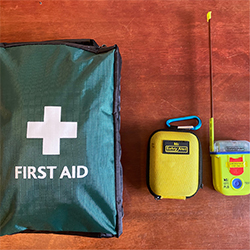
A qualified paramedic shares her complete backcountry first aid kit checklist for hiking, bikepacking and adventure travel. Learn what dressings, medications, emergency gear and wilderness safety essentials to pack before your next trip.
Learn how to layer for winter with a base layer, fleece or mid-layer, insulated jacket and waterproof shell. Based on multiple winter seasons in Nagano, Japan, this guide explains how to stay warm, dry and comfortable without overheating in cold weather.
I’m not fast. I’m not chasing podiums. I don’t have a coach or a training plan taped to the fridge. But sometimes I do travel for races or maybe I just weave in races when I travel. Either way, I reckon more people should do it.
You don’t need a passport (or a perfectly dialled kit) to find real adventure. Beau Miles’ best stories come from ordinary places, simple tools, and the courage to do the ‘weird thing you keep thinking about.’












Using Afterpay you can pay for your order over 8 weeks. There's no interest or added fees* and nothing to pay today. Payment will be automatically taken from your debit or credit card in four equal payments each fortnight over 8 weeks, and you will receive your order immediately.
You simply need:
To use this service simply:
Approved AfterPay buyers will require the funds for the first payment to be available on their card at time of checkout, however the first payment won't be deducted for 14 days. First time AfterPay buyers will need to make the first instalment payment at the time of their purchase.
If you wish to return your goods you can choose to receive an exchange, or the Afterpay payment plan can be cancelled before the first payment at no charge. *If you fail to have sufficient funds available for AfterPay to automatically deduct payment on due instalment dates you will be charged a late fee of $10, and if the instalment payment remains overdue, an additional $7 will be charged one week later.
With AfterPay, there's no waiting and we'll ship out your order immediately as normal.

When you want to go now, sometimes it's handy to pay later. That's why, we offer interest free payment plans from two of Australia's favourite Buy now, Pay later services.