Total Items: 0
Sub Total: $0.00



Compare the best carry-on luggage for Australian travellers, including backpacks, wheeled bags and duffels. Learn airline size limits, weight rules, key features and which carry-on bag suits your travel style.
The best carry-on luggage is spacious enough to fit all you need, light enough to pass airline weight restrictions, fit the required dimensions for the airlines you use and is comfortable to carry on through airports, city streets and wider adventures.
The benefits of carry-on-only travel include cheaper flights, fewer queues, easier transfers and more freedom to change my plans as you go.
For many travellers, the big decision is between these three carry-on luggage types:
I’ve spent the past five years travelling as a digital nomad with carry-on luggage only. Over time, my bags have gotten smaller, lighter and I’ve learned ways to make the set-up more practical. Every reduction has brought more freedom, flexibility and ease to my trips.
This guide explains how to compare carry-on luggage sizes, weights, materials, wheels, harnesses and organisation. It will help you identify which type of bag best suits your travel style before you start comparing products.
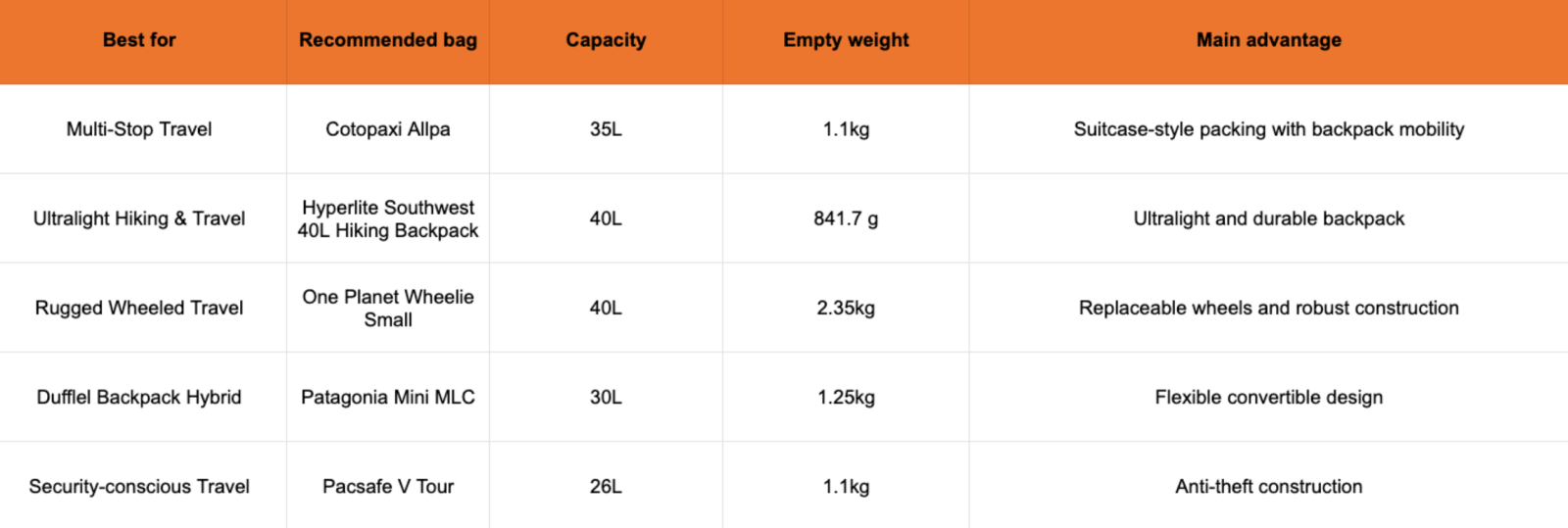
Despite many brands promoting carry on bags at this capacity, I would suggest otherwise. A 40L bag might well fit within an airline’s cabin dimensions, but that doesn’t mean it will meet a 7kg weight limit once packed fully. For most carry-on-only travellers, 26-35L is easier to manage and encourages a more realistic packing list.
I travel with a laptop weighing about 2.5kg, so choosing a lighter, smaller bag is essential; for me, that looks like a 28L backpack.
Carry-on baggage size limits vary between airlines, so checking the rules before you pack can help you avoid those dreaded baggage fees at the airport. Use the table below to quickly compare cabin bag dimensions and choose luggage that fits your airline’s requirements for some of the most common airlines for Australians, including carry on baggage size for Jetstar and Virgin Australia carry on.
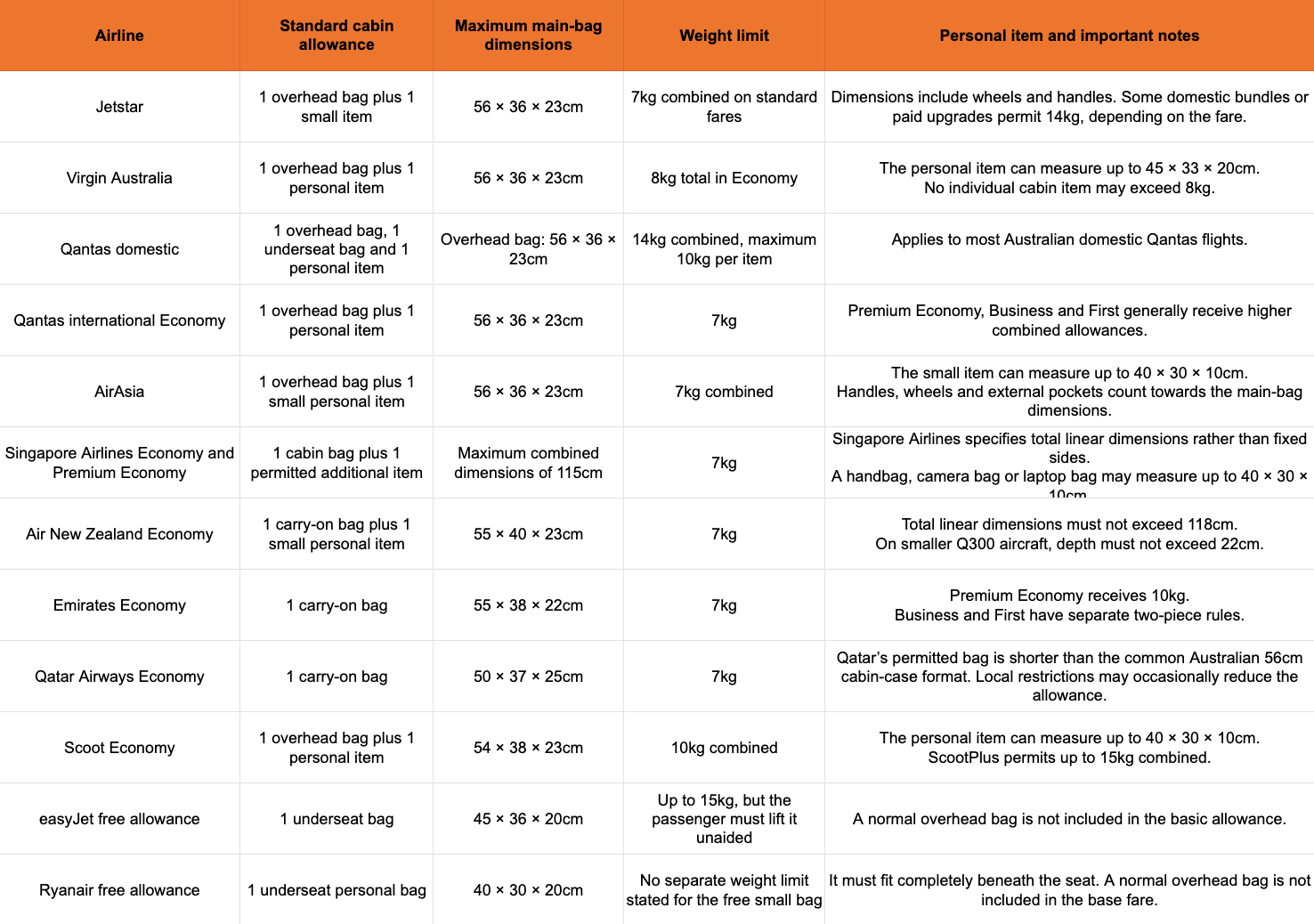
The most important lesson is that ‘carry-on size’ is not a universal standard and sizes and weights vary by airline.
Make sure you check:
You can find these types of details on the airline website.
Focus on the features that affect weight, comfort and ease of use.
A lighter bag leaves more of your airline allowance for stuff you actually want to pack. Just make sure the zips, fabric, wheels and handles still feel strong enough to handle the adventure you have planned. It pays to spend more on quality gear that lasts in the longrun.
Check the carry on luggages full specs. Including external size, wheels, handles, pockets and expansion panels if it has them. An expandable might not meet cabin limits when extended and packed full.
Decent carry on travel backpacks should have padded shoulder straps and a supportive hip belt. I personally find the hip belt much more helpful than a sternam strap because it takes some of the load off the shoulders and lower back.
Clamshell and panel-loading bags open like a suitcase which makes it easier to pack and organise than traditional top-loading backpacks. Once you have tried a good suitcase style backpack for travel, it’s hard to go back.
Useful organisational features to keep an eye out for include an internal laptop sleeve, quick-access front pocket, compression straps and a secure pocket you can hold valuables and documents in but remember too many additional features adds unnecessary weight).
The best carry-on luggage brand depends on how you travel and your general style. Some brands focus on lightweight backpacks, while others specialise in wheeled luggage, durable adventure bags or anti-theft designs.
Here are some of my favourite brands.
Matador focuses on ultralight and packable travel equipment designed to take up minimal space. I’ve used Matador products for almost a decade, including the Seg28, the FreeRain, Waistbag, toiletries, plug adaptor and carabiner lock.
Best for: Minimalist travellers and anyone needing lightweight, packable luggage thats comfortable.
Cotopaxi is a strong choice for travellers who want a bit of colour and a more fun design than the usual. They’re great for backpacks that open like a suitcase with practical internal organisation. Its Allpa range is designed around travel rather than technical hiking, with clamshell openings and compartments that make packing and unpacking easier. I am also a fan of their waistbags and caps too!
Best for: Multi-stop trips, backpackers and travellers who want hands-free luggage.
Everyone knows Patagonia for it’s sustainability goals and hard-wearing gear made with recycled materials. The Black Hole range includes lightweight duffels and convertible bags that work well for active weekends, city breaks, carry-on-only travel or everyday commutes, the Black Hole Mini MLC 30L paired with this waistbag for the ultimate travel kit.
Best for: Travellers who want a sustainable option that’s stylish, comfy and durable with hybrid carrying options.
Osprey is known for comfortable harnesses, thoughtful organisation and durable travel bags. Its range includes backpacks, wheeled luggage and hybrid designs, making it a strong option for travellers who prioritise carrying comfort and practical features. I’ve personally used several Osprey luggage bags over the last decade including the Fairview 40L (men’s version of the Farpoint 40L), I have multiple bags from their wheeled Transporter range as well as the new Osprey Daylite 26L daypack which I bought for my parents as a great day travel pack.
Best for: Frequent travellers who want comfort and organisation.
Hyperlite Mountain Gear suits weight-conscious travellers who want a lightweight backpack that can also handle hiking and outdoor trips. Its packs keep weight low by using minimalist construction and highly durable technical fabrics. Ask any gram counter and this brand will be at the top of their list for hiking adventures. I’ve also seen more and more people travelling in airport ques with this bag over the past year.
Best for: Ultralight travellers, hikers and anyone trying to preserve as much of a 7kg allowance as possible. They also have a range of ultralight waistbags and accessories.
Pacsafe specialises in security-focused travel bags that are excellent for giving you peice of mind while on the road. Depending on the model, features can include lockable zips, concealed access points and cut-resistant materials. I travelled all across India with their Anti-theft Backpack and have had PacSafe Waistbag for years. It’s my all time favourite waistbag, it fits so much and you know you can wander around without fear of getting pick pocketed.
Best for: Solo travellers, dense city travel, public transport and shared accommodations.
One Planet is a strong option for travellers who value durable construction and repairable components and more importantly, it’s Aussie owned and made! Its Wheelie Small is made in Melbourne and includes large replaceable wheels, robust WATERLOC canvas and a moulded polycarbonate back.
Best for: Rugged wheeled travel and frequent use on less-than-perfect surfaces
The North Face offers stylish, durable travel packs and rolling duffels designed to move between airports and outdoor environments. Its luggage generally prioritises tough materials and simple, expedition-inspired designs.
Best for: Adventure travel, road trips and travellers who regularly carry outdoor gear.
The Cotopaxi Allpa 35L suits travellers moving between planes, trains, buses and different types of accommodation. Its travel-focused design makes it easier to manage on stairs, public transport and uneven streets than a wheeled suitcase.
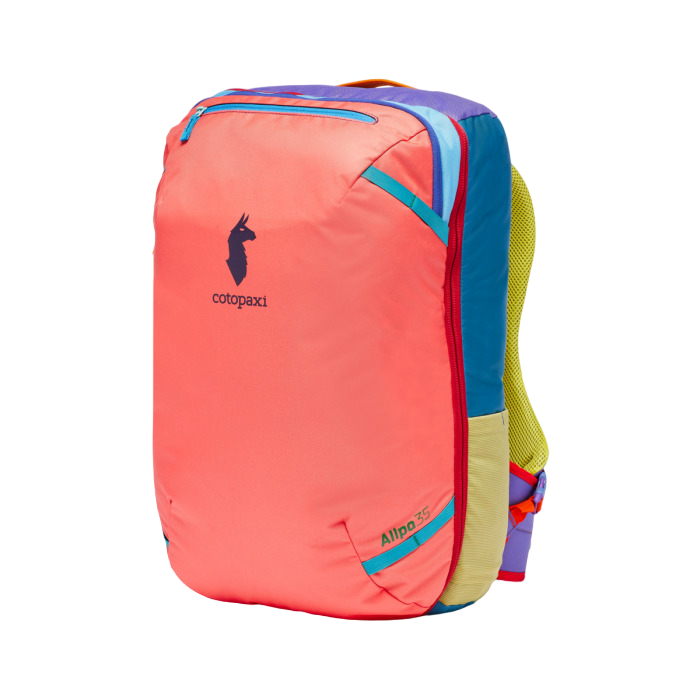
Best for: Backpackers and travellers taking multi-stop trips.
Why consider it: The clamshell opening makes it easy to pack like a suitcase, while the harness lets you carry it hands-free. Its 35-litre capacity offers useful space without encouraging the same level of overpacking as a larger 40-litre bag.
Trade-offs: A fully packed 35-litre bag can still exceed a strict 7kg allowance. It may also feel less comfortable than a technical hiking pack over long walking distances if that's what you're planning.
The Hyperlite Southwest 40L is designed for travellers who want an exceptionally lightweight pack that can also handle hiking and rougher outdoor use.
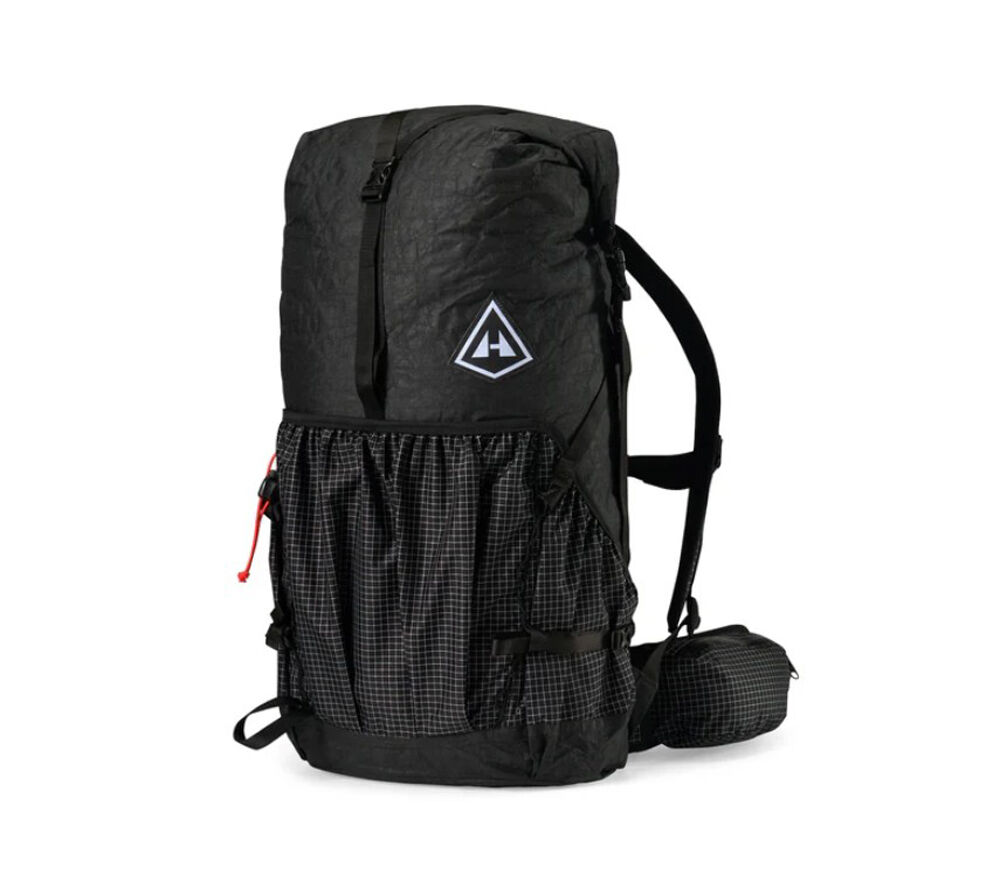
Best for: Ultralight travellers, hikers and active trips where low bag weight matters more than suitcase-style organisation.
Why consider it: At approximately 841.7g, it leaves far more of a 7kg cabin allowance available for your belongings than most wheeled bags. Its durable Dyneema woven composite fabric, supportive harness and abrasion-resistant external pockets also make it suitable for demanding outdoor travel.
Trade-offs: This is a hiking pack rather than a dedicated travel bag. It has a roll-top opening instead of a clamshell design, no built-in laptop compartment and fewer internal organisation features. Its fully unrolled height is also 80cm, so it must be rolled and packed carefully to meet airline dimensions. A fully loaded 40L pack can still exceed a 7kg weight limit.
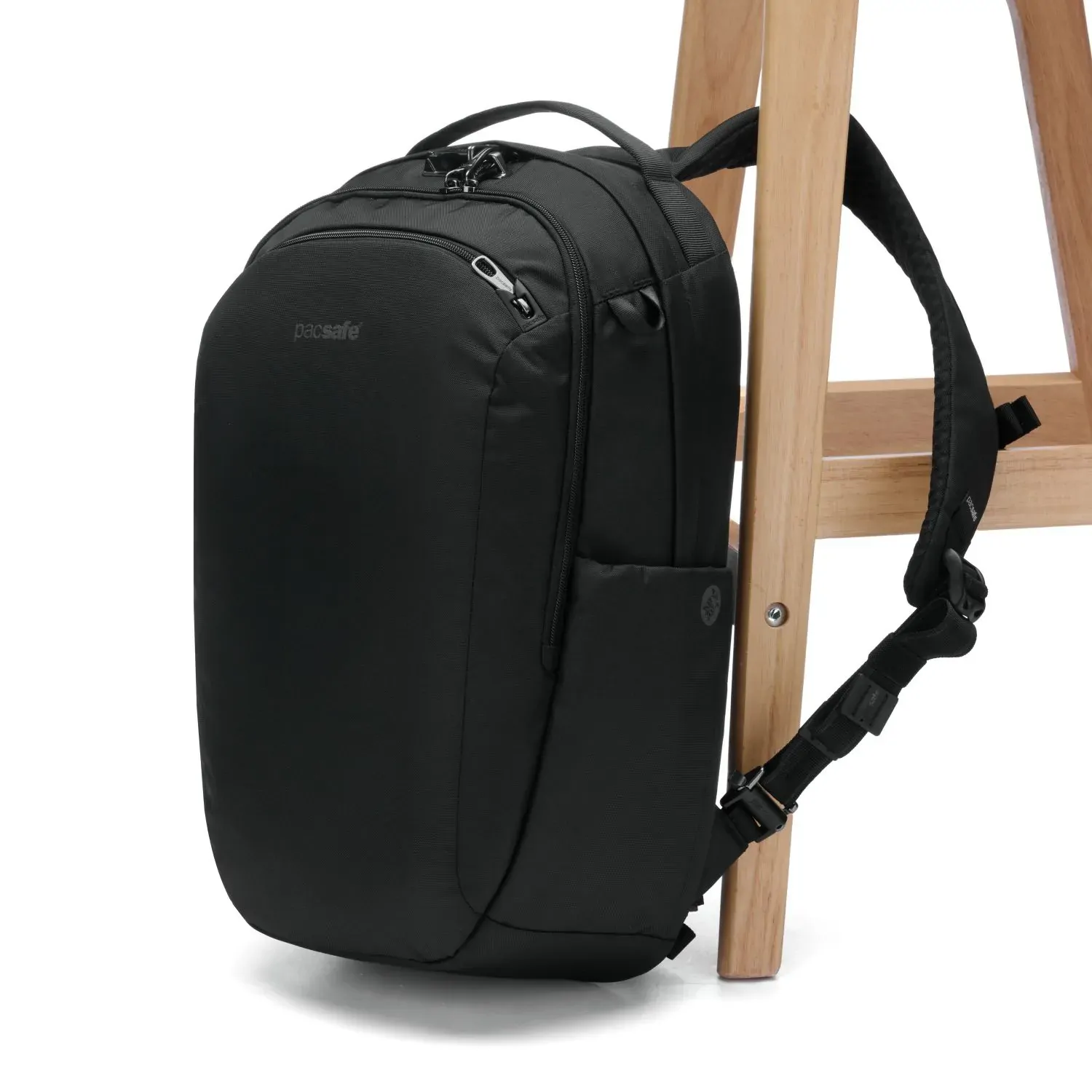
The Pacsafe Anti-Theft V 26L is designed for travellers using busy public transport, shared accommodation and crowded tourist areas.
Best for: City travel, solo travel and travellers carrying valuables in high-traffic destinations.
Why consider it: Pacsafe are known for their security-focused features may include concealed or lockable zips, hidden storage and cut-resistant materials. The compact 26-litre capacity also makes it easier to keep weight under control.
Trade-offs: Anti-theft materials and locking features can add weight and reduce flexibility. At 26 litres, it also requires more disciplined packing for longer trips.
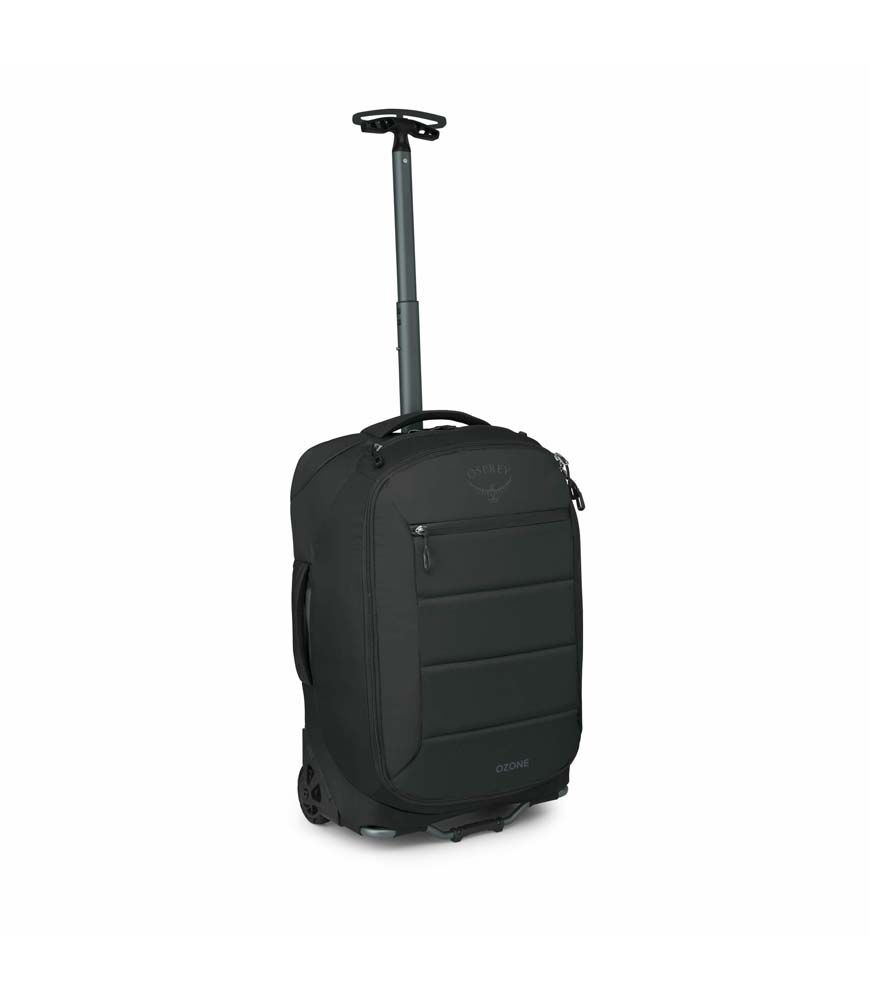
The Osprey Ozone is designed for travellers who mainly move through airports, taxis and hotels. It combines structured packing with the convenience of wheels.
Best for: Business trips, short city breaks and travellers who prefer not to carry their luggage.
Why consider it: Its lightweight construction, stable wheels and telescopic handle make it easy to move through terminals. The organised interior also helps keep clothing, documents and electronics accessible.
Trade-offs: Wheeled luggage is less practical on stairs, cobblestones and uneven paths. The frame, wheels and handle also use part of your cabin-weight allowance.
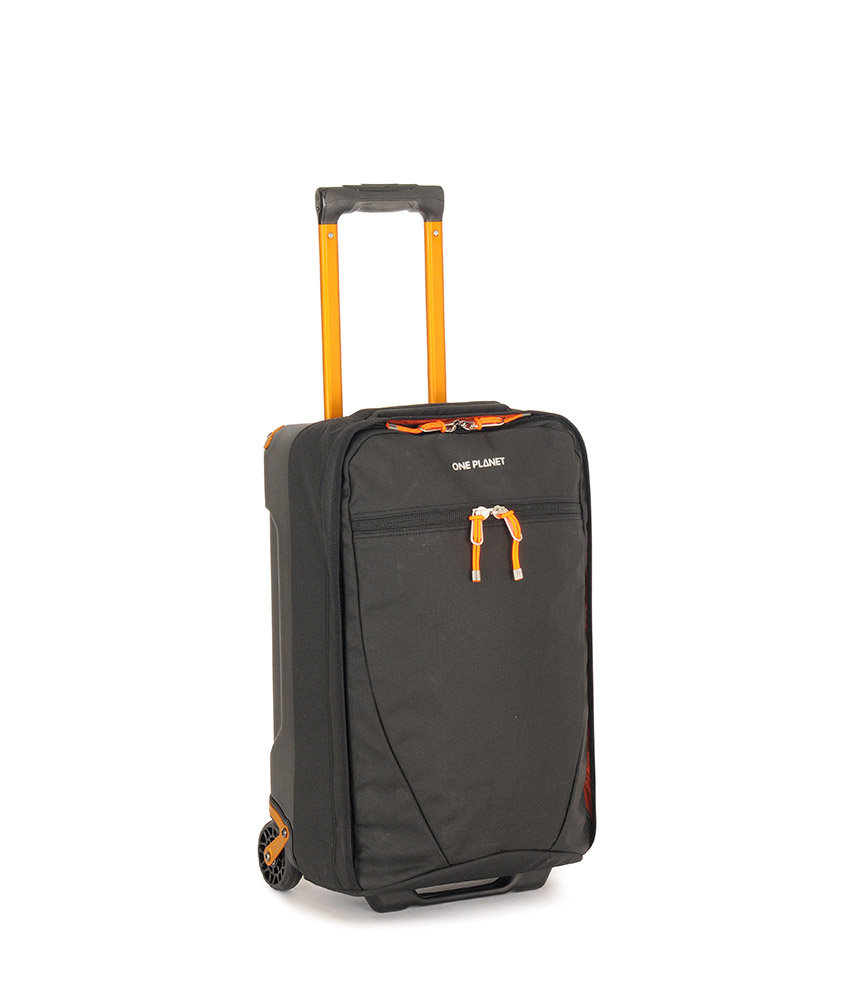
The One Planet Wheelie Small is a durable option for travellers who want the convenience of wheels without choosing a delicate city-only suitcase.
It has a listed capacity of 40 litres, dimensions of 54 × 33 × 23cm and an empty weight of 2.35kg. It features a WATERLOC canvas front, moulded polycarbonate back, large replaceable wheels, lockable YKK zips and a full zip-around opening. It is made in Melbourne.
Best for: Frequent travellers who want durable, repairable wheeled luggage with large wheels and simple organisation.
Why consider it: The large replaceable wheels and robust construction make it better suited to rougher travel than many lightweight spinner cases. Its external dimensions also sit within Jetstar’s stated 56 × 36 × 23cm main-bag limit, although travellers should always check their airline, fare and route.
Trade-offs: At 2.35kg, the bag uses a substantial portion of a 7kg cabin allowance before anything is packed. Its 40-litre capacity also makes it easy to exceed the weight limit.
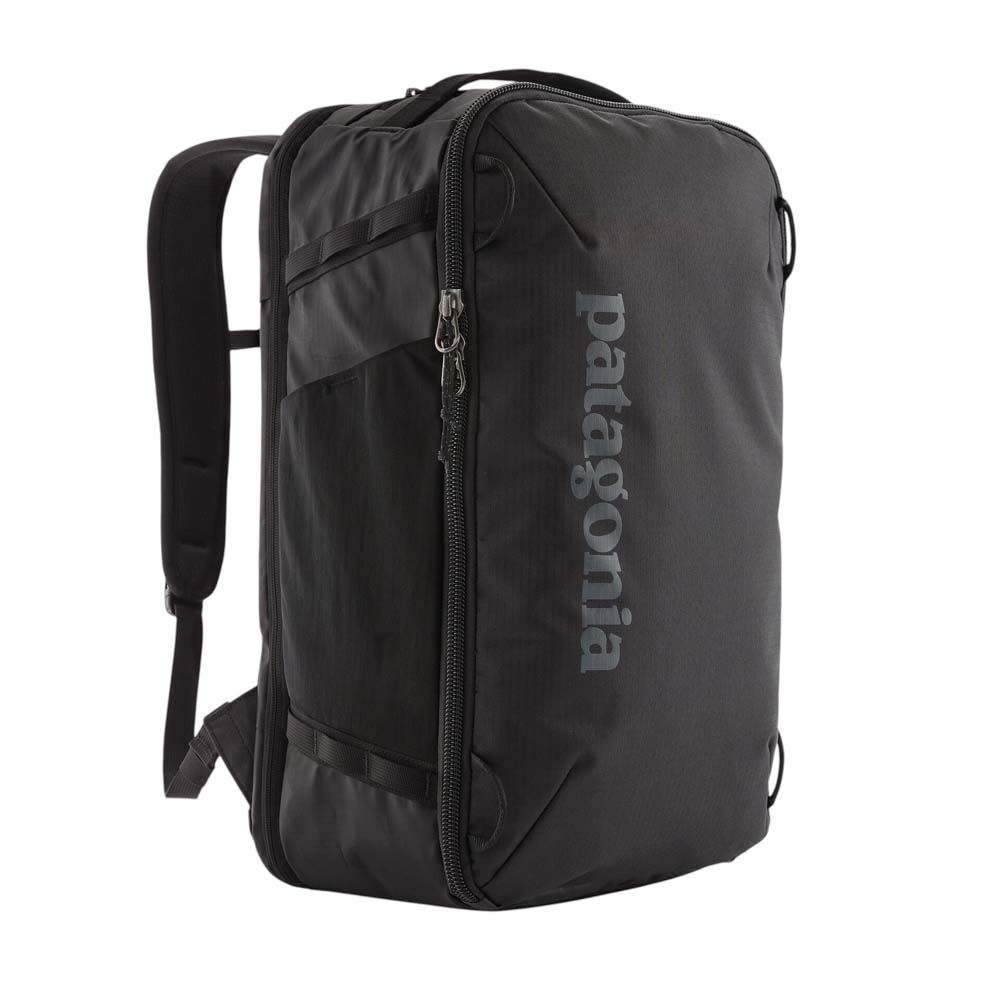
The Patagonia Black Hole Mini MLC 30L is a versatile option for active trips where you may need to switch between carrying styles.
Best for: Weekend adventures, short trips and travellers carrying flexible clothing, footwear or outdoor gear.
Why consider it: The bag combines a suitcase-style opening with backpack straps and strong grab handles. Its 30-litre capacity is practical for carry-on-only travel, while the durable exterior is well suited to more active itineraries.
Trade-offs: It offers less structure than a hard case, and the soft sides can bulge when overpacked. The backpack harness may also be less supportive than a dedicated hiking pack over long distances.
The North Face Base Camp Voyager 32L suits travellers who want a durable, flexible bag for short trips, active weekends and multi-stop travel. Its duffel-style design works well for planes, trains, road trips and accommodation changes where a rigid suitcase may feel limiting.
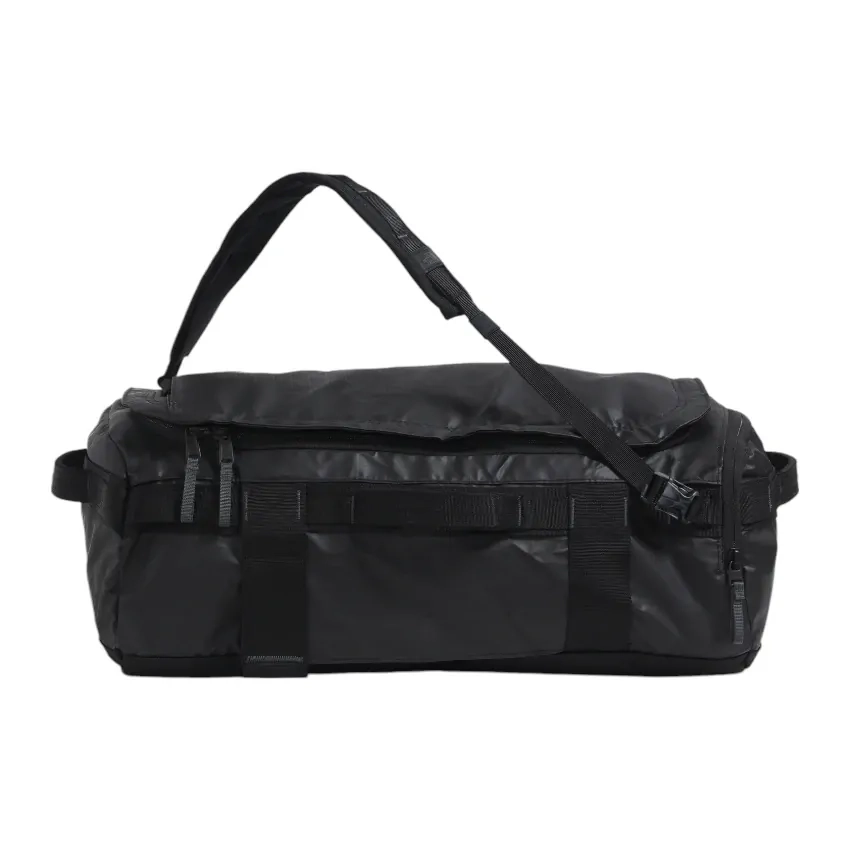
Best for: Adventure travellers, weekend trips and travellers who want a compact duffel with backpack-style carrying options.
Why consider it: Its 32-litre capacity sits in a practical range for carry-on-only travel, while the wide opening makes packing and accessing gear straightforward. Strong grab handles and backpack straps add flexibility when moving through airports, stations and uneven streets.
Trade-offs: It offers less structure and internal organisation than a suitcase-style travel pack. The soft sides may also bulge when overpacked, and the backpack straps may be less comfortable than a dedicated hiking harness over longer walking distances.
Accessories should solve a real packing problem rather than add more clutter.
Useful options include:
In short, choose a carry-on backpack when mobility, hands-free travel and using multiple modes of transport matter and prioritise wheeled carry-on luggage when you’ll be mainly move through airports, hotels, paved environments or if you have back issues.
Whichever style you go for though, focus on the dimensions, the weight when the bag is empty, comfort and durability before capacity or appearance. The best carry-on luggage is the one that fits your airline requirents, carries your essential gear and remains easy to use throughout the journey.
Browse more Wild Earth’s travel packs, carry-on backpacks and wheeled luggage to compare options.
Not sure what gear you need for your adventure? Chat with our friendly team of Outdoor Gear Specialists in-store or online today, and don’t forget to share your adventures with us on Instagram by tagging @wildearthaustralia in your next post.
A bag of approximately 38 to 35 litres is versatile for many travellers, but external dimensions are more important than litres. Always check the limits for your airline and fare.
A backpack is better for faster-paced travel, public transport and uneven ground. Wheeled luggage is easier through airports, hotels and smooth urban environments. Choose according to how you travel after landing.
It depends, many 40-litre travel bags are designed for cabin use, but their shape and dimensions vary. Measure the fully packed bag and compare it with your airline’s limits but really consider the weight of your bag when you pack it.
Hard luggage provides more structure and pressure protection while soft luggage offers flexibility and often includes better organisation. Neither is universally more durable, it’s a personal preference.
Simple soft-sided backpacks and duffels are generally lighter than wheeled luggage because wheels, telescopic handles and rigid frames weigh more. Be sure to consider construction quality as well as weight.
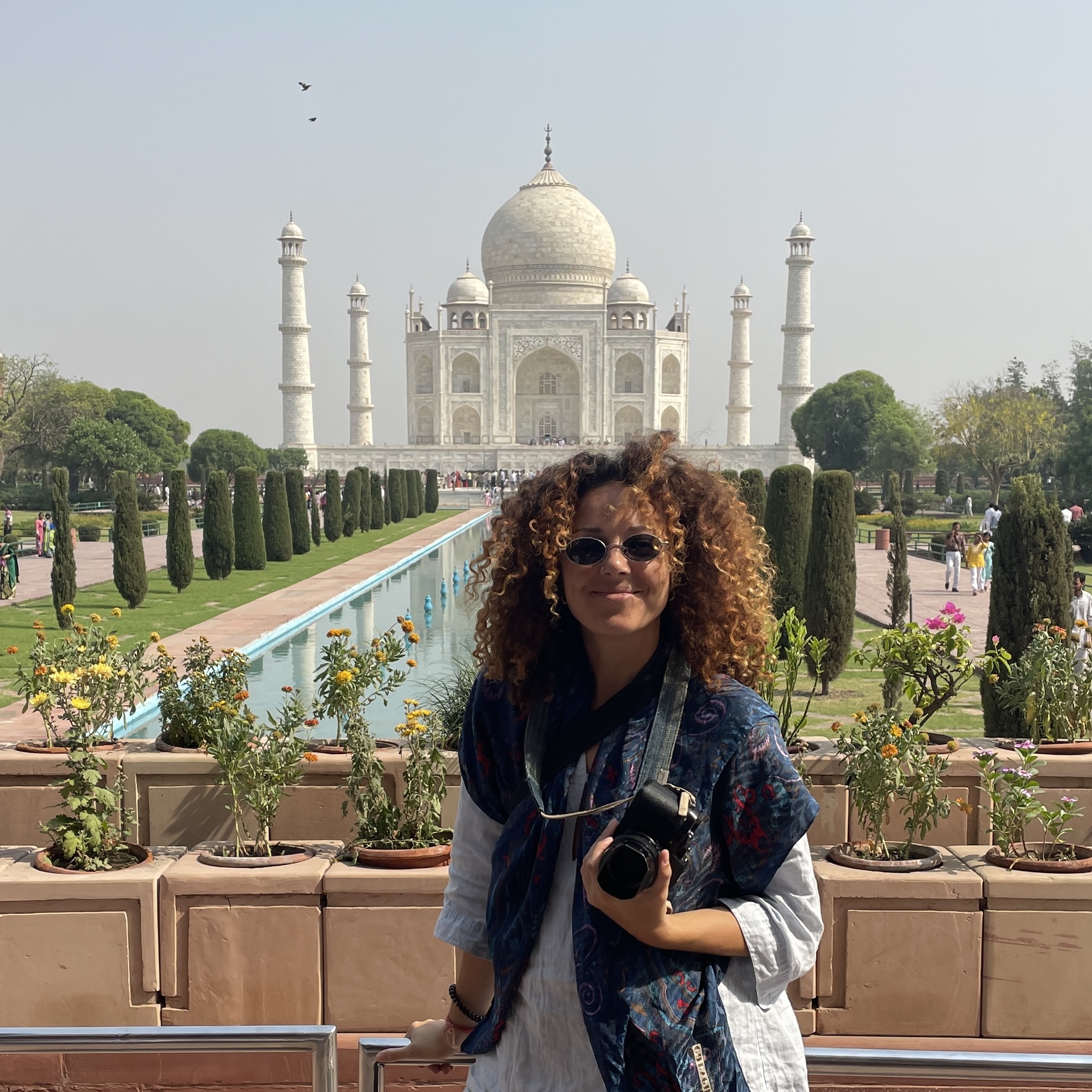
Tired of lugging around heavy suitcases, waiting for hours in check-in queues and baggage carousels?
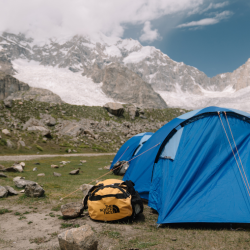
Duffel bags are a classic workhorse bag here in Australia for very good reason. They’re easy to pack, quick to throw in the boot, and versatile enough to work for everything from a weekend down the coast to Everest Base Camp.
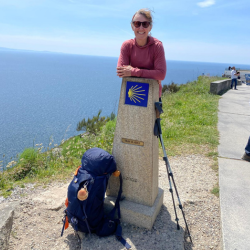
Planning the Camino de Santiago? I walked 900km on the Camino Francés to Santiago, then on to Finisterre. Here’s what I’d do again (and what I’d change) from training, my packing list, shoes, blisters, accommodation, safety, and gear.

Thinking about visiting China? This 15-day itinerary covers Shanghai, Beijing, Datong and Pingyao, plus the essential apps, transport tips, costs and practical advice every Australian traveller should know before they go.












Using Afterpay you can pay for your order over 8 weeks. There's no interest or added fees* and nothing to pay today. Payment will be automatically taken from your debit or credit card in four equal payments each fortnight over 8 weeks, and you will receive your order immediately.
You simply need:
To use this service simply:
Approved AfterPay buyers will require the funds for the first payment to be available on their card at time of checkout, however the first payment won't be deducted for 14 days. First time AfterPay buyers will need to make the first instalment payment at the time of their purchase.
If you wish to return your goods you can choose to receive an exchange, or the Afterpay payment plan can be cancelled before the first payment at no charge. *If you fail to have sufficient funds available for AfterPay to automatically deduct payment on due instalment dates you will be charged a late fee of $10, and if the instalment payment remains overdue, an additional $7 will be charged one week later.
With AfterPay, there's no waiting and we'll ship out your order immediately as normal.

When you want to go now, sometimes it's handy to pay later. That's why, we offer interest free payment plans from two of Australia's favourite Buy now, Pay later services.