Total Items: 0
Sub Total: $0.00
We compared the best rain jackets in Australia for 2026, including 3 layer, 2.5 layer, PFAS Free, trail running, hiking, severe weather and more.
According to the Bureau of Meteorology’s late-September long range forecast, conditions heading into summer are expected to vary across the country. From October to December, WA, ACT are more likely to receive above-average rainfall. Temperatures are also expected to be above average across most of the country, making breathability and ventilation especially important when choosing a rain jacket for Australian conditions.
Rain jackets at Wild Earth can range from around $100 to well over $1,000, and each of them is appropriate for certain activities and weather. It basically all comes down to choosing the right level of protection for the conditions you'll actually face out there in the wild. No one jacket suits all Aussie adventures. A humid Queensland trail run is going to demand something very different from a few soaking days on Tasmania’s Three Capes Track or taking an overseas trip to Everest Base Camp.
For most hikers, the sweet spot is a breathable 3-layer waterproof shell with good ventilation, while trail runners and fastpackers usually prefer a much lighter and more breathable shell. In this guide, we’ve selected the best rain jackets for Australian conditions across a variety of different disciplines, from multi-day thru-hiking and bikepacking to alpine adventures.
*scroll across if you're on mobile
| Rain jacket | Best activity | Weight* | Best weather conditions | Construction | Ventilation | Our pick |
|---|---|---|---|---|---|---|
| Patagonia Torrentshell 3L | Hiking & everyday adventures | 400g | Sustained moderate-heavy rain | 3L H2No® | Pit zips | Best Overall |
| Salomon Bonatti | Trail running | 199g | Showers & rain during high-output activity | AdvancedSkin Dry 10K/10K | Back ventilation + Smart Vent | Best Trail Running |
| Mont Lightspeed | Fast hiking, running & fastpacking | 165g | Heavy rain during high-output activity | 3L Hydronaute Ultra | Highly breathable fabric | Best Ultralight |
| Arc'teryx Beta | Hiking & technical adventures | ~375g | Sustained rain, wind & exposed conditions | 3L GORE-TEX ePE | Breathable membrane | Best Technical All-Rounder |
| Rab Firewall Alpine | Alpine & technical mountain use | 316g | Heavy rain, wind & exposed alpine conditions | 3L Pertex® Shield | Pit zips | Best Alpine |
| XTM Takayna | Hiking & everyday adventures | 400g | Sustained heavy rain & changeable conditions | 2.5L HydroVENT20+ | Pit zips | Best Value |
| Marmot PreCip Eco | Day hikes, travel & everyday use | 305g | Showers & moderate rain | NanoPro™ Eco | Pit zips | Best Budget |
| Patagonia Triolet | Alpine & severe-weather adventures | 510g | Prolonged heavy rain, wind & harsh alpine weather | 3L GORE-TEX ePE | Pit zips | Best Severe Weather |
* Men’s weight used for consistency. Product specifications can vary by size and model update.
Our picks combine feedback from Wild Earth's Outdoor Gear Specialists, Team and Ambassador experience and Customer Favourites as well as current product features and specs. We’ve taken into account waterproofing, breathability, ventilation, durability, weight and stashability too.
Where our team has personally used a jacket, we've included that experience. Product specifications were checked against current Wild Earth and manufacturer information in September 2026.
Best for: Hiking, travel and all-round general outdoor use. Pairs well with Patagonia Torrentshell rain pants 3L.
Why it wins: The Patagonia Torrentshell 3L is a clear staff and ambassador favourite, it’s one of the most popular jackets we sell because it hits a sweet spot between weather protection, durability and style with a fantastic price point. It's technical enough for rainy days on the trail without being overkill for travel or daily use.
Key specs
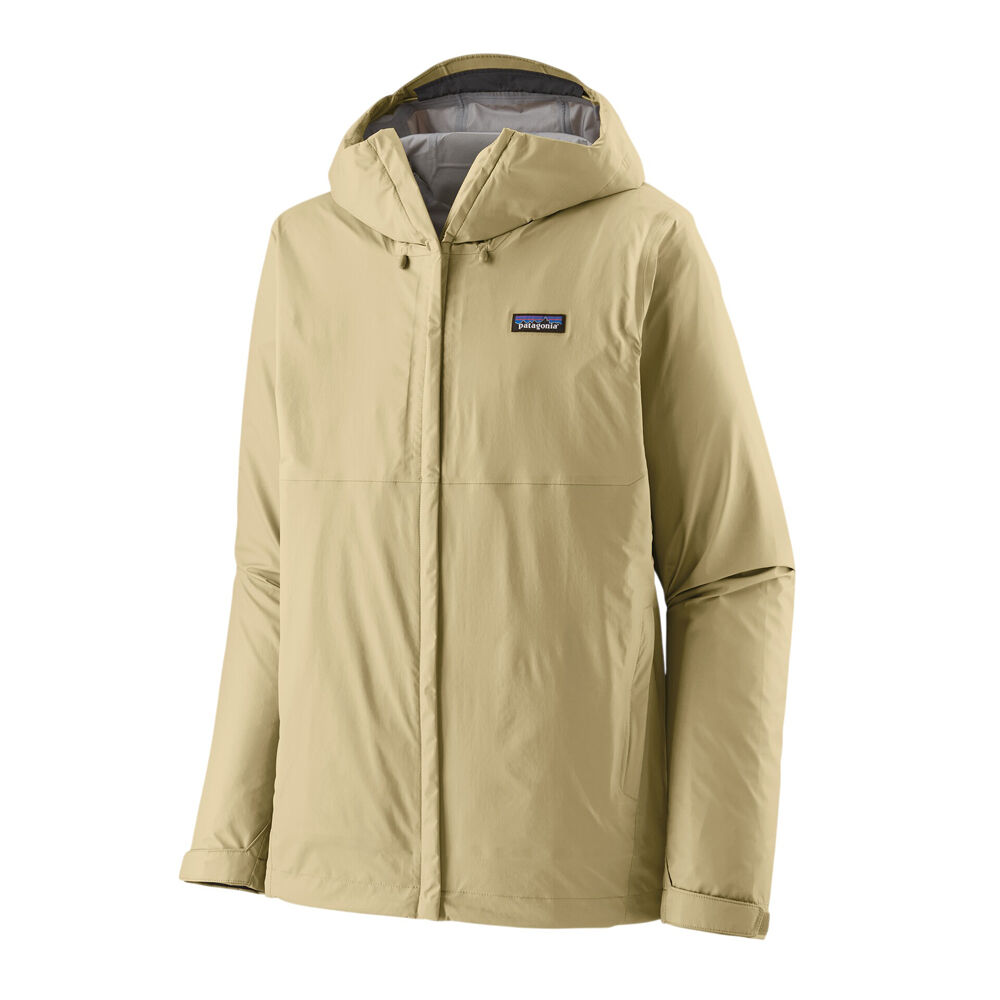
The Torrentshell is the jacket we'd point most people towards if they want one dependable waterproof shell that can do a bit of everything. Its 3-layer construction provides solid protection when the weather turns, while the 50D face fabric is tough enough for regular hiking and carrying a backpack. Pit zips are a welcome addition when you're working hard uphill, especially in warmer Australian conditions.
At 400g, it's not the lightest jacket here but that's a fair trade-off for a super tough, versatile shell.
“The Patagonia Torrentshell 3L is my ultimate rain companion and it’s like having a personal umbrella that fits into my backpack. Whether it’s a drizzle or full-on downpour, this jacket keeps me dry whilst still being breathable and not making me overheat like some rain jackets do. I’ve taken this jacket on many trips and hikes and it has never let me down! I think everyone needs one of these rain jackets in their kit.” - Wild Earth Ambassador Sara Keith
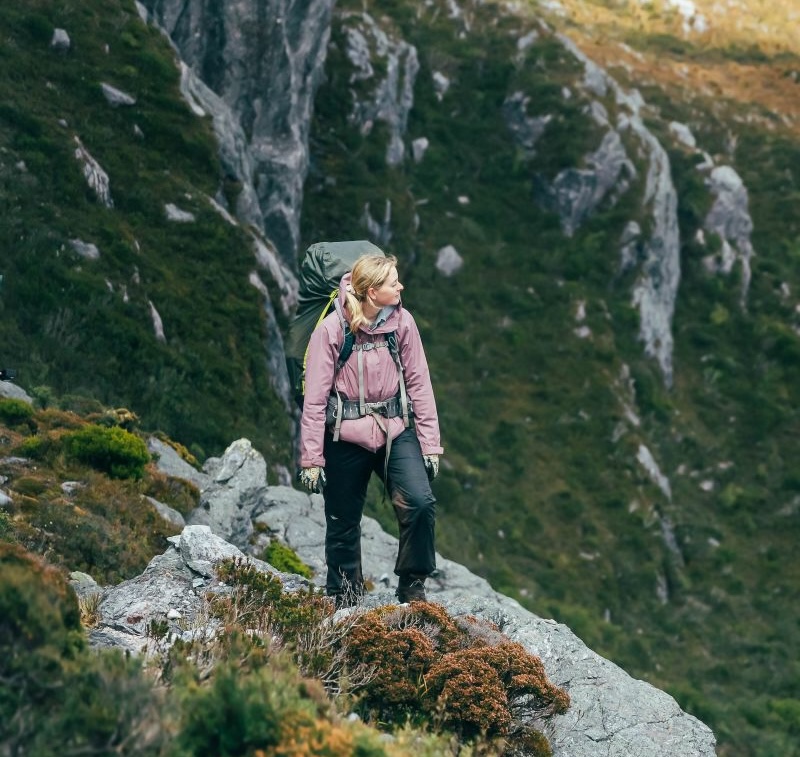
Sara Keith wearing the Patagonia Torrentshell 3L Rain Jacket in the Western Arthur Range
What we like:
Things to consider:
Who should buy it?
If you want one rain jacket for hiking, travel and general outdoor use, the Torrentshell 3L is an easy choice. It's especially good for hikers who value durability and versatility over chasing the lowest possible weight. This jacket also pairs well with the Patagonia Torrentshell 3L pants.
Shop Patagonia Torrentshell 3L: Men's | Women's
Shop Patagonia Torrentshell 3L Waterproof Pants: Men’s | Women’s
Best for: Trail running and fast-moving adventures
Why it wins: Join us at one of our Sunset Slice community runs and you’ll see a lot of runners repping this jacket on a rainy run. The Salomon Bonatti Waterproof is built for runners and hikers who don't want bad weather to stop them getting out on the trails. At around 200g, it's light, packable and designed for speed. So, whether you're heading out for a rainy early morning run or spending hours on the trail, this jacket is one to reach for.
Key specs
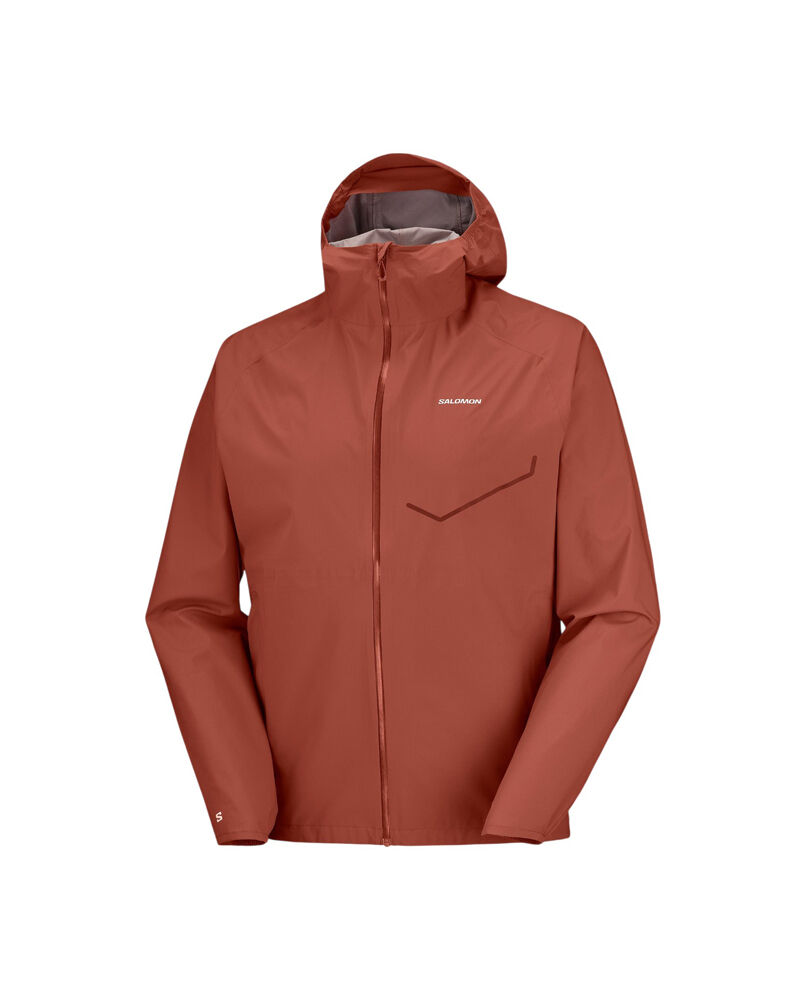
Unlike the Patagonia Torrentshell, the Bonatti takes a more minimalist design approach. The lightweight construction is specifically built for mobility, breathability and packability. The two zipped hand pockets give it some everyday practicality, back vents keep it breathable while the adjustable hem helps keep rain out when conditions get bad.
“The Salomon Bonatti Mens Waterproof Running Jacket is pound for pound the best waterproof jacket on the market in my opinion (weighing ONLY 198g). The Bonatti has accompanied me on adventures ranging from ultramarathons like the Tarawera NZ, Wild Earth's Unbroken Team Marathon, and even my country spanning thru-hike on the Continental Divide Trail in the US's Rocky Mountains. The Bonatti really stood out on my recent cycle to Melbourne through the Snowy Mountains, where I was persistently battered with freezing rain, hail, snow, and gale-force winds (sometimes all at once). Its standout feature is how incredibly light and comfortable it is, adding a feeling of freedom and ease to your movement that can often be restricted by more cumbersome jackets. Although this jacket has decent ventilation, the absence of armpit zips or another more serious form of natural ventilation stops this from being the perfect jacket. The Bonatti is the ideal jacket for runners and trail runners alike who want the best and lightest gear on the market. Gram counting hikers and bike-packers should follow suit with this easy and lasting purchase.” - Wild Earth Ambassador and author at Challenge & Beauty, Reid Marshall
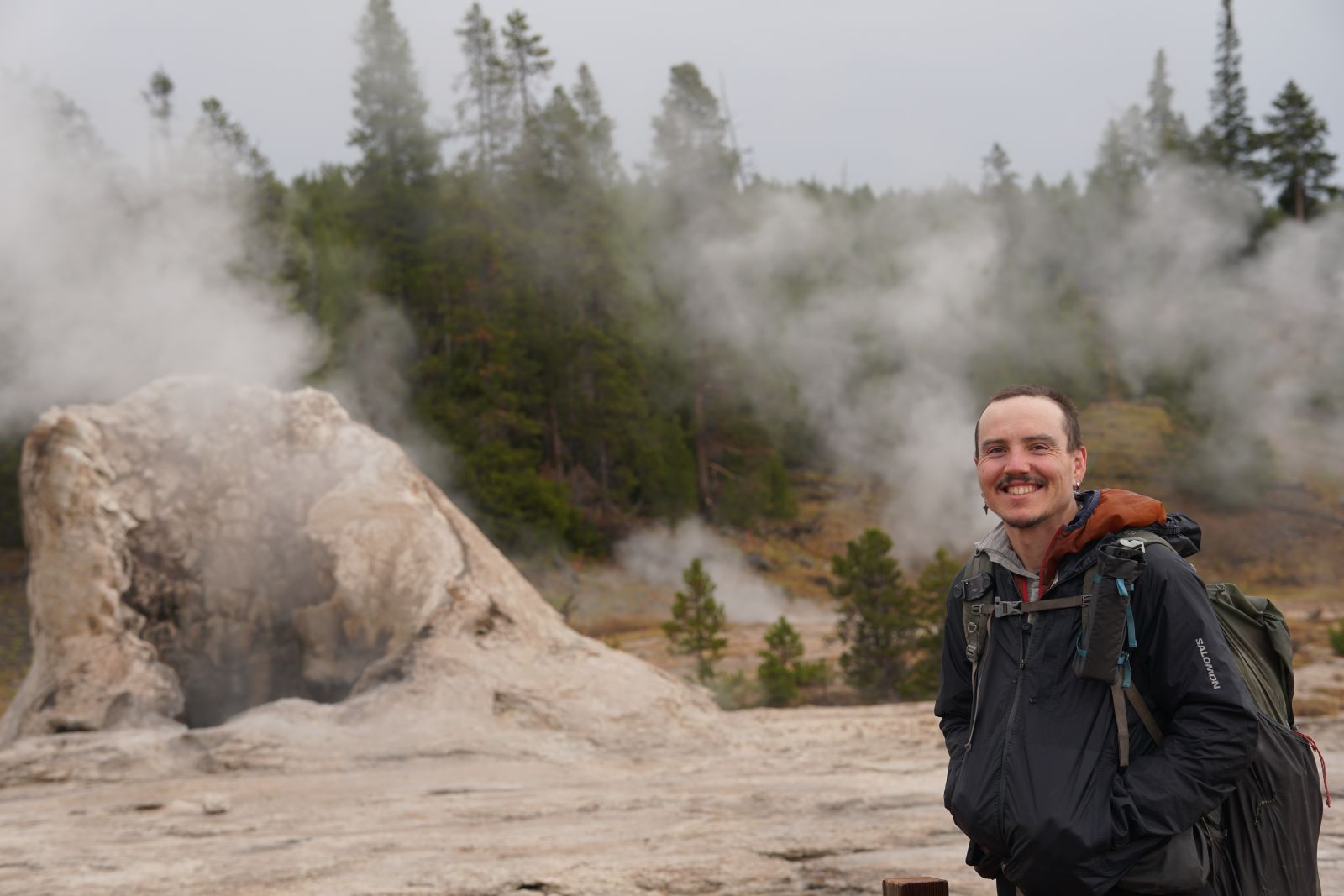
Reid Marshall wearing his Salomon Bonatti while Thru-Hiking the CDT
What we like:
Things to consider:
Who should buy it?
For road runners, trail runners or gram counters who want reliable wet-weather protection without hauling around a bulky shell, the Bonatti makes a lot of sense. It's not the jacket we'd choose for days of rough alpine weather or carrying a heavy backpack but it’s great weather protection in a lightweight and packable shell.
Shop Salomon Bonatti Waterproof: Men's | Women's
Best for: Ultralight hiking, fastpacking and high-output adventures
Why it wins: Weighing in at just 165g for the men's and 135g for the women's, the Mont Lightspeed packs some impressive protection into a seriously lightweight shell. It's built for moving fast, with a minimalist design and highly breathable 3-layer fabric that won't take up much room in your pack.
Key specs
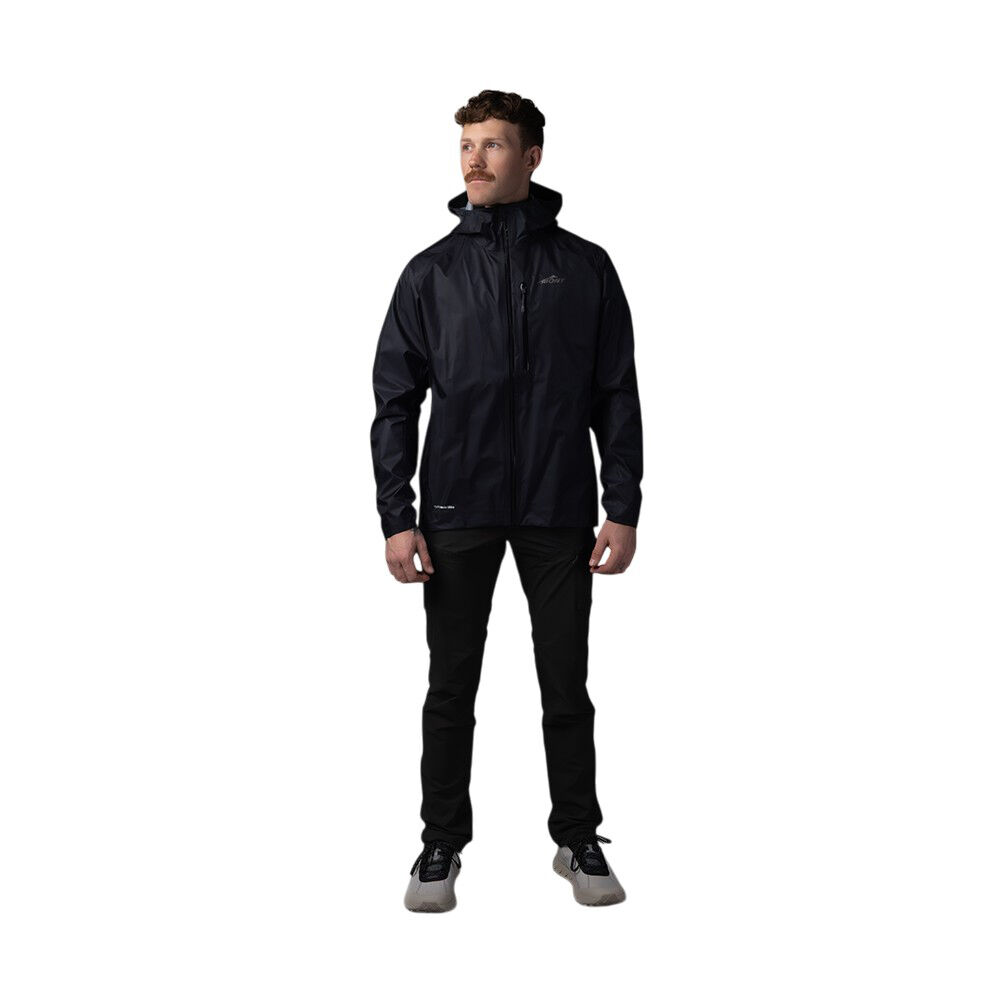
Australian brand Mont, have designed the Lightspeed rain jacket primarily for fast-moving adventures like running, cycling and hiking where mobility matters. The Hydronaute Ultra fabric is fully seam sealed, windproof and highly breathable, making it a great option when you're working hard in wet conditions.
There aren't many extras here, and that's why a lot of our community like it. It's a minimalist streamlined shell for people who care about weight and packability more than pockets and heavy-duty features.
"I got the jacket just before Cape to Cape Ultra in WA, a 100-mile coastal race from Cape Leeuwin in Augusta to Cape Naturaliste in Dunsborough. The weather was brutal; heavy rain and strong wind through the night, and the jacket kept me dry and warm. That was probably the wildest weather I’ve raced in!
It’s lightweight and packs down small, so it lives in my hydration pack on pretty much every long trail run. It also meets the 10,000mm waterproof requirement used by major ultra events, like Ultra Series WA, UTMB, etc, along with the features you need for race gear checks, such as taped seams and an integrated hood. For me, that gives peace of mind knowing it can stay in my pack until I genuinely need it. Breathability is always a challenge with waterproof jackets, especially when running, but I find this one gives a good balance. For ultras and hiking, where you’re generally moving slower than road running, the ventilation is enough to keep me comfortable. I also bought one size larger than my usual jacket because I like wearing it over my hydration pack. It fits well that way and keeps my phone and other gear dry too." - Wild Earth Ambassador and Athlete Jagpawan Dhillon
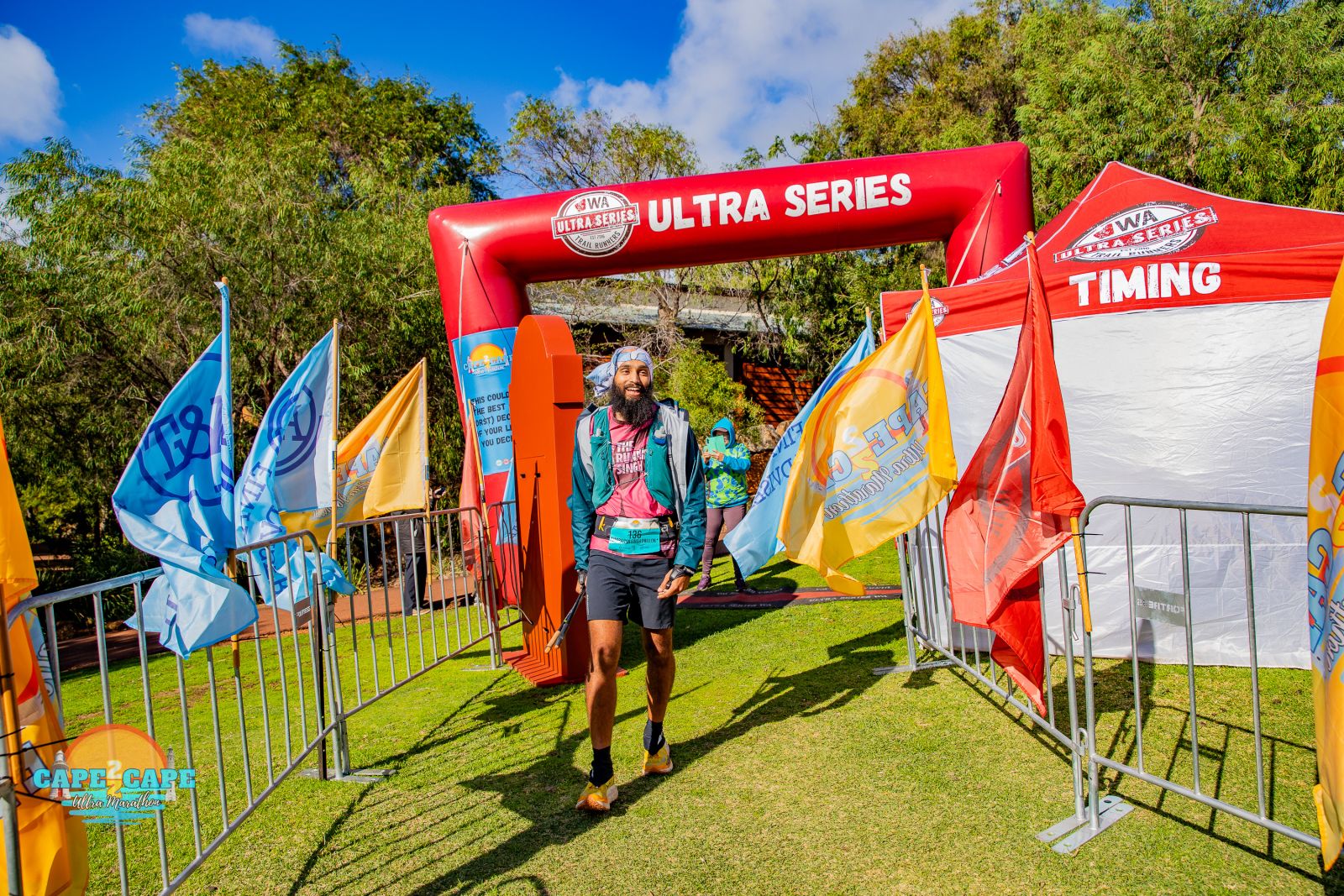
Jagpawan finishing the Cape To Cape Ultra Race wearing the Mont Lightspeed.
What we like:
Things to consider:
Who should buy it?
Choose the Mont Lightspeed if you're a gram counter and want reliable lightweight waterproof protection without carrying a heavy set up. It's particularly well suited to the ultralight crowd of hikers, fastpackers, trail runners etc.
Shop Mont Lightspeed: Men's | Women's
Best for: Hiking, travel and more technical adventures
Why it wins: The Arc'teryx Beta Waterproof Jacket is a seriously versatile shell for people who want reliable protection without getting into full alpine-jacket territory. It’s made our Gear of the Year list multiple times and many of our staff and ambassadors have this in their adventure kit for adventures big and small.
Key specs
.webp)
It's solid weather protection with a tough, comfortable and sleek design. There’s enough technical features for big days on the trail while still managing to remain practical for hiking, travel or even a rainy commute.
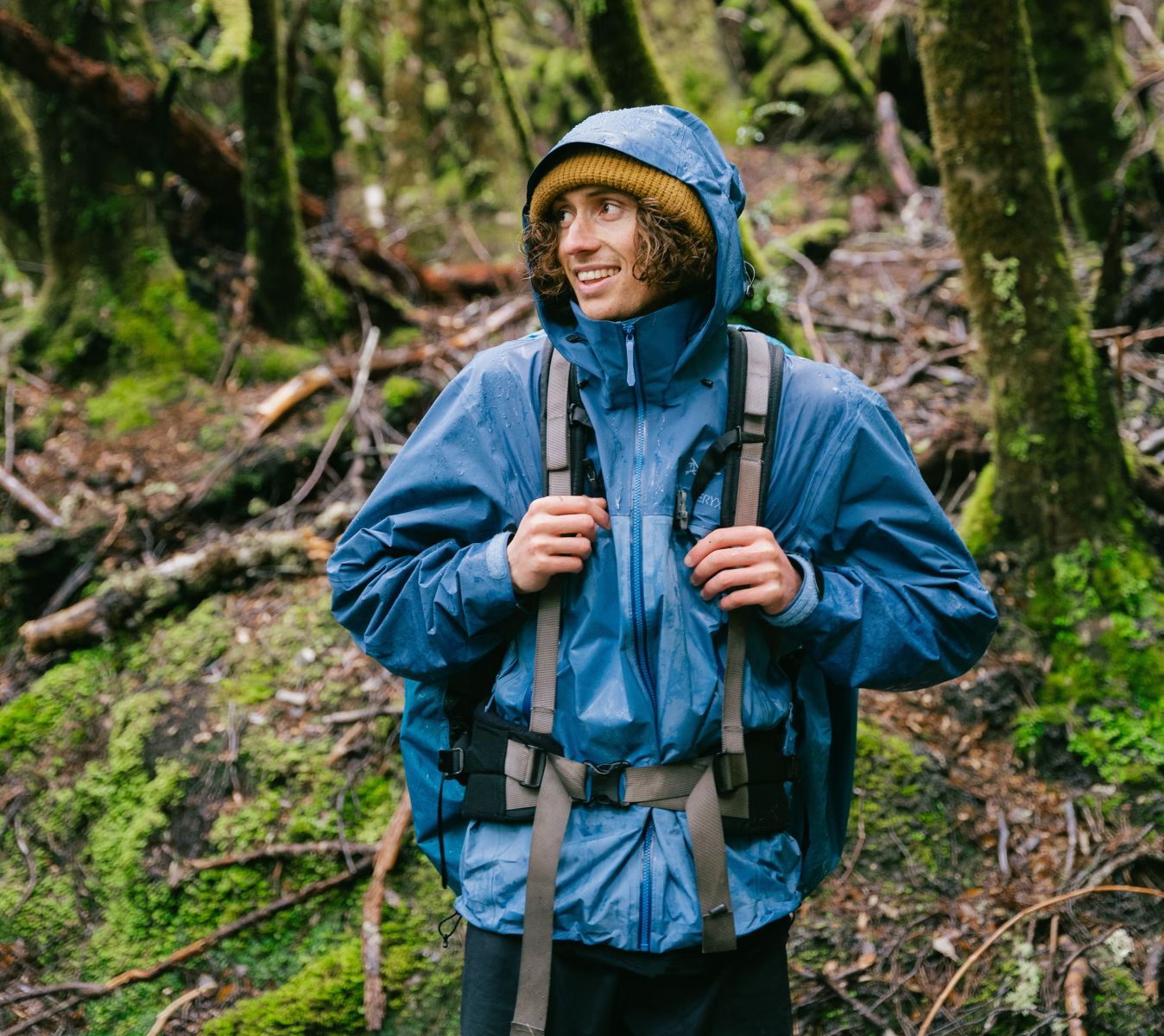
Hamish Lockett wearing the Arcteryx Beta Jacket in Tassie
What we like:
Things to consider:
Who should buy it?
If you’re looking to splash out on one premium shell that can handle everything from hiking, travel to more technical adventures. The Arc’teryx Beta is a great all-rounder.
Shop Arc'teryx Beta Waterproof Jacket, their best selling waterproof jacket: Men's | Women's
Shop Arc'teryx Beta SL Waterproof Jacket if you’re interested in a lighter weight version: Men's | Women's
Shop Arc'teryx Beta AR Waterproof Jacket if you’re more interested in Alpine conditions and need something that can handle rougher terrain: Men's | Women's
Best for: Alpine hiking, exposed terrain and demanding mountain adventures
Why it wins: The Rab Firewall Alpine is made for alpine adventures where the weather and terrain can get more intense. It combines a tough 3-layer waterproof construction with a mountain-focused fit and features, giving you plenty of protection without the bulk of a heavier expedition shell (plus it’s still relatively packable).
Key specs
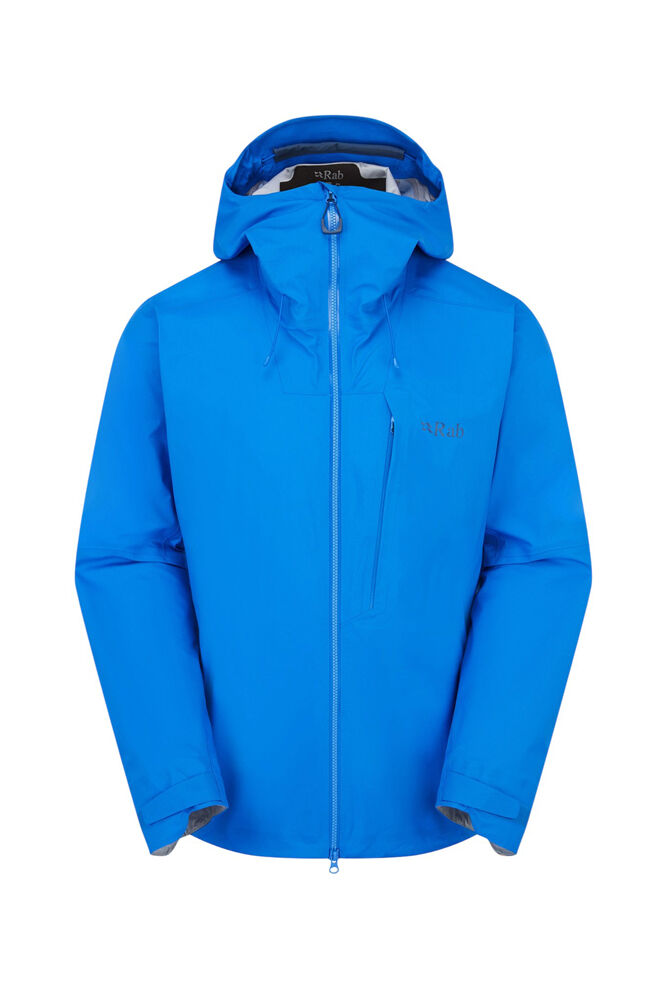
The rain jacket’s cut gives you room to move across steep or technical terrain, while the helmet-compatible hood and pit zips cover quick changes on the wall. This jacket is really a great all-rounder.
What we like:
Things to consider:
Who should buy it?
It's more technical than most hikers need for a casual weekend walk, but that's its strength if you're regularly heading into exposed alpine environments and climbing, the extra protection and mountain-specific features start to make a lot of sense.
Shop Rab Firewall Alpine: Men's | Women's
Best for: Hiking, travel and everyday outdoor use
Why it wins: The XTM Takayna offers impressive waterproof performance at a much more accessible price than many technical 3-layer shells. It’s a great option for hikers who want dependable protection and useful outdoor features without spending $400-700 on a rain jacket.
Key specs
The Takayna sits in a useful middle ground between inexpensive everyday rainwear and premium technical shells. Its HydroVENT20+ fabric offers a 20,000mm waterproof rating, giving it plenty of protection for wet hikes, camping trips and general outdoor use.
The 2.5-layer construction also helps keep the jacket relatively lightweight and packable, while underarm ventilation is useful when you're working harder on the trail.
Where it really stands out is value. You’re getting genuinely capable wet-weather protection without the price tag of a premium GORE-TEX or 3-layer technical shell.
What we like:
Things to consider:
Who should buy it?
The Takayna is a great choice if you want a capable hiking rain jacket without spending premium-shell money. It's particularly well suited to day hiking, camping, travel and general outdoor adventures where you want solid weather protection at a more accessible price.
Shop XTM Takayna: Men's | Women's
Best for: Day hikes, travel and everyday rain
Why it wins: The Marmot PreCip Eco is a tried-and-tested waterproof shell that gives you the practical features you need in a hiking rain jacket without pushing into premium level prices. It’s simple, lightweight and stashable, making it a great option for hikers and travellers.
Key specs
The PreCip has been a staple in Marmot's rainwear range for years, and the Eco version adds recycled materials while keeping the straightforward design that made the original so popular.
For hiking, the pit zips are a particularly useful feature, allowing you to dump heat quickly when you're climbing or hiking in warmer, humid conditions. It also packs into its own pocket, so it's easy to throw into a daypack when the forecast looks questionable.
It's not designed to compete with heavier-duty technical shells, but that's also the point. If you need an affordable jacket for occasional wet-weather hiking, travelling or everyday use, the PreCip Eco covers the essentials without overcomplicating things.
What we like:
Things to consider:
Who should buy it?
The PreCip Eco is a great choice for day hikers, travellers and anyone looking for an affordable waterproof shell to keep in their pack. If you don't need a highly technical mountain jacket but still want proper waterproof protection and useful hiking features, this is a solid place to start.
Shop Marmot PreCip Eco: Men's | Women's
Best for: Alpine hiking, mountaineering, climbing and cold, exposed conditions
Why it wins: The Patagonia Triolet is one of the more hardcore options in this line-up. Built specifically for cold, snowy alpine conditions, it combines a tough 75-denier face fabric with 3-layer GORE-TEX ePE and mountain-focused features including a helmet-compatible hood, RECCO reflector and pack- and harness-compatible pockets.
Key specs
At 510g, the Triolet isn't trying to be an ultralight hiking shell. Instead, the emphasis is on rugged weather protection for more demanding mountain environments. The mountain-specific details like a hood that can fit over a helmet, the front pockets remain accessible while wearing a harness or pack waistbelt, and two-way pit zips give you plenty of ventilation when you're working hard uphill.
It's also one of the stronger sustainability stories in this line-up with the outer being made of 100% recycled polyester, the GORE-TEX ePE fabric, membrane and DWR finish are made without intentionally added PFAS, the fabric is bluesign approved, and the jacket is made in a Fair Trade Certified factory.
“The thing that sets this jacket apart for me is the performance and toughness. The thick 75-denier face fabric is excellent for use around abrasive environments such as dense rainforest, so I'm not worried about tearing the shell like on thinner rain jackets. It also holds its shape well, there's a sturdiness to it that makes it feel protective rather than floppy. The fit is versatile enough to layer underneath for snow and it's not out of place in the city. It has four external pockets, one internal, pit-zips, a helmet-compatible hood, and a RECCO reflector - so it's ready for technical use. If you want one jacket that goes from rainforest to ski resort to the pub without skipping a beat, this is it!” - Shannon, outdoor adventure filmmaker and photographer, South-East Queensland
What we like:
Things to consider:
Who should buy it?
Anyone who needs a genuinely tough outer shell across multiple environments. Hikers, snowboarders, or anyone who spends serious time outdoors in variable or harsh conditions and doesn't want to compromise on protection or longevity.
Shop Patagonia Triolet: Men's | Women's
Waterproof rating isn’t the holy grail of Rain Jacket specs. The type of terrain and the conditions you plan to wear it matter much more. Here’s some key rainwear terms you should understand to help you make the best selection for you.
You’ll notice most waterproof jackets include waterproof ratings in the specs. This can look like ‘waterproof rating: 10,000mm’. In simple terms, the higher the number here, the more water pressure (aka rain dump) the fabric can withstand before moisture starts seeping through it.
A jacket rated to 20,000mm will generally offer you more protection than one rated to 10,000mm. That said, the waterproof rating number shouldn't be your only consideration when choosing a rain jacket. Seam sealing, hood design, zips, fabric construction and how long you'll be exposed to rain all affect how well a jacket performs in the real world.
So, for example if you're running, day hiking and expecting occasional rain, a lighter 10,000mm shell may be perfectly suitable but if you're expecting prolonged rain, exposed alpine terrain or multi-day conditions, a higher waterproof rating and more protective construction can make more sense.
Breathability is basically how well a rain jacket lets your sweat and moisture escape from the inside while still keeping rain out.
This becomes particularly important when you're hiking or running in warm, humid conditions in places like Queensland and New South Wales. Even the most breathable waterproof fabrics have limits, and if you're working hard in warm weather you can generate moisture faster than a jacket can move it out.
This is why you can end up with that gross clammy feeling inside a rain jacket. It doesn't necessarily mean the jacket is leaking, it’s more likely the fact that sweat and condensation has built up inside. Features like pit zips, lightweight fabrics and adjustable cuffs are just as important as the breathability stats on the product page.
Important Note: breathability stats are not that helpful when comparing different brands, because there’s no standardised industry test. Treat them as a rough guide.
Rain Jackets often get referred to as either 2.5-layer or 3-layer. This relates to how the waterproof membrane or coating is protected within the fabric, it’s essentially how durable it is.
If a jacket doesn’t mention anything layer related, it’s usually a 2.5-layer jacket which combines an outer top fabric with a waterproof membrane or coating and a thin protective print on the inside. These jackets tend to be lighter, more packable and more affordable, making them useful for day hikes, travel and carrying as an emergency shell.
3-layer jackets layer the waterproof membrane between an outer fabric and a full inner backing fabric. In general, they’re more durable, comfortable and better suited to heavier use like regular hiking, carrying a pack, rougher terrain and prolonged wet weather.
The choice usually comes down to value minimum weight and packability vs greater durability and long-term protection.
Pit zips are massively underrated because they're one of the most useful forms of ventilation.
When you open the zips under your arms, it allows hot, humid air to escape quickly without taking the jacket off or exposing you to rain. When you're climbing steep hills, hiking with a pack or moving through warm, humid conditions, this is a game changer. So, if you run hot, or regularly hike in high humidity, we'd put ventilation high on the priority list.
One of the biggest trade-offs when choosing a rain jacket is weight versus durability.
Ultralight shells like the Mont Lightspeed and Salomon Bonatti are designed to stash easily into your running vest or backpack and provide weather protection without adding unnecessary weight. That makes them ideal for fastpacking, trail running and ultralight hiking whereas more hardcore jackets such like the Arcteryx Beta or Patagonia Triolet use tougher fabrics and more protective designs. Usually they weigh more, but that’s exactly why they’re better suited to being worn with a backpack in rough terrain, alpine environments and longer periods of bad weather.
Most waterproof jackets have a Durable Water Repellent, or DWR, treatment on the outer fabric. This causes rain to bead up and roll off rather than soaking into the fabric.
Important note: DWR doesn’t make your jacket waterproof, it’s actually the waterproof membrane or coating underneath that’s responsible for keeping water out.
Over time, dirt, body oils and abrasion can reduce the effectiveness of the DWR so if water stops beading on the surface (don’t panic!), washing the jacket according to the manufacturer's care instructions can often help reactivate the finish.
PFAS are a group of highly persistent chemicals historically used for their water- and oil-repellent properties. Studies show that they’re not good for the environment so many outdoor brands are moving away from waterproof membranes and DWR treatments that use intentionally added PFAS.
One of the most noticeable changes is the introduction of GORE-TEX's newer ePE membrane. Gore says its ePE laminates are made without intentionally added PFAS and use a thinner, lighter membrane while still providing waterproof, windproof and breathable protection.
You'll now see ePE used in jackets such as the Arc'teryx Beta and Patagonia Triolet in this guide. The move away from PFAS does mean looking after modern waterproof shells is increasingly important, using regular washing and proper DWR care to help maintain its ability to bead water and breathe effectively over time.
Hopefully this article has demystified one of the most confusing categories and has helped you identify the right choice for you based on the type of adventures you go on most and the climate and terrain you expect.
If you're still struggling to decide, think about the worst conditions you're likely to encounter and choose a jacket capable of handling them.
If you need any help, chat with our friendly team of Outdoor Gear Specialists in-store or online today and don’t forget to share your adventures with us on Instagram by tagging @wildearthaustralia and #mywildearth in your next post.
It’s not always rain getting through to your skin. It’s more likely that sweat and condensation can build up faster than a waterproof-breathable membrane can move moisture out, particularly in warm, humid conditions. This can happen during strenuous hiking or other high-output activities. Good ventilation like pit zips, back vents and opening the main front zip can prevent this by allowing heat and moisture to escape mechanically rather than relying entirely on the membrane.
Wetting out happens when water stops beading off the outer face fabric and a saturated outer fabric can significantly reduce breathability and leave you feeling cold and clammy. If your usually reliable jacket starts wetting out quickly, check the manufacturer's care instructions and we recommend cleaning the jacket as this should restore or reactivate its durable water-repellent (DWR) treatment.
For hiking in warm or humid Australian conditions, we think they can be extremely useful. Pit zips allow you to dump heat and moisture without completely removing your rain protection, which can make a noticeable difference on steep climbs and during sustained activity. They're less important on highly specialised lightweight jackets where minimum weight is the priority, but for an all-round hiking shell, ventilation is one of the features we'd prioritise.
An ultralight shell can make excellent sense for well maintained trails, trail running and trips where the jacket spends most of its time in your pack, but if you’re heading into mountainous terrain, dense bush or walking off track lighter fabrics may get caught and tear more easily as they are not as durable.
Reliability certainly becomes more important when you're heading into exposed environments where conditions can change rapidly and tend to be more extreme.
For maintained trails in relatively mild conditions, a lighter waterproof shell may be sufficient but for multi-day alpine trips, exposed ridgelines, off-track walking or trips where prolonged bad weather is a possibility, we'd generally favour a more hardcore rainjacket with dependable waterproof construction, good coverage and enough durability for the terrain.
Duffel bags are a classic workhorse bag here in Australia for very good reason. They’re easy to pack, quick to throw in the boot, and versatile enough to work for everything from a weekend down the coast to Everest Base Camp.
A guide to the best water filters in Australia for hiking, camping, travel and emergency backup. Learn the difference between filters and purifiers, compare top picks from Katadyn, Sawyer, Grayl and LifeStraw, and choose the right setup for your next adve
Looking for your next gear upgrade? We’ve rounded up some of the best new outdoor gear to land at Wild Earth, from trail running shoes and headlamps to fresh hiking essentials.
Wild Earth ambassador Steph Devery reviews the Big Agnes Copper Spur HV UL2 after 10+ years and 400+ nights. See how this ultralight 2-person tent handles storms, snow, heat, bikepacking and hiking, plus its comfort, durability, setup and drawbacks.












Using Afterpay you can pay for your order over 8 weeks. There's no interest or added fees* and nothing to pay today. Payment will be automatically taken from your debit or credit card in four equal payments each fortnight over 8 weeks, and you will receive your order immediately.
You simply need:
To use this service simply:
Approved AfterPay buyers will require the funds for the first payment to be available on their card at time of checkout, however the first payment won't be deducted for 14 days. First time AfterPay buyers will need to make the first instalment payment at the time of their purchase.
If you wish to return your goods you can choose to receive an exchange, or the Afterpay payment plan can be cancelled before the first payment at no charge. *If you fail to have sufficient funds available for AfterPay to automatically deduct payment on due instalment dates you will be charged a late fee of $10, and if the instalment payment remains overdue, an additional $7 will be charged one week later.
With AfterPay, there's no waiting and we'll ship out your order immediately as normal.

When you want to go now, sometimes it's handy to pay later. That's why, we offer interest free payment plans from two of Australia's favourite Buy now, Pay later services.