Total Items: 0
Sub Total: $0.00
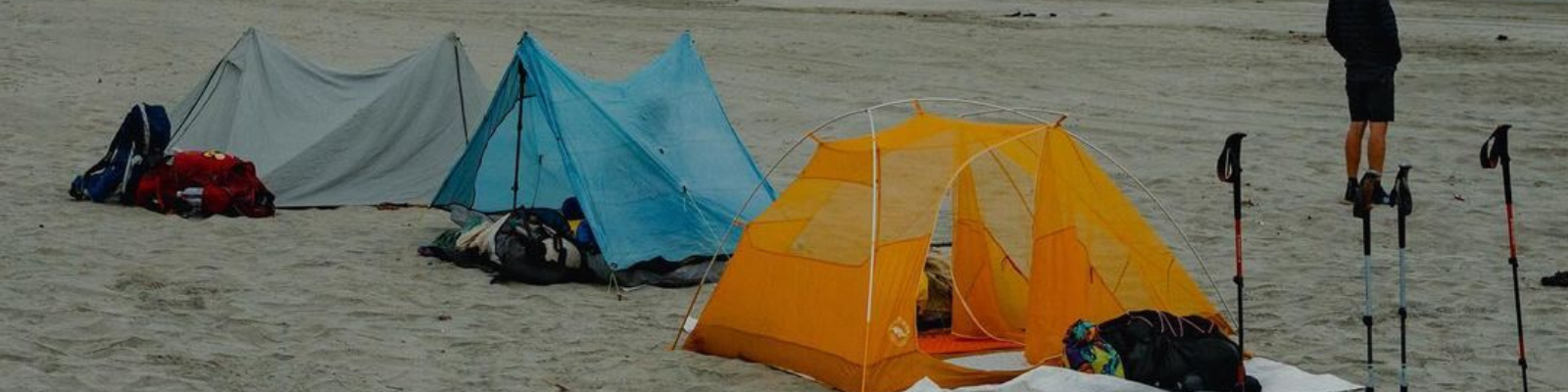
Compare the best ultralight tents in Australia for 2026, including one-person, two-person, freestanding and trekking-pole shelters from Big Agnes, Nemo, Mont, Hilleberg and more.
If you’ve landed here, you’ve inevitably found yourself on the journey down the ultralight rabbit hole and it can get confusing even for the most seasoned adventurer.
One tent can weigh as much as a water bottle but cost over $1,000 while another uses only trekking poles to pitch. Some of your friends most likely swear by single-wall tents, while others are telling you nightmare stories about how they got woken up by drips of condensation at 2 in the morning. Then there’s the hottest new material on the block; Dyneema and the biggest question everyone eventually comes back to…how light is too light?
In this guide, we’ve selected the best ultralight tents for Australian conditions across a variety of different disciplines, from multi-day thru-hiking and bikepacking to alpine adventures.
We compared all the ultralight tents currently available from Wild Earth and looked at packed weight, livability, weather protection, ventilation, ease of pitching up, campsite flexibility and overall value using feedback from our staff gear specialists, ambassadors and customers to make a call.
So, first things first, what makes a tent ‘ultralight’? Although there’s no official industry-wide cutoff, the general rule is demonstrated in the table below. An ultralight tent can save hundreds of grams when compared to a more traditional set up, they pack down smaller and can make long days on the trail feel easier, particularly when it comes to multi-day hikes, thru-hikes and fastpacking trips.
Going ultralight isn’t just about buying the lightest gear you can get your hands on, it's more about working out where you can comfortably save weight without compromising the things that matter to you on the trail. For a great real-world example, check out Cam Bostock’s ultralight hiking lessons, where he shares what he learned from reducing his pack weight and the compromises that actually worked in practice.
| Tent Type | Typical Ultralight Weight | What to Expect |
|---|---|---|
| 1-Person Ultralight Tent | Under 1.0 kg | Many true ultralight models fall around 500–800 g. |
| 2-Person Ultralight Tent | Under 1.5 kg | Strong ultralight options often sit around 800 g–1.2 kg. |
| Very Light / Super-Ultralight Shelter | Under 500–700 g | Often uses trekking poles, single-wall construction, fewer zippers or premium fabrics such as Dyneema. |
Tent weights vary depending on size, configuration and whether poles, pegs, footprints or other tent accessories are included.
When you're choosing your tent, it’s important to focus on the specs as a whole and think about including the ‘total packed weight’ i.e the tent body, fly, poles, stakes, stuff sacks, and other components you’ll realistically need to have in your hiking backpack in order to use it.
The biggest thing you need to consider when thinking about anything ultralight is what’s worth sacrificing to shave off those extra grams. This is going to vary from person to person and the lighter a tent gets the less room there’s going to be for living space, fewer interior pockets, thinner fabrics, the pitch location might need a little more care. Find out more about ultralight hiking with our Ultralight Backpacking Guide.
Some ultralight tents also use a single-wall design, which can make condensation more noticeable in humid or cold conditions but for most Australian hikers, an ultralight tent should tick major features like low packed weight, weather protection, interior space, ventilation, durability and ease of setup.
This guide compares the best ultralight tents available at Wild Earth and explains which one is likely to suit your hiking style.
| Tent / Shelter | Best For | Weight | Capacity | Setup | Season |
|---|---|---|---|---|---|
| Big Agnes Copper Spur mtnGLO 2-Person 3-Season Hiking Tent | Best overall | 1,450 g | 2 | Freestanding | 3-season |
| Nemo Hornet OSMO Ultralight 2-Person Hiking Tent | Lightweight two-person hiking | 1,140 g | 2 | Semi-freestanding | 3-season |
| Hyperlite CrossPeak 2-Person 3-Season Ultralight Hiking Tent | Premium freestanding ultralight | 964 g | 1–2 | Freestanding, single-wall | 3-season |
| Big Agnes Copper Spur Ultralight HyperBead 3-Season 1-Person Hiking Tent | Comfortable solo hiking | 1,090 g | 1 | Freestanding | 3-season |
| Mont Hypermid Ultralight 2-Person 4-Season Pyramid Tent Shelter | Versatile trekking-pole shelter | 683 g* | 1–2 | Single-pole pyramid / trekking pole | 4-season |
| Big Agnes Tiger Wall Ultralight HyperBead 2-Person 3-Season Bikepacking Tent | Bikepacking | 1,370 g | 2 | Semi-freestanding, double-wall | 3-season |
| Naturehike Cloud Up 2P Pro 2-Person 3-Season Lightweight Hiking Tent | Best-value lightweight two-person tent | 1,530 g | 2 | Freestanding body + staked vestibule | 3-season |
| Hilleberg Anaris 2-Person 3-Season Lightweight Hiking Tent | Premium trekking-pole tent | 1,400 g | 2 | Trekking-pole tent | 3-season |
| Illumina X 2-Person Ultralight Hiking Tent | Budget ultralight tent | 1,550 g** | 2 | Freestanding, double-wall | 4-season*** |
*Mont Hypermid weight shown is for the shelter with eight pegs. Inner tents are sold separately. **Illumina X weight excludes the footprint. ***The Illumina X is rated for four-season use including sun, rain and mild snow; it's not intended as a technical alpine winter tent. Product specs and weights may change, so check the current product page before purchasing.
The Big Agnes Copper Spur UL2 is our best overall ultralight tent for most Australian hikers because it balances low weight with a freestanding pitch, practical interior space and three-season versatility. Weight-focused hikers should consider the NEMO Hornet OSMO 2P, while experienced ultralight hikers can save more weight with trekking-pole shelters such as the Mont Hypermid 2.
The Big Agnes Copper Spur mtnGLO HyperBead 2-Person 3-Season Hiking Tent is a firm staff favourite and our top recommendation for Australian hikers who want a premium ultralight tent that can handle a wide range of adventures.
It’s lightweight, roomy design, easy set and durability make it the first choice for ambassadors like Steph Devery and Simon Ennals. Unlike highly specialised shelters, this tent provides a really simple freestanding pitch, and enough living space for two hikers to play cards on a bad weather day without becoming excessively heavy. That’s great for Aussie trails where you might find yourself pitching your tent on timber platforms, compacted campgrounds or rocky soil where a shelter that depends heavily on ideal stake placement can be harder to use
The current model uses Big Agnes’ HyperBead fabric, which the brand describes as lighter, more waterproof and stronger than its previous traditional tent fabrics.
Specs:
Best for: Couples, solo hikers wanting extra room, multi-day hiking trips and hikers moving into ultralight equipment for the first time.
Why we like it:
Consider another tent when: Your only priority is achieving the lowest possible packed weight, or you need a true four-season alpine shelter.
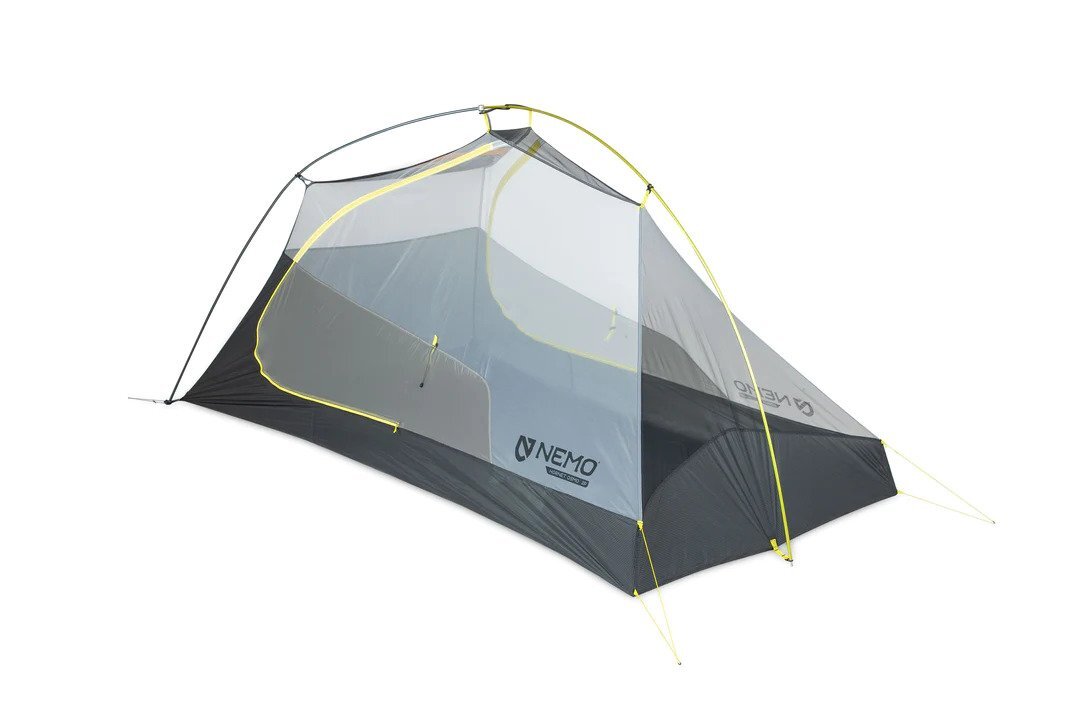
The Nemo Hornet OSMO 2P is great for hikers who want to reduce weight without moving completely into tarp-style or a single-pole shelter system. This tent is another one that often gets requested by our staff and ambassadors for their adventures.
It provides useful interior volume for its weight and is particularly appealing to fast-moving hiking partners, adventure racers and hikers covering long distances.
It’s important to note that as a semi-freestanding tent, it requires more attention to staking than a fully freestanding design. That trade-off helps reduce weight, but it means campsite choice and pitch quality become more important.
Specs:
Best for: Fastpacking, long-distance hiking and weight-conscious couples.
Why we like it:
Consider another tent when: you want more interior space, a fully freestanding setup, or better protection for exposed alpine conditions.
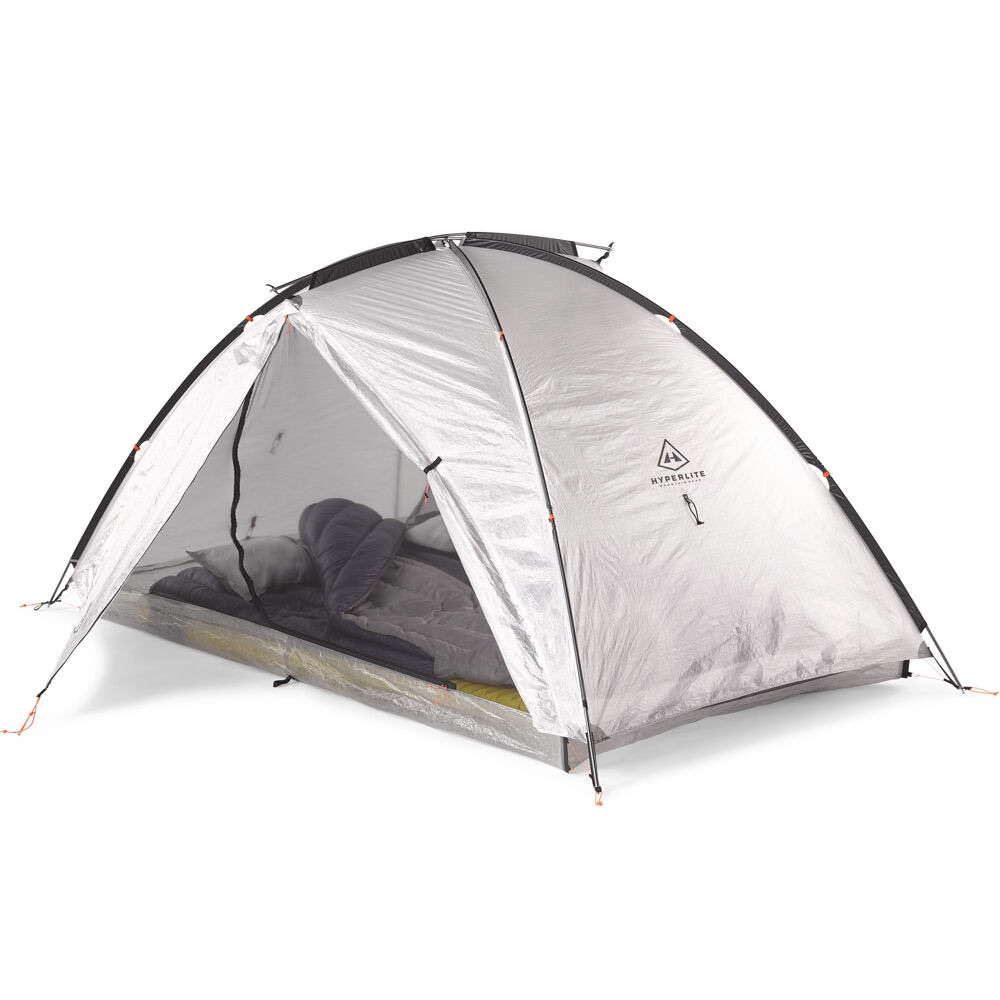
The Hyperlite CrossPeak 2 is for hikers who want freestanding convenience without giving up true ultralight weight. Weighing in at just 964 grams, it’s exceptionally light for a fully enclosed two-person tent with two doors, two vestibules and aluminum poles set up.
Owners often talk about it as very light, easy to set up and roomy enough for two wide sleeping pads, while solo hikers get to have a proper freestanding shelter without the weight.
The Dyneema construction is another big draw for this because unlike nylon, it doesn’t sag as it gets wet, which means your less likely to wake up with the walls loosening around you overnight. The high walls mean the interior roomy feel is much more livable than many aggressively tapered ultralight tents.
The obvious trade-off is the price tag. It sits right at the premium end of the market, and some users describing the external pole sleeves as a pain to thread compared with other modern clip systems. That said, pole sleeves only take a little longer to thread but in severe conditions the load distribution is so much better!
Specs:
Best for: Weight-conscious hikers who want a genuinely ultralight tent but are not ready to give up the freestanding setup and prioritise interior space.
Why we like it:
Consider another tent when: You are working to a tighter budget, prefer a traditional double-wall tent, or don’t like pole sleeves and would rather have a simpler clip-on setup.
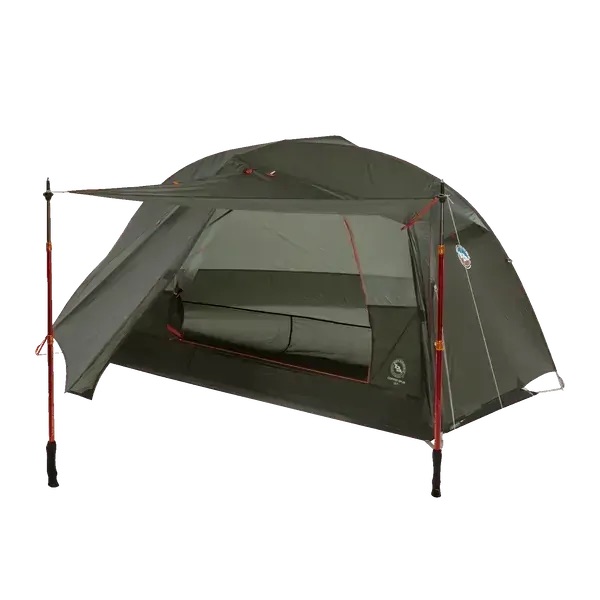
Big Agnes Copper Spur UL1 is a favourite among hikers who want a great lightweight freestanding solo tent rather than a trekking-pole shelter. The same trade-offs come up again and again, it has an easy, no-fuss set up, it’s nice and roomy for a 1P tent and has been proven over long distances.
This tent has a good weight/comfort ratio and owners often see the Copper Spur as worth the extra grams for its roomy freestanding structure, length and comfort.
Specs:
Best for: Solo overnighters, long-distance hikers, and people who value comfort.
Why we like it:
Consider another tent when: You regularly bring a large amount of equipment inside or prefer enough room to spread out. In that case, a lightweight two-person tent may be more comfortable with the Big agnes Copper Spur coming weighing only 360 grams for the 2-person.
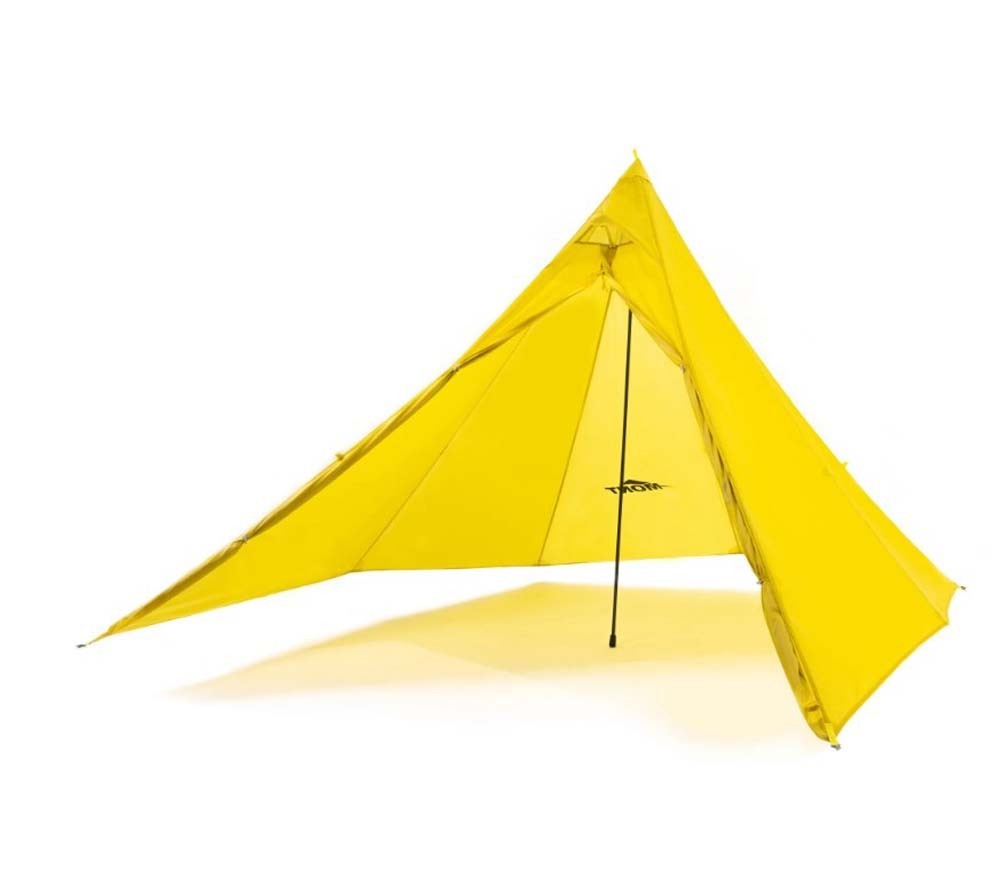
If you want one ultralight shelter that can adapt to multiple types of trips, the Mont Hypermid 2 could be a great option. You can camp using the fly-only, add the half inner for solo trips, or use the full inner for two people. It’s that modular setup that we like the most.
Mont is an Aussie brand with a reputation for quality gear and this tent has a reputation for being very stable in wind and rain once you get the pitch right. The downside is that, like most pyramid tents, there’s a bit of a learning curve. People describe the pitch as’ weird’ at first because the centre pole is a prominent feature of the tent's interior. For some campers it becomes an unobtrusive part of the setup, while others may prefer an open floor area without a central pole!
Specs:
Best for: Hikers and bikepackers who want a light, modular shelter that can be stripped back for solo trips or built up for rougher conditions.
Why we like it:
Consider another tent when: You want a space to hang out comfortably or don’t want a centre pole running through your living space.
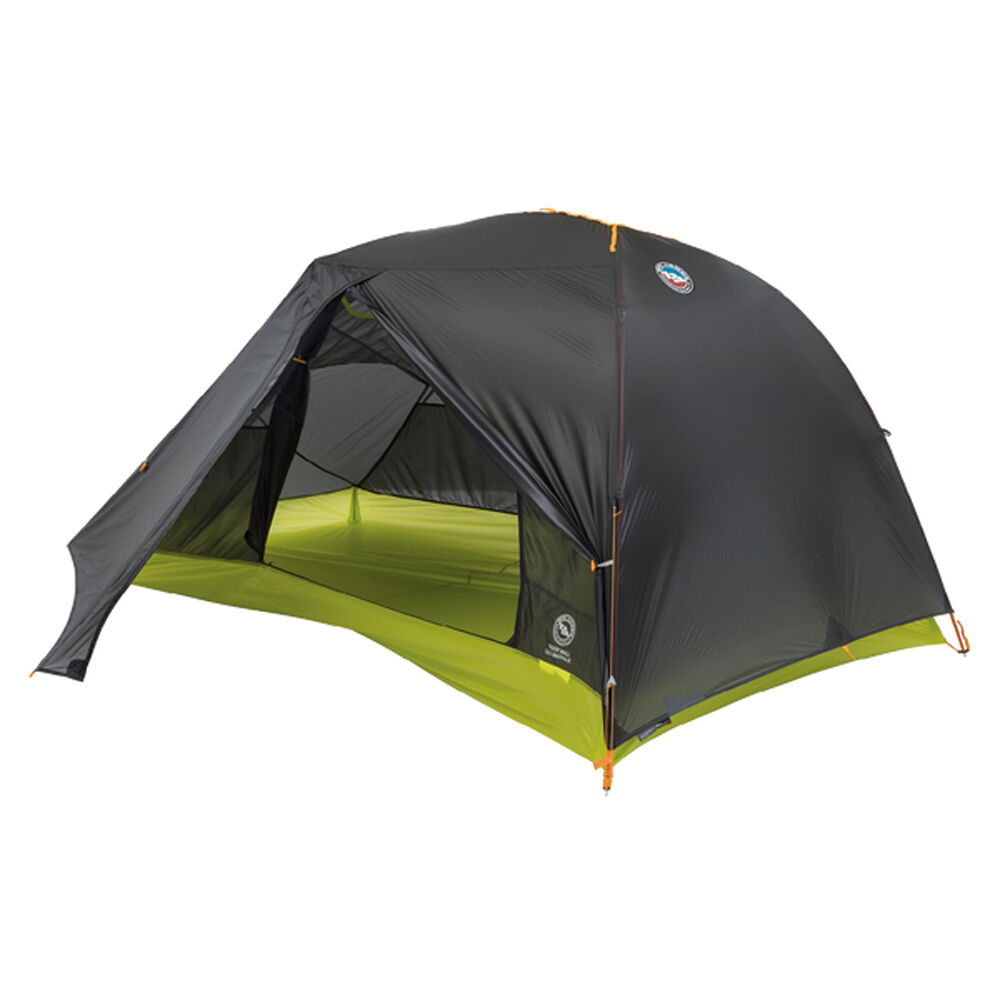
If you’re on the hunt for a bikepacking specific tent, the Big Agnes Tiger Wall UL HyperBead 2P is one of the strongest options for bikepackers. It’s an ultralight two-person tent that doesn’t sacrifice the comfort of an enclosed double-wall shelter.
Designed specifically with bikepackers in mind, it’s got a compact 38 x 13 cm packed size and the Big Agnes’ ShortStik pole system, which has shorter pole sections designed especially so it can fit more easily between handlebars, inside frame bags or across panniers. Big Agnes have also included thoughtful features like a waterproof dry-bag-style stuff sack with integrated straps for attaching the tent directly to your bike, an oversized helmet pocket, exterior daisy chains and Wheelie Stake Out Loops that let you use your bike as part of the anchoring system when the ground is difficult to stake!
Weighing in at 1.37 kg total weight, it’s light enough for longer bikepacking trips while still providing separate side-entry doors and dual vestibules for storing shoes, bags and gear outside the sleeping area and it’s super roomy to boot.
Specs:
Best for: Bikepacking, lightweight cycle touring, fast multi-day trips and hikers who want a compact two-person shelter with shorter poles.
Why we like it:
Consider another tent when: You want a fully freestanding shelter, need a true four-season tent, or your only goal is achieving the absolute lowest possible weight.
Naturehike is known for great value gear and the Naturehike Cloud Up Pro 2P is a nice entry point for hikers who want a lighter shelter without immediately moving into the premium ultralight gear category.
This tent suits weekend hikers, beginners and backpackers who want to reduce pack weight while retaining a conventional tent structure.
It may not offer the same refinement, material technology or space-to-weight optimisation as some of the more premium models on the list, but for many Aussie hikers, the best tent is the one that’s going to meets their needs without consuming all their equipment budget.
Specs:
Best for: Beginners, weekend hikers and more value-conscious buyers.
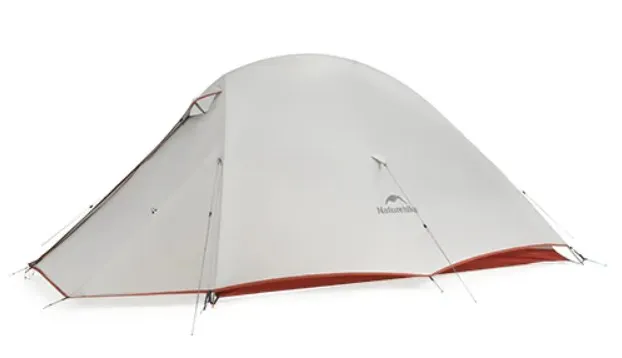
Why we like it:
Consider another tent when: You’re counting grams, are looking for roomy interior space, or expect regular tough long-term use.
Hilleberg has a strong reputation for it’s build quality, and Hilleberg Anaris owners reach for this tent when they're heading somewhere remote or the forecast is uncertain. It’s a premium two-person trekking-pole tent designed for hikers who really value solid design and a tent that can handle tough conditions more than chasing the lightest possible specs..
Its design differs from pyramid shelters because it uses trekking poles to create a ridge-style structure with useful ventilation and flexible access.
Specs:
Best for: Experienced hikers who want lightweight equipment but remain cautious about aggressively minimalist designs.
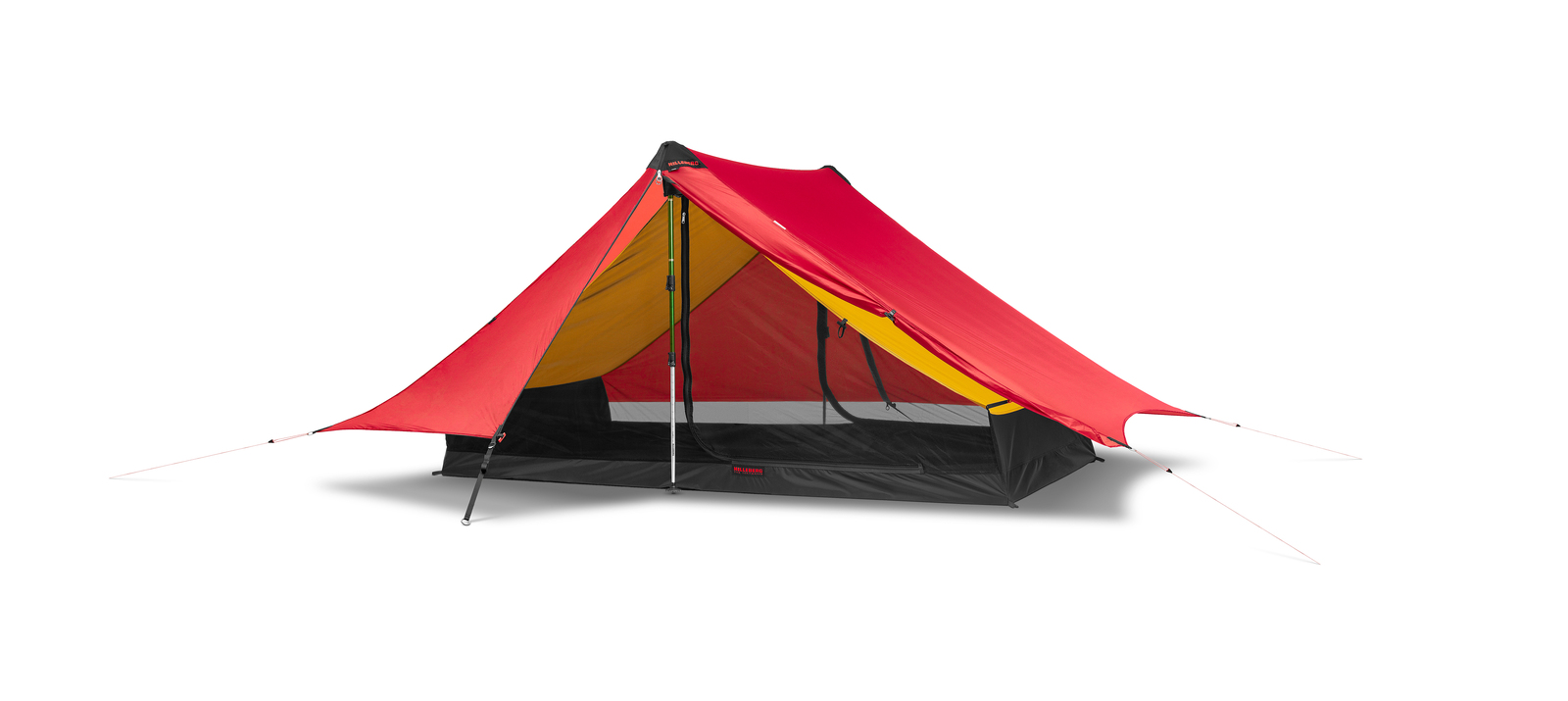
Why we like it:
Consider another tent when: You want a lower-priced option, don’t use trekking poles, or prefer the simplicity of a freestanding tent. For alpine winter conditions, we’d recommend stepping up to one of the dedicated four-season shelters as this doesn’t have the same storm performance as Hilleberg's heavier tunnel tents.
The Illumina X is a strong option if you want to bring your pack weight down without blowing the budget. Weighing in at 1.55 kg, it’s great value winning our Wild Earth Best Value Gear Awards.
What makes it particularly appealing for beginners and value-conscious hikers is that you get aluminium poles, a mesh inner, a full rainfly, a vestibule and a footprint included. It’s an easy setup and enough floor space for two people, though some feedback suggests it really shines as a roomy one-person tent with the trade-off being that's it’s heavier than some of our other premium ultralight options.
Specs:
Best for: Beginners, weekend hikers and anyone looking for a lightweight two-person tent at a more accessible price point.
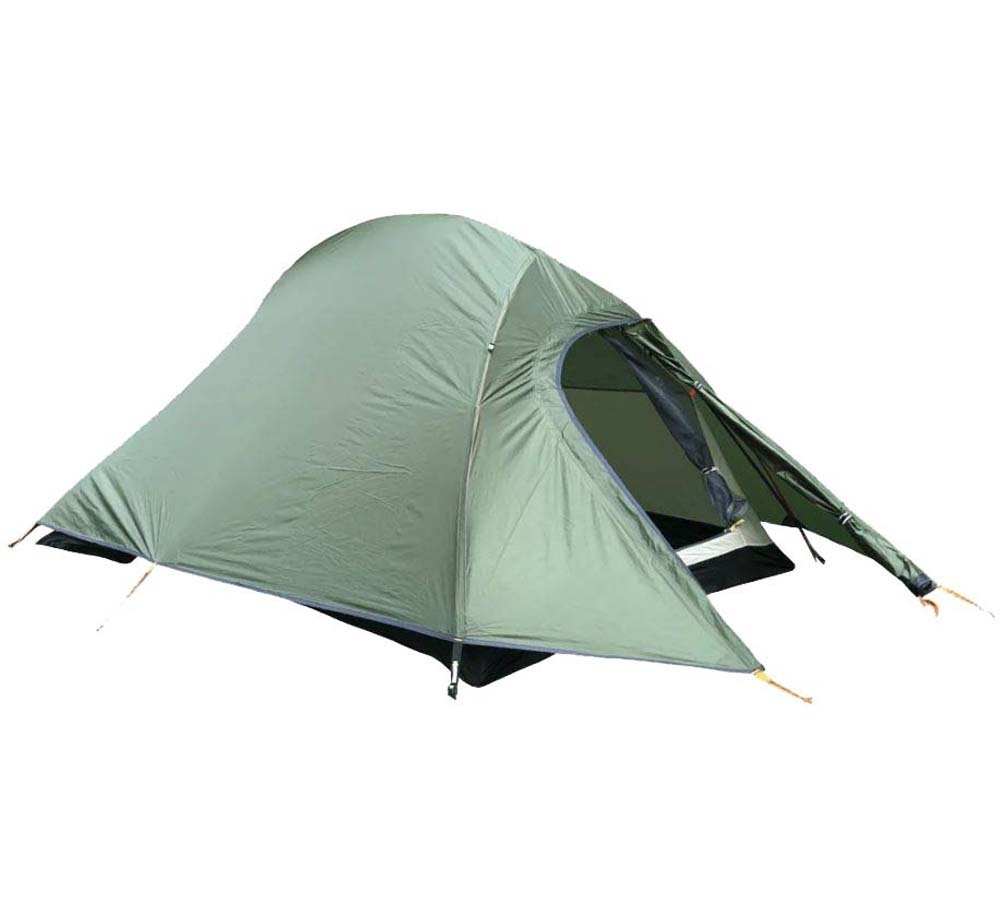
Why we like it:
Consider another tent when: You are counting every gram, want more roomy feel, or plan for regular use in harsh weather.
The best ultralight tent isn’t necessarily the lightest one, it’s the one that sits in the sweet spot that helps you cut meaningful weight from your backpack without making your tent set up feel cramped, fiddly to pitch or something that can’t handle it when the weather turns.
Before ordering, check the current product page for the complete packed weight, floor dimensions, included components and season rating.
Not sure what gear you need for your adventure? Chat with our friendly team of Outdoor Gear Specialists in-store or online today, and don’t forget to share your adventures with us on Instagram by tagging @wildearthaustralia in your next post.
This is one of the biggest decisions people have when selecting their ultralight tent. You need to decide if the lower weight matters more to you than easier pitching and campsite flexibility (rocky ground, timber platforms, hard soil). Trekking-pole shelters are more likely to be frustrating for a beginner.
This comes up constantly, especially among hikers looking at ultralight single-wall tents. The general concensus is that although single-wall tents aren’t necessarily more prone to producing condensation, you’re more exposed to condensation with a single wall because there’s no inner to separate you and the wet fly which means climate, campsite selection and decent ventilation and keeping wet gear out of the tent make the biggest difference.
Pro Tip: Wipe down the inside of your tent if needed using a small microfibre cloth, bandana or towel.
A regular debate is whether the extra few hundred grams are worth it for more room for a backpack, wider sleeping mats, bad-weather days comfort etc. Tent dimensions can matter just as much as the advertised ‘1P’ or ‘2P’ capacity, particularly for taller hikers. In short, choose a 1-person tent if minimising weight is priority; choose a 2-person tent if you’re happy carrying a few hundred extra grams for noticeably more living space.
Dyneema can be worth the extra money if the priority is cutting as much weight as possible without sacrificing waterproof performance. This material is extremely light for the strength it has and it doesn’t absorb water like nylon can so it won’t sag as much when wet. That means your tent tends to stay taut overnight which minimised condensation too.
The obvious downside is cost and for most hikers, a good lightweight nylon tent offers better value. Dyneema makes the most sense for thru-hikers, fastpackers and experienced ultralight hikers who are willing to pay a premium to save on every possible gram.
Campers frequently compare absolute weight savings against weather protection, durability, interior roominess, ease of pitching and campsite flexibility. It’s the trade off we keep coming back to. A tent that saves 300-500 grams will most likely require more careful pitching, offer less room, or depend heavily on stakes and good site selection.
Freestanding tent is a tent that stands without relying on stakes for its basic shape.
Semi-freestanding tent still needs to be staked out properly to achieve its full shape and interior space but uses poles for most of its structure.
Trekking-pole tent uses hiking poles instead of normal tent poles which helps reduce weight and packed size.
Single-wall tent combines the waterproof outer and living space into one layer, saving weight but often making condensation more noticeable.
Double-wall tent features design with a separate inner tent and rainfly, usually this provides better ventilation reducing condensation.
Tarp is a lightweight waterproof sheet pitched with trekking poles, trees or guy lines. Browse tarps and shelters, which are usually supplied without a built-in floor or insect protection.
Flat tarp is a rectangular or square tarp that can be pitched in several different configurations depending on the campsite and weather.
Shaped tarp is cut into a fixed shelter shape, making it easier to pitch consistently but less versatile than a flat tarp.
Pyramid shelter is a pyramid-shaped tent or tarp supported by a central pole or trekking pole and tensioned with stakes.
A-frame shelter uses a triangular shape, usually supported by trekking poles or other supports at each end.
Floorless shelter reduces weight by having a waterproof roof but no proper attached floor, reduces weight but offers less protection from wet ground and insects.
Bathtub floor is a waterproof floor with raised edges designed to stop water from running into the sleeping area.
Groundsheet is a lightweight waterproof layer placed on the ground, commonly used with floorless shelters or beneath sleeping gear.
Footprint is a protective ground layer usually sized for a specific tent and placed underneath its floor to reduce wear and punctures. Shop tent footprints.
Bug netting is fine mesh that keeps mosquitoes, midges and other insects out while still allowing airflow.
Mesh inner is an enclosed bug-proof inner tent, often with a bathtub floor, that sits beneath a tarp or outer shelter.
No bug netting means the shelter has no built-in insect protection and may need to be paired with a separate mesh inner, bug net or bivy.
Inner tent is the enclosed sleeping compartment that sits underneath the waterproof fly of a double-wall tent.
Rainfly is the waterproof outer layer of a tent that protects the inner tent from rain and weather.
Fly-only setup means pitching only the waterproof outer shelter without the inner tent to reduce weight.
Modular shelter is a shelter that can be configured in different ways, such as fly only, fly with a half inner or fly with a full inner.
Bivy is a compact one-person sleeping shelter that provides basic protection from weather, ground moisture or insects. Browse bivy sacks and shelters.
Tarp and bivy setup combines overhead protection from a tarp with ground and insect protection from a bivy.
Single-pole shelter uses one central pole, often a trekking pole, to create its structure.
Pole-less shelter does not include dedicated tent poles and instead uses trekking poles, trees, bikes or other supports.
Guy line is a cord that runs from the shelter to a stake or anchor point to create tension and improve stability.
Guy point is the reinforced attachment point where a guy line connects to the tent or tarp.
Stake-dependent shelter relies heavily on properly tensioned stakes to hold its shape and remain stable.
Dyneema is an extremely lightweight, strong and highly water-resistant material commonly used in premium ultralight tents and tarps.
Silnylon is silicone-coated nylon that is lightweight and strong but can absorb moisture and stretch when wet.
Silpoly is silicone-coated polyester that generally absorbs less water and stretches less when wet than silnylon.
Denier is a measurement used to describe the thickness of fibres in a fabric, commonly shown as 10D, 20D or 30D.
Hydrostatic head is a measure of how much water pressure a fabric can resist before leaking, usually shown in millimetres.
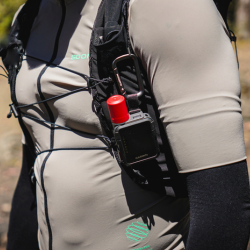
If you’ve ever searched ‘what is a PLB?’ and ended up more confused than when you started, this guide explains the difference, compares the best models in Australia for 2026, and shows how to register and carry them properly.
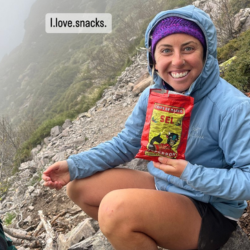
Planning the GR20 in Corsica? Wild Earth Ambassador Steph Devery shares her complete GR20 packing list, including gear, clothing, camping equipment, trail runners and tips from hiking one of Europe's toughest trails.
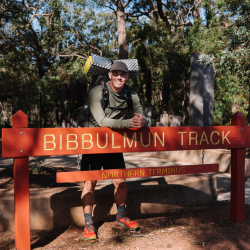
Expert ultralight hiker Cam Bostock reveals the gear lessons he learned from the Bibbulmun Track, Te Araroa and PCT, from base weight to off-grid power along with his favourite ultralight gear.
Wild Earth staffer and ultra-runner Scott compares the best fleece of 2026 for hiking, trail running and everyday wear. Explore ultralight, natural, budget and winter fleece jackets.











Using Afterpay you can pay for your order over 8 weeks. There's no interest or added fees* and nothing to pay today. Payment will be automatically taken from your debit or credit card in four equal payments each fortnight over 8 weeks, and you will receive your order immediately.
You simply need:
To use this service simply:
Approved AfterPay buyers will require the funds for the first payment to be available on their card at time of checkout, however the first payment won't be deducted for 14 days. First time AfterPay buyers will need to make the first instalment payment at the time of their purchase.
If you wish to return your goods you can choose to receive an exchange, or the Afterpay payment plan can be cancelled before the first payment at no charge. *If you fail to have sufficient funds available for AfterPay to automatically deduct payment on due instalment dates you will be charged a late fee of $10, and if the instalment payment remains overdue, an additional $7 will be charged one week later.
With AfterPay, there's no waiting and we'll ship out your order immediately as normal.

When you want to go now, sometimes it's handy to pay later. That's why, we offer interest free payment plans from two of Australia's favourite Buy now, Pay later services.