Total Items: 0
Sub Total: $0.00


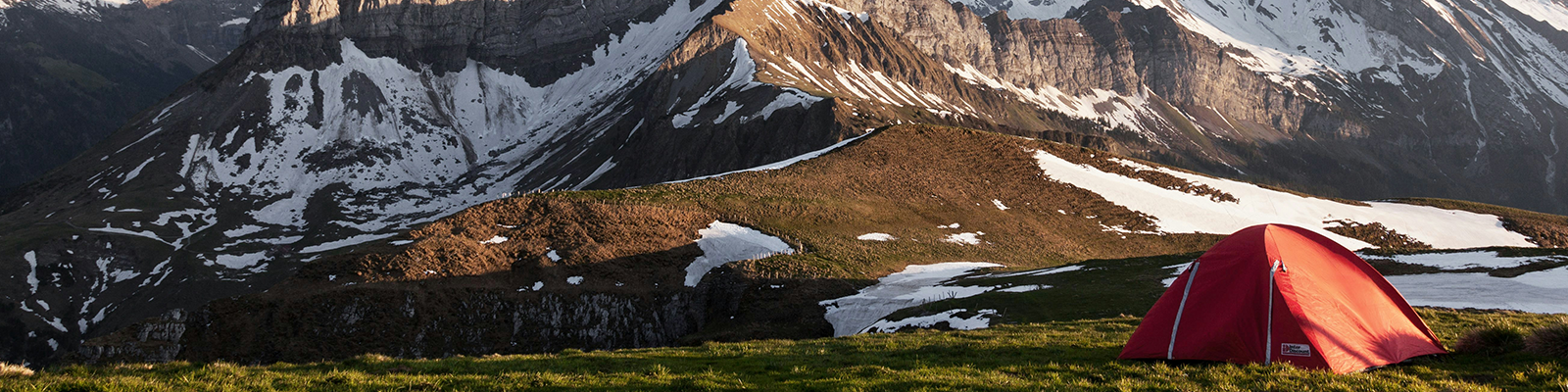
Winter camping isn’t just about surviving the cold, it’s about thriving in it. Whether you’re up high in the Snowies, battling gale-force winds, or setting up camp in a snow-dusted forest, having the right tent can make or break your trip.
| Tent | Best For | Weight | Packed Size |
| Hilleberg Jannu | Overall Performance | 2.8 kg (Minimum) | 52 cm x 18 cm |
| Mont Supercell | Value Pick | 2.66 kg (Minimum) | 40 cm x 25 cm x 19 cm |
| The North Face Mountain 25 | Expedition Use | 4.0 kg (Trail) | 61 cm x 18 cm |
| Hyperlite Ultamid 2 | Ultralight Travel | 534 g (Fly Only) | 21 x 15 x 14 cm |
| Nemo Kunai | All-Round Use | 1.76 kg (Minimum) | 50 cm x 16 cm |
But here’s the thing: there’s no such thing as the perfect tent. It’s all about trade-offs. Whether you’re cutting weight for a fast-and-light mission, looking for something bombproof to handle savage storms, or just trying to find that sweet spot between comfort and durability, it’s all about finding the right tool for the job.
The good news? Whether you’re looking for something ultralight to shave grams off your pack or a bombproof shelter that laughs in the face of snowstorms, there’s a 4 season tent that’ll suit your adventures. From serious expeditions to relaxed weekend trips, here’s a lineup of the best winter tents of 2026.
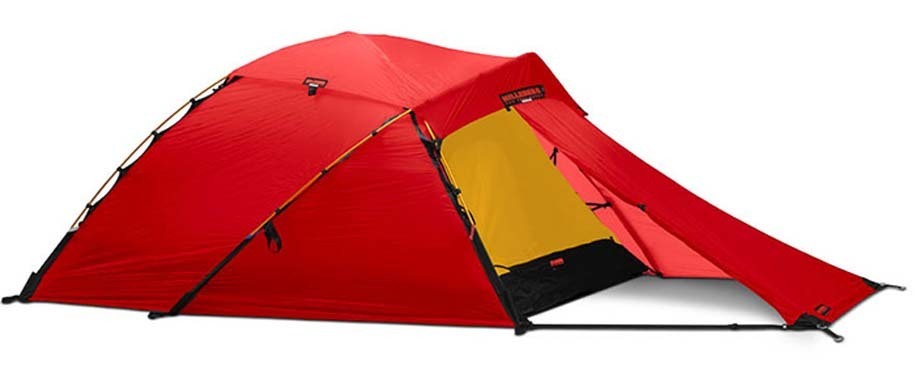
I’ve always been a fan of Hilleberg tents, partly because of the attention to detail and craftsmanship that goes into each one. Every Hilleberg tent has a hand-signed name tag from the person who assembled it - something you don’t see from other brands. It’s like the tent maker is putting their own reputation on the line with every tent that leaves the factory in Europe.
The Jannu is part of Hilleberg’s Red Label series, which means it’s built for general all-season use where you need both strength and low weight. But honestly, Hilleberg’s quality is so high that the Red Label series is more than enough for most people. The Black Label tents are their full-blown extreme models, built for the absolute worst conditions imaginable, but for most winter tent trips, the Red Label is perfectly capable.
Why It’s the Best:
The Hilleberg Jannu’s combination of strength, weight, and attention to detail makes it a standout for winter camping. The fact that someone actually signs off on each tent adds a level of quality assurance you don’t often see.
Pros:
Cons:
The Mont Supercell is the winter tent you want if you need something that delivers great performance without going overboard on price. It’s not a 'budget' 4 season tent option by any means - it’s a reliable workhorse for harsh conditions that comes in under $1000, thanks to Mont being a home-grown Aussie brand. It’s designed to handle high wind and heavy snow load, making it a solid all-round performer for winter adventures.
I’ve seen this tent hold its own in some pretty rough conditions. If you want serious winter performance without having to remortgage your house, this one’s worth a look.
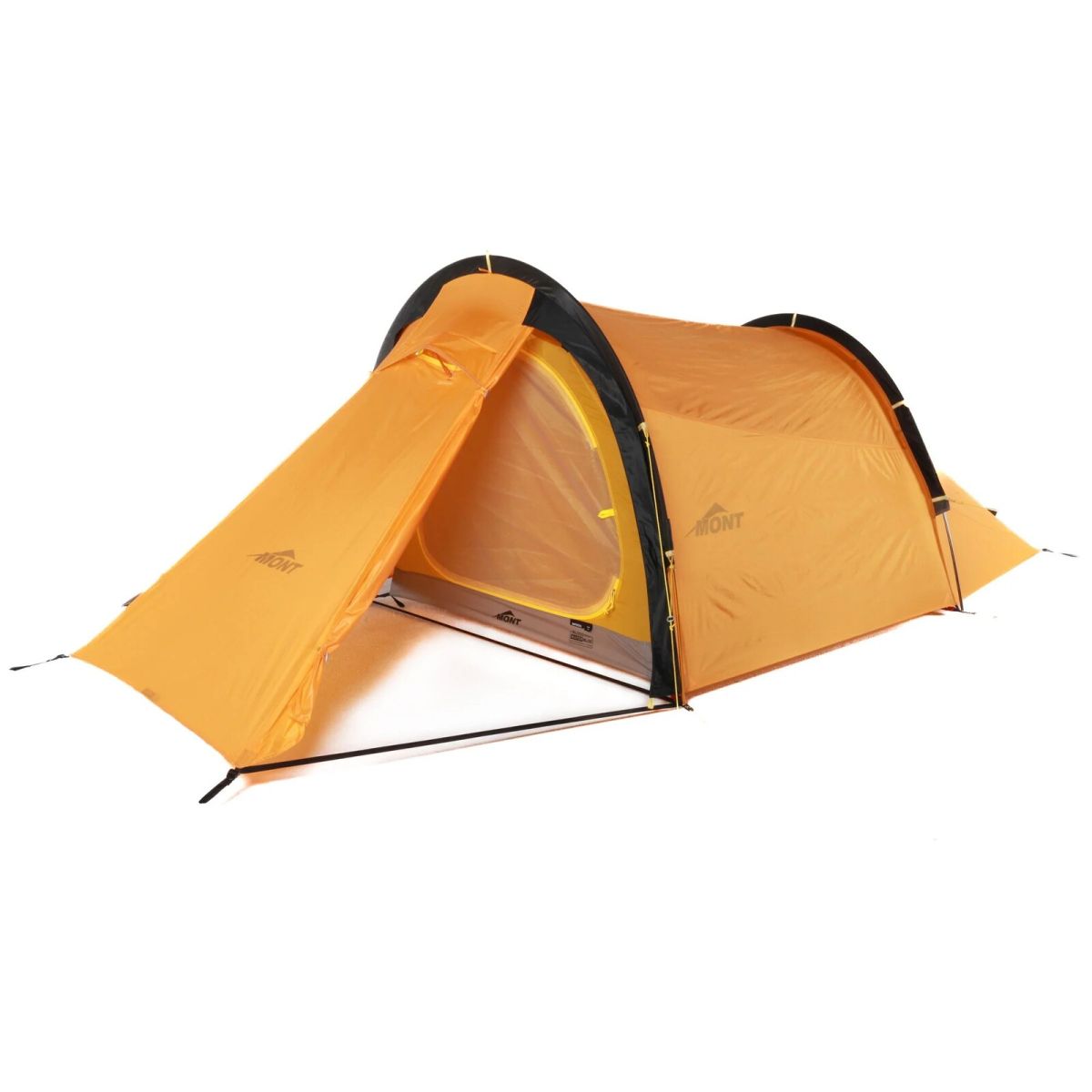
Why It’s the Best: Great value, plain and simple. You get excellent protection, good ventilation, and a setup that’s light enough for hiking but tough enough for winter conditions. Perfect if you’re keen to get out there without blowing your whole budget.
Pros:
Cons:
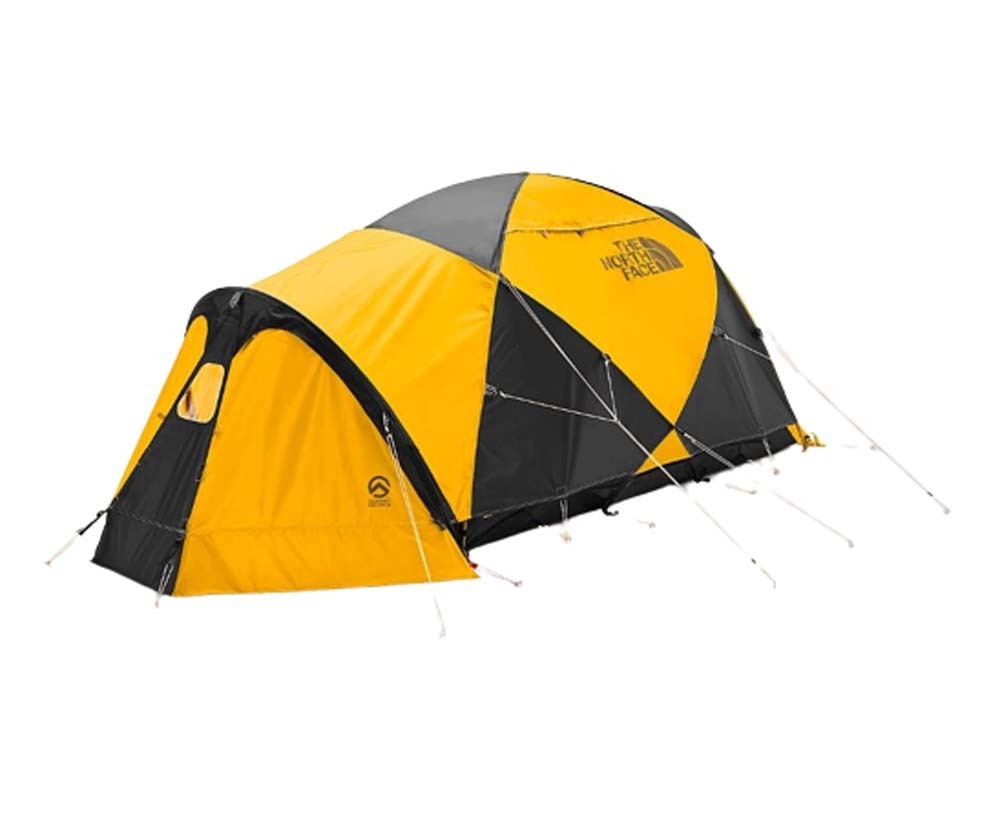
The North Face Mountain 25 4 season tent is built to be a fortress in harsh conditions. Whenever I’m out in the high mountains of Nepal, Japan, or New Zealand, this just might be the tent I see the most often. It’s a go-to for serious expeditions and it’s easy to see why - it’s reliable, durable, and designed to handle punishment from the elements.
The Mountain 25 is on the heavier side compared to some other four-season tents, but that’s the trade-off you make for strength and livability. The spacious design, solid ventilation, and bombproof construction make it a go-to for mountaineers, guides, and anyone who needs a tent that’ll keep them safe when the weather turns savage.
Why It’s the Best:
For high-altitude mountaineering, winter camping, and base camping, it’s hard to find something as robust and spacious for the price. Whether you’re dealing with heavy snow, high winds, or just needing something solid for base camp, the Mountain 25 has earned its reputation.
Pros:
Cons:
There’s just something about Hyperlite Mountain Gear that draws you in. Maybe it’s our fascination with Dyneema Composite Fabric or that minimalist, ultralight ethos they do so well. Every time new Hyperlite gear arrives in the store, it's hard not to get a little bit excited.
The Hyperlite Ultamid 2 is a classic example. At just 534 grams for the fly only (no poles, no inner, no pegs), it's ridiculously light. But that also means it’s a bare-bones setup. You’ll need to bring your own poles and pegs - most of the time in winter, you’ll have trekking poles or ski poles with you anyway, so it’s not a big deal. It’s worth practising the setup before heading into the hills, especially if you’re used to freestanding tents. You just have to factor that into the weight. If you prefer, you can also purchase a carbon pole, floor, or inners separately to customise your setup.
The packed size is impressively compact at 21 x 15 x 14 cm, making it easy to stash in your pack. Sure, it’s not cheap, but the high-quality materials and minimalist design are what make it a top pick for anyone prioritising weight savings without sacrificing weather protection.
.jpg)
Why It’s the Best:
The Ultamid 2’s ability to handle harsh 4 season tent weather with such a minimalist design is impressive. If you’re looking to save weight but still want serious weather protection, this is it. Just remember, this comes as a fly-only setup, so you’ll need to plan accordingly.
Pros:
Cons:
The Nemo Kunai really is the definition of versatile. It’s the kind of tent that could honestly be the only one you own, whether you’re beach camping in summer or snow camping in winter. As an all-round hiking tent, it’s a bit heavier than some of the ultralight options, but that’s because it’s built to handle pretty much anything.
It’s not the lightest tent out there, but if you’re heading into unpredictable conditions or only want to own one tent, this versatility is worth its weight.
One of the clever features of the Kunai is the dual-layered "windows" on the inner tent. It’s got mesh for warmer conditions, but you can zip over a second layer when things get cold and gnarly. It adds a bit of weight, but the adaptability is totally worth it. I own one of these personally and love it.
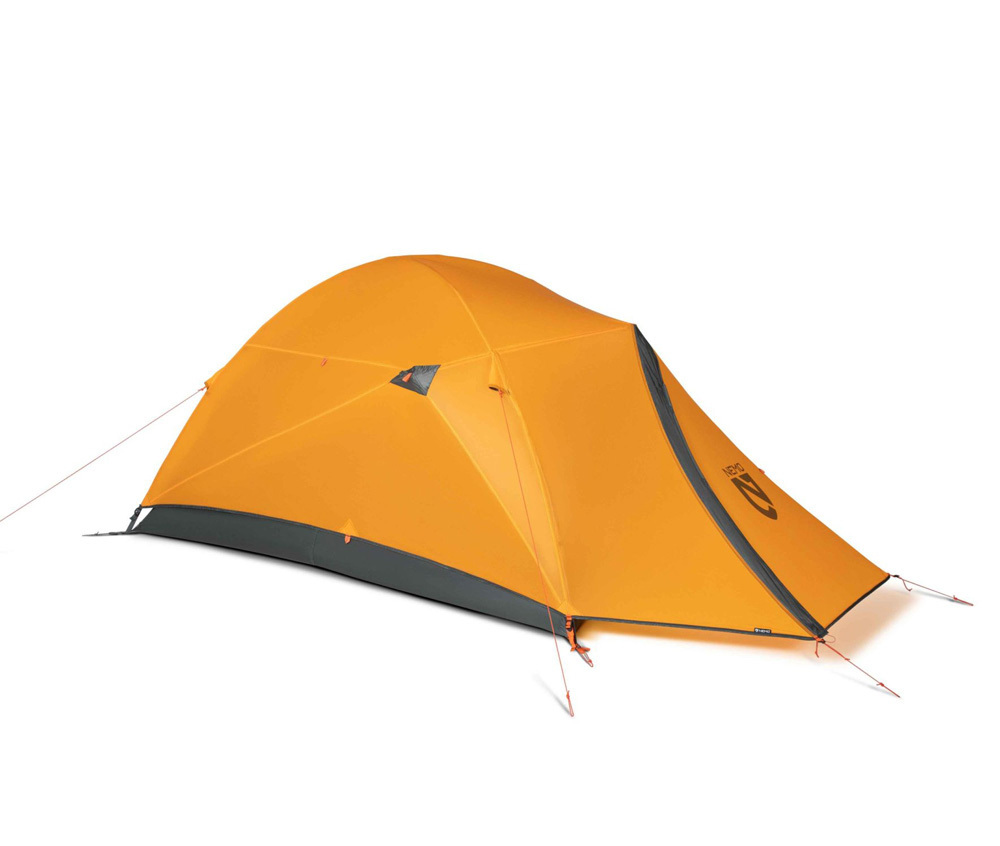
Why It’s the Best:
With its ability to adapt to different environments and handle serious conditions, the Kunai is a real all-rounder. It’s built to shed wind, rain, and snow effectively thanks to its tapered shape and tough DAC poles. If you’re after a tent that’s as comfortable in the snow as it is at a beachside campsite, this is it.
Pros:
Cons:
Conclusion
And there you have it, five of the best winter tents of 2026, each one suited to a different style of adventure. Whether you’re chasing big mountains, long-distance hikes, or just want something reliable for all-around use, these tents have you covered.
I’ve tested a lot of tents over the years, and these five are the ones I keep coming back to. They’re the ones that get recommended to mates when they ask me what’s worth spending their money on.
Check them out at Wild Earth, and find the perfect winter tent for your next adventure.
Happy camping!
Not always. It really depends on where you’re camping and the type of conditions you can expect. For mild winter camping at lower elevations, a good quality 3-season tent can often be enough. But if you’re planning on heading into alpine areas, camping above the snowline or there’s the possibility of strong winds, heavy rain or snowfall, a 4-season tent is the safer choice.
In places like the Snowy Mountains, Victorian Alps and Tasmania, weather can change quickly. A 4-season tent gives you a stronger structure and better protection when conditions turn rough.
A 3-season tent is designed mainly for spring, summer and autumn. It usually has more mesh for ventilation, a lighter pole structure and a lower overall weight.
Whereas a 4-season tent is built for much harsher weather. You will generally find stronger poles, tougher fabrics, less exposed mesh as well as a shape designed to handle wind and snow. The trade-off is usually weight and ventilation with 4-season tent usually being heavier, warmer and less airy than a 3-season model.
Usually, but not by as much as people expect. It’s important to note that a 4-season tent can feel warmer because it has less mesh and blocks wind more effectively, it also holds onto a little more warm air. Your sleeping bag and sleeping mat make a much bigger difference to how warm you stay overnight. Think of the tent as protection from wind, rain and snow rather than your main source of insulation.
Both designs can work extremely well in winter. Dome tents tend to be very stable because their poles cross in several places. This helps them handle changing wind directions and makes them a popular choice for exposed camps and mountaineering.
But tunnel tents can also be exceptionally strong when pitched correctly, particularly when the narrow end faces into the wind. The quality of the design, pole structure and pitching technique matters more than simply choosing one shape over the other.
If you need any help, chat with our friendly team of Outdoor Gear Specialists in-store or online today and don’t forget to share your adventures with us on Instagram by tagging @wildearthaustralia and #mywildearth in your next post.
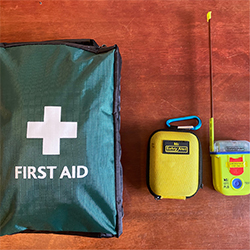
A qualified paramedic shares her complete backcountry first aid kit checklist for hiking, bikepacking and adventure travel. Learn what dressings, medications, emergency gear and wilderness safety essentials to pack before your next trip.
Duffel bags are a classic workhorse bag here in Australia for very good reason. They’re easy to pack, quick to throw in the boot, and versatile enough to work for everything from a weekend down the coast to Everest Base Camp.
Wild Earth Gear Specialists and ambassadors share their top winter sleeping bags for alpine camping, frosty outback nights, Tasmania and cold-weather adventures.

Looking for your next gear upgrade? We’ve rounded up some of the best new outdoor gear to land at Wild Earth, from trail running shoes and headlamps to fresh hiking essentials.












Using Afterpay you can pay for your order over 8 weeks. There's no interest or added fees* and nothing to pay today. Payment will be automatically taken from your debit or credit card in four equal payments each fortnight over 8 weeks, and you will receive your order immediately.
You simply need:
To use this service simply:
Approved AfterPay buyers will require the funds for the first payment to be available on their card at time of checkout, however the first payment won't be deducted for 14 days. First time AfterPay buyers will need to make the first instalment payment at the time of their purchase.
If you wish to return your goods you can choose to receive an exchange, or the Afterpay payment plan can be cancelled before the first payment at no charge. *If you fail to have sufficient funds available for AfterPay to automatically deduct payment on due instalment dates you will be charged a late fee of $10, and if the instalment payment remains overdue, an additional $7 will be charged one week later.
With AfterPay, there's no waiting and we'll ship out your order immediately as normal.

When you want to go now, sometimes it's handy to pay later. That's why, we offer interest free payment plans from two of Australia's favourite Buy now, Pay later services.