Total Items: 0
Sub Total: $0.00


Quick answer: Australian tick expert Professor Stephen Barker recommends killing an attached tick with an appropriate ether-containing freezing spray before removal. Don’t squeeze, twist or pull it and make sure you keep the tick and take photos for helpful identification should you need it.
Picture this, you’ve finished a cracking bushwalk, kicked off your boots and jumped in the shower only to find something that definitely wasn’t there when you left home. A little bump, firmly attached, seemingly helping itself to a piece of you.
I recently sat down with Australian Tick Expert and Author of the book Ticks of Australia, Professor Stephen Barker from the University of Queensland to get beyond the old bush remedies and find out what actually matters, like, how to avoid ticks, what to do when you find one and when a bite needs some medical attention.
The aim is to help us head out prepared, enjoy the hike and know what to do if we find ourselves with unwanted hitchhikers. Watch the full podcast episode on YouTube or listen on Spotify or Apple Podcasts.
Found an attached tick on you? Pause, take a breath and bypass your immediate response to scratch it off. I don’t want to scare the hell out of the hikers here because tick bites are usually harmless, but on the odd occasion they can cause an allergic reaction or serious illness which we’ll get into in this article.
Stephen agrees with the wider Australian advice for the management of tick bites, that the very best way to remove a tick is to kill it with tick-freezing spray.
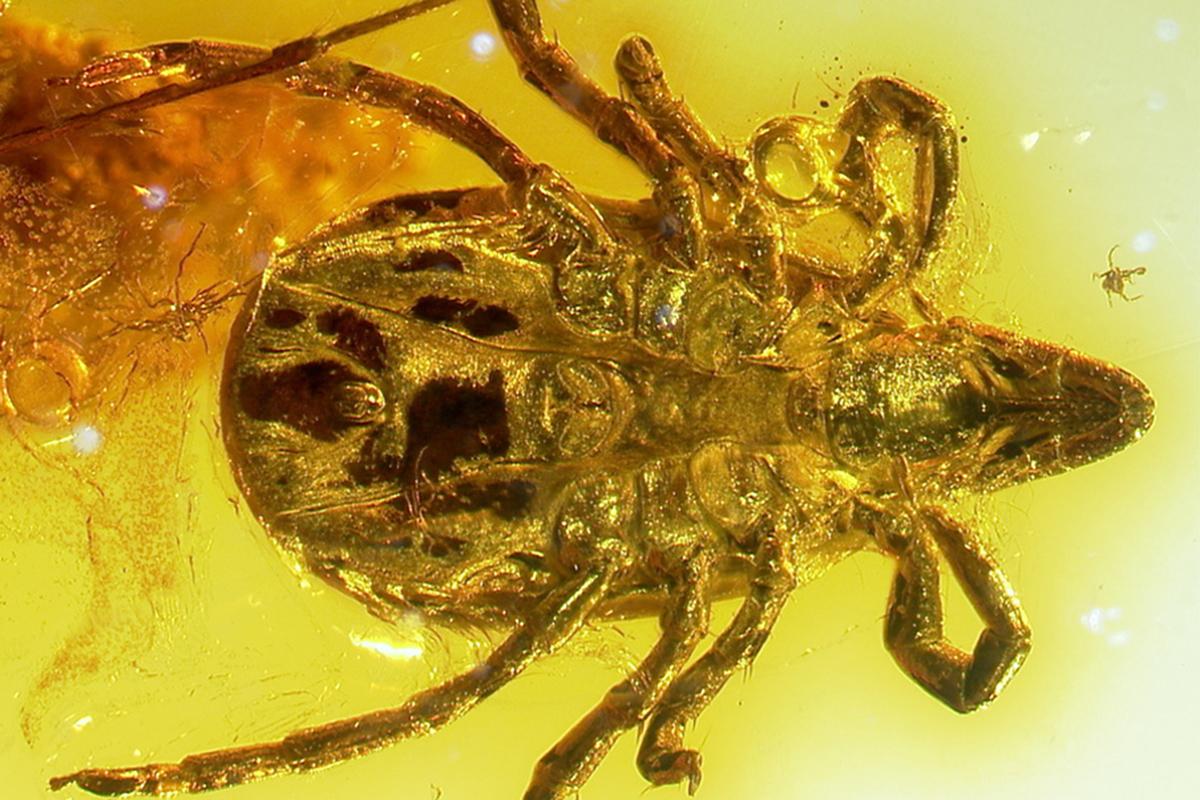
Circa. 49 million year old tick in Baltic amber by Ticks of Australia
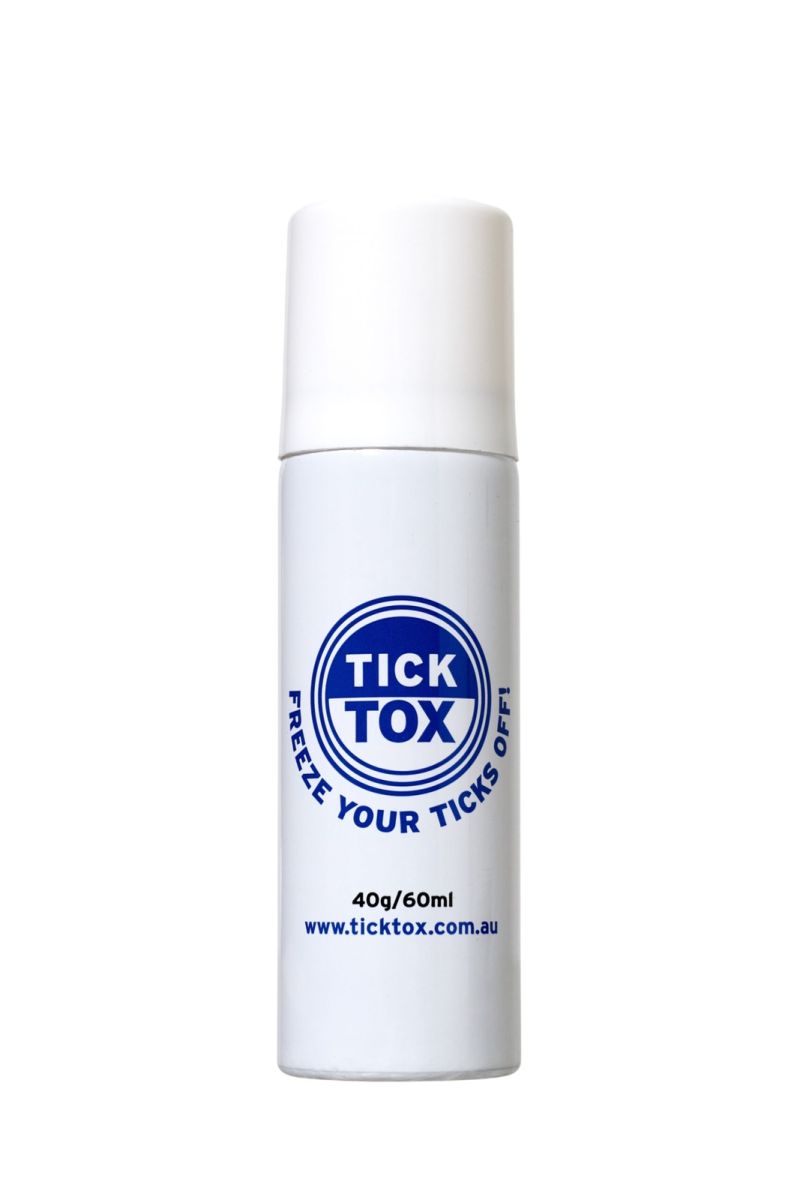
For someone without known tick allergy, the best advice is to use an appropriate ether-containing freezing spray according to its directions like Tick Tox Freeze Spray.
If you have a known tick allergy: Seek urgent medical help and follow your specialist’s management plan. Do not attempt removal yourself unless your specialist has advised you how to do so safely.
Emergency: If you develop breathing difficulty, tongue or throat swelling, or collapse, use your prescribed adrenaline injector immediately, call 000 and follow your ASCIA action plan.
Locate the tick without touching, scratching or squeezing it. Get into some good light so you can see what you’re doing. If it’s somewhere awkward, ask a hiking buddy to help because some jobs call for a second pair of eyes!
Read your tick-freezing spray’s label and enclosed instructions before using it. Check where it can safely be applied, how to protect the surrounding skin and where to position the nozzle. This is one bit of your hiking kit where guessing won’t do.
Apply the spray as directed, without touching or disturbing the tick. Follow the recommended spray duration and don’t overdo it.
Allow the tick to drop off on its own. Resist the urge to give it a helping hand and don’t squeeze, twist or pull it out. If it doesn’t drop off, or you can’t freeze it, leave it in place and seek urgent medical help.
Once the tick has detached, wash the bite site with soap and water. If practical, take a clear photo of the detached tick for identification.
Pro tip: Read the tick spray instructions before your next hike and keep it somewhere easy to reach.
These steps follow ASCIA’s Australian tick-bite guidance. Always follow the directions for your chosen product.
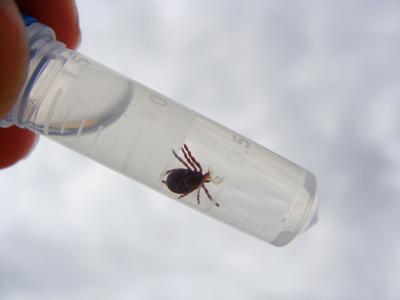
Tick in Alcohol
If you’ve found an attached tick but don’t have an appropriate ether-containing freezing spray, it's best to leave it undisturbed and seek medical advice. Don’t squeeze, scratch, twist or pull it out, and avoid bush remedies like burning it or covering it with Vaseline.
If you’re on a remote or multi-day hike, contact medical assistance for advice on your next steps.
In Australia, tick bites commonly cause redness, itching and swelling around the bite. These can be a local reaction and don’t necessarily mean the bite is infected. Things to watch out for:
See a doctor if you develop any of the above and be aware that symptoms can develop long after the bite, so tell your doctor about any recent tick exposure if you become unwell.
Trail marker in the bush
Ticks aren’t out to spoil your time out in the bush. They’re simply looking for their next meal… that just so happens to be your blood! These tiny parasites are arachnids, making them the relatives of spiders.
For those of us who spend time exploring the bush around south-east Queensland and coastal NSW, ticks are definitely something worth preparing for. They’re so small that they’re surprisingly easy to miss and it doesn’t help that they excel at finding places you can’t see without a mirror.
Once attached, a tick can settle in for days using its specialised mouthparts as an anchor to your skin. Like a leech, its saliva contains anticoagulants to keep blood flowing among other substances that help it feed unnoticed. It has quite the setup for an uninvited guest.
As Stephen mentioned a tick’s saliva has a whole “pharmacopoeia” of substances that help it feed. Some effects develop as feeding continues, but there’s no reason to wait. Check yourself after being out in the bush and manage an attached tick promptly.
“And [once they’re on you] then they're going to change from being a free-living animal to a parasite. So, their internal physiology changes completely. Everything changes. And it takes them a couple of days for all these changes before they can their salivory glands need to mature and fill out.”
- Professor Stephen Barker
In our conversation, Stephen described eastern paralysis tick country as stretching along much of Australia’s east coast, from northern Victoria through NSW and into Queensland. And ticks are most active during warmer and more humid months, typically between September and March.
“Be aware that spring and summer is the most dangerous time because that's when the females are out”.
So for us bushwalkers and trailrunners, that means taking tick precautions seriously around coastal bushland, rainforest margins and tracks where you brush through thick vegetation.
As Stephen explained: “So, the main thing I always say is stay on the path and on the track.”
It’s simple advice, although anyone who has squeezed past an overgrown section of track knows that avoiding every leaf takes some doing.
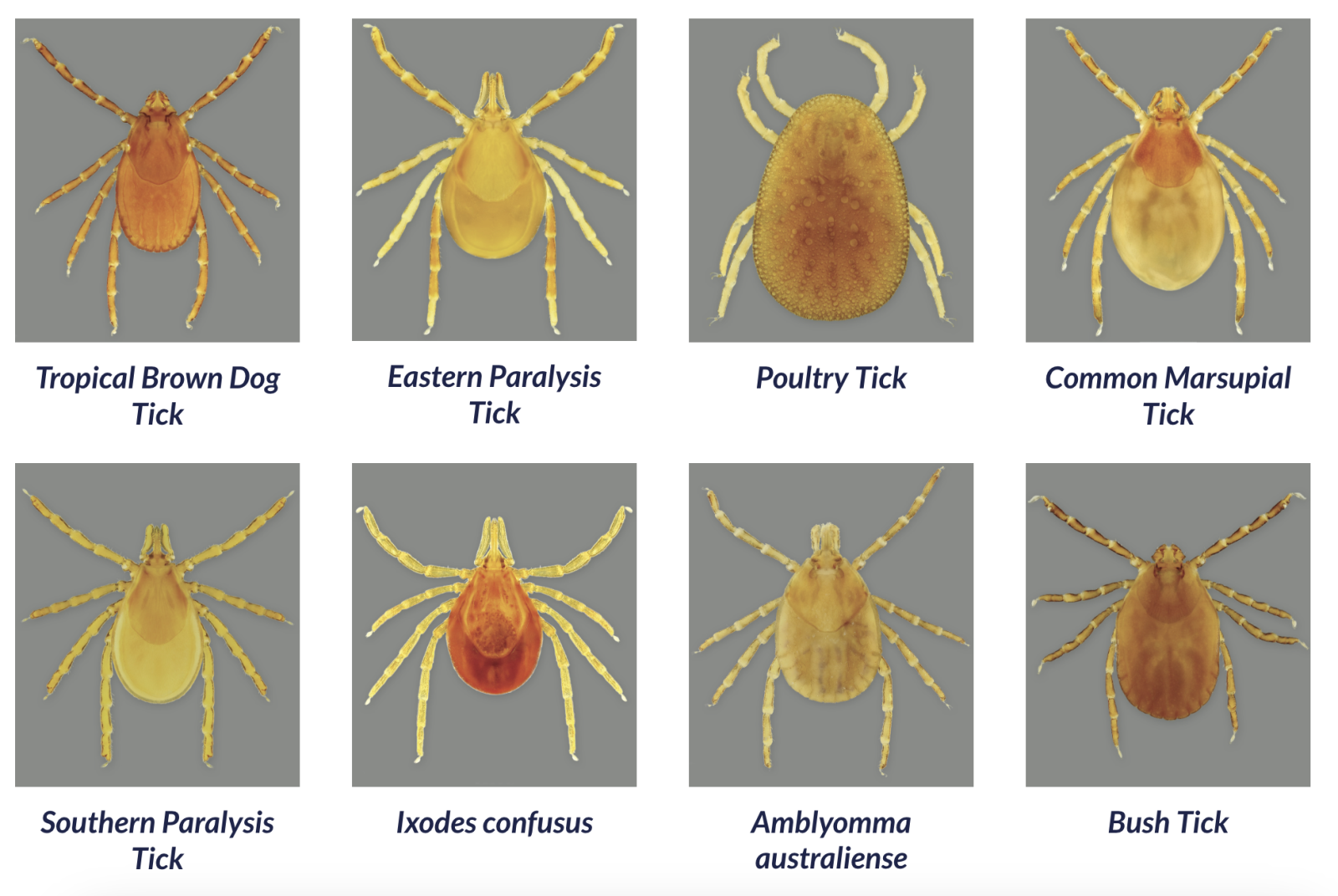
Ticks of Australia for Identification
Ticks wait on vegetation and attach onto passing hosts and once on, the tick will crawl beneath clothing and find somewhere to attach and bite. They don’t need you to stop still. A simple brush past their waiting spot can be enough.
The practical lesson? Think about the vegetation beside the track as well as what’s under your boots.
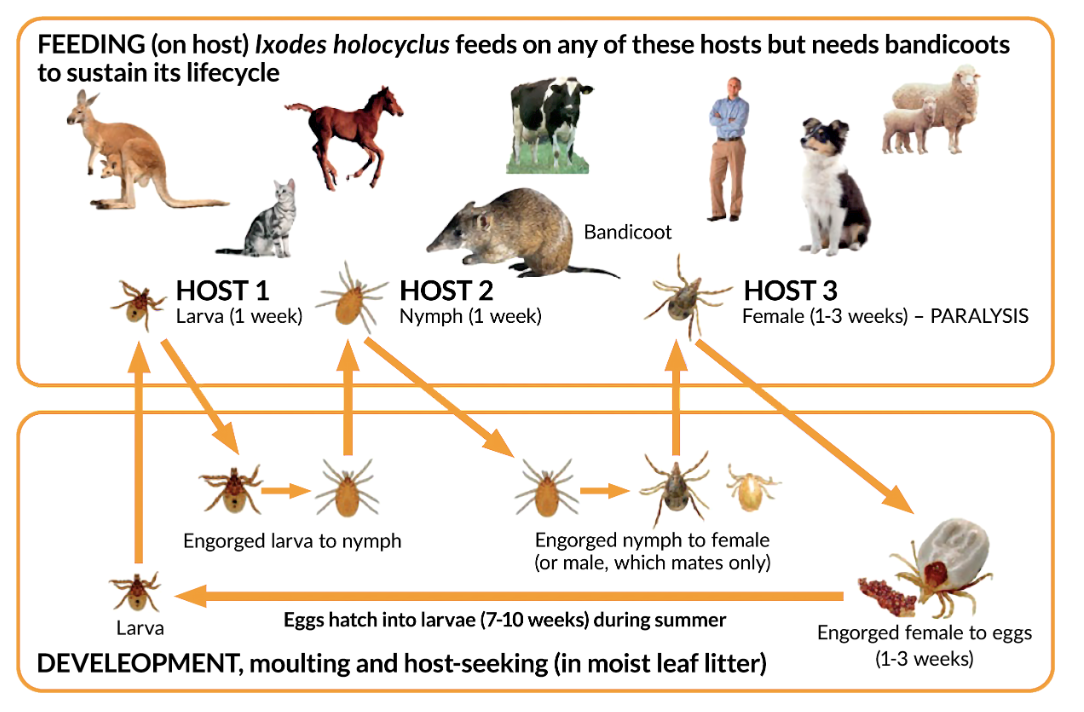
Ixodes holocyclus Feeding Lifecycle by Ticks of Australia
A few sensible habits belong alongside checking the weather and packing enough water.
Wearing long hiking pants, long sleeves and enclosed footwear provides more coverage than shorts and a singlet but choose lightweight, comfy clothing you’ll actually enjoy wearing. It’s worth noting that light-coloured clothing also makes spotting a tick easier.
“…Wear long pants. I don't know what you wear, but I go to the bush a lot. I think anyone who wears shorts in the bush is mad.
You get scratched. You get bitten by snakes. You get ticks crawling up. I always wear light cool long pants and I tuck my socks into them. So, if there's anything that's going to crawl up the outside and it's not going to go up my up my legs into my groin or something like that. And light colored clothing is not a bad idea because you can see the bug was crawling you” - Professor Stephen Barker
Useful clothing for tick country:
You won’t find the fashion police waiting halfway up a tree-covered mountain so as far as I’m concerned, the tucked-in trouser look will do nicely.
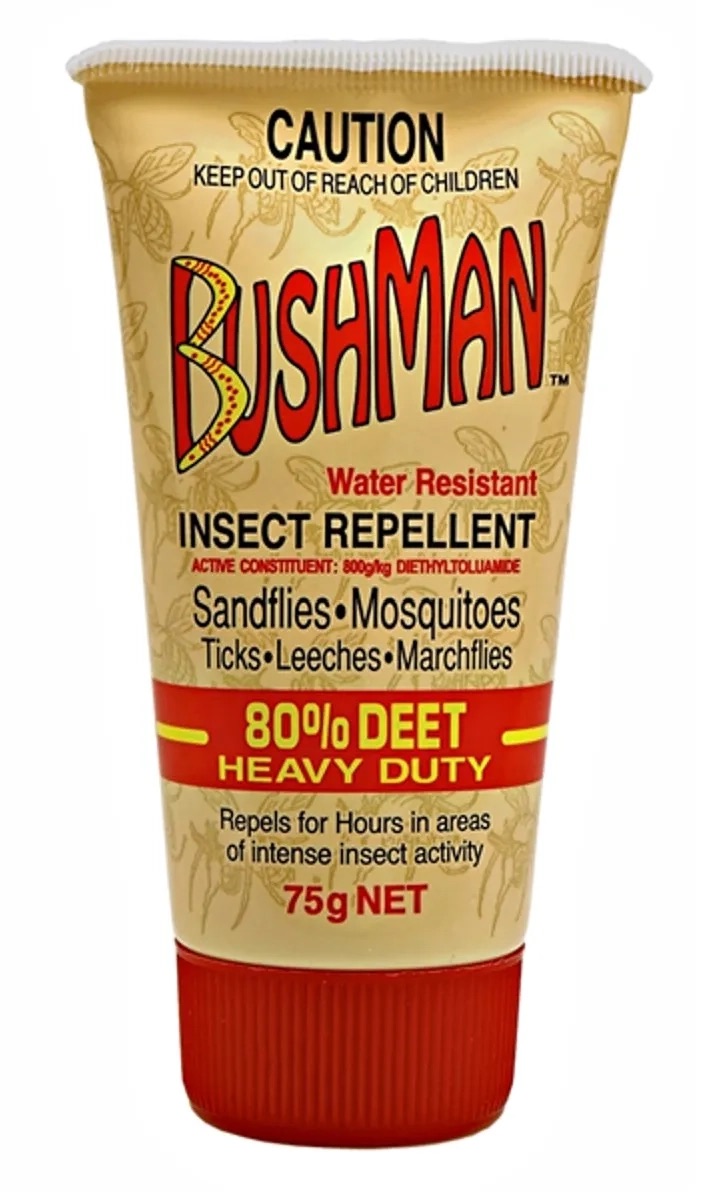
Check the label before packing your usual insect repellent and ensure it includes ticks. Follow the application instructions, including age restrictions and reapplication times. Bushman offers gel, pump spray and aerosol options; check the specific product’s label before use.
“The second thing is you can certainly spray repellent on your trousers, there's a repellent for ticks that seems to work, but again, no experiments have been done except in the northern hemisphere.” - Professor Stephen Barker
Stephen repeatedly stated that to reduce contact with the vegetation where ticks are waiting is the best form of prevention. Stick to formed tracks where possible and at rest stops, toilet breaks and camp, take a moment to look at where you’re about to sit or put your pack.
It’s a pretty easy habit to start to build into your hiking.
Make a tick check system part of the adventure once you return home.
Find some good light and a mirror, and ask someone to check places you can’t see properly. Check kids and pets carefully too.
As Stephen put it, “you don't want to be paranoid, you don't want to scare yourself and ruin your time out there, but just be cautious and sensible. Check your kids when you get back.”
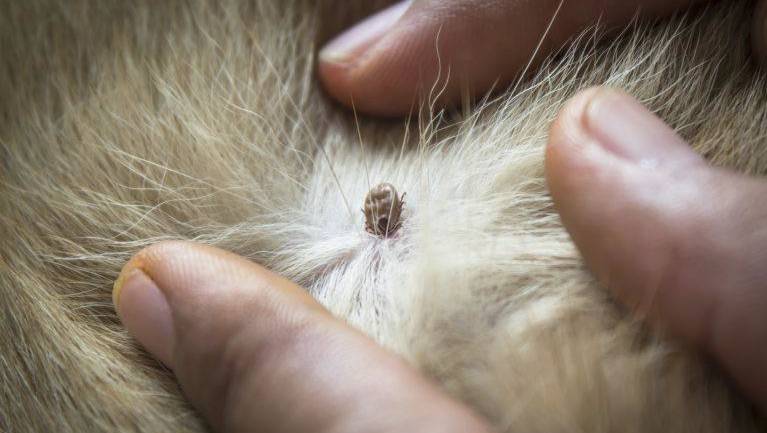
Checking pet for a tick by Ticks of Australia
Stephen explained that tick paralysis is caused by neurotoxins that interfere with communication between nerves and muscles.
“So these are neurotoxins and they get in the bloodstream and they circulate around and then they'll go to the neural junction between nerves and muscles and so you get paralysis because the nerves fibers aren't firing properly. - Professor Stephen Barker
Any weakness or difficulty walking, swallowing or breathing needs urgent medical assessment. Don’t wait for symptoms to become dramatic.
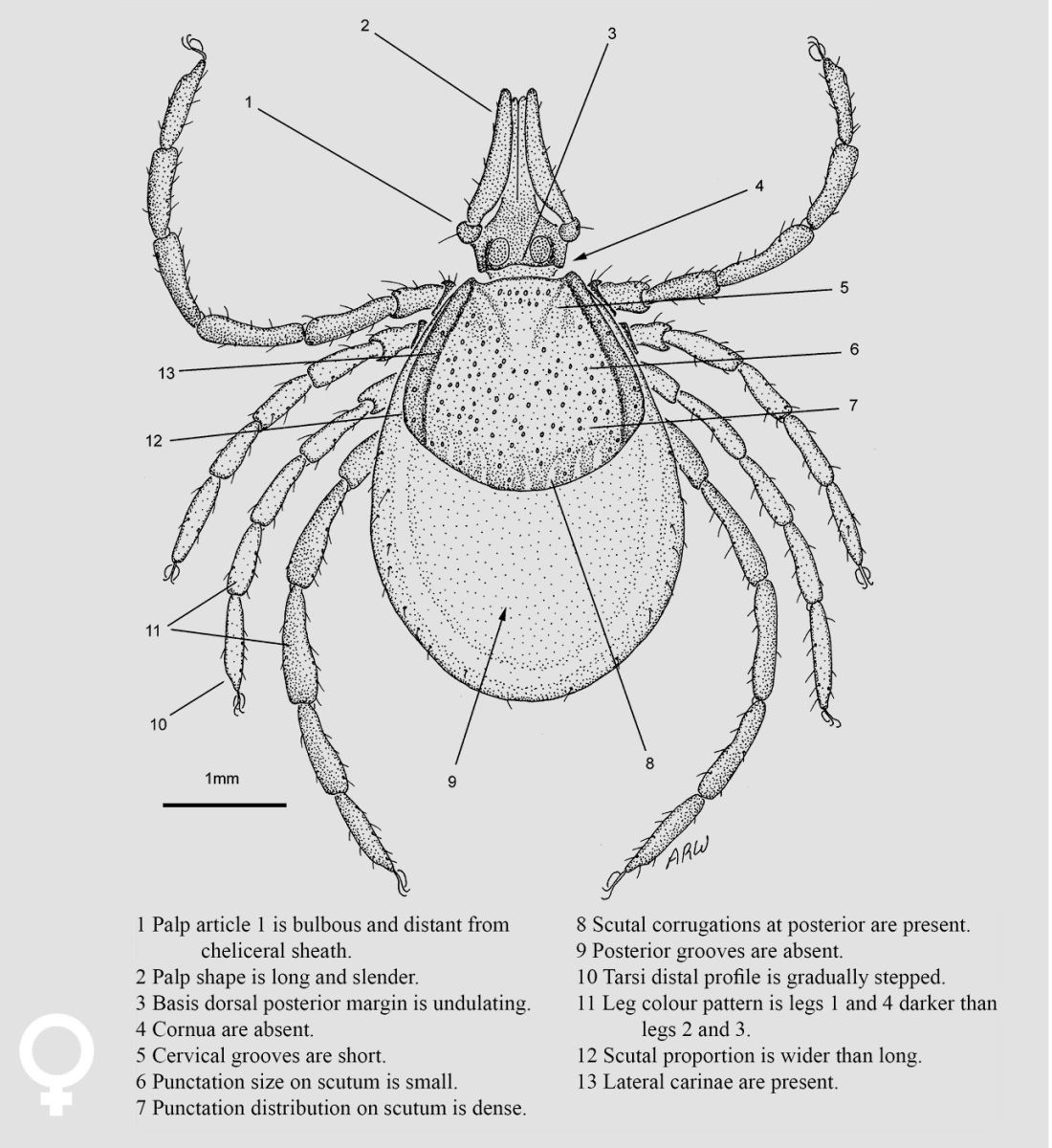
The eastern paralysis tick, Ixodes holocyclus (Fig. 237 of Barker & Barker, 2023)
As mentioned in the podcast, I sadly lost a dog to what we think was tick paralysis. Stephen described the progression mainly in dogs, symptoms to look for include a changed bark, appearing unwell, then weakness beginning in the back legs and progressing forwards. Severe paralysis can affect breathing.
Symptoms can develop as a tick feeds so don’t wait for a particular number of days before seeking help. Suspected tick paralysis needs urgent veterinary care.
Stephen’s clearest practical advice was, “If you've got any suspicion it's got tick paralysis, take it straight to the vet. Even if it's in the middle of the night, take it to a 24-hour vet.”
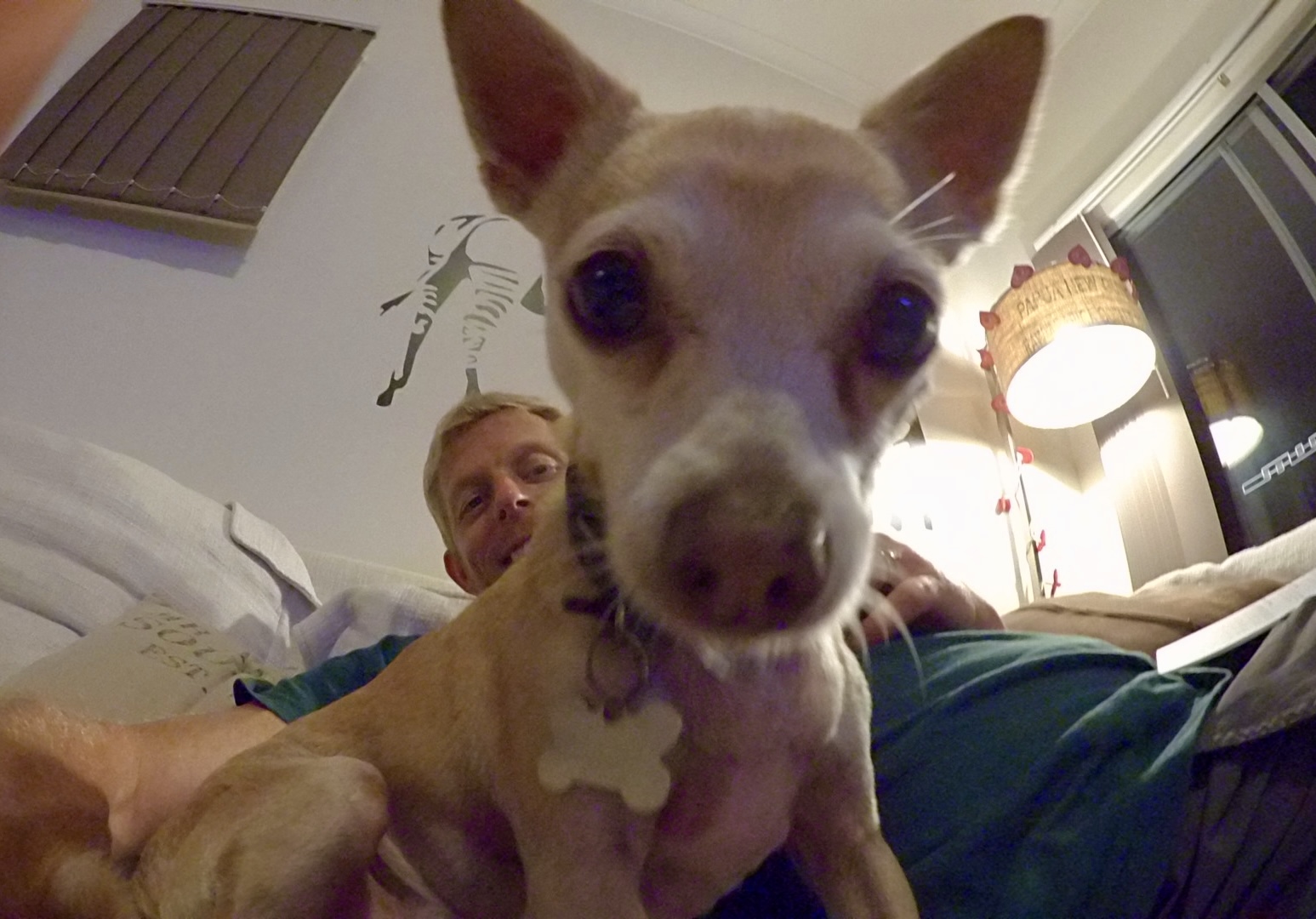
Me and Jimmy Choo the Dog
This was the part of our conversation that really caught my attention! I had heard on the grapevine that a tick bite can lead to an allergy associated with eating meat from mammals… but didn’t take it too seriously? No more steak!? How can it be?
Known as red meat allergy among my circle but correctly termed mammalian meat allergy or alpha-gal syndrome, it involves a sugar molecule called alpha-gal. Reactions can occur several hours after eating, which can in turn make the connection less obvious and harder to pinpoint.
And it’s not just red meat, it relates to beef, lamb, pork, rabbit, kangaroo and other mammalian meats too. Individual triggers vary but they can be serious and even life-threatening, with sensitivities also including other mammalian products like gelatine
Before I put you off going out into the bush entirely, a tick bite doesn’t automatically mean meat allergy. It does however, give us another good reason to take prevention a bit more seriously.
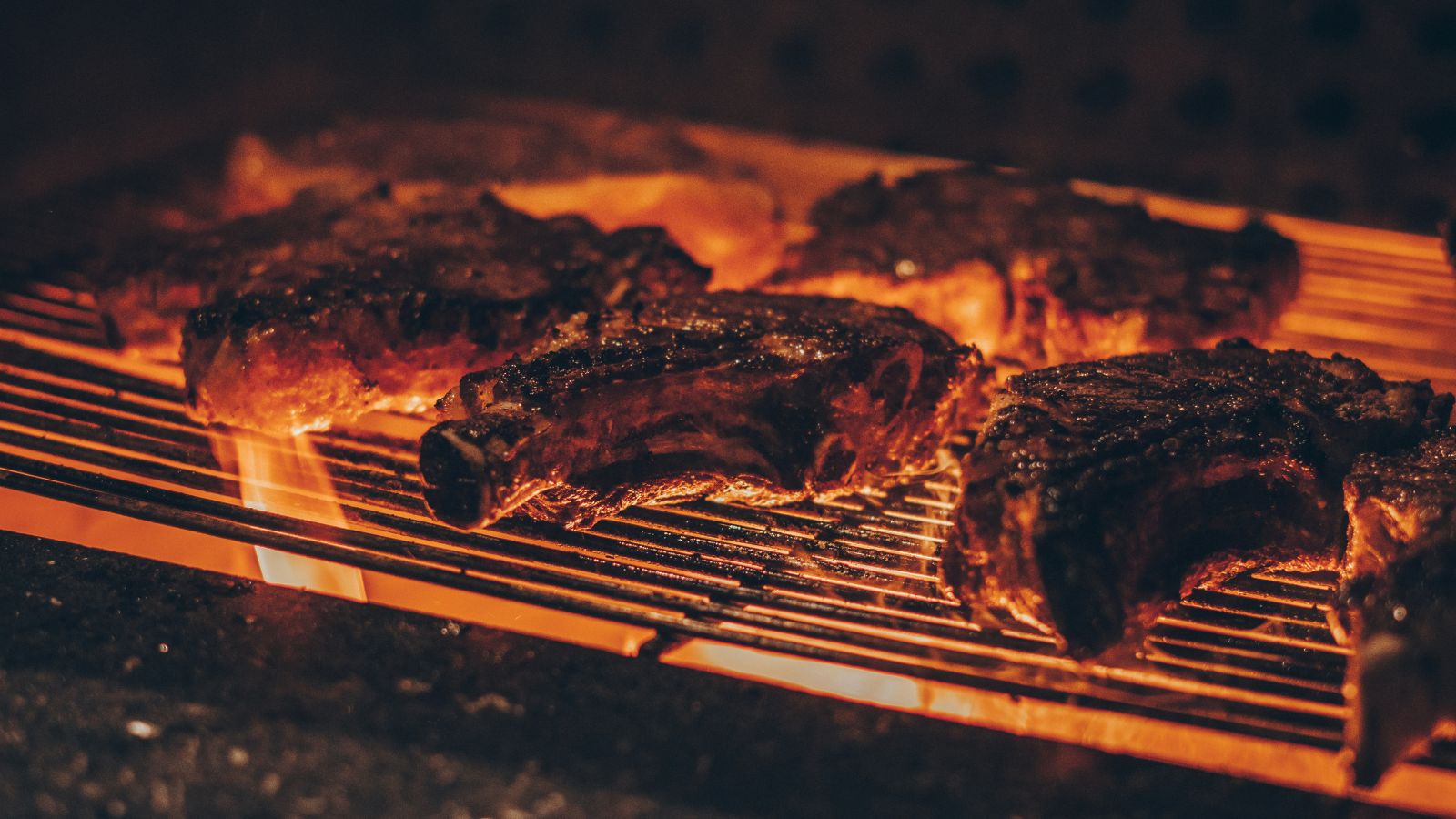
Steak's on the barbie
You don’t need to add kilos of first aid gear to your daypack for this one. Instead, let’s start with the suitable clothing, an appropriate repellent and a plan for managing a tick. A remote first-aid plan is worth organising before you head off, particularly if you have a known tick allergy.
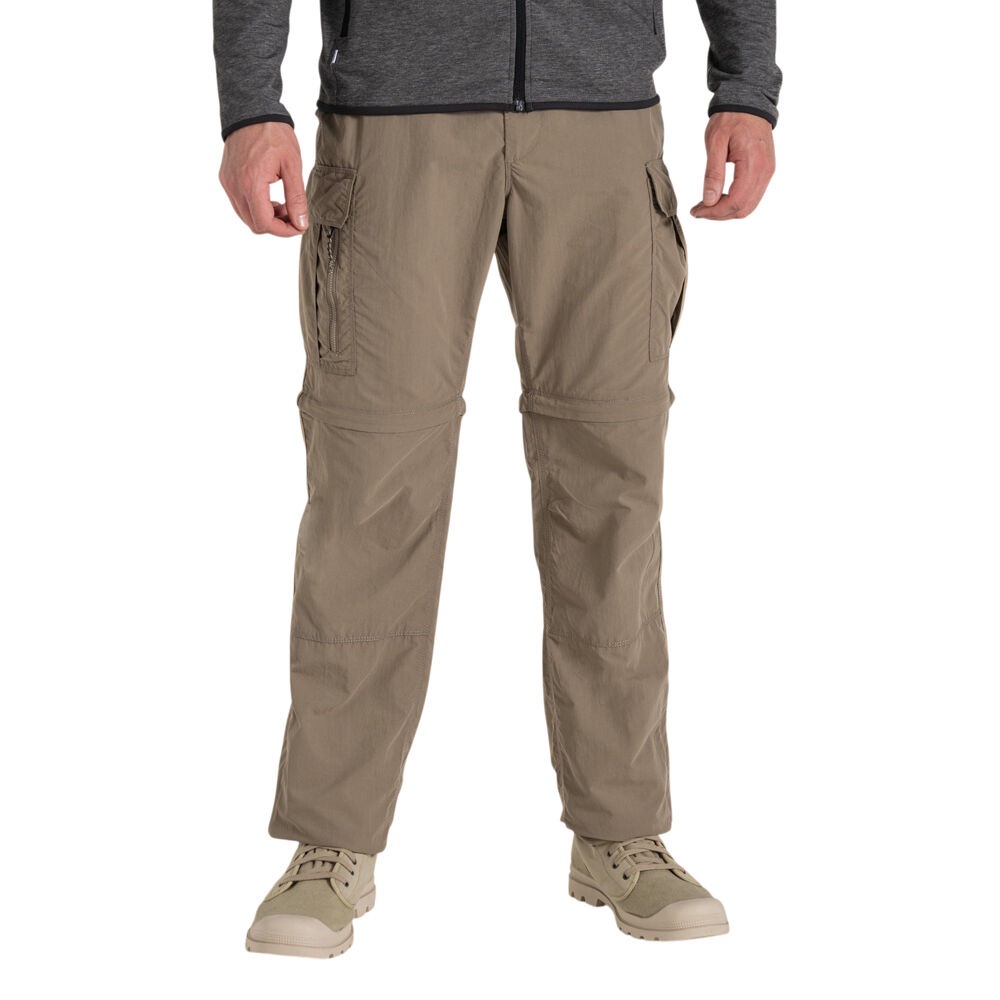
Choose pants that give you room to move and socks long enough to tuck them into. Decent ventilation and comfort matter because you’re more likely to keep your legs covered if you aren’t roasting.
Shop Men’s & Women’s Craghoppers NosiLife Convertible Cargo III Hiking Pant
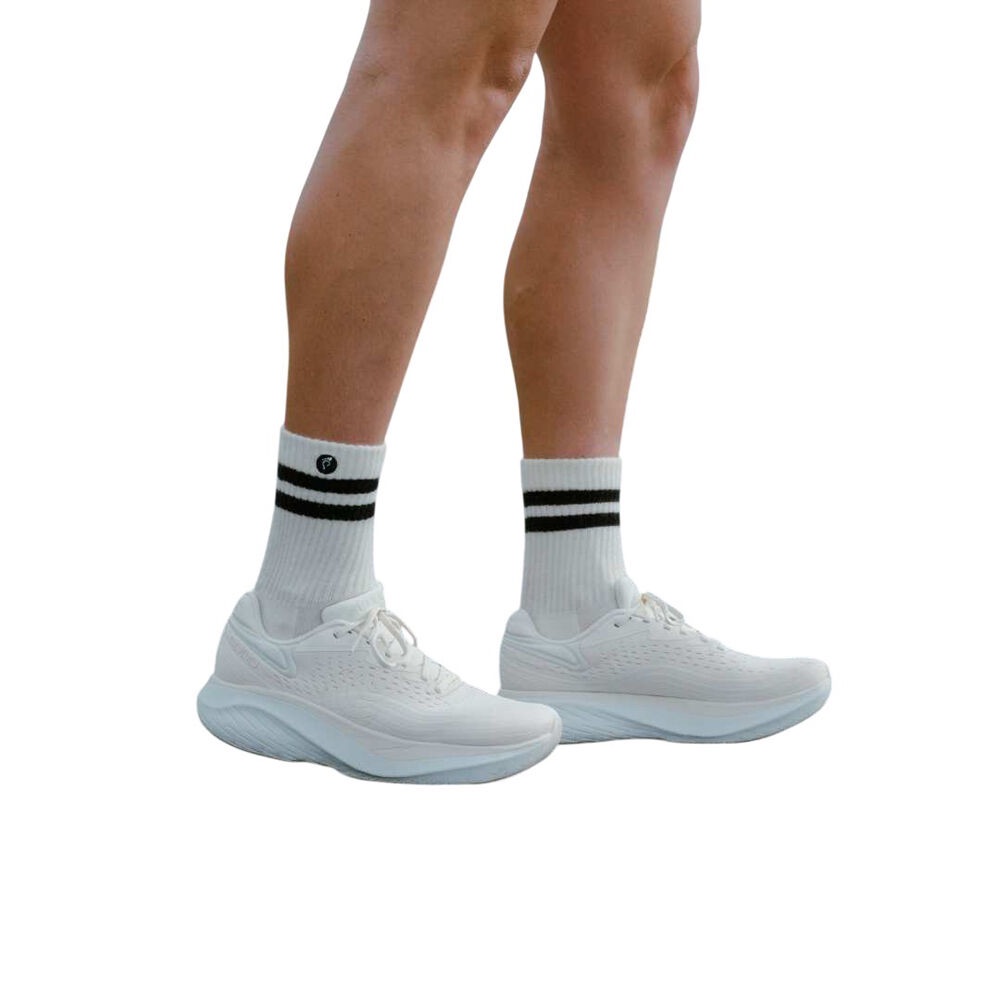
Wearing a pair of long socks is an easy win and these Creepers are really comfy. They’re made from a merino blend which helps regulate temperature and resist odour. Choose light-coloured socks where available to make crawling ticks easier to spot.
Shop Creepers Unisex Merino Blend Socks
This Bushman repellent is 80% DEET and is one of the few repellents that has ticks on the label. Check the usage directions before you head out and keep it within easy access on the go (side pocket, backpack brain) so reapplication doesn’t depend on emptying your whole pack out.
Shop Bushman Ultra Gel 80% Deet Insect Repellent
This is a simple and effective tick freeze spray. Read the instructions and learn how to use it before you head out. See the detailed step by step guide on how to use it above.
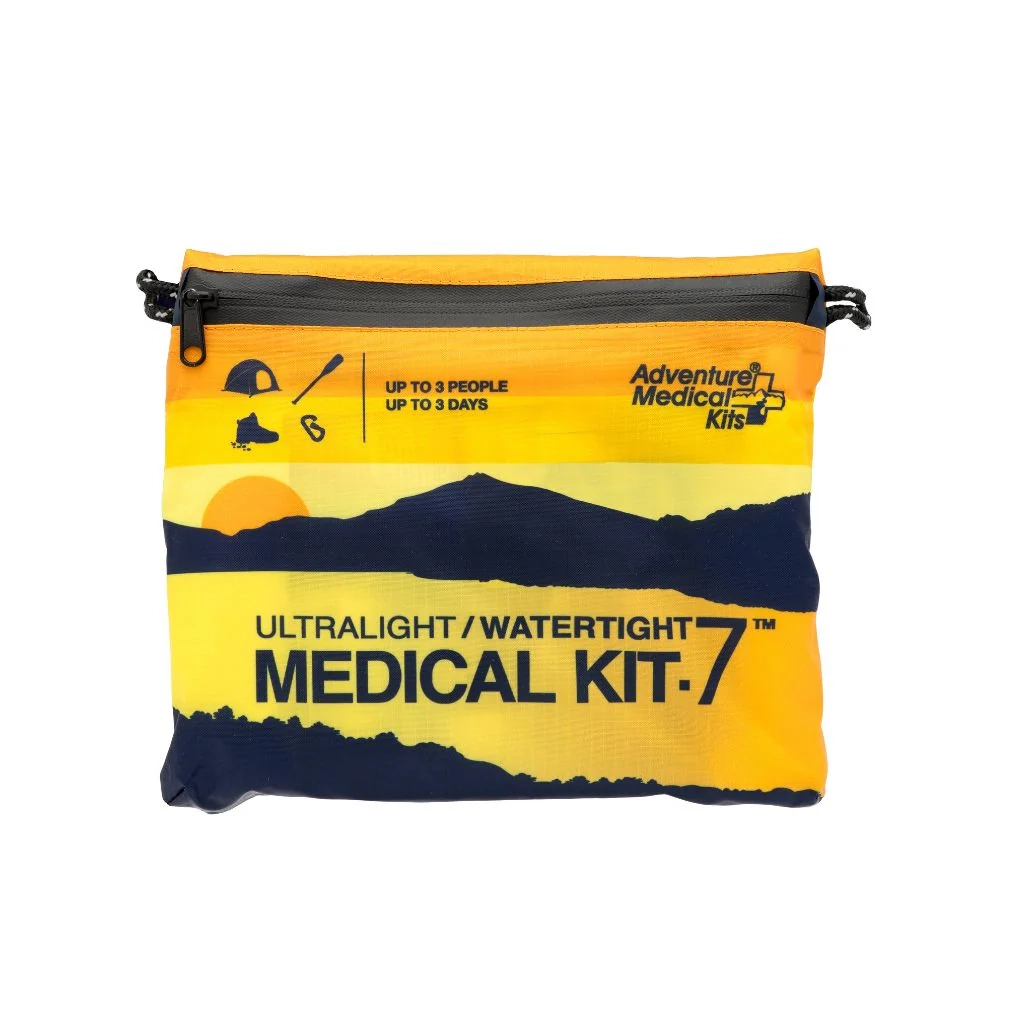
Carry the basic wound-care supplies and any personal prescribed allergy medication. If you have an allergy action plan, make sure your walking buddies know about it.
A generic first-aid kit won’t contain a tick-freezing product, so check what’s actually inside and add any additional essentials you’ll need for your backcountry first aid kit.
Shop AMK Ultralight & Watertight Medical Kit.7 First Aid Kit
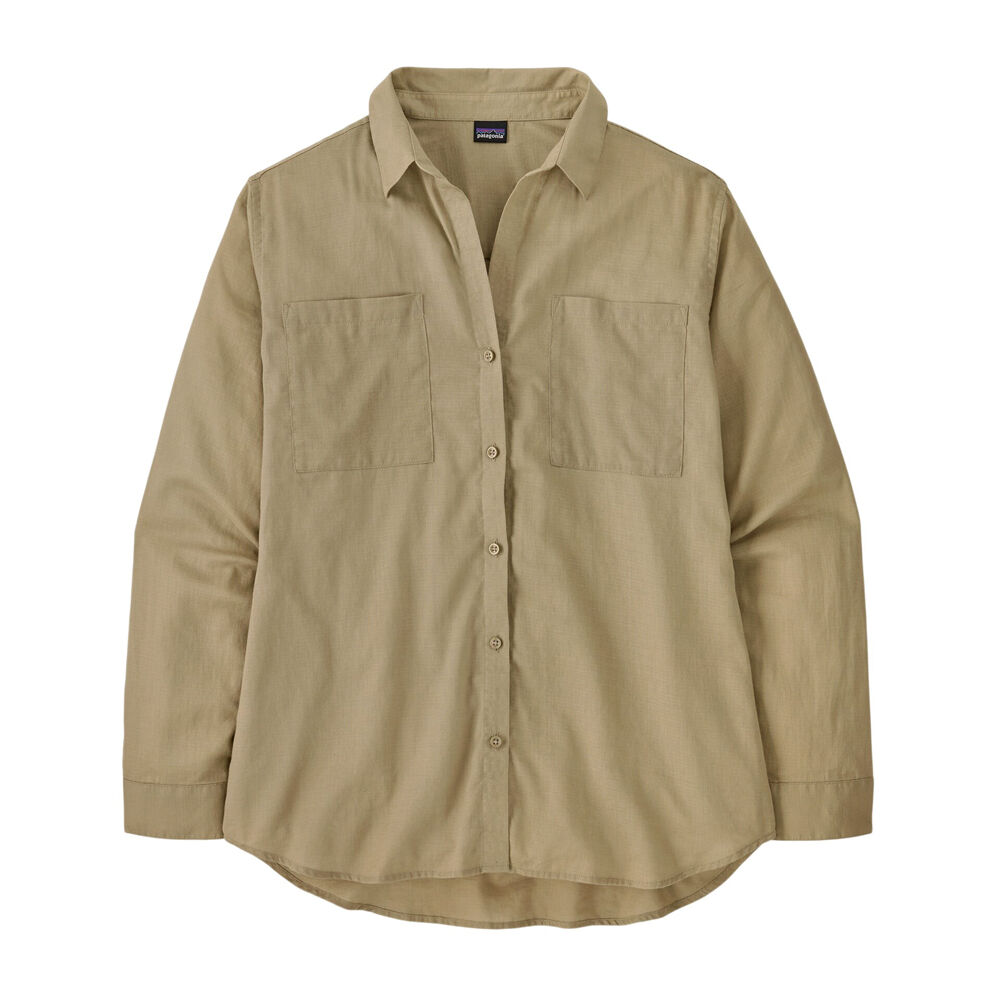
A long sleeve light coloured hiking shirt is another essential that will help prevent tick bites. Less skin on show makes it harder for the tick to find a spot to bite and the lighter colour makes ticks easier to spot.
Shop XTM Dunkeld Mens Long Sleeve Hiking Shirt for men or the Patagonia A/C Womens Buttondown Shirt.
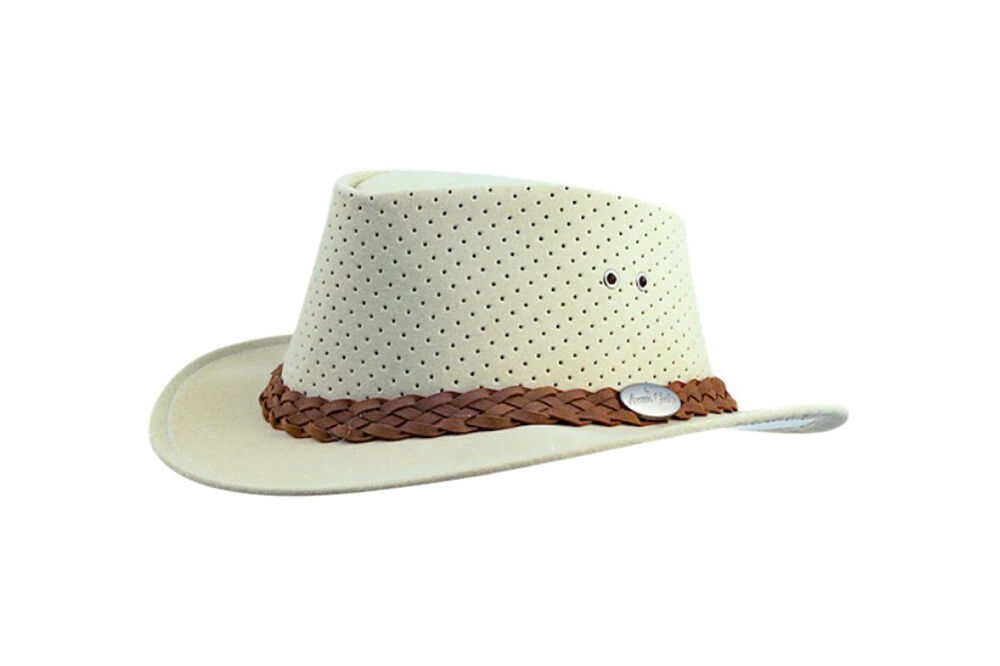
A wide-brimmed hat is a useful addition to your tick prevention kit. The Aussie Chiller Bushie Unisex Brim Hat combines extra coverage with UPF 50+ sun protection. It’s handcrafted in Australia from a lightweight faux suede fabric that can be soaked in water to help cool you down on hot bushwalks!
Keep the lighter packed away. As Stephen said when I asked him:
“No, because you would burn your skin.”
Stephen’s response was straightforward:
“It's much smarter to use something that really works and that's to freeze them off.”
The clockwise-versus-anticlockwise exchange in our interview was a joke. It wasn’t a removal instruction. Australian guidance advises against twisting ticks. National Allergy Council.
Small ticks deserve attention too with the ASCIA reporting that bites from larvae, nymphs and adult ticks can contribute to sensitisation associated with mammalian meat allergy.
Before the boots disappear into the cupboard and everyone heads for dinner:
For anyone walking with a dog, follow your vet’s tick-prevention advice. Suspected tick paralysis needs urgent veterinary care and don’t assume human products are suitable for pets.
The bush around us is full of extraordinary wildlife, including a few creatures we’d prefer to admire from a distance. Understanding ticks makes it easier to prepare for them without spending the whole walk worrying.
Cover up, check carefully and know what to do. Then get back to enjoying the great outdoors!
For the full conversation, listen to my interview with Professor Stephen Barker. And if your next walk brings a different unwanted passenger, have a read of our guide to removing leeches safely.
Not sure what gear you need for your adventure? Chat with our friendly team of Outdoor Gear Specialists in-store or online today, and don’t forget to share your adventures with us on Instagram by tagging @wildearthaustralia in your next post.
Current Australian guidance from the Australian Centre for Disease Control recommends killing the tick first with an appropriate ether-containing freezing spray. Follow the product directions and seek medical help if you can’t manage it safely. People with known tick allergy should seek urgent medical help.
Leave the tick in place and get medical help. Avoid squeezing, twisting or improvised removal methods.
Yes. Some people develop mammalian meat allergy after tick bites. Suspected food reactions need medical assessment.
No. Check your skin carefully rather than assuming a shower has removed an attached tick.
First-aid references: Australian Centre for Disease Control, Health Direct, ASCIA

Quick answer: To remove a leech, slide a blunt edge (fingernail etc) under the small sucking end to break the suction, flick it off, then clean and cover the bite. Avoid burning, salting or yanking the leech off, this can increase risk of infection.
Duffel bags are a classic workhorse bag here in Australia for very good reason. They’re easy to pack, quick to throw in the boot, and versatile enough to work for everything from a weekend down the coast to Everest Base Camp.
If you’ve ever searched ‘what is a PLB?’ and ended up more confused than when you started, this guide explains the difference, compares the best models in Australia for 2026, and shows how to register and carry them properly.
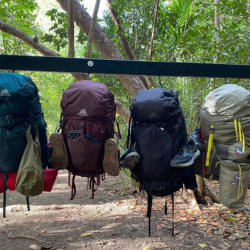
Looking for the best hiking backpack? Outdoor Gear Specialist Lynne Martin shares 15 hiking packs she recommends for day hikes, multi-day trips, thru-hiking and expeditions, plus expert advice on choosing the right size, fit and capacity.












Using Afterpay you can pay for your order over 8 weeks. There's no interest or added fees* and nothing to pay today. Payment will be automatically taken from your debit or credit card in four equal payments each fortnight over 8 weeks, and you will receive your order immediately.
You simply need:
To use this service simply:
Approved AfterPay buyers will require the funds for the first payment to be available on their card at time of checkout, however the first payment won't be deducted for 14 days. First time AfterPay buyers will need to make the first instalment payment at the time of their purchase.
If you wish to return your goods you can choose to receive an exchange, or the Afterpay payment plan can be cancelled before the first payment at no charge. *If you fail to have sufficient funds available for AfterPay to automatically deduct payment on due instalment dates you will be charged a late fee of $10, and if the instalment payment remains overdue, an additional $7 will be charged one week later.
With AfterPay, there's no waiting and we'll ship out your order immediately as normal.


When you want to go now, sometimes it's handy to pay later. That's why, we offer interest free payment plans from two of Australia's favourite Buy now, Pay later services.