Total Items: 0
Sub Total: $0.00

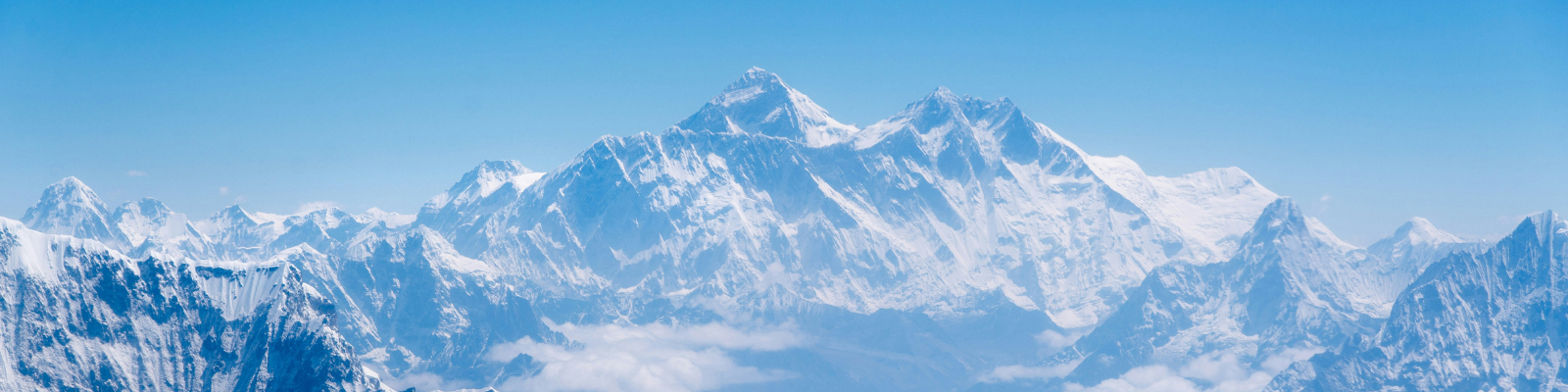
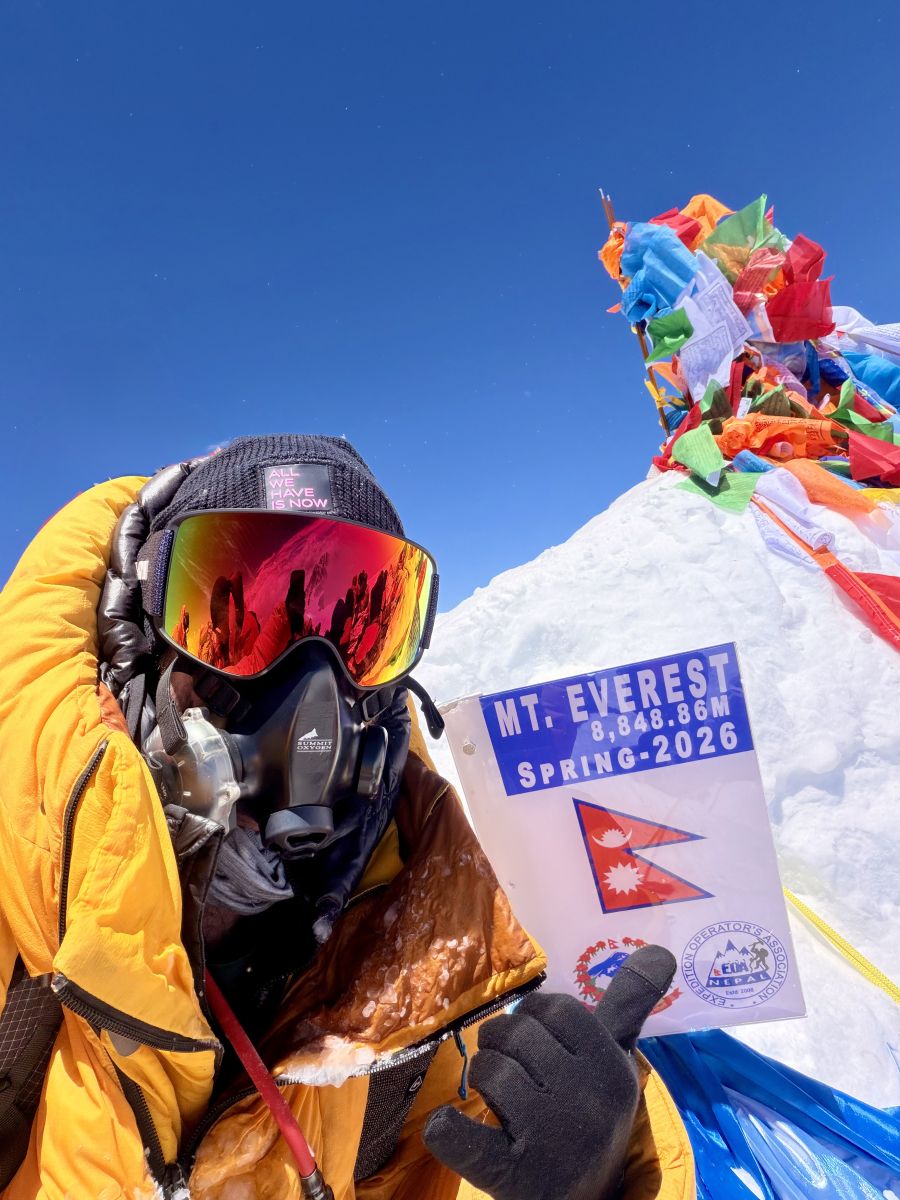
Wild Earth athlete and mountaineer Oliver Foran recently completed a record-breaking 50-day human-powered journey from sea level to the summit of Mount Everest, and this is the core gear he relied on along the way.
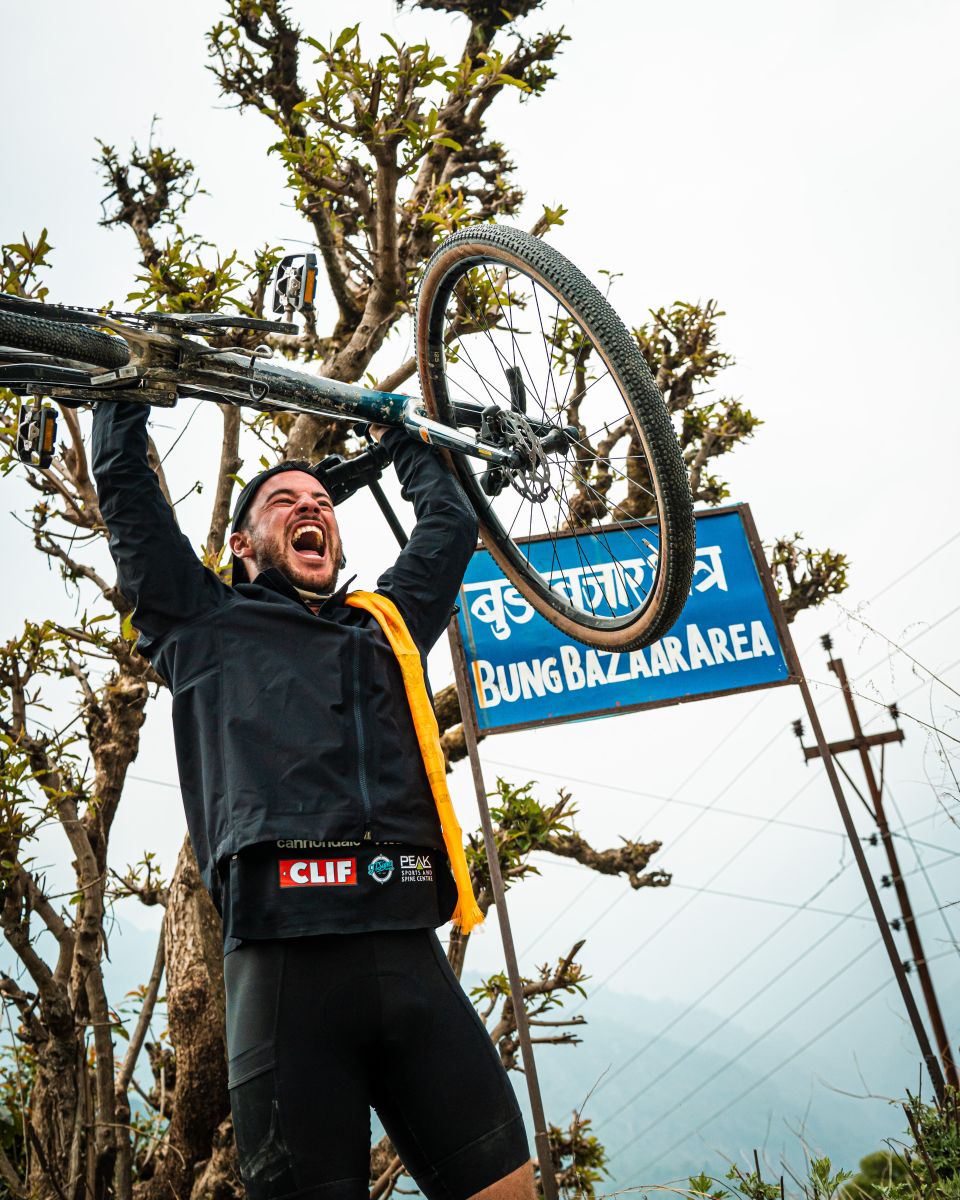
Hi, I'm Ollie. I'm an Australian mountaineer, adventurer and mental health advocate and I've recently just set the world record for the fastest human powered journey from sea level to the summit of Mount Everest in 50 days. This is all part of a bigger project where I plan to become the first person in history to climb the Seven Summits from Sea Level.
Trip Name: Climbing For Young Minds: Sea Level to the Summit of Mount Everest Under Human Power.
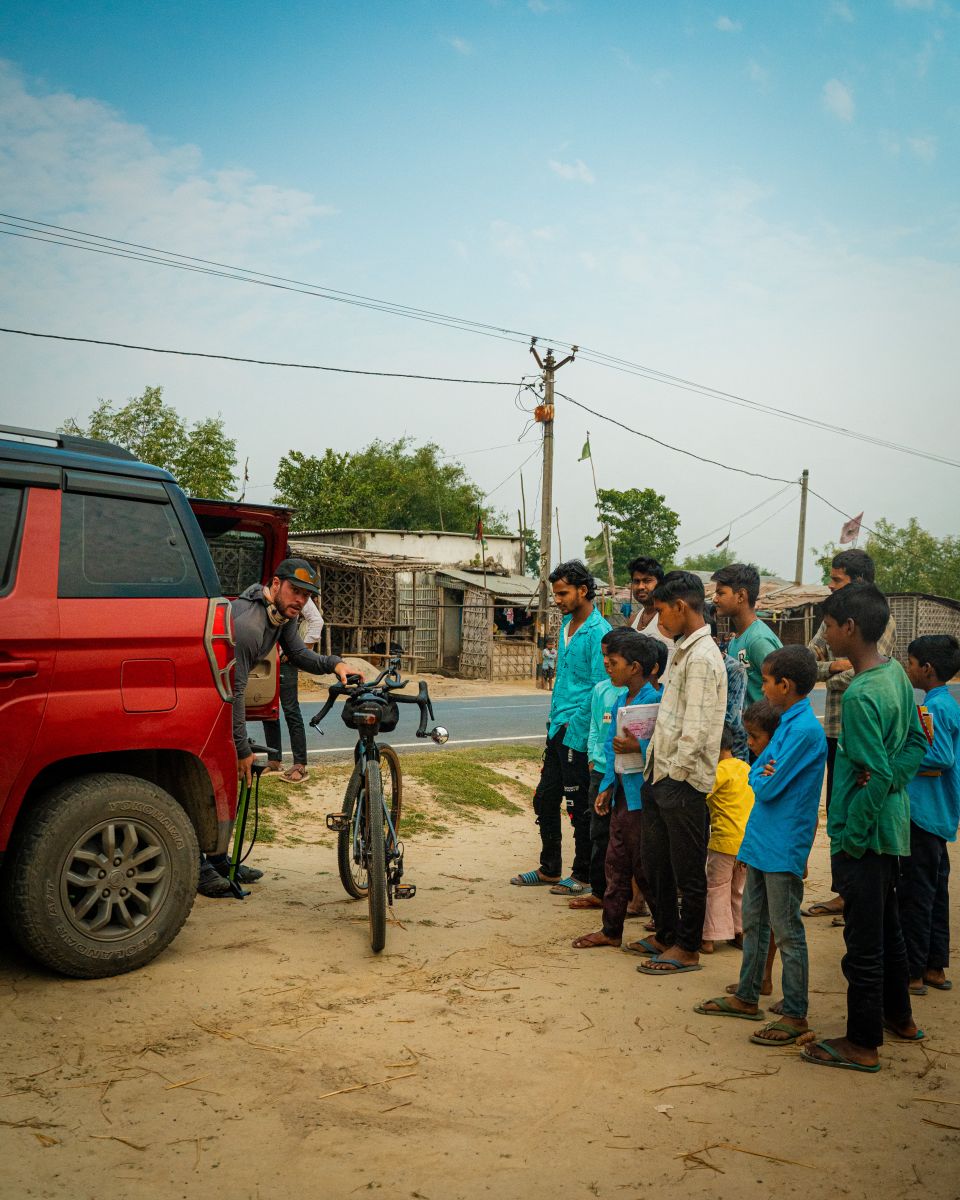
Route: Cycled 1,150kms from the Bay of Bengal into the Himalayas, Trekked 180kms through the Himalayas and climbed over multiple mountains and mountain passes to reach Everest Base Camp and then summited Mount Everest all within 50 days.
Season: Spring Season - 1st of April to 20th of May
Days in Nepal: 42
Location/ Terrain/ Temperatures: India and nepal, Road, Gravel Road, Mountains, 42 degrees to -40 degrees
Hardest Day: Summit Push of Mount Everest
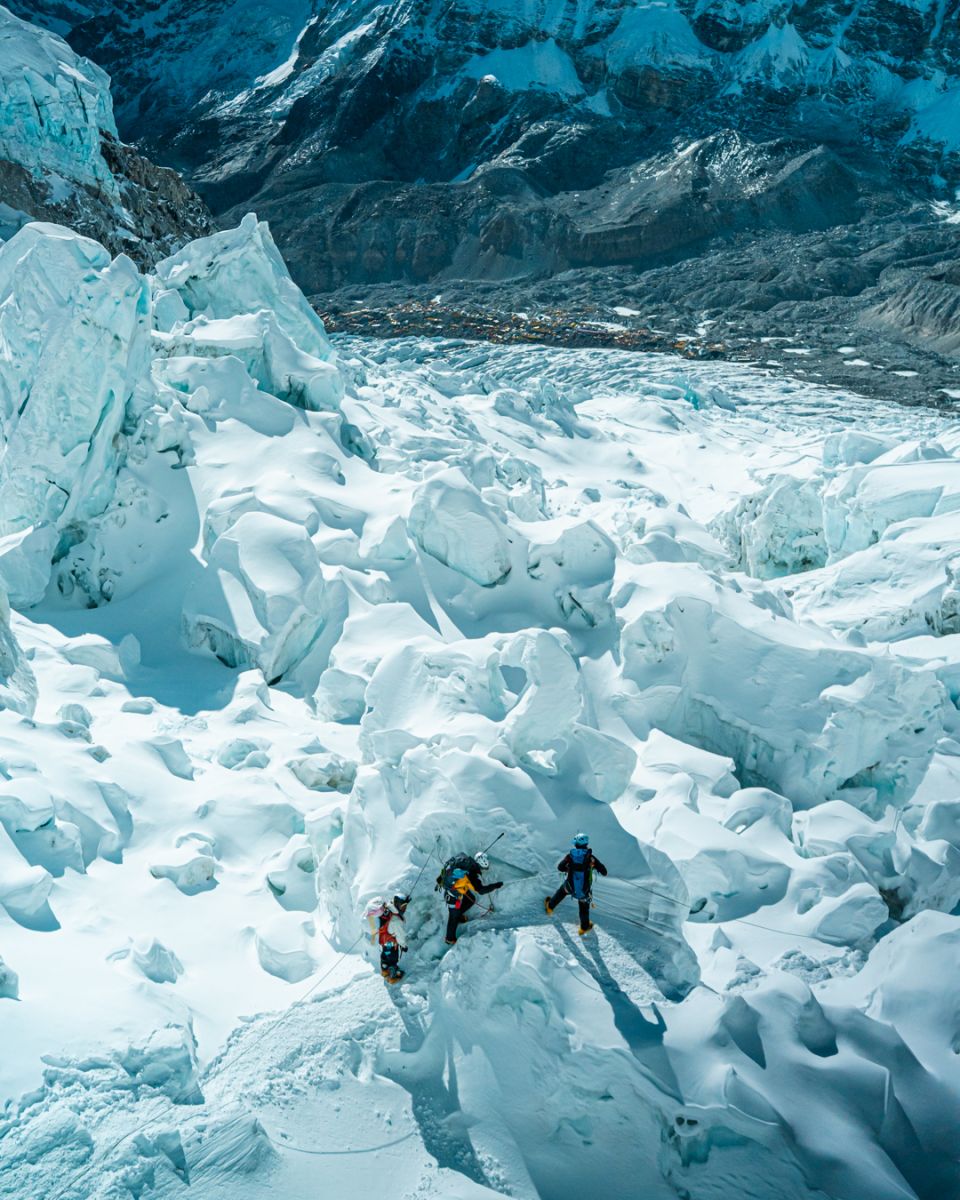
If you want to hear the full story behind my expedition, I joined Ben Southall on the Wild Chats podcast where I share more details about what it took to travel from sea level to the summit of Mount Everest! We cover the entire 50-day journey, from cycling 1,150 kilometres from the Bay of Bengal and crossing brutal Himalayan roads to dealing with extreme heat, altitude sickness, an avalanche and the final push to 8,848 metres.
I also break down the gear, preparation and mindset that helped me keep moving when things didn’t go to plan.
In this guide:
For footwear, I use the Scarpa Phantom 6000 mountaineering boots. These are my high-altitude mountaineering boots for cold, technical ground, and they really matter when you’re spending long days in snow, ice, and crampons because if your boots don’t keep your feet warm, supported, and comfortable, it can jeopordise the whole trip. Mountaineering boots are often the most expensive and critical purchase.
My outer layers include The North Face Mountain GORE-TEX Jacket. This is my waterproof outer shell for bad weather, wind, and exposure, and it earns its place when the conditions take a turn for the worst. The North Face Summit Series FutureFleece is what I use when I’m moving and want breathable warmth without getting damp, and the Mont Icicle Down Jacket is my main insulation piece for camp, stops, and the really cold moments when I feel the temperature drop.
For legwear, I’ll take Gore-Tex pants, either from Patagonia or The North Face Torre Egger mountaineering pants, along with the Norrona Falketind Flex1 Heavy Duty Mens Mountaineering Pants, so I’ve got the right options for bad weather, colder climbing days, and the easier trekking sections too.
For base layers, I pack Icebreaker 260 Merino thermal top and bottom, plus a lighter 200gsm merino thermal set. I also bring Icebreaker merino tees x2, a Patagonia sun shirt, and merino underwear x4 so I can layer properly depending on the temperature, effort level, and part of the trip.
For hands and accessories, I use Icebreaker RealFleece Merino Gloves, XTMs Real Deal Gloves, Everest II Gloves, summit mitts, an Icebreaker merino buff, a The North Face beanie, and a hat.
For socks, I bring Icebreaker mountaineering socks x2 and Icebreaker mid-cushion hiking socks x4 which gives me good coverage across the trek in and the colder parts of the climb. Same as with gloves, keeping toes warm is not just about comfort, when you’re mountaineering at altitude frostbite is a real risk.
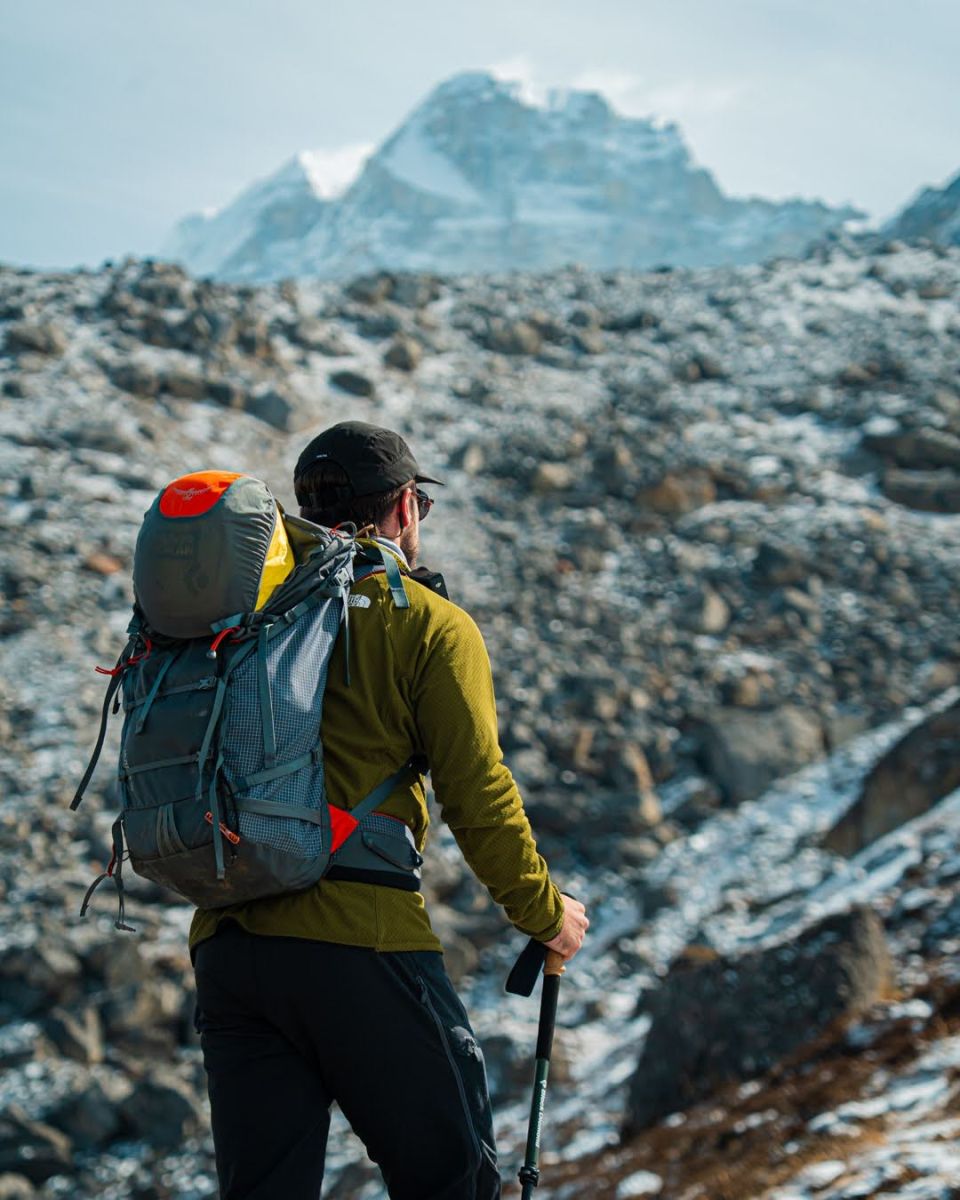
To carry everything, I use the Osprey Aether Pro 75L pack or 38L Osprey Mutant Pack. The right mountaineering backpack needs to handle weight properly, fit bulky expedition gear while remaining easy enough to work with when I’m cold and tired. Image of Osprey Aether Pro 75 I also bring down pants, and the new The North Face down pants could be a strong option here for really cold periods around camp or when not moving much.
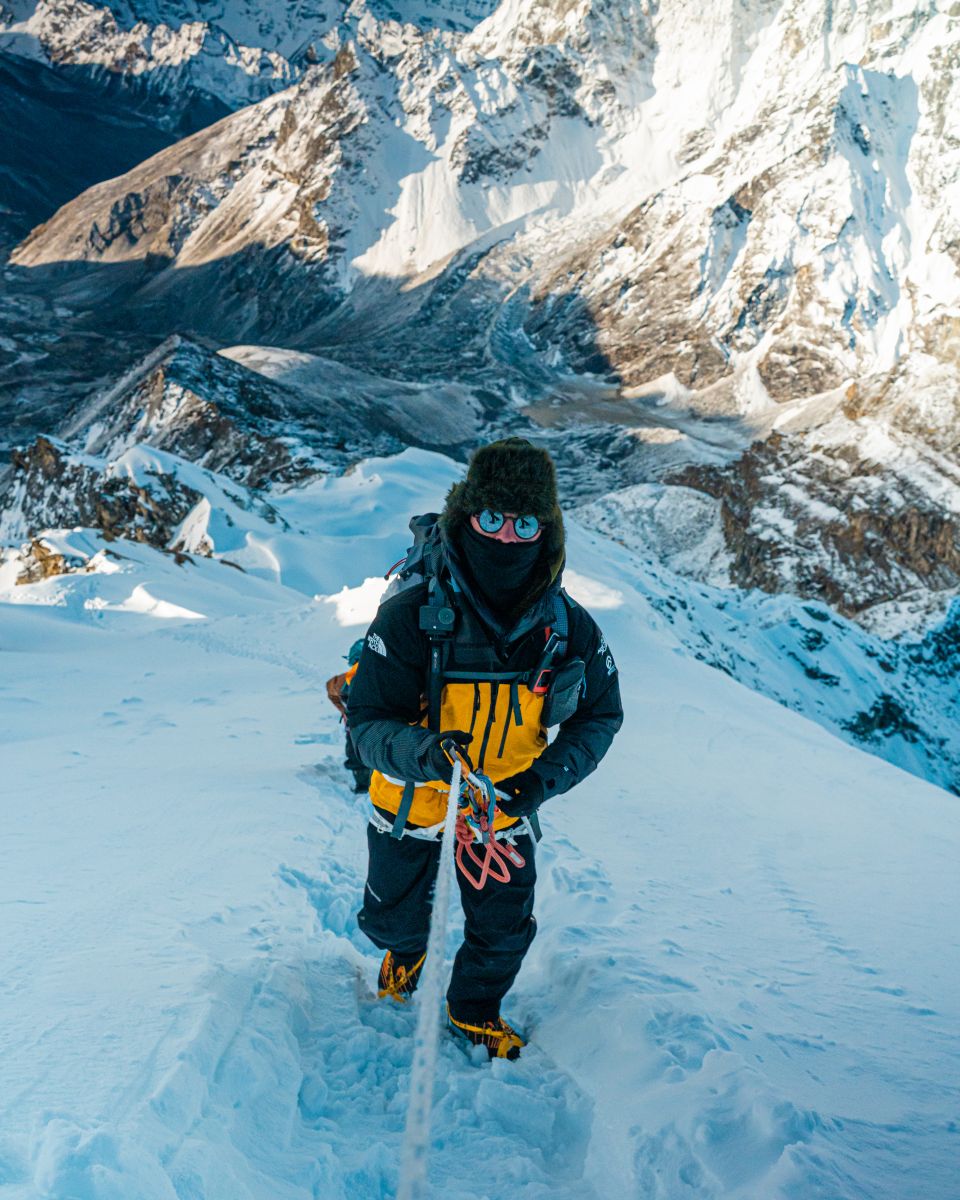
My main climbing kit includes a Black Diamond ATC Guide, Arc’teryx 395a harness, and a spare figure 8. For carabiners, I take 2 twistlock carabiners and 4 screwgate carabiners, all as large as possible so they’re easier to use with gloves on. I also pack a Petzl double lanyard, Mammut Crag Sender helmet, 2 slings, 2 prusik cords, and a Petzl Summit Evo ice axe with leash. This is the core hardware setup I rely on for the more technical parts of the trip, so I want it to be simple, dependable, and easy to use even when I’m tired or wearing gloves.
Other essentials include hand warmers x8, a Petzl 650 head torch with a spare rechargeable battery, and a spare head torch as well. That one comes from personal experience. I also always carry trekking poles.
This set up covers the important stuff for technical ground, and I look fior brands that are reliable in the cold too. Insert Image of Petzl 650 head torch Medical and Personal Hygiene On the medical side, I bring a medical trauma kit, thermal emergency blanket, RockTape, and medications including Diamox, Panadol, Nurofen, antibiotics, and diarrhea medicine. Diamox is a prescription medicine commonly used to help prevent acute mountain sickness (AMS) when going to high altitude. It helps your body acclimatise faster but is absolutely not a substitute for gradual ascent. Watch Wild Earth's Wild Chats with Dr. Hannah Lock, Altitude sickness expert for more details.
For sun and skin protection, I pack lip balm with SPF50+ x4, which is very important, plus sunscreen because the sun and dry air up there can wreck your lips and skin.
For hygiene, I carry biodegradable soap, a pocket towel, a toiletries kit with biodegradable toothpaste, and biodegradable toilet paper x4, which is another important one. These may seem like little luxuries but the’re what helps keep you functioning and comfortable over a long, tough expedition. I also strongly recommend reputable health and rescue insurance, with Global Rescue usually being my choice.
Note: This guide reflects Oliver’s personal expedition setup and is not medical advice. Always check with a qualified doctor and guide service before high-altitude travel.
For sleep, I use the Mont Spindrift -25°C sleeping bag, paired with a Sea to Summit thermal sleeping bag liner. This is my cold-weather sleep system for expedition nights where warmth and recovery are a big part of staying strong (both physically and mentally) for the days ahead. It matters most when the temperature drops and you need to hold heat through the night rather than just get by.
I also bring a Sea to Summit large inflatable pillow and the NEMO Tensor Extreme Conditions insulated sleeping pad because you want to minimise heat loss through the ground and maximise comfort for a good nights sleep.
My cook setup is simple and functional with a Toaks 1100ml titanium pot, Soto WindMaster stove, and small gas canisters, which I usually collect in-country. The Toaks is light and easy to cook and eat out of, and the Soto WindMaster can handle altitude and is reliable in cold, exposed conditions.
For food, we had mapped out about 7,000 calories to eat a day cuz I was burning just under 6,000 per day. And yeah, we stuck to it pretty well. So, it was basically four meals a day. And then in between that, it was three gels, but it was staged over the full day. And then planned about 2,000 mg of sodium, but that went out the window. I was probably having three four even though I was way over what I needed but it was just so hot. I bring freeze-dried meals that I’ve already tested beforehand. I usually eat two a day, then use other sources of carbs and protein in between. On a trip like this, you want food that’s light to carry, easy to prep, and easy to get down you when you’re tired or your appetite drops due to the altitude. Snacks and fuel include Clif Bars and Clif Bloks, and gels that agree with my stomach. Quick, easy and tasty calories help keep energy levels up.
For fire-starting, I carry 2 lighters and stormproof matches, which are only for emergencies. Hydration For hydration, I use a Nalgene wide-mouth bottle and a small-mouth bottle, plus a Thermos.
My Nalgene doubles up as a hot water bottle too. Insert Image of Nalgene I also pack water purification tablets and a Katadyn BeFree 1L bottle, plus electrolytes. I used Fixx and Dr. Hydrate because keeping water safe and staying properly hydrated is important on any trip like this, especially when stomach issues can derail a trip.
My tech kit includes a Garmin PLB, with the Garmin inReach Mini 2 being my pick, along with a Garmin watch to track heart rate, oxygen levels, and altitude.
This kind of data is useful because lower oxygen pressure at altitude can affect how you feel, think and perform, and having another way to monitor trends can help you spot when your body is under more stress than usual.
I also bring 2 power banks, my iPhone, a GoPro Hero 13, and all charging cables but even those can fail at below zero. I keep my electronics warm inside layers to save the battery.
A few extras I’d happily add next time are the Scarpa Mojito GTX Wide approach shoes, a comfortable lightweight chair, and a Beal 8.5mm Golden Dry rope.
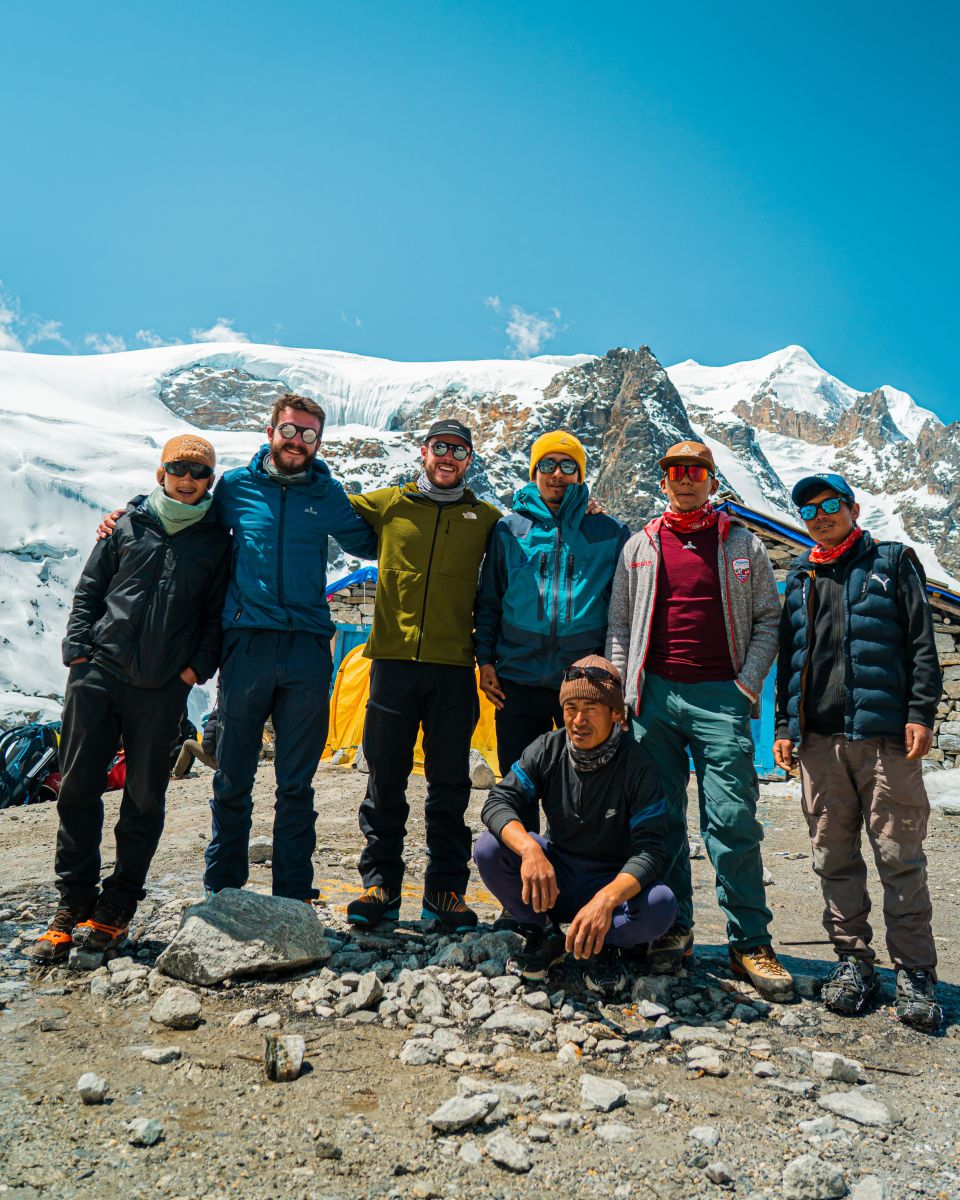
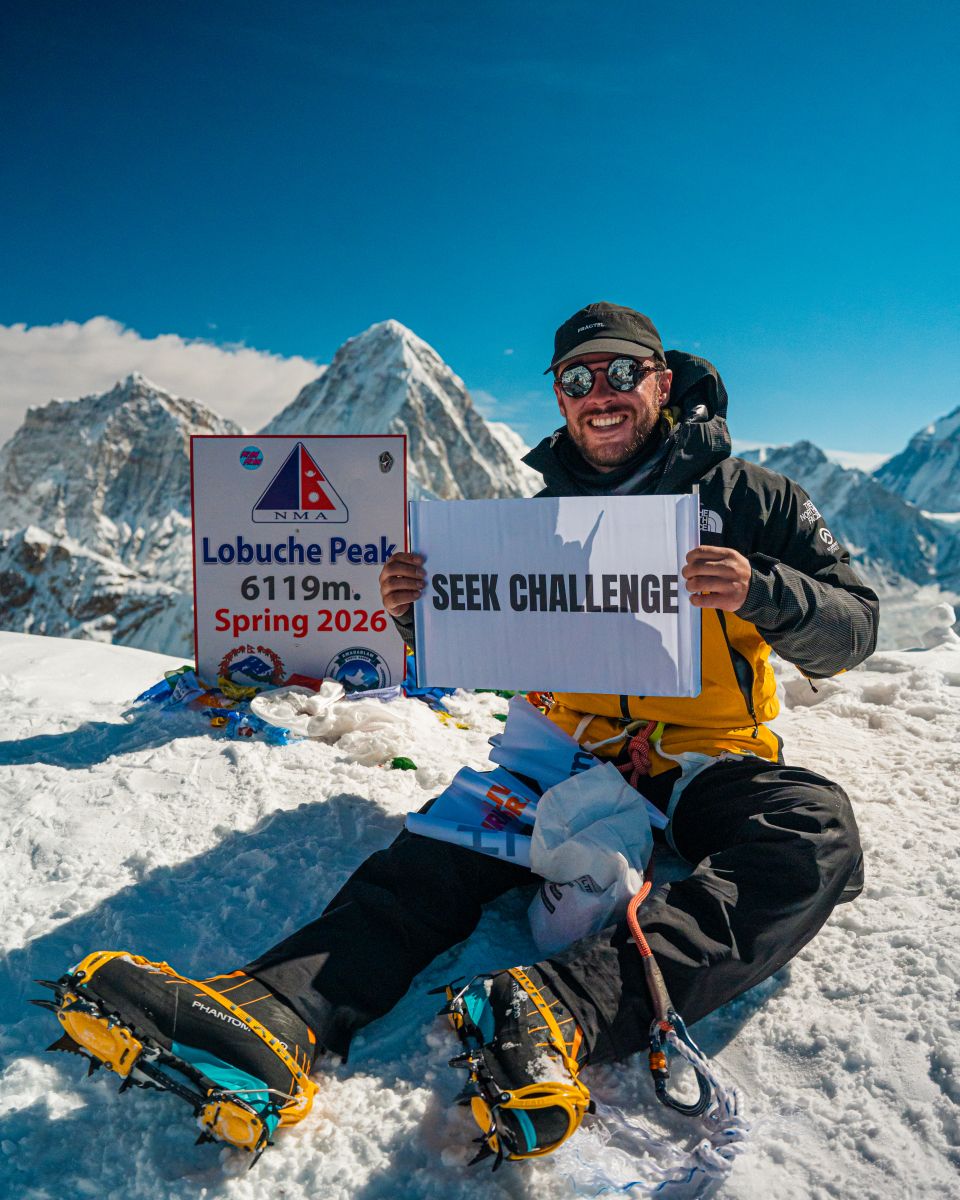
Not sure what gear you need for your adventure? Chat with our friendly team of Outdoor Gear Specialists in-store or online today, and don’t forget to share your adventures with us on Instagram by tagging @wildearthaustralia in your next post.
That depends on the route, season, altitude, and technical difficulty, but for proper high-altitude mountaineering, a dedicated mountaineering boot is usually the safer choice. Oliver’s pick was the Scarpa Phantom 6000, built for cold, demanding conditions. Q:
If you are going high and sleeping in cold conditions, yes. A properly rated sleeping bag, insulated mat, and liner can make a huge difference to sleep, recovery, and morale. Being cold at night is one of the quickest ways to make a trip feel much harder.
Lip balm with high SPF, sunscreen, toilet paper, a backup head torch, hand warmers, electrolytes, and water treatment are all easy to underestimate. They are not exciting purchases, but they make a big difference once you’re out there.
That depends on your body, your itinerary, and medical advice. Many people consider it as part of their altitude strategy, but it should never replace proper acclimatisation, sensible pacing, and paying attention to symptoms.
Yes. Proper rescue and medical cover is one of the most important things to organise before you go. Mountain evacuations and treatment can become expensive very quickly, so it is worth getting cover that specifically matches the type of trip you are doing.
Stick with food you know agrees with your stomach. Freeze-dried meals, bars, chews, and gels can all work well, but this is not the time to experiment. Oliver recommends testing everything beforehand and building your nutrition around what you can reliably eat.
A water filter is helpful, but many people prefer having a backup treatment option too. Oliver packs both a Katadyn BeFree and purification tablets, which gives more flexibility and peace of mind
Learn how to layer for winter with a base layer, fleece or mid-layer, insulated jacket and waterproof shell. Based on multiple winter seasons in Nagano, Japan, this guide explains how to stay warm, dry and comfortable without overheating in cold weather.
Before Sea to Summit was a gear brand, it was a human-powered Everest expedition. Here’s what Tim Macartney-Snape’s story teaches us about better gear.
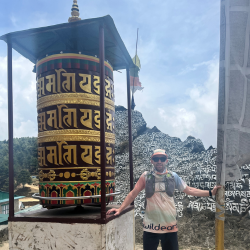
After waiting 11 years to attempt the Mount Everest Marathon, altitude sickness ended Adam’s race before the start line. This is his story of turning back, recovering and accepting what the mountains decided.
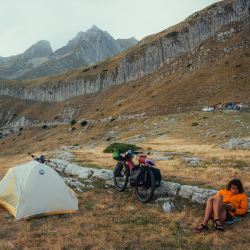
Compare the best ultralight tents in Australia for 2026, including one-person, two-person, freestanding and trekking-pole shelters from Big Agnes, Nemo, Mont, Hilleberg and more.












Using Afterpay you can pay for your order over 8 weeks. There's no interest or added fees* and nothing to pay today. Payment will be automatically taken from your debit or credit card in four equal payments each fortnight over 8 weeks, and you will receive your order immediately.
You simply need:
To use this service simply:
Approved AfterPay buyers will require the funds for the first payment to be available on their card at time of checkout, however the first payment won't be deducted for 14 days. First time AfterPay buyers will need to make the first instalment payment at the time of their purchase.
If you wish to return your goods you can choose to receive an exchange, or the Afterpay payment plan can be cancelled before the first payment at no charge. *If you fail to have sufficient funds available for AfterPay to automatically deduct payment on due instalment dates you will be charged a late fee of $10, and if the instalment payment remains overdue, an additional $7 will be charged one week later.
With AfterPay, there's no waiting and we'll ship out your order immediately as normal.

When you want to go now, sometimes it's handy to pay later. That's why, we offer interest free payment plans from two of Australia's favourite Buy now, Pay later services.