Total Items: 0
Sub Total: $0.00

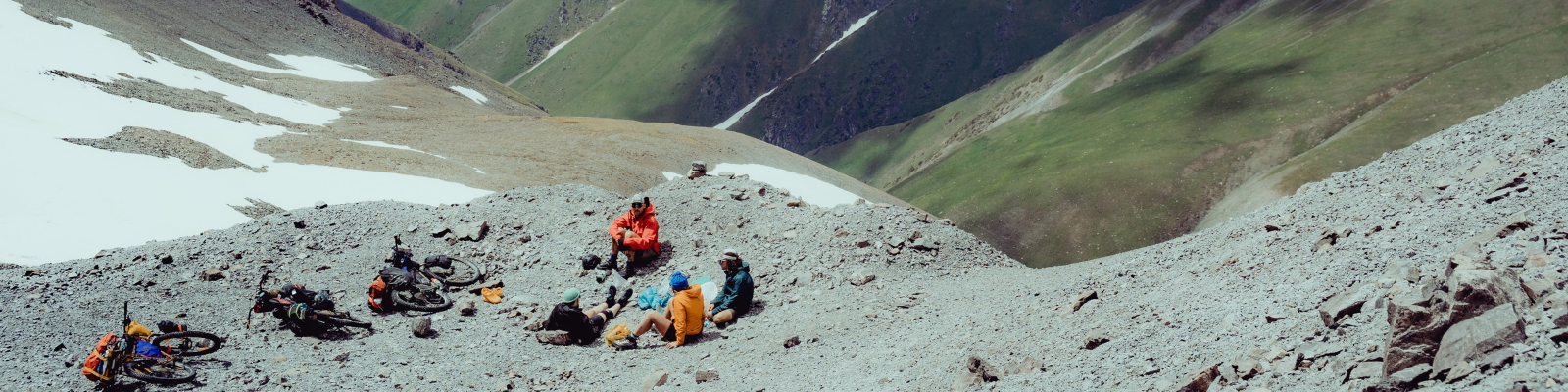
Hamish Lockett shares his two-month bikepacking trip through Kyrgyzstan and Tajikistan, including route planning, training and the gear he packed for the journey.
Bikepacking Central Asia took us through the mountain passes of Kyrgyzstan and the alpine deserts and river valleys of Tajikistan. Over two months, we travelled from Bishkek to Dushanbe, combining the Tian Shan Traverse and Bartang Valley routes with connecting rides and vehicle transfers.
Hey, my name is Hamish Lockett, I am a Tasmanian mountain guide and photographer with a love for the outdoors, travel and any exciting mission in the wild. I have recently delved into the incredible and also challenging world of bike-packing. I have done a few separate trips over the past few years, including a ride across Japan encountering unexpected late-season snowfall, a ride from Georgia to Bosnia through the Balkans, and now most recently a traverse across Kyrgyzstan and Tajikistan. Here’s how I prepared for the trip, planned our route and packed for everything from lowland heat to snow in the mountains.
Bike-packing for me has been a love-hate relationship. At times you feel on top of the world, travelling in such a raw form encountering all aspects of life in the countries you ride across…but, it can come with its share of struggles, challenges and curveballs. Often these trips for me have been a loose idea of route, and then riding the bumps along the way meaning constantly finding places to camp, places to shelter from weather and logistics of travelling far distances with a bike.
I think this most recent trip through Central Asia has been my favourite bikepacking experience yet. I loved the terrain and roads to ride and the people and culture was the most incredible part of any travelling I have done.
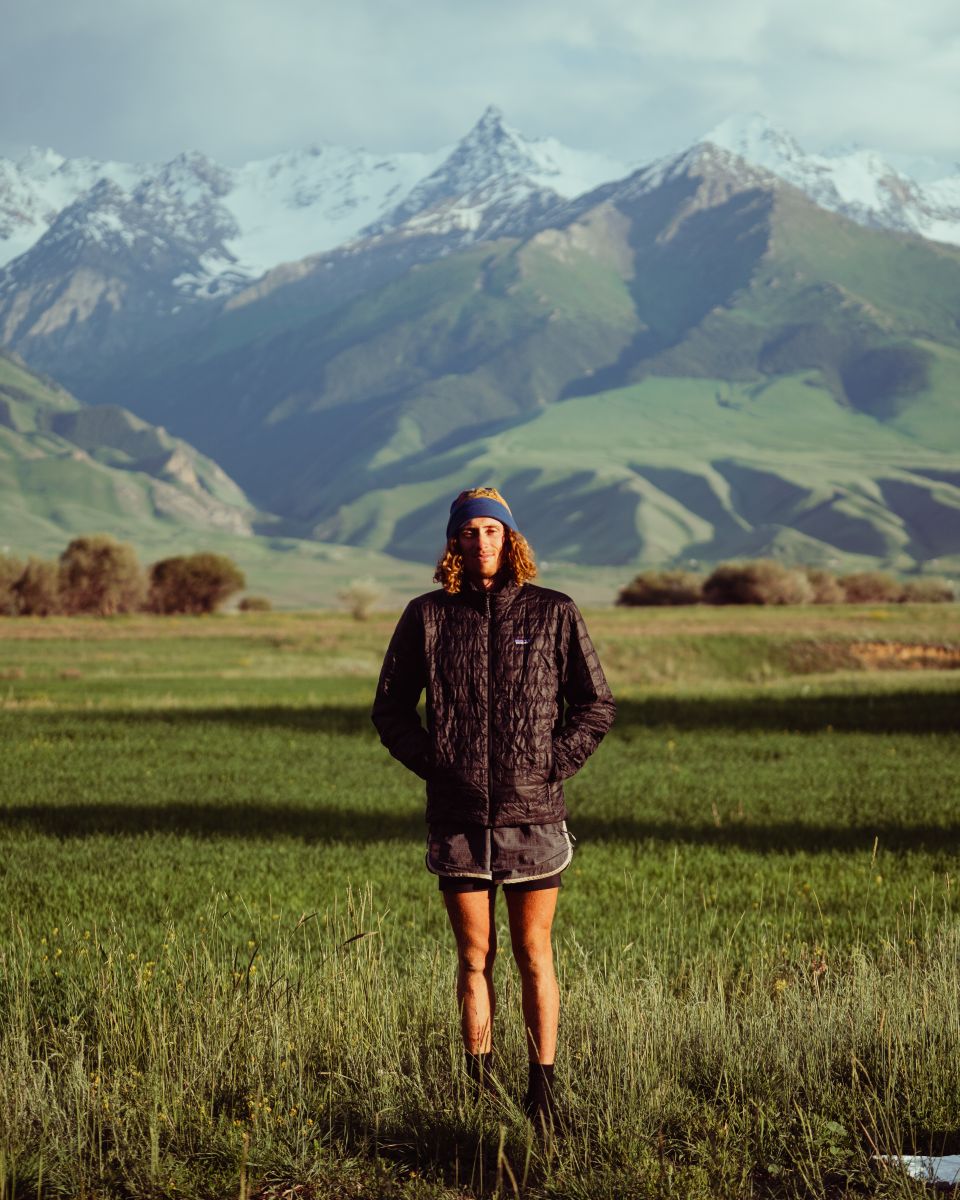
Midway through the Tian Shan traverse, our campsite on the side of the road after a long day. Not bad for a roadside camp!
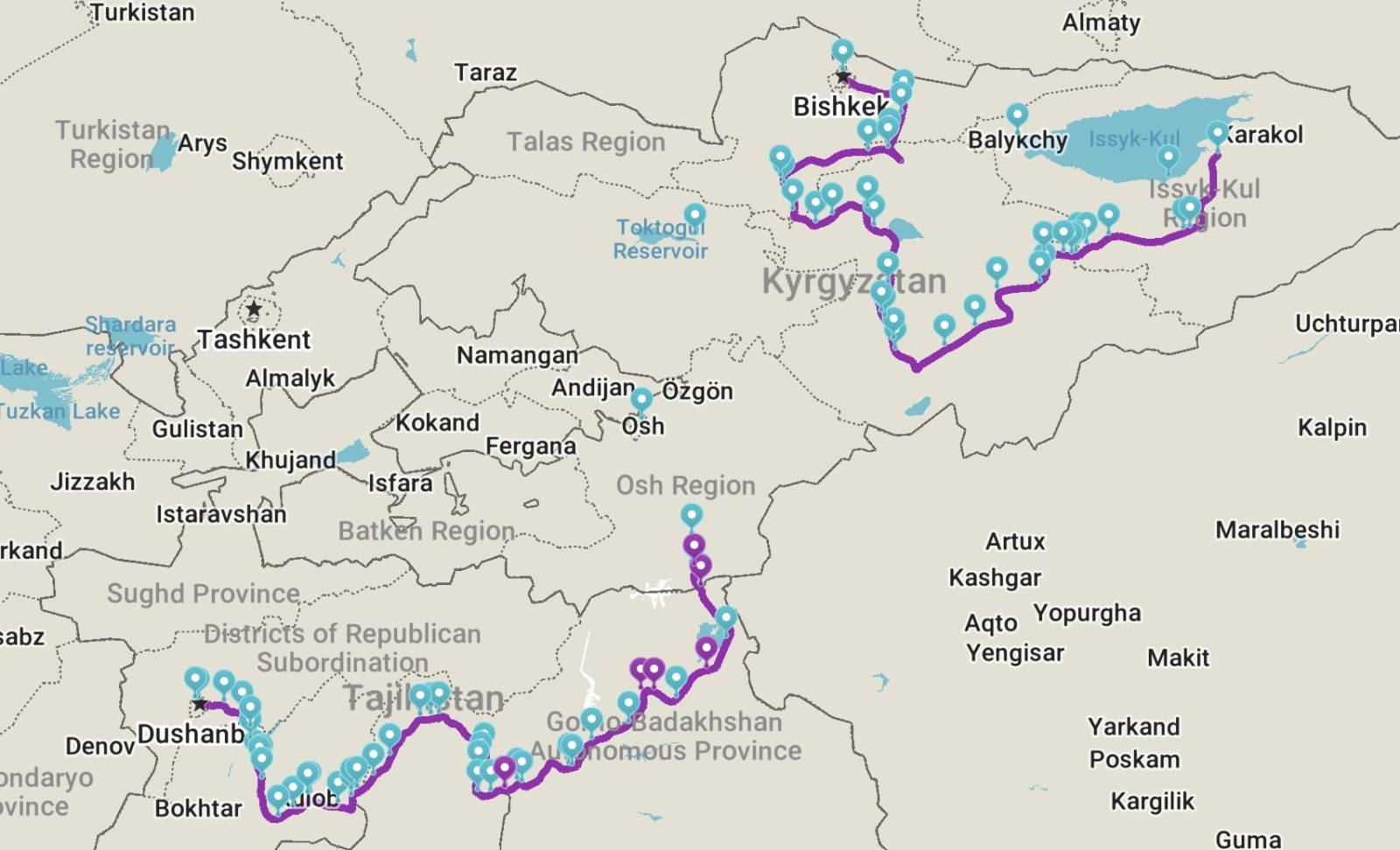
Route map highlighting our riding route through Central Asia.
People often ask me the best way to train and prepare for these sorts of trips and I think the best way is to slowly build up to it. I suggest doing small overnight trips and going longer and more remote as you get more familiar and confident in your gear and bike knowledge.
Take overnight trips close to home and get to know how your camp systems and gear fit into your bag storage on your bike. There are a million ways to pack your gear bikepacking, none more right than another. What is important is that it works for you and you understand it so when you go on bigger trips you can trust it and have a good efficiency. I say efficiency because when bikepacking, your bike becomes your life. Every day you wake up and pack your life away into your vehicle. Every day you stop and make lunch, grab crucial layers out in a storm, go grab your camera… the list goes on, and every night you unpack everything again. The better you understand how it all goes together, the less faffing and tedious moments you will have in your life.
Once you have this to a level you like, go on longer trips and you can more understand the routine of bikepacking. I opted for a trip with some friends after a ski season in Japan where we biked 1000 km across the country. Japan was a nice intro as it is very easy to always find food for meals with the abundance of convenience stores. It also has great roads and bike paths making it more stress free logistically. We then went into a more adventurous trip through Georgia and the Balkans experiencing more rugged and remote terrain before heading into the mountains of Central Asia.
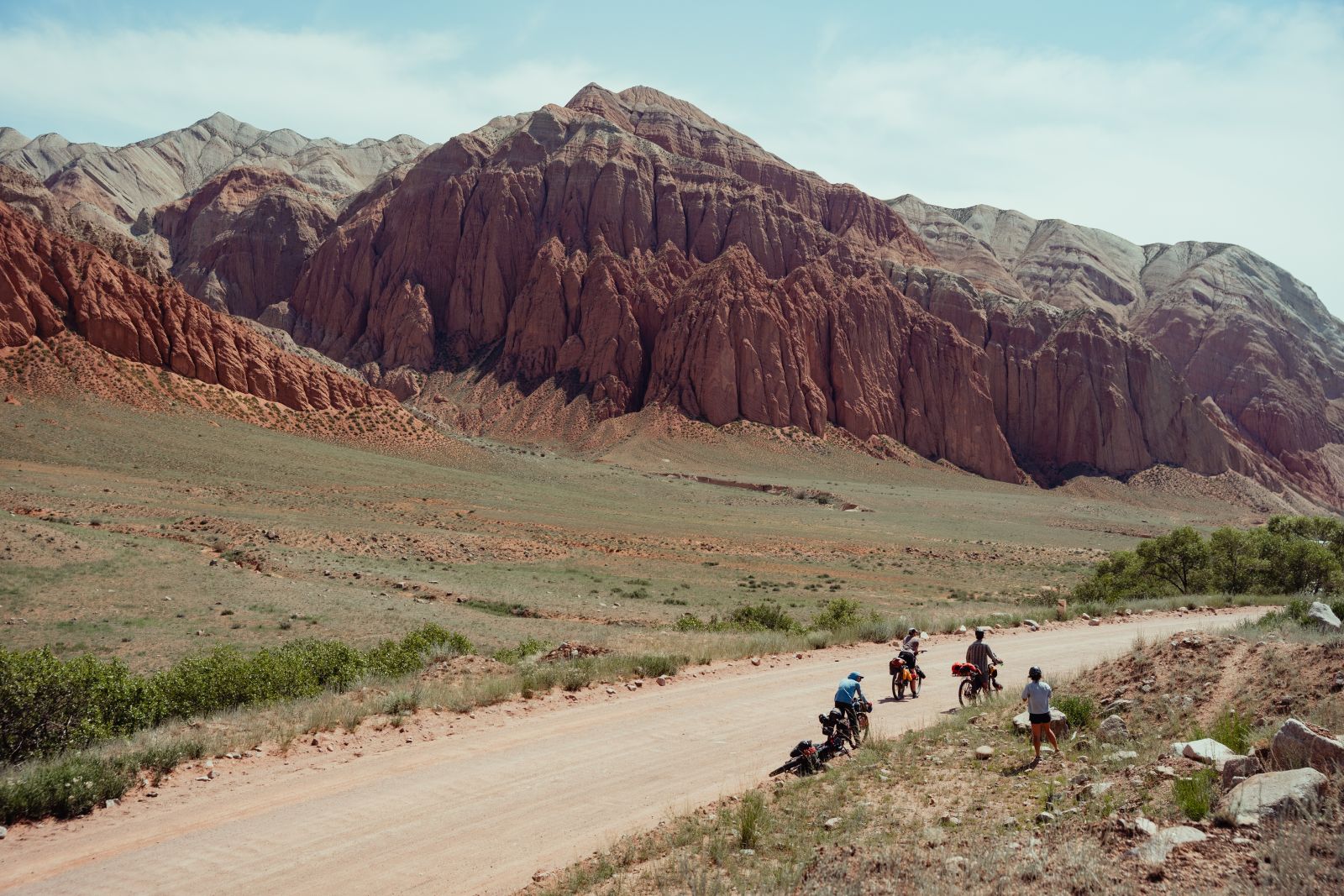
Riding through a stretch of desert in some lower elevation in Kyrgyzstan. Not long before this riding through lush high meadows. The terrain varies so much.
In the past the best way I have found to plan out these trips is using something like Komoot and creating GPX files you can follow on maps like Gaia and store them downloaded for offline maps. I've often pre-planned sections of trips as I go and then used that as a basis to work off. Often changing as I go.
For this trip through Central Asia we more so followed some routes off Bikepacking.com and created our own routes either side and in between to link them up. These routes were the Tian Shan Traverse and Bartang Valley.
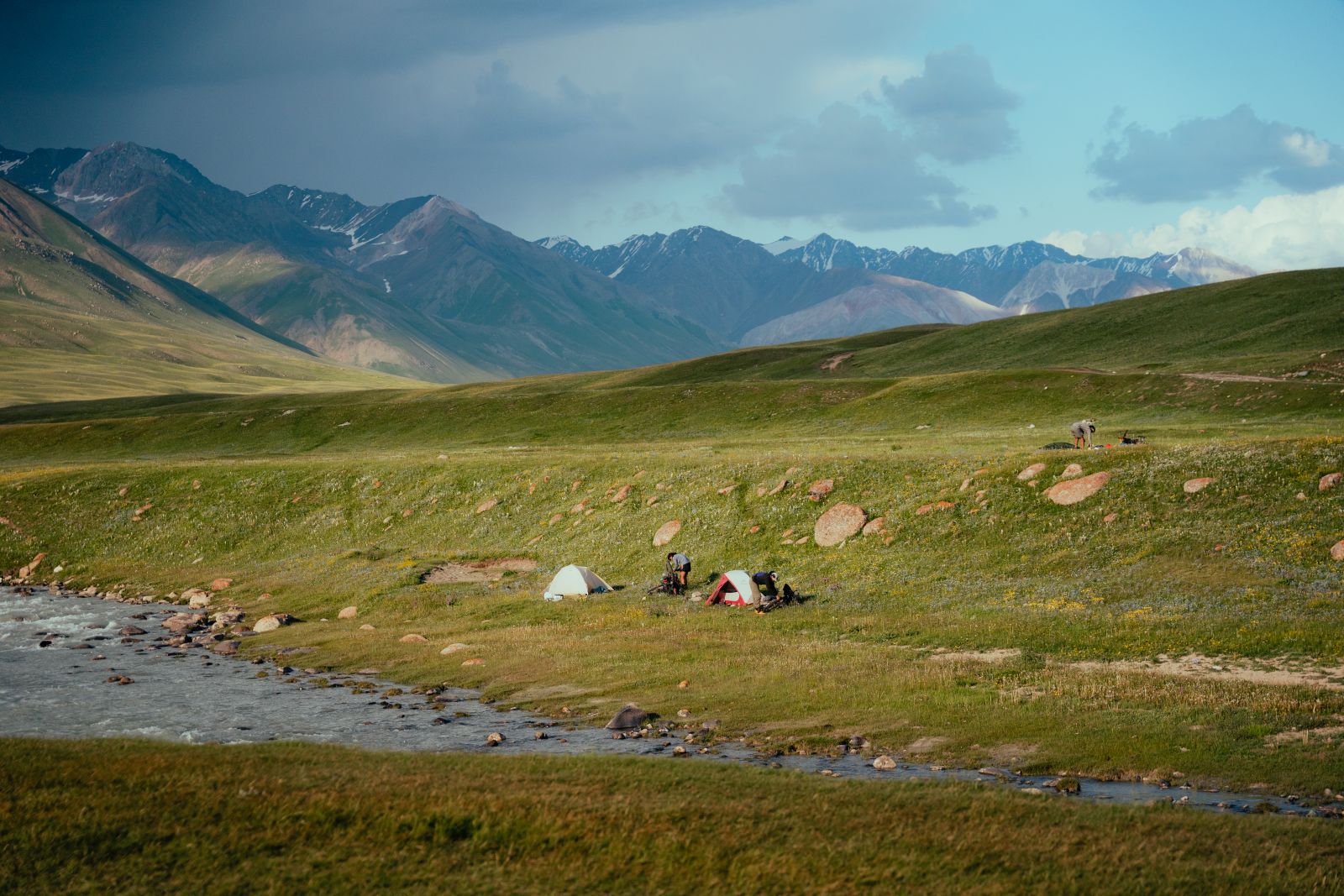
A wild campsite high up toward the tail end of the Kyrgyzstan route beside the river.
Planning also involved choosing the right bike for the trip. These routes contain a lot of rugged riding conditions, so we opted for steel frame touring bikes. These are very heavy bikes weighing over 10kg, but are basically bulletproof and can cope with just about anything, even techy downhill mountain bike descents. Solid frame and chunky mountain bike tyres mean they are less likely to have issues riding through this terrain.
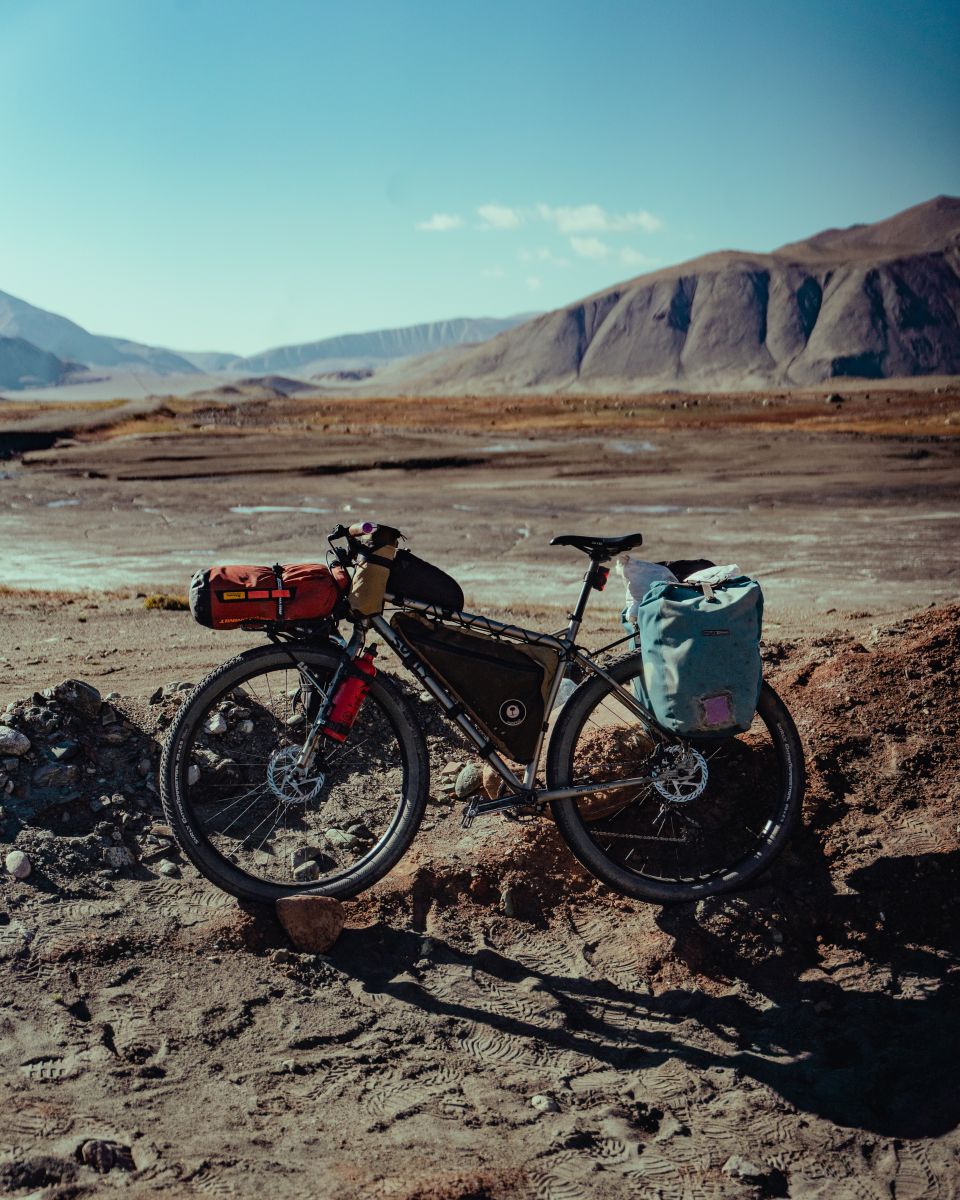
My bike setup parked just over the border after entering Tajikistan. Alpine desert at around 4000m on the Pamir highway.
When you’re bikepacking through the notoriously rugged Bartang Valley or tackling the steep passes of the Tian Shan mountains, your bike is your ultimate lifeline. The relentless, high-altitude washboards of these routes will try to rattle every single bolt loose. Before you drop into these tracks, it is non-negotiable to check that your racks, cages, and thru-axles are securely fastened. The glacial silt and dust will also act like liquid sandpaper on your drivetrain, making a nightly ritual of wiping down your chain and applying fresh lube essential to keep your gears shifting smoothly.
With help often days away, understanding how to tune your gears on the fly—like adjusting your barrel adjuster or setting limit screws after a minor crash—is a critical trailside skill. Furthermore, running a tubeless tyre setup is practically mandatory for this terrain. The sharp, jagged slate of the Tian Shan and the thorny riverbanks of the Bartang will easily puncture standard tubes. Going tubeless allows your sealant to instantly close up small holes, keeping you riding instead of patching tubes on a freezing mountain pass. Pack a robust tool kit, master these basics, and you will have the confidence to actually enjoy these jaw-dropping landscapes.
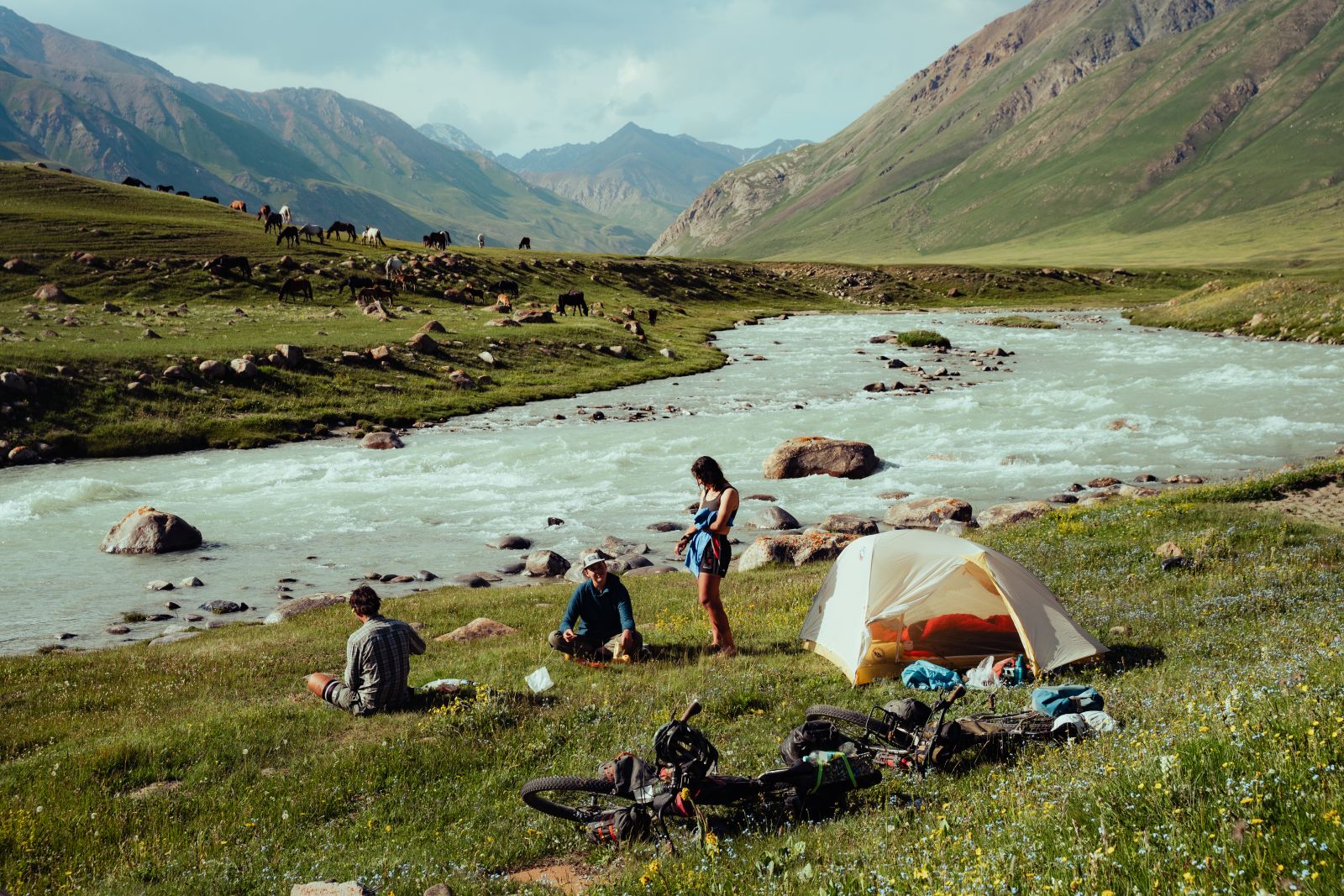
Another classic Kyrgyz river campsite surrounded by horses and mountains. Never got old.
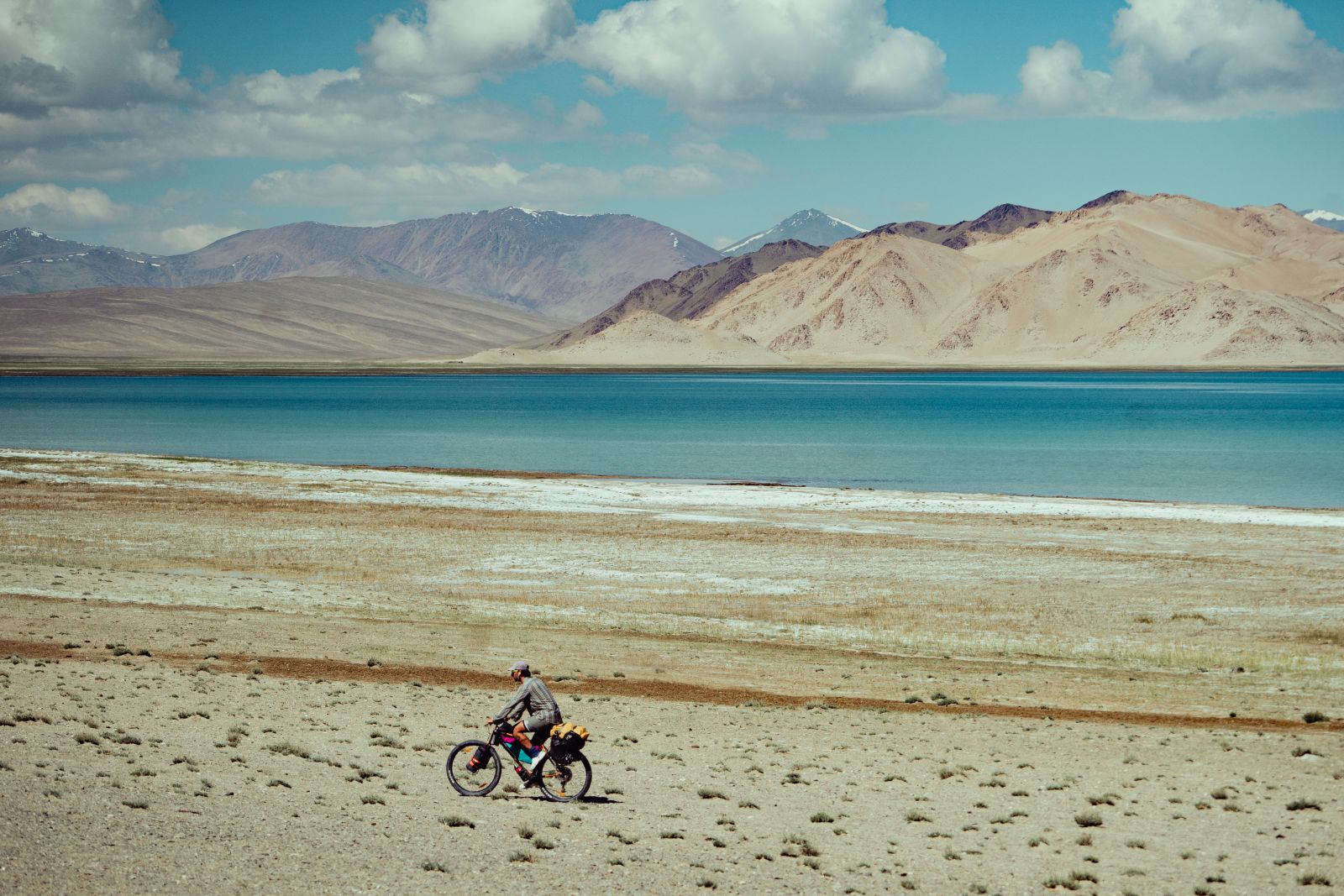
Following a huge alpine lake high in Tajikistan. We followed this for a day or 2. It reminded us of the big blue lakes in New Zealand.
Water is mostly quite good on this route minus a few sections where carries are necessary. Same with food, you often find small shops called magazins with basic noodles, snacks etc. asking around for these in small towns is the best way to track them down, often hidden in somebody's house or someone in the village will open them with a key and sell you food.
I have attached a link to a whatsapp group chat I would heavily suggest joining which has many members of other bikers biking in the central asian / eurasia region and can offer great advice on cycling all over. We used this to check things like permits, water and food availability and even where bike shops are: https://chat.whatsapp.com/IpeE7GxIYdbJrhJjh6hY14
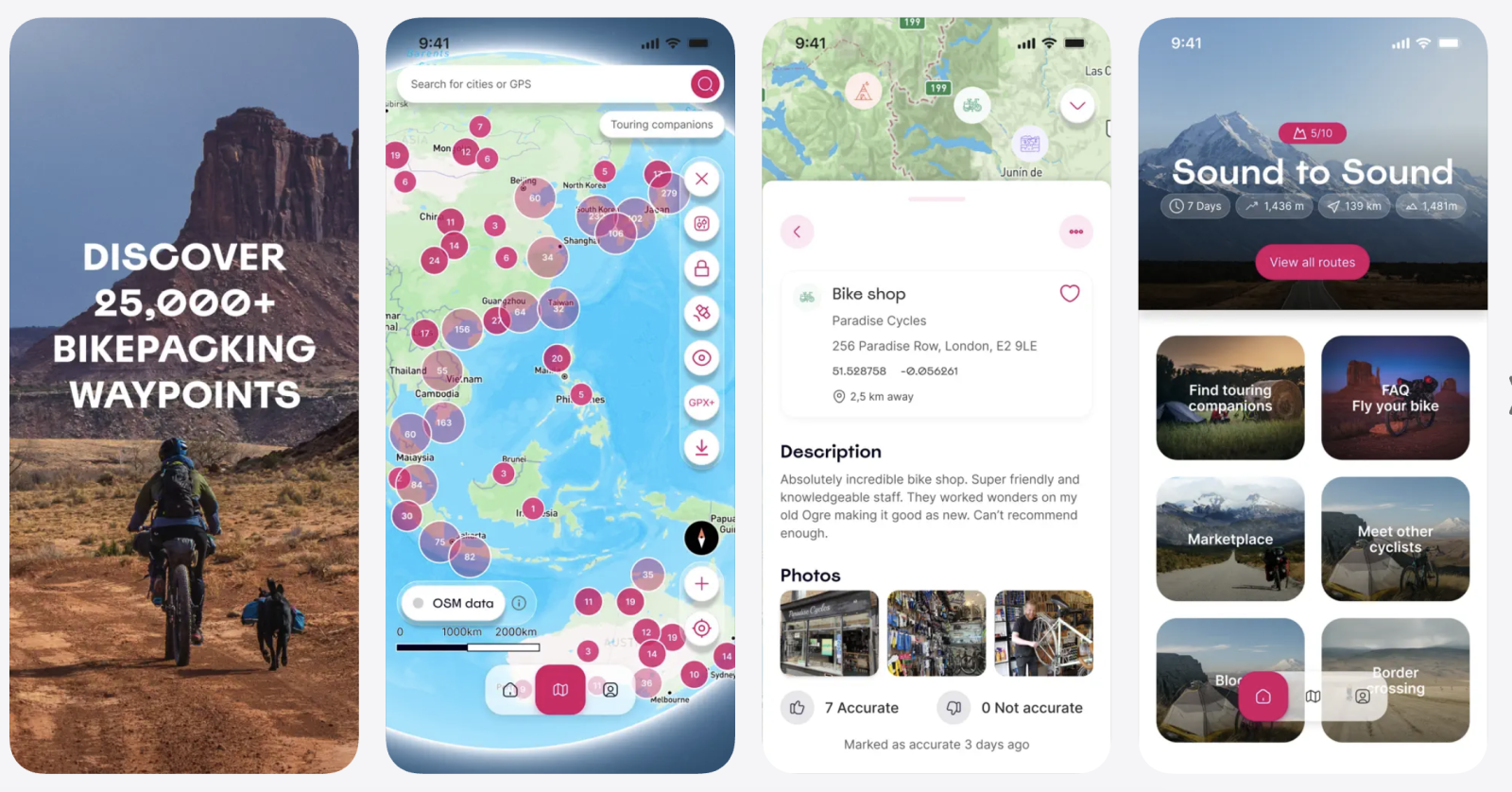
Another great resource where people upload on maps where they found food, water, accommodation etc is the rolling around app. This has great info from other riders highlighting things you will likely be always wanting to find.
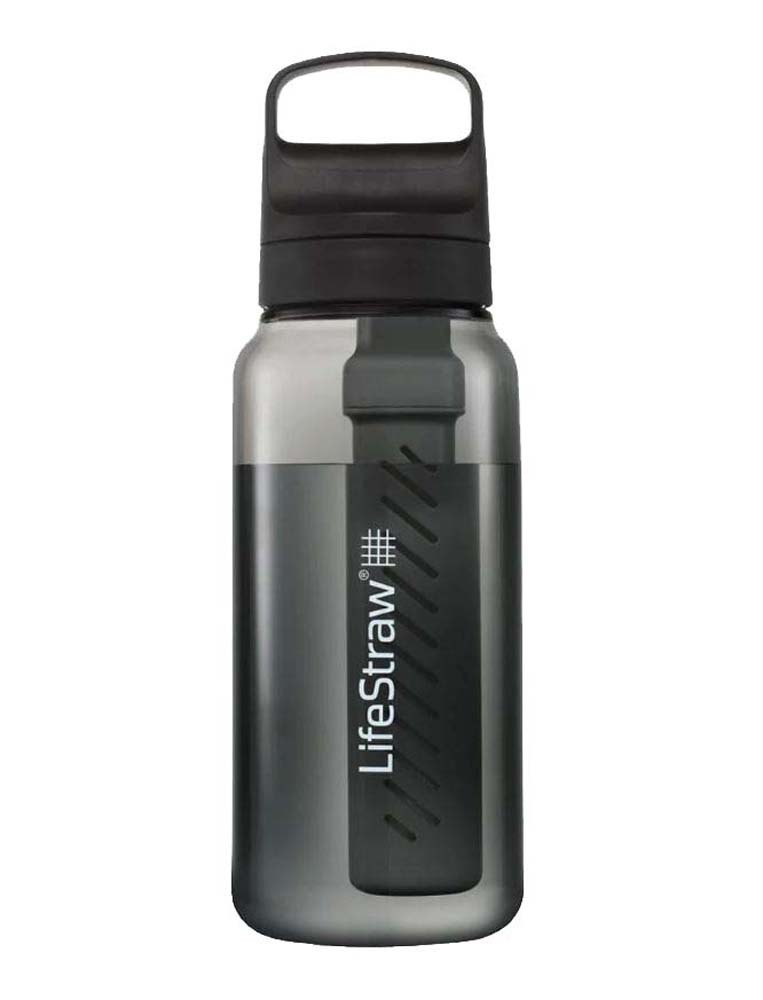
In regards to water treatment for this trip it was quite important as we were often moving through farmland in Kyrgyzstan and through places prone to flooding in Tajikistan. This meant in farmland we were most at risk of the farm animals in and around the streams and in the flood prone valleys water could quickly become muddy and dirty. For help comparing different systems, see Wild Earth’s guide to choosing a water filter, including the differences between filters and purifiers.
I feel like I had the perfect system for treating water being a combination of a Sawyer squeeze bottle and a Lifestraw bottle.
The Sawyer squeeze was perfect for around camp / treating large amounts of water for cooking etc. or if we had to do a water carry and treat a large amount of water.
The Lifestraw bottle was perfect for on the go and quick refills while riding. This is because it filters by drinking it through the straw meaning you never have to stop and treat water.
I would heavily recommend this setup for a trip like this.

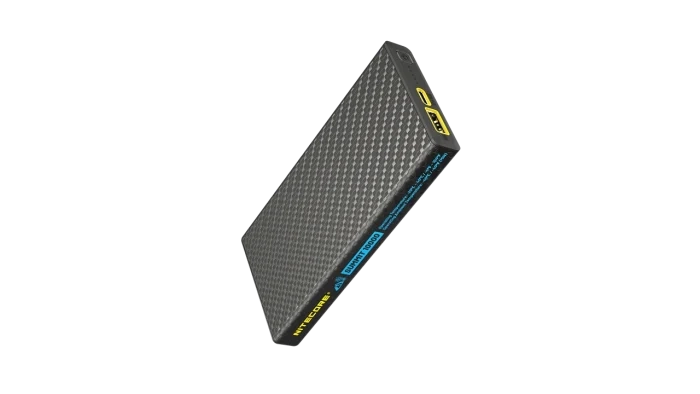
Keeping devices charged on this trip was important for using maps for navigation, documenting travel and being able to communicate with people on the trip if we split up etc. For these types of bike-packing trips I have experimented with a few ways of charging and I’ll break it down below.
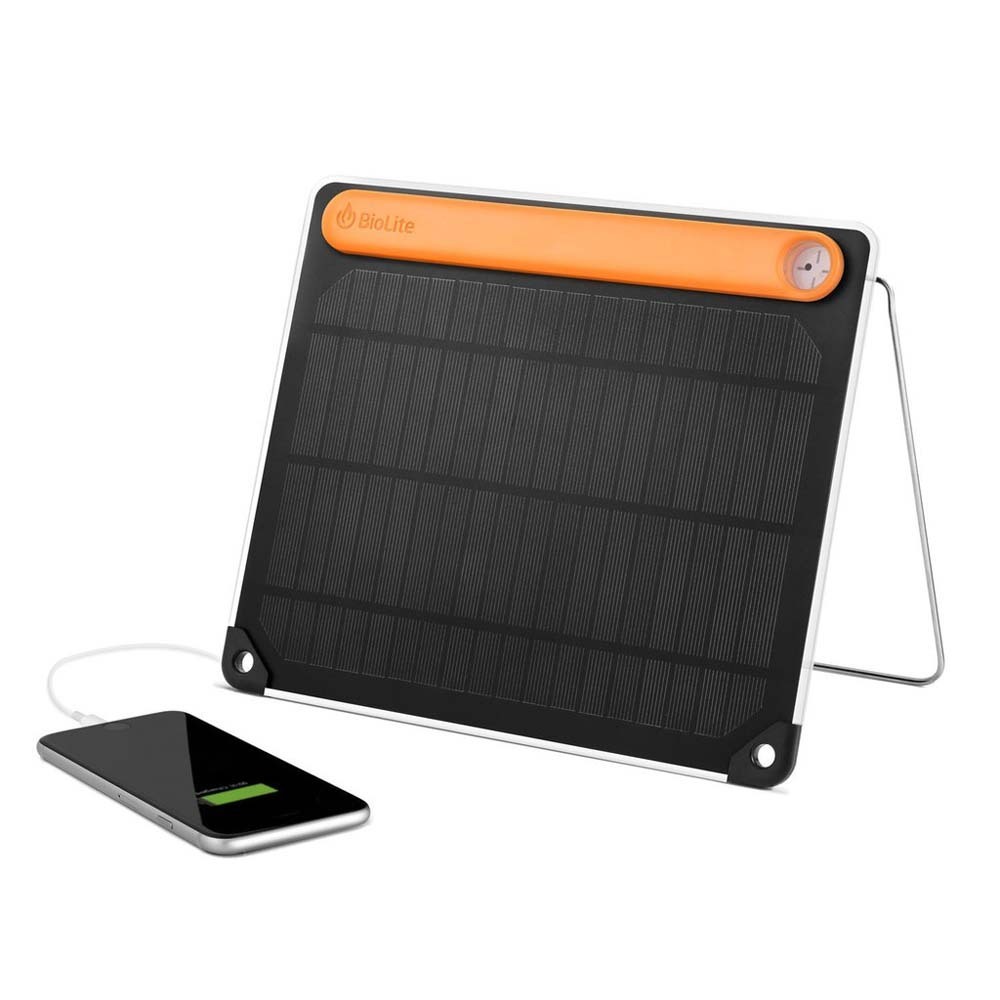
On this trip we would go up to around 4 days or so without any way of charging from a powerpoint. We were also often just wild camping meaning we would only get a little bit of time to charge if eating at a cafe or something, but often didn't have much time to do this / it was hard to find. So what we mainly did was charge up power banks every week or so and that was about enough charge if we limited our phone use. Then as a backup we had a solar panel on hot days that could get a bit of charge while riding.
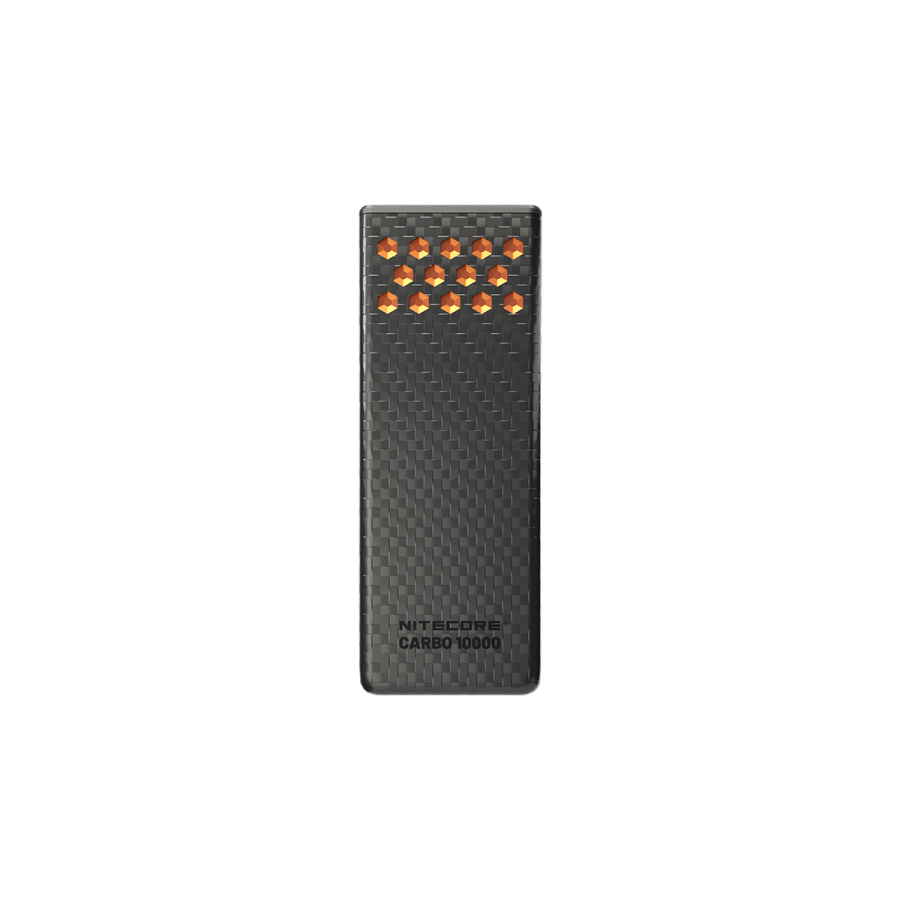
I found mostly having a 20,000 and a 10,000 power bank kept me charged for long enough with a solar panel as backup.
Central Asia offers some of the most remote and spectacular bikepacking terrain in the world, from the high alpine landscapes of Kyrgyzstan’s Tian Shan Mountains to the stark, rugged valleys of Tajikistan’s Pamirs. We opted for a 2 month ish time slot in which we planned on riding across the Tian Shan Ranges of Kyrgyz and the high desert mountain areas of Tajikistan. The Tian Shan Traverse winds through vast mountain ranges, linking grassy high-altitude plateaus filled with horses, glacial rivers, nomadic summer pastures and remote valleys. Riding through rough jeep tracks and mountain passes we were reaching well above 3,000 metres.
Further south, we crossed from one of the highest borders in the world from Kyrgyz into Tajikistan via the Bartang Valley route. This route cuts through the heart of the Pamirs, descending from the barren, high-altitude desert plateau into a deep, isolated river valley where rocky tracks, river crossings and landslides combine into some crazy scenery. This made for an unpredictable and demanding ride when combined with the summer heat.
This route led us into the river border of Afghanistan which we followed for many days as we continued across the country to the capital of Dushanbe.
Both routes combine extraordinary mountain scenery and a genuine sense of remoteness with challenging terrain, self-sufficiency and the warmth of local hospitality.
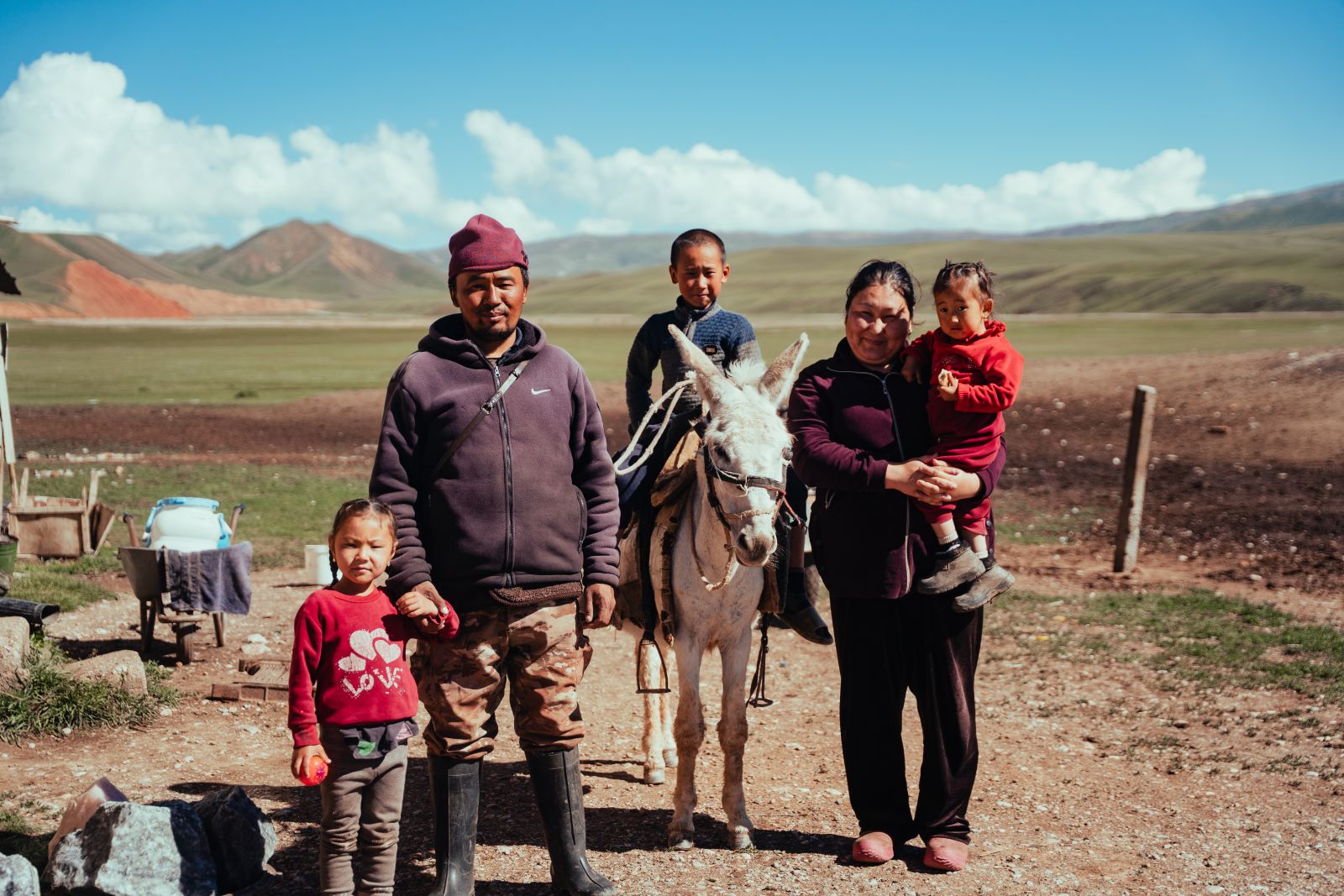
Some locals in Kyrgyzstan where we spent lunch one day eating bread and jam and a local plant they had just brought back that the children were excited to eat.
Starting in Bishkek, we rode the entire 1000km route of the Tian Shan and onward to Karakol. From here you are either riding a separate route like the continental divide through Kyrgyzstan or hitching / bussing / taxiing to the Town of Osh.
We made our way back to Bishkek from Karakol and then caught a bus down to Osh, which was a long 10-ish hour Marshrutka ride with our bikes jammed in. We then spent a couple of days in Osh planning our route further. Because of the 30-day visa, we then caught another ride to the town of Sary-Tash.
From here our route along the Bartang GPX I have linked below essentially begins. Taking you over the border via Kyzl-Art Pass and around 500 km down to the town of Rushan near the border of Afghanistan.
From here we created our own route of around 500km or slightly more to the Capital of Dushanbe, which I have added a link to the file below also.
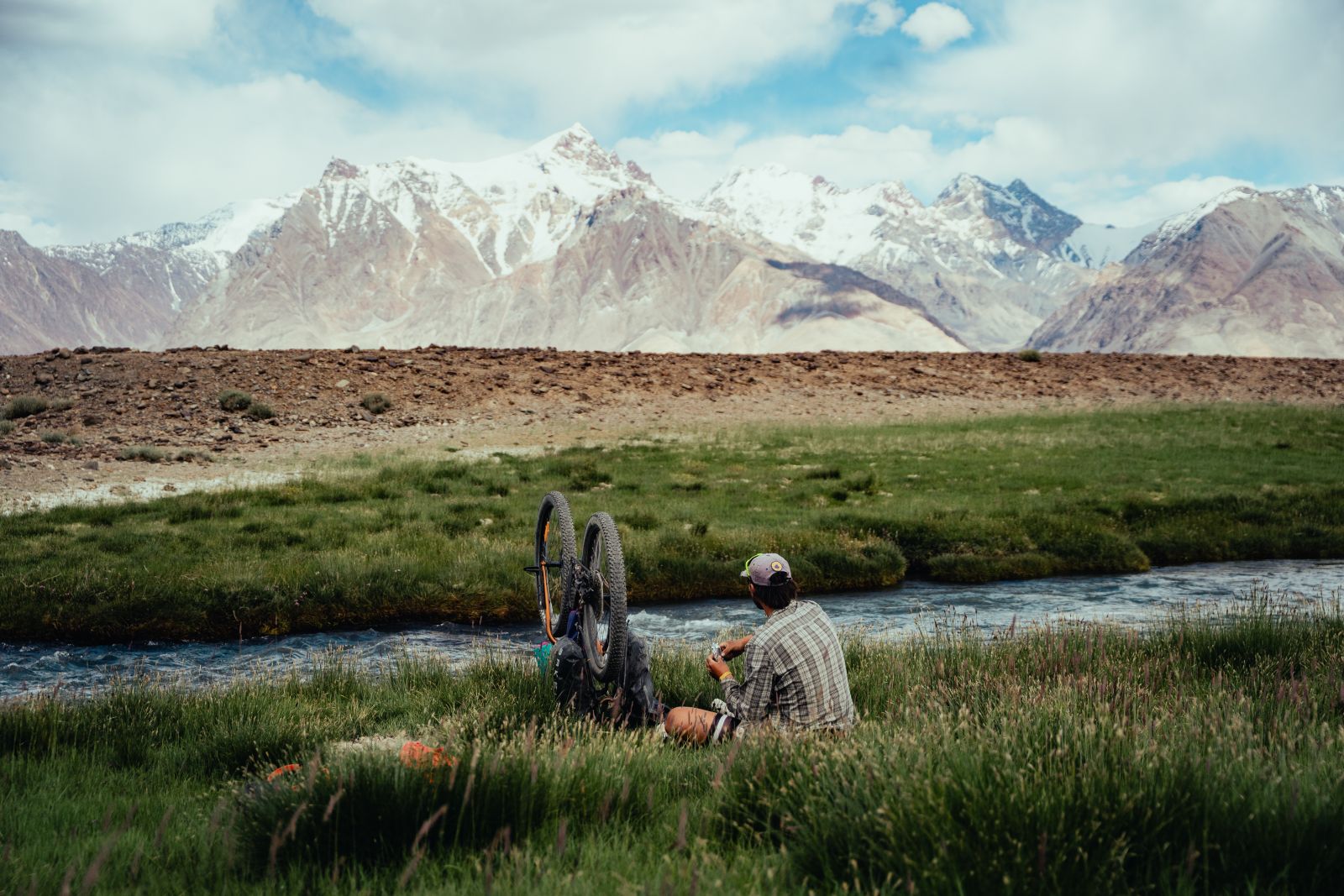
Bike repairs in the Bartang valley. With a stunning back drop of the Pamir mountains.
The best time to tackle these routes is generally from late June through September, when warmer temperatures and more stable weather make riding in the high mountains possible. July and August offer the most reliable window for the Tian Shan Traverse in Kyrgyzstan, as snow melts from the higher passes and mountain tracks become more accessible, although afternoon thunderstorms and cold nights remain pretty common and consistent. We found they were consistently in the afternoons, hitting for an hour or two at a time.
The Bartang Valley in Tajikistan can be ridden over a slightly broader season, typically from late spring through early autumn, but summer is ideal for combining the valley with higher-altitude riding elsewhere in the Pamirs. Snowmelt can swell rivers and make crossings hazardous in early summer, while late-season snowfall can quickly close the high passes. For a trip combining both routes, July to early September is generally the best in my opinion, balancing pass accessibility, manageable river levels and longer daylight hours, though conditions can vary significantly from year to year it seems, talking to other travellers and hearing stories from this region.
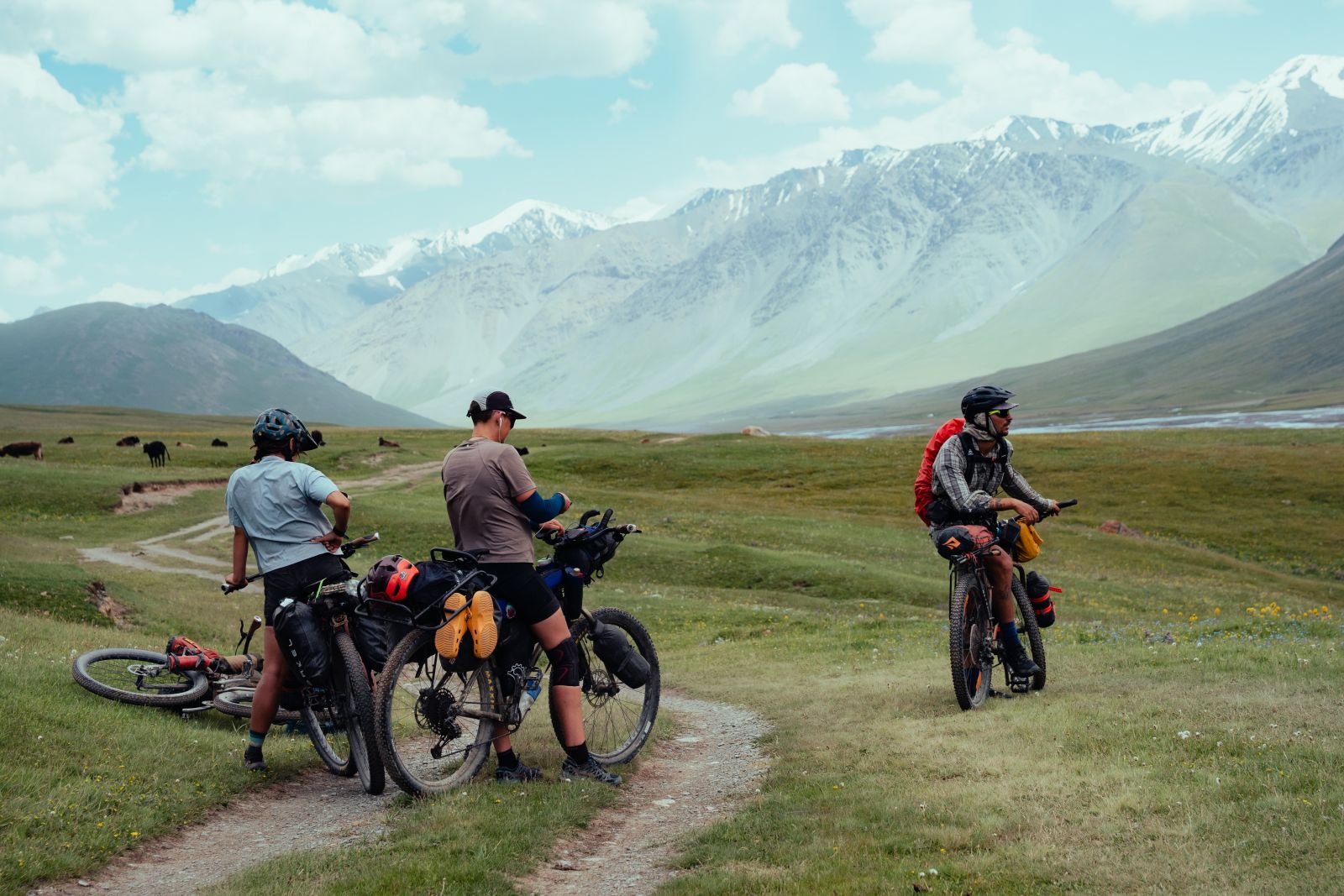
The crew on trail checking maps and making sure we were on the right track through a farmland section of trail.
We started in Bishkek, Kyrgyzstan's capital city. We had made it no more than a few hours riding. The four of us rode out of the city, sun shining, thinking ‘how good is this’ as we rode towards the mountains of the Tian Shan. Then suddenly a creaking sound emerged as I was riding along a bumpy road on the outskirts of Bishkek. Not much longer, as I felt like something had fallen off, my pedal and crank arm fell to the ground.
It had seemed that buying a second-hand bike and not properly servicing it had cost me my right to move all of a sudden. A bolt was missing, and guess what... Well, out went the thumb, and quicker than you can imagine, I was loading my broken bike into his car, and we were driving back to Bishkek. The one bike shop was magically still open. A diagnosis led to my bottom bracket being unfixable and them not having a replacement. Through translation, I soon understood the shop owner was offering me the whole crankset of his bike he rode to work on as it would fit. What a champion. He had saved my whole trip, and the next morning I was riding the same road into the mountains.
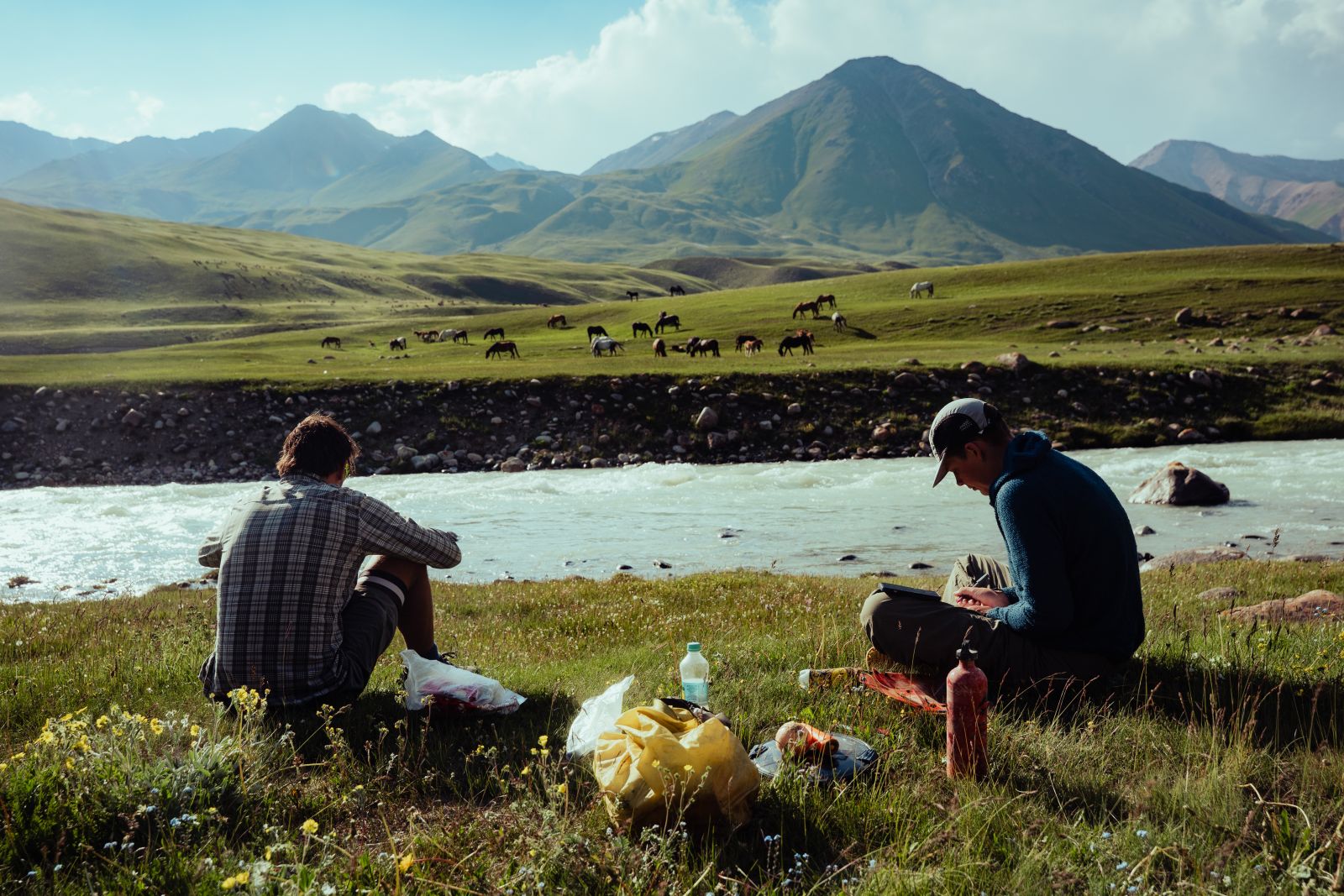
Lunch stop with some classic Central Asian views.
This very much became a trend of the trip, constant movements from the low grassy valleys to the cold high alpine mountain passes. We had experienced extreme heat coming out of the city and then snowstorms riding up Kegeti Pass within two days of leaving. The lowlands of Kyrgyzstan were beautiful and often sunny and warm, riding past nomadic farmers with horses and snaking along rivers.
Moving into the high passes like Kegeti brought afternoon storms and very cold conditions as we moved up toward 4000 m in altitude. Here our layers and Gore-Tex clothes came out as we snaked up switchbacks before flying down the other side in steep goat tracks of rock scree.
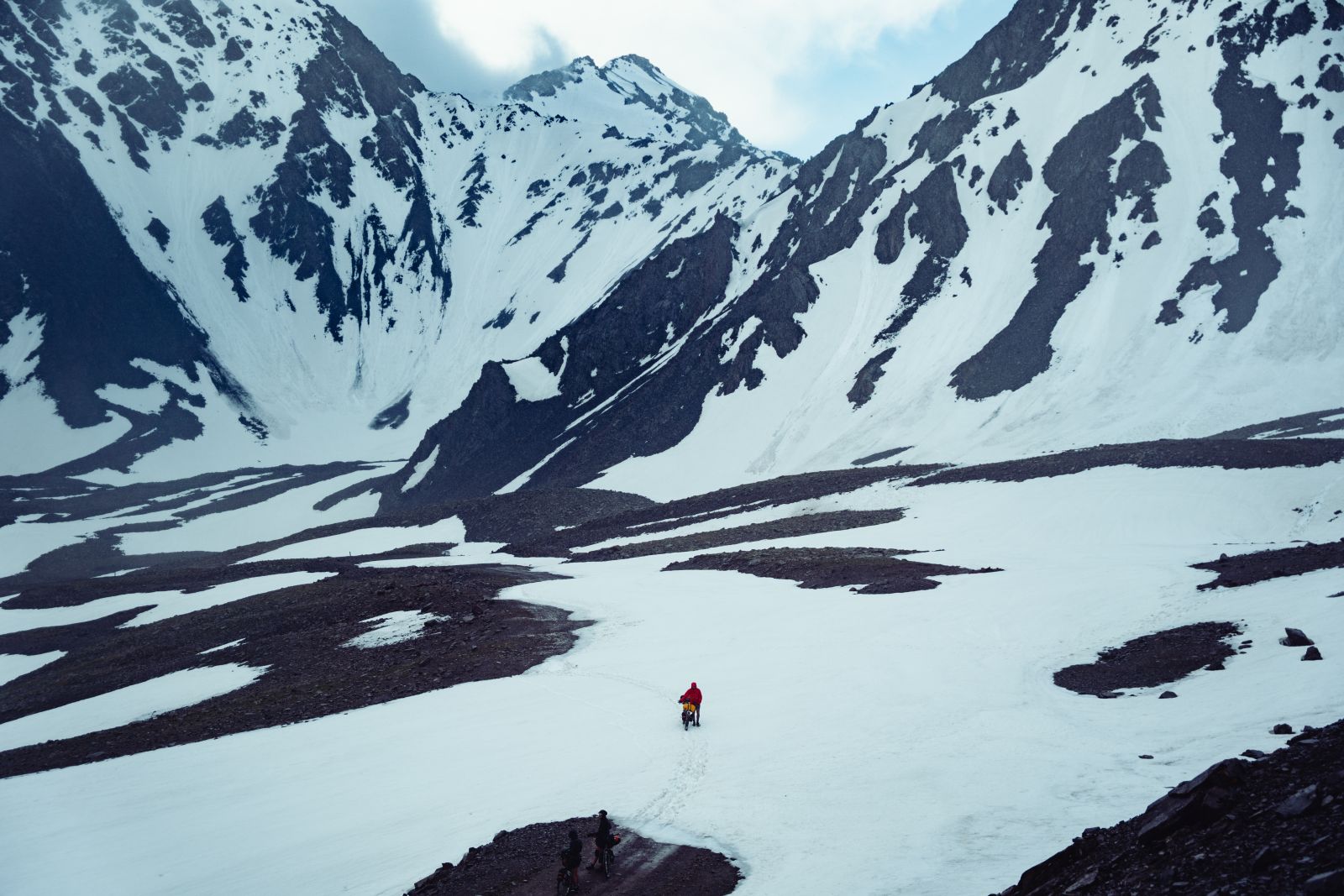
Crossing the Kegeti Pass early in the trip. Day 2 after leaving Bishkek. Still early in the season, we had to push the bikes through big snow drifts.
The highlights from Kyrgyzstan for me were the random moments. This is also the general highlight for me for bike packing in general. You go through so many random towns and places that you never know what to expect. Some days we were having kids follow us, screaming at us if we prefer Messi or Ronaldo until we play them in a game of soccer or hang out with them, letting them try on our silly riding glasses or taking us into their house to get some water.
Other times it was families wanting to chat to us before telling their child to share their ice cream with us as he does a lap of the four of us, giving each of us a try, asking our thoughts on their favourite Central Asian ice cream. We met so many interesting people for a chat, some of the coolest being the young horse riders with more style than just about anyone. Imagine bareback, one-hand galloping through lush mountain meadows before you turn 10. The aura of these young guys was insane. One little boy we chatted to had just harvested a horse and stopped to hang out with us as we were having lunch by a river. We asked him what was in his bag strapped around his horse. It was, in fact, more horse. He was returning to the farm with next week's dinner. Horse on horse of course.
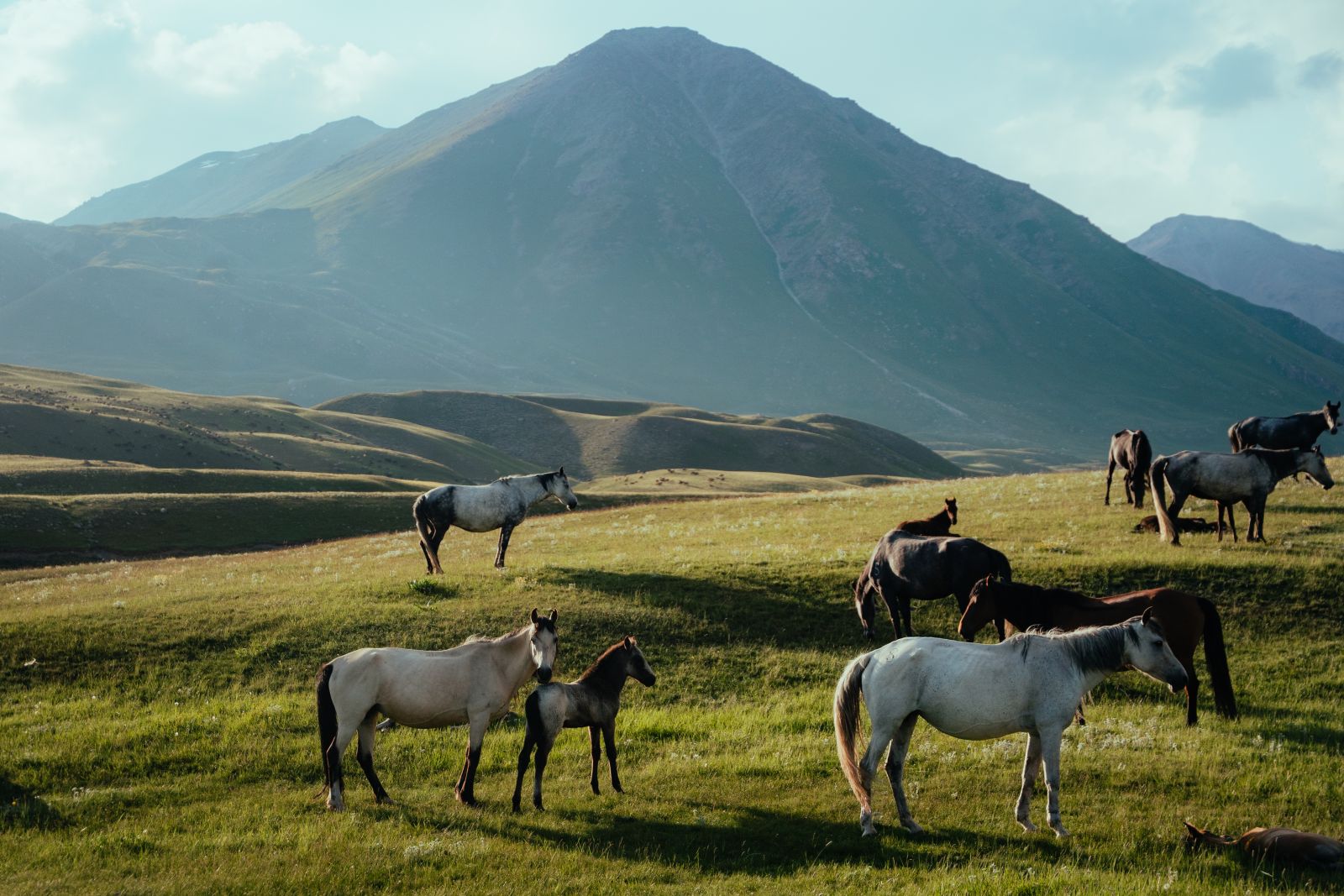
A close encounter with wild horses and foals.
As it turns out, we didn't have lots of time left when finishing this route through Kyrgyzstan and had to get closer to the Tajik border before our visas ran out. In critical times, 4 people and bikes make for hard hitchhiking, so we asked around to try and tee up rides towards a town closer to the border. We eventually landed on a deal with a local Magazin (small food store) who had offered to drive us to the town for about 20 Australian dollars each.
A large journey that for some reason, we decided to turn down as we thought it would be easier to just hitchhike. Well, what a ball drop it turned out to be, we had no luck for hours as storms began to roll in, and we were forced to ask around more and more with taxi-type operations that wanted to charge us much more to take us where we wanted to go. Eventually we accepted defeat as we loaded our bikes into a truck we had made a deal with. Before long we were driving back to his house to pick up his mum as they had clearly decided to make a holiday out of it after lucking out with taking a few drowned rats on a road trip through the night.
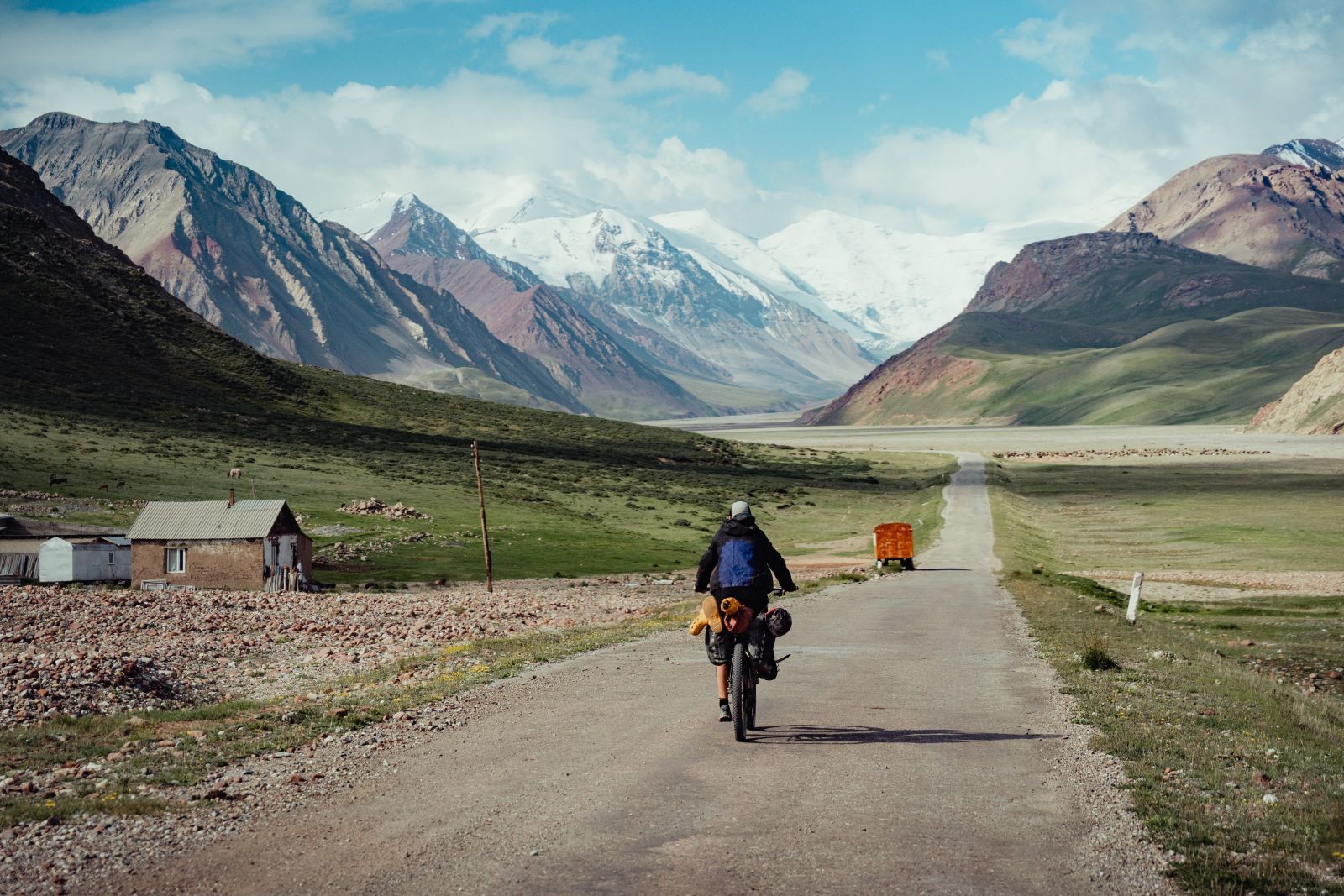
Cycling through no man’s land between Kyrgyz and Tajik. One farmer lived in this 10km stretch.
As we snaked our way up Kyzl-Art pass to 4300m, crossing multiple border checkpoints quite smoothly, we started to notice a lingering feeling as we zoomed down a descent along the Pamir Highway, seeing some of the most beautiful mountains we had experienced. It was the feeling you know but want to accept when biking overseas… food poisoning. It was a warm welcome to Tajikistan as we parked up our first night in the desert, enduring a long night of throwing up. The good thing about this particular food poisoning was that it was gone reasonably quickly and the next day we continued toward the Bartang Valley.
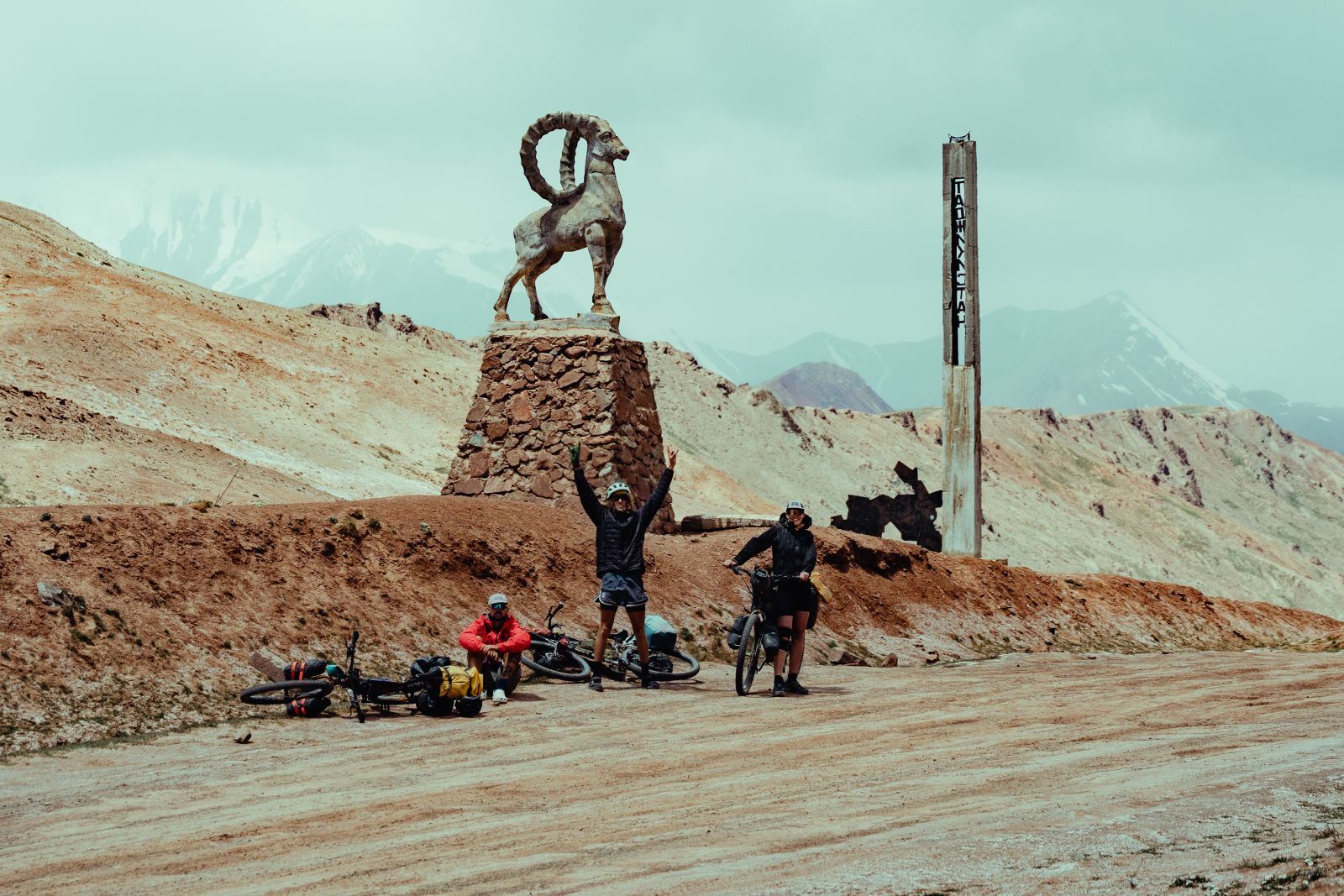
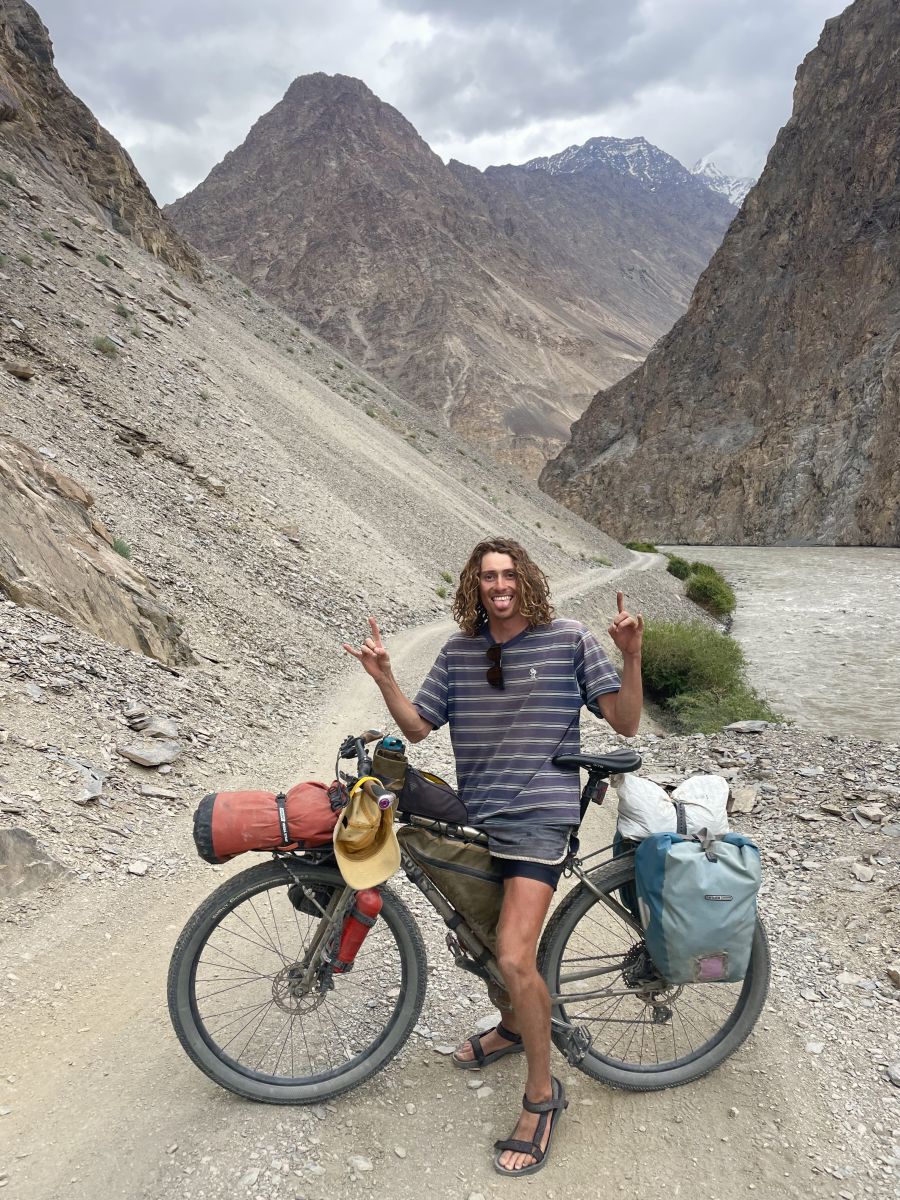
The Bartang valley was incredible. The type of riding that you dream of bikepacking. A downhill trending 500km through alpine desert, sheer river valleys and fun techy fast descents. Incredible riding and also incredible hospitality. We constantly experienced friendly people offering us food, children offering to show us where to swim to dodge the heat, playing soccer and volleyball with locals and camping in spots on the side of the road with the most ridiculous views you can imagine. It felt like such a different place from anywhere I'd ever been. To be fair there was still a lot of tough riding and tricky situations to find spots to camp with the risks of rising water levels, though the beauty of the place made it feel like less of a taxing experience given the beauty of it all.
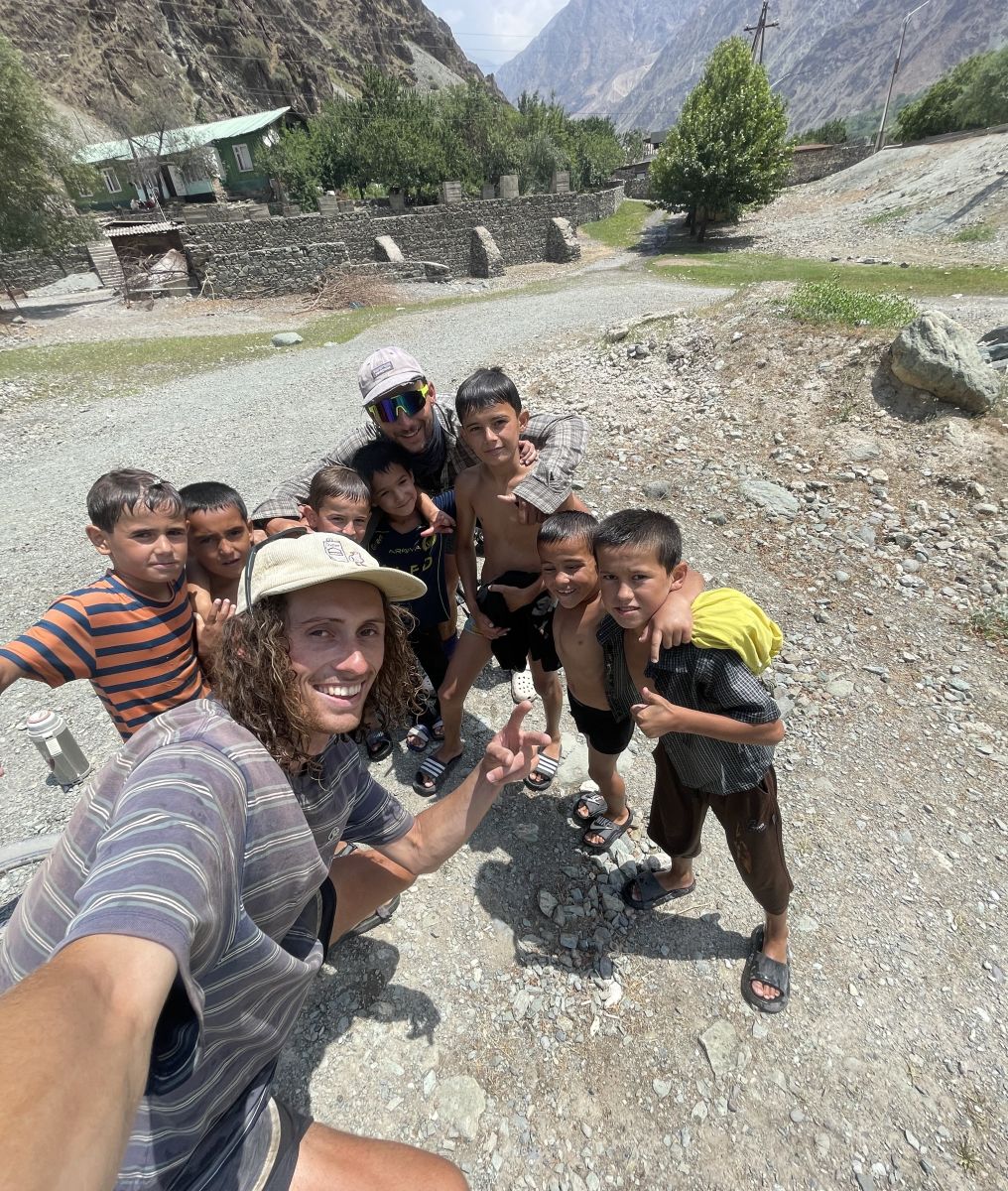
The final stretch of riding ended up proving to be the hardest of the trip, following the Afghan border for multiple days before continuing through brutal lowland heat to the capital of Dushanbe. This part of the trip for me was the toughest in terms of struggling with the heat, early starts to beat it at 3 am, challenging road conditions and logistical difficulty. What was already a feeling of being very remote and off the tourist route became even more so for this section. There are fewer bikers riding this stretch and the vibe was different again with a remote feeling in a new way and an overwhelming experience with locals. People were constantly fascinated by us, staring, wanting photos, wanting to share things with us or inviting us to do various things, show us around their towns, etc. In the moment of struggling with the difficulty of riding this stretch physically, it did start to become taxing on us in a different way, but it was such a beautiful experience with the locals. I look back on this stretch as one of my most fond travel moments for the experience we had and seeing how truly amazing people can be but also one of the harder times in terms of physical bike riding.
This was an amazing way to complete the trip, seeing such amazing people and feeling accomplished with the day's riding we had completed.
This one was tricky as it is mostly summer conditions riding but when high it could snow and get into the negatives so I went with an all round more in between approach on gear and found it worked really well for all conditions.
Watch Hamish’s sleep system on Instagram
Nice lightweight option for bikepacking yet still having a good rating for when it gets colder up high. Full side zip and toe zip makes it very versatile.
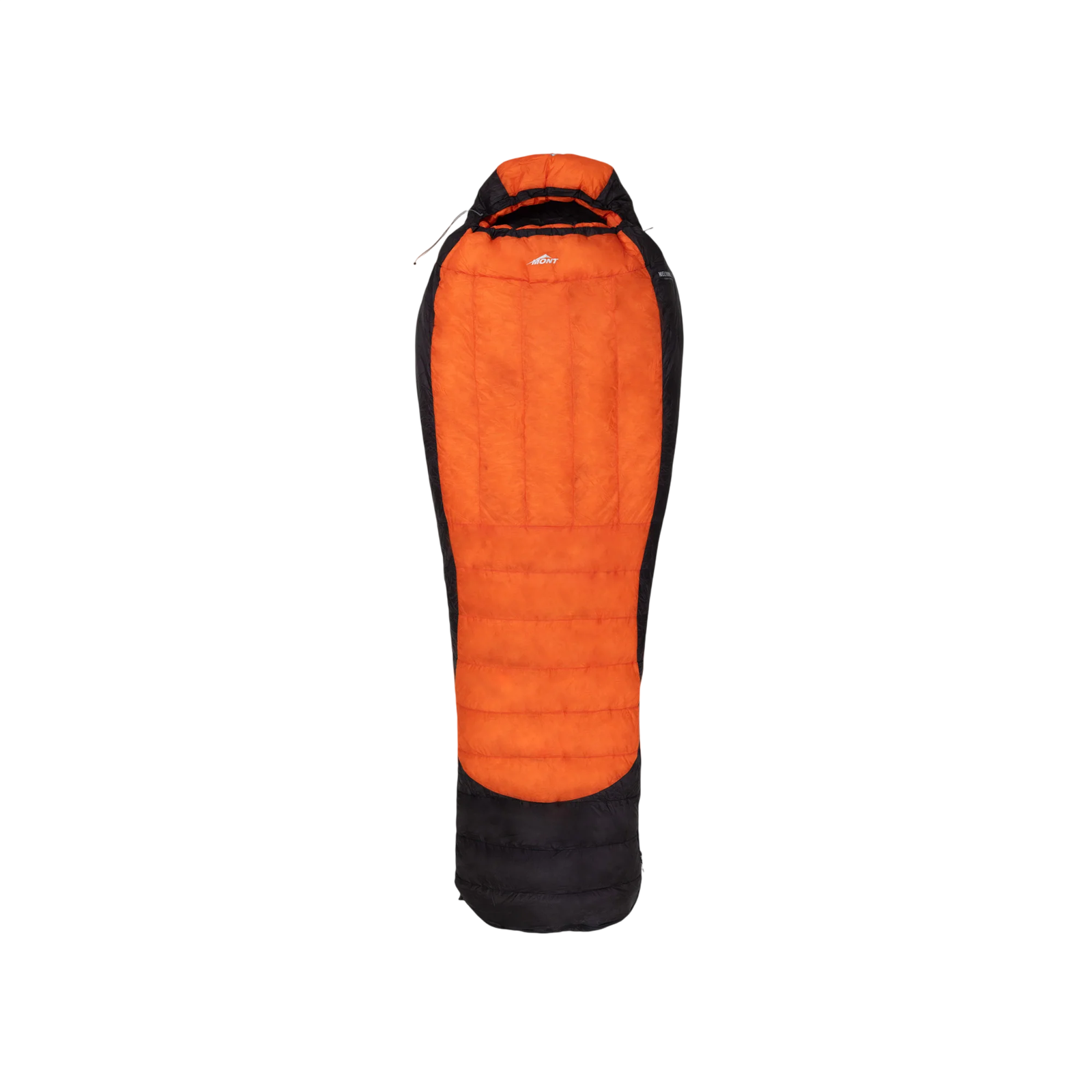
Super light, making it great to carry for bikepacking. It packs up small and still has a great thermal rating for mixed conditions.

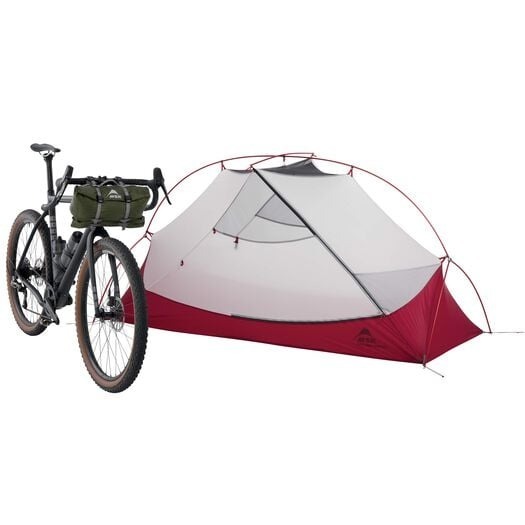
Lightweight yet durable, designed for backpacking and a great option if travelling solo.
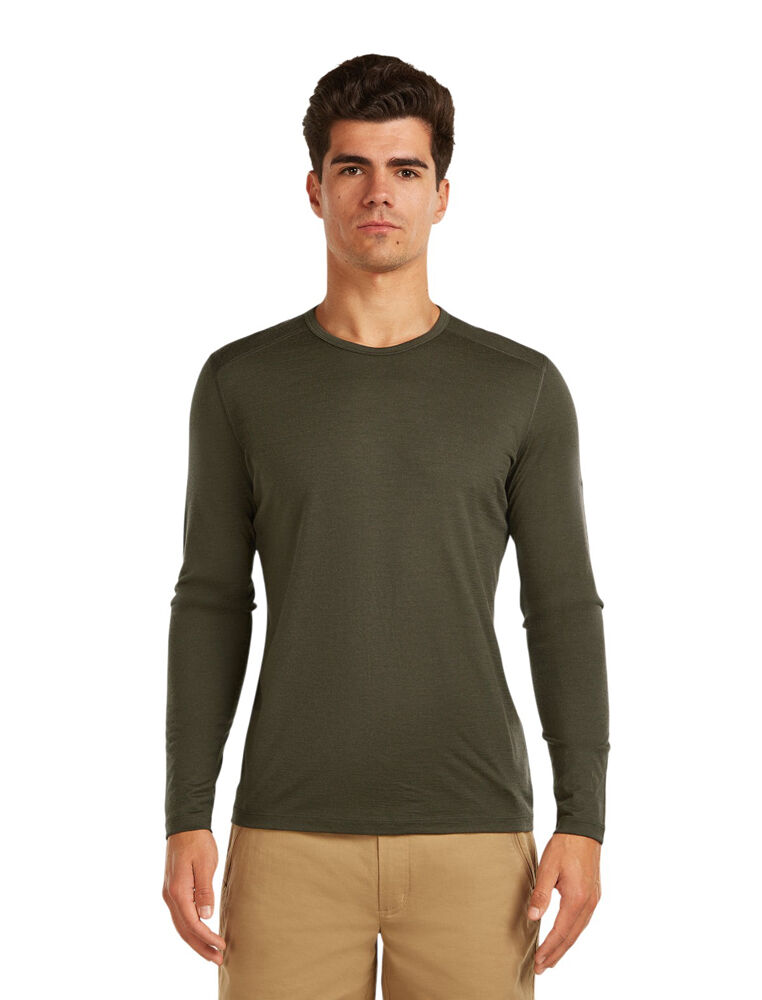
Perfect bottom layer for camp in cold conditions or cold riding conditions. Merino is nice and breathable, temperature regulating and odour resistant (it doesn't get smelly).
Perfect bottom layer for camp in cold conditions or cold riding conditions. Comfy and keeps you warm.
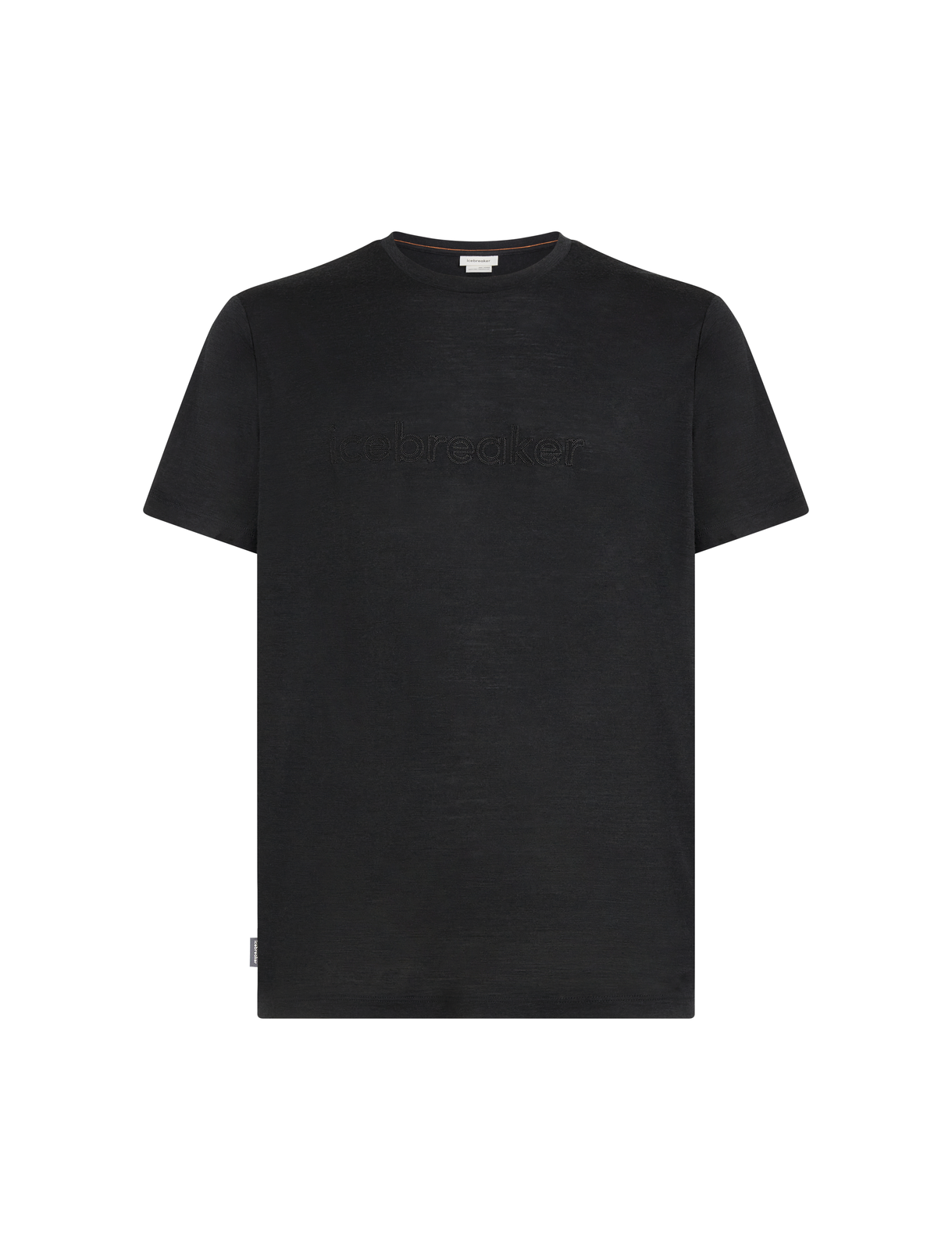
Perfect option for when riding and sweating.
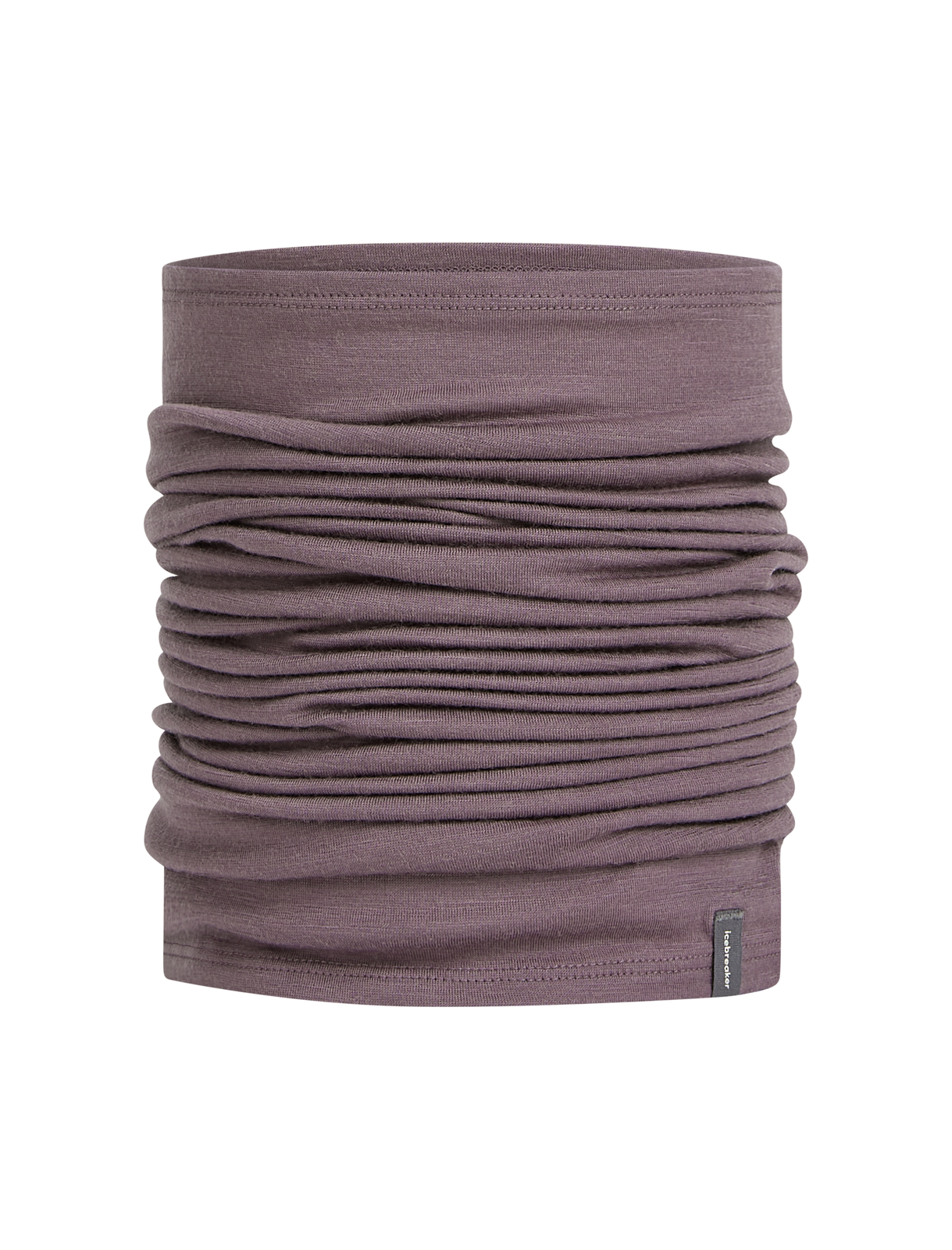
Perfect for riding in cold conditions like descents when cold air is blasting your face or for at camp as a beanie / neck warmer.
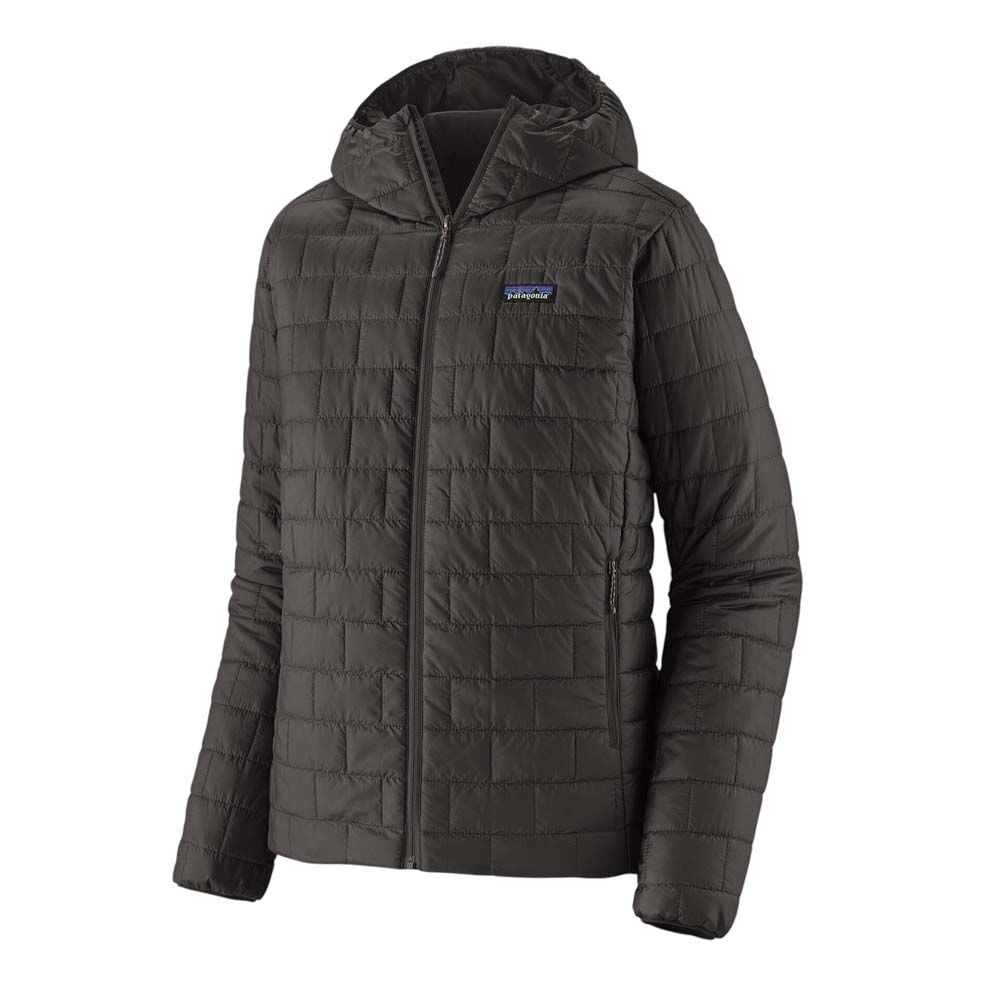
Great camp outer layer for keeping you warm at camp when not moving much e.g cooking outside in the cold.
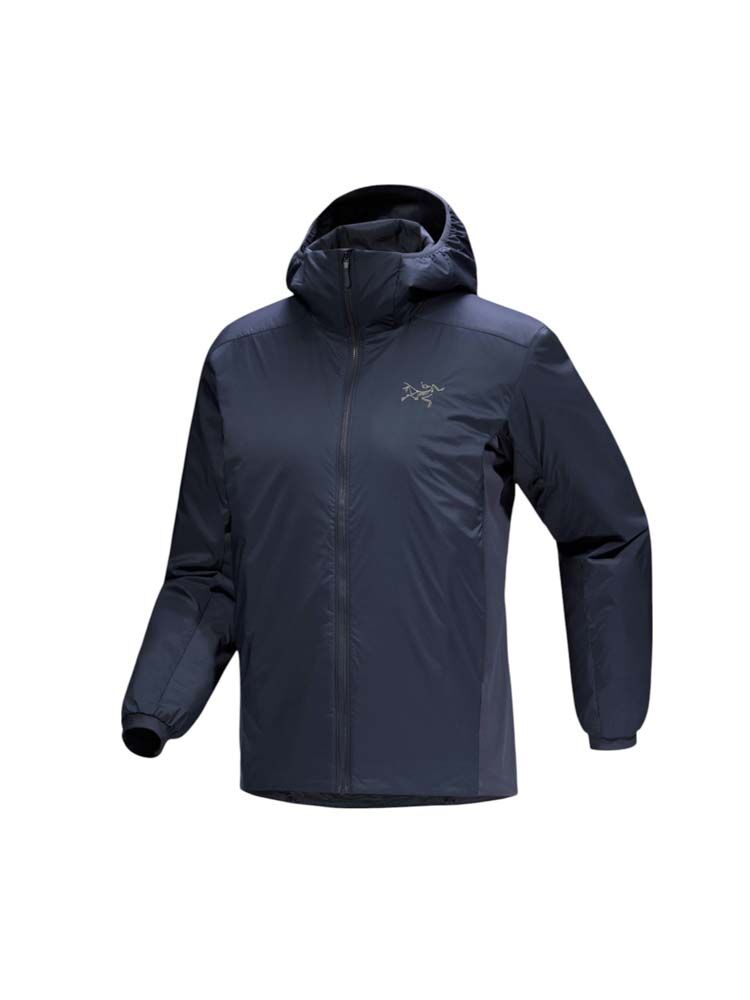
Great outer layer to ride in if it's cold but not raining. Also layers well if really cold riding and have a jacket over the top.
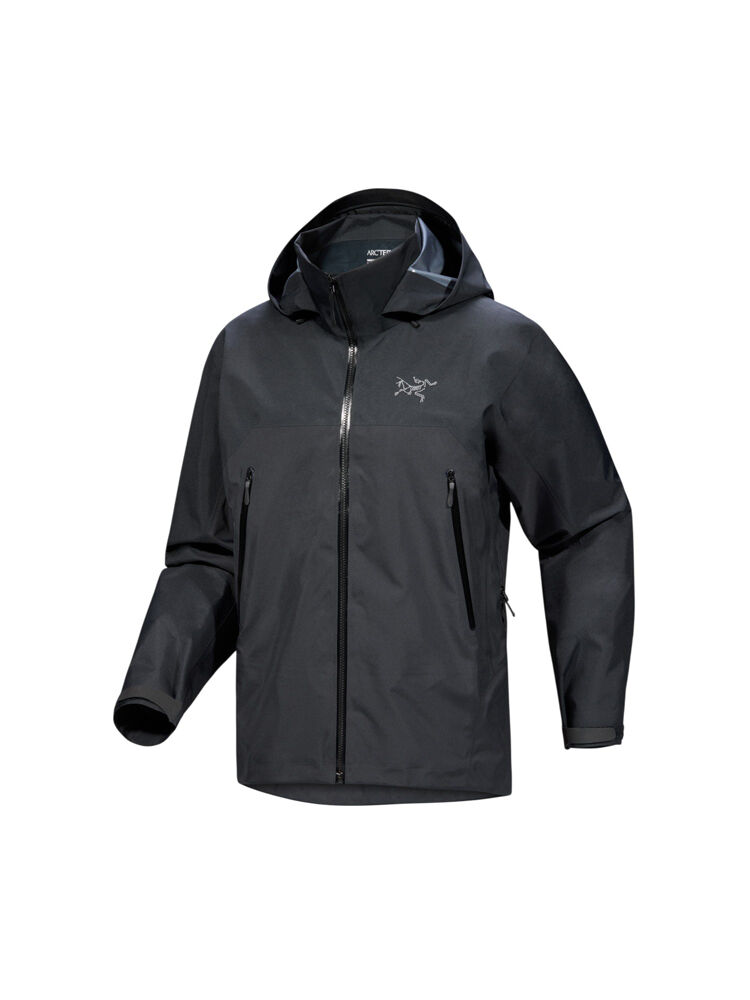
Durable full Gore-Tex jacket that is still comfy to move in and allows a bike helmet to fit underneath.
Perfect for international use where access to gas canisters is hard, and you want to use petrol or other alcohols to burn.
Perfect for cooking bigger meals for groups and having 1 pot to save on weight and share the load.
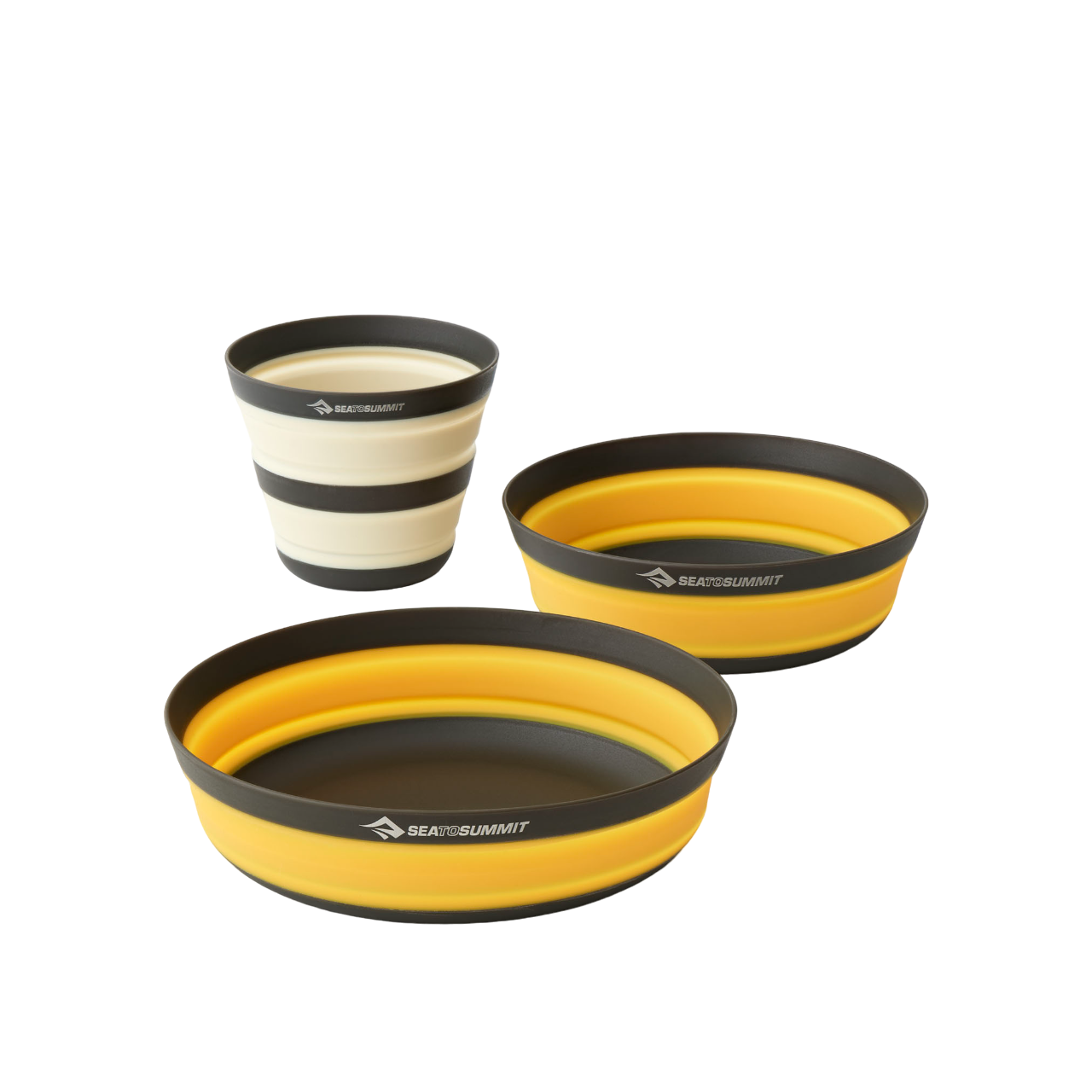
Easy combo and collapses down to pack easier.
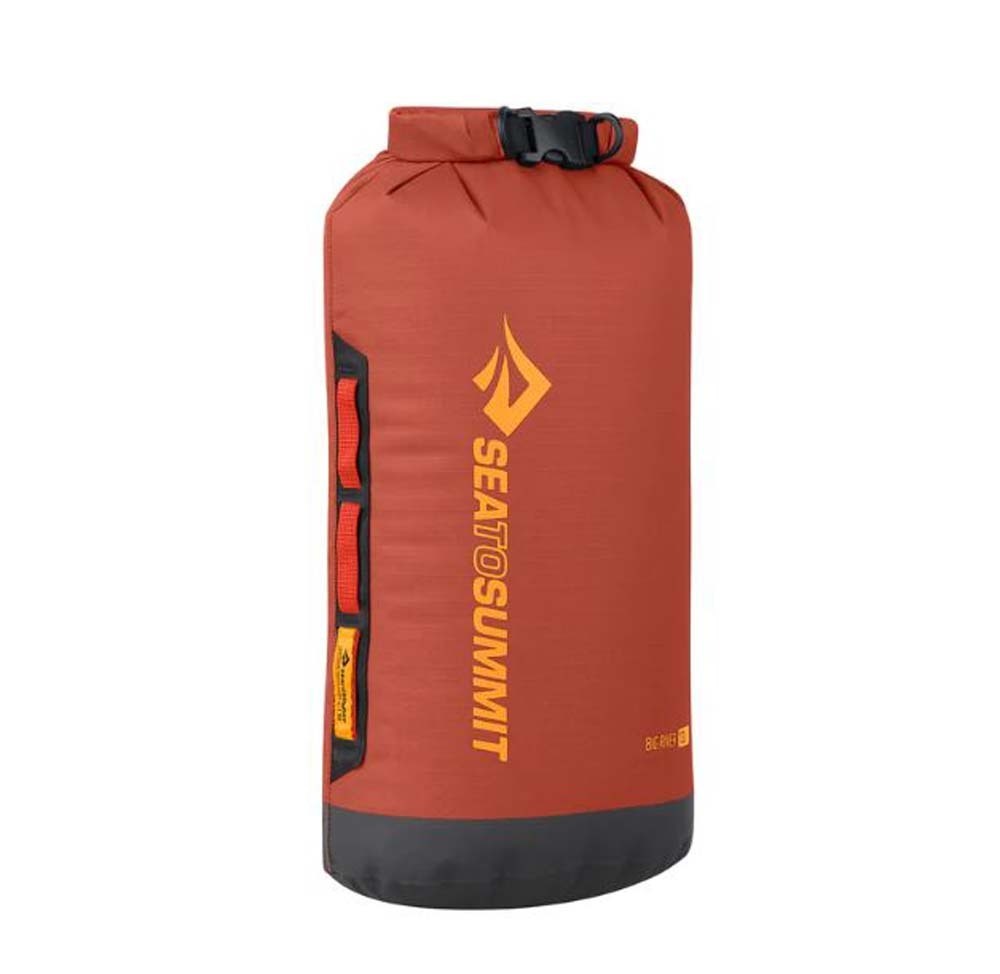
Have side points to allow strapping to different parts of bike and are heavy duty so when exposed to elements they hold up best.
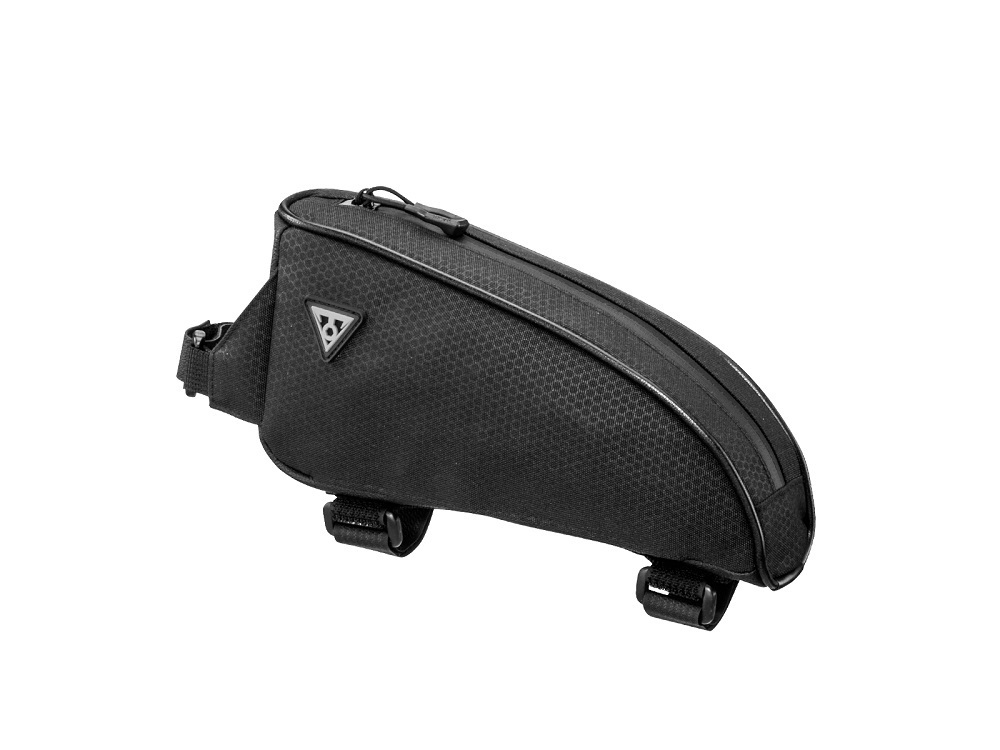
Perfect small bag to mount to the frame to store bike tools and snacks.
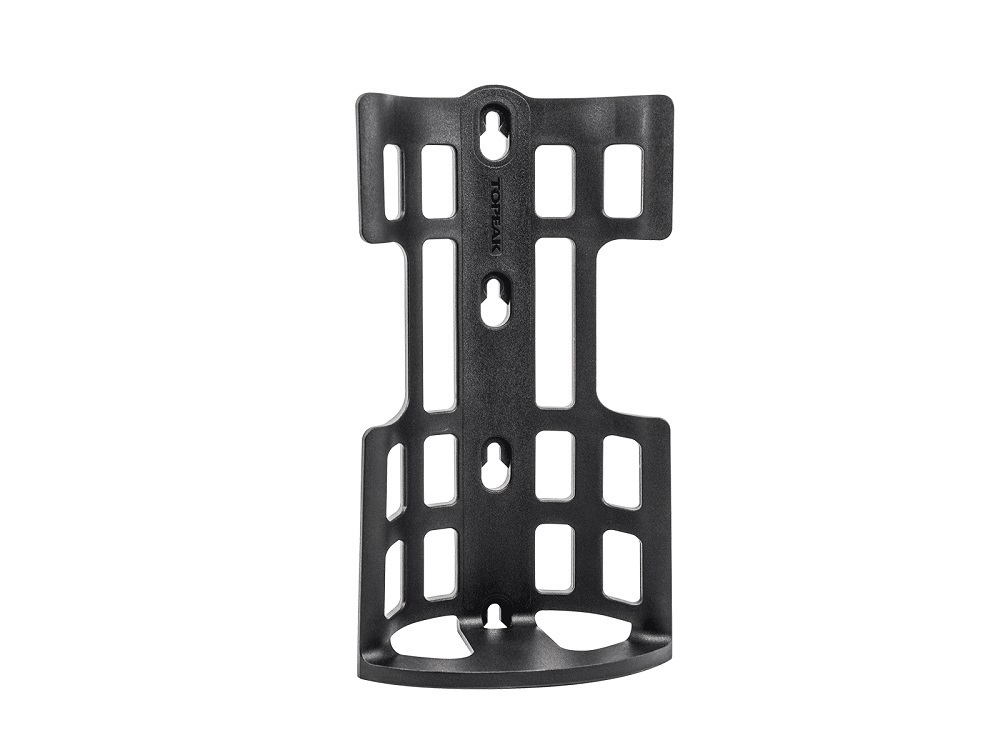
Fit to the front forks to allow mounting of things like the Sea to Summit dry bags for storage.
Not sure what gear you need for your adventure? Chat with our friendly team of Outdoor Gear Specialists in-store or online today, and don’t forget to share your adventures with us on Instagram by tagging @wildearthaustralia in your next post.
My trip took around two months, travelling from Bishkek in Kyrgyzstan to Dushanbe in Tajikistan. We combined bikepacking with vehicle transfers between some riding stages.
We rode the Tian Shan Traverse in Kyrgyzstan and the Bartang Valley route in Tajikistan, linking them with connecting rides and vehicle transfers. After the Bartang Valley, we continued from Rushan to Dushanbe on a route we planned ourselves.
I rode a Surly Ogre, a steel-frame bike fitted with mountain bike tyres, racks, panniers and a homemade frame bag. This setup carried my camping equipment, clothing, food and water over rough mountain roads.
I carried a 20,000 mAh power bank and a 10,000 mAh power bank, with a solar panel as backup. I recharged the power banks whenever mains electricity was available and limited phone use during stretches of up to around four days without a power point.
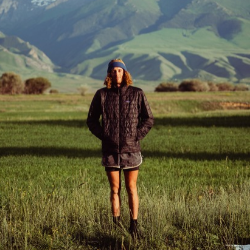
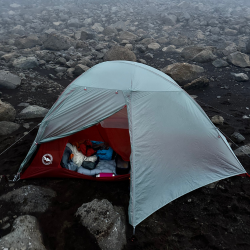
Wild Earth Gear Specialists and ambassadors share their top winter sleeping bags for alpine camping, frosty outback nights, Tasmania and cold-weather adventures.
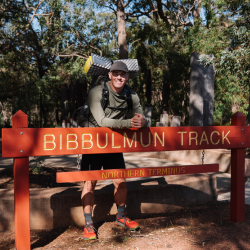
Expert ultralight hiker Cam Bostock reveals the gear lessons he learned from the Bibbulmun Track, Te Araroa and PCT, from base weight to off-grid power along with his favourite ultralight gear.
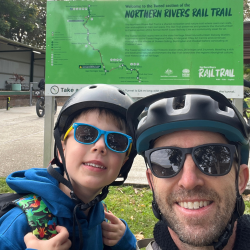
Can a 5-year-old go bikepacking? Adam and his son took a 10km overnight trip with a 16-inch kids' bike. Here's the route, gear, mistakes and lessons that worked.
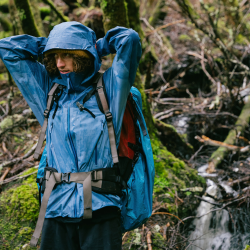
We compared the best rain jackets in Australia for 2026, including 3 layer, 2.5 layer, PFAS Free, trail running, hiking, severe weather and more.












Using Afterpay you can pay for your order over 8 weeks. There's no interest or added fees* and nothing to pay today. Payment will be automatically taken from your debit or credit card in four equal payments each fortnight over 8 weeks, and you will receive your order immediately.
You simply need:
To use this service simply:
Approved AfterPay buyers will require the funds for the first payment to be available on their card at time of checkout, however the first payment won't be deducted for 14 days. First time AfterPay buyers will need to make the first instalment payment at the time of their purchase.
If you wish to return your goods you can choose to receive an exchange, or the Afterpay payment plan can be cancelled before the first payment at no charge. *If you fail to have sufficient funds available for AfterPay to automatically deduct payment on due instalment dates you will be charged a late fee of $10, and if the instalment payment remains overdue, an additional $7 will be charged one week later.
With AfterPay, there's no waiting and we'll ship out your order immediately as normal.

When you want to go now, sometimes it's handy to pay later. That's why, we offer interest free payment plans from two of Australia's favourite Buy now, Pay later services.