Total Items: 0
Sub Total: $0.00
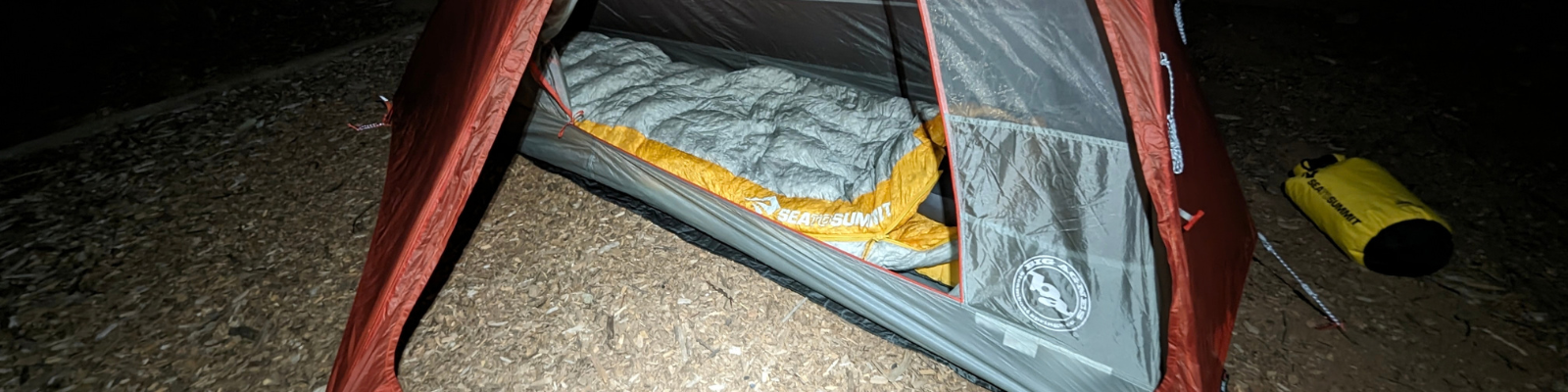
Compare the best ultralight sleeping bags and quilts for Australian hiking in 2026. Explore weights, temperature ratings and practical advice to help you choose your perfect sleep system.
A sleeping bag is just one part of your sleep system. It’s also one of the ‘big four’ items that make up a large share of your ultralight backpack weight, so choosing an ultralight option can bring that weight down considerably. But how well it works depends on your full setup, including your sleeping mat. As usual, there’s no one-size-fits-all choice. It depends on the adventures you go on, the conditions you’re likely to face and how you sleep.
In this guide, we've shared some of our favourite ultralight sleeping bags and quilts at Wild Earth. The list features some made with down insulation and others with synthetic insulation. These options will cover Australian adventures from warmer summer nights in Queensland to cold mornings in the Australian Alps. The right one for your adventures can save you weight, pack size and make a big difference to your final ultralight hiking setup.
This selection was pulled together from a combination of feedback from the Wild Earth in-store Outdoor Gear Specialists, our Team and Ambassadors lived experience, Customer Favourites (bestsellers) as well as current product features and specs. The warmth-to-weight ratios, Aussie conditions, fit and packability are the focus.
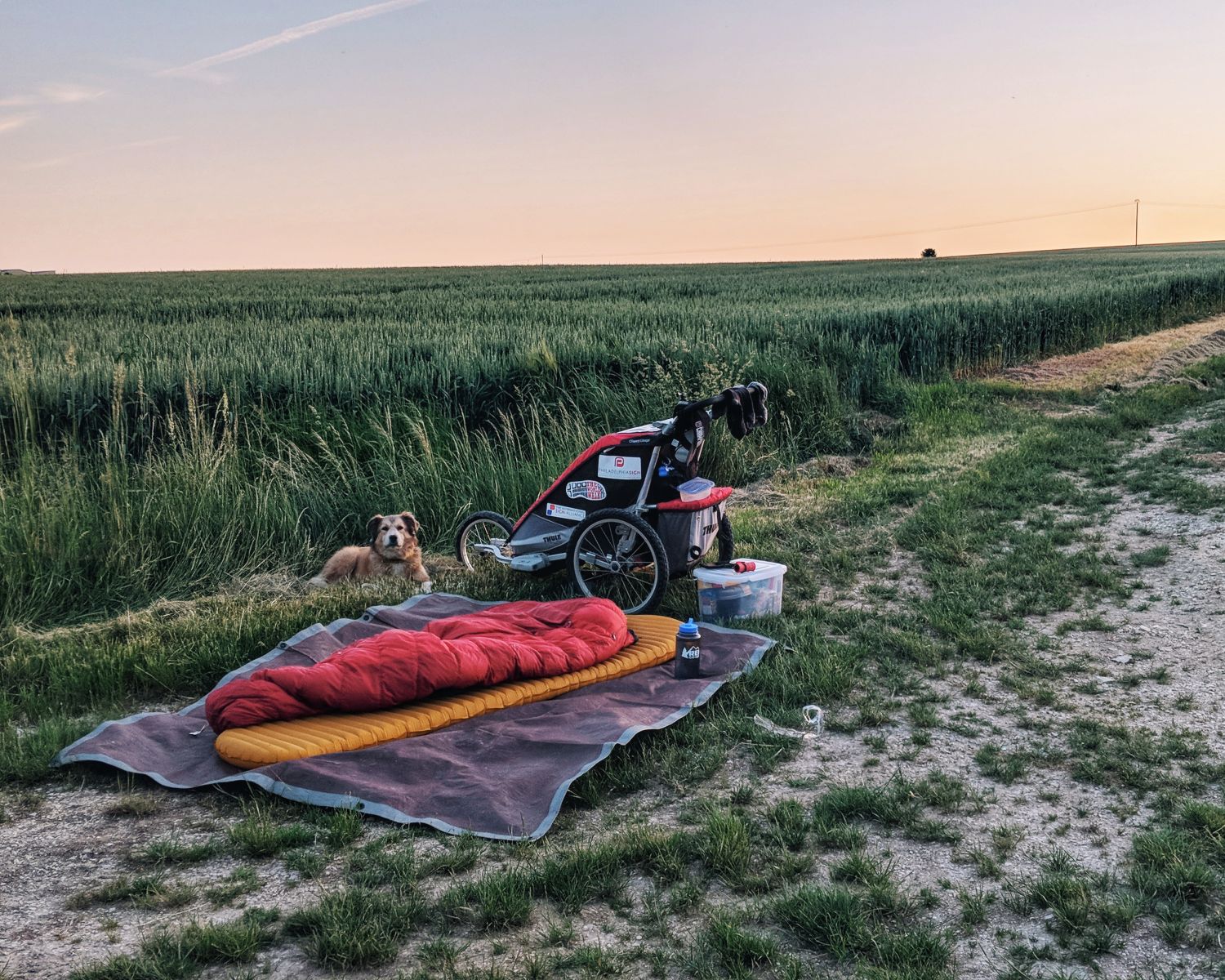
Tom Turcich's ultralight camping set up on his World Walk
Firstly, let’s get into one of the biggest questions we get in store and online. The ultralight sleeping bag vs quilt debate... which ultimately comes down to what type of sleeper you are (side sleeper, run hot, cold feet, move around a lot etc).
If you tend to sleep cold, love a mummy style hood and just want to simply zip yourself in after a long day, a sleeping bag is most likely your best pick because you easily stay inside when you roll over, and there’s less adjusting to do once you’re snug in there.
A quilt on the other hand, feels more like your bedding at home would, so it gives you the option to stick a leg out when you’re too warm and allows for more free movement. Hikers who find sleeping bags restrictive tend to love the freedom of movement more than the weight saving itself. A common complaint with an ultralight quilt is usually due to exactly that too, the draughts, especially when camping in the cold. Getting the set up right is arguably more important when quilt camping. That's because a quilt that’s too narrow, or poorly secured to your mat, can end up letting cold air in when you move around. This is why it’s so important to get the set up right by making sure the width and straps fit, especially on colder nights where we recommend chucking on a beanie up top too.
Whichever option you go with, remember it’s the sleep system as a whole that really makes for a good night sleep. That's the sleeping mat, the sleeping bag or quilt and pillow. Try and borrow a quilt before buying to test out the style for you, or head in store and try it out with our gear specialists.
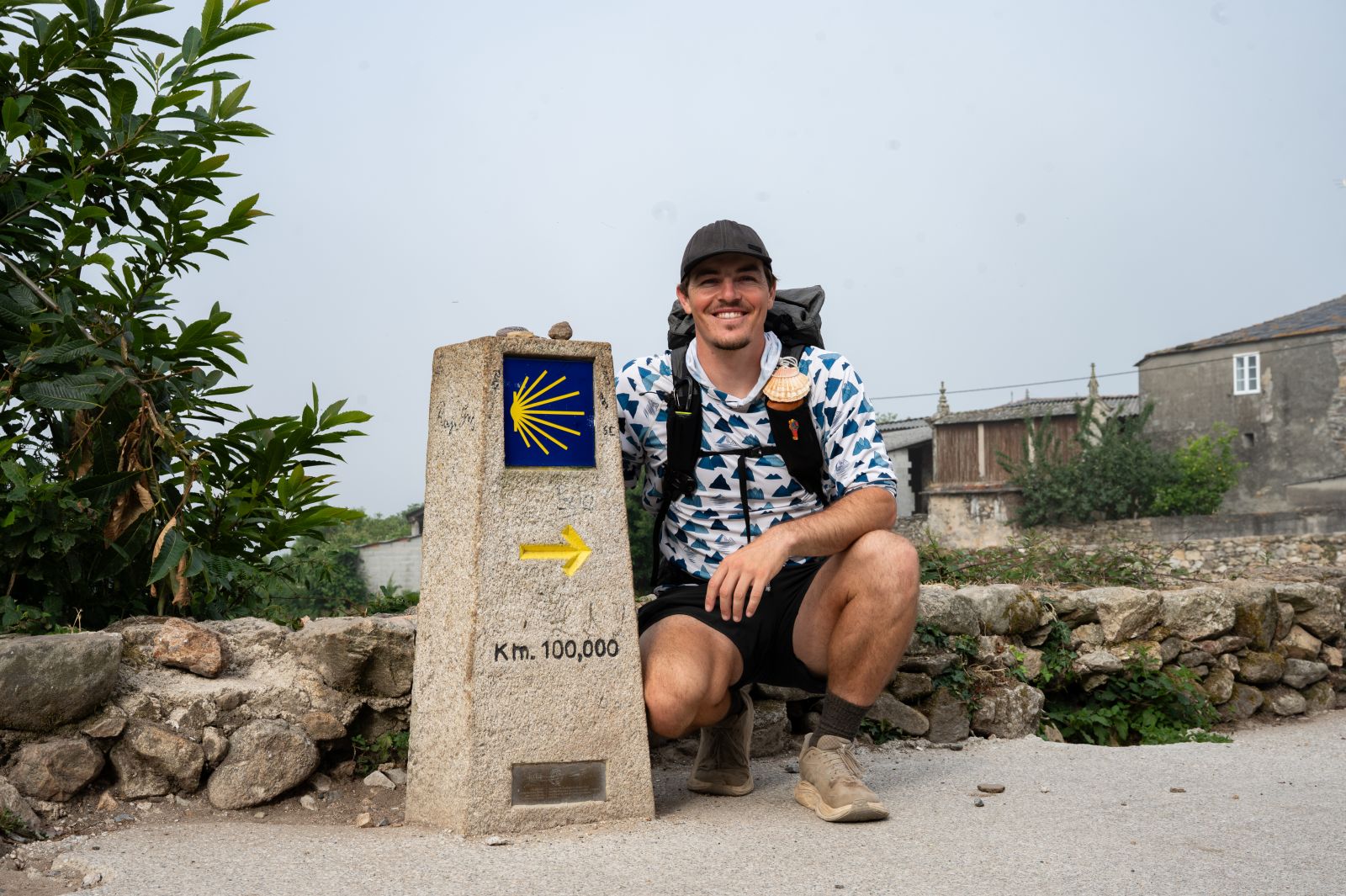
Cam Bostock hiking the Camino De Santiago with Ultralight kit
Your sleeping bag or quilt is only one part of the equation and you can often adjust your sleep system as a whole rather than immediately swapping out for a new sleeping bag.
*scroll across if you're on mobile
| Product | RRP (AUD) | Best for | Listed weight / size | Comfort rating | Limit or manufacturer rating |
|---|---|---|---|---|---|
| Sea to Summit Spark -1°C | $649.99 | Overall bag pick for mild-to-cool nights | 493g / Regular | +4°C | −1°C limit |
| Enlightened Equipment Enigma 5°C | $609.95 | Minimalist down quilt for warmer trips | 470g / Long/Wide | Not separately specified | +5°C manufacturer rating* |
| Sea to Summit Spark 7°C | $499.99 | Warm-weather hiking | 363g / Regular | +11°C | +7°C limit |
| One Planet Quest Pro −3M/+3F | $499.00 | Cooler-night down quilt | 562g / Regular | +3°C, listed | −3°C limit, listed |
| One Planet Nitrous -3M/+3F | $589.00 | Enclosed bag with a full-length zip | 598g / Regular | +3°C | −3°C limit |
| Enlightened Equipment Revelation APEX 5°C | $399.95 | Synthetic quilt for milder, damp trips | 505g / Regular | Not separately specified | +5°C manufacturer rating* |
| Sea to Summit Spark -9°C | $799.99 | Coldest conditions covered by this shortlist | 730g / Regular | −2°C | −9°C limit |
| Big Agnes Fly Creek UL -4°C | $829.95 | Enclosed warmth with a centre zip | 722g / Regular | +2°C | −4°C limit |
Why it wins: A Wild Earth Gear of The Year Winner and staff favourite! The Spark manages to pack a mummy hood to pull around your head and an insulated draft tube to help keep warmth from escaping through the zip and 850+ fill-power goose down to a packed weight of only 493g! Lightweight 10D fabrics keep bulk down too, allowing it to compress down a size of 4.5L.
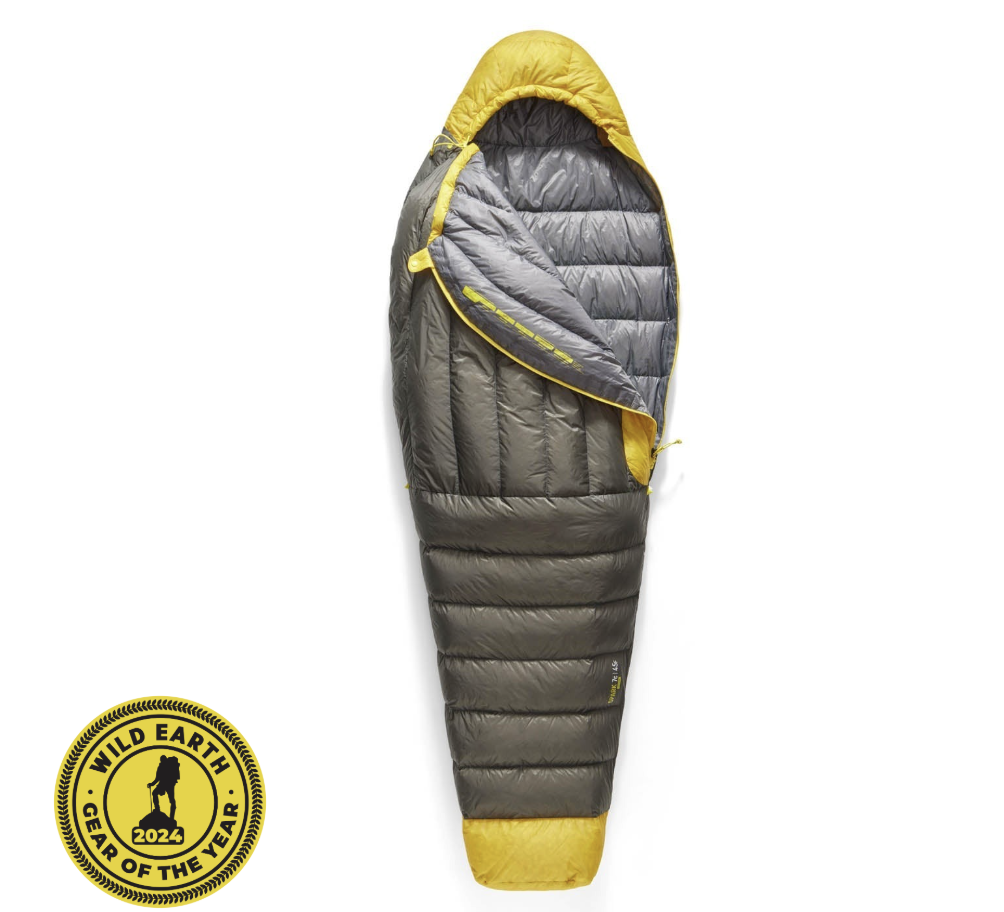
Key specs:
If sleeping bags are your preferred style, this is a good place to start. It’s earned its place on many multi-day hikes with a simple and reliable design.
Best for: Hikers wanting to cut pack weight while keeping a hooded sleeping bag for mild-to-cool nights.
Keep in mind: The mummy shape won’t suit everyone so check shoulder room as well as length in the size guide and if you regularly head camping in Australian Alpine conditions, look to the Spark -9°C further down this list.
Shop the Sea to Summit Spark -1°C
Why it wins: The Enigma ditches the hood and zipper while keeping the design simple. It has a sewn-in footbox which means there’s no foot opening to have to cinch shut (good for cold feet).
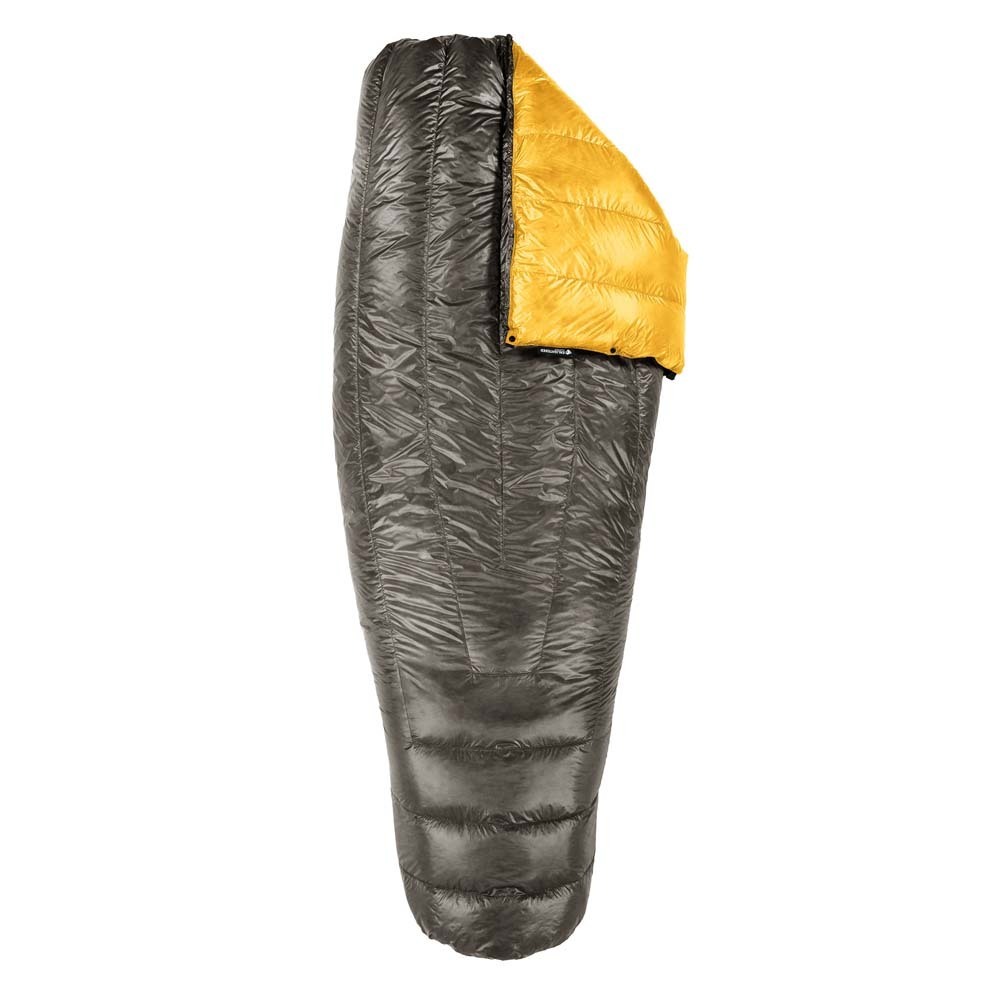
Key specs:
This quilt is a great match if you like pulling a knee up or turning onto your side without twisting a sleeping bag around you. The closed footbox is the main trade-off, it keeps the design simple, but means you can’t unzip the quilt it into proper flat blanket style.
Best for: Hikers who want upper-body freedom but with a permanently closed footbox.
Keep in mind: This bag is for mild nights, +5°C
Shop the Enlightened Equipment Enigma 5°C Long/Wide
Why it wins: At 363g, this is the lightest option in the shortlist. With that it still manages to provide an enclosed mummy shape hood and packs down to a volume of 2.4L.
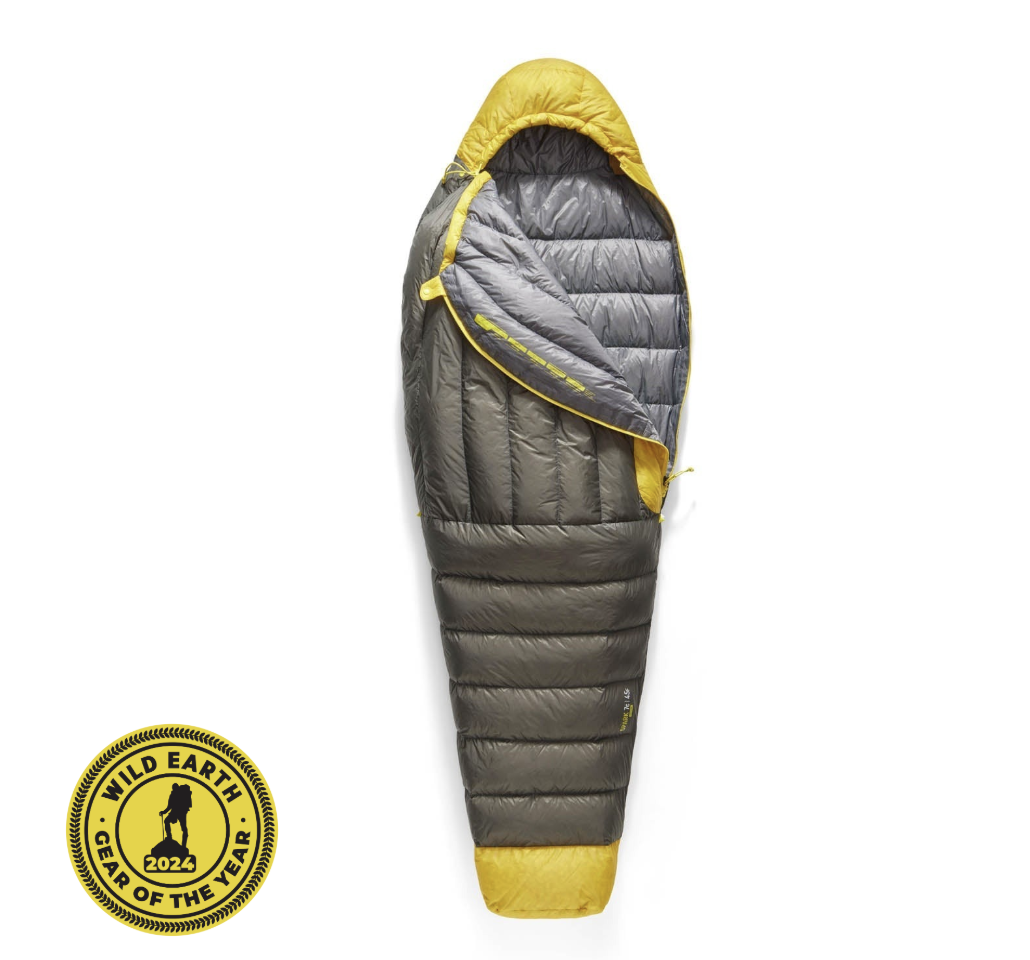
Key specs:
Best for: Trips with reliably mild overnight temperatures.
Keep in mind: The Spark -1°C adds 130g and lowers the listed comfort rating by 7°C. That’s a useful upgrade if your trips regularly include cooler nights.
Shop the Sea to Summit Spark 7°C
Why it wins: The Quest Pro gives you more options to get comfortable. From being able to completely open it into a flat blanket when you’re warm, or close the footbox when your toes get chilly, then also secure the sides and top to reduce draughts. Unlike the Enigma’s permanently closed footbox, this one can open completely. It’s also filled with down in Melbourne!
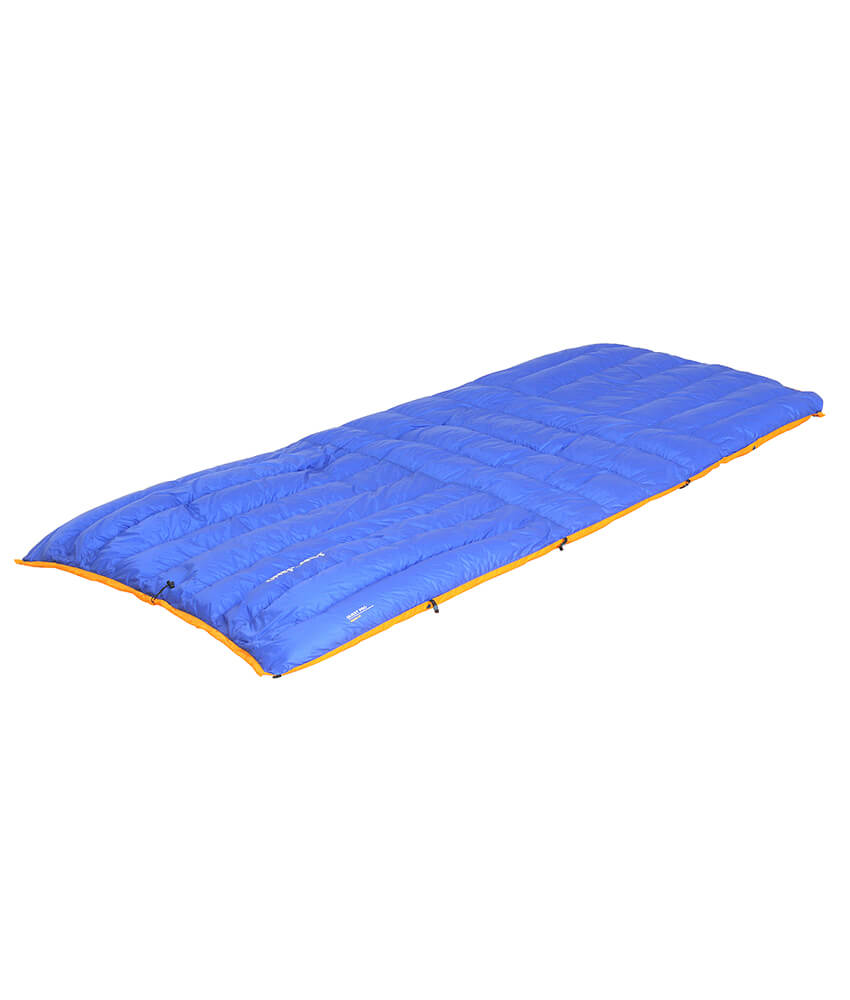
Key specs:
The three straps let you adjust how closely the quilt wraps around you.
Best for: Hikers who want room to move and a quilt they can open out on warmer nights or snug down when the temperature drops.
Keep in mind: The -3°C label is the listed limit, so cold sleepers should start with the +3°C comfort figure. Choose this quilt because you prefer its flexibility of sleeping styles.
Shop the One Planet Quest Pro −3M/+3F
Why it wins: The Nitrous keeps the features you might miss in a stripped-back ultralight design. They include a shaped hood, an insulated tube along the zip and a roomy footbox. The full-length zip makes getting in and out easier and gives you more options to let heat out on warmer nights.
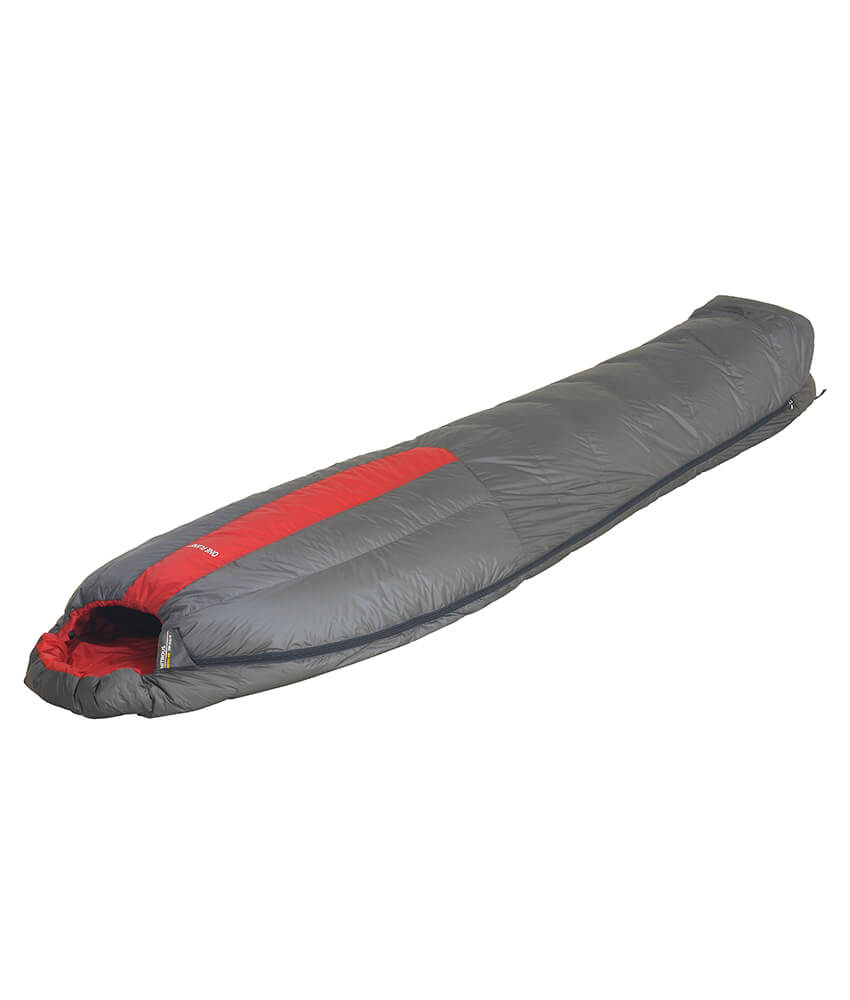
Key specs:
Best for: Hikers who prefer an enclosed sleeping bag and want useful ventilation without going over 600 grams in weight.
Keep in mind: +3°C is the comfort rating; -3°C is the lower limit. If you regularly expect nights around freezing, especially if you sleep cold, look for a warmer bag with more margin.
Shop the One Planet Nitrous −3M/+3F
Why it wins: The Revelation APEX gives you a synthetic sleep option at 505 grams. Its CLIMASHIELD APEX insulation handles dampness better and dries faster than down which is really useful when condensation builds up in your tent and opportunities to dry gear are limited.
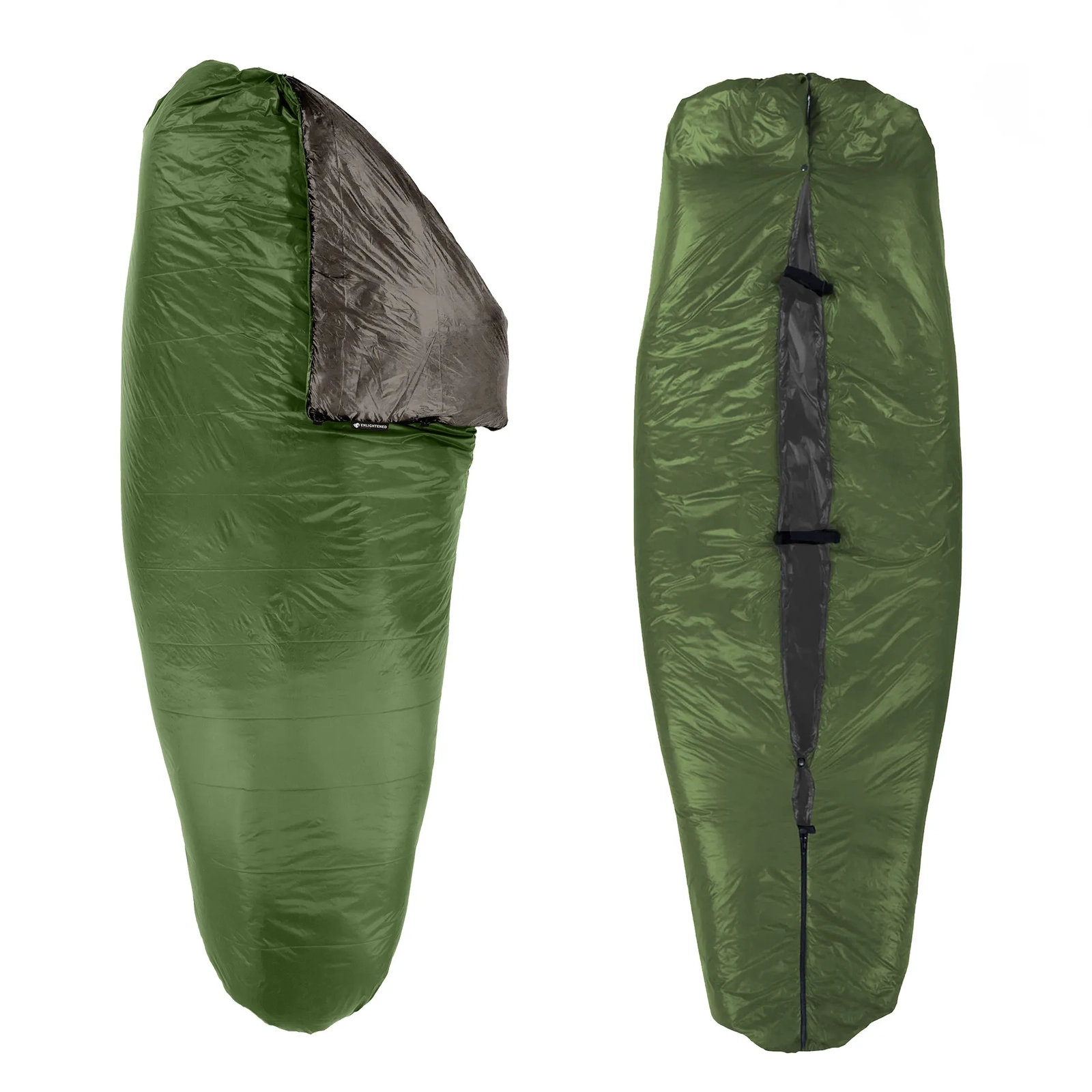
Key specs:
This bag really shines on mild coastal overnighters or trips with high humitidy because the insulation is much more forgiving when it comes to moisture. You'll still need to keep it dry, but synthetic fill is known to offer a useful buffer against damp conditions.
The opening footbox is a nice feature because if your feet tend to overheat, you can simply unzip it and use the quilt as a flat blanket on warmer nights.
Best for: Hikers on milder, damp or humid trips, and anyone who prefers synthetic insulation to down.
Keep in mind: The main compromise is packed bulk because The APEX is less compressible than the comparable down sleeping bags in this list.
Shop the Enlightened Equipment Revelation APEX 5°C
Why it wins: Another member of the Spark family. The Spark -9°C adds substantially more down filling than the lighter Spark models and uses full box baffles. It weighs only 730 grams while keeping that great warmth-to-weight ratio.
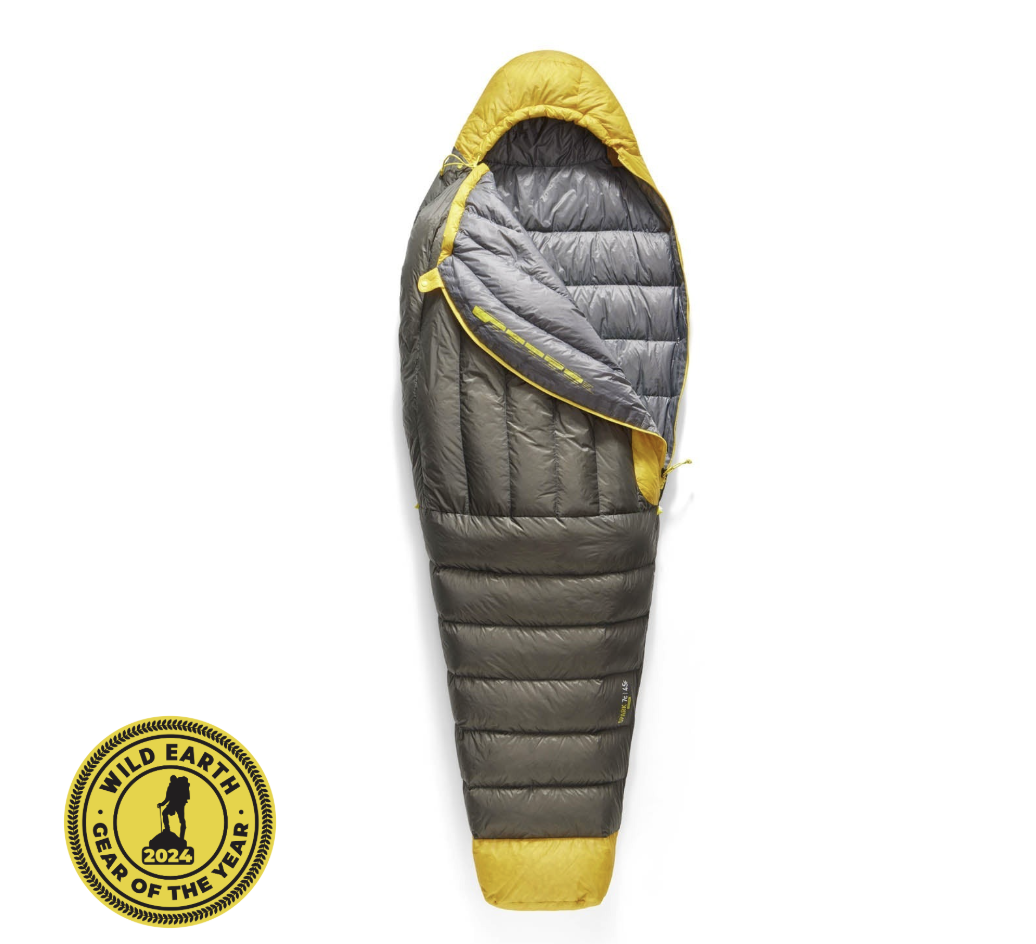
Key specs:
This bag adds 237g over the Spark -1°C and lowers the comfort rating by -6°C. For colder Alpine high-country trips, that may be a more useful choice than carrying a lighter bag and needing extra insulation.
Best for: Gram counting hikers that camp in cold conditions (this is the lowest temp rating on our list).
Keep in mind: -9°C is its limit so if your expected nights are below its -2°C comfort rating, particularly if you sleep cold, look beyond this shortlist for a warmer system and Australian winter specific sleeping bags.
Shop the Sea to Summit Spark -9°C
Why it wins: The Fly Creek has a unique design with its half-length zip on the front. It's easy access where you can reach it from either side when lying on your back. If side zips feel awkward, that’s a design feature you’ll appreciate. This bag comes with a mummy shaped hood, the insulated zip and draught collar help reduce additional heat loss, and the contoured footbox gives your feet space without stretching the insulation too tight.
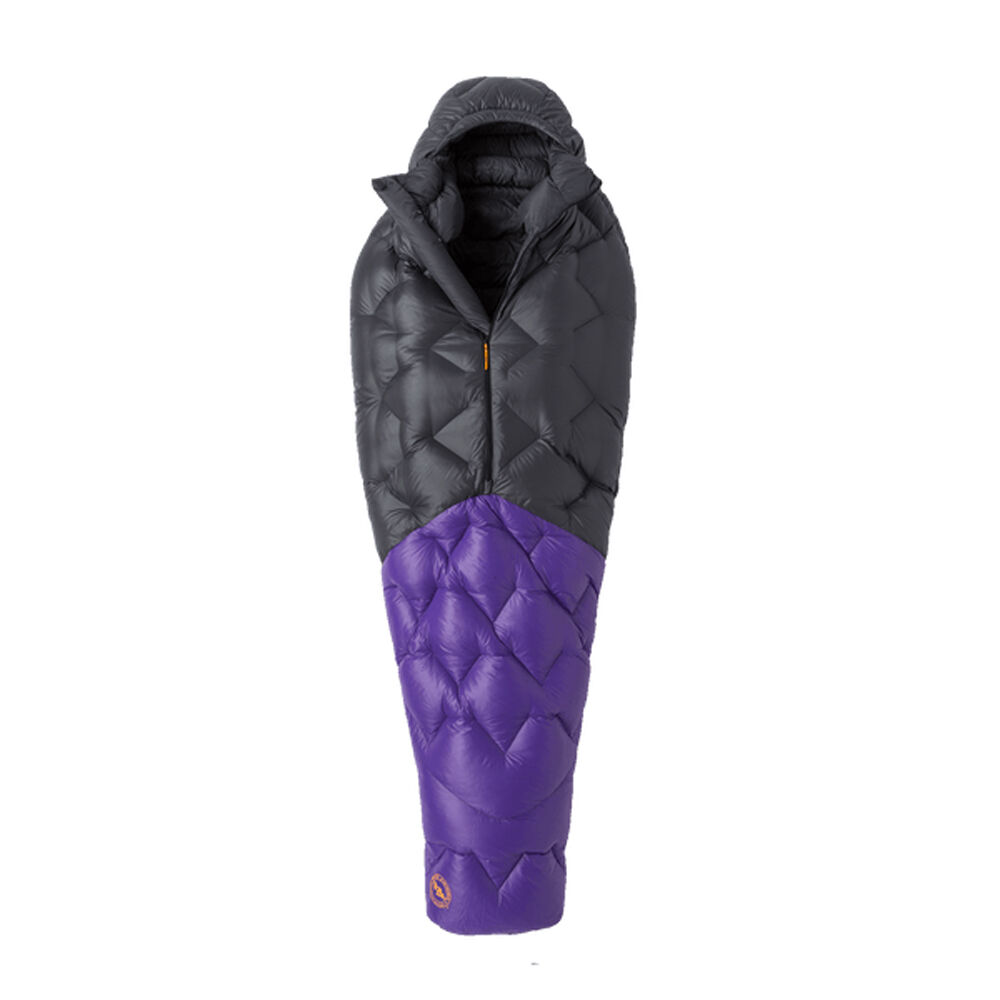
Key specs:
Best for: Hikers who prefer a design with the zip down the front and an mummy enclosed bag style for mild-to-cool Australian nights.
Keep in mind: Choose this for its fit, you can vent around your upper body, but you can’t open the lower section or spread the bag into a blanket. The Spark -9°C has a listed weight of 730g (just 8g more) and a lower comfort rating of -2°C versus +2°C here. If you’re heading out on colder trips, look for bags that offer more warmth.
Shop the Big Agnes Fly Creek UL -4°C
If you're in the market for an ultralight sleeping bag, start by thinking honestly about the coldest overnight temperatures you can expect on the trail and think about how you tend to sleep at night (position, natural body temperature etc). From there, narrow the list of sleeping bags and quilts by weight, fit, style and budget. The Spark -1°C is our overall enclosed-bag pick for mild-to-cool nights, the Enigma suits those looking for a quilt, and the Spark -9°C offers the lowest comfort rating on the list.
Basically, save weight where it makes sense but do so within keeping the warmth and comfort you need for a good night on the trail. That's more important than shaving off a few grams!
Not sure what gear you need for your adventure? Chat with our friendly team of Outdoor Gear Specialists in-store or online today, and don’t forget to share your adventures with us on Instagram by tagging @wildearthaustralia in your next post.
Not always, a quilt is generally lighter because less material is used. Quilts usually forgo the mummy hood insulation, so if you're camping in the cold, a beanie and suitable head insulation is a good idea. Compare equivalent warmth and fit, then decide which design you prefer.
Yes, if the complete sleep system (sleeping mat with high R- value, thermals, beanie etc) suits the expected conditions. It's important to understand that 'Ultralight' describes weight, not warmth and the warmest bag on this list has a -2°C comfort rating. If you need colder, look at our best sleeping bags for winter in Australia.
Start with the comfort ratings: +11°C for the Spark 7°C, +4°C for the Spark -1°C and -2°C for the Spark -9°C. Choose the model that covers your expected temperature during the nights with an appropriate margin, then compare weight.
Down insulation really shines when it comes to warmth to weight ratio as well as compressability. In short, it keeps things lighter and packs down smaller.
Washing down gear can feel risky, but it doesn’t have to be. Here’s how to clean down jackets, sleeping bags and quilts without wrecking them.
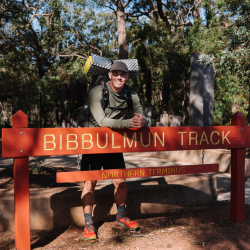
Expert ultralight hiker Cam Bostock reveals the gear lessons he learned from the Bibbulmun Track, Te Araroa and PCT, from base weight to off-grid power along with his favourite ultralight gear.
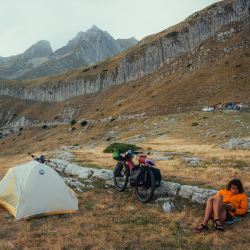
Compare the best ultralight tents in Australia for 2026, including one-person, two-person, freestanding and trekking-pole shelters from Big Agnes, Nemo, Mont, Hilleberg and more.
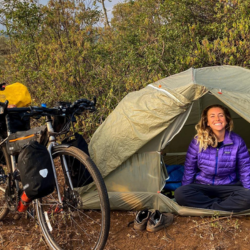
Wild Earth ambassador Steph Devery reviews the Big Agnes Copper Spur HV UL2 after 10+ years and 400+ nights. See how this ultralight 2-person tent handles storms, snow, heat, bikepacking and hiking, plus its comfort, durability, setup and drawbacks.









Using Afterpay you can pay for your order over 8 weeks. There's no interest or added fees* and nothing to pay today. Payment will be automatically taken from your debit or credit card in four equal payments each fortnight over 8 weeks, and you will receive your order immediately.
You simply need:
To use this service simply:
Approved AfterPay buyers will require the funds for the first payment to be available on their card at time of checkout, however the first payment won't be deducted for 14 days. First time AfterPay buyers will need to make the first instalment payment at the time of their purchase.
If you wish to return your goods you can choose to receive an exchange, or the Afterpay payment plan can be cancelled before the first payment at no charge. *If you fail to have sufficient funds available for AfterPay to automatically deduct payment on due instalment dates you will be charged a late fee of $10, and if the instalment payment remains overdue, an additional $7 will be charged one week later.
With AfterPay, there's no waiting and we'll ship out your order immediately as normal.

When you want to go now, sometimes it's handy to pay later. That's why, we offer interest free payment plans from two of Australia's favourite Buy now, Pay later services.